10 Fall Landscaping Myths That Aren’t Serving Your Yard
As the vibrant greens of summer give way to the rich golds and crimsons of autumn, many gardeners feel the urge to pack away their tools and retreat indoors. It’s easy to believe that as the weather cools, your yard’s needs wind down, too. However, this is a critical time for your landscape. The work you do in the fall directly impacts the health and beauty of your garden come spring.
Unfortunately, a lot of common autumn yard care advice is based on myths that can do more harm than good (depending on the situation, of course). These misconceptions can lead to a weaker lawn, fewer spring blooms, and more work for you later. To help you set your yard up for success, we’re debunking 10 of the most common fall landscaping myths we’ve learned ourselves and with our thriving online gardening community mostly through trial and error.
1. Myth: It’s Time to Stop Mowing the Lawn
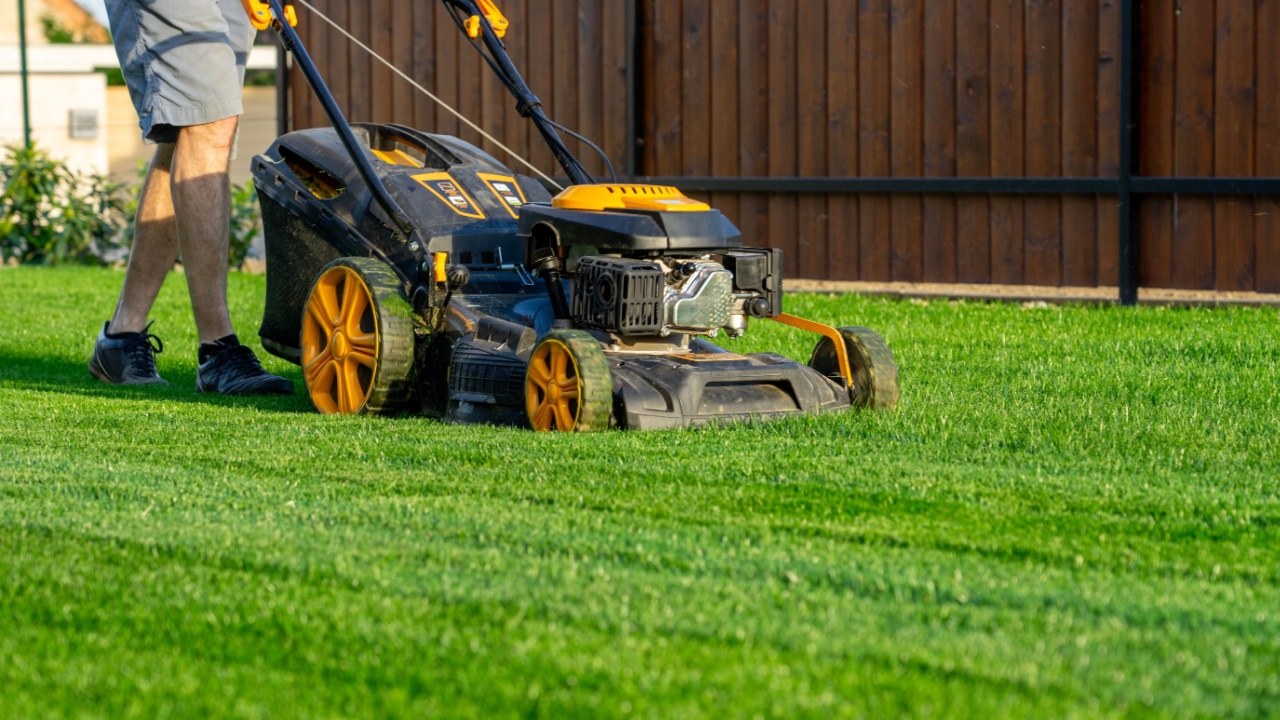
Many people see the first falling leaves as a signal to retire the lawnmower for the season. This is a tempting thought, but your grass continues to grow as long as temperatures remain mild. Continuing to mow is essential for its health. Letting your lawn get too long in the fall can create a thick mat that traps moisture against the soil, inviting fungal diseases like snow mold.
When you do get around to that final cut, a very long lawn is much harder to mow. Keep mowing your grass to a height of about 3 inches throughout the fall. For the very last cut of the season, typically after the first light frost, lower the blade to about 1.5 to 2 inches. This shorter height prevents matting, makes raking any remaining leaves easier, and allows more sunlight to reach the base of the grass blades.
Key Takeaways:
- Why it matters: Prevents fungal diseases and makes final yard cleanup easier.
- Action step: Keep mowing to 3 inches until growth stops. Make the final cut of the season shorter, around 1.5-2 inches.
- Next step: After the final mow, clean your mower deck and prepare the machine for winter storage.
2. Myth: All Fallen Leaves Must Be Raked and Bagged
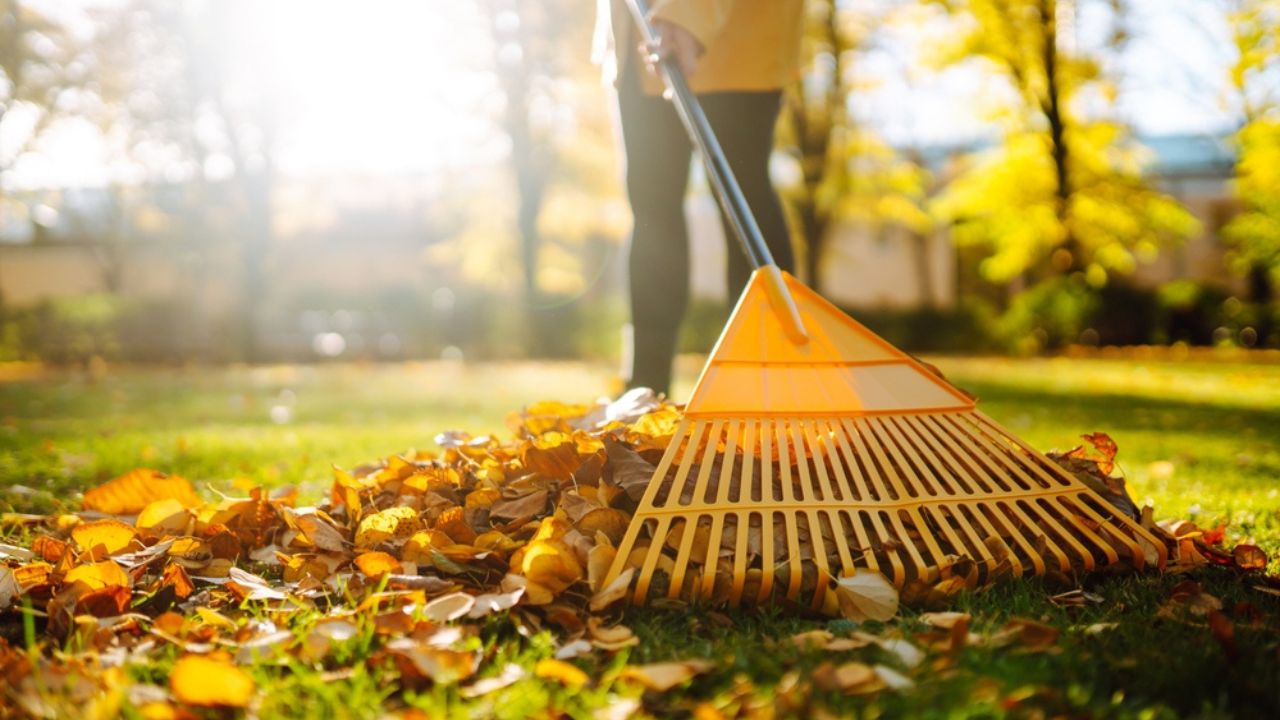
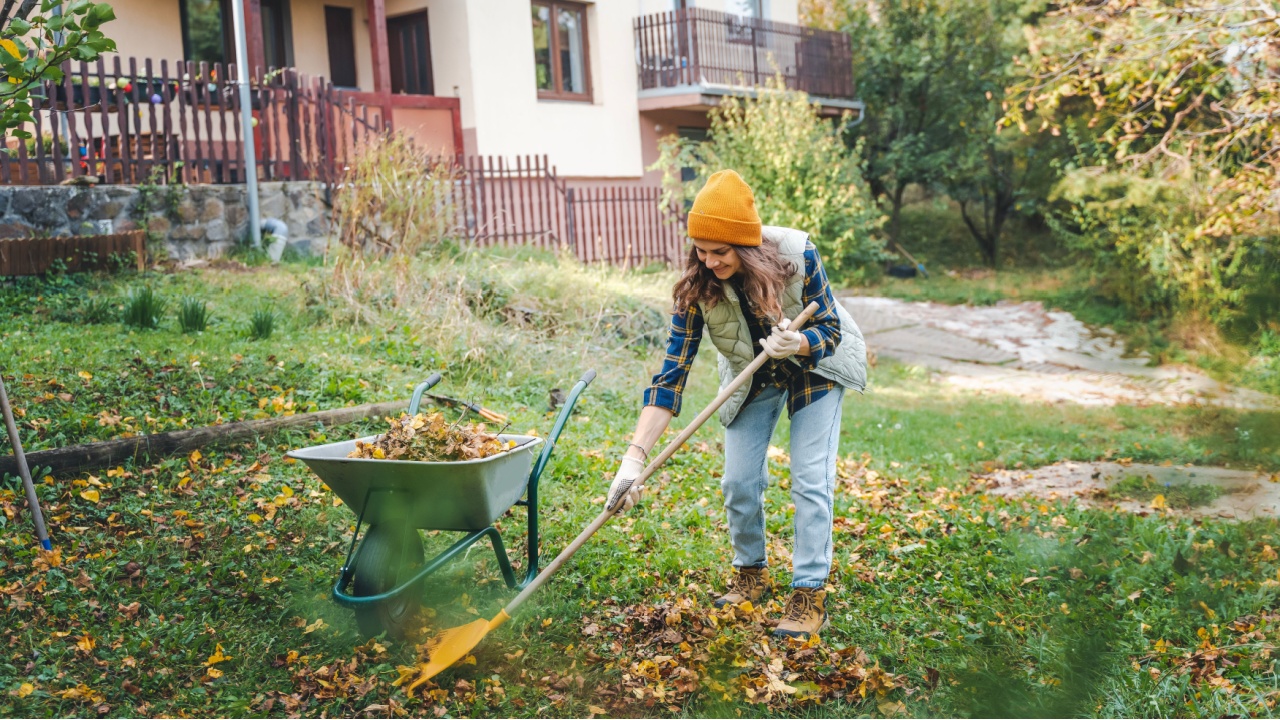
The annual ritual of raking, bagging, and hauling away mountains of leaves is a chore few people enjoy. While it’s true that a thick, wet layer of leaves can smother your lawn and breed disease, you don’t have to remove every single one. Those leaves are a valuable natural resource for your yard. Instead of raking them all up, use a lawnmower with a mulching function to shred them right on your lawn.
You may need to make a couple of passes, but the small leaf pieces will break down quickly, returning vital nutrients to the soil and acting as a free, natural fertilizer. This process, often called “leaf mulching,” enriches your soil and improves its structure without costing you a dime.
Key Takeaways:
- Why it matters: Mulched leaves provide free, organic fertilizer for your lawn, improving soil health.
- Action step: Use a mulching mower to shred leaves on your lawn. Aim for dime-sized pieces that can settle between grass blades.
- Next step: For excess leaves, create a compost pile. They will break down into nutrient-rich compost you can use in your garden beds next year.
3. Myth: Fertilizing in the Fall is a Waste of Time
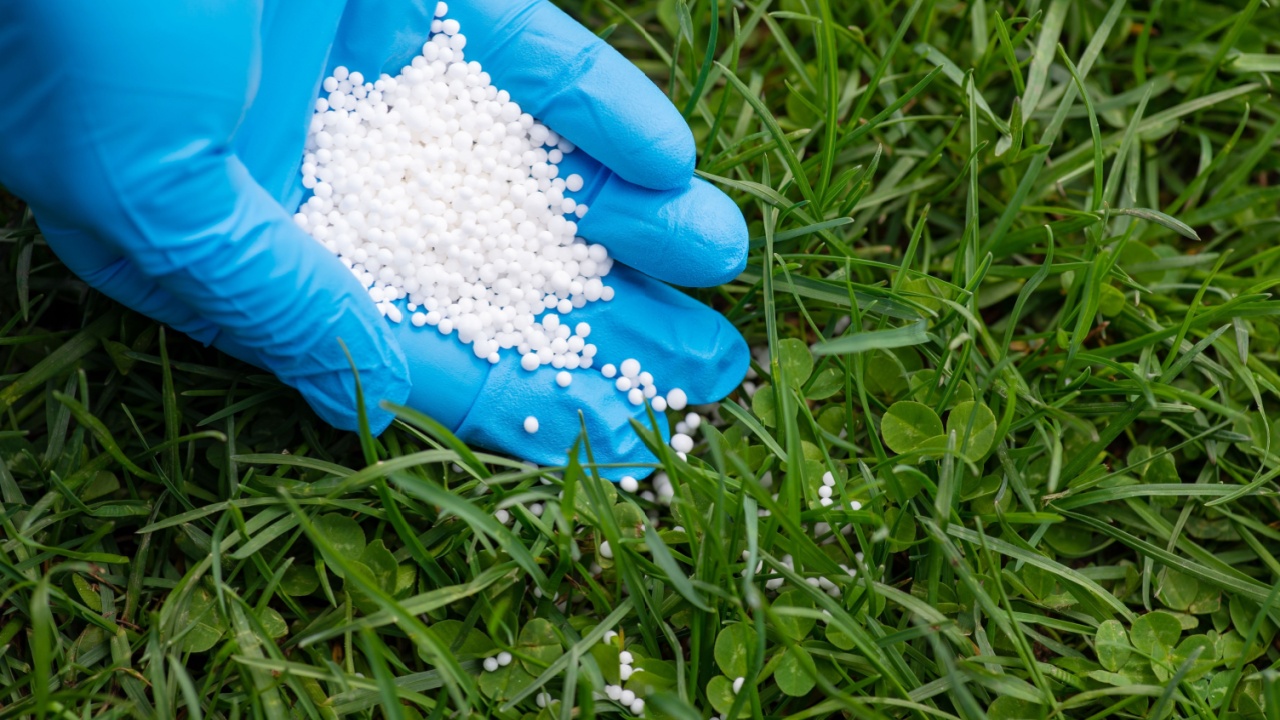
As top growth on plants and grass slows down, it seems logical to stop feeding them. However, for your lawn, fall is arguably the most important time to fertilize. While the blades of grass may not be growing as quickly, the roots are actively growing and storing nutrients for the winter.
Applying a fall-specific lawn fertilizer, which is typically high in phosphorus and potassium, helps the grass develop a strong root system. This allows it to survive winter stress and green up faster and more vigorously in the spring. A well-fed fall lawn is also better equipped to crowd out weeds that try to establish themselves early in the next growing season.
Key Takeaways:
- Why it matters: Promotes strong root growth, ensures winter survival, and leads to a healthier, greener lawn in spring.
- Action step: Apply a “winterizer” or fall-specific lawn fertilizer 2-3 weeks before the ground freezes.
- Next step: Water the lawn lightly after fertilizing to help the nutrients absorb into the soil.
4. Myth: Planting Season is Over
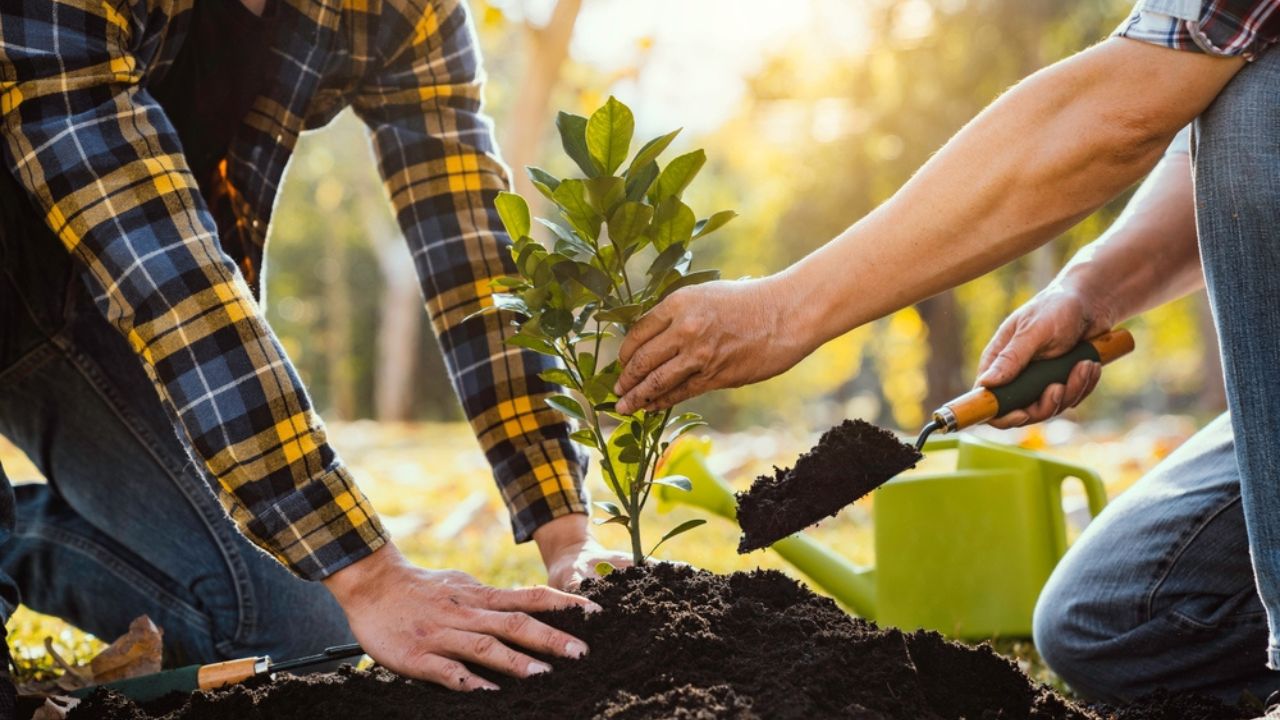
Many gardeners believe that spring is the only time for planting. In reality, fall offers ideal conditions for planting many trees, shrubs, and perennials. The soil is still warm from the summer sun, but the cooler air temperatures put less stress on new plants. This combination encourages strong root development before the ground freezes.
Planting in the fall gives plants a head start. By the time spring arrives, they will have established a robust root system, allowing them to focus their energy on producing leaves and flowers. Of course, fall is also the essential planting time for spring-blooming bulbs like tulips, daffodils, and hyacinths.
Key Takeaways:
- Why it matters: Cooler air and warm soil create perfect conditions for root establishment, giving plants a head start for spring.
- Action step: Plant new trees, shrubs, and perennials at least six weeks before your first hard frost date to allow roots to establish.
- Next step: Water newly planted items thoroughly until the ground freezes, and add a 2-3 inch layer of mulch to insulate the roots.
5. Myth: Nurseries and Garden Centers are Empty in the Fall

Because so many people believe the myth that fall isn’t a planting season, demand at nurseries often drops. This can make the aisles look a bit thinner, reinforcing the idea that there’s nothing left to buy. This is simply not true. In fact, fall is a fantastic time to shop for plants.
Nurseries are often stocked with trees, shrubs, and perennials that are perfectly suited for autumn planting. Even better, many garden centers offer significant discounts and end-of-season sales to clear out their inventory. You can find healthy, beautiful plants at a fraction of their spring prices.
Key Takeaways:
- Why it matters: You can find great deals on plants that are primed for fall planting.
- Action step: Visit your local nurseries in early to mid-fall to check for sales on perennials, shrubs, and trees.
- Next step: Look for healthy plants without signs of disease or significant stress. A few browning leaves are normal for the season.
6. Myth: Hardscaping Projects Should Wait Until Spring
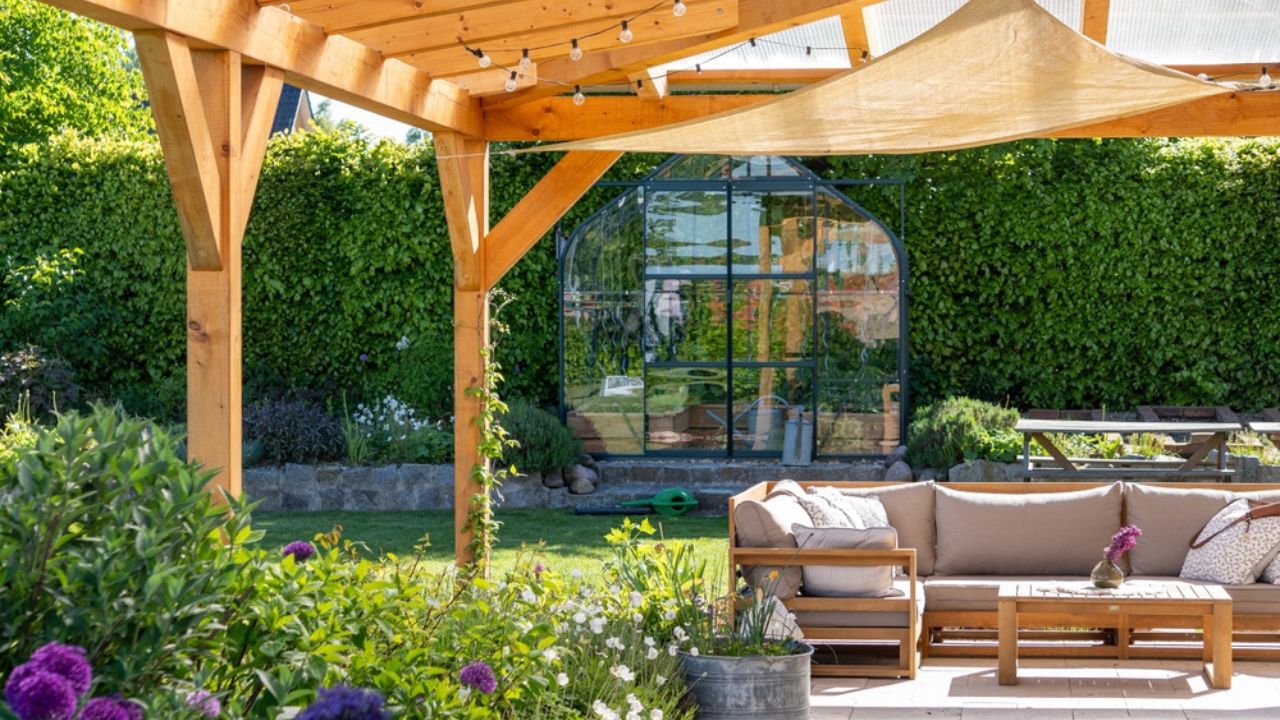
The thought of digging, lifting, and building in the summer heat can be daunting. That’s why fall is the perfect season for tackling hardscaping projects like installing a new patio, building a retaining wall, or creating an in-ground fire pit.
The cooler temperatures make strenuous physical labor much more comfortable. The ground is typically dry and not yet frozen, making digging manageable. Completing these projects in the fall means your new outdoor living space will be ready to enjoy as soon as the warm weather returns in spring.
Key Takeaways:
- Why it matters: Cooler weather makes labor more pleasant, and the ground conditions are ideal for digging.
- Action step: Plan your fall project, gather your materials, and take advantage of the comfortable fall weather to get the job done.
- Next step: Once your hardscape is complete, you can landscape around it with fall-planted shrubs and perennials.
7. Myth: Fall is the Wrong Time to Prune Trees and Shrubs
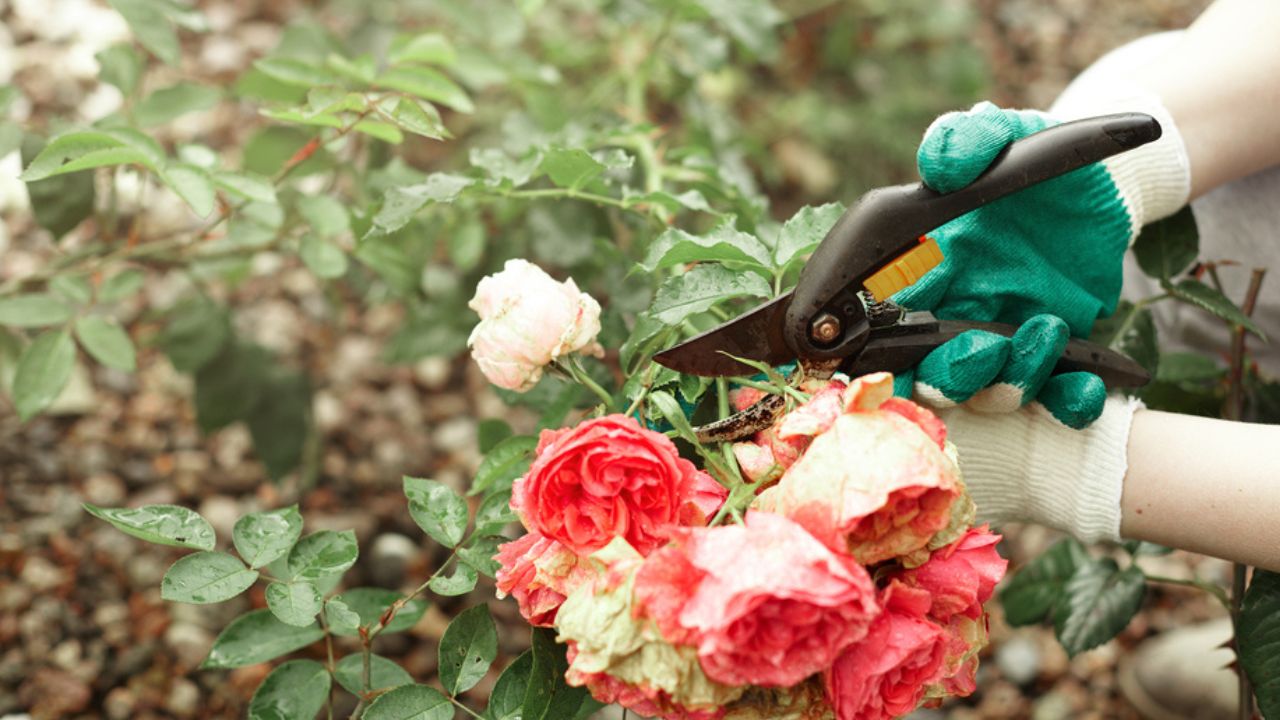
There is some truth to this myth, which makes it particularly confusing. Pruning does stimulate new growth, and you don’t want to encourage tender new branches right before the first frost. For this reason, you should avoid major pruning on most flowering shrubs like lilacs and forsythias, which have already set their buds for next spring.
However, fall is the perfect time to prune dead, damaged, or diseased branches from many trees and shrubs (just not these flowers). Removing this wood improves the plant’s health, prevents diseases from spreading, and reduces the risk of branches breaking under the weight of winter snow and ice. It’s also easier to see the structure of deciduous trees after their leaves have fallen.
Key Takeaways:
- Why it matters: Removing dead or weak wood prevents winter damage and disease.
- Action step: Prune away any dead, damaged, or crossing branches on your trees and shrubs after they go dormant.
- Next step: For large branches, use the three-cut method to avoid tearing the bark. Avoid heavy “rejuvenation” pruning until late winter or early spring.
8. Myth: You Should Stop Watering in the Fall
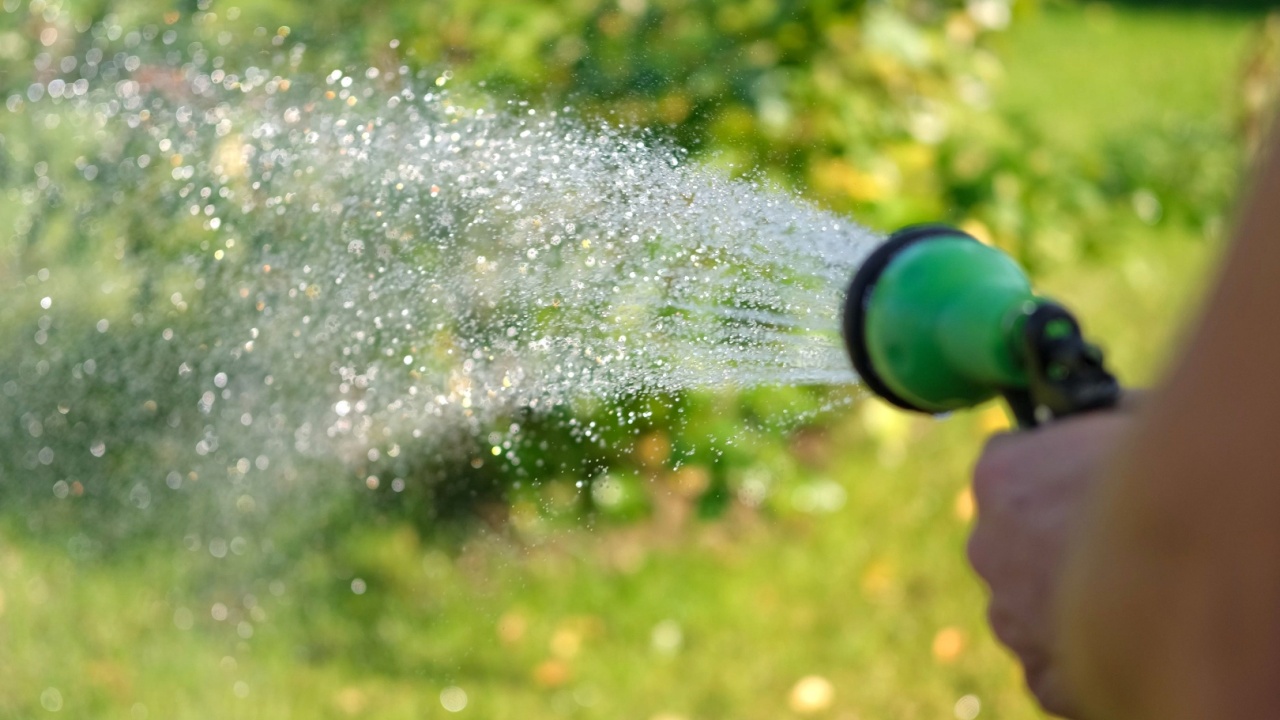
As temperatures drop and rainfall potentially increases, it’s easy to assume you can put the hose away. However, your plants, especially evergreens and anything newly planted, still need consistent moisture to prepare for winter.
Fall watering is crucial for helping plants store the resources they need to survive freezing temperatures and dry winter winds. Dry soil freezes faster and deeper than moist soil, putting more stress on plant roots. Continue to water your plants, trees, and shrubs deeply until the ground freezes. A good rule of thumb is to provide about one inch of water per week, either from rain or irrigation.
Key Takeaways:
- Why it matters: Proper hydration helps plants survive winter freezes and prevents “winter burn” on evergreens.
- Action step: Water new plantings, trees, and shrubs deeply every 7-10 days if there isn’t significant rainfall.
- Next step: Apply a layer of mulch around the base of plants to help retain soil moisture and insulate roots.
9. Myth: You Can Forget About Your Tools Until Spring
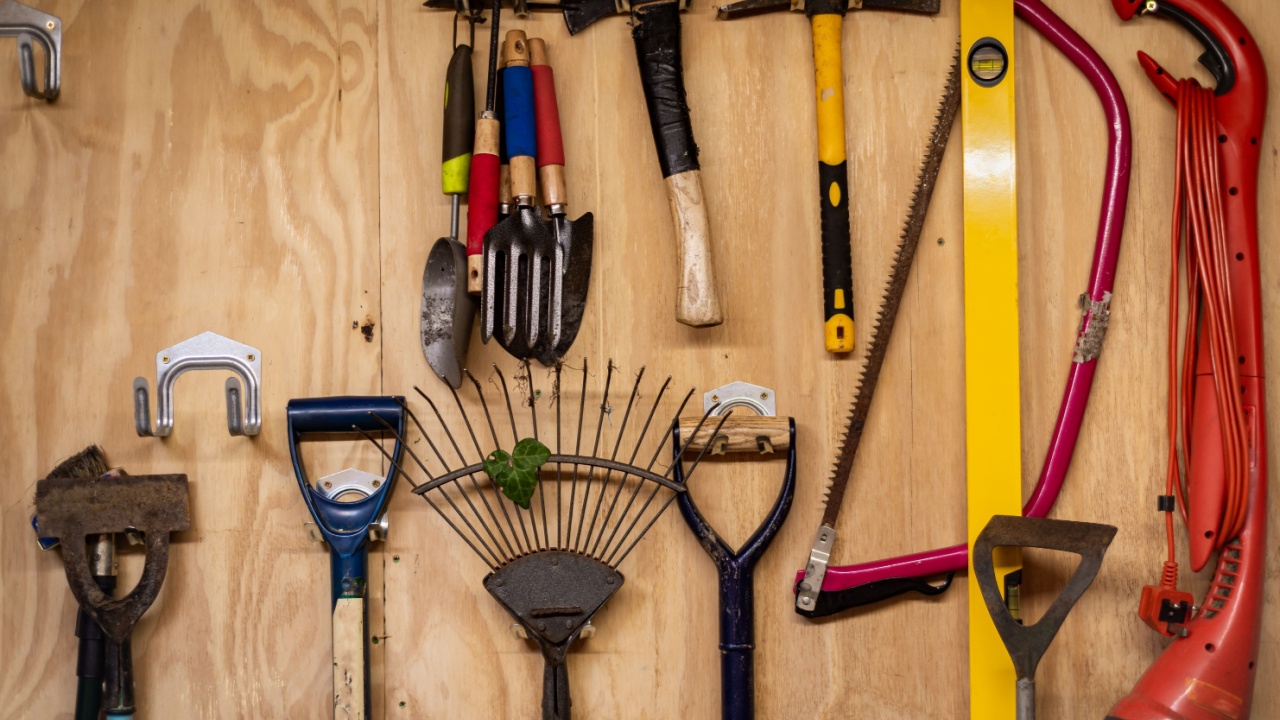
When the last chore is done, it’s tempting to shove your tools into the shed and forget about them. But leaving gas in your mower or water in your pressure washer can lead to costly damage over the winter. Properly winterizing your tools is essential for their longevity and performance. Drain the fuel from all gas-powered equipment like lawnmowers, trimmers, and leaf blowers. For pressure washers, drain all water and run antifreeze through the pump to prevent cracking. Clean dirt and sap from hand tools, dry them thoroughly, and apply a light coat of oil to metal parts to prevent rust.
Key Takeaways:
- Why it matters: Proper storage prevents rust, engine damage, and cracked components, saving you money on repairs or replacements.
- Action step: Clean, dry, and properly store all your garden tools for the winter.
- Next step: Make a list of any tools that need sharpening or repairing so you can take care of it during the off-season.
10. Myth: There’s No Point in Tilling a Garden Bed in the Fall
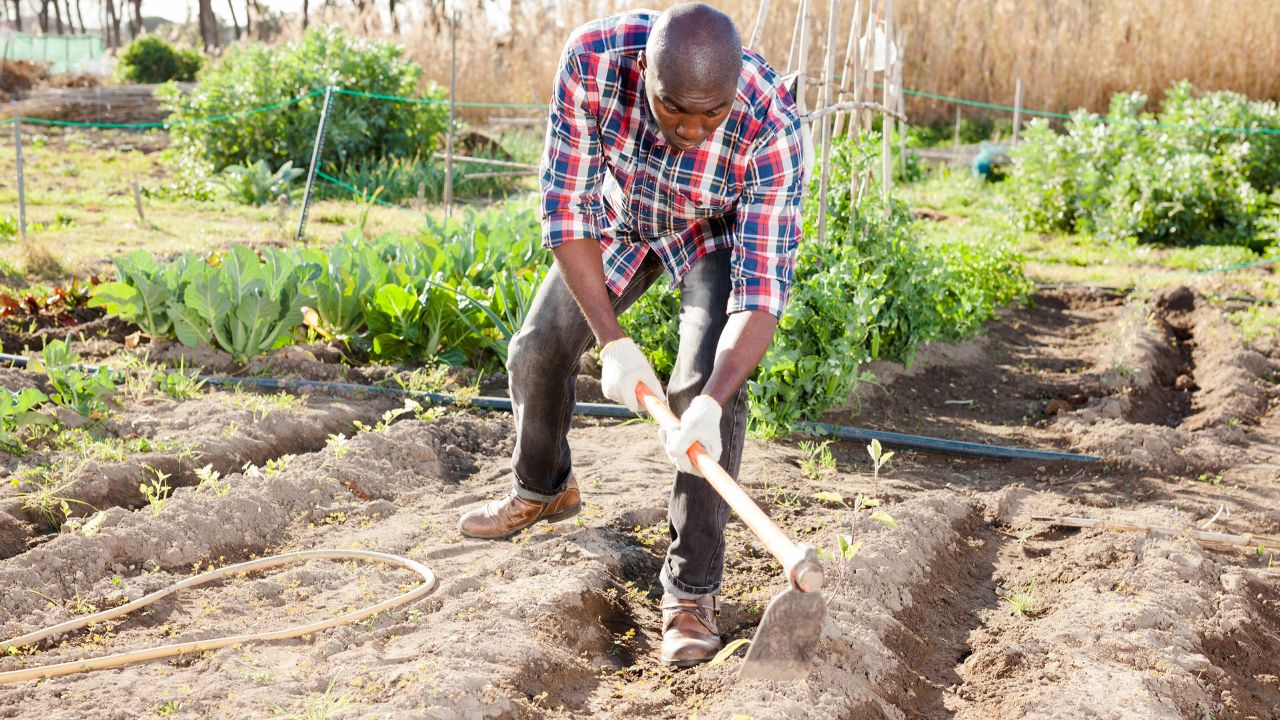
Many gardeners save the task of tilling for the spring, thinking the soft, rain-soaked ground will be easier to work. While that can be true, tilling in the fall offers several unique advantages. First, you’re already cleaning out dead plant material from your vegetable and annual flower beds, so the area is prepped and ready.
Tilling in the fall allows you to incorporate soil amendments like compost or shredded leaves, giving them all winter to break down and enrich the soil. Tilling also exposes pests and weed seeds to the harsh winter elements, reducing their populations for the next season. When spring arrives, your garden bed will be ready for planting with minimal effort.
Key Takeaways:
- Why it matters: Improves soil structure over winter, reduces pest and weed problems, and saves you significant time in the spring.
- Action step: After clearing your garden beds, spread a layer of compost and till it into the soil.
- Next step: Leave the tilled soil rough over the winter. The freeze-thaw cycles will help break up clay and further improve soil texture.
Getting Ahead This Fall

By letting go of these common myths, you can use the fall season to its full potential. Your autumn efforts are an investment that will pay off handsomely with a healthier lawn, more vibrant flowers, and a more robust garden next spring. Start by choosing one or two of these tips to implement this weekend.
Whether it’s giving your lawn one last mow and feeding, mulching your leaves instead of bagging them, or taking advantage of nursery sales, every step you take now is a step toward a more beautiful backyard. Embrace the crisp air and get your garden ready for a long winter’s nap—you’ll be glad you did.