9 Invasive Ornamental Grasses to Skip Adding to the Landscaping
Ornamental grasses add beautiful texture, movement, and a naturalistic feel to any garden. With their airy plumes and graceful shapes, it’s easy to see why they’ve become so popular.
However, some of these seemingly innocent plants are aggressive bullies in disguise. Invasive grasses can quickly spread, outcompeting your other plants for resources, destroying local ecosystems, and creating a maintenance nightmare you’ll regret for years.
Before you head to the nursery, it’s crucial to know which grasses will play nice and which will stage a hostile takeover of your yard.
This guide will walk you through nine of the most problematic invasive grasses, sourced from experts. We’ll cover why they are so aggressive and provide tips for dealing with them if they’re already in your garden.
1. Pampas Grass (Cortaderia selloana)
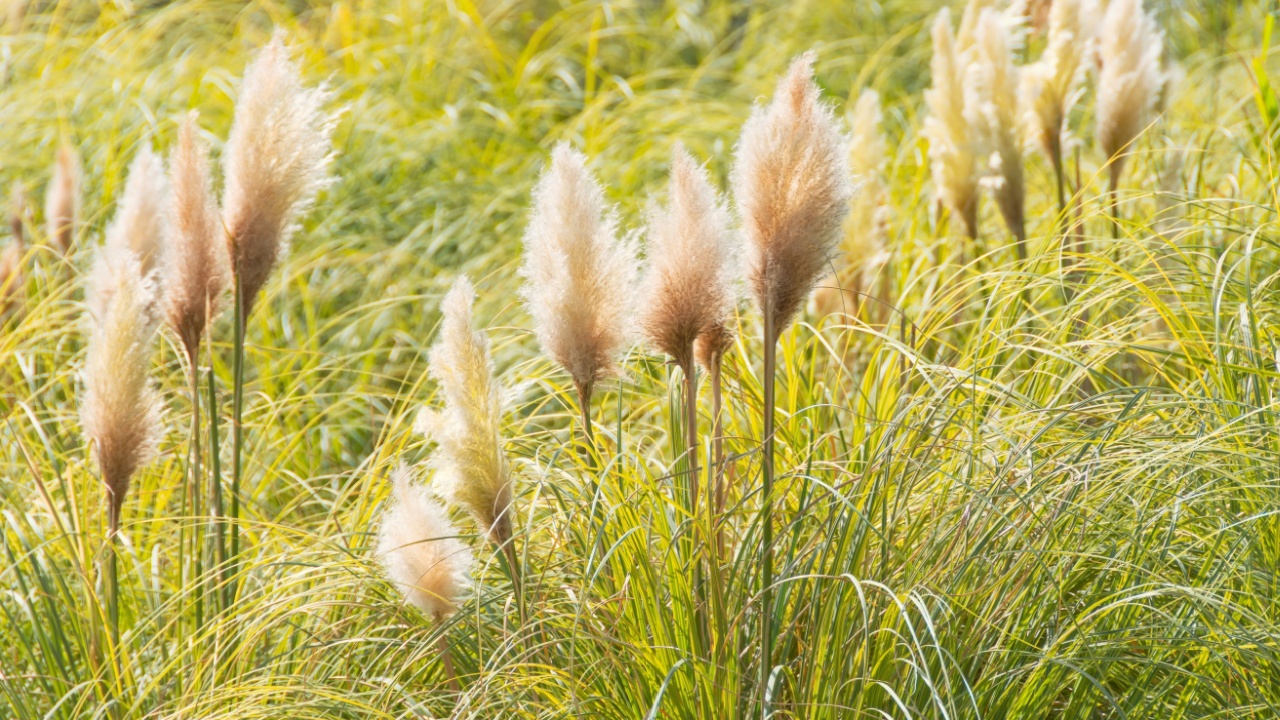
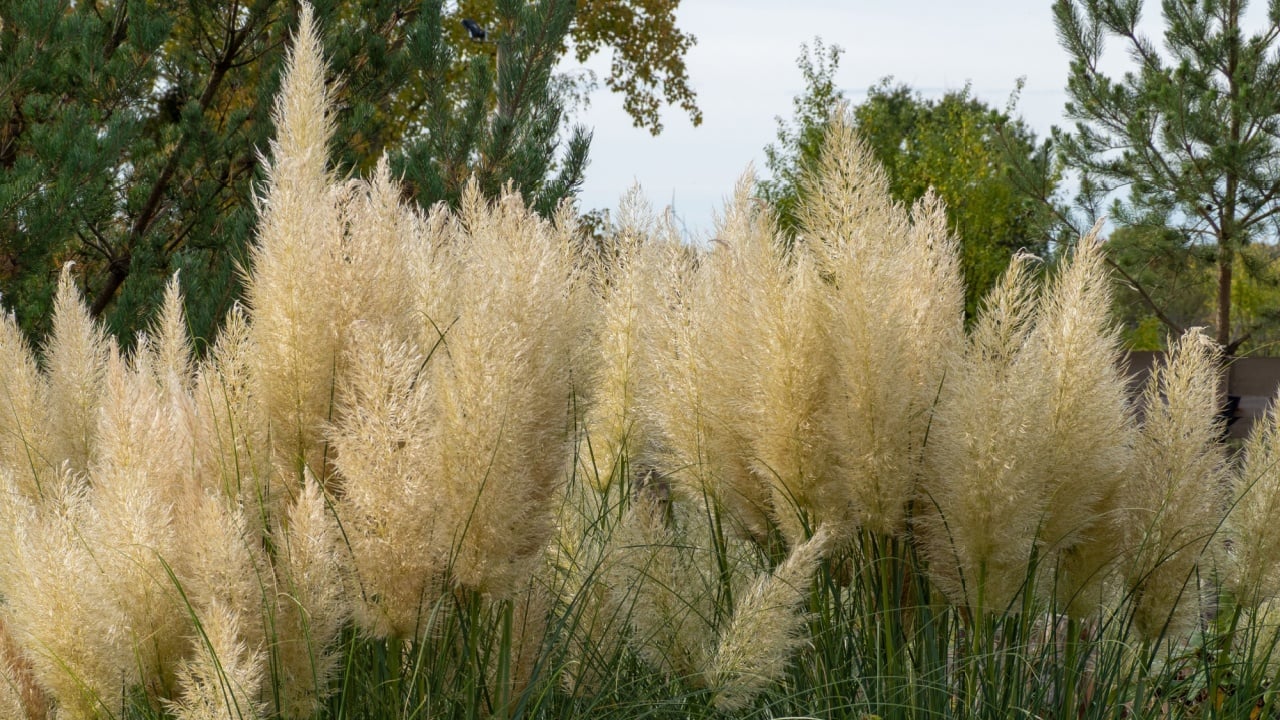
Pampas grass is famous for its dramatic, feathery white or pink plumes that can soar 8 to 12 feet high. While it makes a stunning statement piece, its rapid growth and prolific self-seeding make it a serious threat in many regions. A single plume can produce thousands of seeds, which are easily carried by the wind to colonize new areas. Once established, its sharp-edged leaves and massive root system make removal an exhausting and difficult task. It forms dense thickets that push out native plants, disrupting local wildlife habitats.
This grass is particularly problematic in coastal areas and warmer climates. It has been banned outright in Hawaii and is considered highly invasive in California, Florida, and parts of the Pacific Northwest. If you’re tempted by its showy appearance, it’s vital to consider the long-term consequences for your garden and the surrounding environment.
Quick Facts:
- Why It’s Invasive: Aggressively self-seeds and forms dense, hard-to-remove clumps.
- Problem Areas: Hawaii, California, Florida, and other warm climates.
- Removal: Requires extensive digging to remove the entire root ball. Repeated mowing can help weaken it over time.
- Safe Alternatives: Consider native grasses like Big Bluestem or Indiangrass for a similar tall, dramatic effect.
2. Chinese Silver Grass (Miscanthus sinensis)
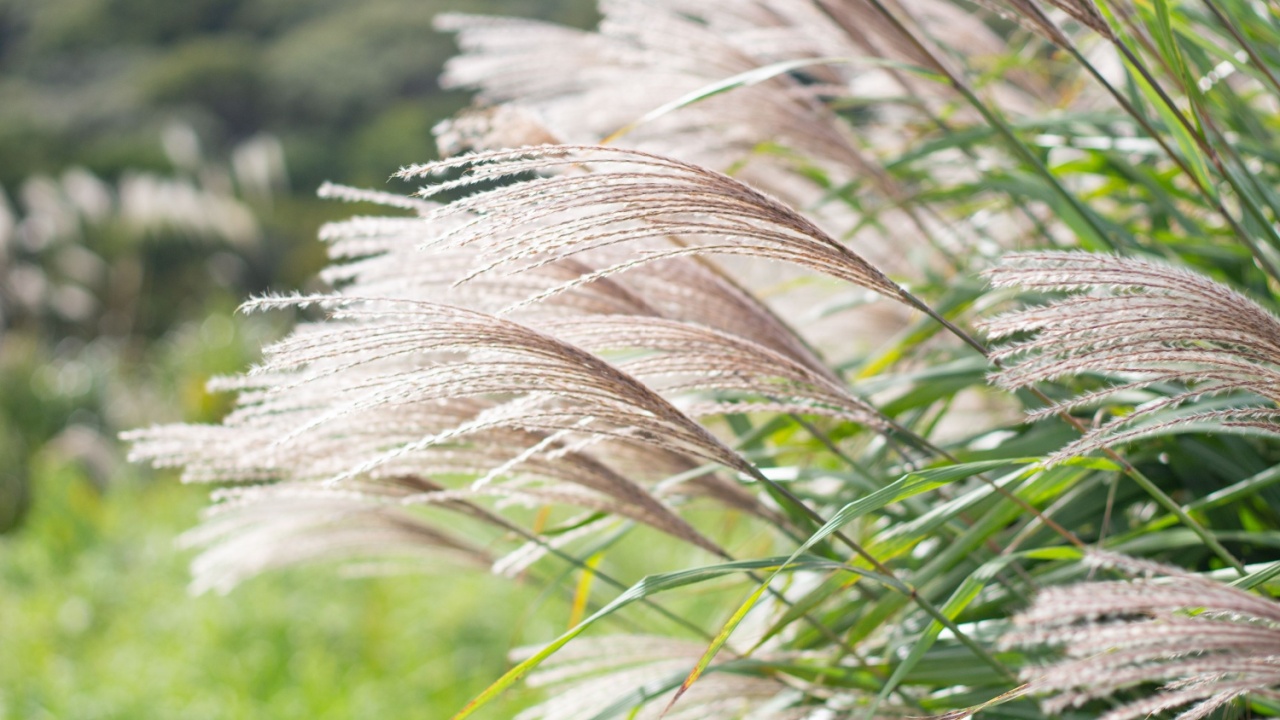
Also known as Japanese silver grass, this popular ornamental is admired for its elegant, arching form and soft, silvery flower heads. Unfortunately, its beauty hides a dark side. Miscanthus sinensis spreads aggressively through two methods: self-seeding and underground stems called rhizomes. These rhizomes creep beneath the soil, sending up new shoots and expanding the plant’s territory relentlessly. It can quickly form dense stands that choke out less competitive plants.
In addition to its invasive nature, Chinese silver grass becomes a significant fire hazard in dry climates or during winter dormancy. The dry, dense foliage can ignite easily, posing a risk to homes and natural areas. While some sterile cultivars are available, they can sometimes revert to producing viable seeds, so caution is still advised. It is considered invasive throughout the eastern and southeastern United States.
Quick Facts:
- Why It’s Invasive: Spreads via aggressive underground rhizomes and self-seeding.
- Problem Areas: Eastern and Southeastern U.S.
- Control: Digging out rhizomes is essential. Look for truly sterile cultivars like ‘Cabaret’ or ‘Cosmopolitan,’ but monitor them closely.
- Safe Alternatives: Switchgrass (Panicum virgatum) offers a similar upright habit and airy seed heads without the invasive tendencies.
3. Mexican Feather Grass (Nassella tenuissima)
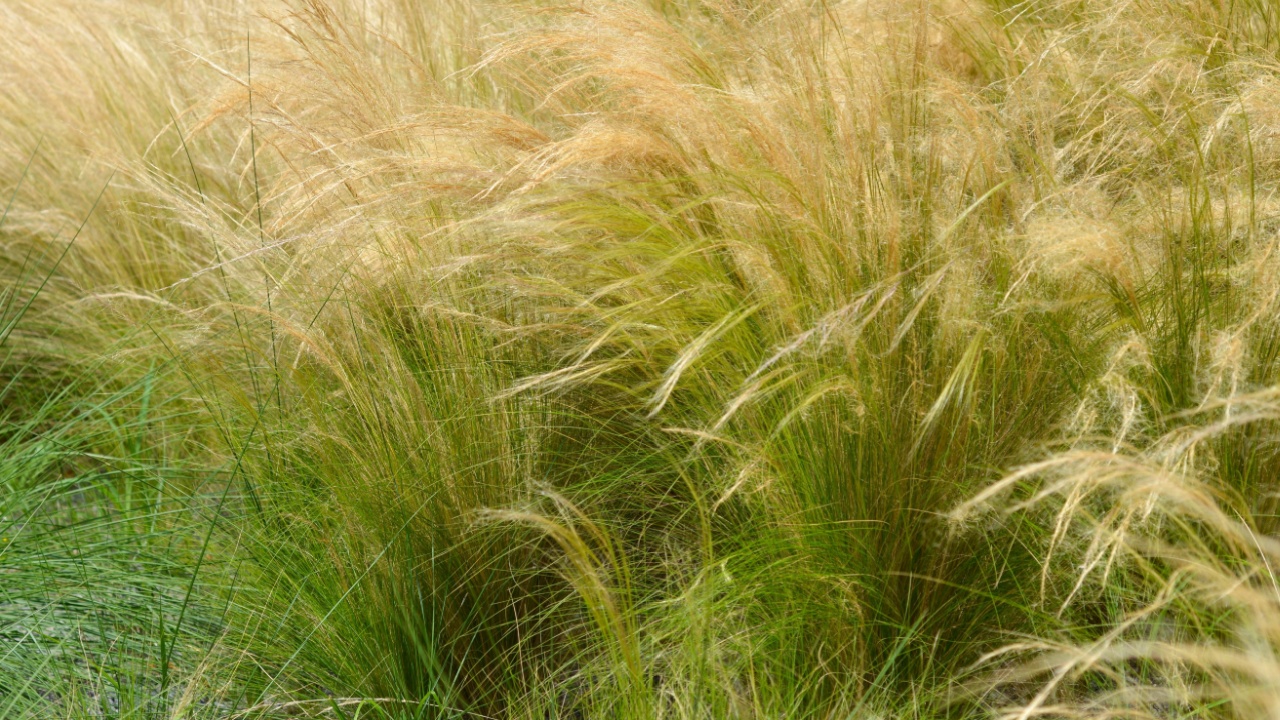
Mexican feather grass is beloved for its delicate, feathery texture that sways beautifully in the breeze and glows with a golden hue in the late-summer sun. Native to parts of the American Southwest and Mexico, it behaves well in some regions. However, in others, particularly California, it has become a notorious invasive weed. Its ability to reseed aggressively allows it to escape garden beds and invade disturbed landscapes, roadsides, and natural grasslands.
The problem lies in its sheer volume of seed production. Each plant can create thousands of seeds that spread easily, quickly forming dense patches that displace native flora. This reduces biodiversity and alters the local ecosystem. If you live in an area where this grass is known to be invasive, it’s best to avoid it entirely.
Quick Facts:
- Why It’s Invasive: Prolific self-seeder that easily escapes cultivation.
- Problem Areas: California and other areas with Mediterranean climates.
- Control: Remove plants before they go to seed. Deadheading can help but it is labor-intensive.
- Safe Alternatives: Prairie Dropseed (Sporobolus heterolepis) provides a similar fine texture and graceful form.
4. Giant Reed Grass (Arundo donax)
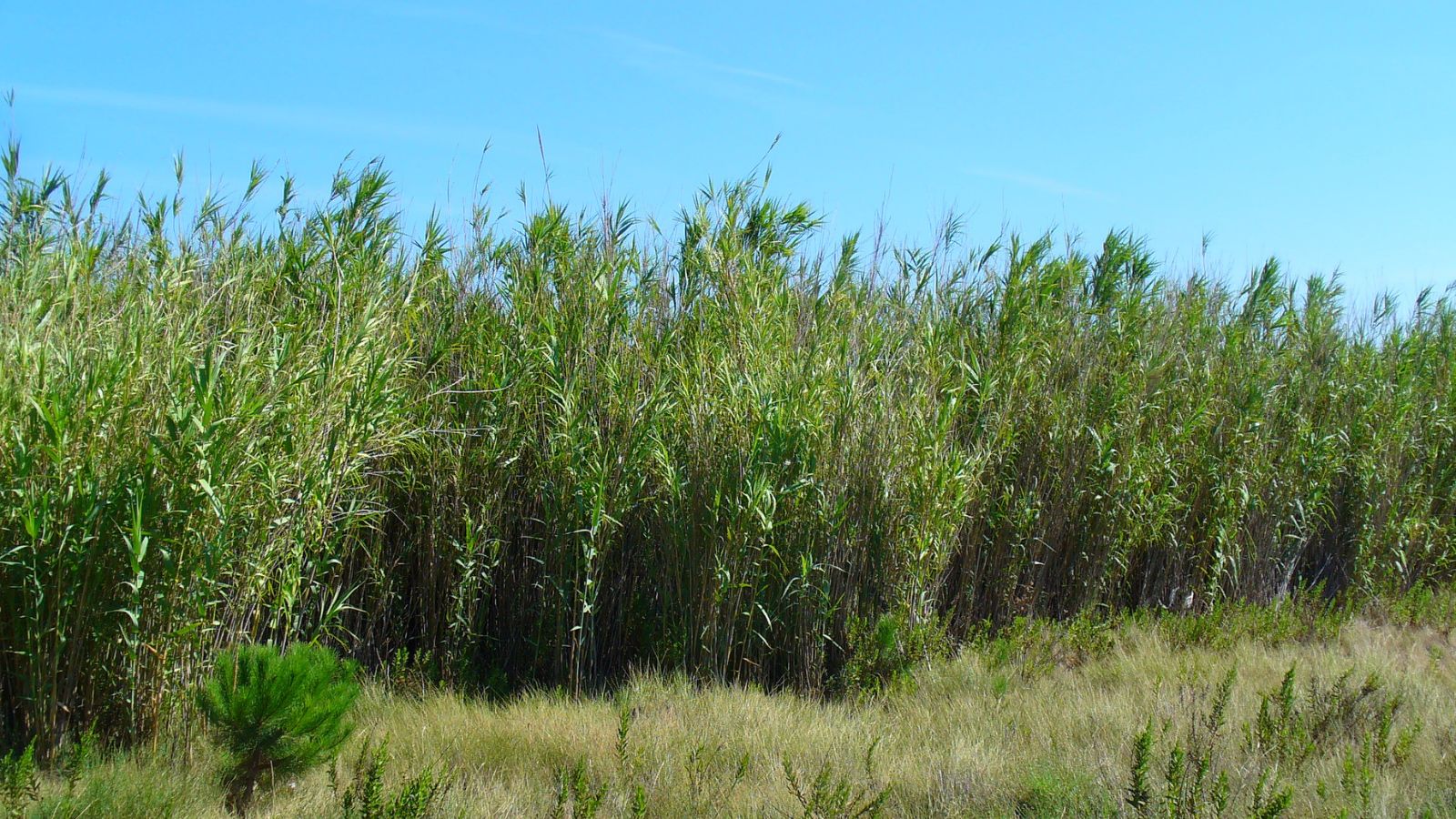
As its name suggests, Giant Reed is a colossal grass that can grow so large and dense that it completely overshadows and suffocates other plants. It expands its territory through a network of tough, sprawling underground rhizomes, making it incredibly difficult to control once established.
This grass thrives near water, often colonizing riverbanks, streams, and wetlands, where it guzzles water and pushes out native riparian vegetation. Its dense growth not only harms local ecosystems but also increases flood risk by clogging waterways and can create a fire hazard when its canes dry out. Giant Reed is considered a major invasive threat across much of the continental U.S. and Hawaii. Its sheer size and aggressive nature make it unsuitable for almost any home garden.
Quick Facts:
- Why It’s Invasive: Spreads via powerful underground rhizomes and crowds out all other vegetation.
- Problem Areas: Widespread across the U.S., especially near waterways.
- Removal: Extremely difficult. Requires repeated cutting and potentially herbicide application by professionals.
- Safe Alternatives: For a tall screen, consider non-invasive clumping bamboo or a native shrub like Arrowwood Viburnum.
5. Fountaingrass (Pennisetum species)
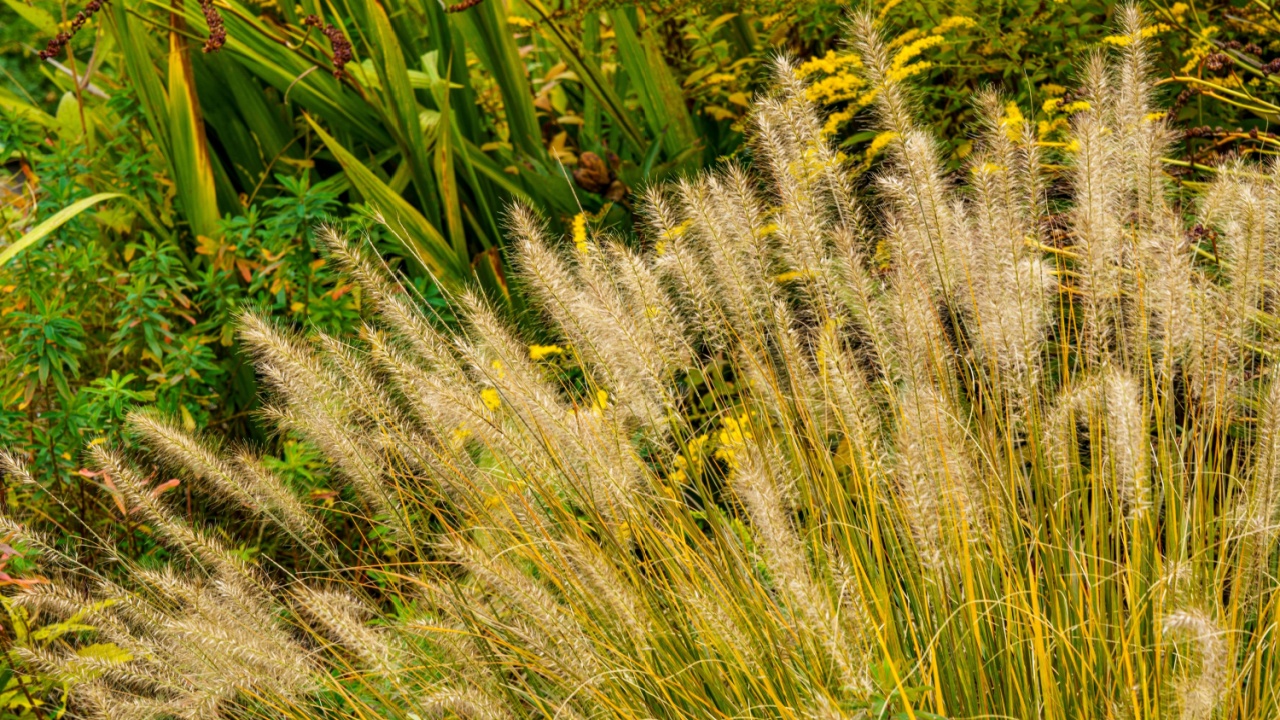
Fountaingrass is a diverse group, and while some varieties are well-behaved annuals, many perennial species are highly aggressive. The popular Pennisetum setaceum (Crimson Fountain Grass) is a prime example. It’s lovely, brush-like plumes are attractive, but it self-seeds with abandon in warm climates, leading to its classification as an invasive weed in California, Arizona, Florida, and Hawaii.
Another species, Pennisetum macrourum, is known to be a problem in the Midwest due to its spreading nature. These grasses can quickly establish themselves in wildlands, outcompeting native plants and altering the natural fire cycle. Even sterile cultivars can sometimes be mislabeled or revert, so purchasing any Pennisetum requires careful research and verification.
Quick Facts:
- Why It’s Invasive: Different species are aggressive spreaders, primarily through self-seeding.
- Problem Areas: Varies by species, but includes warm southern states and parts of the Midwest.
- Control: Choose sterile varieties carefully or treat them as annuals in cold climates. Remove plants if they start spreading.
- Safe Alternatives: Purple Love Grass (Eragrostis spectabilis) has beautiful, airy pinkish plumes and is a well-behaved native.
6. Reed Canary Grass (Phalaris arundinacea)
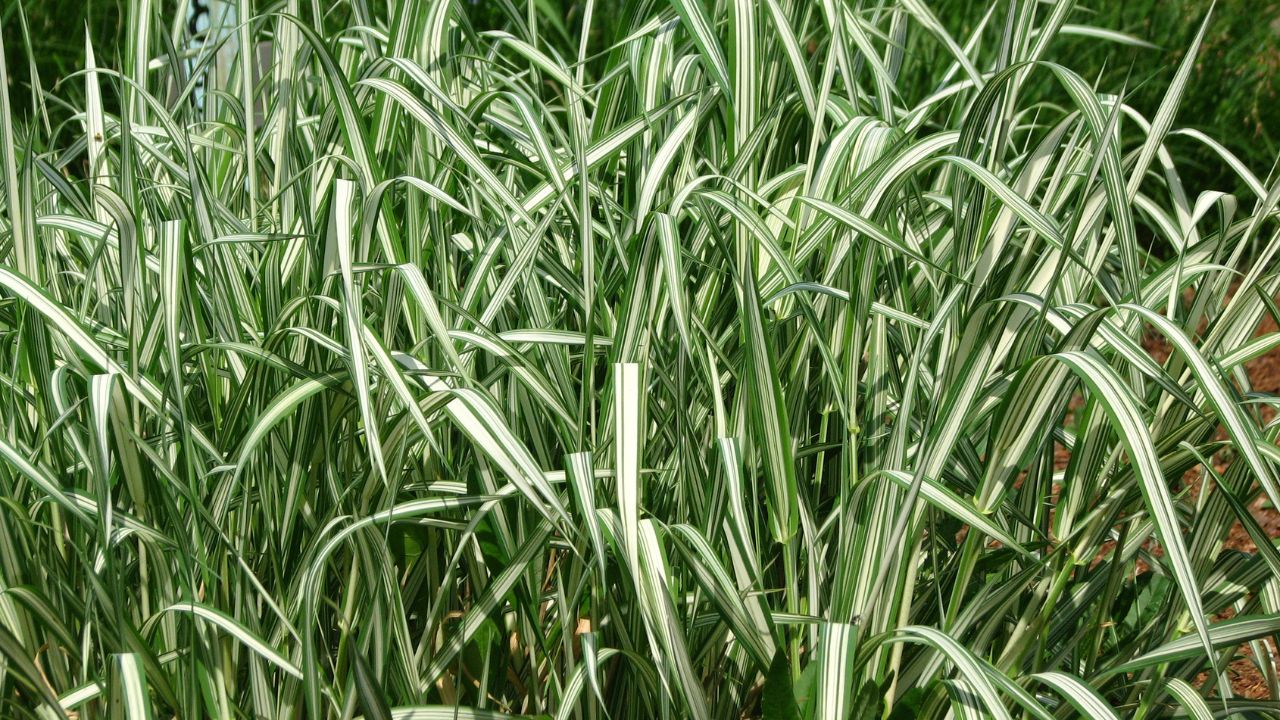
Reed canary grass is an adaptable perennial that thrives in a wide range of soils and conditions, but it is especially aggressive in wet areas like ditches, stream banks, and meadows. It spreads through both seeds and vigorous rhizomes, forming dense, impenetrable monocultures that are devastating to local biodiversity. Once it takes hold, it chokes out native sedges, wildflowers, and even young trees, destroying habitat for wildlife.
In much of the Midwest and Northeast, it is classified as a noxious weed due to its harmful impact on agriculture and natural ecosystems. A variegated version, known as ribbon grass, is often sold in nurseries. While attractive, it is just as invasive and should be avoided unless planted in a completely contained pot.
Quick Facts:
- Why It’s Invasive: Forms dense colonies via aggressive rhizomes, particularly in wet soil.
- Problem Areas: Midwest, Northeast, and Pacific Northwest.
- Control: Very difficult to eradicate. Containment in a pot is the only safe way to grow it.
- Safe Alternatives: For wet areas, consider native options like Bluejoint Reedgrass (Calamagrostis canadensis) or Fox Sedge (Carex vulpinoidea).
7. Running Bamboo (Various species)
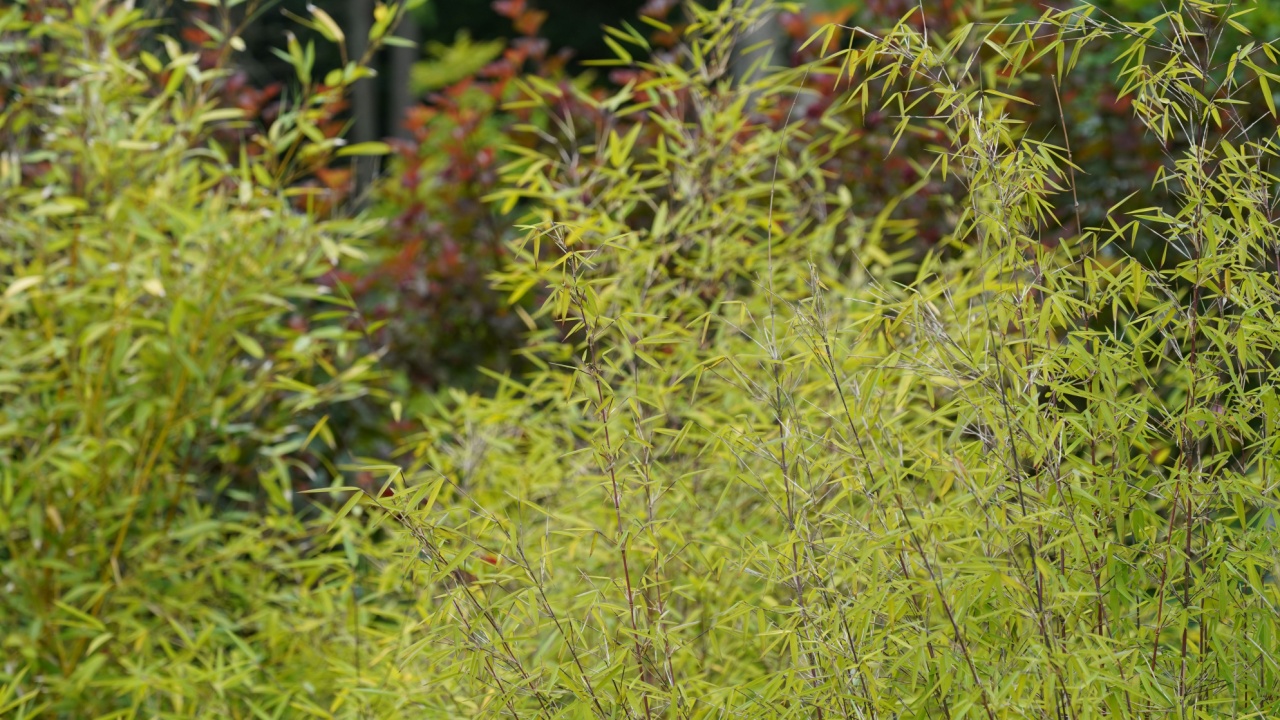
Though many people think of it as a tree, bamboo is technically a member of the grass family. There are two main types: clumping and running. Clumping bamboo grows in a tight, contained cluster, while running bamboo sends out long, aggressive underground rhizomes that can travel many feet from the parent plant.
These rhizomes can pop up in your lawn, your neighbor’s yard, or even push through asphalt and damage foundations. Running varieties like Golden Bamboo (Phyllostachys aurea) are notorious for their unstoppable spread. They are often planted as a quick privacy screen, but gardeners soon find themselves in a constant battle to keep them contained. Its invasive nature has led to its regulation in many parts of the U.S., including the Mid-Atlantic and Southeast.
Quick Facts:
- Why It’s Invasive: Spreads relentlessly through far-reaching underground rhizomes.
- Problem Areas: Mid-Atlantic, Southeast, and parts of the West.
- Control: Requires installing a deep, heavy-duty rhizome barrier at planting. Removal is a major, costly project.
- Safe Alternatives: Always choose a clumping bamboo variety, such as those in the Fargesia genus.
8. Johnson Grass (Sorghum halepense)
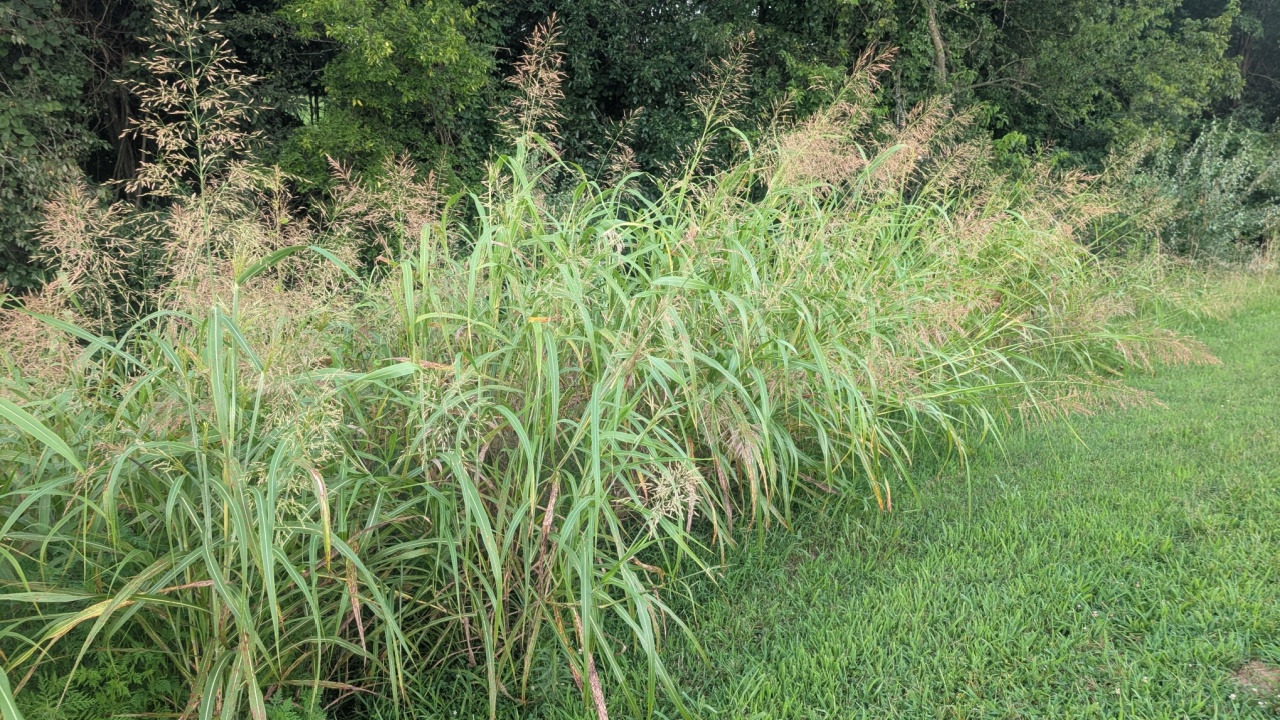
Originally introduced as a forage crop, Johnson grass has become one of the world’s most troublesome agricultural weeds. It is a tall, coarse grass that spreads through both prolific seed production and an extensive network of thick, fleshy rhizomes.
These rhizomes can grow deep into the soil, making the plant incredibly resilient and difficult to remove. It can quickly invade garden beds, lawns, and farm fields, reducing crop yields and outcompeting desired plants. Johnson grass is also problematic because it can be toxic to livestock under certain conditions, such as after a frost or during a drought. It is listed as a noxious weed in many states and should be eradicated on sight.
Quick Facts:
- Why It’s Invasive: Spreads via aggressive rhizomes and massive seed production.
- Problem Areas: Widespread across the U.S., especially in agricultural regions.
- Control: Requires persistent tilling or herbicide application. Small patches can be dug out, but every piece of rhizome must be removed.
- Safe Alternatives: For a tall, grassy look, native Indiangrass (Sorghastrum nutans) is a much safer and ecologically beneficial choice.
9. Cogongrass (Imperata cylindrica)
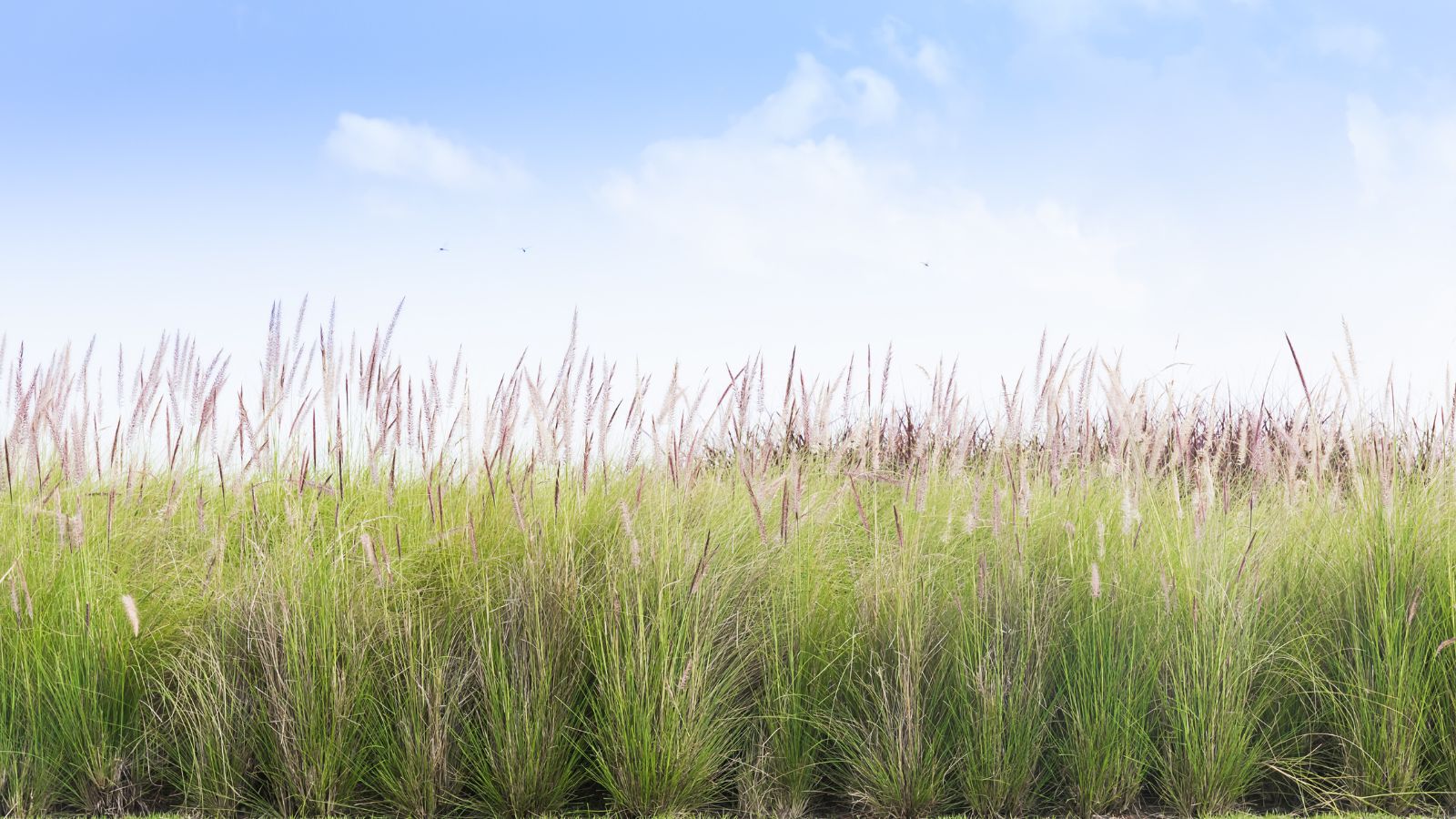
Cogongrass is a highly aggressive perennial grass from Asia that is considered one of the worst invasive plants in the world. It forms dense, circular mats that choke out all other vegetation. It spreads through both wind-dispersed seeds and a massive system of sharp, pointed rhizomes that can easily pierce the roots of other plants. A popular red-tipped cultivar, ‘Red Baron’ or Japanese Blood Grass, is often sold as a “well-behaved” ornamental.
However, it is known to revert to the highly invasive green form, which can then take over. Cogongrass thrives in poor soil and is highly flammable, creating an extreme fire hazard that can alter entire ecosystems. It is a federally listed noxious weed and is illegal to sell or transport in many states, particularly in the Southeast.
Quick Facts:
- Why It’s Invasive: Forms dense monocultures with a massive rhizome system and reverts from ornamental cultivars.
- Problem Areas: The entire Southeastern U.S., from Florida to Texas.
- Control: Extremely difficult and often requires professional help. Avoid planting any variety, including ‘Red Baron.’
- Safe Alternatives: Little Bluestem (Schizachyrium scoparium) offers beautiful season-long color, including reddish hues in the fall, and supports local wildlife.
Choosing the Right Grasses for a Healthy Garden

Choosing the right plants is the key to creating a beautiful garden that doesn’t turn into a maintenance burden. While some ornamental grasses can be stunning, their invasive nature can cause irreversible damage to your yard and the local environment. Before you buy any new plant, and especially a grass, take these steps:
- Check with Your Local Extension Office: This is the most important step. A plant that is invasive in one state may be harmless in another. Your county’s cooperative extension office can provide a list of invasive species specific to your area.
- Choose Native Alternatives: The best way to avoid invasive species is to plant grasses that are native to your region. They are adapted to your climate, require less water and fertilizer, and provide essential food and habitat for local wildlife.
- Read Plant Tags Carefully: Pay close attention to the scientific name. If a plant is known to be invasive, avoid all cultivars unless you can be absolutely certain they are sterile and non-reverting.
- Contain Aggressive Spreaders: If you must plant a grass with spreading tendencies, grow it in a durable, fully enclosed container to prevent its roots from escaping.
By being a mindful gardener, you can cultivate a beautiful landscape that thrives in harmony with its surroundings.
Read more:
11 Companion Plants That Thrive Next to Ornamental Grasses
9 DIY Landscaping Projects to Easily Beautify the Yard