9 Vegetables That Grow with Ease Even in Small Spaces
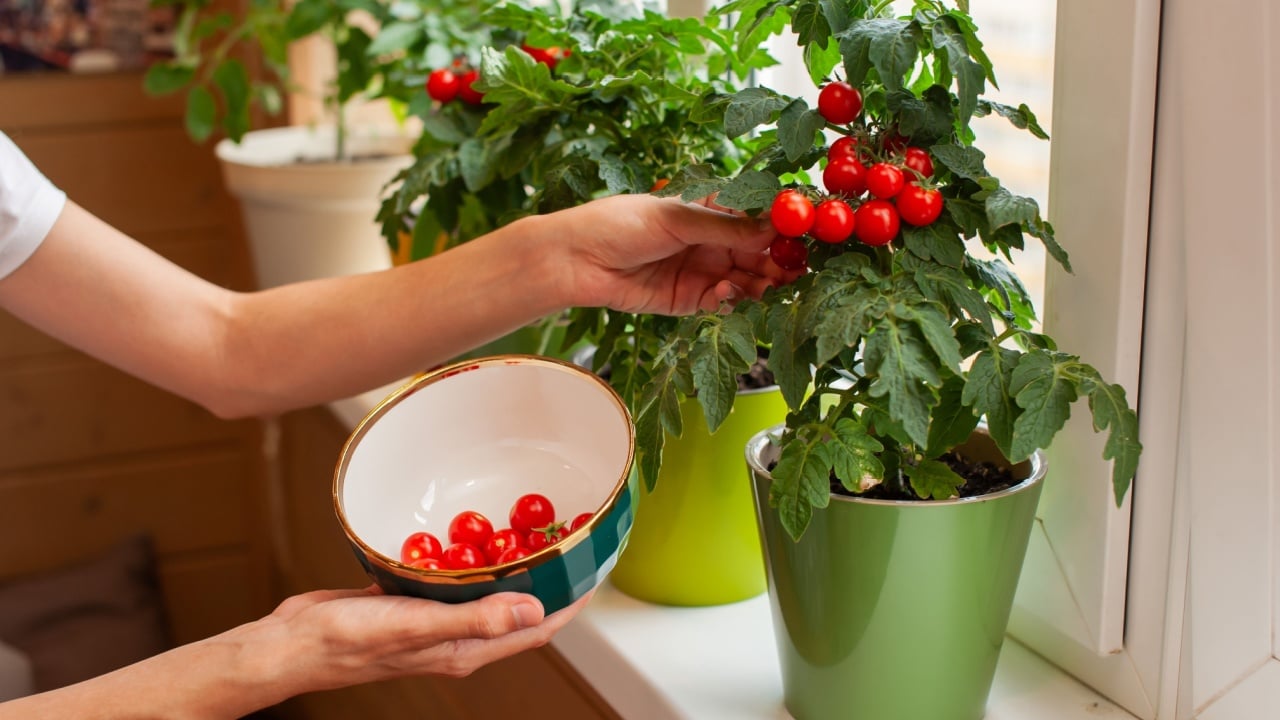
Dreaming of harvesting fresh vegetables from your own garden but limited by a small balcony, patio, or yard? Container gardening is the perfect solution (you can also try vertical gardening or square foot gardening as well).
It allows you to grow a surprising amount of produce without needing a large plot of land. By controlling the soil, water, and sun exposure your plants receive, you can create the ideal environment for a thriving, edible garden right outside your door.
Growing vegetables in pots is not only space-efficient but also rewarding. It brings the farm-to-table experience to your home, giving you access to the freshest flavors for your meals.
This guide will walk you through nine fantastic vegetables that are perfectly suited for container life, and supported by expert gardeners, making it easy for anyone to get started.
1. Tomatoes
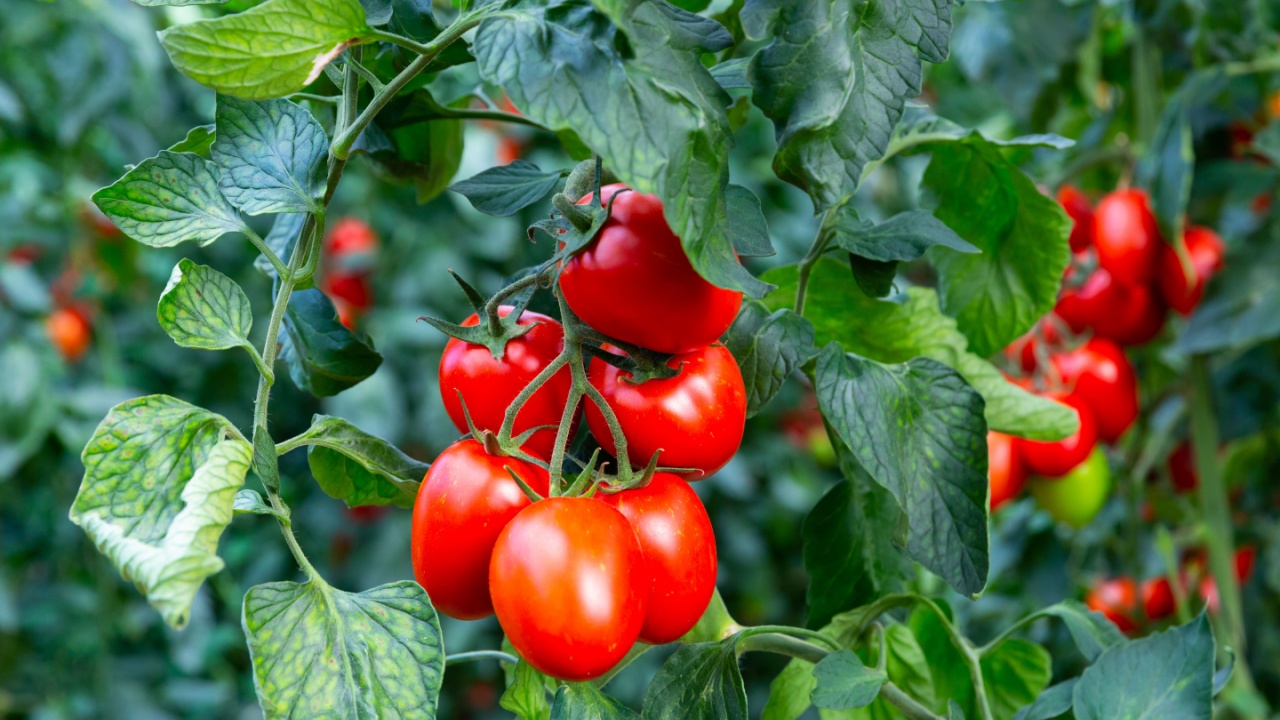
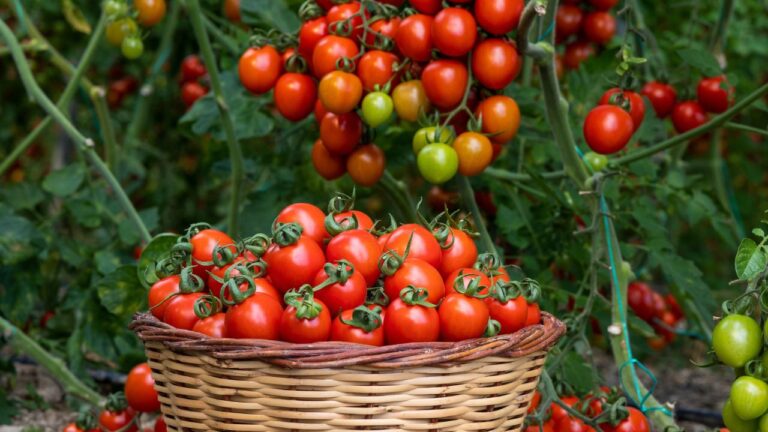
Tomatoes are a classic favorite for home gardeners, and a wide variety is surprisingly well-suited for containers. Freshly picked, sun-ripened tomatoes have a flavor that store-bought versions simply can’t match. For container gardening, it’s best to choose “determinate” or “bush” varieties, as they grow to a compact, manageable size and produce their fruit all at once. Varieties like ‘Early Girl’, ‘Patio Princess’, or many types of cherry tomatoes are excellent choices.
A single tomato plant needs a large container to thrive, at least 5 gallons, though 10 gallons is even better. This gives the extensive root system enough room to grow and helps prevent the soil from drying out too quickly on hot summer days. As the plant grows, you will need to provide support with a stake or a cage to keep the heavy, fruit-laden branches from breaking. Consistent watering is crucial; irregular moisture levels can lead to problems like blossom-end rot or split fruit.
Quick Care Guide
- Container Size: 5-10 gallons minimum, with drainage holes.
- Sunlight: 6-8+ hours of direct sun daily.
- Watering: Keep soil consistently moist, but not waterlogged. Water daily in hot weather.
- Fertilizer: Feed every 2-3 weeks with a balanced fertilizer, especially one higher in phosphorus for fruit development.
- Support: Use stakes or cages to support the plant as it grows.
2. Peppers
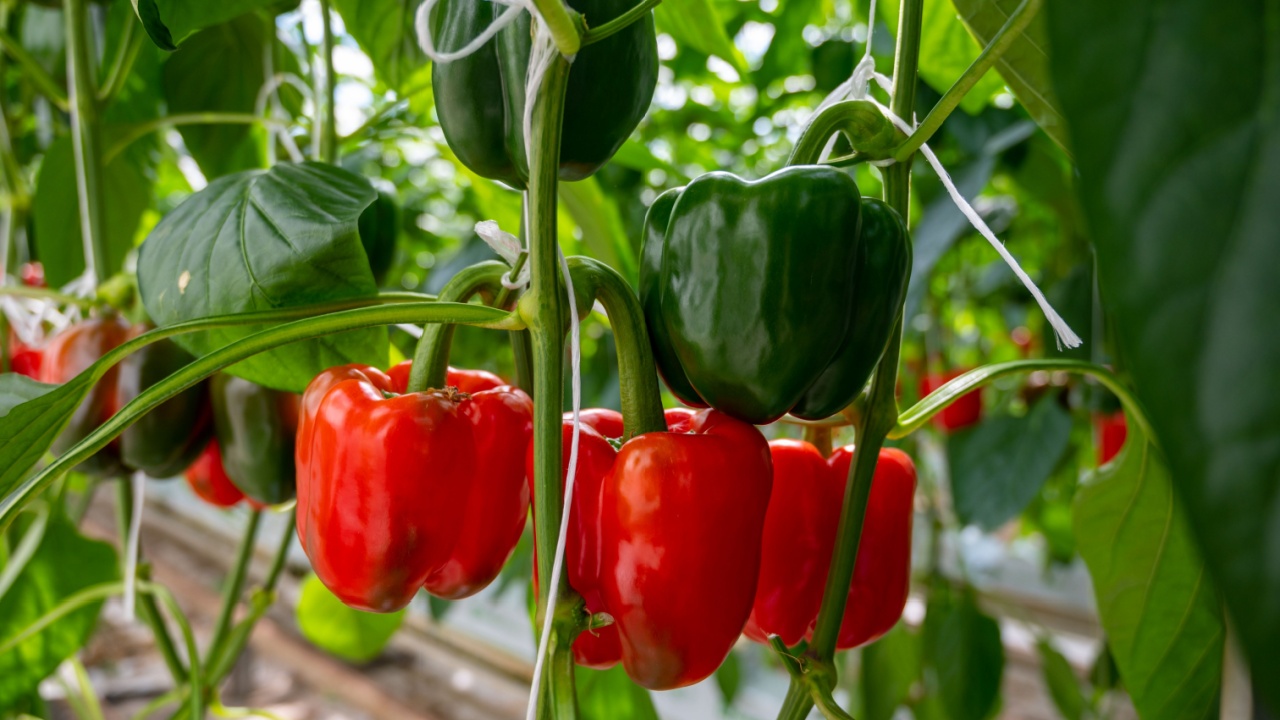
Peppers, both sweet and hot, are ideal for container gardening. They are productive plants that add a splash of color to your patio with their glossy leaves and vibrant fruits. Compact bell pepper varieties like ‘Bell Boy’ or spicier options like cayenne and jalapeño peppers thrive in pots. They love warmth and sun, making a sunny balcony a perfect spot for them.
To accommodate their root systems, choose a pot that is at least 3-5 gallons and at least 12 inches deep. Peppers are sensitive to overwatering and prefer their soil to be slightly on the drier side. Allow the top inch of soil to dry out before watering again. Incorporating a slow-release fertilizer or mixing compost into your potting soil at the beginning of the season will provide a steady supply of nutrients for healthy growth and a bountiful harvest.
Quick Care Guide
- Container Size: 3-5 gallons, at least 12 inches deep.
- Sunlight: 6-8+ hours of direct sun daily.
- Watering: Water when the top inch of soil feels dry. Avoid soggy soil.
- Fertilizer: Mix in a slow-release fertilizer or compost at planting time.
- Tip: Peppers produce more fruit in warm conditions.
3. Lettuce

Growing your own lettuce is a game-changer for salads. It’s a fast-growing crop that does exceptionally well in containers. Because lettuce has shallow roots, you don’t need a very deep pot, making it perfect for window boxes or wider, shallower containers. “Loose-leaf” varieties like ‘Oakleaf’ or ‘Buttercrunch’ are fantastic because you can harvest the outer leaves as needed, and the plant will continue to produce more from the center.
Lettuce prefers cooler weather and will appreciate some afternoon shade, especially as summer temperatures climb. Hot weather can cause the plant to “bolt,” which means it sends up a flower stalk and the leaves turn bitter. Keep the soil consistently moist to encourage tender, sweet leaves. You can plant seeds in succession every few weeks to ensure a continuous supply of fresh greens throughout the season.
Quick Care Guide
- Container Size: Shallow and wide pots, 6-8 inches deep, are sufficient.
- Sunlight: 4-6 hours of sun. Provide afternoon shade in hot climates.
- Watering: Keep soil consistently moist. Lettuce has shallow roots and dries out quickly.
- Harvesting: Harvest outer leaves for a continuous supply, or cut the whole head.
- Tip: Plant new seeds every 2-3 weeks for a non-stop harvest.
4. Potatoes
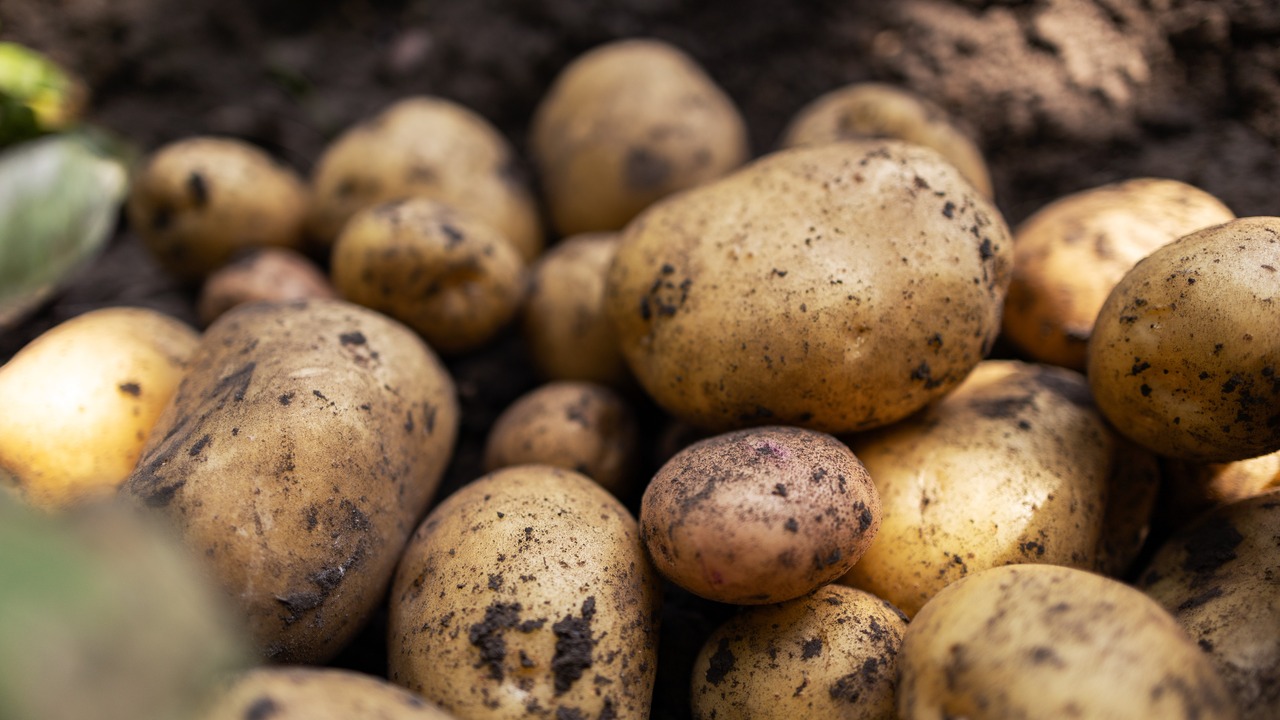
Harvesting your own potatoes feels like digging for treasure, and you don’t need a field to do it. Growing potatoes in containers or specialized grow bags is incredibly easy and efficient. The key is to provide enough depth for the tubers to form. As the potato plant grows taller, you’ll add more soil around the stem, a process called “hilling.” This encourages more potatoes to develop along the buried part of the stem.
Start with “seed potatoes” (small potatoes saved for planting) in a deep container, like a 15-gallon pot or a tall grow bag. Plant them in a few inches of soil at the bottom. Once the green shoots are about 6-8 inches tall, add more soil to cover about half of the growth. Repeat this process until the soil reaches the top of the container. Harvest when the foliage starts to yellow and die back.
Quick Care Guide
- Container Size: Deep containers or grow bags, at least 15 gallons.
- Sunlight: 6-8 hours of direct sun.
- Watering: Keep soil evenly moist, but not saturated.
- Planting: Hill the potatoes by adding more soil as the plant grows.
- Harvesting: Dig up potatoes after the plant’s foliage has died back.
5. Summer Squash
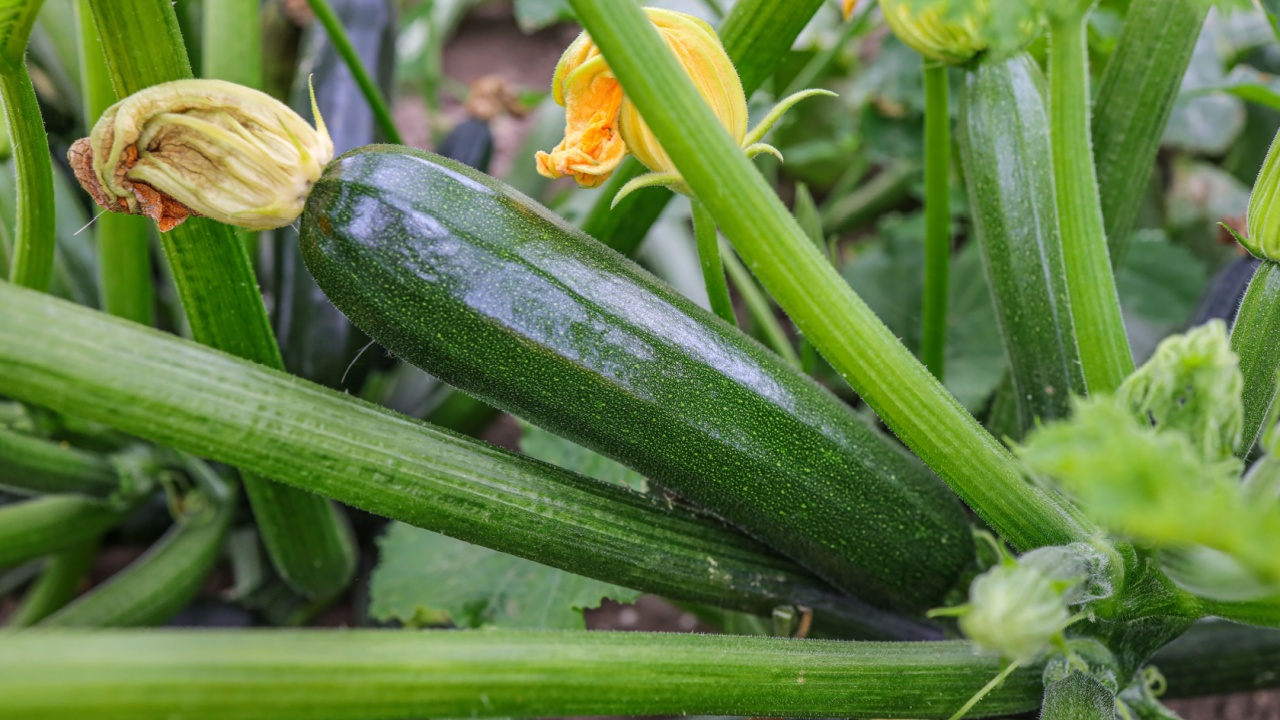
Summer squashes, like zucchini and yellow crookneck, are known for being highly productive. While traditional varieties can sprawl and take over a garden, there are many compact “bush” types bred specifically for containers. Look for varieties like ‘Bush Baby’ zucchini or ‘Gold Rush’ that grow in a more contained shape, making them perfect for a large pot on the patio.
A single squash plant requires a large container, think 10 gallons or larger, and at least 24 inches wide to support its rapid growth and large leaves. These plants are thirsty and hungry, so they need regular watering, especially once they start producing fruit. A weekly feeding with a balanced liquid fertilizer will also help fuel their impressive production.
Quick Care Guide
- Container Size: Large pot, 10+ gallons, and at least 24 inches wide.
- Sunlight: 6-8+ hours of direct sun.
- Watering: Water deeply and regularly, especially during fruiting.
- Fertilizer: Feed weekly with a balanced fertilizer once flowering begins.
- Varieties: Choose compact or bush varieties for best results.
6. Radishes
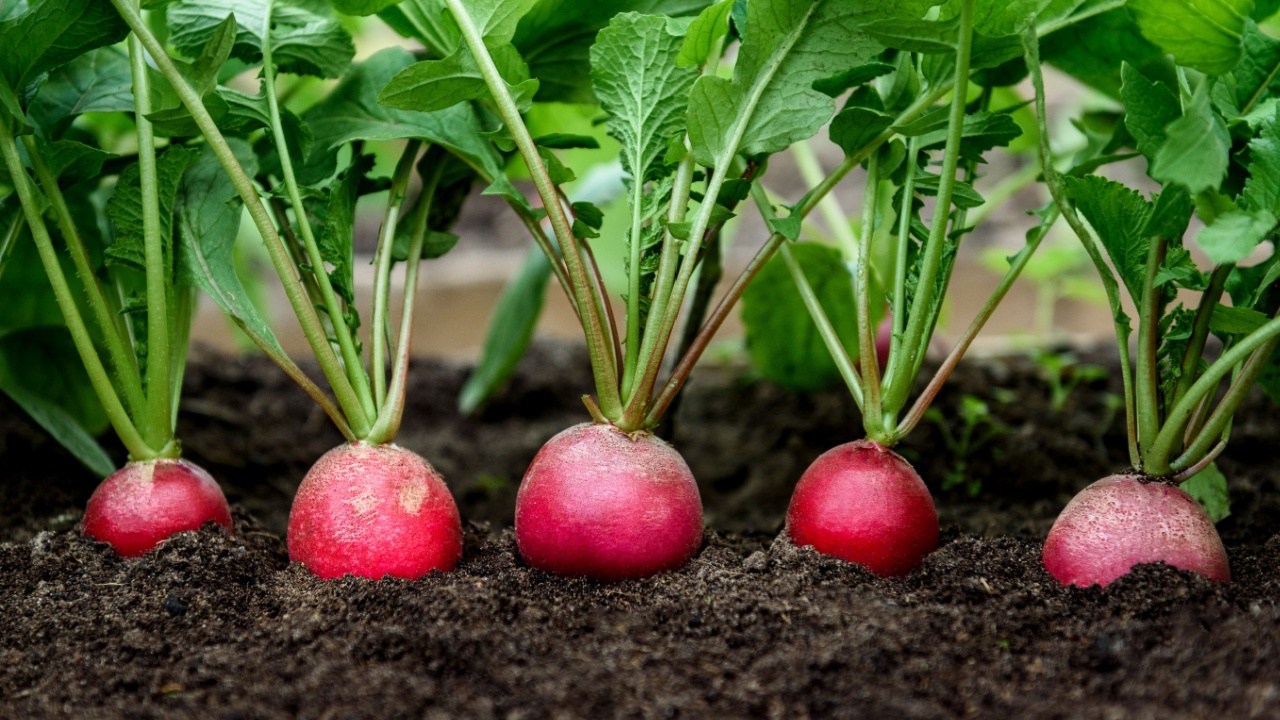
If you’re looking for a quick and satisfying win, radishes are the plant for you. These spicy root vegetables are one of the fastest-growing crops, with some varieties ready to harvest in as little as three weeks from seeding. Their small size and rapid growth cycle make them an excellent choice for container gardening, and you can tuck them in with other plants or give them their own pot.
Radishes don’t need a deep container; a pot that is 6-8 inches deep will suffice. They prefer loose, well-draining soil so their roots can grow without obstruction. Sow seeds about half an inch deep and an inch or two apart. Consistent moisture is key to developing crisp, mild-flavored radishes. If the soil dries out, they can become woody or excessively spicy.
Quick Care Guide
- Container Size: 6-8 inches deep.
- Sunlight: 4-6 hours of sun.
- Watering: Keep soil consistently moist to prevent woody or overly spicy roots.
- Spacing: Thin seedlings to about 2 inches apart to give roots room to grow.
- Harvesting: Ready to harvest in as little as 3-4 weeks.
7. Spinach
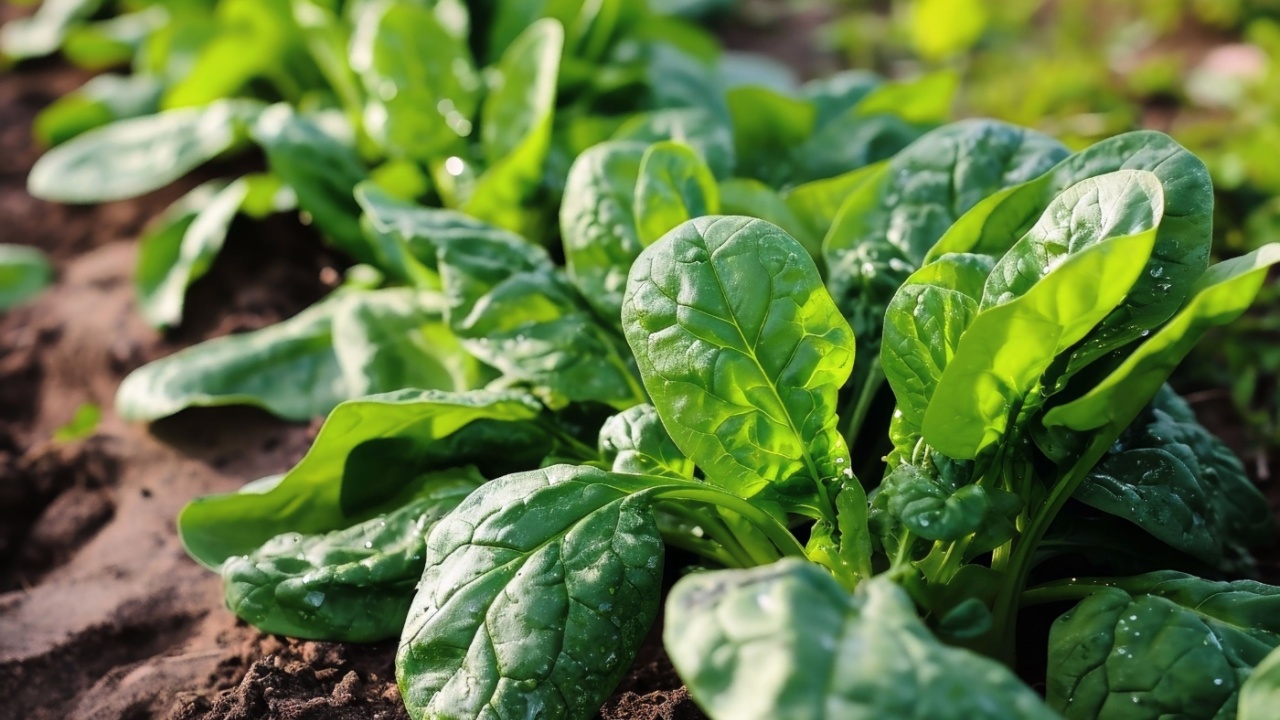
Spinach is another cool-season leafy green that is perfectly happy in a container. Like lettuce, it has shallow roots and doesn’t require a deep pot. Growing your own means you can enjoy tender baby spinach leaves in salads or let them mature for cooking. It’s packed with nutrients and grows quickly in the mild weather of spring and fall.
Plant spinach in a wide container that is at least 6 inches deep. It enjoys consistent moisture and will produce best when temperatures are cool. In warmer weather, provide some afternoon shade to prevent bolting. You can harvest individual leaves as needed or cut the whole plant. For a continuous harvest, plant a new batch of seeds every couple of weeks during the cool parts of the growing season.
Quick Care Guide
- Container Size: Wide container, at least 6 inches deep.
- Sunlight: 4-6 hours of sun. Benefits from afternoon shade.
- Watering: Keep the soil evenly moist.
- Harvesting: Pick outer leaves for an extended harvest, or cut the entire plant.
- Tip: Spinach thrives in the cooler temperatures of spring and fall.
8. Eggplant
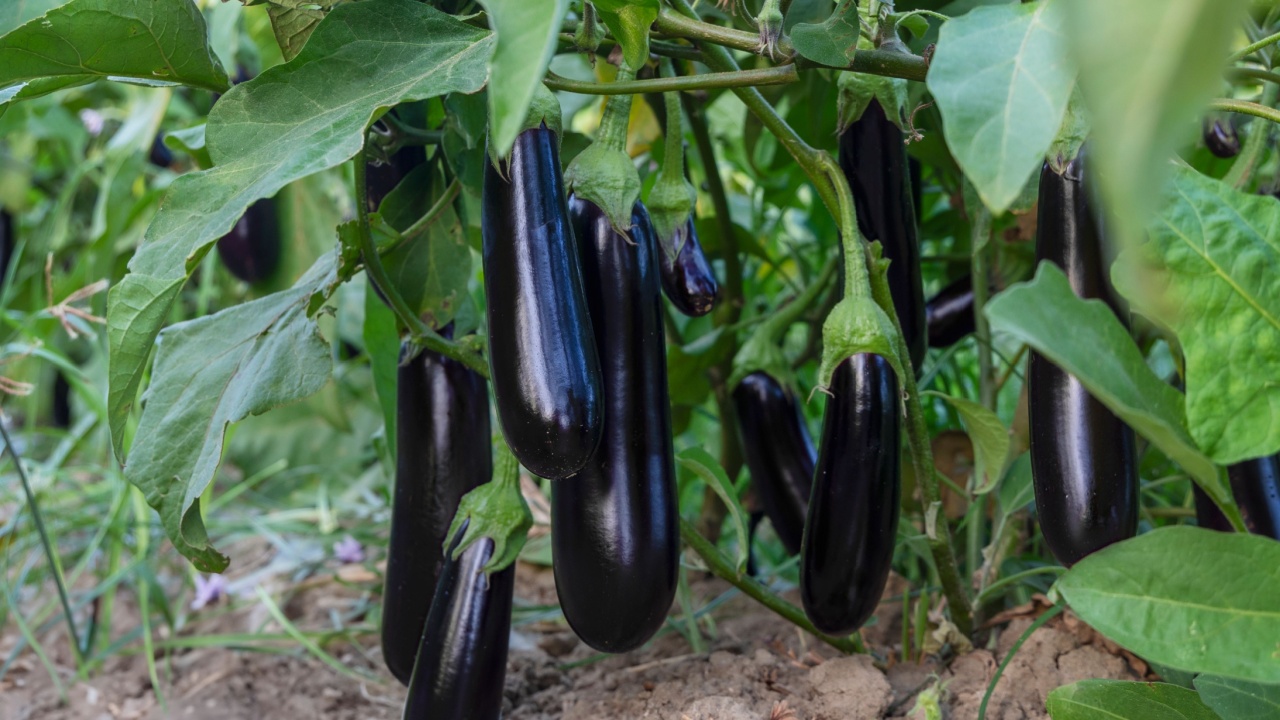
With their beautiful, deep purple fruits and lovely flowers, eggplants make a stunning addition to any container garden. These heat-loving plants thrive in the warmth that a pot on a sunny patio can provide. Smaller-fruited varieties like ‘Fairy Tale’ or ‘Patio Baby’ are bred for container life and will produce a generous harvest from a single plant.
Eggplants need a large pot, at least 5 gallons, to support their root system and provide stability. They are heavy feeders and drinkers, so consistent watering and regular fertilizing are essential for good fruit production. Use a balanced fertilizer every 2-3 weeks once the plant begins to flower. A layer of mulch on top of the soil can help retain moisture on hot days.
Quick Care Guide
- Container Size: Minimum of 5 gallons per plant.
- Sunlight: 8+ hours of direct sun. They love heat.
- Watering: Water consistently and deeply. Mulch to retain moisture.
- Fertilizer: Feed every 2-3 weeks with a balanced fertilizer during the growing season.
- Varieties: Look for compact varieties like ‘Fairy Tale’ or ‘Patio Baby’.
9. Scallions (Green Onions)

Scallions are one of the easiest and most rewarding vegetables to grow in a container. They don’t require much space and can be grown for a continuous harvest. You can plant them from seeds or use the white root ends from scallions you’ve bought at the grocery store. Just place the roots in soil, and they will regrow their green tops.
A pot that is 6-8 inches deep is perfect for scallions. Keep the soil consistently moist, and they will grow quickly. To harvest, you can either pull the entire plant out or snip the green tops about an inch above the soil line. If you trim them, the greens will grow back, giving you multiple harvests from a single planting.
Quick Care Guide
- Container Size: 6-8 inches deep.
- Sunlight: At least 6 hours of sun.
- Watering: Keep soil consistently moist.
- Harvesting: Snip the green tops as needed, and they will regrow for a continuous supply.
- Tip: You can regrow scallions from the white ends of store-bought ones.
Don’t Let Space Limit You
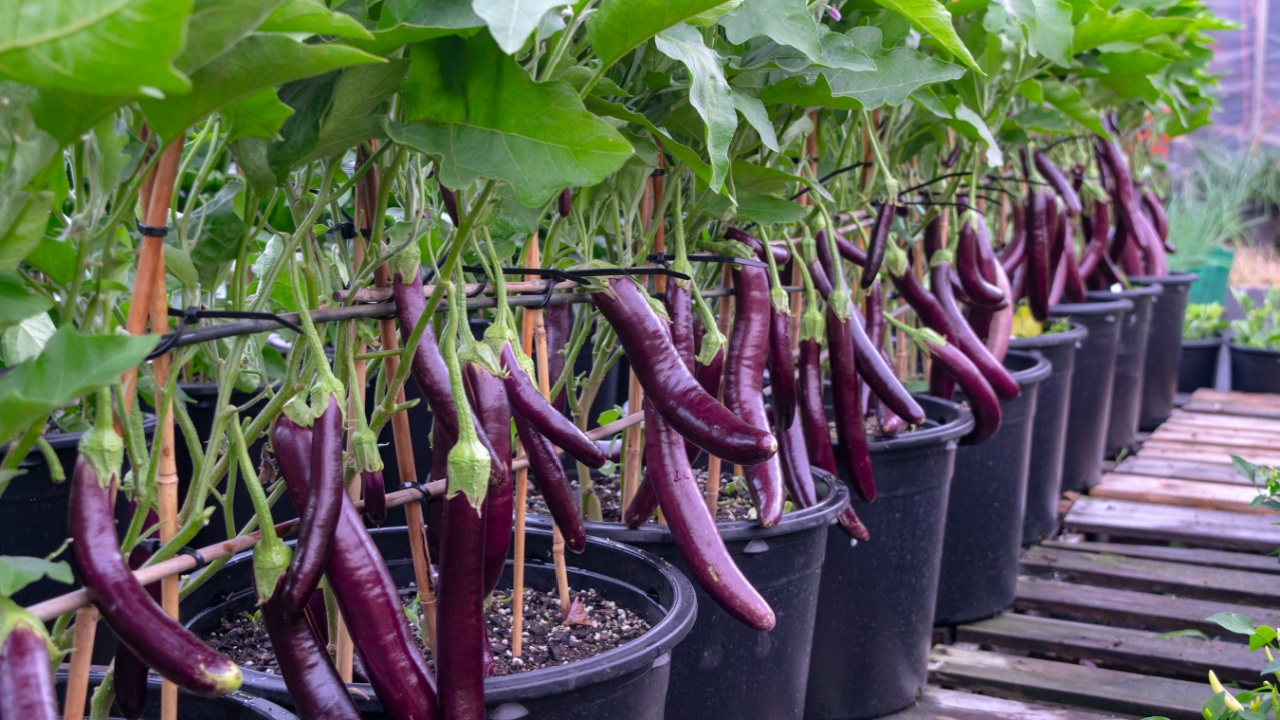
Ready to start your own container garden? The first step is to choose your space. Find a spot on your balcony, patio, or doorstep that gets at least 6 hours of sunlight a day. Next, gather your containers. You can use anything from traditional terracotta pots to fabric grow bags, as long as they have drainage holes.
Fill your chosen pots with high-quality potting mix. Don’t use garden soil, as it becomes too compacted in containers. Finally, pick a few of the easy-to-grow vegetables from this list and get your seeds or starter plants. With a little sun, water, and care, you’ll be harvesting your own delicious, homegrown vegetables in no time.
Read more:
13 Vegetables That Thrive in Raised Garden Beds
9 Vegetables and Herbs to Grow and Cut the Grocery Bill by $400