15 Cleaning Tips to Keep Bugs Out of the House for Good
Spiders and other creepy crawlies have an uncanny ability to make your home feel less like a haven and more like a scene from a Halloween horror movie. Whether you’re a homeowner, apartment dweller, allergy sufferer, or merely someone with a major case of arachnophobia, keeping these pests where they belong (ahem, outside) is vital for your peace of mind.
If you’ve noticed more long-legged friends running around your home lately (as summer weather continues), American Pest Management reveals that spiders and other small creatures are most active during the warmer months.
How do you get rid of these tiny creatures that hide in places you can’t reach? You’re in luck- there are tried-and-true methods to prevent these unwelcome guests from taking over your space. Regular cleaning routines and strategic preventative measures can create an environment that deters creepy crawlies.
Luckily, pest control doesn’t have to involve harsh chemicals or expensive extermination services. Many effective solutions take advantage of everyday household items and natural repellents. If you’re ready to see these unwelcome guests banished, read on and learn 15 cleaning tips to ensure your home remains a bug-free zone.
1. Remove Clutter

Spiders and pests thrive in cluttered environments. Decluttering your home is an essential first step in making it less inviting to these unwelcome guests. Reducing clutter removes hiding spots for spiders and insects and makes it easier to maintain cleanliness throughout your home.
Outdoor clutter, such as piles of leaves and wood, can attract pests to your home. Ensure that you remove any debris or unnecessary items from the vicinity of your house. Keeping the outside of your home tidy helps prevent pests from finding easy access points and making their way indoors.
2. Clean Your Furniture

Regularly cleaning your furniture is crucial in preventing spider infestations. Interior designers recommend dusting and vacuuming your couches, chairs, and beds to remove any food items that may be keeping the little guys fed.
Pay special attention to the undersides and corners of furniture where spiders are likely to hide. This will also help reduce allergens in your home, making it a healthier environment overall.
3. Utilize Peppermint Oil

Peppermint oil is a natural, non-toxic deterrent for spiders and other pests. Its strong scent is overwhelming to creepy crawlies, making your home less inviting to them. To leverage the power of peppermint oil, create a simple spray solution. Mix 10-15 drops of peppermint essential oil with one cup of water in a spray bottle and spray on windowsills, door frames, and other surfaces that may hide spiders.
In addition to spritzing, you can also place a few drops of peppermint oil on cotton balls and position them strategically around your home, particularly in corners, closets, and storage areas. This is an excellent way to keep pests at bay and also leave your home smelling fresh and invigorating.
4. Make Use Of Vinegar
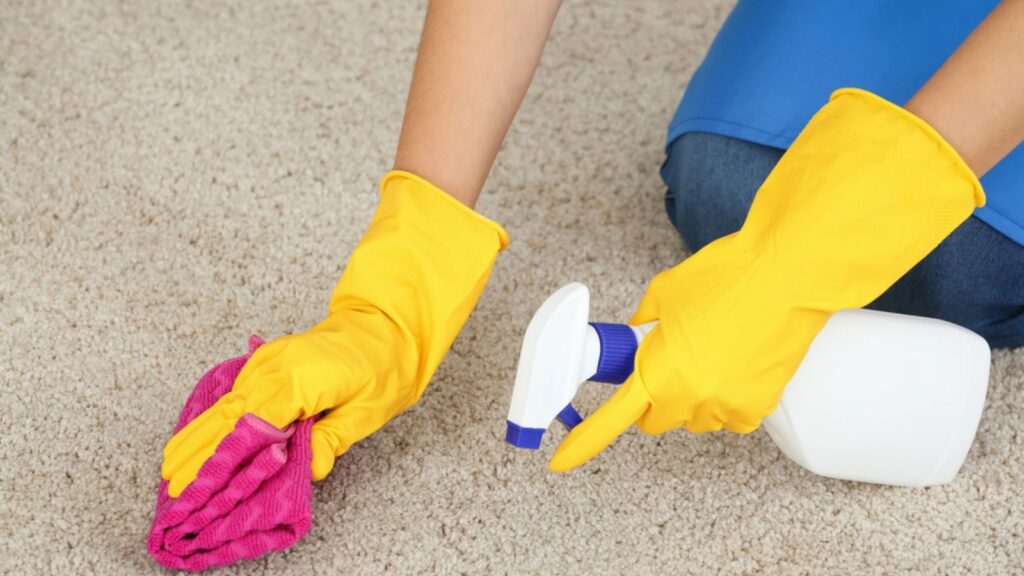
Vinegar is a powerful cleaning agent that can also deter spiders and other pests. Mix equal parts of vinegar and water in a spray bottle and use it to clean surfaces such as countertops, floors, and windowsills.
The pungent odor of vinegar repels spiders, making your home less attractive to them. Experts recommend placing vinegar in small containers in strategic places to get rid of spiders and other small insects, such as roaches.
5. Regularly Remove Cobwebs
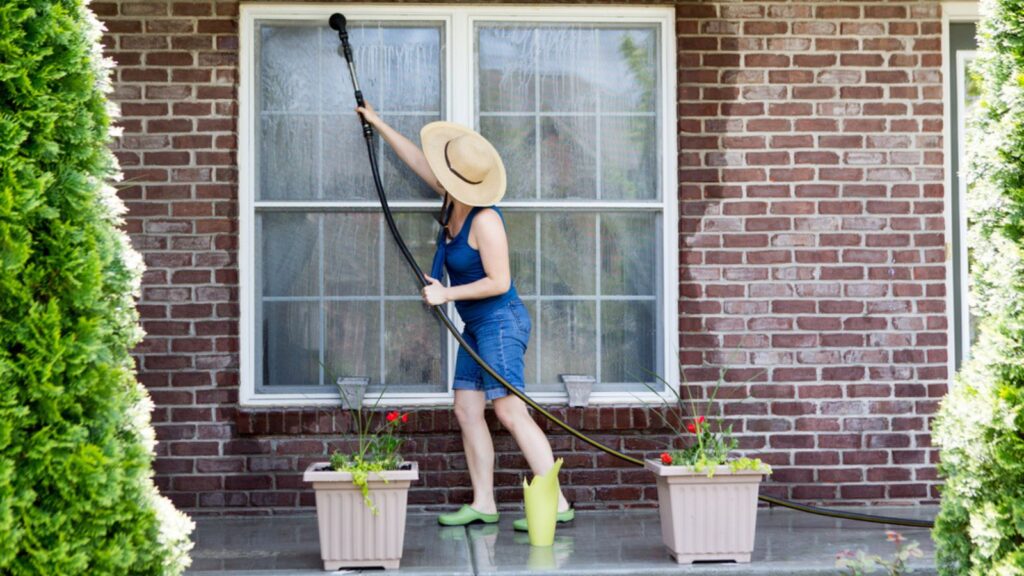
Cobwebs are a clear sign of spider activity in your home. Regularly removing them is crucial in discouraging spiders from settling in. Use a broom or a vacuum cleaner with an extension nozzle to reach high corners and other hard-to-reach places where cobwebs tend to accumulate.
By consistently removing cobwebs, you can disrupt the spiders’ environment and force them to find a new place to spin their webs. This simple action can significantly reduce the spider population in your home over time.
6. Sprinkle Cinnamon

Cinnamon is a natural deterrent for many pests, including spiders. Sprinkle cinnamon powder on surfaces where you have seen spider activity, such as window sills, corners, and entry points. The strong scent of cinnamon will repel spiders and encourage them to stay away from those areas.
Its pleasant aroma and pest-repelling properties make cinnamon an excellent choice for maintaining a spider-free home. The smell will also discourage other crawlies from coming close. Cinnamon oil will also give you the same results.
7. Use Citrus Scents

Citrus scents are both pleasant for humans and effective at repelling spiders and other pests. Research has shown that spiders are deterred by the smell of citrus fruits like lemons, oranges, and grapefruits. You can use citrus essential oils or fresh citrus peels to keep creepy crawlies at bay.
Place fresh citrus peels around entry points and corners to make a citrus spray. You can also mix a few drops of citrus essential oil with water in a spray bottle and spritz areas where you frequently see spiders, such as doorways, windowsills, and baseboards.
8. Turn Off Lights

Spiders and other pests are attracted to light. Reduce outdoor lighting near entry points, such as doors and windows, to minimize the chances of attracting these creatures to your home. If you must use outdoor lighting, consider using yellow or sodium vapor lights, which are less attractive to insects.
Turning off lights also keeps insects, which are food for spiders such as flies, away. This will decrease the spiders’ food source, making your home less appealing.
9. Use Cedar

Cedar is an effective and natural deterrent for spiders and many other pests. The strong scent of cedar oil is known to repel spiders, making it an excellent choice for maintaining a pest-free home. You can leverage its pest-repelling properties by using cedarwood chips, mulch, or essential oil.
Place cedarwood chips or mulch around the foundation of your home, in garden beds, and in flower pots to keep spiders at bay. Additionally, using cedarwood hangers in your closets and placing cedar sachets in drawers and storage areas can prevent spiders from settling in those spaces.
10. Seal Cracks and Gaps

Sealing cracks and gaps in your home’s exterior is one of the most effective ways to prevent pests from entering. Inspect your home’s foundation, walls, windows, and doors for any openings that spiders and insects could use as entry points. Use caulk or weatherstripping to seal these gaps and create a barrier that pests cannot penetrate.
Additionally, check for gaps around utility pipes, vents, and electrical outlets and seal them as well. By eliminating these entry points, you can significantly reduce the chances of pests entering your home.
11. Remove Rotting Fruits

Rotting fruits can attract pests like ants and roaches. Ensure that you dispose of any overripe or decaying fruits promptly. Keep your kitchen clean and free of food debris, and remember to regularly empty your kitchen bin to prevent attracting pests.
Fruit flies, a favorite food for spiders, thrive on decaying fruits. Removing this food source can discourage fruit flies from entering your home and indirectly lower the spider population.
12. Invest in a Spider Catcher
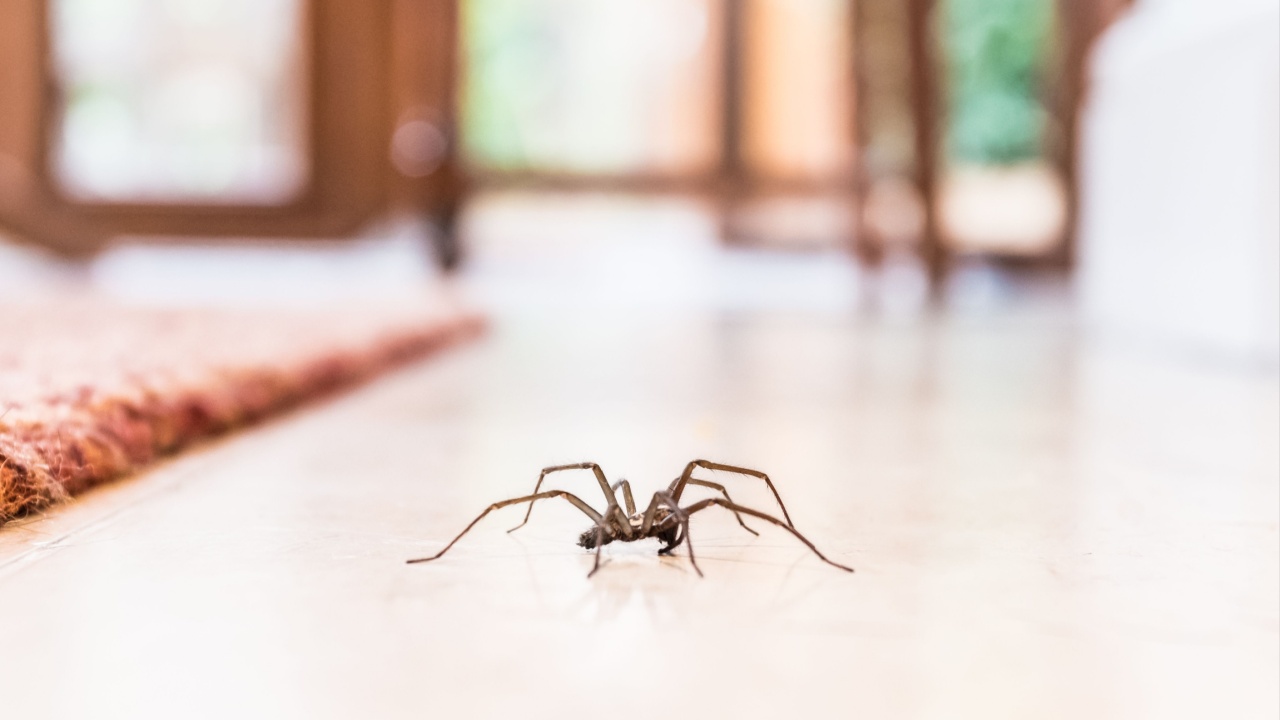
A spider catcher is a handy tool for those who prefer not to kill spiders but want to remove them from their home. These devices allow you to catch spiders from a safe distance and release them outside without harm. Using a spider catcher can help maintain a spider-free home while being humane.
Look for spider catchers with long handles and gentle bristles to ensure that you can catch spiders effectively without causing them harm. Regular use of a spider catcher can help keep your home free of spiders without resorting to chemical treatments.
13. Get a Cat
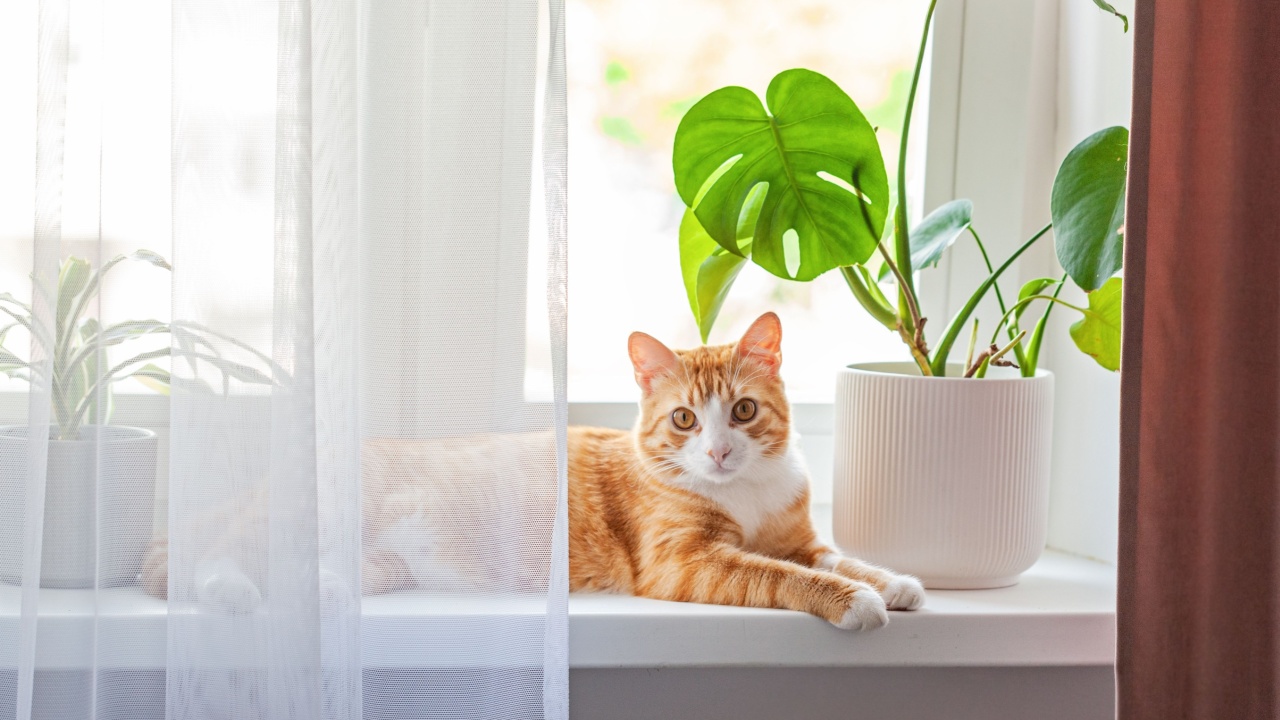
Cats are natural hunters and can help keep your home free of spiders and other pests. If you have a cat, you may notice a reduction in the number of insects and spiders in your home. Cats are particularly effective at catching and deterring pests, making them a valuable addition to your household.
While a cat alone may not completely eliminate pests, having one can significantly reduce their presence and provide a natural method of pest control. Plus, you’ll have a furry friend to keep you company!
14. Chestnuts

Chestnuts are another natural remedy that can help keep spiders at bay. It’s believed that spiders detest the smell of chestnuts, which makes them a great addition to your pest control toolkit. To utilize chestnuts effectively, place them in areas where spiders are commonly seen, such as windowsills, corners, and entry points.
Whole conkers can be positioned around the house, or you can cut them in half to release their scent more actively. Although scientific evidence for this method may be limited, many people firmly believe in its effectiveness. Incorporating chestnuts into your pest prevention strategy can provide an additional layer of protection and make your home less appealing to spiders.
15. Destroy Egg Sacks

To effectively control and prevent pest infestations, destroying egg sacks before they hatch is crucial. Egg sacks are commonly found in hidden and undisturbed areas of your home, such as behind furniture, basements, or the corners of ceilings and closets.
Identifying and removing these nests can significantly reduce the future population of pests like spiders, cockroaches, and ants. When you come across an egg sack, use gloves and a tissue or paper towel to carefully remove it. Immediately place the egg sack in a sealed plastic bag and dispose of it outside.