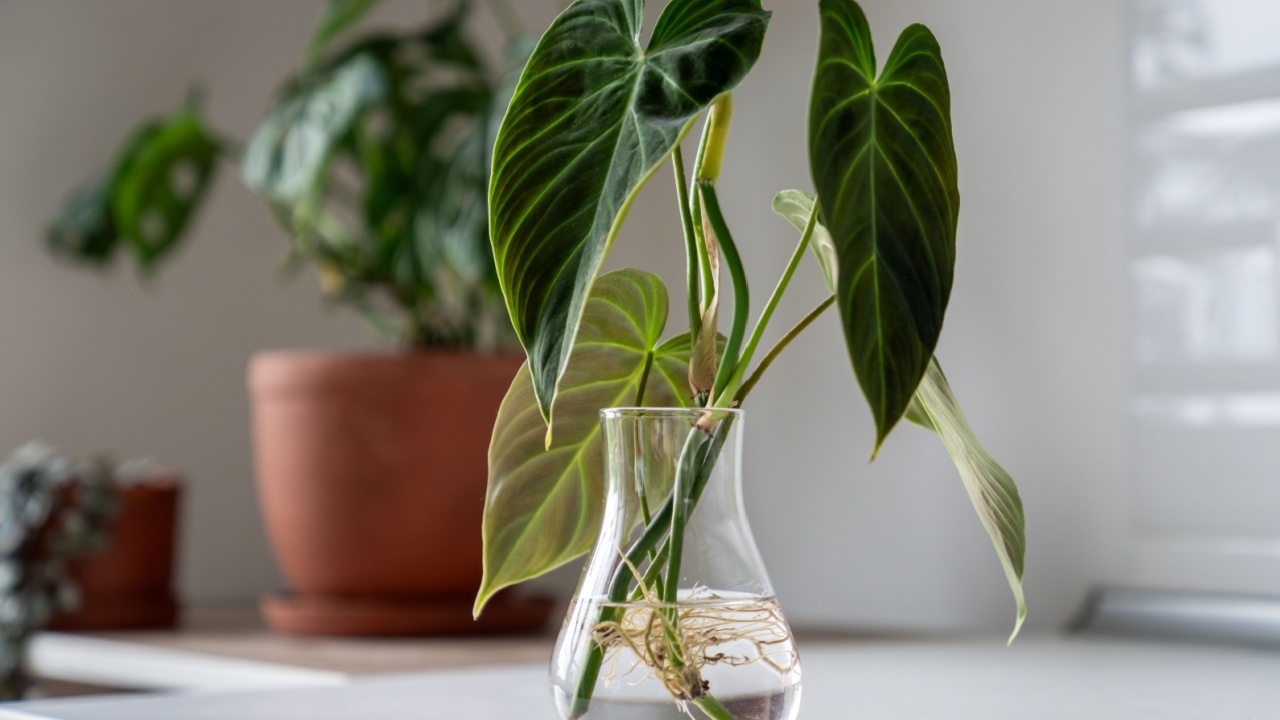
No Soil, No Problem: 15 Houseplants That Only Need Water to Grow
Bringing the beauty of nature indoors doesn’t have to mean dealing with messy soil, bulky bags of potting mix, and the constant worry of over- or under-watering. Imagine green leaves unfurling in a simple, elegant glass vase on your desk or a lush collection of herbs thriving on your kitchen windowsill with nothing but water. This method, often called hydroponic growing in its simplest form, is a fantastic way to enjoy houseplants.
Growing plants in water is not just for propagating cuttings. Many popular and beautiful plants can live their entire lives happily in a jar of water. This approach is incredibly low-maintenance, making it perfect for beginners, busy individuals, or anyone who has struggled with soil-based plants. It also reduces the risk of soil-borne pests like fungus gnats and can help minimize allergens in your home. Plus, the visual appeal of seeing the intricate root systems develop through clear glass is a unique and beautiful aspect of plant ownership.
Let’s explore 15 stunning plants that you can grow using only water.
1. Heartleaf Philodendron

The Heartleaf Philodendron is a classic houseplant for a reason. Its glossy, heart-shaped leaves and trailing vines make it a graceful addition to any space. It’s exceptionally forgiving and adapts well to various indoor environments, making it a top choice for those new to growing plants in water. The long, cascading stems look stunning, spilling over the edge of a high shelf or a hanging container.
To grow it in water, take a cutting that is at least a few inches long and has several leaf nodes. Snip just below a node, remove the lower leaves that would otherwise be submerged, and place the stem in your container of water. This plant is known for its resilience and will start developing roots relatively quickly.
Care Summary
- Light: Prefers bright, indirect light but tolerates low light conditions.
- Water: Change the water every 1-2 weeks. Top off as needed.
- Feeding: Add a quarter-strength liquid fertilizer once a month.
- Toxicity: Mildly toxic to pets and humans if ingested.
2. Pothos
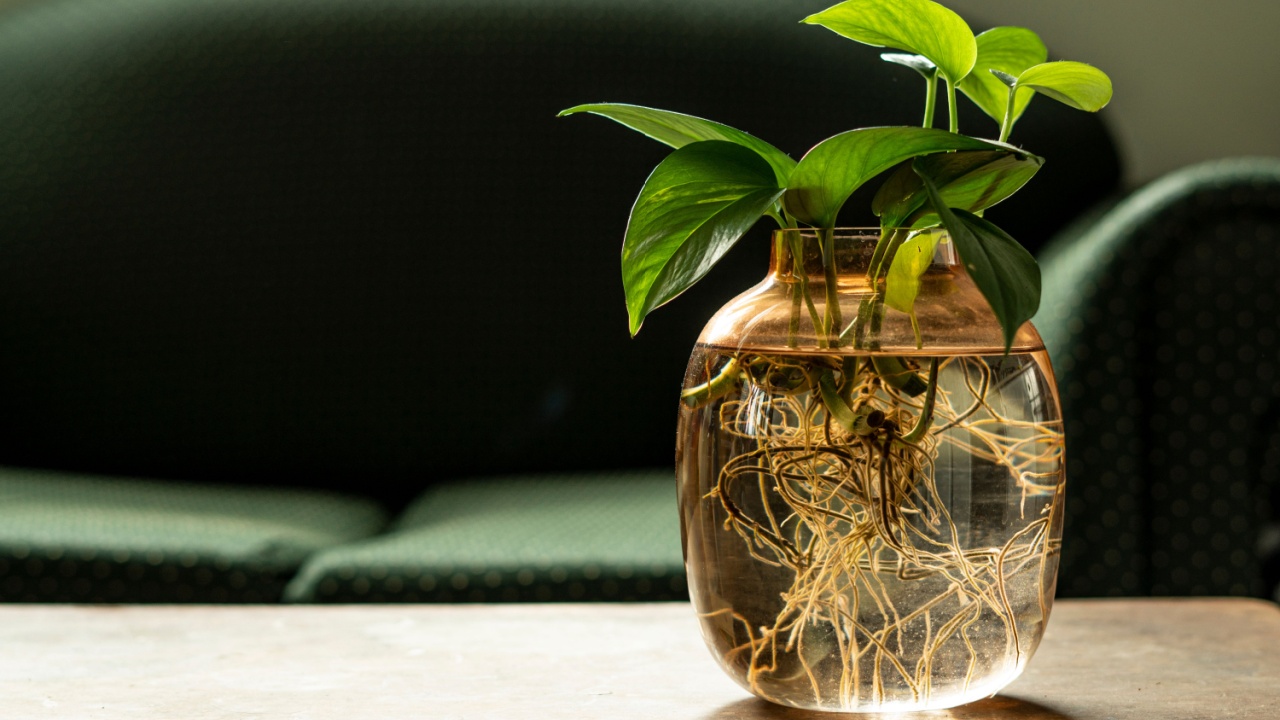
Often mistaken for the philodendron, Pothos is another nearly indestructible vining plant perfect for water culture. Its heart-shaped leaves often feature beautiful variegation in shades of yellow, white, or pale green. Pothos is a vigorous grower, and its trailing habit makes it ideal for decorating shelves, desks, and hanging baskets. It’s one of the easiest plants to start in water.
Simply take a stem cutting with a few nodes, remove the bottom leaves, and place it in a jar of water. Roots will typically appear within a couple of weeks. Because it thrives in a wide range of lighting conditions, including fluorescent office lights, it’s an incredibly versatile choice for adding greenery just about anywhere.
Care Summary
- Light: Thrives in bright, indirect light but adapts well to low light.
- Water: Replace water every two weeks or when it becomes cloudy.
- Feeding: Use a diluted liquid fertilizer monthly to encourage lush growth.
- Toxicity: Mildly toxic to people and pets.
3. English Ivy
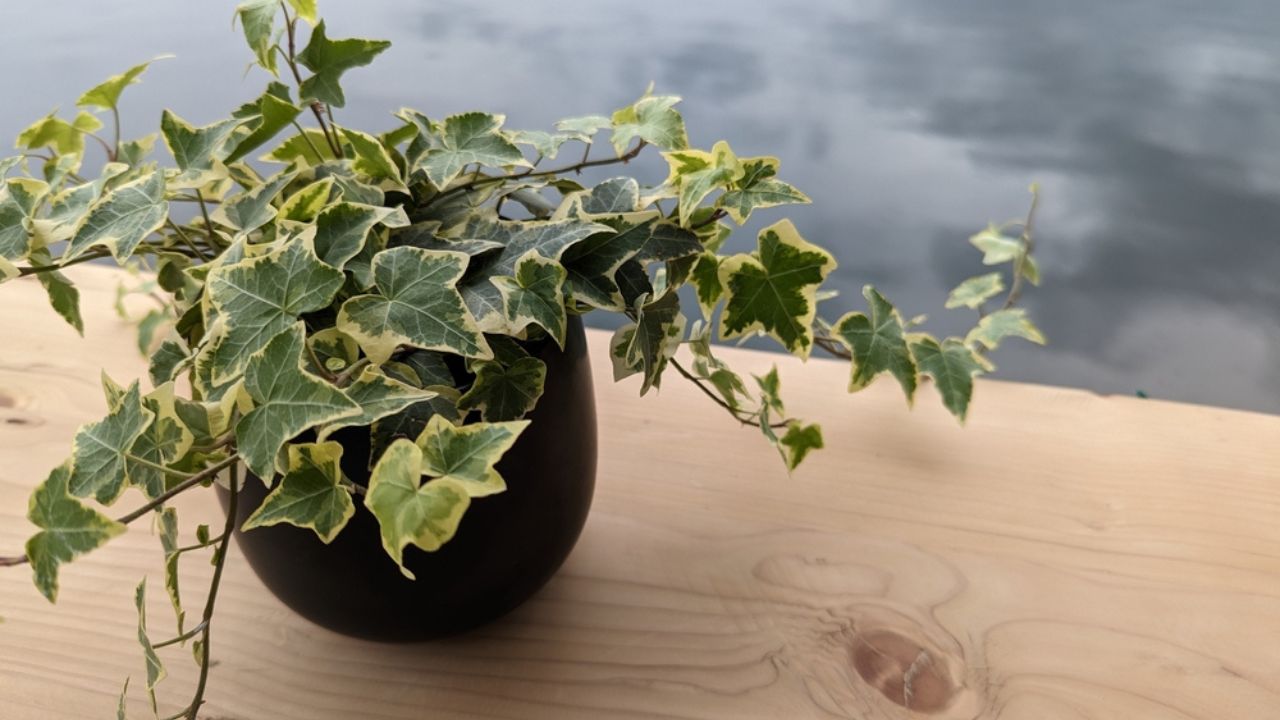
While known for being an aggressive grower outdoors, English Ivy becomes a well-behaved and elegant houseplant when grown in water. Its distinctively shaped leaves, often traced with light green or white veins, create a classic and sophisticated look. You can let its vines hang freely or train them to climb up a small trellis or around a window frame.
Start with a healthy cutting from a green, non-woody part of the vine. Ensure the cutting has a few nodes, remove the lower leaves, and submerge it in water. English Ivy is quite adaptable and will root without much fuss, making it a rewarding plant for beginners.
Care Summary
- Light: Prefers bright, indirect light but can grow in low-light spots.
- Water: Change water every 1-2 weeks to keep it fresh.
- Feeding: A monthly dose of quarter-strength liquid fertilizer will suffice.
- Toxicity: Toxic to both animals and humans if consumed.
4. Spider Plant

The Spider Plant is a popular and cheerful houseplant, famous for its arching, variegated leaves and the “spiderettes” or baby plants that dangle from the mother plant. These little plantlets make propagation incredibly easy. Growing them in water is a great way to showcase their unique form.
Instead of a stem cutting, you’ll use one of the spiderettes. Gently snip it off from the mother plant and place its base in a shallow container of water. It’s important to keep the leaves out of the water to prevent rot. Adding some small pebbles to the bottom can help stabilize the plantlet as its roots begin to grow.
Care Summary
- Light: Best in bright, indirect light. Avoid direct sun, which can scorch the leaves.
- Water: Keep the water level just covering the base of the plantlet. Change weekly.
- Feeding: Fertilize very sparingly, about once every 2-3 months, with a highly diluted solution.
- Toxicity: Non-toxic and safe for pets and children.
5. Wandering Jew (Tradescantia zebrina)
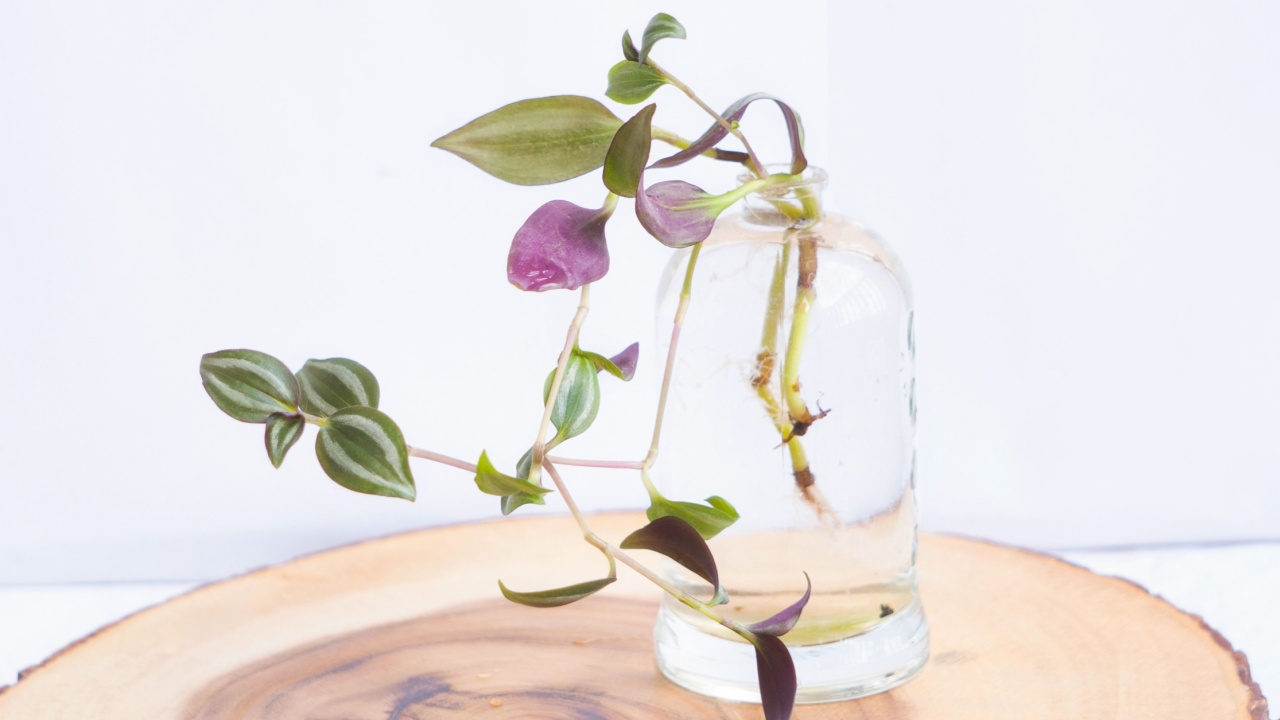
The Wandering Jew, or Tradescantia zebrina, is a showstopper. Its stunning leaves are striped with shades of purple, green, and silver, adding a vibrant splash of color wherever you place it. This plant grows quickly and has a lovely trailing habit, making it an excellent choice for hanging containers or placing on a high shelf where its colorful vines can cascade down.
Propagating Wandering Jew in water is incredibly simple. Take a cutting from a healthy stem, remove the leaves from the bottom portion, and place it in water. You will likely see roots forming in as little as a week. It’s one of the fastest and most satisfying plants to grow hydroponically.
Care Summary
- Light: Needs bright, indirect light to maintain its vibrant coloring.
- Water: Change the water weekly to keep it clean and oxygenated.
- Feeding: A monthly feeding with a diluted liquid fertilizer will keep it looking its best.
- Toxicity: Can cause mild skin irritation and is toxic to pets if ingested.
6. Begonia
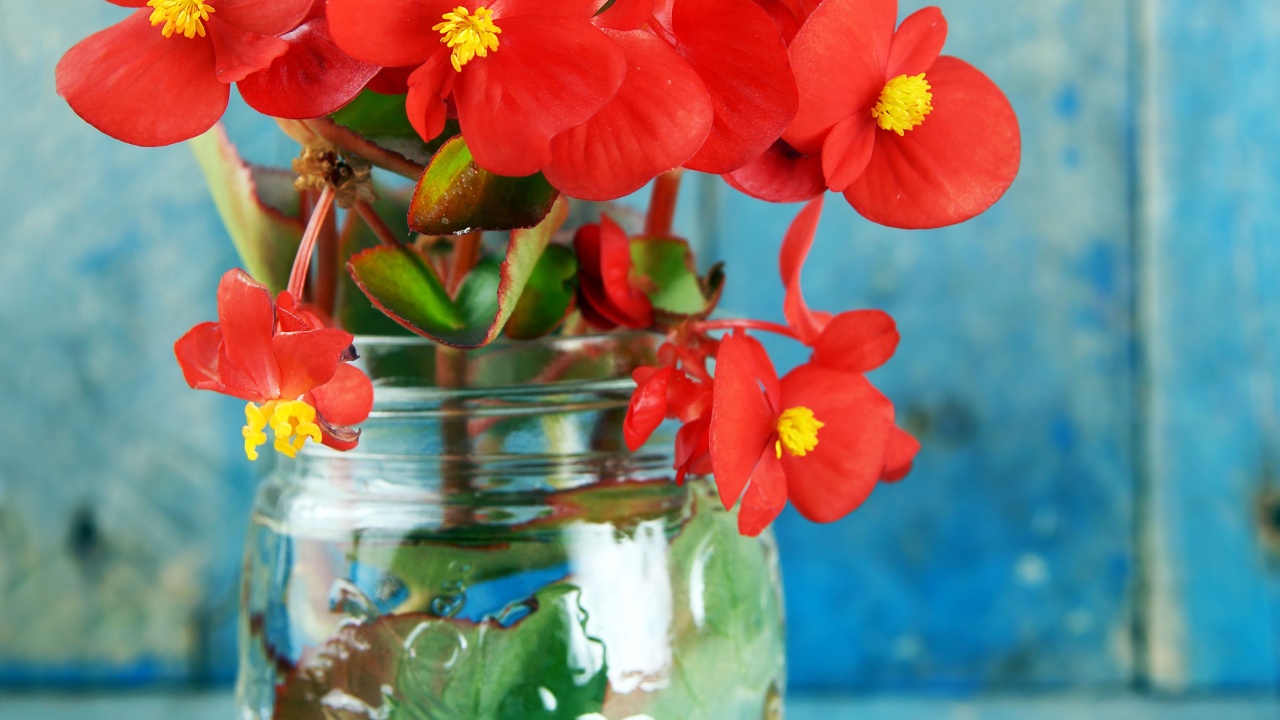
Begonias are prized for their incredibly diverse and ornate foliage. With leaves that come in a vast array of shapes, colors, and patterns from deep purple-green to speckled pink and silver, they are true statement plants. Both Rex and tuberous begonias can adapt to growing in water, offering plenty of variety.
Take a stem cutting with at least one node and a few leaves. Remove any leaves that would sit below the waterline and place the stem in your container. Begonias appreciate humidity, so they do well in kitchens or bathrooms. Their upright growth habit makes them a striking centerpiece.
Care Summary
- Light: Bright, indirect light is ideal. Avoid harsh, direct sunlight.
- Water: Replace the water every week to prevent bacterial growth.
- Feeding: Feed monthly with a very dilute, balanced liquid fertilizer.
- Toxicity: Toxic to pets and people.
7. Coleus
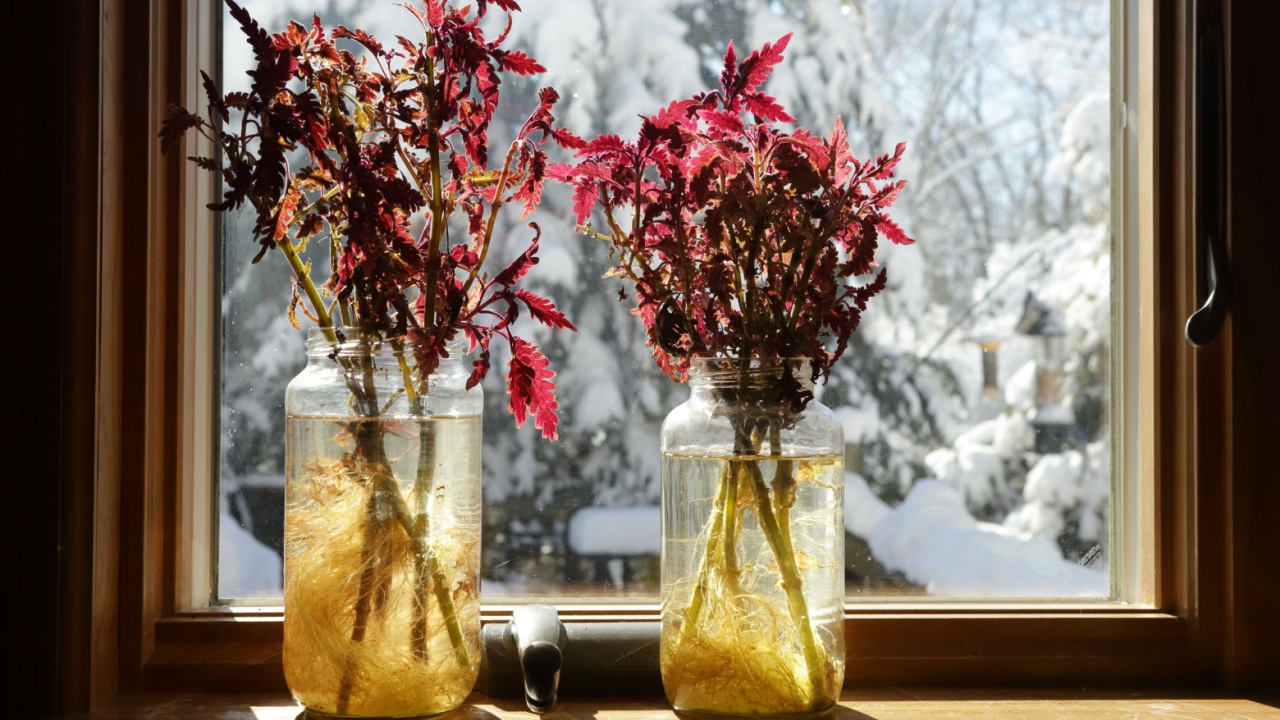
Coleus is another plant grown for its spectacular foliage. The leaves display brilliant combinations of green, pink, red, and purple, often in intricate patterns. It’s a fast-growing plant that brings a burst of color to any room. When grown in water, its vivid colors can be appreciated up close.
Take a cutting from a healthy, young stem and remove the lower leaves. Place it in a clear jar, and the roots should develop within a couple of weeks. Coleus prefers warmer temperatures and higher humidity, so it’s a great candidate for a bright bathroom or kitchen.
Care Summary
- Light: Prefers bright, indirect light. Morning sun from an east-facing window is excellent.
- Water: Change the water weekly.
- Feeding: Use a quarter-strength liquid fertilizer every 2-3 weeks during its growing season.
- Toxicity: Toxic to people and pets.
8. Lucky Bamboo

Despite its name, Lucky Bamboo isn’t bamboo at all; it’s a type of Dracaena. This plant is a symbol of good fortune and is almost exclusively grown in water. It’s often sold in decorative containers with pebbles at the base for stability, making it a perfect, ready-to-go hydroponic plant.
If you get a cutting, simply place it in a container with a few inches of water, ensuring the roots are submerged. Using distilled or filtered water is best, as Lucky Bamboo can be sensitive to the chemicals in tap water. Its upright, architectural stems add a modern and tranquil feel to a room.
Care Summary
- Light: Thrives in bright, indirect light.
- Water: Use distilled or filtered water. Change it every couple of weeks.
- Feeding: Feed every other month with a very weak liquid fertilizer designed for Lucky Bamboo.
- Toxicity: Toxic to pets and kids.
9. Chinese Evergreen

The Chinese Evergreen is a durable and handsome plant with broad, lush leaves patterned in silver, white, or even pink. It’s known for being exceptionally low-maintenance and tolerant, making it a fantastic plant for beginners or for lower-light areas like an office.
Take a stem cutting that’s several inches long, remove the lower leaves, and place it in water. Be patient, as it may take a bit longer to root than some other plants on this list. Once established, it’s a resilient and long-lasting water plant. To keep it looking its best, wipe the large leaves with a damp cloth every few weeks to remove dust.
Care Summary
- Light: Tolerates low light but shows its best color in bright, indirect light.
- Water: Change water every two weeks.
- Feeding: A quarter-strength dose of liquid fertilizer once a month is sufficient.
- Toxicity: Toxic, so keep it away from curious pets and children.
10. Swiss Cheese Plant (Monstera adansonii)
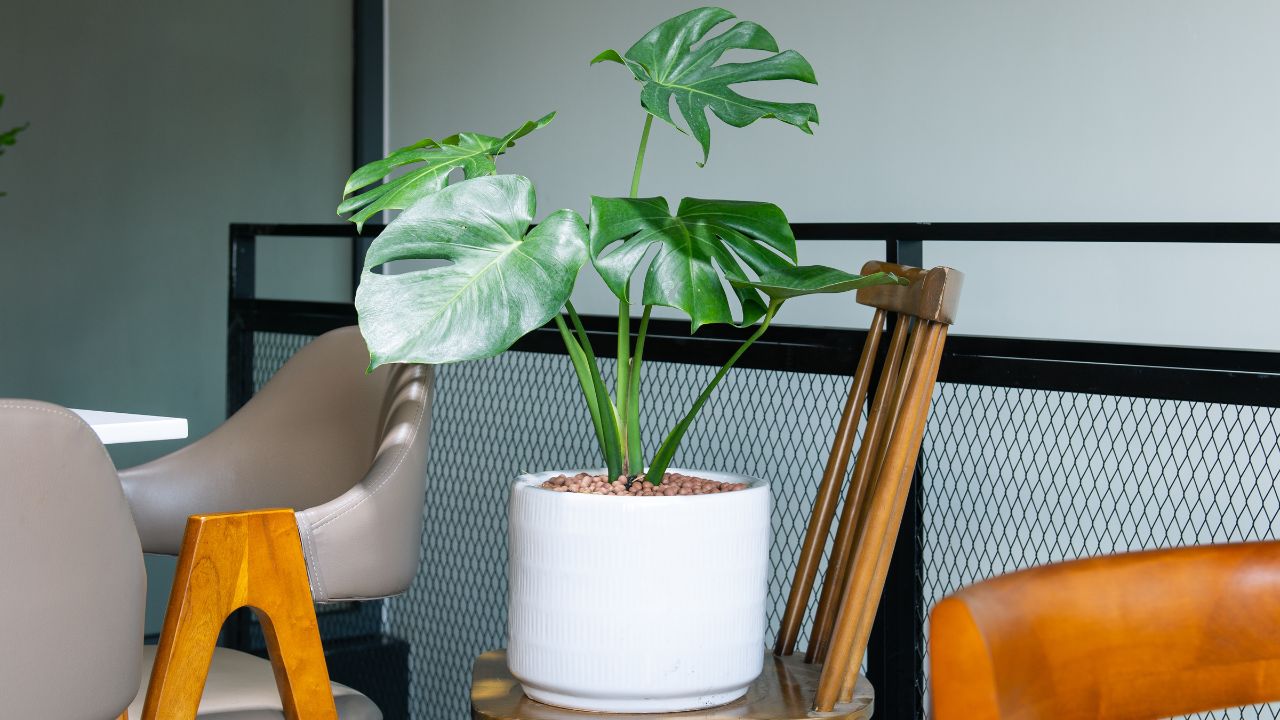
The Swiss Cheese Plant, specifically Monstera adansonii, is a vining plant loved for its unique leaves filled with natural holes, or fenestrations. It’s a smaller, more manageable cousin of the larger Monstera deliciosa. Its trailing stems are perfect for hanging baskets or for climbing up a small support.
Take a cutting with at least one node and one leaf. Place the node under the water, and you’ll see roots begin to sprout fairly quickly. This tropical plant enjoys warmth and humidity, so it appreciates being in a warm room away from cold drafts.
Care Summary
- Light: Prefers bright, indirect light.
- Water: Change the water every 1-2 weeks.
- Feeding: Fertilize monthly with a diluted, balanced liquid fertilizer.
- Toxicity: Toxic if ingested by pets or humans.
11. String of Hearts
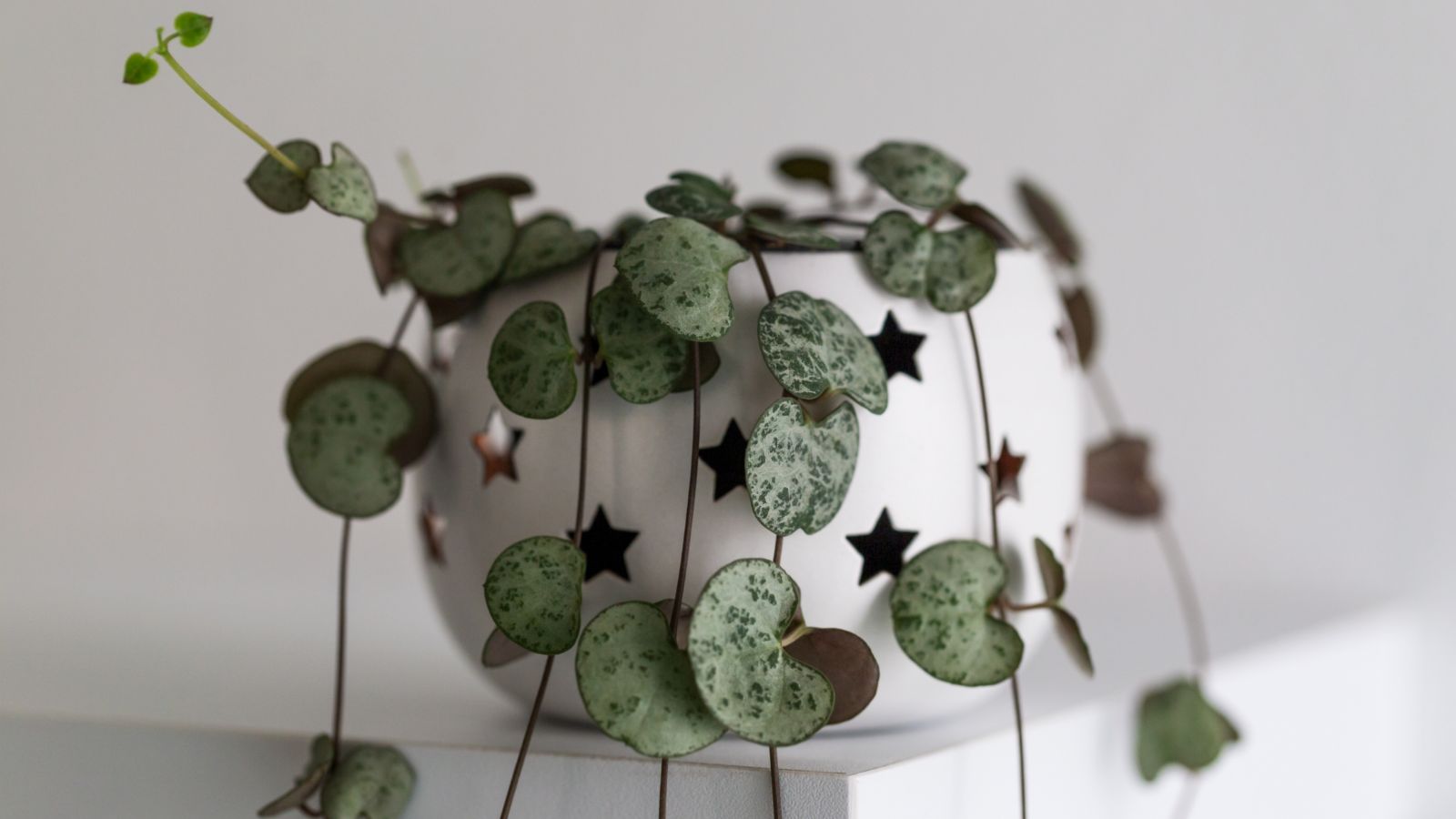
This delicate, trailing succulent is an absolute charmer. Its long, purplish stems are adorned with small, heart-shaped leaves marbled in green and silver. String of Hearts creates a beautiful, curtain-like effect when allowed to cascade down from a shelf or hanging planter.
To grow in water, take a cutting of a vine and remove the leaves from the bottom few inches. You can coil the stem slightly in the water to ensure several nodes are submerged, which can encourage more robust rooting. It requires bright light to maintain its beautiful leaf coloration.
Care Summary
- Light: Needs plenty of bright, indirect light to thrive.
- Water: Change the water weekly.
- Feeding: As a succulent, it requires very little food. A highly diluted dose once every 2-3 months is enough.
- Toxicity: Non-toxic, making it a great choice for homes with pets.
12. Peace Lily
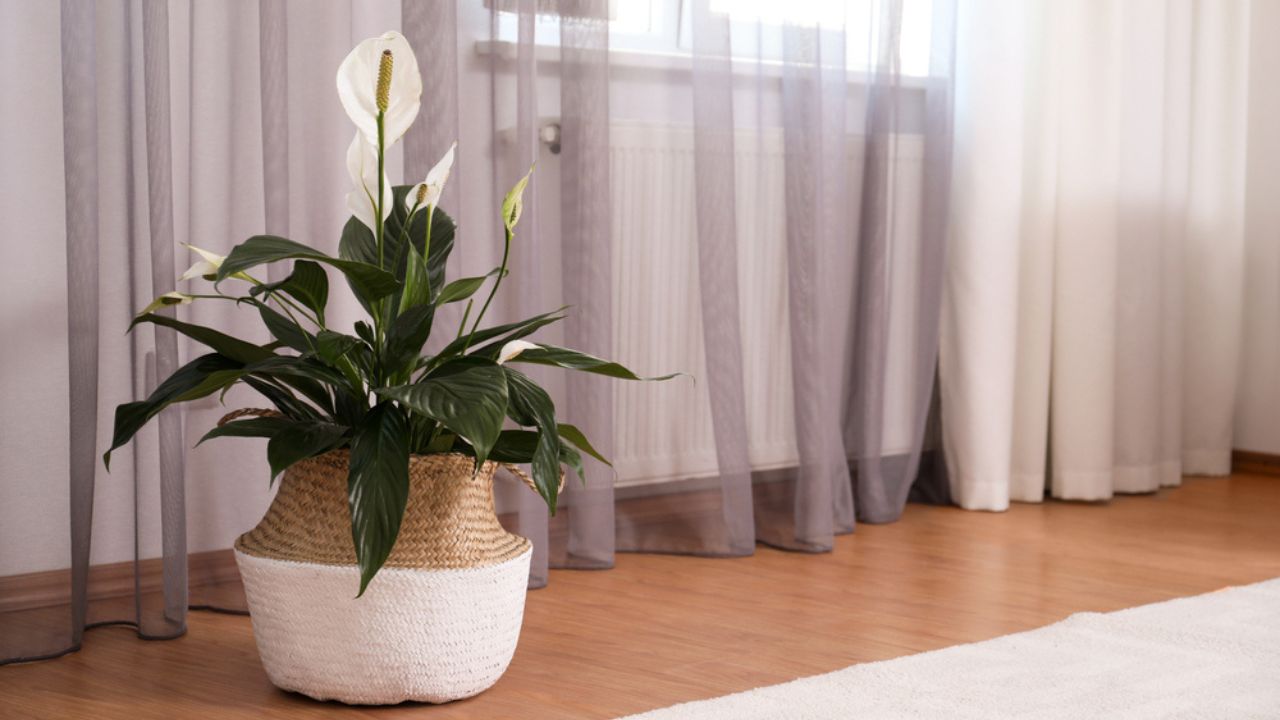
The Peace Lily is an elegant plant known for its large, glossy, dark green leaves and beautiful white spathe flowers. It’s a popular choice for adding a touch of drama and sophistication to a room. Growing it in water can be very successful, but it requires a slightly different approach.
It’s best to start with a small, established plant. Carefully rinse all the soil from its roots and place it in a container. A vase with a narrower neck works well to support the base of the plant and keep the foliage dry while allowing only the roots to sit in the water.
Care Summary
- Light: Prefers bright, indirect light but can tolerate lower light levels.
- Water: Keep the roots submerged and change the water every week.
- Feeding: Add a quarter-strength liquid fertilizer with every water change to provide nutrients.
- Toxicity: Toxic to people and pets.
13. Mint
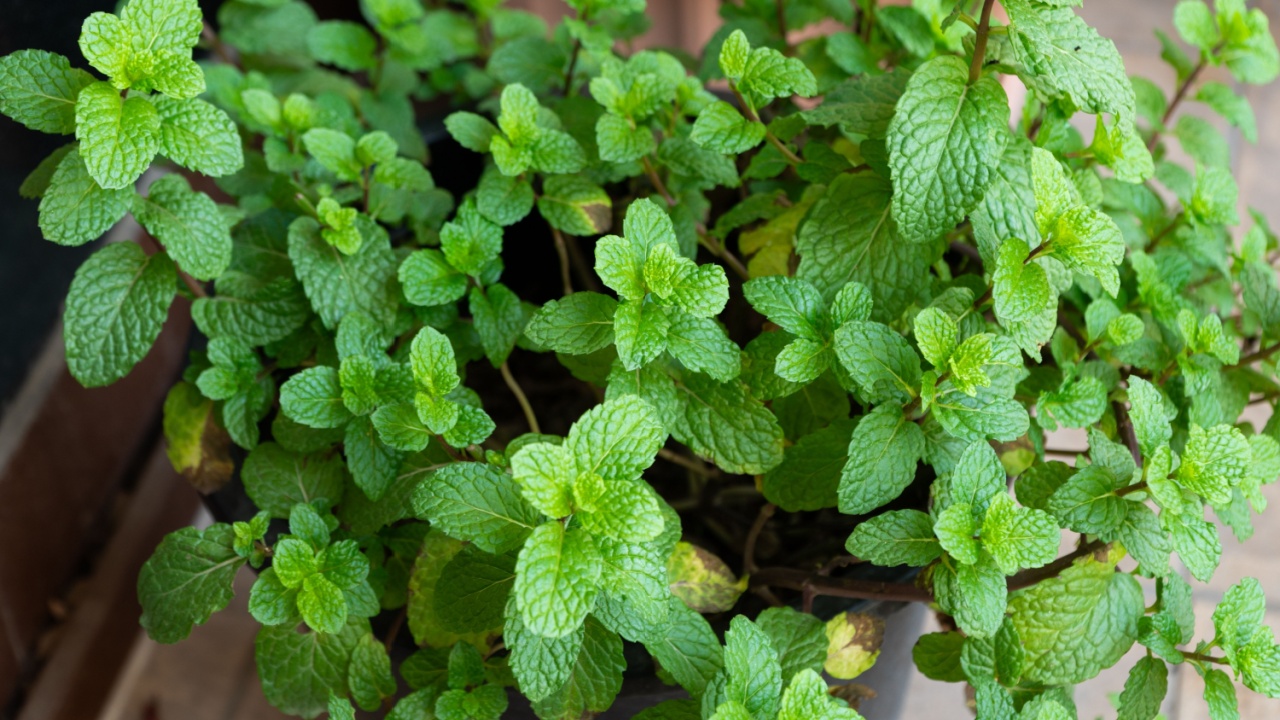
Fresh mint is a wonderful herb to have on hand for teas, cocktails, and cooking. It’s a notoriously fast grower that can easily take over a garden bed, which makes it an ideal candidate for contained growing in a jar of water on your kitchen windowsill.
Simply take a few cuttings from a healthy mint plant, remove the bottom leaves, and place the stems in water. It will root very quickly and start producing new leaves for you to harvest. Regular trimming will encourage it to become bushier.
Care Summary
- Light: Enjoys bright light. A sunny windowsill is perfect.
- Water: Change the water every few days to keep it fresh.
- Feeding: A very light dose of liquid fertilizer every few weeks will support growth.
- Toxicity: Non-toxic to humans, but can be toxic to cats and dogs.
14. Basil
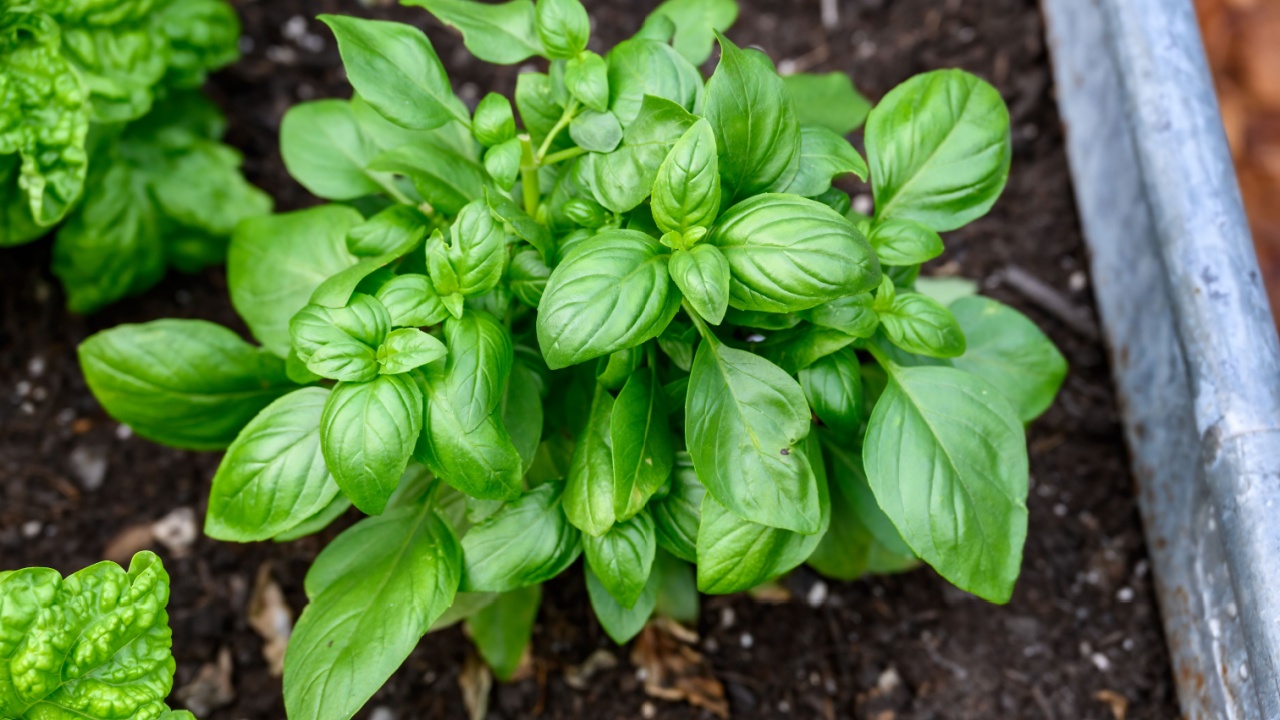
Similar to mint, basil is a culinary herb that does exceptionally well in water. Having a fresh supply on your kitchen counter is a home cook’s dream. Its bright green leaves and wonderful aroma can liven up any space.
Take a few cuttings from a basil plant, making sure they don’t have any flower buds. Remove the lower leaves and place the stems in a jar of water. Keep it in a warm, sunny spot. You can start harvesting leaves as soon as the plant is established and growing well.
Care Summary
- Light: Needs lots of bright light—at least six hours a day. A south-facing window is ideal.
- Water: Change the water every other day to keep it fresh and clear.
- Feeding: Feed weekly with a very diluted liquid fertilizer to support continuous leaf production.
- Toxicity: Non-toxic and safe for pets and humans.
15. Rosemary
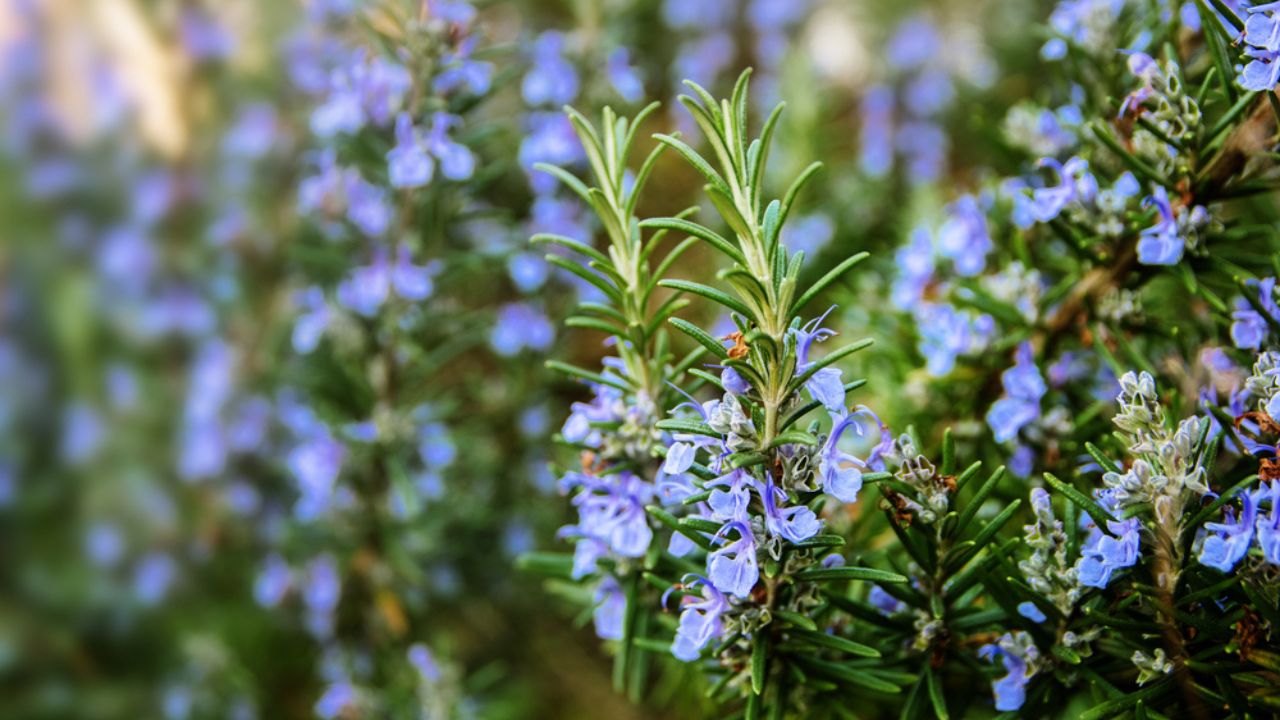
This fragrant, woody herb is another kitchen staple that can be grown in water. Its needle-like leaves and piney scent are delightful. While it can be a bit trickier than mint or basil, it’s a rewarding challenge.
It’s best to take cuttings from the new, green growth of a rosemary plant, as woody stems are less likely to root. Remove the needles from the bottom few inches of the stem and place it in water. Be patient, as it can take several weeks to see roots. It needs a lot of light to thrive.
Care Summary
- Light: Requires full, direct sun. A south-facing window is essential.
- Water: Change the water every few days to keep it well-oxygenated.
- Feeding: Fertilize sparingly, about once a month, with a weak liquid solution.
- Toxicity: Non-toxic and safe for home use.
Start a Simple Hydroponic Garden
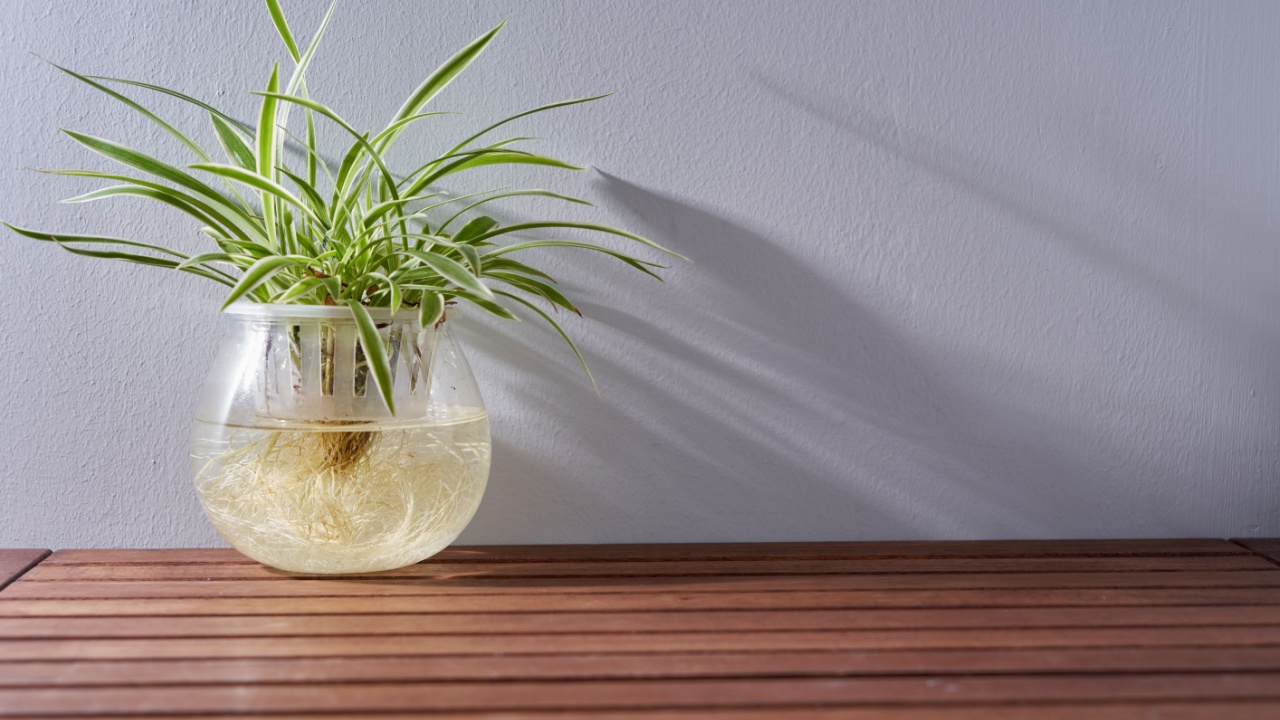
Now that you see how easy and beautiful water-based planting can be, it’s time to get started! Begin with one or two easy plants like Pothos or a Spider Plant. You don’t need fancy equipment; a simple glass jar, a vase, or even a recycled bottle will do.
Experiment with different shapes and sizes of containers to create beautiful arrangements. As you gain confidence, you can try more challenging plants or even explore the broader world of hydroponics for growing vegetables and other edibles. Happy growing