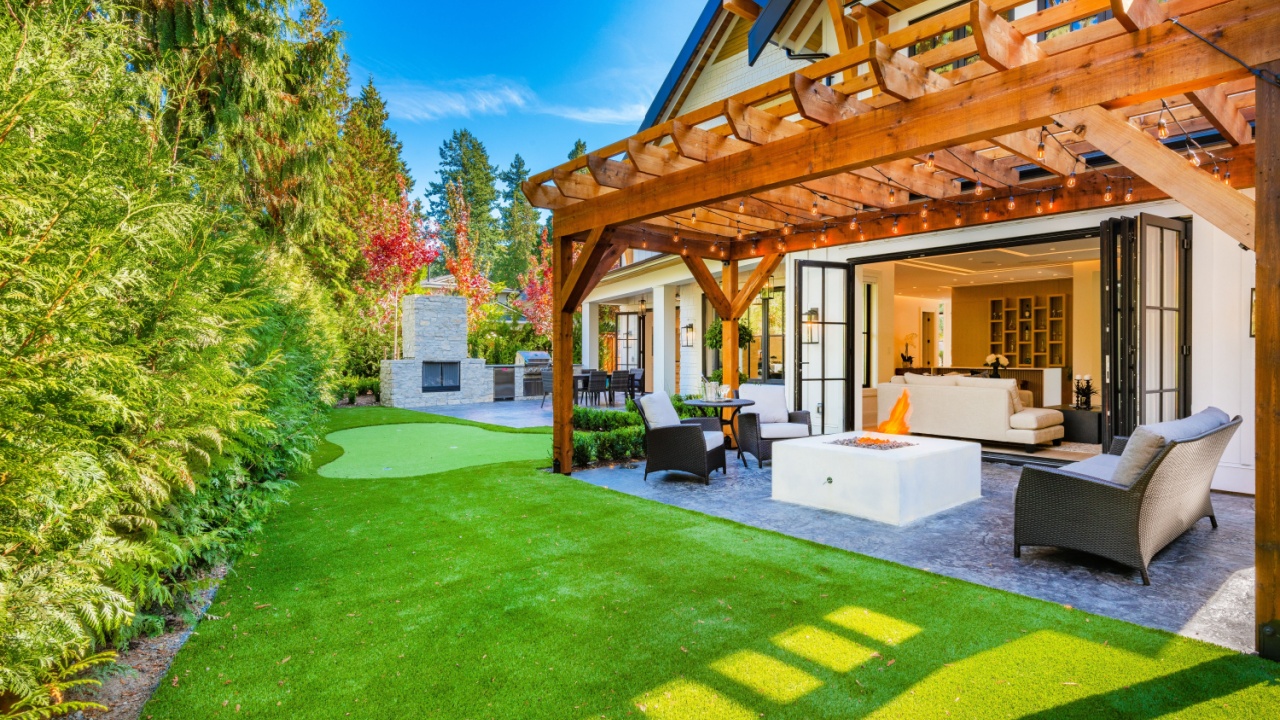
19 Backyard Projects You Can Still Tackle This Fall
As summer’s vibrant green gives way to the rich, warm tones of autumn, your backyard enters a new season of possibility. The crisp air and softer sunlight create the perfect atmosphere for enhancing your outdoor living space. Far from being the end of the gardening year, fall is an ideal time to tackle projects that will add beauty, function, and coziness to your yard, preparing it for the months ahead and setting the stage for a spectacular spring.
This is your chance to create a cozy retreat for chilly evenings or get a head start on next year’s garden. Whether you have a spacious lawn or a compact patio, these 19 projects offer something for every skill level and budget. Let’s explore how you can make the most of this beautiful season, sourced from landscaping and home project experts online.
1. Add a Fire Pit
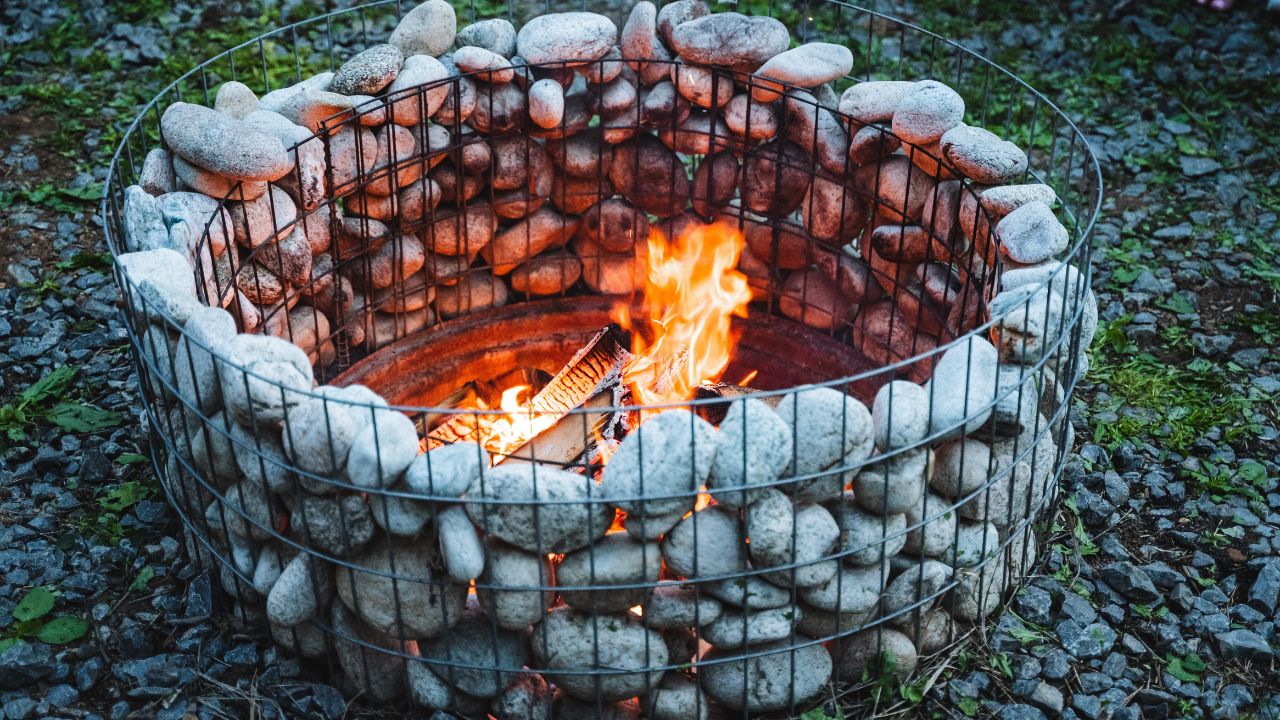
A fire pit instantly becomes the heart of the autumn backyard, offering a warm and inviting focal point for gatherings. The crackle of a fire provides a perfect backdrop for roasting marshmallows, sharing stories with friends, or simply relaxing on a cool evening. It extends the usability of your outdoor space well into the colder months. You can choose from a simple, portable metal bowl, a more permanent DIY ring made from retaining wall blocks, or a custom-built masonry feature that becomes a permanent landscape element.
At a Glance:
- Why It’s Great for Fall: Provides warmth and ambiance on cool nights.
- Care Tips: Always use a screen to contain sparks. Clean out ashes regularly to prevent buildup and ensure proper airflow. If you have a metal fire pit, consider a cover to protect it from rain and prevent rust.
- Next Steps: Decide between a portable or permanent model based on your space and budget. Check local regulations regarding open fires before you build or buy.
2. Plant Fall-Friendly Flowers
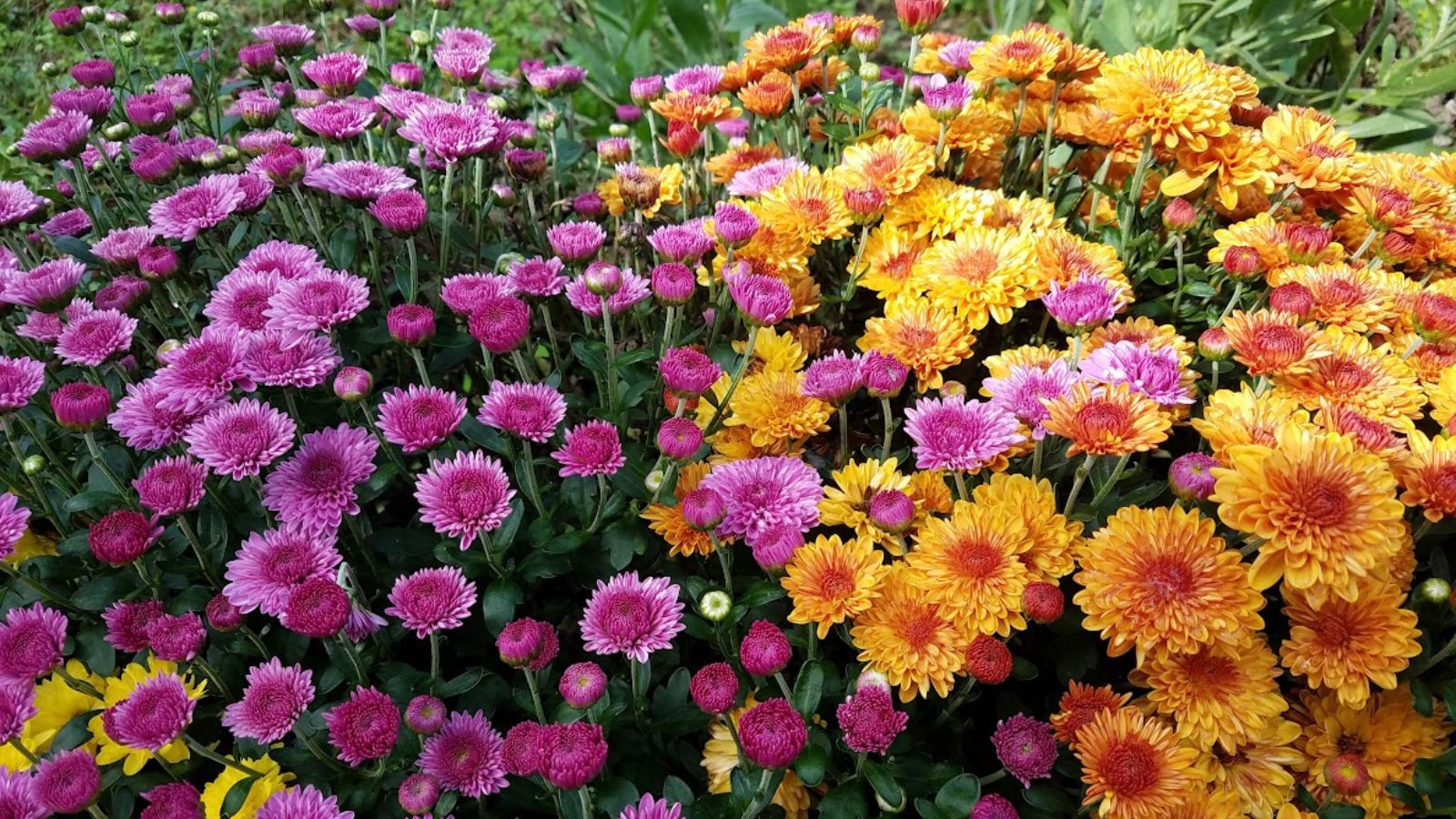
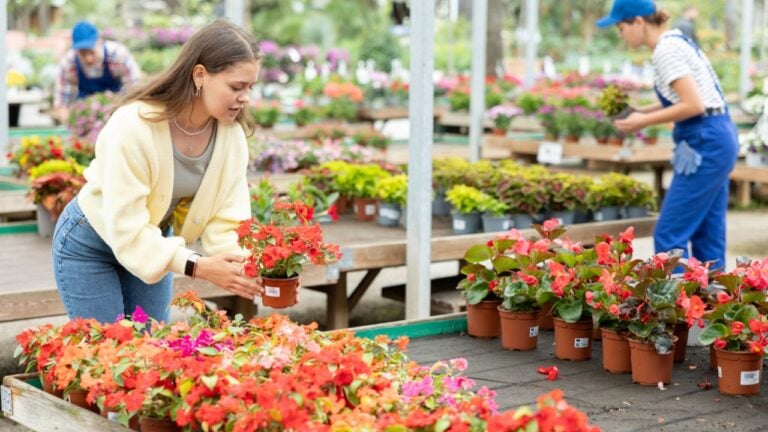
Don’t let your garden’s color fade with the summer annuals. Fall is the perfect time to plant hardy flowers that thrive in cooler temperatures. Chrysanthemums (mums) are the classic choice, offering a burst of color in shades of orange, yellow, and deep red. Pansies, asters, and ornamental kale also provide vibrant hues and interesting textures that can withstand a light frost, keeping your garden looking lively until winter truly sets in.
At a Glance:
- Why It’s Great for Fall: Adds instant color to containers and garden beds.
- Care Tips: Water newly planted flowers regularly until they are established. Mums and asters prefer full sun, while pansies can tolerate partial shade. Deadhead spent blooms to encourage more flowers.
- Next Steps: Visit your local garden center to see what fall annuals and perennials are available. Plan your color scheme and plant in containers, window boxes, or directly into garden beds.
3. Install Outdoor Lighting
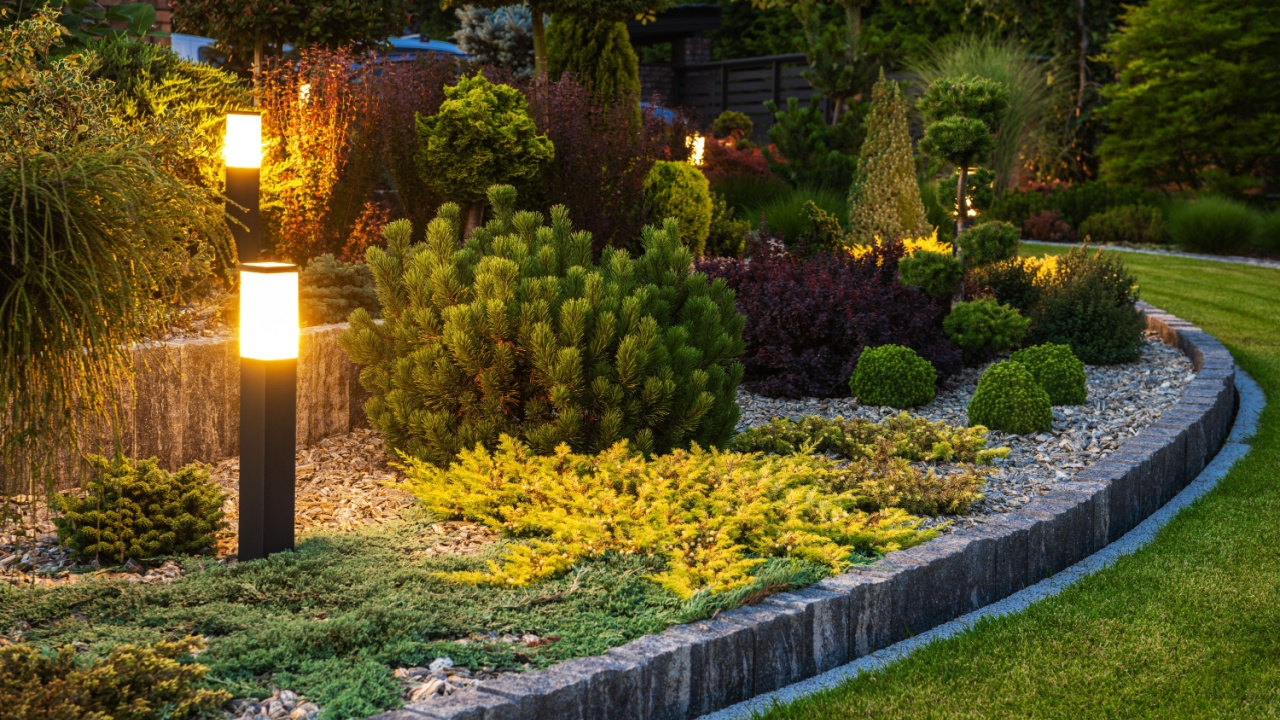
As the days get shorter, outdoor lighting becomes essential for both safety and atmosphere. The right lighting can transform your backyard into a magical evening retreat. String lights, often called bistro or cafe lights, create a festive and cozy canopy over a patio or seating area. Solar-powered path lights are an easy, wire-free way to illuminate walkways, while spotlights can be used to highlight beautiful trees or architectural features.
At a Glance:
- Why It’s Great for Fall: Extends the time you can enjoy your backyard as evenings get darker earlier.
- Care Tips: Choose outdoor-rated fixtures and extension cords. For solar lights, ensure the panels are placed where they will receive at least 6-8 hours of direct sunlight. Clean fixtures periodically to ensure maximum brightness.
- Next Steps: Map out your backyard and decide which areas need task lighting (like near a grill) and which would benefit from ambient lighting.
4. Create a Cozy Seating Area
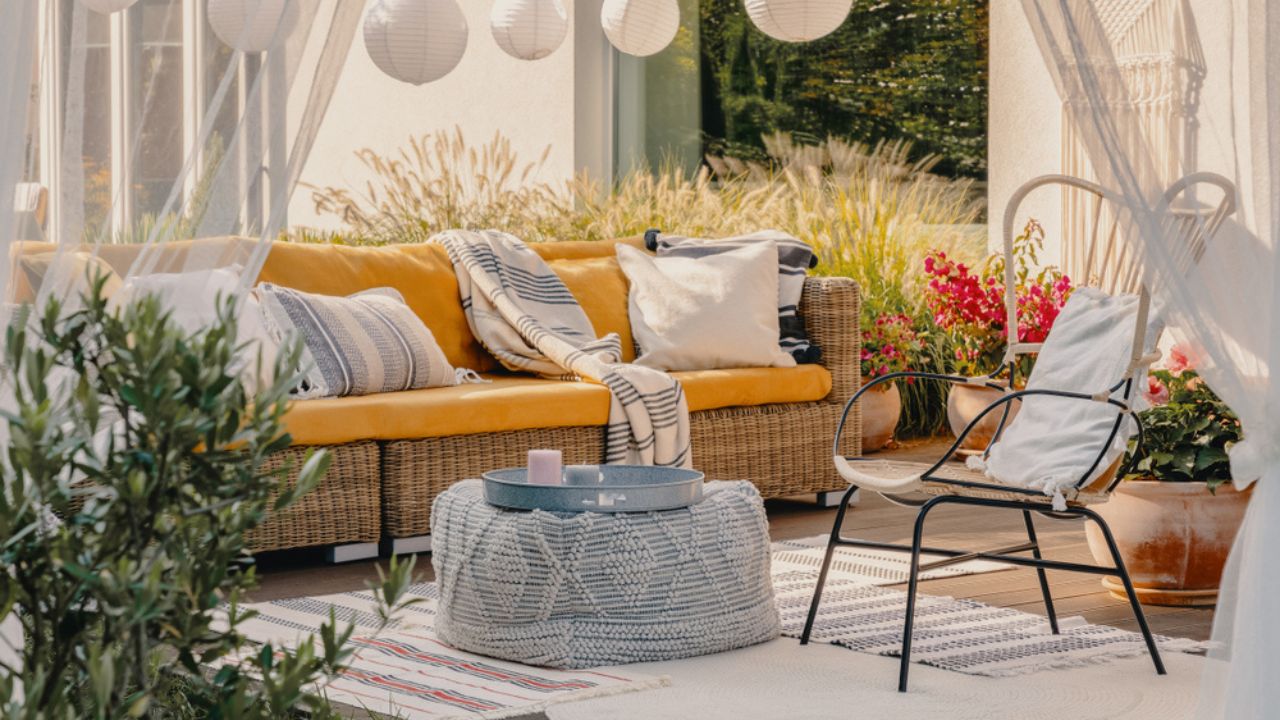
Designate a special corner of your backyard as a cozy haven for fall relaxation. This doesn’t require a major overhaul. Simply arrange some comfortable outdoor chairs or a bench, and layer on the comfort with outdoor-friendly pillows and warm throw blankets. A small side table for a warm drink and a book completes the scene. This inviting nook will become your go-to spot for enjoying a sunny autumn afternoon.
At a Glance:
- Why It’s Great for Fall: Creates an inviting spot to enjoy the crisp weather.
- Care Tips: Use weather-resistant fabrics for pillows and store blankets in a waterproof deck box when not in use to keep them dry and clean.
- Next Steps: Identify a sheltered spot in your yard, perhaps on a patio or under a large tree. Gather your most comfortable outdoor furniture and accessorize with warm textiles.
5. Build a Simple Pergola

A pergola adds a sense of definition and architectural elegance to an outdoor space. It can create the feeling of an outdoor room, frame a beautiful view, or provide a structure for climbing plants like wisteria or climbing roses. While a custom build is an option, many DIY kits are available that make assembling a pergola a manageable weekend project. In the fall, a pergola can provide a wonderful structure from which to hang string lights or fall-themed garlands.
At a Glance:
- Why It’s Great for Fall: Adds structure and visual interest to the landscape after summer flowers have faded.
- Care Tips: Ensure the pergola is properly anchored to the ground or a deck for stability. Treat wood structures with a weather-proofing sealant every couple of years to protect them from the elements.
- Next Steps: Measure your desired location to determine the right size. Research DIY kits or simple building plans that match your skill level.
6. Install a Water Feature
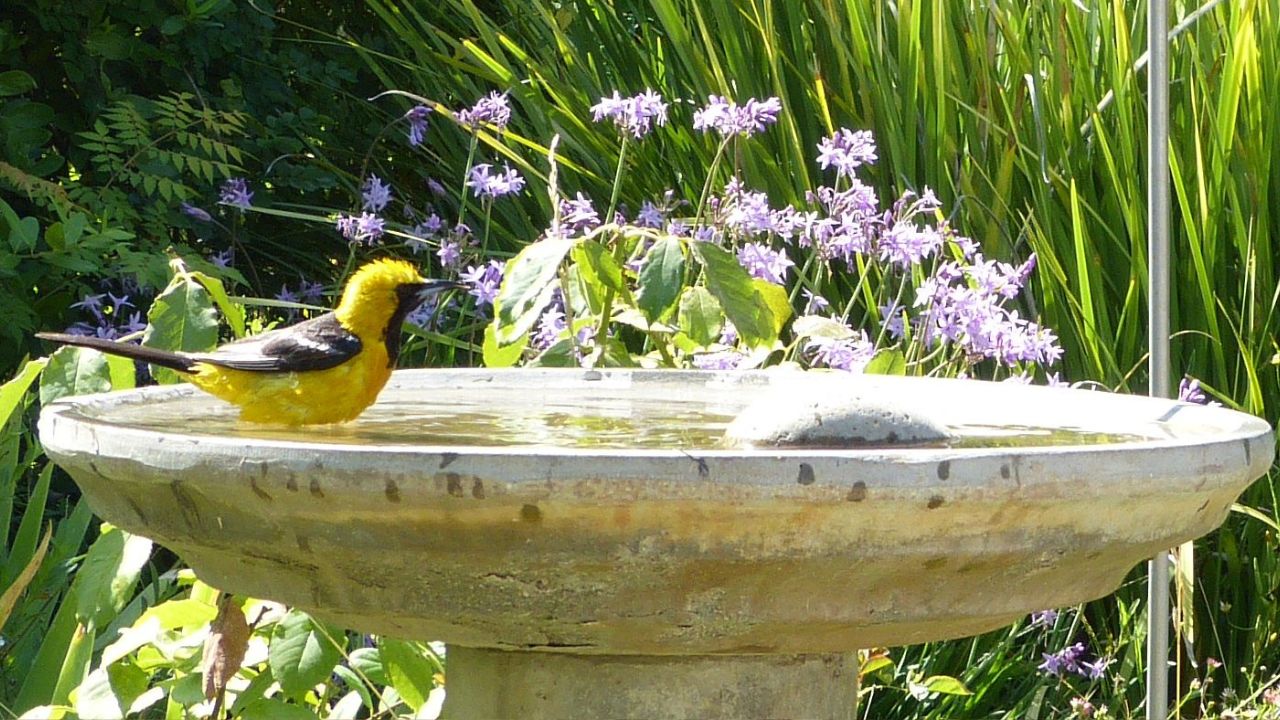
The gentle sound of moving water adds a layer of tranquility to any garden. A water feature can be as simple as a small, self-contained fountain or a birdbath. The sound can help mask neighborhood noise and create a peaceful, meditative atmosphere. It also provides a vital water source for birds and other wildlife, bringing more life and movement to your autumn garden.
At a Glance:
- Why It’s Great for Fall: The soothing sound creates a relaxing ambiance.
- Care Tips: Keep the water level topped off, as it will evaporate over time. Clean the pump and filter periodically to prevent clogs. In climates with hard freezes, you may need to drain the feature or use a heater to prevent ice damage.
- Next Steps: Choose a feature that fits your space and style, from modern spheres to classic tiered fountains. Ensure you have access to an outdoor electrical outlet if your chosen feature requires a pump.
7. Create a Stone Pathway
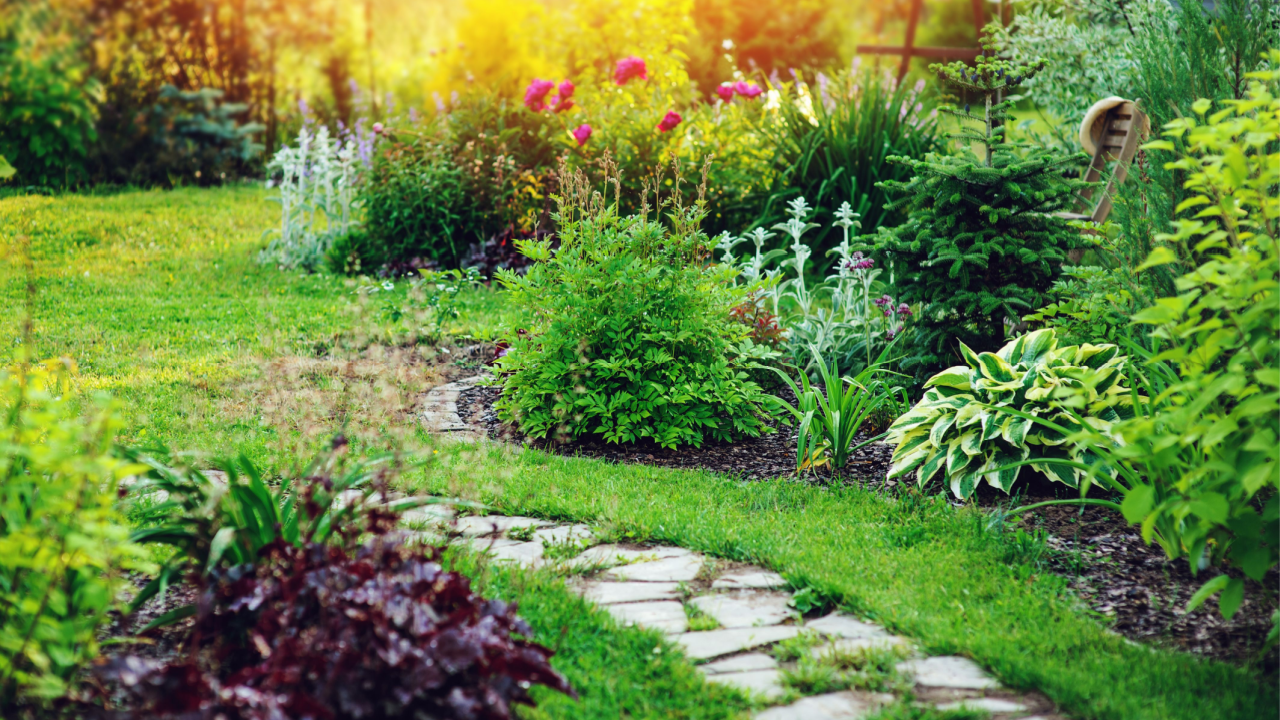
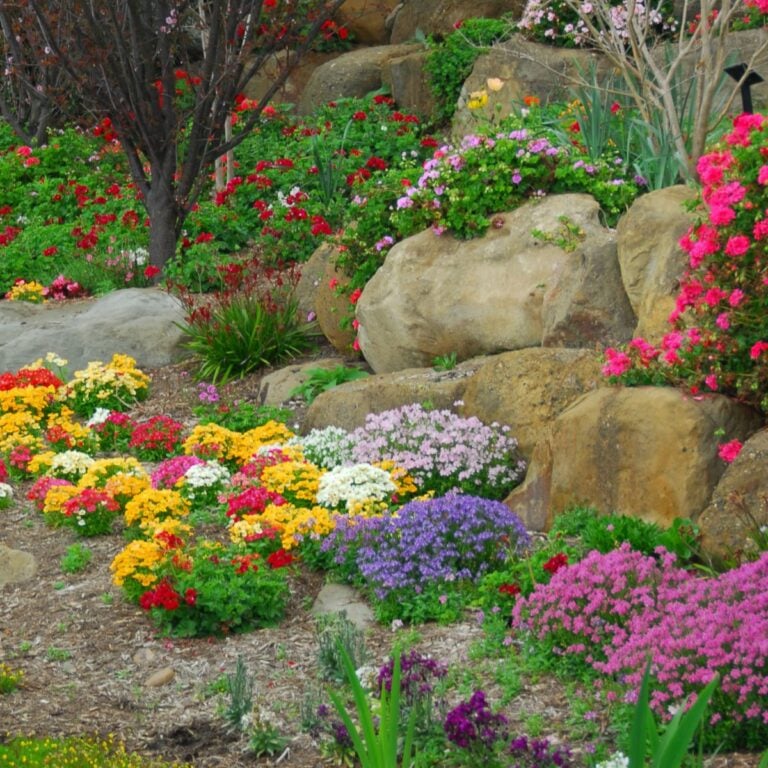
A pathway made of stone, pavers, or gravel does more than just keep your feet out of the mud. It guides the eye through the landscape, connects different zones of your yard, and adds texture and charm. A simple flagstone path winding through a garden bed or a more formal paver walkway connecting the patio to a gate are both projects that can be tackled in the fall. The cooler weather makes the physical work of digging and laying stones more comfortable.
At a Glance:
- Why It’s Great for Fall: Cooler weather is ideal for this type of manual labor.
- Care Tips: Ensure you create a stable, level base of sand or gravel to prevent stones from shifting. Sweep the path regularly and pull any weeds that may pop up between stones.
- Next Steps: Plan the route of your path using a garden hose or rope to visualize the curves. Choose your material—flagstone for a rustic look, or brick pavers for a more traditional feel.
8. Add a Compost Bin

Fall is the ultimate season for composting. With an abundance of fallen leaves, garden debris from cleanup, and kitchen scraps, you have all the ingredients needed to create “black gold” for your garden. A compost bin keeps everything tidy and helps speed up the decomposition process. You can build a simple bin from wood pallets or wire, or purchase a tumbler or enclosed bin.
At a Glance:
- Why It’s Great for Fall: An abundance of leaves (“browns”) and garden cleanup debris (“greens”) provides the perfect mix.
- Care Tips: Layer your green materials (like grass clippings and kitchen scraps) with brown materials (like dried leaves and small twigs) for the best results. Turn the pile every week or two to aerate it.
- Next Steps: Choose a discreet, level spot in your yard for your bin. Decide whether to build or buy a compost system based on your budget and DIY ambition.
9. Install Raised Garden Beds
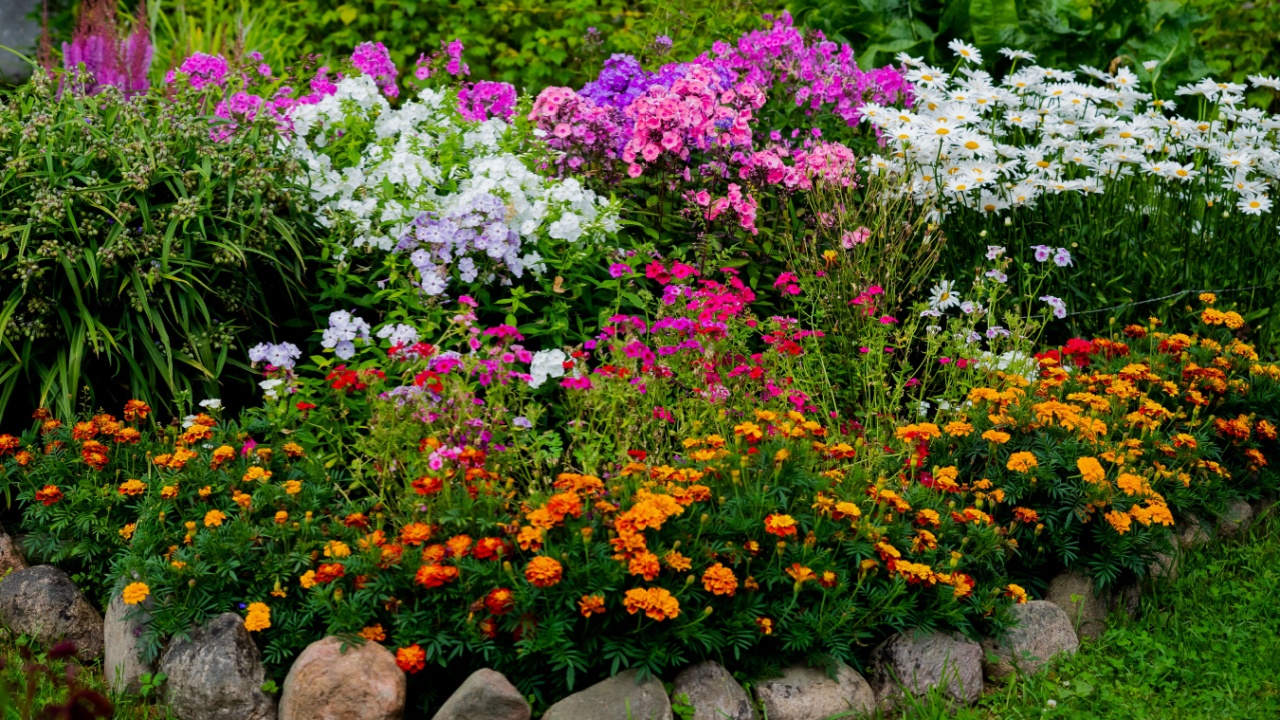
If you dream of a vegetable or cut-flower garden, fall is the perfect time to build and prepare raised beds. Raised beds offer numerous advantages: better drainage, less soil compaction, and fewer weeds. Building them in the fall gives you a significant head start on the spring season. You can fill them with a high-quality soil mix and even plant a fall cover crop like clover to enrich the soil over the winter.
At a Glance:
- Why It’s Great for Fall: Prepares your garden for an early start in the spring.
- Care Tips: Use untreated wood like cedar or redwood for longevity. Position the beds in a location that receives at least six hours of sunlight per day for most vegetables and flowers.
- Next Steps: Determine the size and number of beds you want. Gather your materials (lumber, screws, soil, and compost) and dedicate a weekend to building and filling them.
10. Create an Outdoor Movie Screen
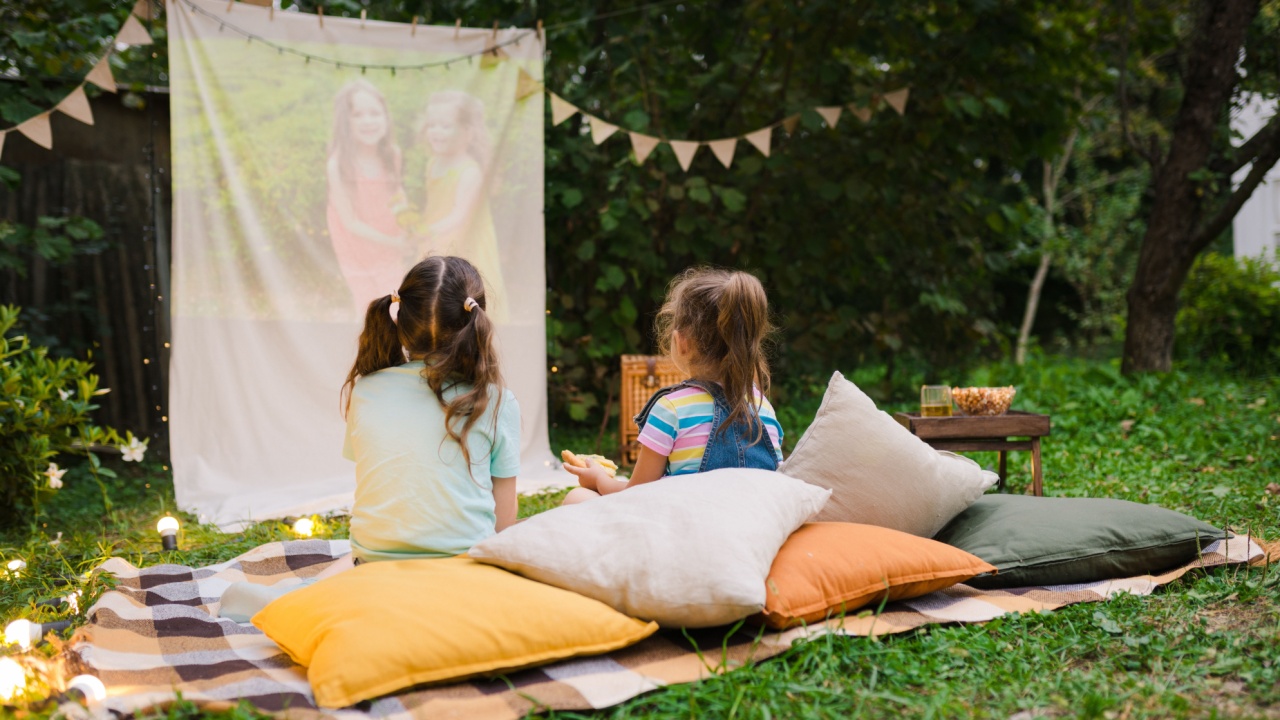
Turn your backyard into an outdoor theater for memorable movie nights. This project can be surprisingly simple. A large, taut white sheet or a piece of blackout cloth can be hung from a pergola, between two trees, or on a custom-built frame. Pair it with a portable projector and a Bluetooth speaker, and you’re ready for a unique entertainment experience under the stars. Add cozy blankets and hot chocolate for the perfect fall evening.
At a Glance:
- Why It’s Great for Fall: Cool, bug-free evenings are perfect for outdoor movie watching.
- Care Tips: For the best picture, ensure your screen is as smooth and taut as possible. Bring your projector and electronic equipment indoors after each use.
- Next Steps: Find a suitable location with a clear, flat surface for your screen. Purchase a portable projector—many affordable options are available online.
11. Build a Simple Outdoor Kitchen

You don’t need a massive, custom-built structure to enjoy the benefits of an outdoor kitchen. A simple setup can greatly enhance your grilling and dining experience. Start with your grill as the centerpiece. Then, build or buy a sturdy work table for prep space. Add some simple shelving for storing grilling tools, spices, and plates. This creates a functional “cook’s triangle” that makes outdoor cooking more efficient and enjoyable.
At a Glance:
- Why It’s Great for Fall: Makes grilling for fall football games or family dinners more convenient.
- Care Tips: Use materials designed for outdoor use that can withstand the elements, such as stainless steel, treated wood, or composite decking. Cover your grill and prep surfaces when not in use.
- Next Steps: Assess your current grilling setup and identify what’s missing. A simple prep counter is often the most impactful addition.
12. Add Privacy with Plants
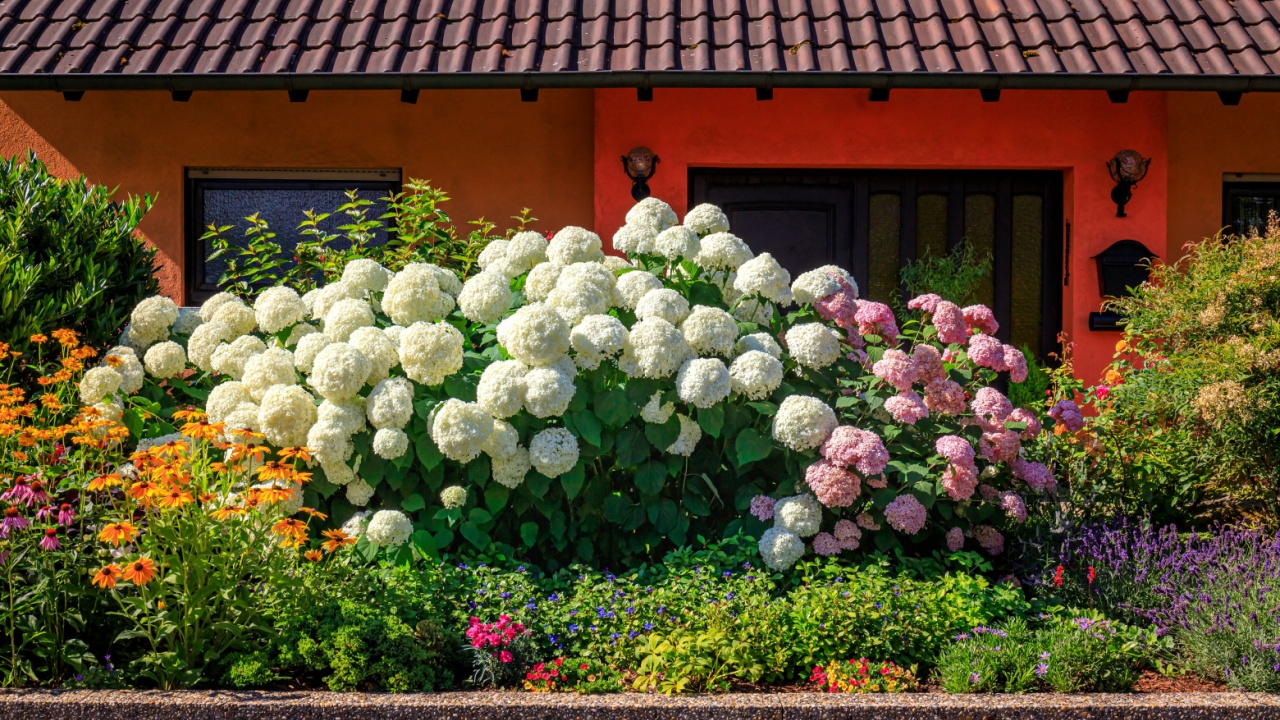
Fall is the best time to plant most trees and shrubs. The warm soil encourages root growth, while the cool air reduces stress on the plant. This allows them to get established before winter, giving them a strong start for vigorous growth in the spring. Planting a row of evergreens like Arborvitae or Holly can create a living privacy screen that also adds year-round greenery and acts as a windbreak.
At a Glance:
- Why It’s Great for Fall: Ideal planting conditions for trees and shrubs.
- Care Tips: Dig the planting hole twice as wide as the root ball but no deeper. Water thoroughly after planting and continue to water every week until the ground freezes. Add a 2-3 inch layer of mulch around the base, but don’t let it touch the trunk.
- Next Steps: Identify areas where you need more privacy. Research plants that are well-suited to your climate zone and light conditions.
13. Install a Rain Barrel
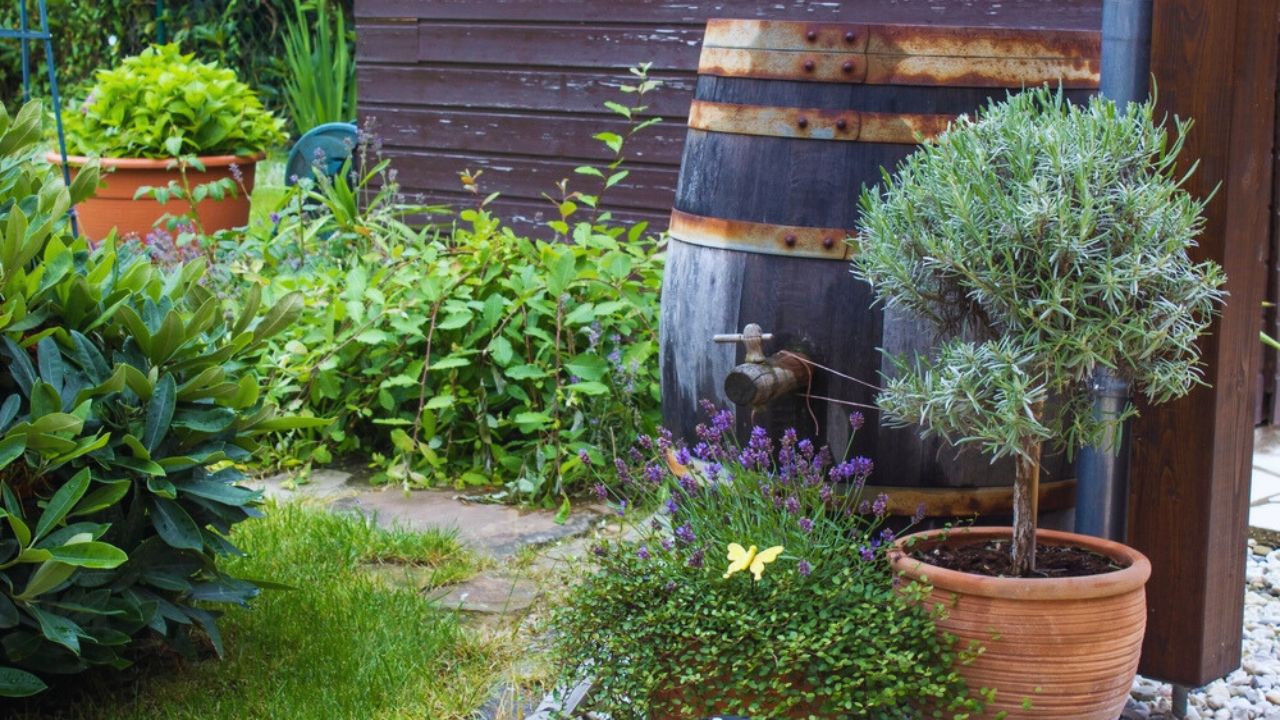
Conserve water and give your plants a chlorine-free drink by collecting rainwater. A rain barrel is an easy and effective way to capture the runoff from your roof. Simply place it under a downspout (you may need to trim the downspout to fit). The collected water is excellent for watering containers, garden beds, and newly planted trees.
At a Glance:
- Why It’s Great for Fall: Collects autumn rains to water fall plantings and tops off the soil’s moisture before winter.
- Care Tips: Ensure the barrel has a screen on top to keep out debris and mosquitoes. Use an overflow hose to direct excess water away from your home’s foundation. In freezing climates, drain and store the barrel for winter.
- Next Steps: Check with your local municipality; some offer rebates or free rain barrels. Choose a location under a downspout and on a level surface.
14. Create a Meditation Garden

Designate a small, quiet corner of your yard for peace and reflection. A meditation garden doesn’t need to be large or elaborate. The key is to create a sense of seclusion and calm. Include a comfortable bench or a few flat stones for sitting. Incorporate plants with soothing scents like lavender, and add elements with gentle sounds, like ornamental grasses that rustle in the wind or a small set of chimes.
At a Glance:
- Why It’s Great for Fall: Provides a serene space to de-stress and enjoy the quiet beauty of the season.
- Care Tips: Choose low-maintenance plants so your retreat doesn’t become another chore. Keep the area tidy and free of clutter to promote a sense of calm.
- Next Steps: Find the quietest part of your yard. Consider adding a simple screen or a few tall plants to create a sense of enclosure.
15. Build a Simple Deck
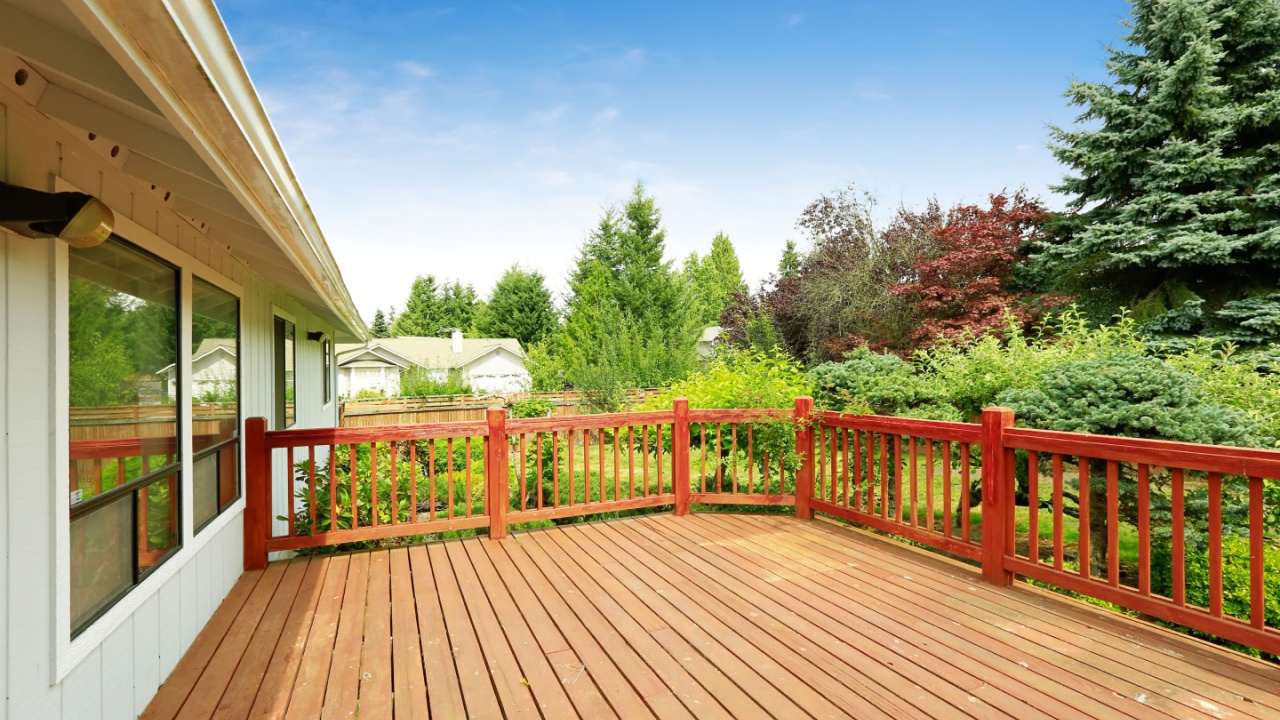
A deck adds valuable living space to your home, providing a clean, stable surface for dining, lounging, and entertaining. While a large, multi-level deck is a major construction project, a small, ground-level floating deck can be a manageable DIY endeavor for someone with basic carpentry skills. Fall’s cooler, drier weather provides excellent conditions for building.
At a Glance:
- Why It’s Great for Fall: Pleasant weather for construction and prepares a new outdoor area for spring.
- Care Tips: Use pressure-treated lumber or a durable composite material. Ensure there is proper airflow underneath a ground-level deck to prevent moisture issues. Apply a sealant or stain to protect a wood deck.
- Next Steps: Start small with a simple 8×10 or 10×12-foot platform deck. Research building codes and look up tutorials for floating deck designs.
16. Add a Bird Feeding Station
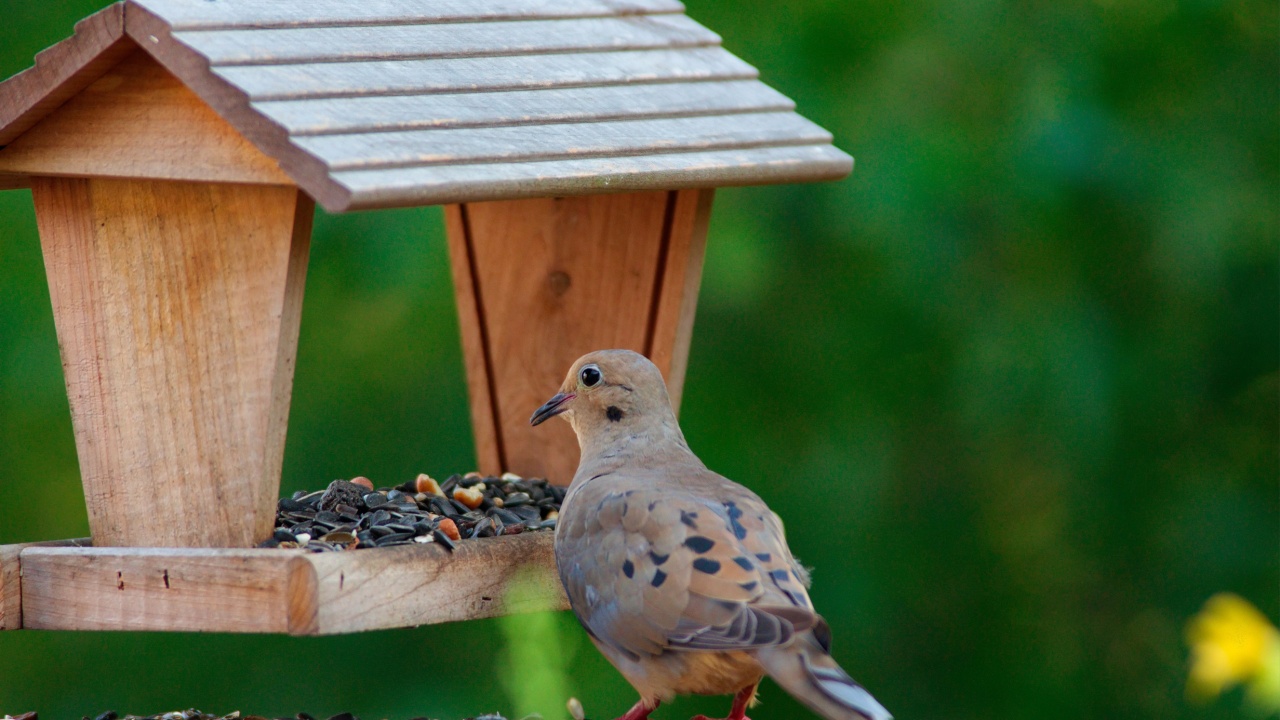
Bring life and activity to your backyard during the quieter fall and winter months by setting up a bird feeding station. Attracting birds provides endless entertainment and helps support local wildlife when natural food sources become scarce. To attract a variety of species, offer different types of food in different feeders—a tube feeder for finches, a suet cage for woodpeckers, and a platform feeder for cardinals.
At a Glance:
- Why It’s Great for Fall: Attracts migrating birds and supports resident birds as food becomes scarcer.
- Care Tips: Place feeders in a location where you can easily see them, but also near the cover of trees or shrubs to make birds feel safe. Keep feeders clean to prevent the spread of disease. Add a heated birdbath to provide a crucial water source in winter.
- Next Steps: Purchase a variety of feeders and birdseed types. A basic pole system with a squirrel baffle is a great way to start.
17. Refresh Mulch and Edging
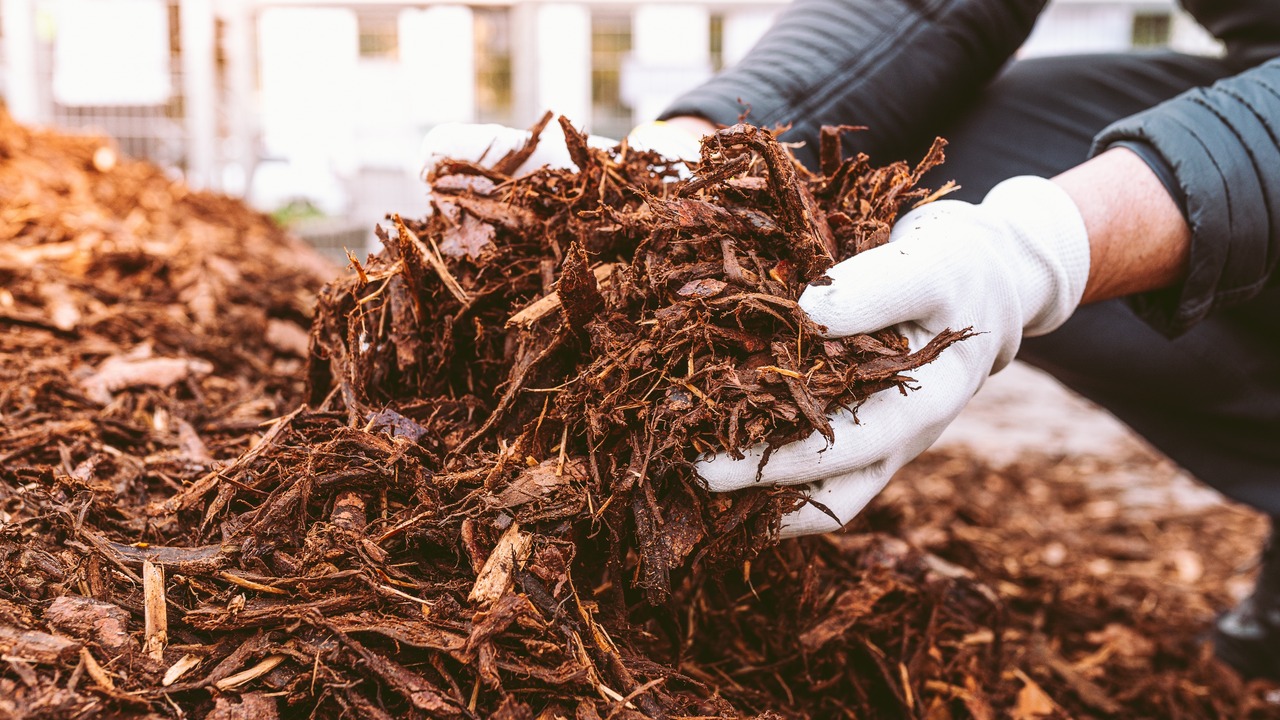
One of the quickest ways to make your garden look neat and polished is to refresh the mulch and redefine the edges of your garden beds. A crisp edge between your lawn and garden beds creates a clean, professional look. Applying a fresh 2-3 inch layer of mulch suppresses weeds, conserves soil moisture, and insulates plant roots from winter cold.
At a Glance:
- Why It’s Great for Fall: Protects plant roots over winter and gives the garden a tidy appearance.
- Care Tips: Use a flat-edged spade or a half-moon edger to create a clean line. When applying mulch, don’t pile it up against the stems of plants or tree trunks, as this can cause rot.
- Next Steps: Edge all of your garden beds first. Then calculate how much mulch you’ll need (most bags cover about 2 cubic feet) and have it delivered or pick it up from a garden center.
18. Build a Cold Frame
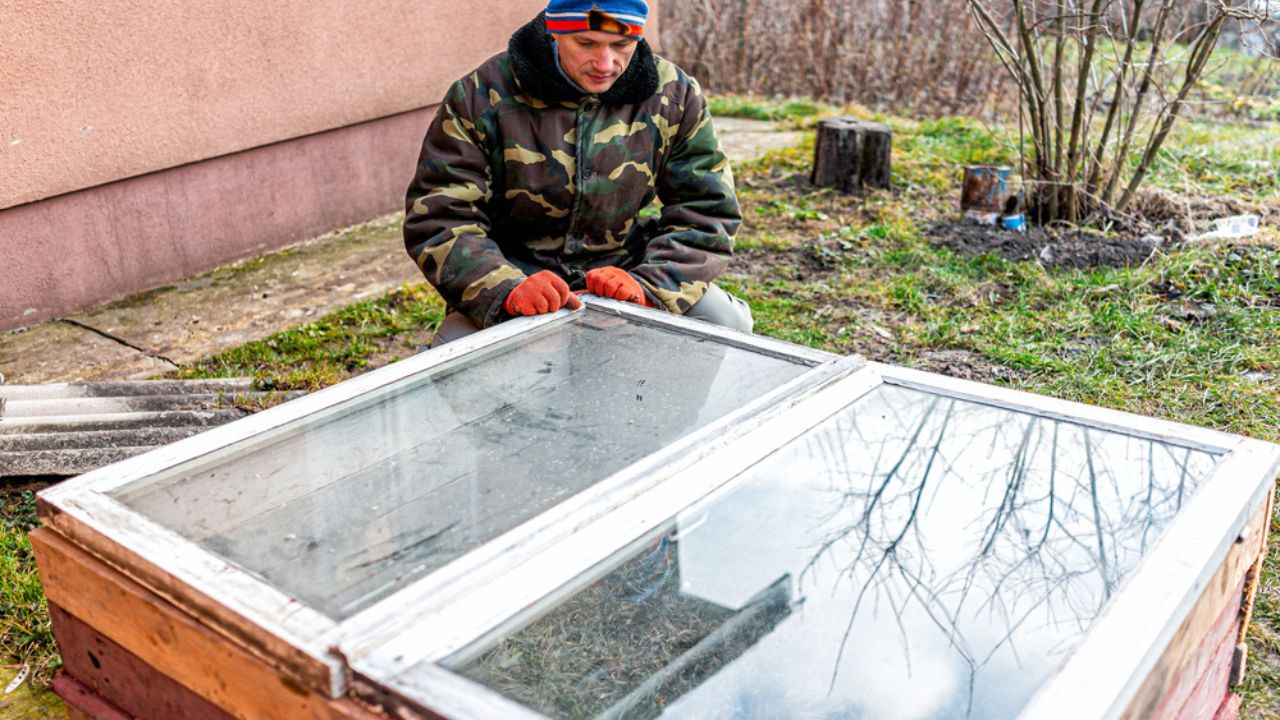
A cold frame is like a mini-greenhouse that allows you to extend your growing season into late fall and get a head start in early spring. It’s essentially a bottomless box with a clear, sloping lid that lets in sunlight and traps heat. You can use it to grow hardy greens like spinach and lettuce well into the winter, or to harden off seedlings in the spring. Building one is a simple project using scrap lumber and an old window or a clear polycarbonate sheet.
At a Glance:
- Why It’s Great for Fall: Allows you to harvest fresh greens long after your main garden has finished.
- Care Tips: Position the cold frame in a sunny, south-facing location. On warm, sunny days, be sure to prop the lid open to prevent the plants inside from overheating.
- Next Steps: Find a simple plan online for a DIY cold frame. Gather your materials and build it in a sunny spot in your garden.
19. Deep Clean Your Patio and Outdoor Furniture
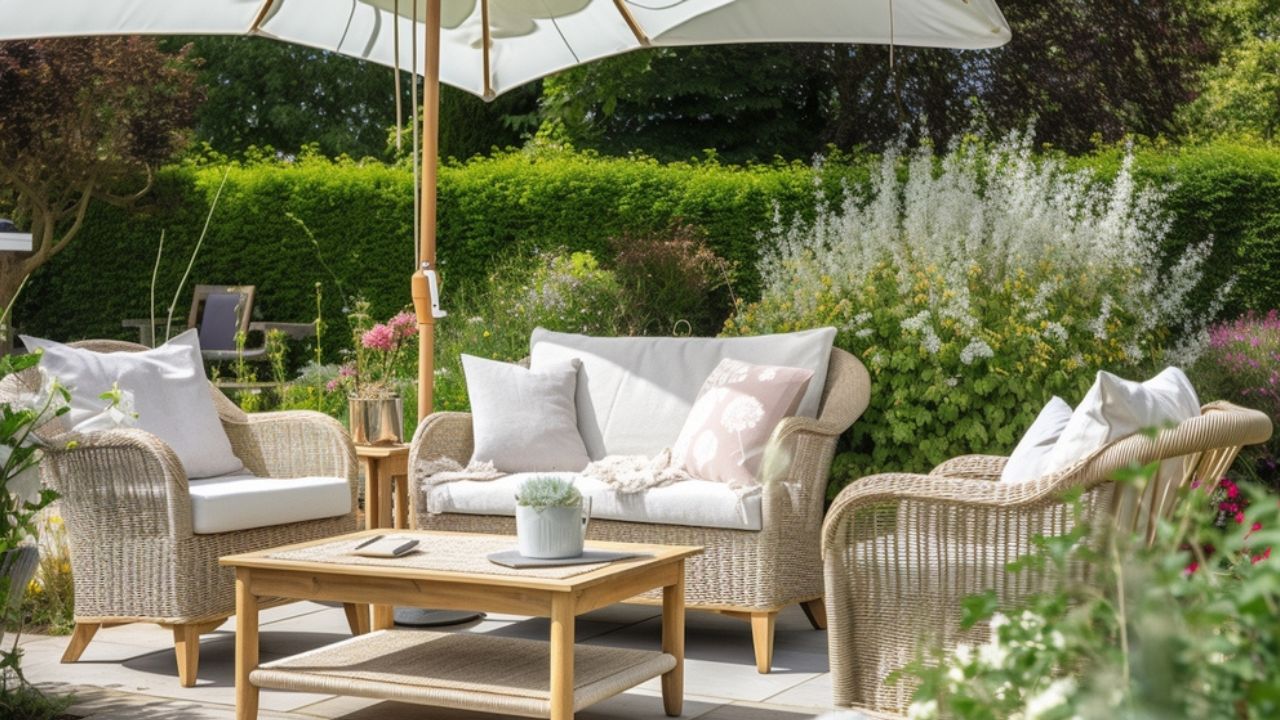
Before you pack things away for winter, give your patio, deck, and outdoor furniture a thorough cleaning. Use a pressure washer (on a low setting) or a stiff brush and soapy water to scrub away a season’s worth of dirt, pollen, and mildew. Cleaning furniture before storing it prevents stains from setting and makes for a much more pleasant unpacking experience next spring.
At a Glance:
- Why It’s Great for Fall: Ensures your outdoor items are stored in good condition and ready for spring.
- Care Tips: Allow everything to dry completely before covering or storing to prevent mold. Check for any needed repairs, like loose bolts on chairs or a wobbly table leg, and fix them now.
- Next Steps: Pick a sunny day for this project. Gather your cleaning supplies, empty the patio, and start scrubbing from the top down.
Choosing Your Fall Projects
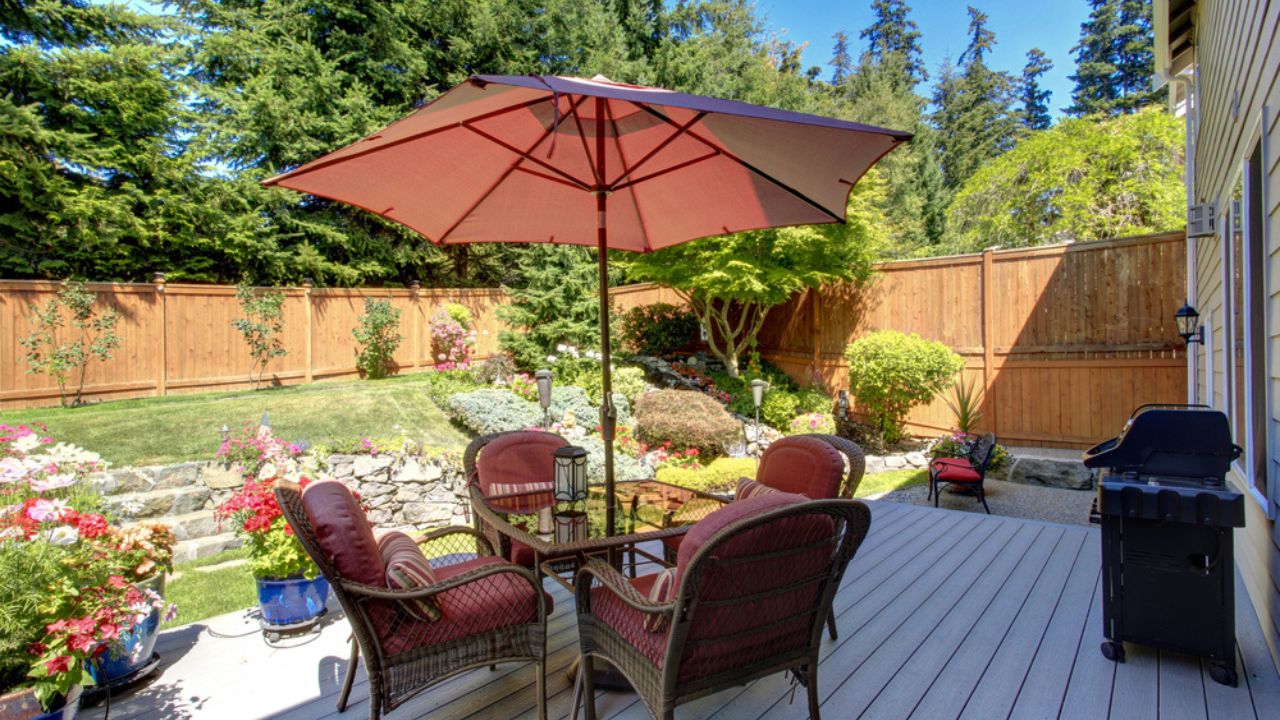
With so many possibilities, the best way to begin is to simply start. Walk through your backyard with a cup of coffee and think about how you use the space. Which of these projects excites you the most? Which one would make the biggest impact on your family’s enjoyment of the yard?
You don’t have to do everything at once. Choose one or two projects that fit your budget and timeline. Whether it’s something small like planting a container of fall flowers or a bigger project like building a new deck, taking action now will pay dividends for seasons to come. So, grab your gloves, embrace the cool air, and start transforming your backyard into the autumn oasis you deserve.