21 Easy‑Grow Plants Perfect for New Gardeners This Upcoming Season
Starting your first garden can feel like a big step, but the rewards are immeasurable. There’s a unique joy in watching a tiny seed sprout and grow into a beautiful flower or a delicious vegetable, all thanks to your care. The secret to a successful first garden isn’t a magical green thumb; it’s choosing the right plants.
Beginner-friendly plants are forgiving, resilient, and don’t demand a lot of complicated care. They build your confidence and teach you the basics of gardening—like watering, sunlight, and soil—without the frustration. This guide will introduce you to 21 of the easiest plants to grow, setting you on a path to creating your very own backyard oasis.
We selected these options based on personal experiences, intel from our large Facebook community, and verified them against extension sources to give you the best beginner-friendly starters. Good luck!
1. Sunflowers

Nothing says summer quite like a towering sunflower. These iconic flowers are incredibly easy to grow and bring a cheerful, dramatic flair to any garden. Their resilience and simple needs make them a perfect starting point for new gardeners. Why they’re great for beginners is simple: they are tough, fast-growing, and thrive on sunshine. Plant a seed, and in a few months, you’ll have a magnificent flower. Many varieties are also edible, producing seeds you can roast for a tasty snack.
Care Tips: Plant seeds in a spot that gets at least 6-8 hours of direct sunlight per day. Sunflowers aren’t picky about soil but do best in well-draining dirt. Water them regularly, especially during dry spells, but avoid waterlogged soil. As they grow tall, some varieties might need staking to protect them from strong winds.
- Sunlight: Full sun (6-8+ hours)
- Water: Regular, especially when young or during droughts
- Soil: Well-draining
- Bonus: Attracts pollinators; seeds are edible
2. Zinnias
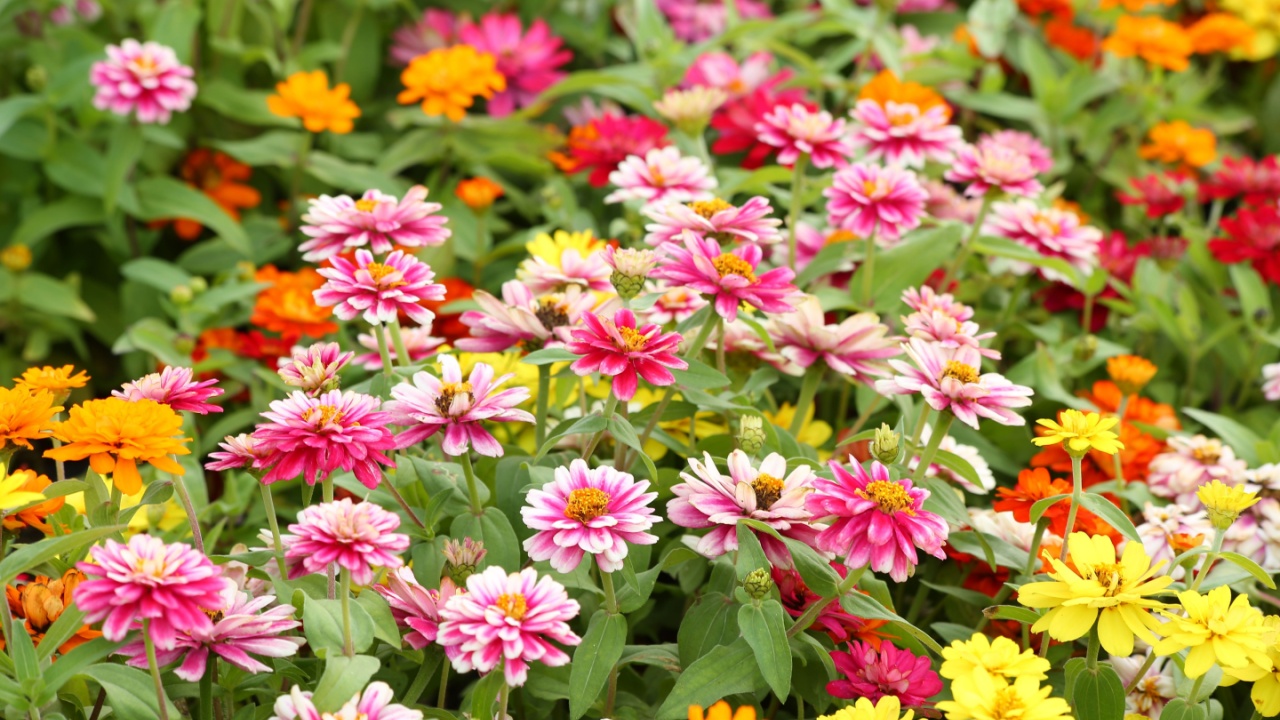
If you want a non-stop explosion of color from spring through fall, zinnias are your go-to flower. They grow quickly from seed and produce an abundance of bright, beautiful blooms that are perfect for cutting and bringing indoors. Zinnias are exceptionally low-maintenance. They handle heat and drought well and will continue to flower even with a bit of neglect. Plus, the more you cut them, the more they bloom, making them a highly rewarding choice.
Care Tips: Plant zinnias in a sunny location after the last frost has passed. They prefer well-draining soil and don’t need a lot of fertilizer. Water at the base of the plant to keep the foliage dry and prevent fungal issues like powdery mildew. Deadhead spent blooms to encourage a continuous supply of flowers.
- Sunlight: Full sun
- Water: Water deeply once a week; more in extreme heat
- Soil: Rich, well-draining
- Bonus: Excellent cut flowers; attract butterflies
3. Marigolds
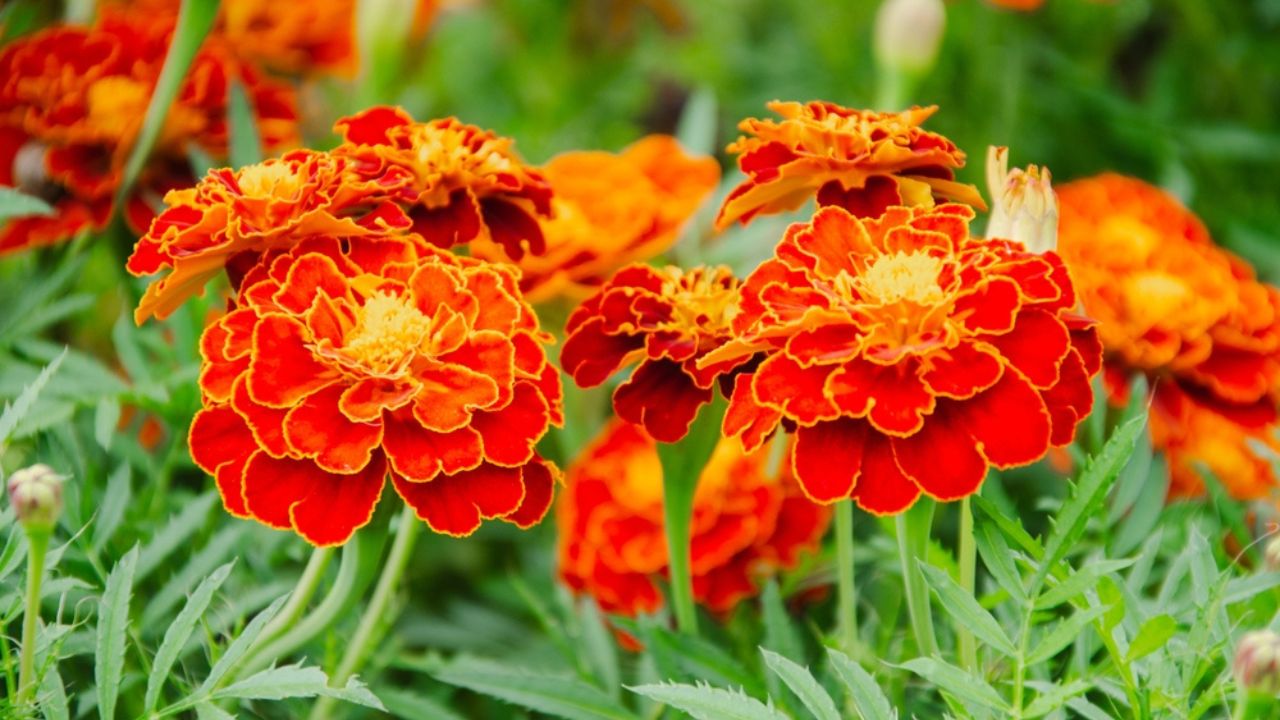
Marigolds are one of the most dependable annuals you can plant. Their bright pom-pom flowers in shades of orange, yellow, and red are a classic garden staple. They are known for their hardiness and ability to thrive in a wide range of conditions. Beyond their cheerful appearance, marigolds are a fantastic companion plant. Their distinct scent is known to deter common garden pests like nematodes and rabbits, making them a natural form of pest control for your vegetable patch.
Care Tips: Plant marigolds in full sun and well-draining soil. They are quite drought-tolerant once established but will bloom more profusely with regular watering. There’s no need for rich soil or fertilizer; in fact, too much nitrogen can lead to more leaves and fewer flowers.
- Sunlight: Full sun
- Water: Let the soil dry out between waterings
- Soil: Tolerates most soil types
- Bonus: Natural pest deterrent
4. Pansies
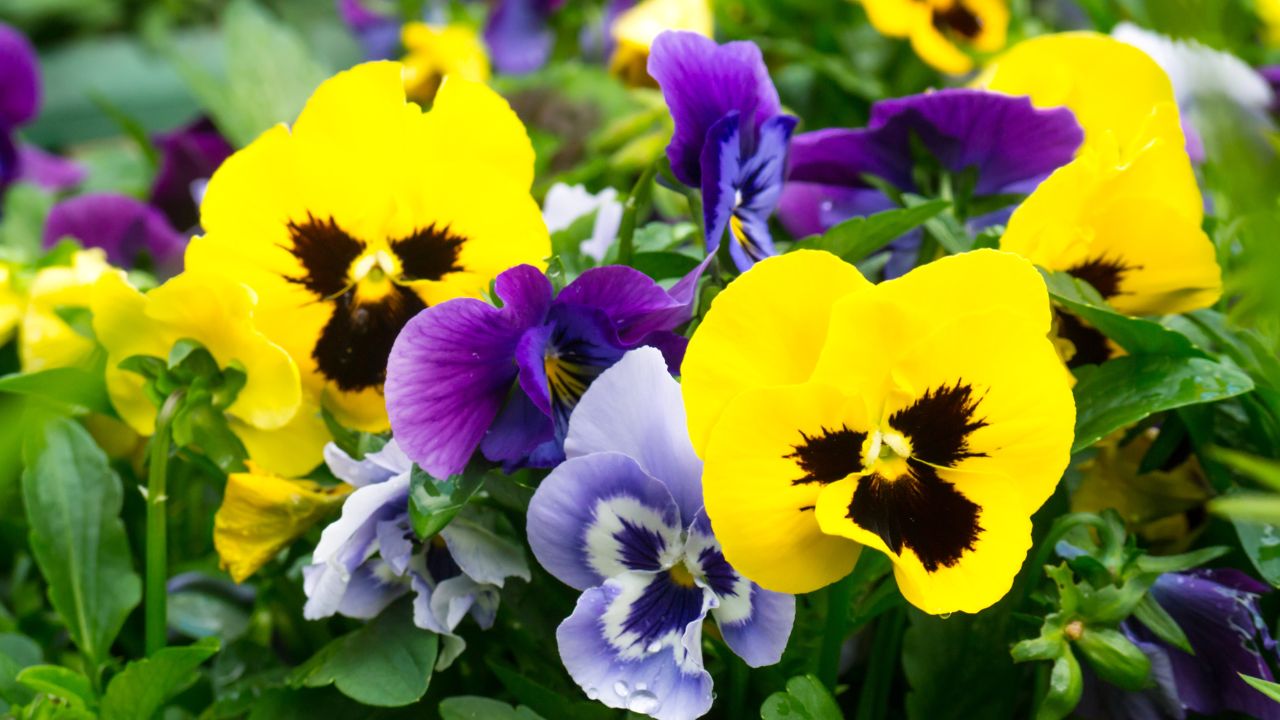
Don’t let their delicate appearance fool you—pansies are surprisingly tough. These cool-weather flowers bring vibrant color to your garden in early spring and fall when many other plants are dormant. Pansies are perfect for beginners because they can handle unexpected frosts and a variety of light conditions. Their cheerful “faces” come in a rainbow of colors and patterns, making them a versatile choice for garden beds, containers, and window boxes.
Care Tips: Plant pansies in a spot with morning sun and some afternoon shade to protect them from intense heat. They prefer moist, well-draining soil. Water them regularly, and add a layer of mulch to help retain soil moisture. Deadheading old flowers will encourage new blooms.
- Sunlight: Full sun to partial shade
- Water: Keep soil consistently moist
- Soil: Rich, well-draining
- Bonus: Edible flowers; thrive in cooler weather
5. Nasturtiums
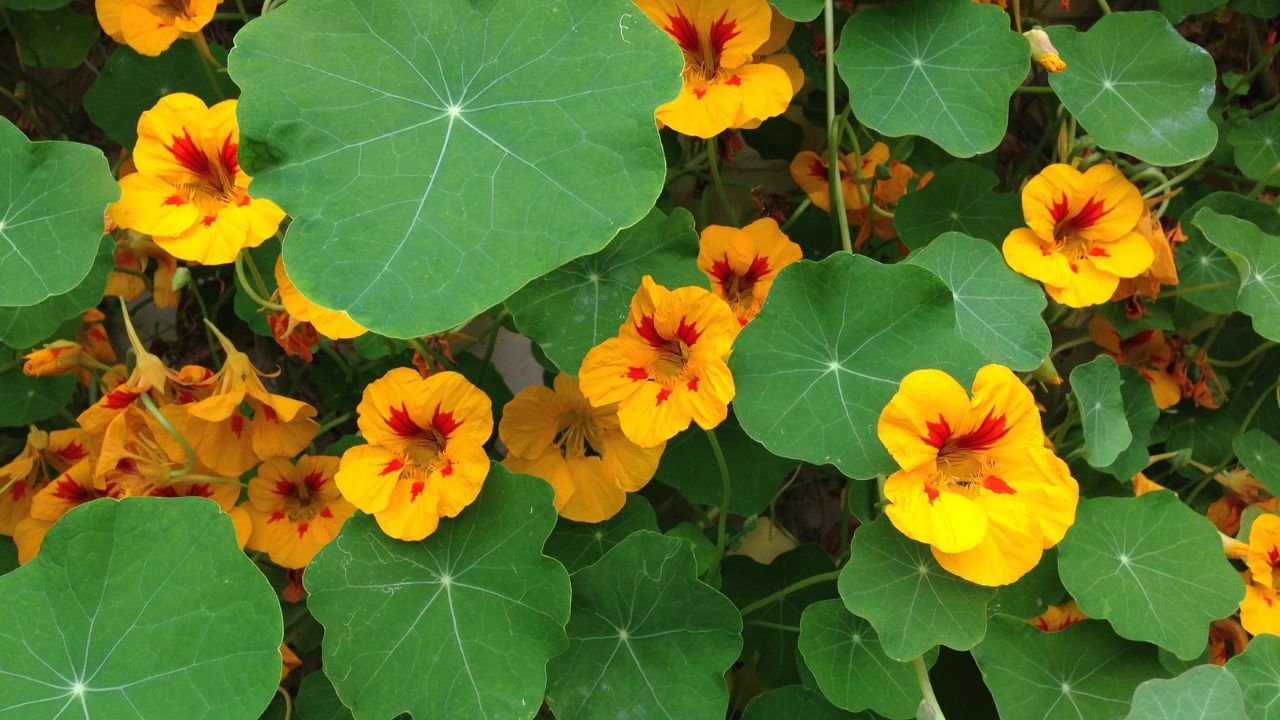
Nasturtiums are a wonderful, multi-purpose plant for any beginner’s garden. They grow with almost reckless abandon, producing unique, round leaves and vibrant, jewel-toned flowers. They are one of the few plants that seem to thrive on neglect. What makes nasturtiums special is that the entire plant is edible! The leaves and flowers have a peppery taste, similar to watercress, and are a great addition to salads. The seed pods can even be pickled to mimic capers.
Care Tips: Plant nasturtiums in a sunny spot. They are not fussy about soil and actually produce more flowers in poorer, less fertile soil. Water them moderately, but be careful not to overwater. They are excellent for filling in empty spaces or trailing beautifully from hanging baskets.
- Sunlight: Full sun
- Water: Moderate; tolerates dry soil
- Soil: Poor to average soil is best
- Bonus: Entire plant is edible; attracts pollinators
6. Coneflowers (Echinacea)
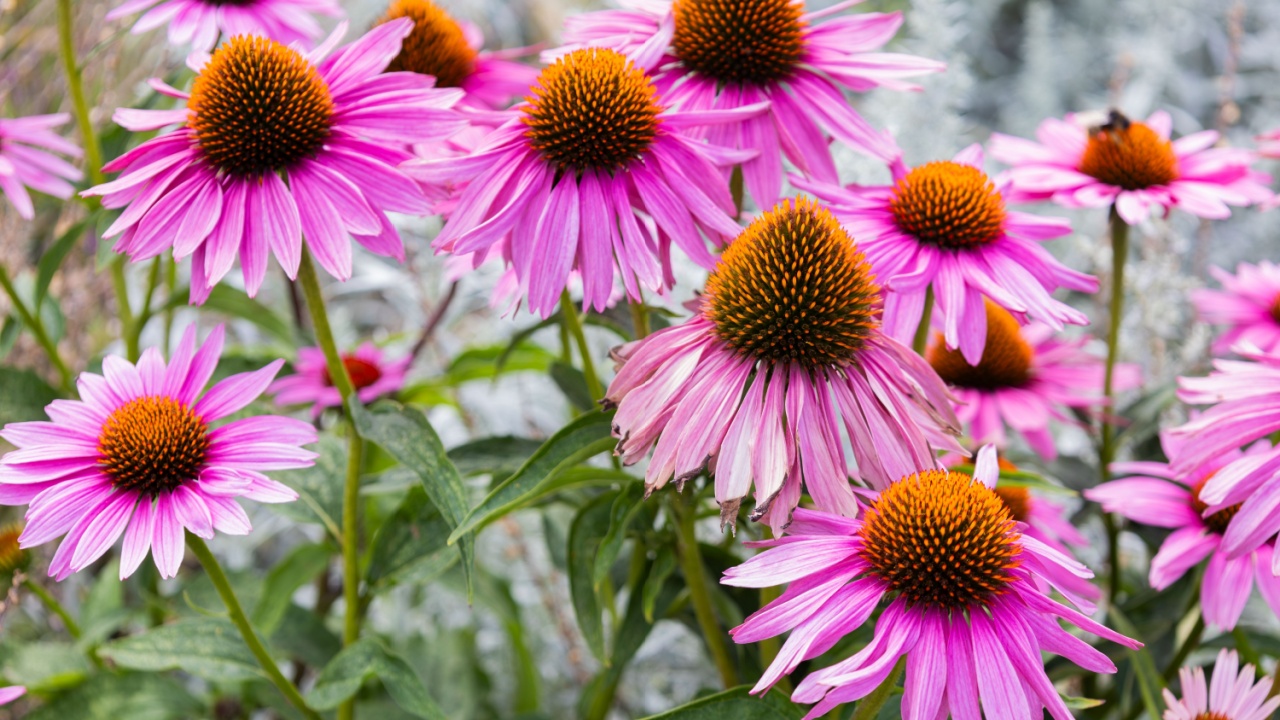
Coneflowers are a hardy, drought-tolerant perennial that will return to your garden year after year. Their classic purple, daisy-like petals and prominent center cone make them a beautiful and recognizable addition to any landscape. These native prairie flowers are built to survive. They establish deep taproots that help them find water during dry spells, so you won’t need to worry if you forget to water them occasionally. They are also a favorite of bees and butterflies, bringing life and movement to your garden.
Care Tips: Plant coneflowers in full sun. They are adaptable to various soil types but prefer well-draining conditions. Water regularly during their first year to help them get established. After that, they are very low-maintenance. Leave the seed heads on through the winter to provide food for birds.
- Sunlight: Full sun
- Water: Drought-tolerant once established
- Soil: Adaptable; good drainage is key
- Bonus: Attracts birds and pollinators; returns yearly
7. Geraniums (Pelargonium)

Geraniums are a classic choice for containers, hanging baskets, and garden beds for a reason: they are incredibly easy to care for and provide color all summer long. With vibrant clusters of flowers and often fragrant leaves, they offer a big impact for little effort. These plants are very forgiving. They tolerate heat well and don’t need constant watering. There are many varieties to choose from, including trailing types for baskets and upright types for pots, giving you plenty of design options.
Care Tips: Geraniums thrive in full sun but appreciate some afternoon shade in very hot climates. Plant them in well-draining potting mix. Allow the soil to dry out between waterings, as they are susceptible to root rot if kept too wet. Snap off spent flower stalks to encourage new blooms.
- Sunlight: Full sun (6+ hours)
- Water: Allow soil to dry between waterings
- Soil: Well-draining potting mix
- Bonus: Great for containers; some varieties have scented leaves
8. Cosmos
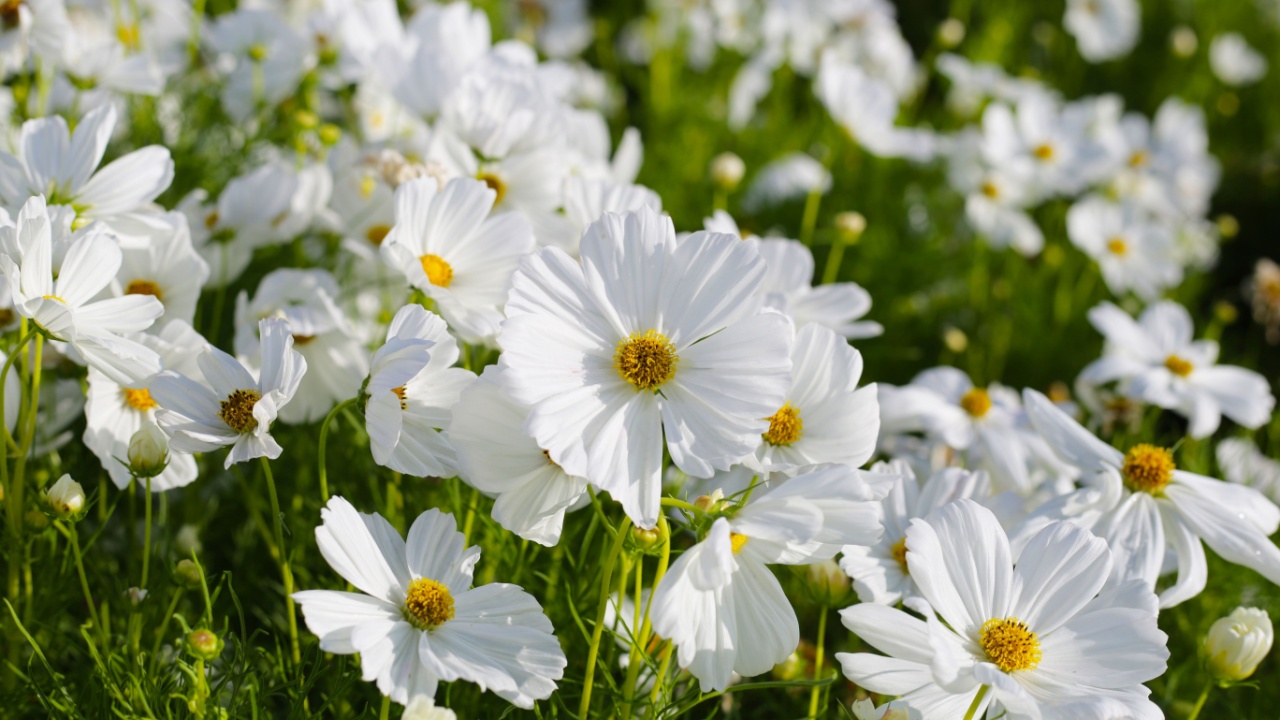
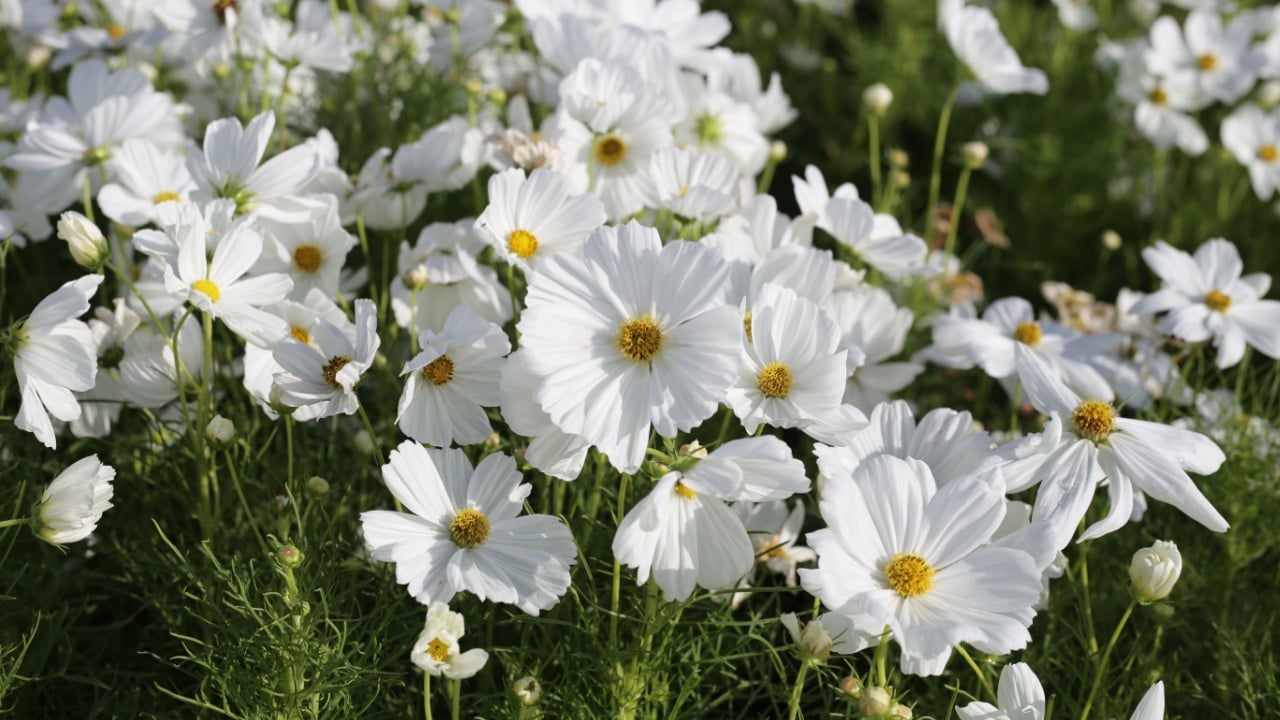
With their tall, airy stems and delicate, daisy-like flowers, cosmos add a touch of whimsical grace to the garden. They are incredibly easy to grow from seed and will bloom profusely from summer until the first frost. Cosmos are perfect for beginners because they thrive in conditions that might challenge other plants. They aren’t picky about soil and can handle hot, dry weather with ease. Their long stems make them fantastic for creating beautiful, informal bouquets.
Care Tips: Sow cosmos seeds in a sunny location after the danger of frost has passed. They prefer soil that is not too rich, as overly fertile soil can lead to weak stems and fewer flowers. Water them occasionally, but they are quite drought-tolerant. Taller varieties may benefit from some support.
- Sunlight: Full sun
- Water: Low to moderate
- Soil: Prefers average or poor soil
- Bonus: Self-seeds readily; beautiful cut flower
9. Daylilies
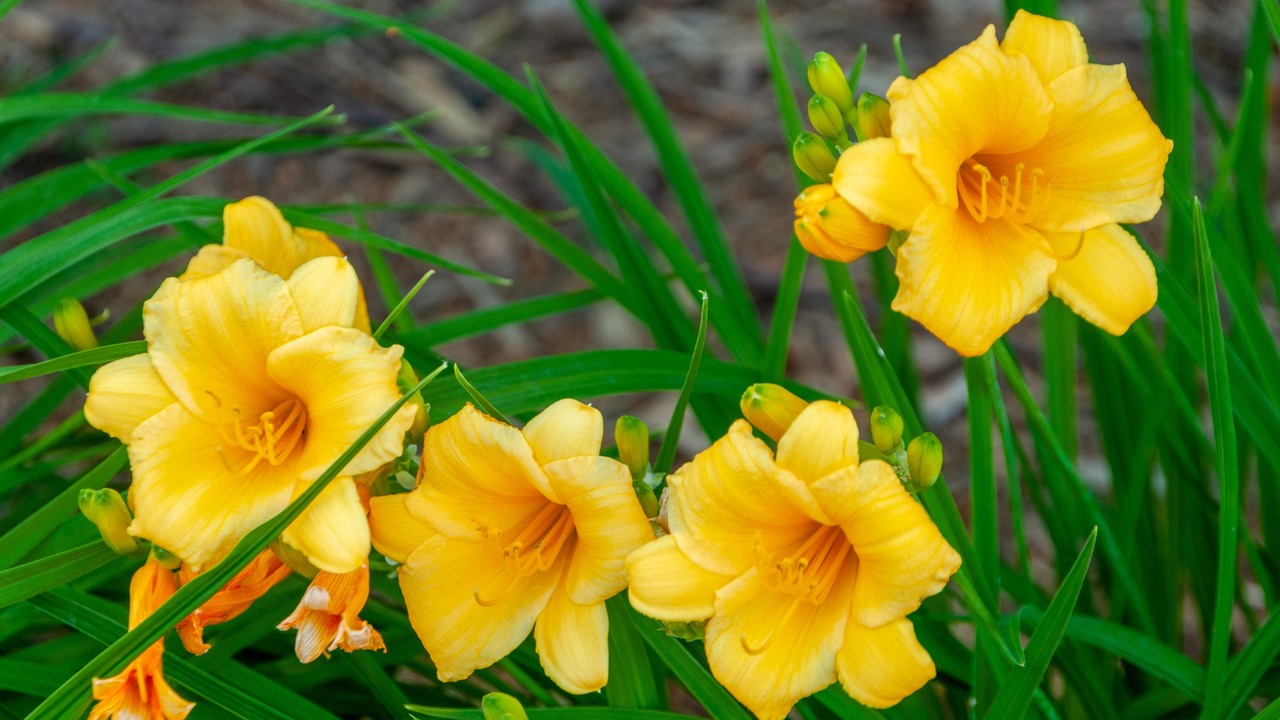
If you’re looking for a virtually indestructible perennial, look no further than the daylily. These hardy plants can tolerate a wide range of conditions, from drought to poor soil, and will still produce beautiful, trumpet-shaped flowers. The name “daylily” comes from the fact that each flower lasts for only one day, but a single plant produces so many buds that it can remain in bloom for weeks. They multiply over time, giving you more plants to expand your garden or share with friends.
Care Tips: Daylilies perform best in full sun but will tolerate partial shade. They are adaptable to most soil types. Water them well after planting, but once established, they are very drought-tolerant. Divide the clumps every few years to keep the plants vigorous.
- Sunlight: Full sun to partial shade
- Water: Drought-tolerant
- Soil: Highly adaptable
- Bonus: Extremely hardy; multiplies over time
10. Sedum (Stonecrop)
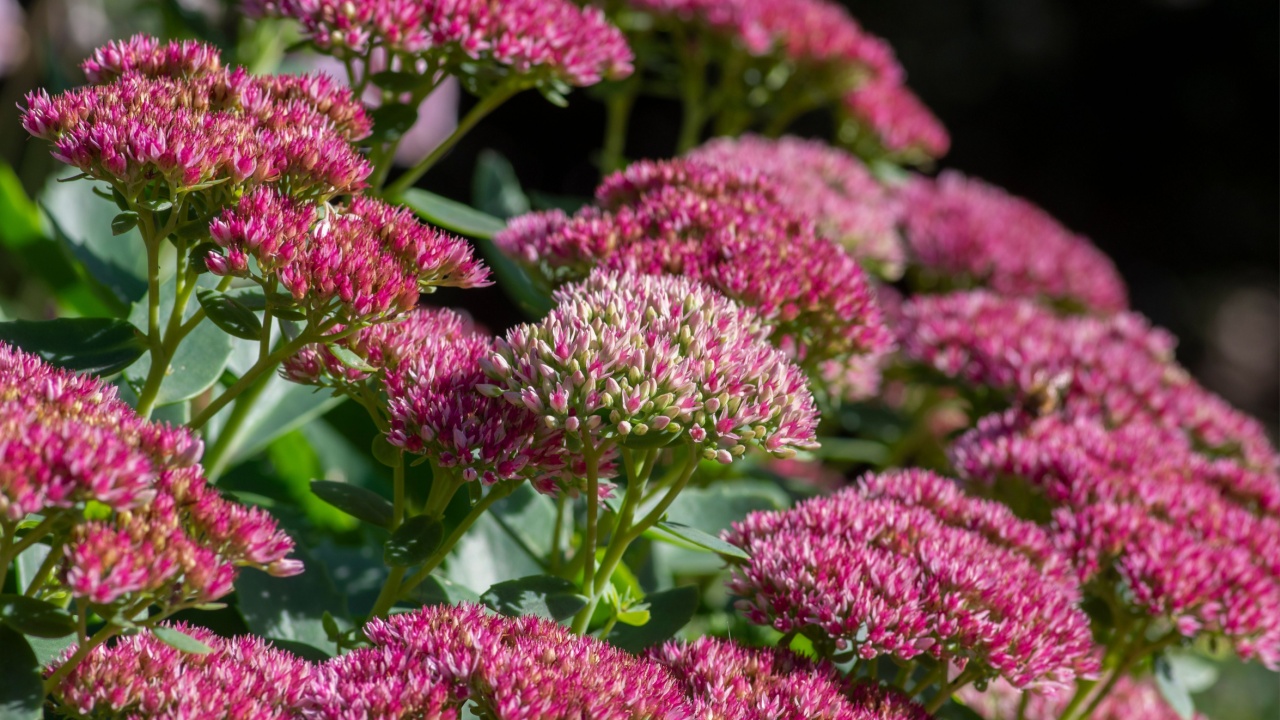
Sedum, also known as stonecrop, is a type of succulent that is perfect for new gardeners. These plants are incredibly tough and come in a huge variety of shapes, sizes, and colors, from low-growing groundcovers to tall, upright varieties. Their fleshy leaves store water, making them exceptionally drought-tolerant. They are the definition of a “plant it and forget it” perennial. Tall varieties provide beautiful flower heads in late summer and fall that look great even after they have dried.
Care Tips: All sedums require full sun and well-draining soil. They are highly susceptible to root rot in wet conditions, so avoid overwatering. They thrive in rocky or sandy soil and require no fertilizer.
- Sunlight: Full sun
- Water: Very low; drought-proof
- Soil: Must be well-draining
- Bonus: Great for rock gardens; provides winter interest
11. Lavender
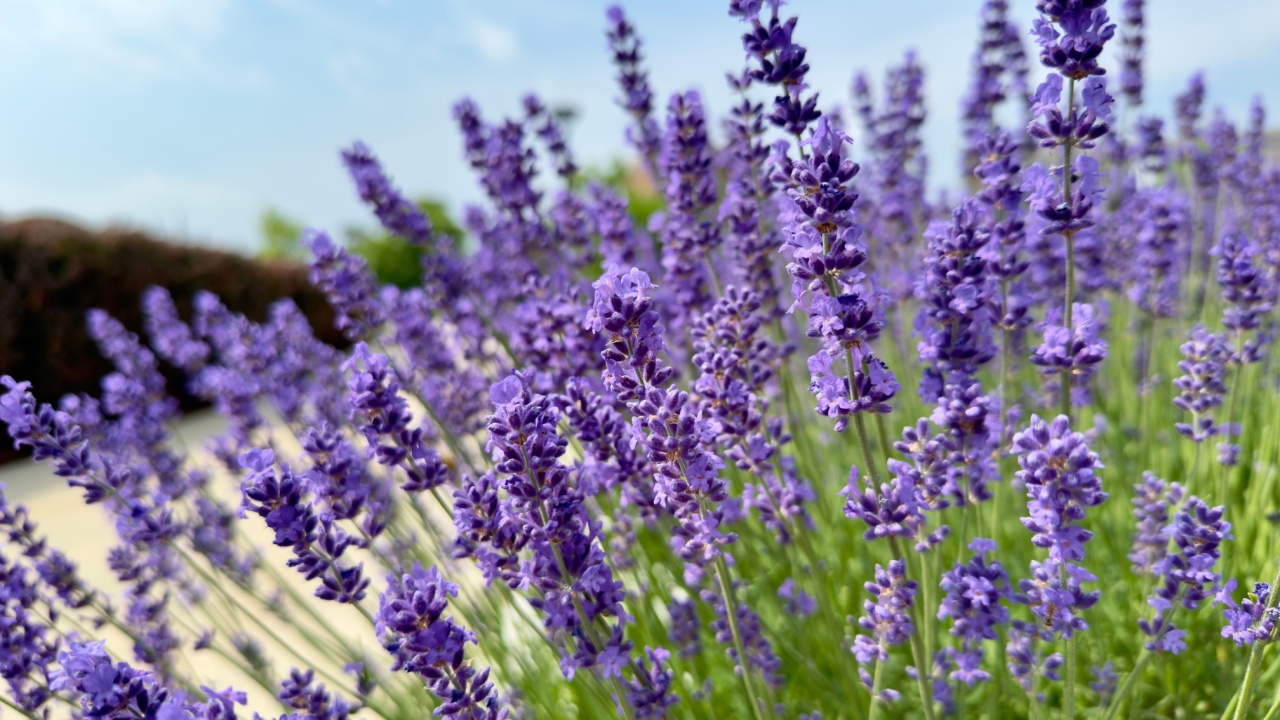
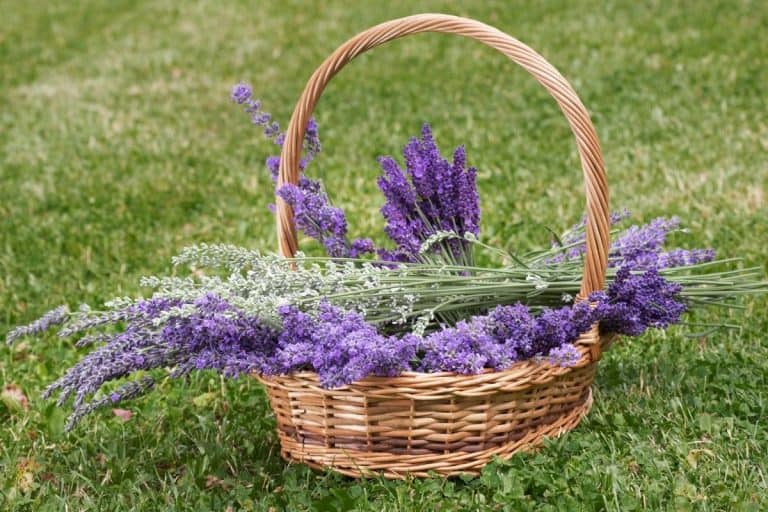
Lavender is a beautiful, aromatic herb that brings a touch of the Mediterranean to your garden. Its silvery-green foliage and spikes of purple flowers are stunning, and the fragrance is beloved by people and pollinators alike. This plant thrives on neglect, making it a great choice for beginners. Its biggest enemy is too much water. Lavender loves hot, dry conditions and well-drained soil, perfect for a sunny, low-water spot in your yard. The flowers can be dried for crafts or culinary uses.
Care Tips: Plant lavender in full, direct sunlight. Excellent drainage is crucial, so amend heavy clay soils with sand or gravel. Water sparingly once the plant is established. Prune the plant back by about one-third after it flowers to encourage bushy growth.
- Sunlight: Full sun
- Water: Low; let soil dry out completely
- Soil: Gritty, well-draining
- Bonus: Aromatic; flowers can be dried
12. Snapdragons
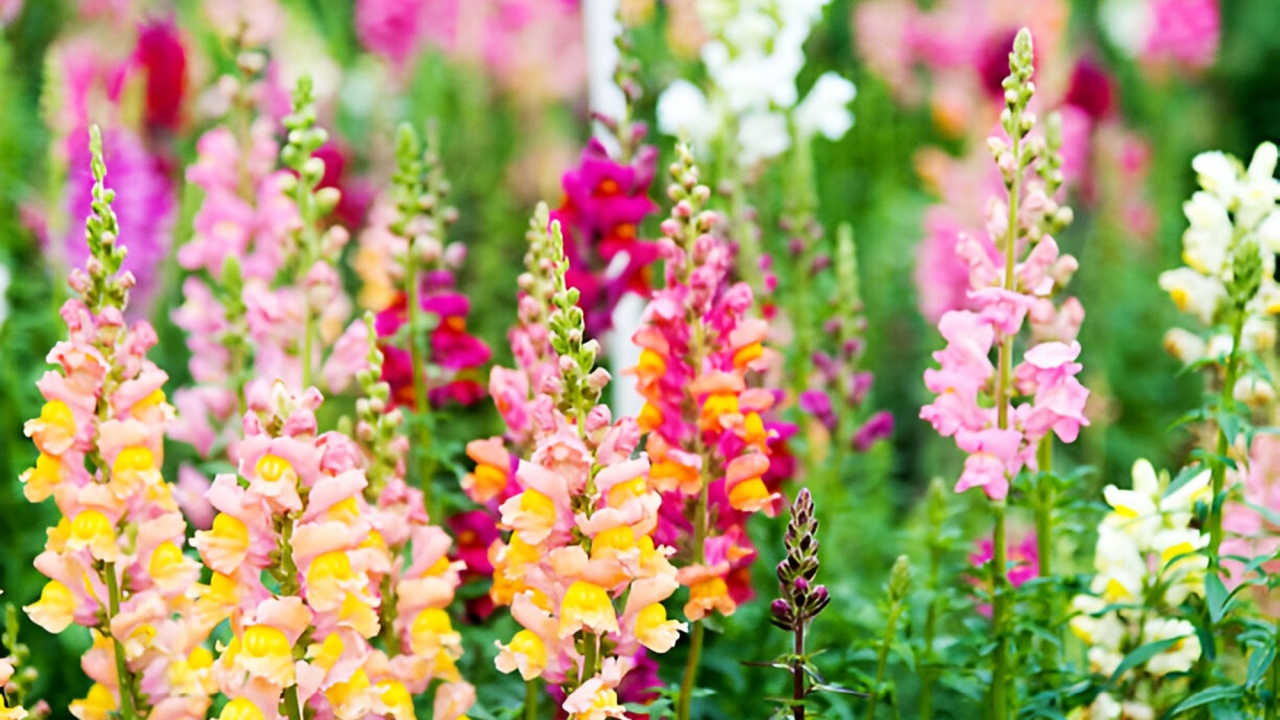
Snapdragons are a fun and unique flower that adds vertical interest to the garden. Kids and adults love gently squeezing the sides of the flower to make the “dragon’s mouth” open and close. They are a cool-season annual that provides wonderful color in spring and fall. These flowers are easy to grow and come in a vast array of colors. They don’t require much fuss and will bloom happily in a sunny spot. They make excellent, long-lasting cut flowers for indoor arrangements.
Care Tips: Plant snapdragons in full sun and rich, well-draining soil. Water them regularly for the best bloom production. Deadheading spent flower spikes will encourage them to send up new ones. In mild climates, they may even survive the winter.
- Sunlight: Full sun
- Water: Regular
- Soil: Rich, well-draining
- Bonus: Fun, interactive flowers; great for cutting
13. Morning Glories
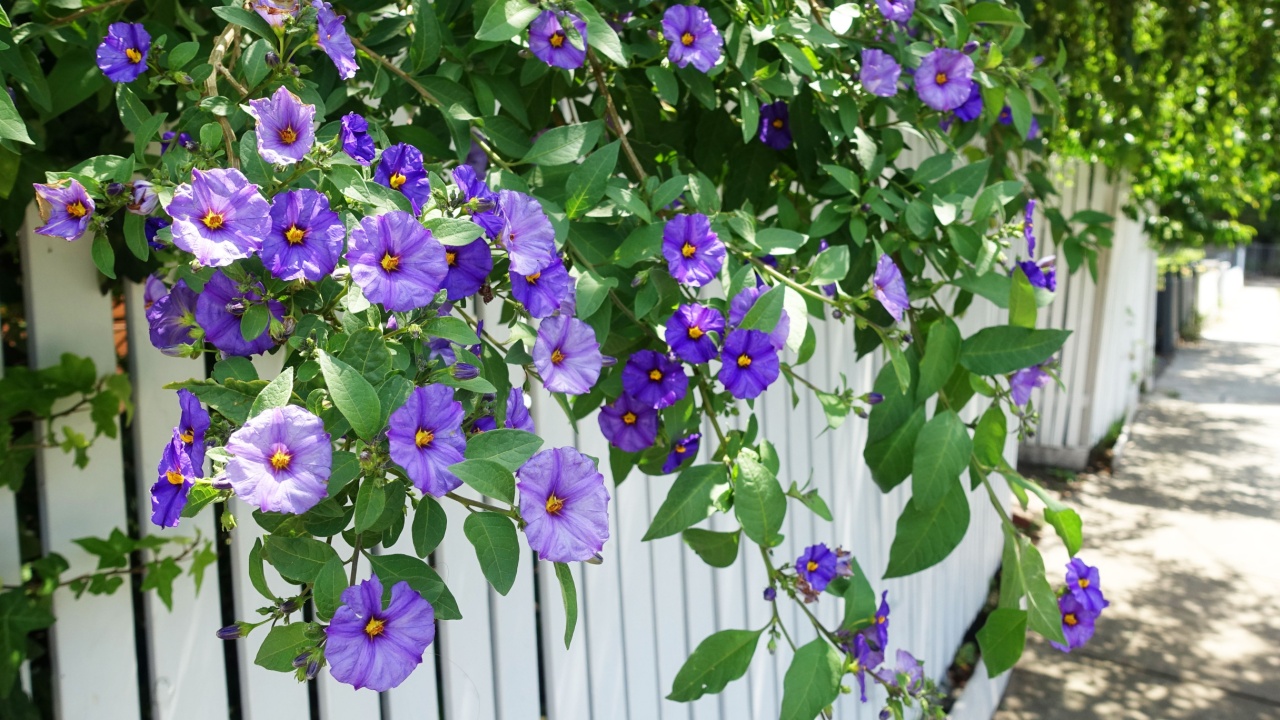
For beginners who want to cover a fence, trellis, or arbor quickly, morning glories are an excellent choice. These fast-growing vines produce beautiful, trumpet-shaped flowers that open in the morning and close in the afternoon. Morning glories grow with incredible vigor and require very little care. They self-seed readily, so they will likely return year after year. Be mindful of where you plant them, as they can become aggressive if not managed.
Care Tips: Plant morning glories in a location with full sun. They are not picky about soil. Provide them with a structure to climb on. Water them during dry spells, but otherwise, they are quite self-sufficient.
- Sunlight: Full sun
- Water: Moderate
- Soil: Tolerates most soil types
- Bonus: Fast-growing vine; self-seeds easily
14. Sweet Peas
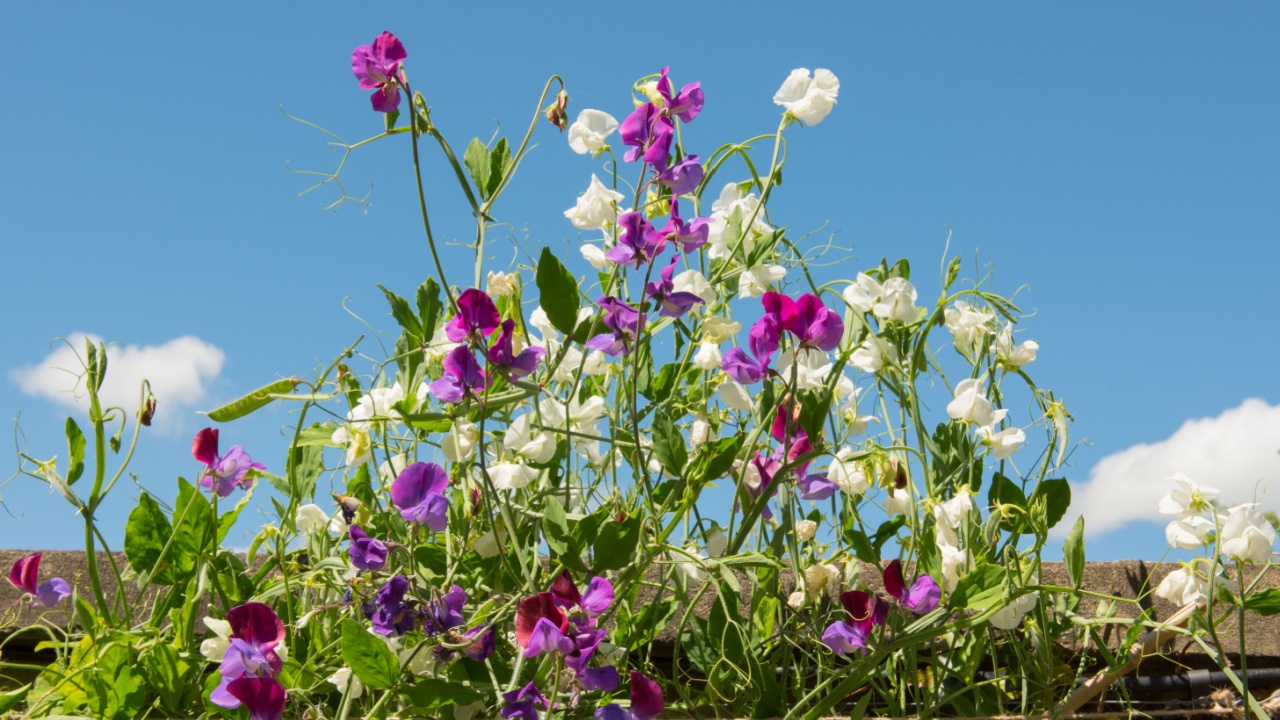
Sweet peas offer delicate, ruffled blossoms and an intoxicating fragrance. They are climbing plants that are perfect for adding vertical beauty and a lovely scent to your garden. They are a great lesson in providing plant support. Growing sweet peas introduces beginners to the concept of trellising. They need something to climb, whether it’s a simple net, a trellis, or a bamboo teepee. The effort is rewarded with an abundance of beautiful flowers perfect for fragrant bouquets.
Care Tips: Plant sweet peas in full sun in rich, well-drained soil. They are heavy feeders, so working compost into the soil is beneficial. Provide a support structure at planting time. Keep the soil moist and pick flowers regularly to promote more blooms.
- Sunlight: Full sun
- Water: Keep consistently moist
- Soil: Rich, well-drained
- Bonus: Highly fragrant; excellent cut flower
15. California Poppies
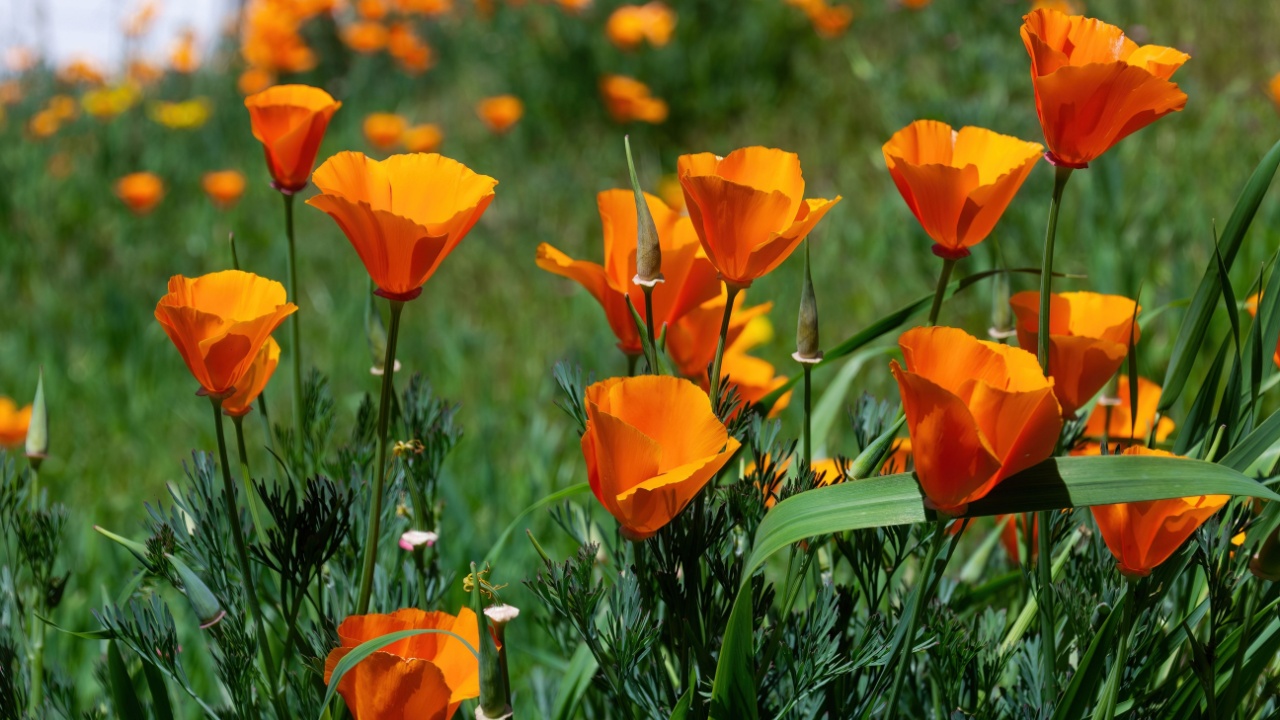
These vibrant, silky flowers bring a splash of brilliant orange and yellow to the garden. Native to the western United States, California poppies are incredibly easy to grow and thrive in sunny, dry conditions. They are a fantastic choice for beginners because they reseed themselves, creating a beautiful, naturalized meadow effect over time. They are drought-tolerant and seem to bloom best when the soil is poor, requiring almost no effort from the gardener.
Care Tips: Scatter seeds in a sunny location in the fall or early spring. They do not transplant well, so it’s best to sow them directly where you want them to grow. Do not overwater or fertilize.
- Sunlight: Full sun
- Water: Very low; drought-tolerant
- Soil: Sandy, well-draining, poor soil is fine
- Bonus: Self-seeds for yearly blooms; attracts pollinators
16. Wax Begonias
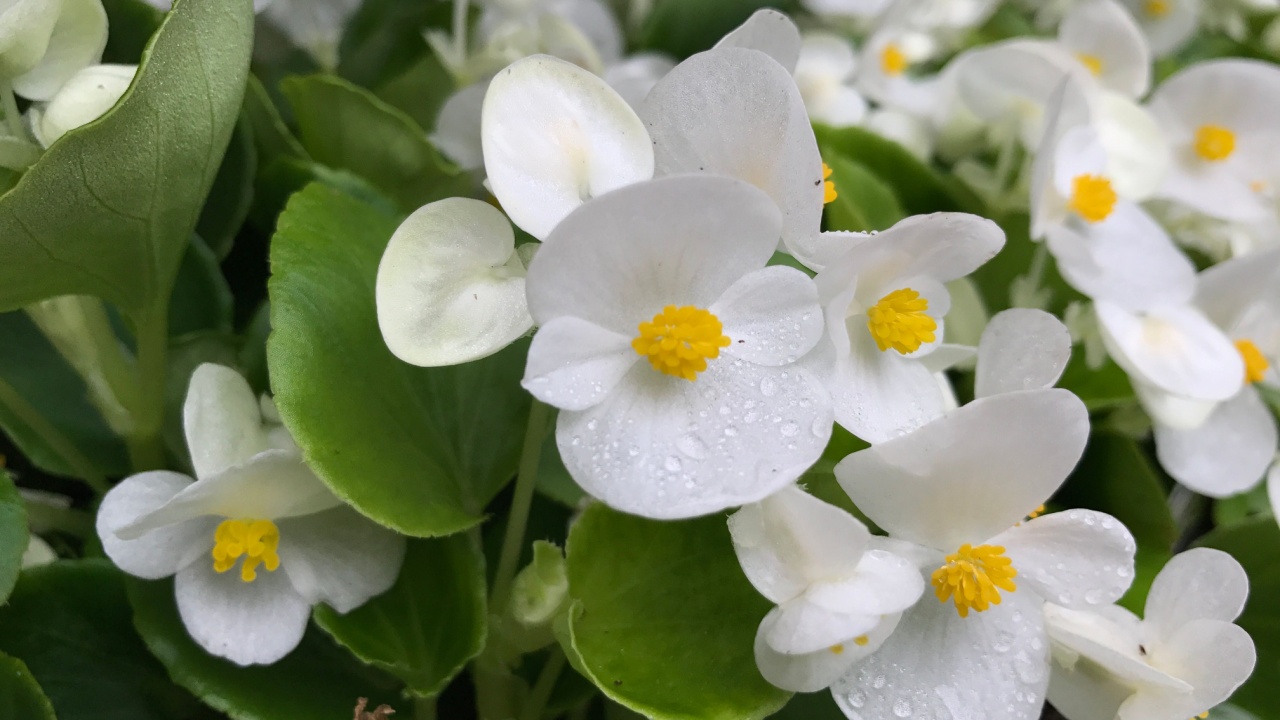
Wax begonias are a reliable choice for adding color to shadier spots in the garden. With their waxy leaves and clusters of white, pink, or red flowers, they provide continuous color from spring until frost. They are great for beginners because they are so adaptable. While they excel in partial shade, they can also tolerate full sun if they receive enough moisture. They are a great “filler” plant for containers and edging for garden beds.
Care Tips: Plant in partial shade and well-drained soil. Water them regularly to keep the soil consistently moist but not soggy. They don’t require much fertilizer or deadheading, making them very low-maintenance.
- Sunlight: Partial shade to full sun
- Water: Keep soil moist
- Soil: Well-draining
- Bonus: Blooms non-stop; great for shade
17. Fuchsias
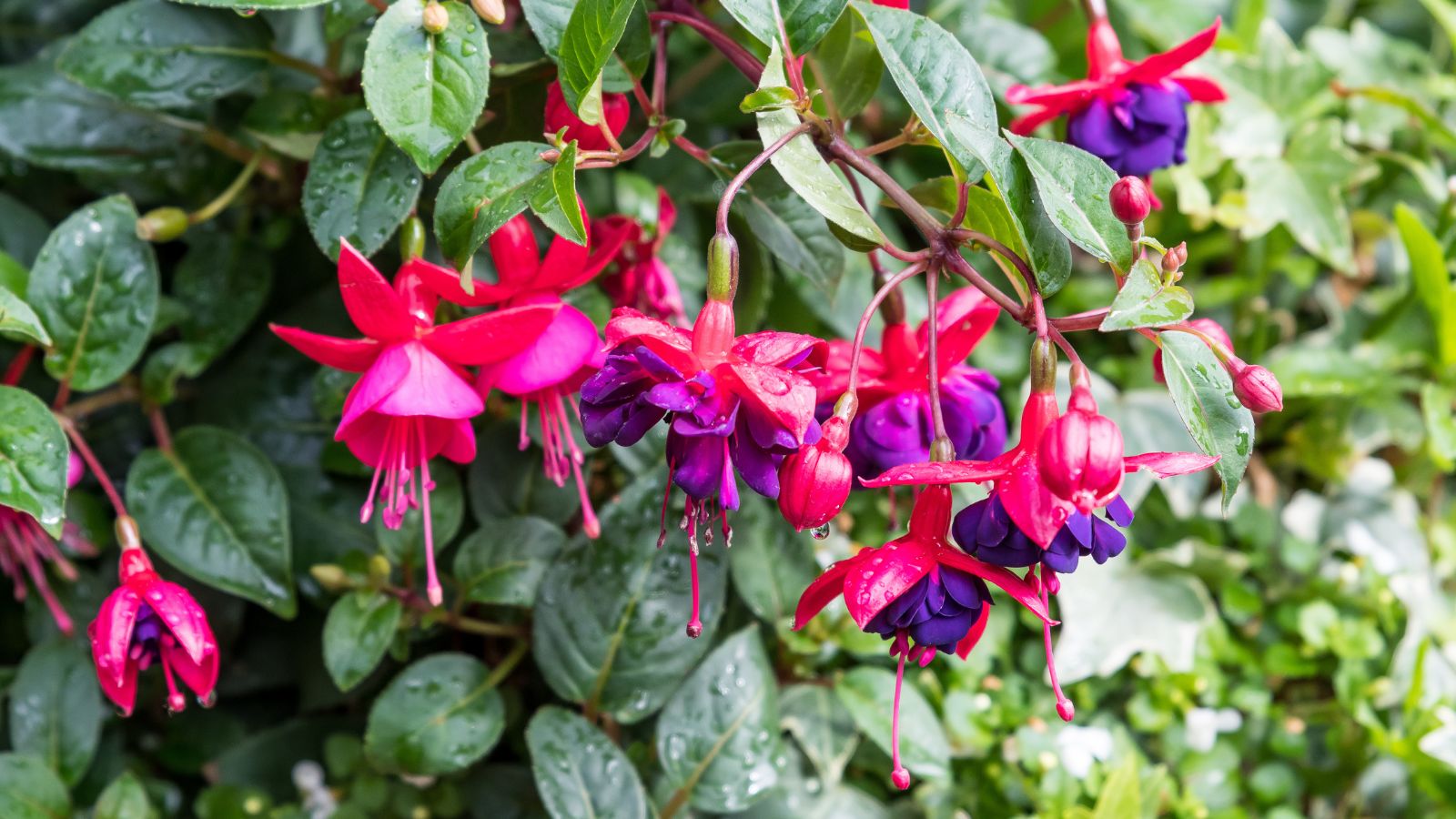
Fuchsias are known for their exotic, two-toned, lantern-like flowers that dangle gracefully from their stems. They are a favorite for hanging baskets and containers in shady areas. Growing fuchsias can teach a new gardener about managing plant health. They prefer cooler temperatures and consistent moisture. They also benefit from regular pruning to encourage more flowers, providing good practice with this important skill.
Care Tips: Hang or place fuchsias in a spot with morning sun and afternoon shade, or in filtered light all day. Keep the soil consistently moist, especially during hot weather. Fertilize regularly with a balanced liquid fertilizer during the growing season.
- Sunlight: Partial to full shade
- Water: Keep soil consistently moist
- Soil: Rich, well-draining potting mix
- Bonus: Beautiful in hanging baskets; attracts hummingbirds
18. Lupines
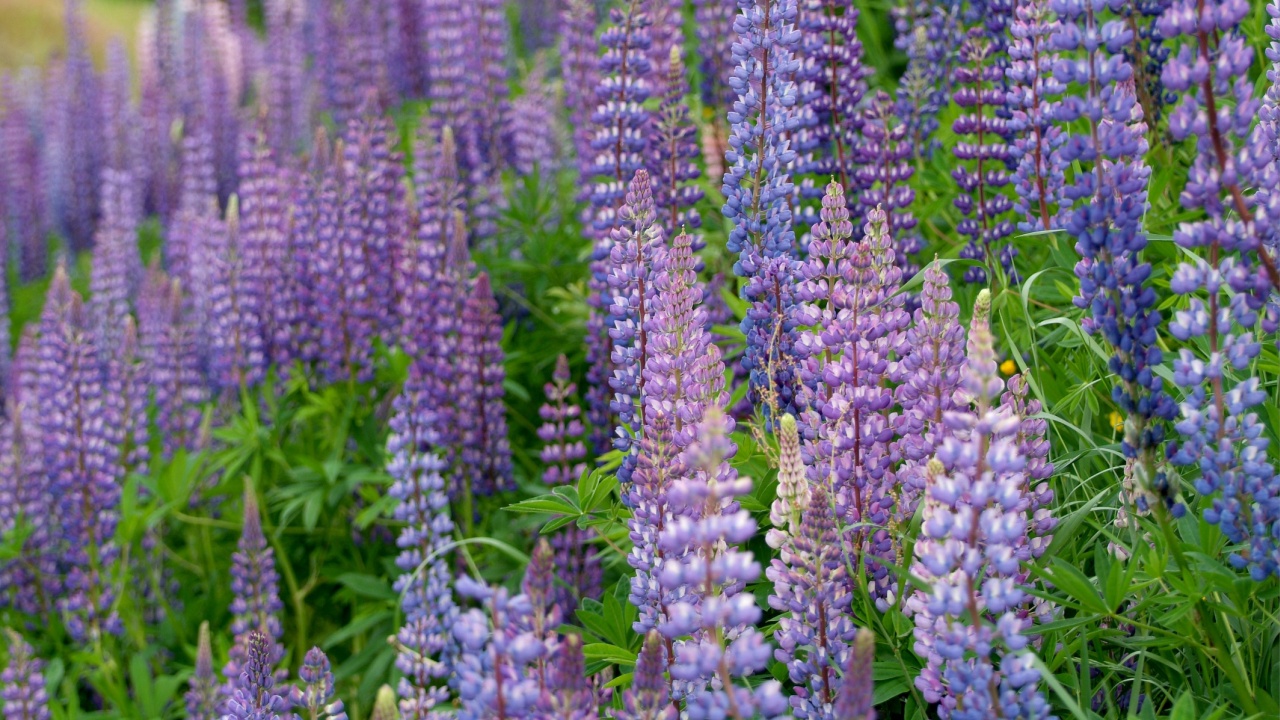
Lupines create dramatic, spiky towers of flowers that can reach several feet tall. They come in a wide range of colors and are a stunning sight when planted in large drifts. These plants are relatively easy for beginners and are particularly good for improving soil. As members of the legume family, they fix nitrogen in the soil, which benefits other plants around them. They attract a variety of pollinators, including butterflies.
Care Tips: Plant lupines in full sun. They prefer well-draining soil and do not like to have their roots disturbed, so plant them in their permanent home. Water them regularly, especially during dry periods.
- Sunlight: Full sun
- Water: Regular
- Soil: Well-draining
- Bonus: Fixes nitrogen in the soil; attracts butterflies
19. Daffodils
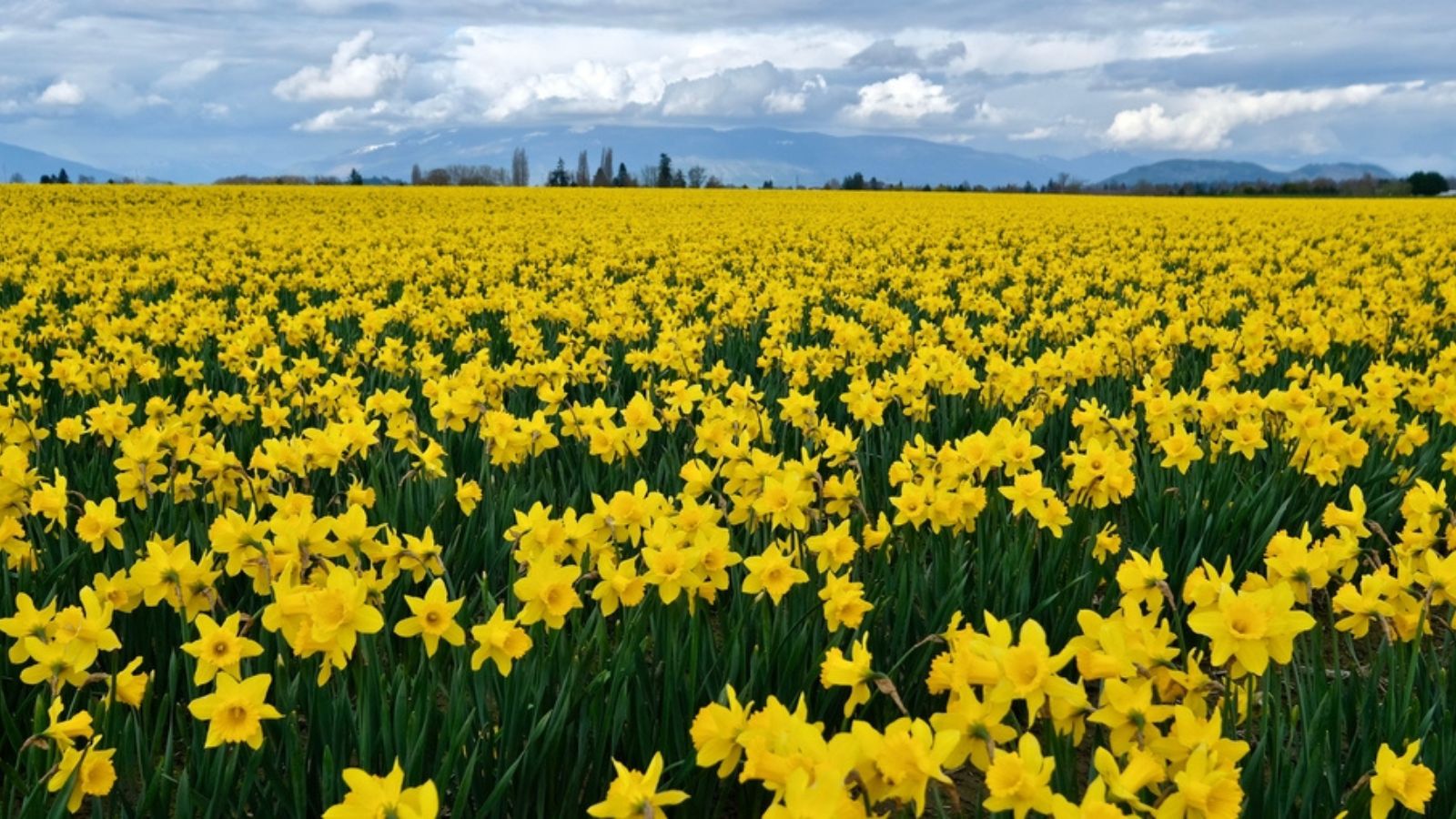
Daffodils are one of the first signs of spring, and their cheerful yellow, white, or orange flowers are a welcome sight after a long winter. These bulb-based plants are incredibly easy to grow. Their ease comes from the fact that you simply plant the bulbs in the fall and forget about them until they pop up in the spring. They are perennial, meaning they will come back and multiply year after year. Deer and other pests tend to leave them alone.
Care Tips: Plant daffodil bulbs in the fall in a sunny or partially shaded spot with well-draining soil. Plant them about 6 inches deep. After they bloom in the spring, allow the foliage to die back naturally to feed the bulb for next year’s flowers.
- Sunlight: Full sun to partial shade
- Water: During spring growth; dry in summer
- Soil: Well-draining
- Bonus: Pest-resistant; multiply each year
20. Impatiens
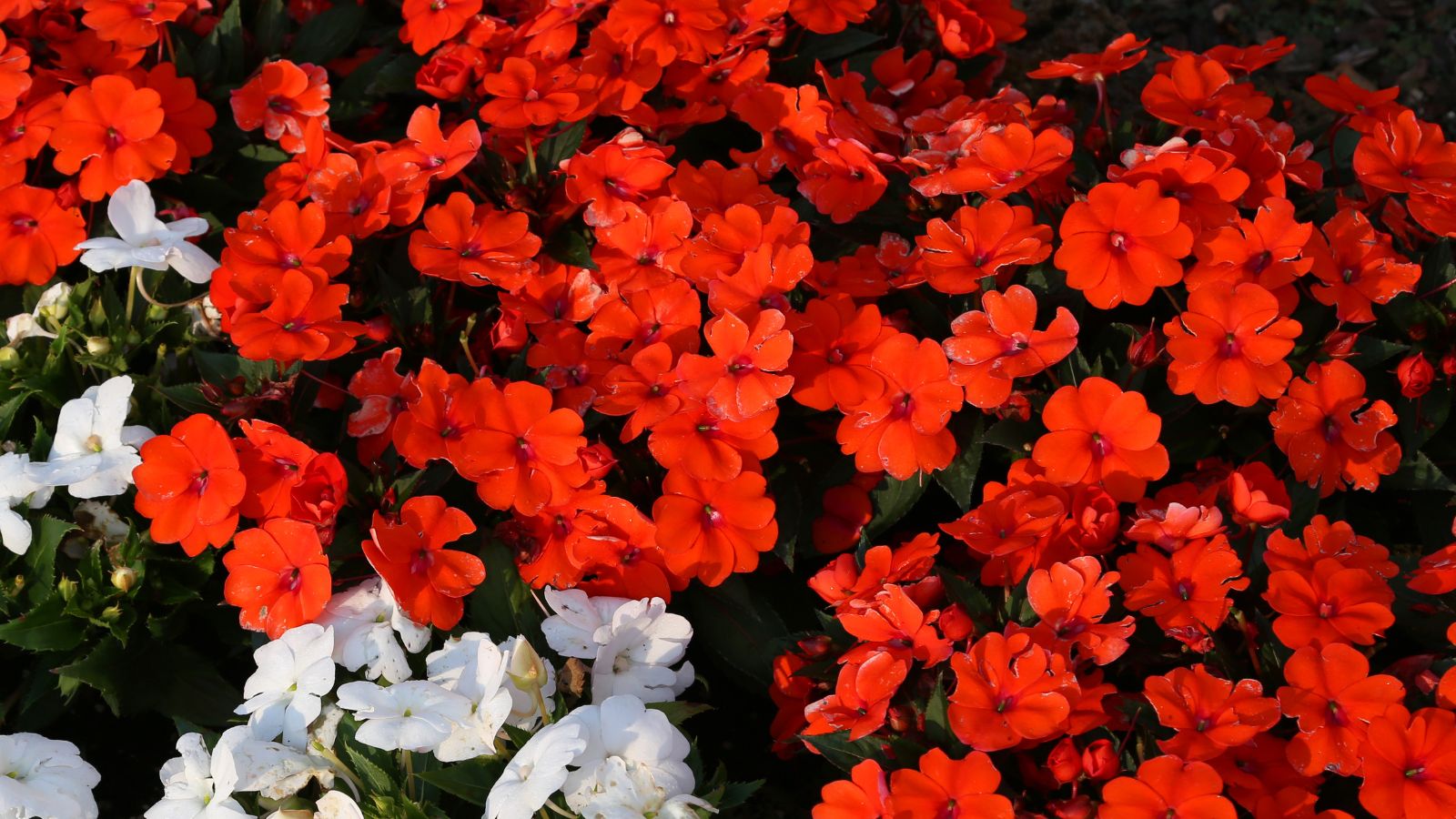
Impatiens are the ultimate solution for bringing vibrant, long-lasting color to the shadiest corners of your yard. They bloom continuously from spring through fall, requiring very little from the gardener. These are a go-to for beginners with shady gardens because they are so reliable. They do need consistent moisture, which helps new gardeners get into the habit of checking their plants regularly. They are perfect for brightening up dark areas under trees or on a covered porch.
Care Tips: Plant impatiens in a location with partial to full shade. They require rich, well-draining soil and must be kept consistently moist. If they wilt, they will usually bounce back quickly after a good watering.
- Sunlight: Partial to full shade
- Water: Requires consistent moisture
- Soil: Rich, well-draining
- Bonus: The best annual for deep shade; blooms all season
21. Ornamental Onions (Allium)
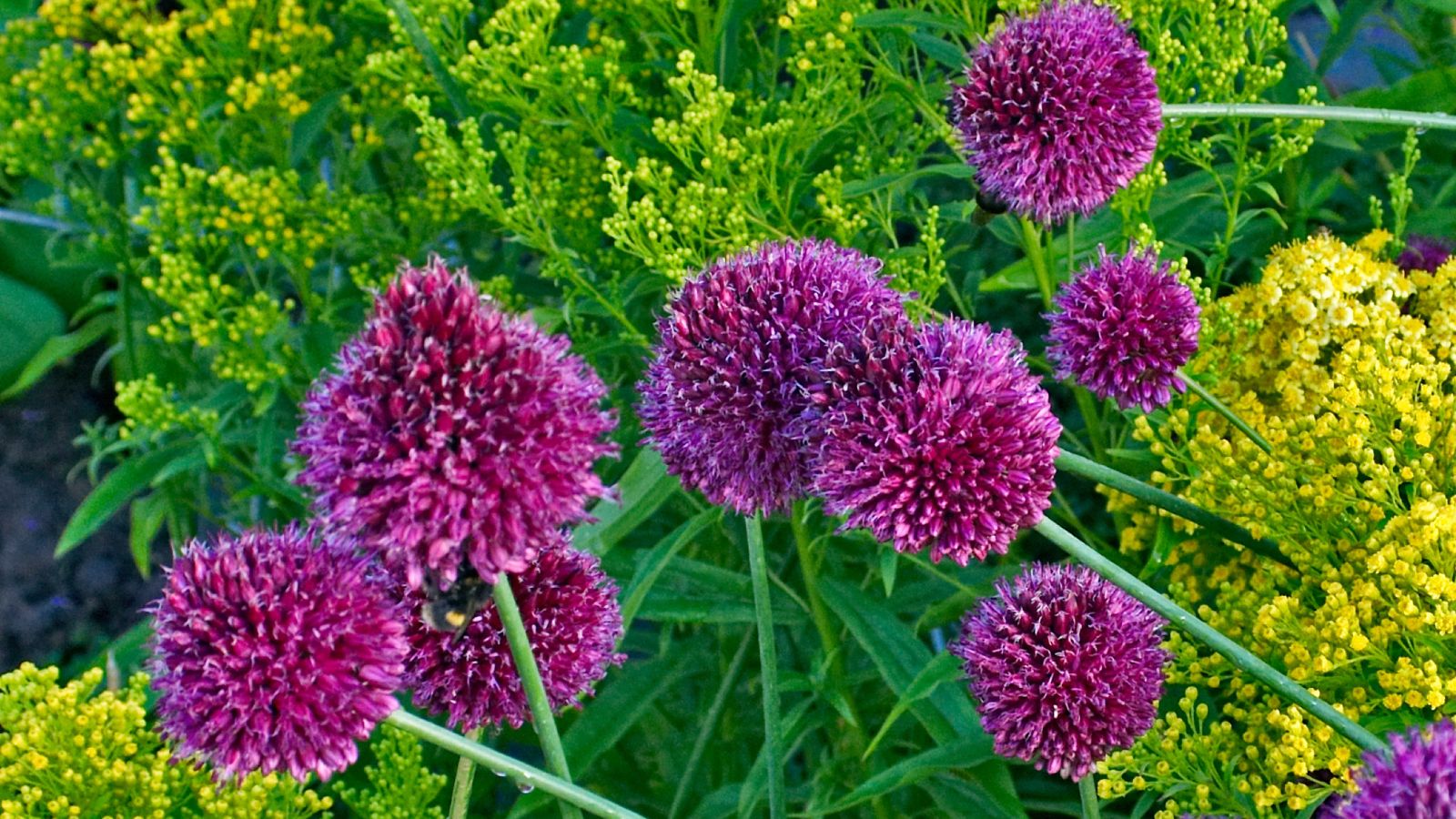
Ornamental onions, or Alliums, produce striking, globe-shaped flower heads on tall, slender stems. They add a unique architectural element and a touch of modern drama to the garden. Alliums are easy-to-grow bulbs that are closely related to onions and garlic. This relation means that deer, rabbits, and other critters tend to avoid them. They are drought-tolerant and return each year, making them a low-effort, high-impact choice.
Care Tips: Plant Allium bulbs in the fall in a sunny, well-drained location. Like daffodils, plant them at a depth of about two to three times the bulb’s height. They require little water once established. Let the foliage die back on its own after blooming.
- Sunlight: Full sun
- Water: Drought-tolerant once established
- Soil: Well-draining
- Bonus: Pest and deer resistant; unique architectural form
Getting Started in the Garden
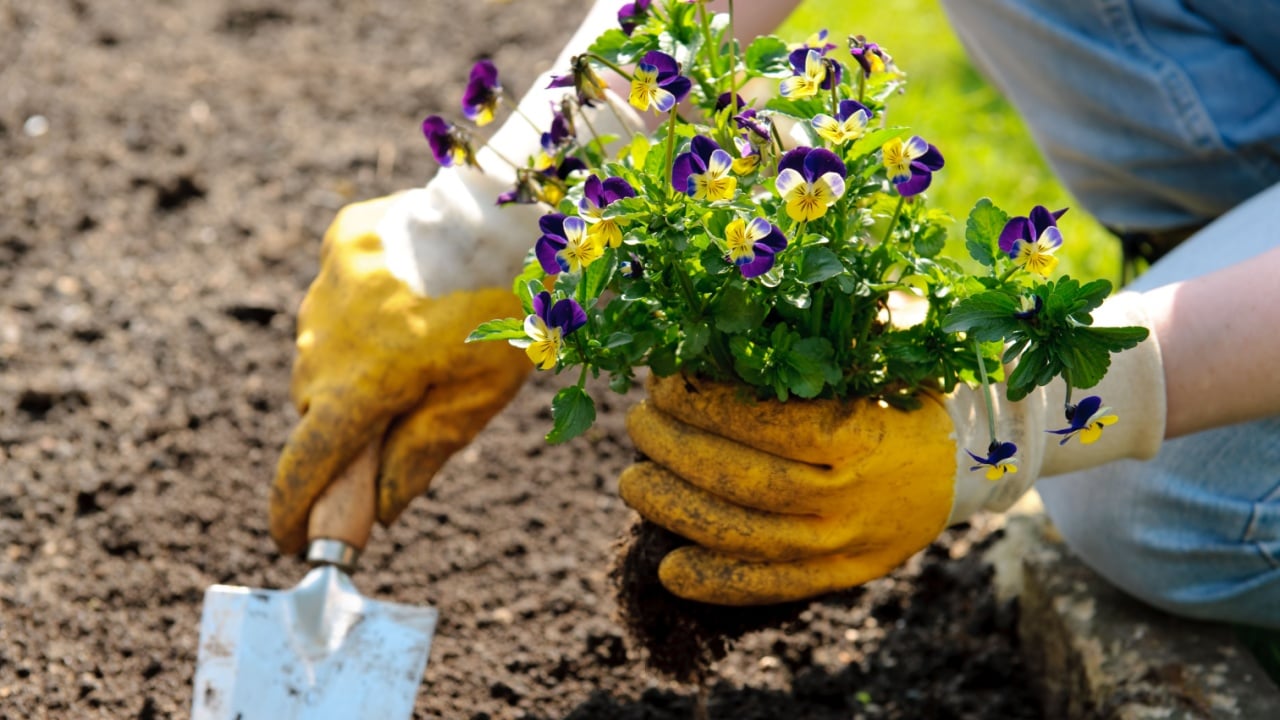
Choosing any of these plants is a fantastic way to begin your gardening journey. The key now is to get started. Begin by assessing your space. Notice where the sun hits and for how long. Decide if you’ll be planting in the ground, in raised beds, or in containers.
Once you have a few of these plants in the soil, your next step is to observe. Pay attention to how they respond to the sun and water. Don’t be afraid to make mistakes—every gardener does! Your successes will build your confidence, and soon you’ll be ready to try new plants, experiment with companion planting, or even start your first vegetable patch.
Your garden is a living, evolving space, and this is just the beginning of a rewarding adventure.