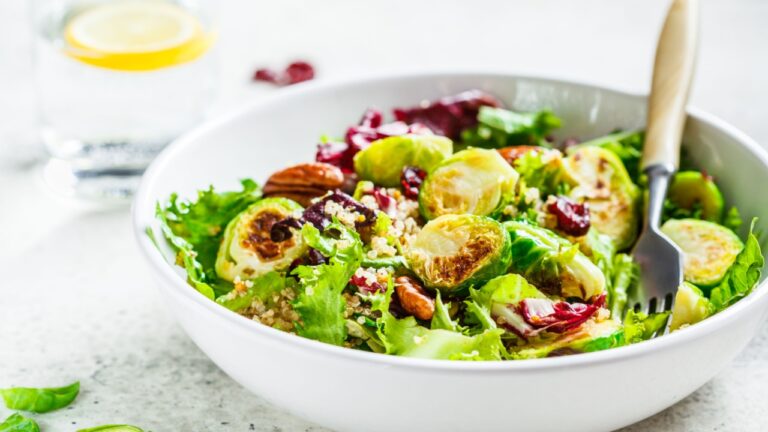
12 Practical Steps to Eating Restaurant Quality Meals at Home
Who doesn’t want to eat like royalty every day? The kind of meals that leave you convinced the chef has a Michelin star tucked away somewhere. I know it feels like you need a professional kitchen or a culinary arts degree to make that happen.
However, creating restaurant-level dishes at home is not as intimidating as it sounds—it’s mostly about strategy, technique, and a dash of creativity.
Many restaurants rely heavily on frozen or pre-packaged components. Yes, your favorite bistro’s soup might have started in a freezer. At home, however, you control every detail, allowing your meals to surpass their so-called “gourmet” counterparts.
So, where do you start? Right here! Let’s unpack some practical and downright useful tips to turn your kitchen into the hottest dining spot in town, brought to you by home chefs who get it.
1. Invest in the Right Tools
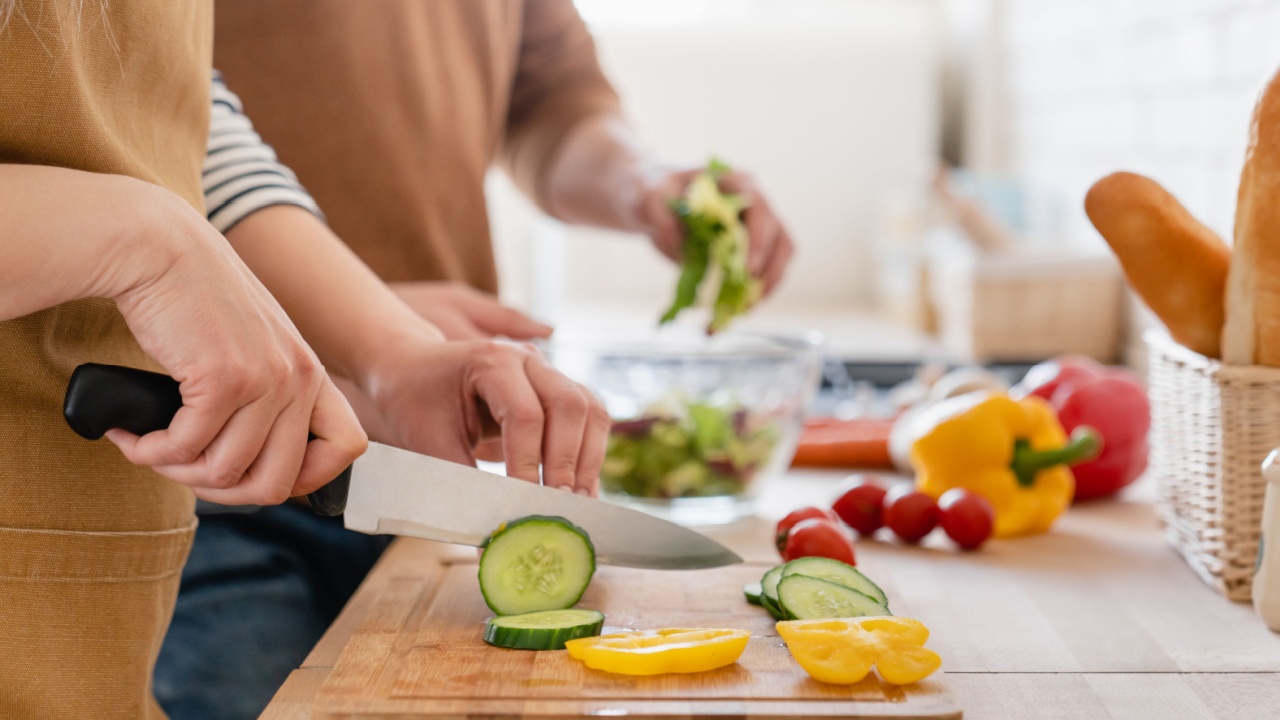
High-quality meals start with reliable tools. A sharp chef’s knife, a sturdy cutting board, and a heavy-duty skillet can transform the way you cook. That dull knife that is struggling to cut a ripe avocado won’t do. Blunt knives aren’t just annoying—they ruin your ingredients before you even begin.
A proper skillet develops a golden-brown sear that gives dishes that professional touch. Stop gauging the temperature with your intuition; get a digital thermometer to help you achieve the perfect medium-rare steak. A blender can make silky soups or creamy sauces that rival anything from a fine dining menu. Get the drift?
2. Master the Cooking Basics
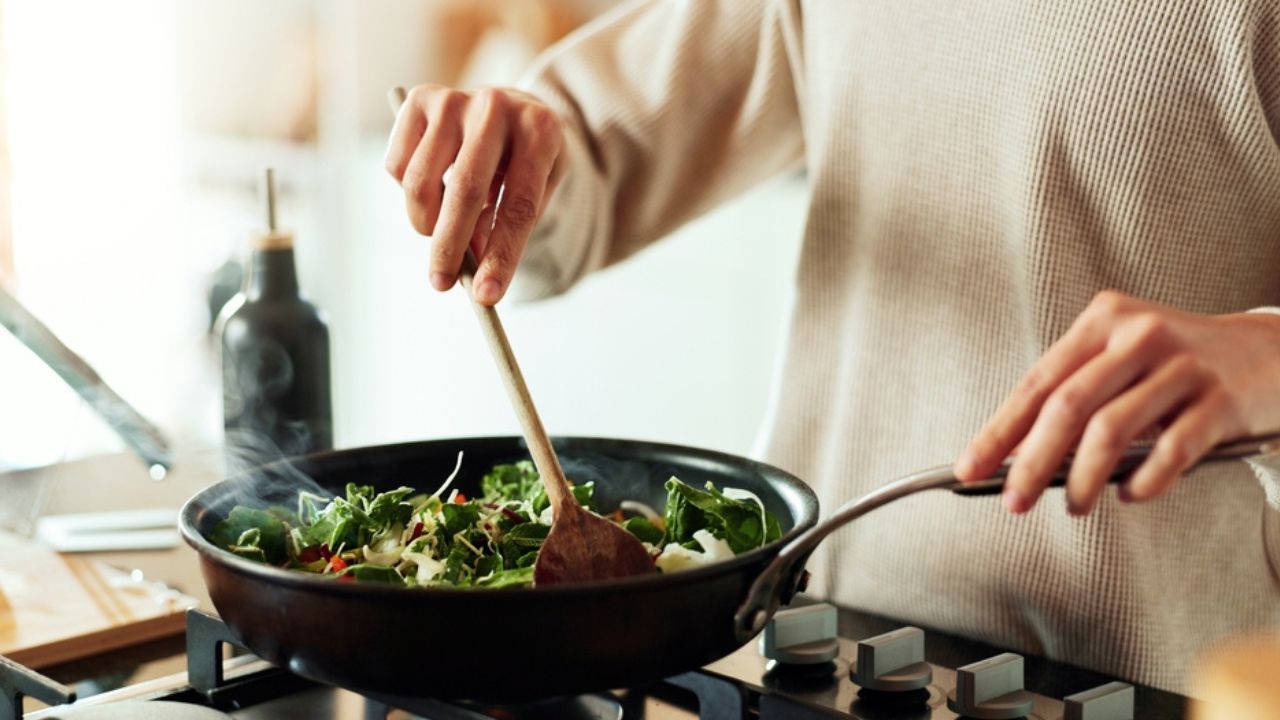
If all you know how to do right is boil an egg, it’s time to embrace the foundational skills of cooking. Techniques like searing, roasting, and deglazing rule restaurant kitchens. Knowing what you’re doing leaves you feeling like a culinary wizard instead of a stressed-out home cook.
You don’t need a flashy skill set—just a handful of methods executed with confidence. Practice sautéing onions until they’re caramelized to perfection or roasting vegetables until they’re crisp-tender and full of flavor. Learn the basics and create a solid base to build more complex dishes,
3. Prep Like a Pro

Ever notice how restaurant chefs glide through service like an oily eel? The secret is prep work, or mise en place, as they call it. Chop, measure, and organize your ingredients before you turn on the stove. This saves time, reduces chaos, and makes cooking an absolute breeze.
Labeling and pre-portioning ingredients might sound like overkill, but it’s a lifesaver when attempting intricate recipes. No more frantic searches for garlic while the sauce burns.
4. Fresh Ingredients Make the Difference
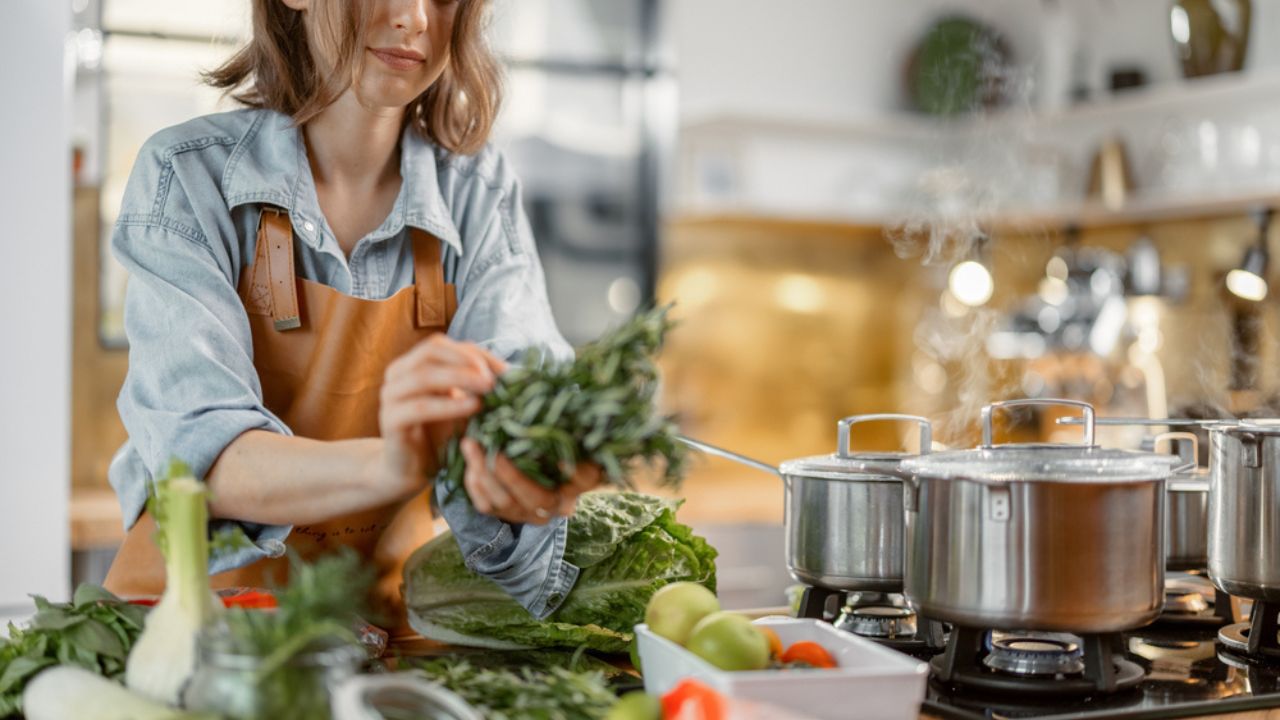
Restaurants often cut corners, but you don’t have to. Fresh, high-quality ingredients are the backbone of any exceptional dish. That means skipping processed shortcuts and opting for vibrant produce, good-quality meats, and herbs that still smell like they’re basking in the sun.
Seasonal ingredients are your best friends. They’re packed with flavor and easier on the wallet. A ripe tomato in July beats a bland one in January every time. Shopping smartly and seasonally is a foolproof way to elevate your home cooking.
5. Don’t Underestimate Seasoning and Condiments
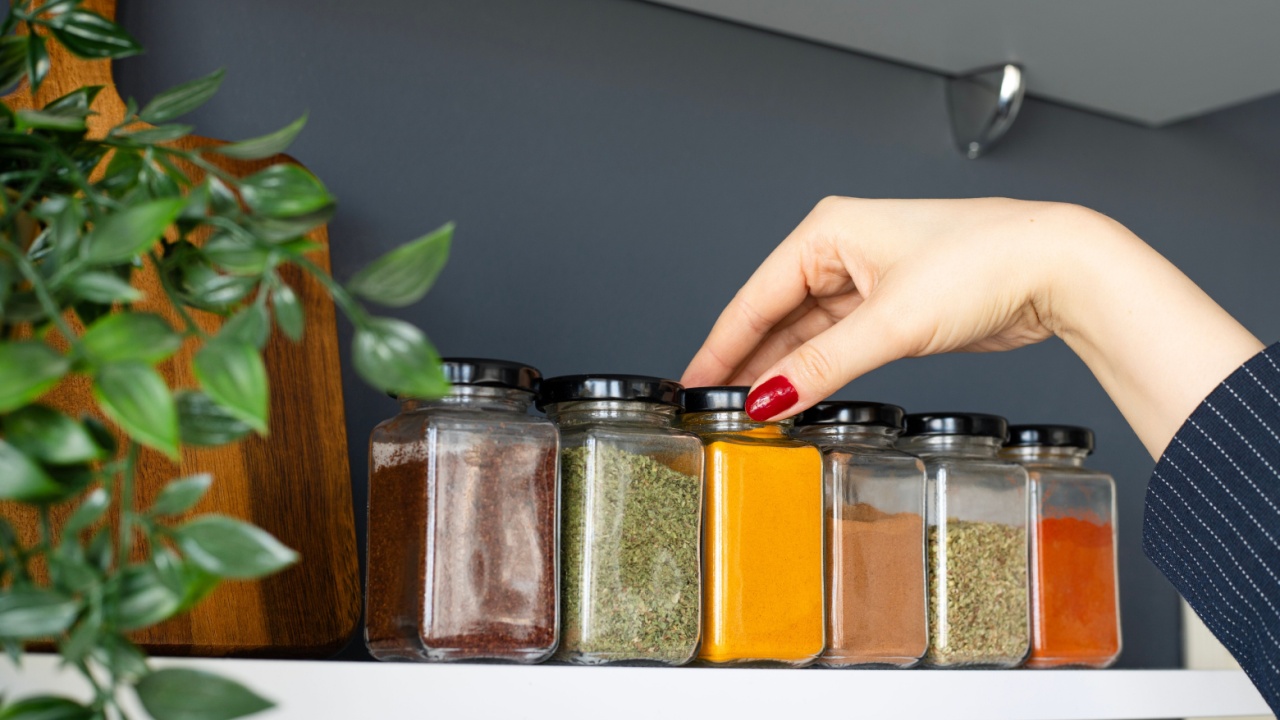
Don’t be the guy who thinks all seasoning is out to give you gastritis and gout. Salt is the ultimate enhancer, bringing out the natural flavors in your ingredients. Explore other seasonings— smoky paprika, bright lemon zest, or a pinch of flaky sea salt to finish a dish. A drizzle of balsamic reduction or a dollop of chimichurri can elevate the simplest dishes.
Layer your seasoning as you cook. Add spices early to toast their flavors, and finish with herbs or citrus to keep things bright and lively. The more natural, the better—herbs are like nature’s flavor boosters. Try fresh basil, thyme, rosemary, or cilantro.
6. Embrace the Freezer

The freezer is a friend, not a foe. Batch-cooking and freezing soups, sauces, or dough can save time without sacrificing quality. Contrary to popular belief, frozen doesn’t mean bad—it means ready-to-go, which is a luxury on busy evenings.
Stock your freezer wisely. Flash-frozen vegetables or a bag of homemade broth can make an ordinary dinner extraordinary. Keep it organized, and you’ll always have the makings of a stellar meal at your fingertips.
7. Plating Is Half the Battle
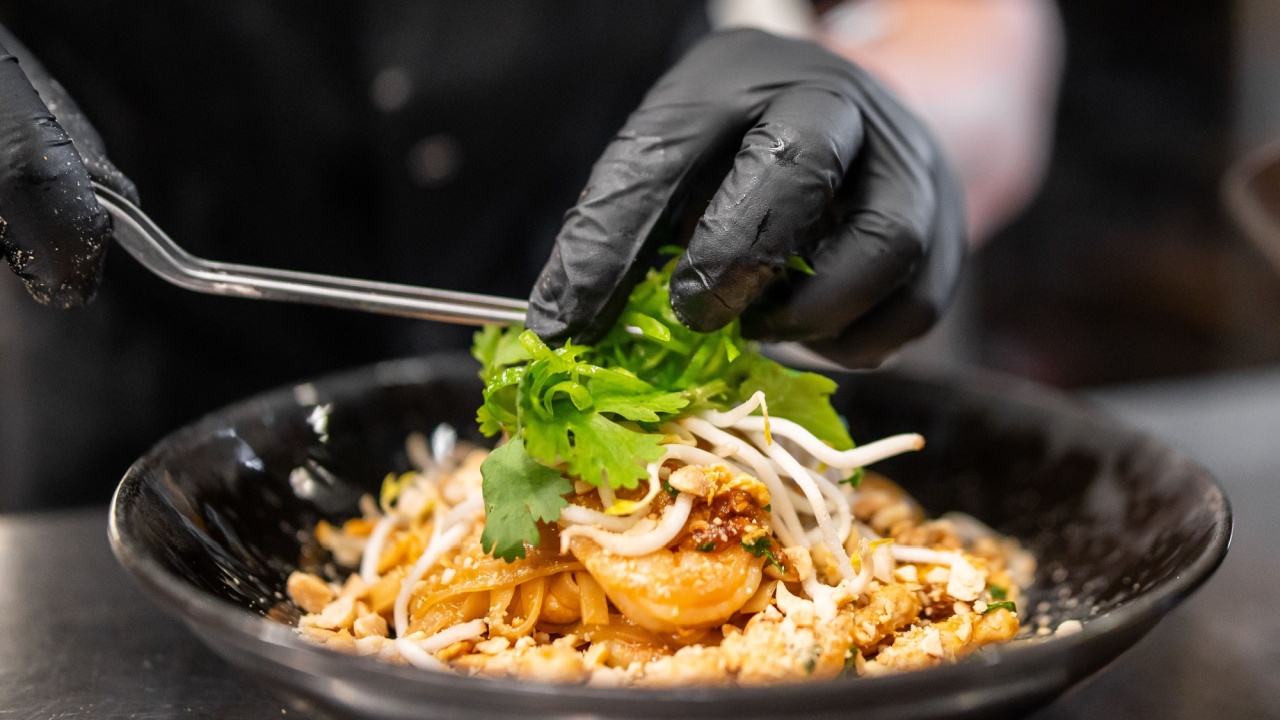
Don’t just throw the watermelon on top of hot soup; looks matter when it comes to food. Take an extra moment to plate your dish thoughtfully. Use contrasting colors, garnish with herbs, and avoid overcrowding the plate. You’d be surprised how much better food tastes when it looks incredible.
Restaurant chefs are masters of presentation for a reason. They know the first bite is with the eyes. By paying attention to plating, your meals instantly gain that restaurant-quality edge, no matter what’s on the menu.
8. Experiment with Different Cooking Techniques
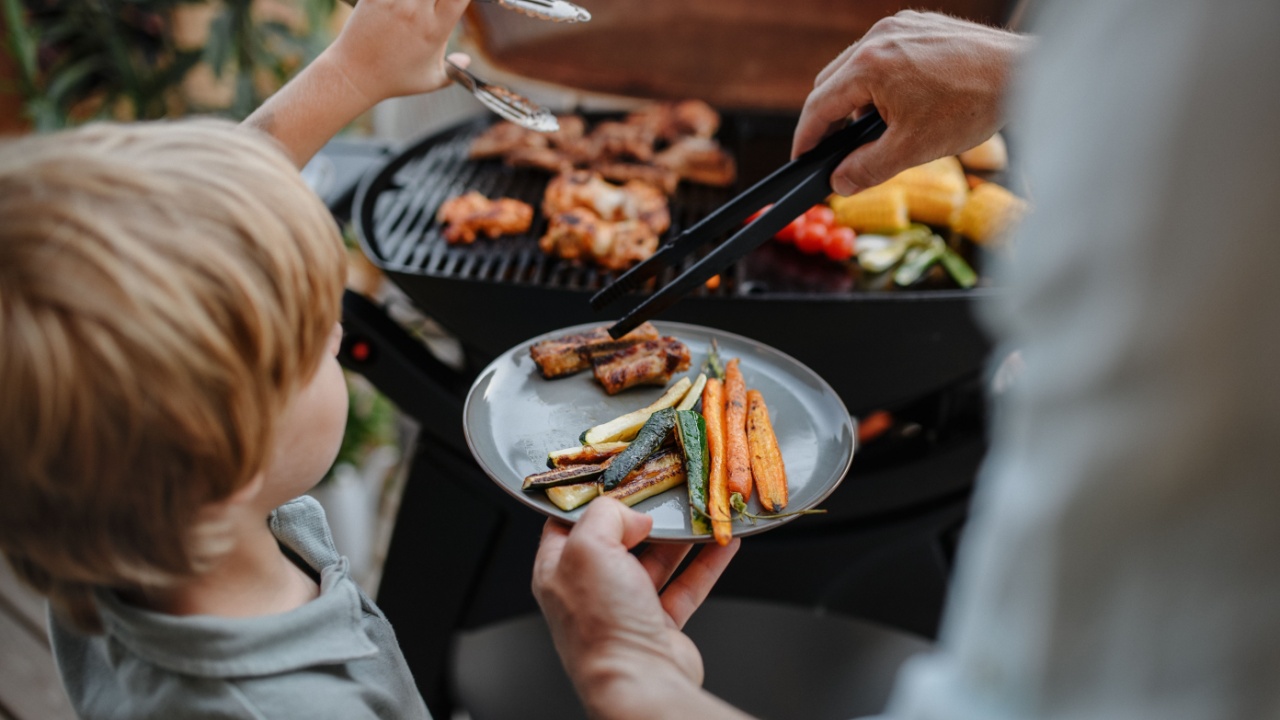
I know you love your slow cooker, but do more. Broiling, poaching, or grilling can introduce unexpected layers of flavor. Experimenting with new techniques not only keeps cooking interesting but also unlocks dishes you never thought you could make.
If you’ve never sous vide’d a steak or poached an egg, now’s your chance. These methods aren’t hard to learn and will add an impressive range to your culinary arsenal. Even something as basic as steaming can elevate your repertoire.
9. Get Comfortable with Leftovers
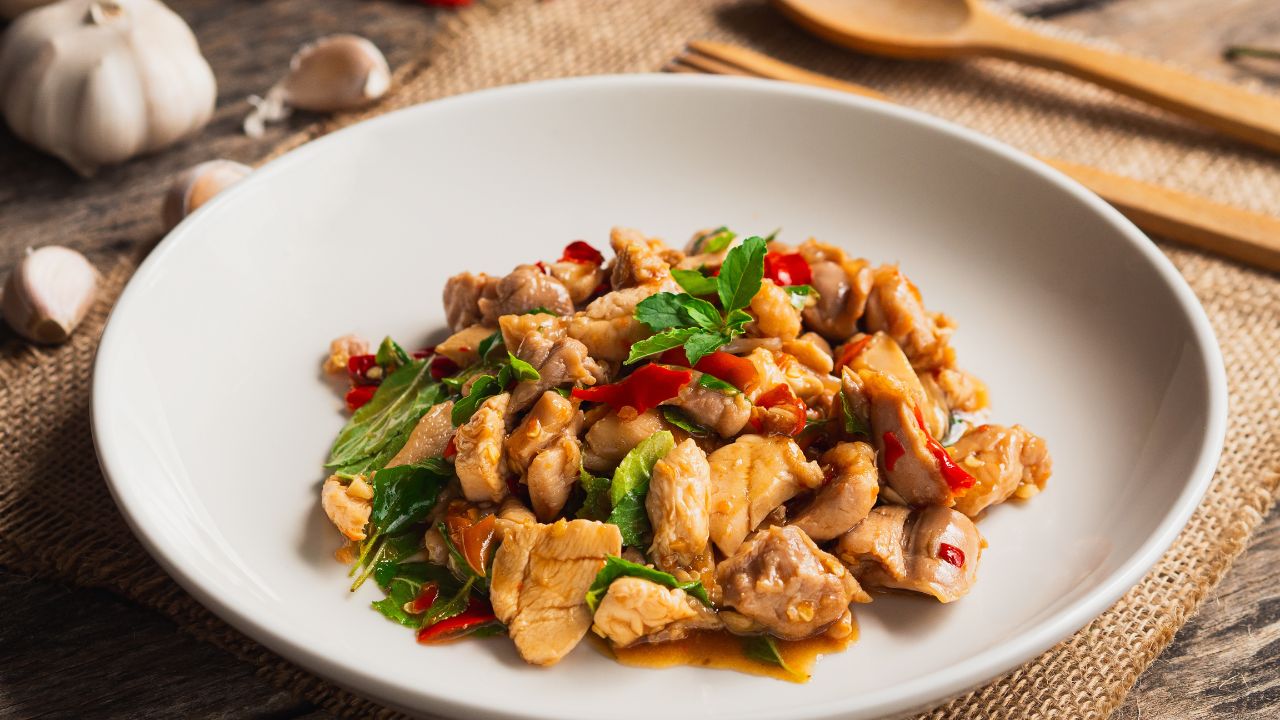
Most restaurants are into upcycling leftovers, and so can you. Chefs often work with pre-prepared elements, and so can you. Don’t toss the remnants of last night’s roast chicken or leftover pasta sauce—instead, turn them into something new and exciting.
With a little creativity, yesterday’s meal can become the base for a whole new dish. A roasted chicken breast can turn into a flavorful soup or a quick salad, while leftover pasta sauce might be transformed into a new pizza topping. The key is treating leftovers as an opportunity, not a chore.
10. Add Texture for Depth
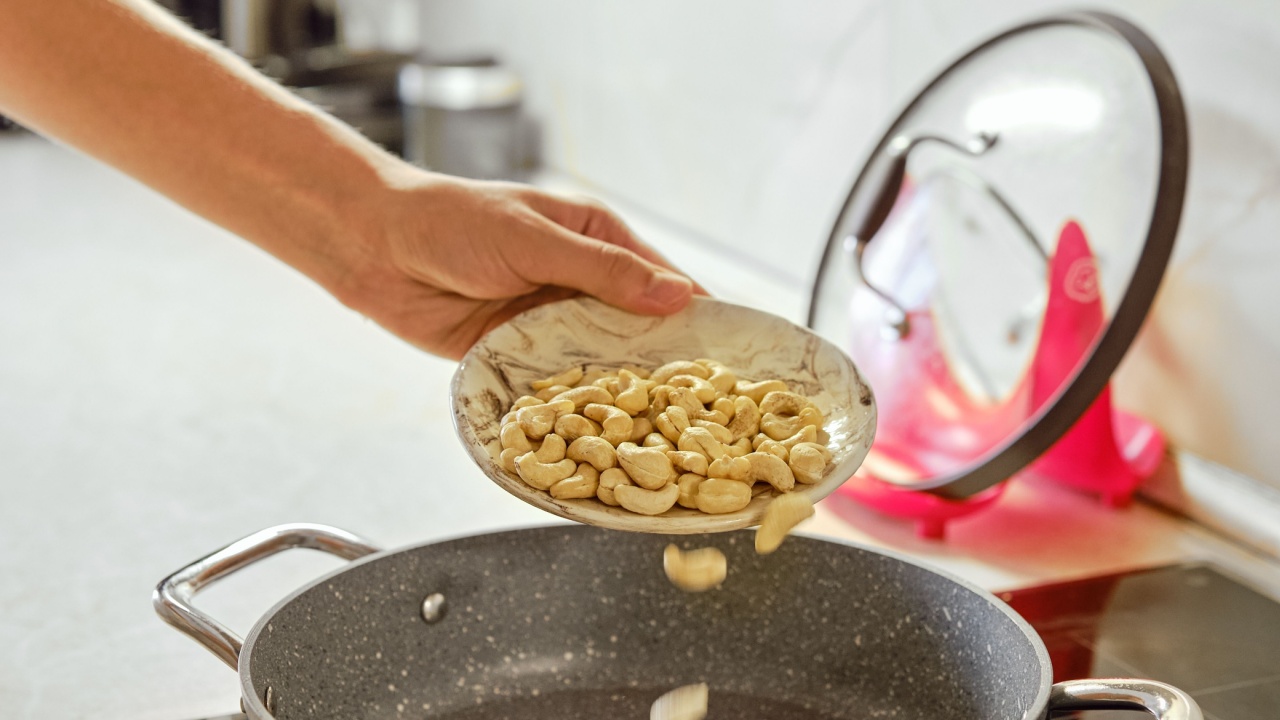
Texture is just as important as flavor. If every bite of your dish feels the same, it’s like reading a book where every page is the same. Add crunchy elements like toasted nuts, crispy fried onions, or a sprinkle of breadcrumbs to create layers of interest.
Consider the texture of your proteins, too. A seared crust on a piece of fish or meat elevates the dish, while a silky smooth interior adds contrast. Small adjustments like these can transform an ordinary plate into something exciting and dynamic.
11. Don’t Fear the Fryer
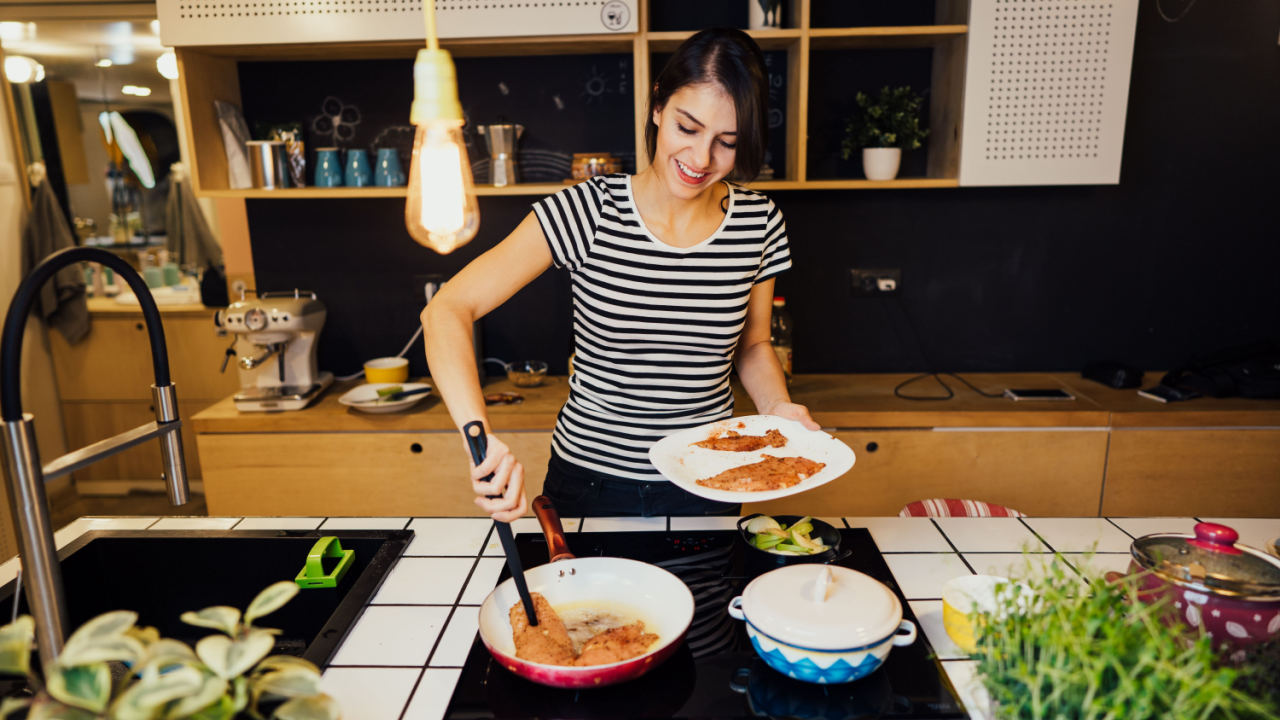
Restaurants love deep-frying, and you should, too—within reason. Frying isn’t reserved for fast food joints; it’s an elegant technique that creates crisp textures and bold flavors. A quick fry on vegetables or seafood can unlock a whole new dimension of taste.
Get yourself a quality frying thermometer and experiment. A perfectly fried fish taco or crispy fritter brings restaurant-quality crunch and satisfaction to a dish. Don’t shy away from deep-frying—just approach it like a pro. Remember your heart health, and don’t deep fry everything every day.
12. Experiment with Flavor Pairings
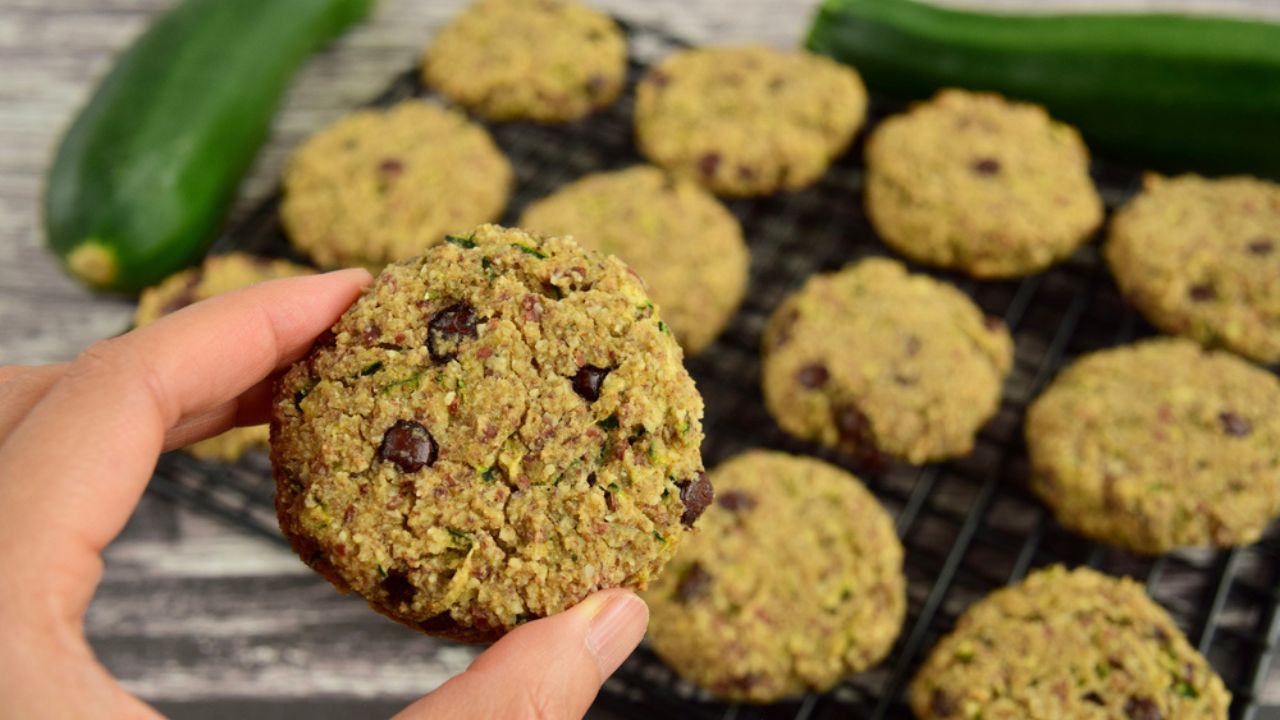
One hallmark of restaurant-quality cooking is bold, unexpected flavor combinations that surprise and delight the palate. For example, chocolate and chili, goat cheese and honey, or citrus and seafood. These pairings may seem unusual at first, but they work magic when executed thoughtfully.
Start exploring unconventional flavor matches in your cooking. A few well-considered combinations can make a dish feel new and exciting, pushing it into gourmet territory.