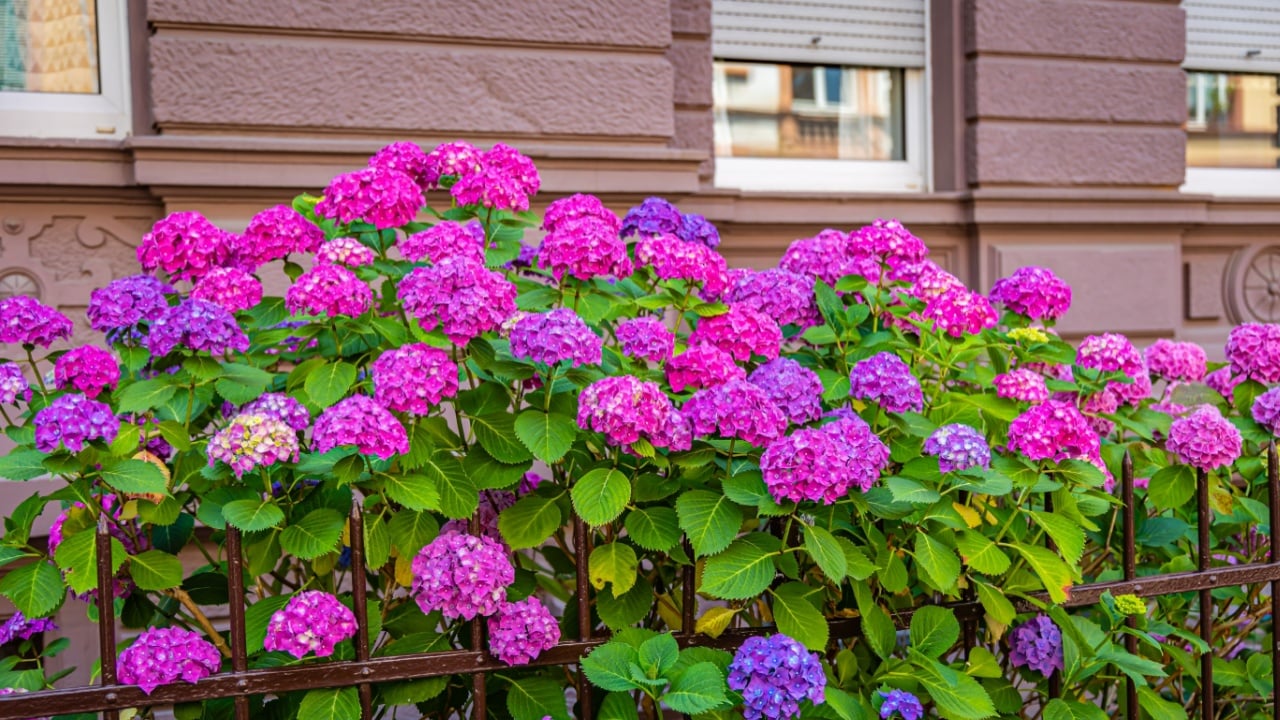
17 Easy Growing Shade Flowers That’ll Make Any Garden Stunning
Many gardeners assume that shady areas are destined to remain colorless and dull, but nothing could be further from the truth. Shade gardens offer unique opportunities to create lush, vibrant displays that rival any sunny border. These cooler, protected spaces provide refuge from harsh afternoon sun and create intimate garden rooms perfect for relaxation and contemplation.
Understanding your shade conditions is the first step to success. Partial shade receives 3-6 hours of direct sunlight daily, while full shade gets less than 3 hours. Dappled shade, created by tree canopies, offers filtered light throughout the day. Each condition supports different plant communities, giving you flexibility to create diverse, layered displays.
The flowers in this collection thrive in lower light conditions while offering extended blooming periods, unique textures, and often fragrant additions to your garden. Many also attract beneficial pollinators and wildlife, creating ecosystems that support both beauty and biodiversity. Whether you’re dealing with deep tree shade or simply want to brighten a north-facing border, these 17 flowers will transform your shady spaces into stunning focal points.
Sourced from the Experts
This article is grounded in trusted gardening resources, combining guidance from university extensions and reputable horticultural publications. We followed recommendations for shade-loving plants that grow easily from Utah State, the University of Florida, and Penn State. Plus, I used these sources to confirm care tips.
1. Primrose
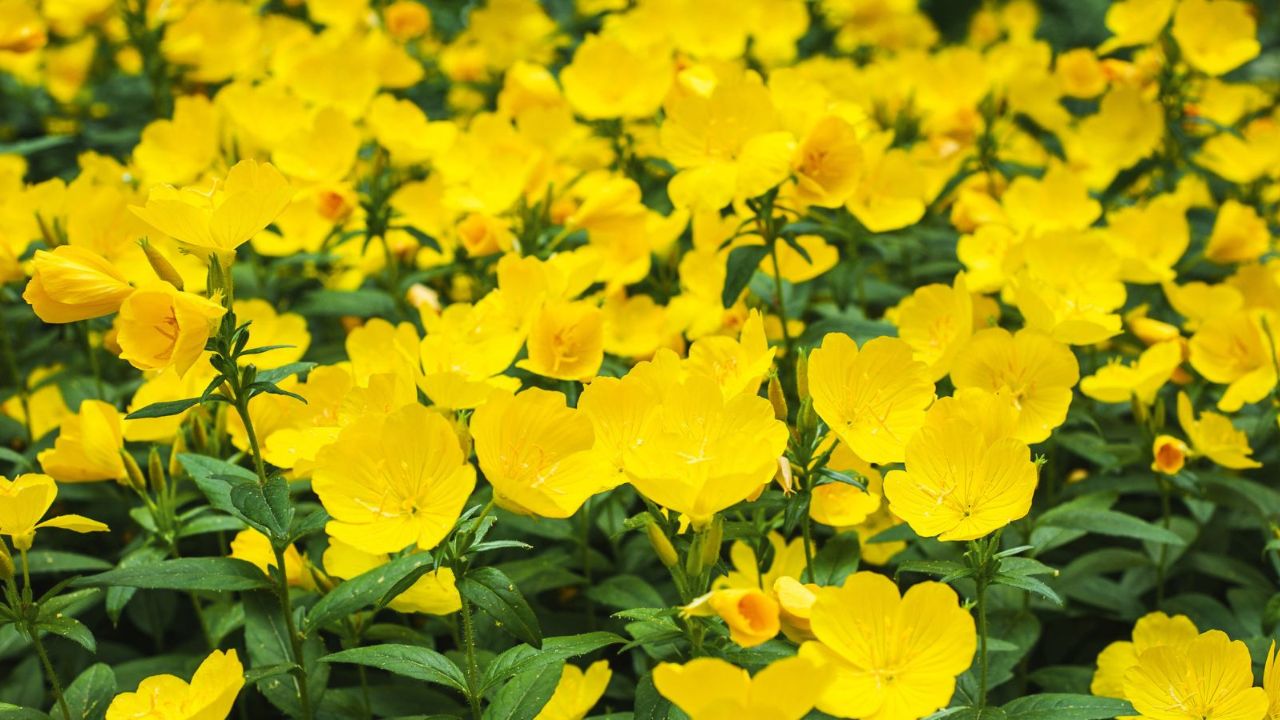
Primroses bring cottage garden charm to shady corners with their cheerful, flat-faced flowers nestled among rosettes of textured leaves. These early bloomers often push through snow to announce spring’s arrival, providing crucial early nectar for emerging pollinators when few other flowers are available.
The cool, moist conditions of partial shade protect primroses from the heat stress that would quickly wilt them in full sun. Their shallow root systems prefer the consistent moisture levels found in shaded areas, where soil doesn’t dry out as quickly as in exposed locations.
Key Characteristics
- Bloom time: Early spring through late fall in cool climates
- Height: 4-8 inches tall, spreading 6-10 inches wide
- Colors: Nearly every color except true blue, including bicolors and picotee edges
Care Tips
Plant in well-draining, humus-rich soil with consistent moisture. Divide clumps every 3-4 years after flowering to maintain vigor. In warm climates, treat as cool-season annuals and replace after blooming. Deadhead spent flowers to encourage continued blooming throughout the growing season.
2. Flowering Tobacco (Nicotiana)
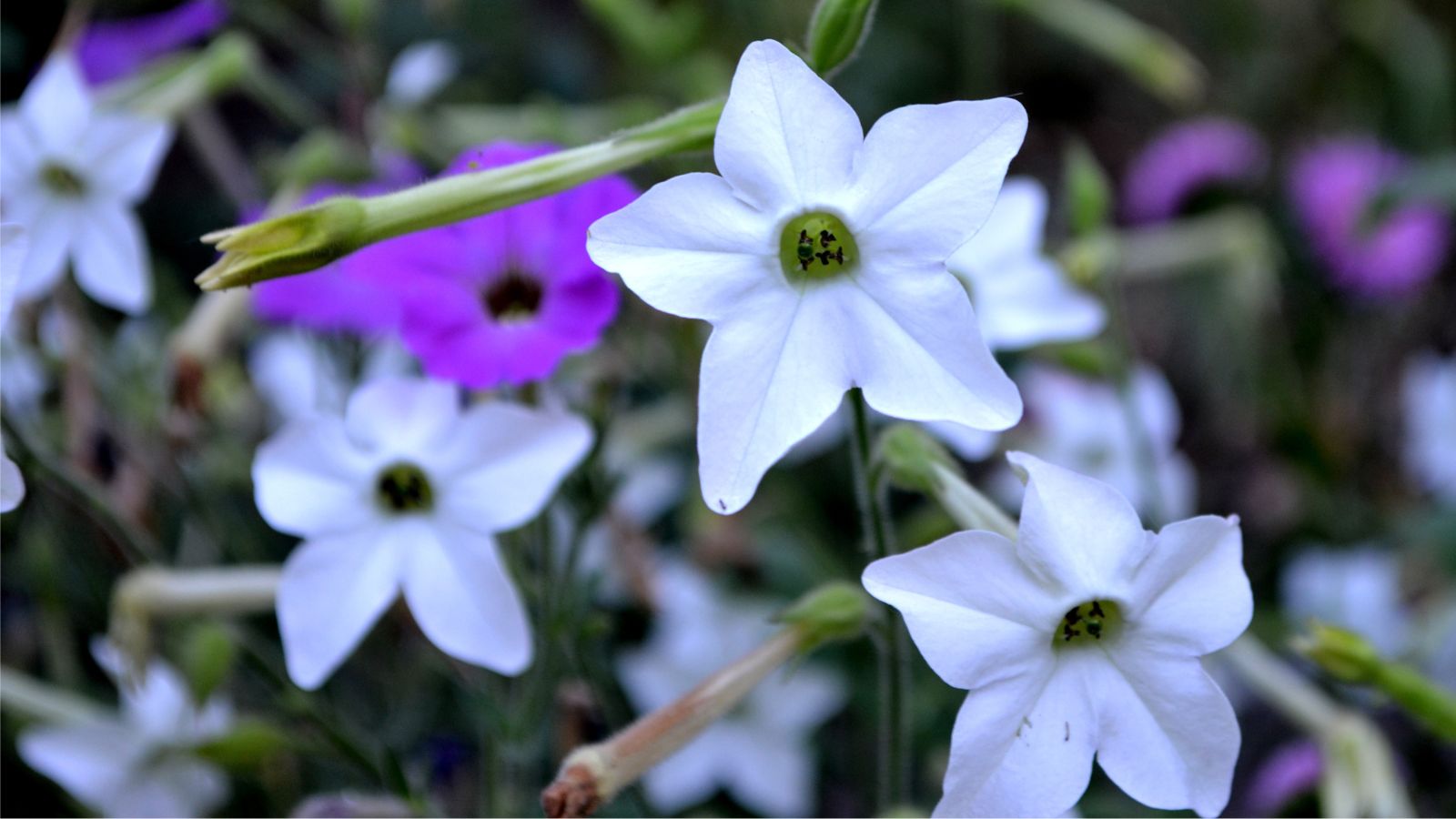
Flowering tobacco transforms evening gardens into fragrant sanctuaries with its intensely perfumed, star-shaped blooms that open as temperatures cool. These elegant annuals adapt beautifully to shade conditions, often producing better foliage color and stronger fragrance than their sun-grown counterparts.
Shade protection allows flowering tobacco to conserve energy that would otherwise be spent coping with heat stress. This redirection of resources results in more abundant flowering and longer-lasting blooms that don’t fade as quickly in the gentle light of shaded areas.
Key Characteristics
- Bloom time: Summer through frost
- Height: 12 inches to 5 feet, depending on variety
- Notable feature: Evening fragrance intensifies in shade gardens
Care Tips
Start seeds indoors 6-8 weeks before the last frost or direct seed after the soil warms. Provide consistent moisture without waterlogging. Pinch flowers for bushier growth or allow to self-seed for naturalized colonies. Tall varieties may need staking in exposed areas, but rarely require support in protected shade gardens.
3. Dwarf Crested Iris

This charming native wildflower creates carpets of delicate blue-purple blooms in early spring, thriving in the filtered light beneath deciduous trees. Its distinctive crested petals and grass-like foliage make it an elegant groundcover for naturalizing woodland areas.
The woodland heritage of the dwarf crested iris makes it perfectly adapted to shade conditions. Its early blooming schedule takes advantage of maximum light availability before tree leaves emerge, while its rhizomatous growth pattern allows it to spread efficiently in low-light environments.
Key Characteristics
- Bloom time: Early to mid-spring
- Height: 4-6 inches tall
- Spread: Forms colonies through underground rhizomes
Care Tips
Plant in well-draining soil that’s not constantly wet. This iris prefers slightly acidic conditions and benefits from leaf mold or compost additions. Divide clumps every 4-5 years after flowering. Avoid heavy fertilization, which can reduce blooming and make plants susceptible to soft rot.
4. Irish Moss
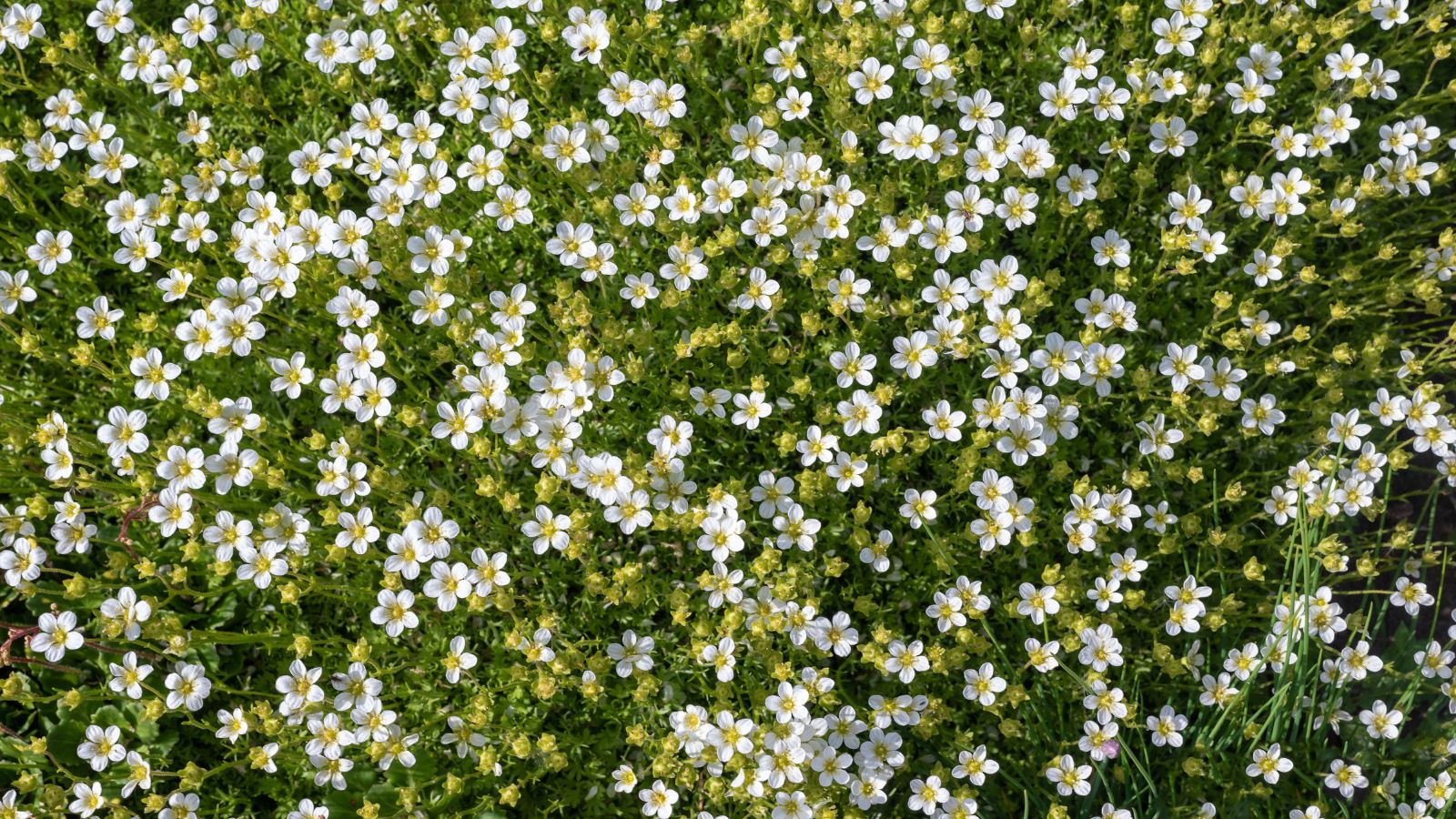
Despite its name, Irish moss isn’t actually moss but rather a low-growing perennial that forms dense, cushiony mats studded with tiny white flowers. This versatile groundcover creates living pathways and fills difficult spaces where grass won’t grow.
Its moss-like appearance and extremely low growth habit allow Irish moss to thrive in areas with minimal light penetration. The dense mat formation helps retain soil moisture while suppressing weeds, making it an ideal low-maintenance solution for challenging shade areas.
Key Characteristics
- Bloom time: Late spring through early summer
- Height: 2-4 inches tall
- Growth pattern: Dense, spreading mats
Care Tips
Plant in well-draining soil with consistent moisture. Avoid foot traffic during wet conditions to prevent crown rot. Divide sections in spring or fall to spread coverage. Water deeply but infrequently once established. Remove any debris that accumulates on the moss surface to prevent fungal issues.
5. Hardy Geranium (Cranesbill)
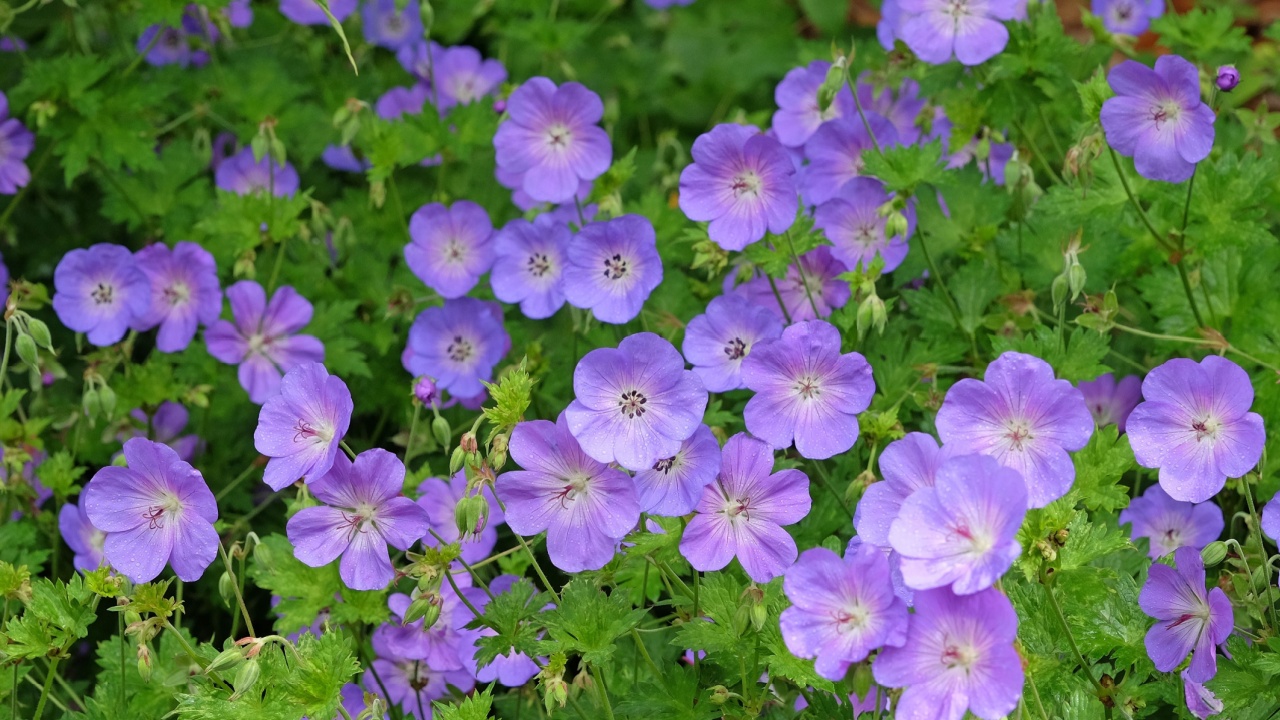
Hardy geraniums offer months of delicate blooms with deeply lobed foliage that often provides beautiful fall color. Unlike tender bedding geraniums, these true perennials return each year reliably and actually prefer the cooler conditions of partial shade.
The natural woodland habitat of many hardy geranium species makes them well-suited to shade conditions. Their ability to bloom repeatedly throughout the growing season, combined with attractive foliage, makes them valuable anchor plants for shade borders.
Key Characteristics
- Bloom time: Late spring through fall
- Height: 6 inches to 3 feet, depending on variety
- Foliage: Often aromatic and may show fall color
Care Tips
Plant in well-draining soil with moderate fertility. Cut back by one-third after the first flush of blooms to encourage repeat flowering. Most varieties are drought-tolerant once established. Divide clumps every 4-5 years in spring or fall. Self-seeding varieties can be deadheaded to prevent unwanted spread.
6. Fuchsia
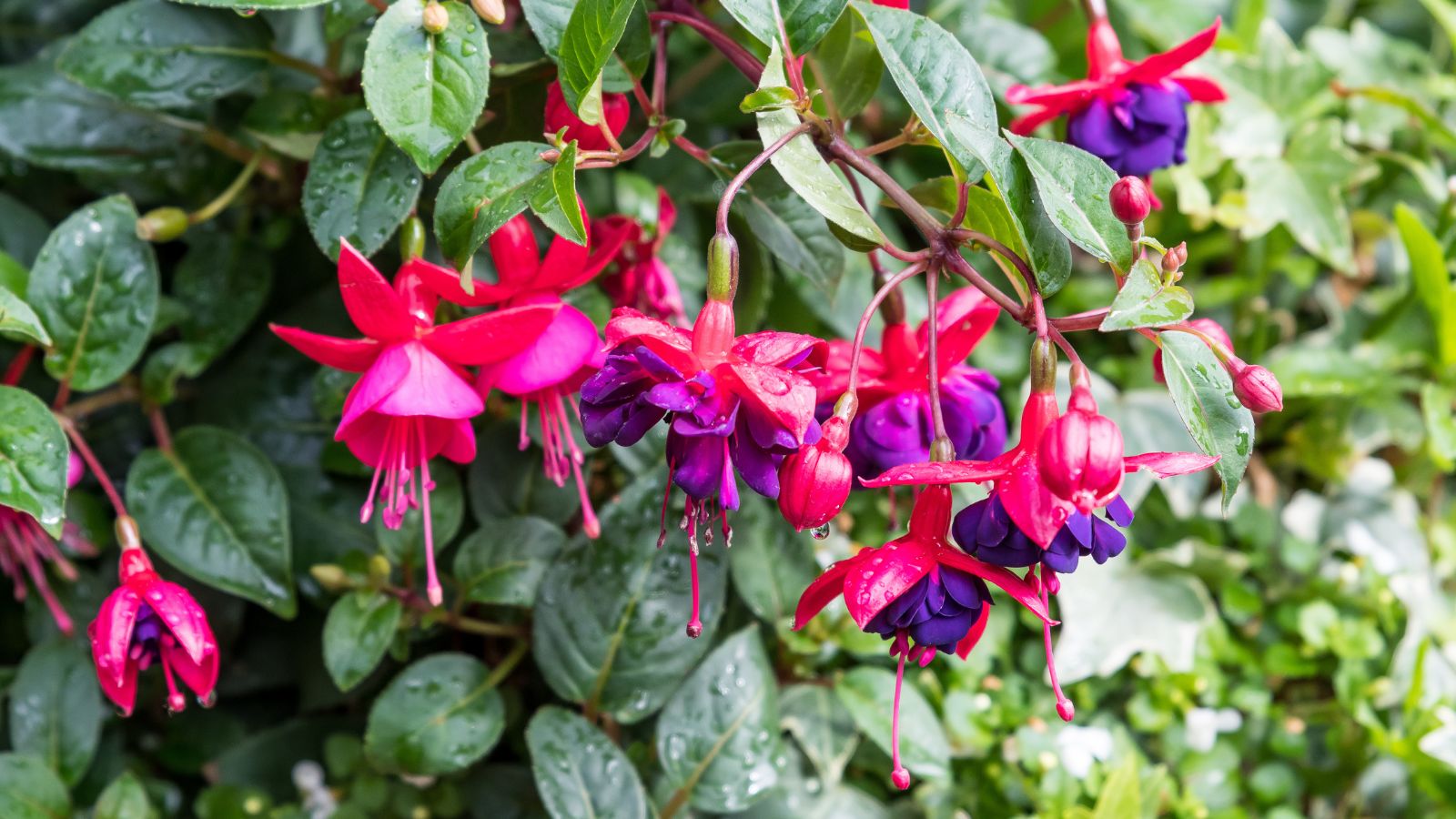
Fuchsias bring exotic elegance to shade gardens with their pendant flowers featuring contrasting sepals and petals in vibrant color combinations. These heat-sensitive plants find perfect growing conditions in the cooler environment of partial shade.
The tropical origins of most fuchsia varieties mean they’re adapted to filtered light conditions found on forest floors. Shade protection prevents the wilting and flower drop that occurs when these moisture-loving plants are exposed to hot afternoon sun.
Key Characteristics
- Bloom time: Summer through fall
- Growth habit: Trailing or upright, depending on variety
- Flowers: Distinctive pendant shape with contrasting colors
Care Tips
Keep consistently moist but not waterlogged. Feed regularly with balanced liquid fertilizer during the growing season. Pinch growing tips frequently to encourage branching and more flowering points. In cold climates, overwinter indoors or treat as annuals. Protect from strong winds that can damage delicate flowers.
7. Rex Begonia
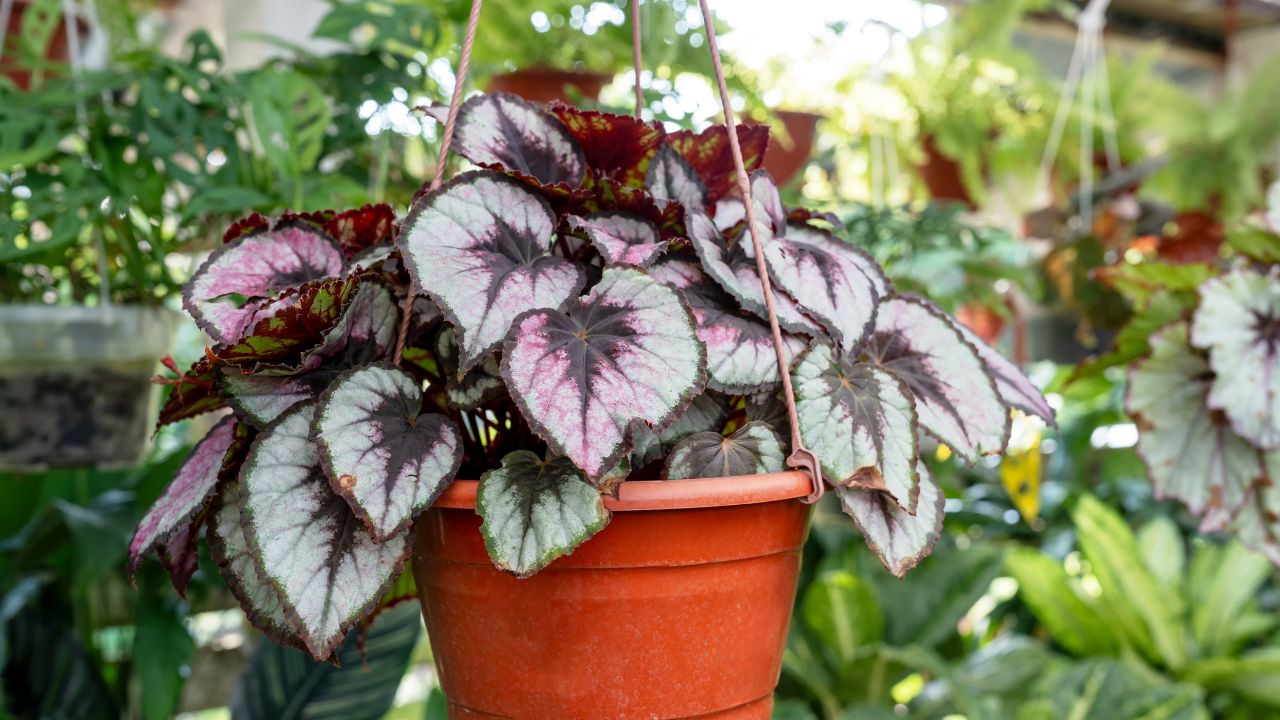
Rex begonias showcase nature’s artistry through their spectacularly patterned foliage in metallic silvers, deep purples, and vibrant reds. While grown primarily for their leaves, these plants occasionally produce delicate pink flowers that complement their dramatic foliage.
The large, thin leaves of rex begonias are perfectly designed for capturing maximum light in low-light environments. Their tropical heritage means they naturally seek the filtered light and higher humidity found in shade gardens, where they develop their most intense coloration.
Key Characteristics
- Foliage: Metallic, variegated, or solid colors with unique patterns
- Size: 8-12 inches tall and wide
- Growth habit: Clumping with rhizomatous spread
Care Tips
Provide bright, indirect light and consistent moisture without waterlogging. Use well-draining potting mix if growing in containers. Maintain humidity around plants through grouping or humidity trays. Remove any flowers that appear to direct energy into foliage development. Propagate through leaf cuttings or rhizome division.
8. Lily of the Valley
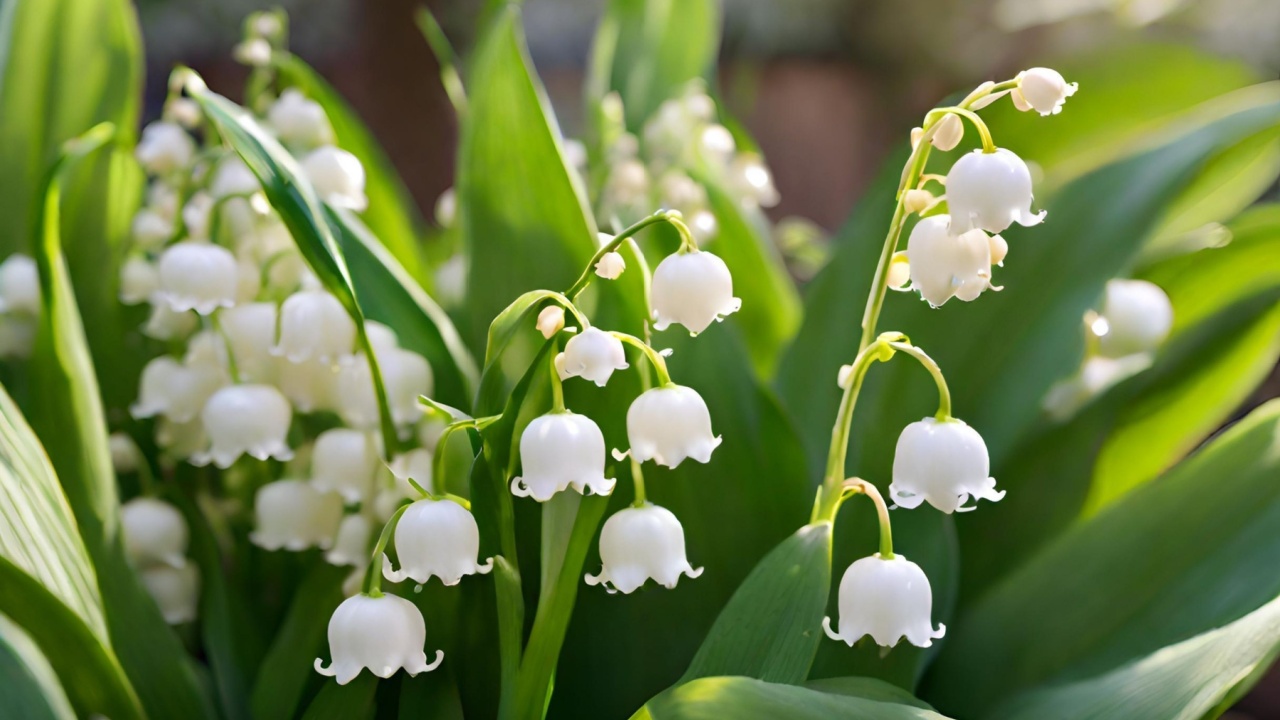
These classic shade perennials produce arching stems lined with bell-shaped white flowers that release an intoxicating fragrance on warm days. The broad, ribbed leaves create attractive groundcover even after the brief but spectacular flowering period ends.
Lily of the valley evolved in forest understories where cool temperatures and consistent moisture create ideal growing conditions. The plant’s spreading habit allows it to colonize large areas efficiently, while its early blooming schedule takes advantage of peak light availability before tree canopies fill in.
Key Characteristics
- Bloom time: Late spring for 3-4 weeks
- Fragrance: Intensely sweet, especially in the evening
- Spread: Aggressive spreader through underground rhizomes
Care Tips
Plant in rich, moist soil with good drainage. Allow to naturalize in woodland areas or contain in root barriers for formal gardens. Water deeply during dry spells. Divide colonies every few years to prevent overcrowding. Note that all parts of the plant are toxic to humans and pets.
9. Astilbe
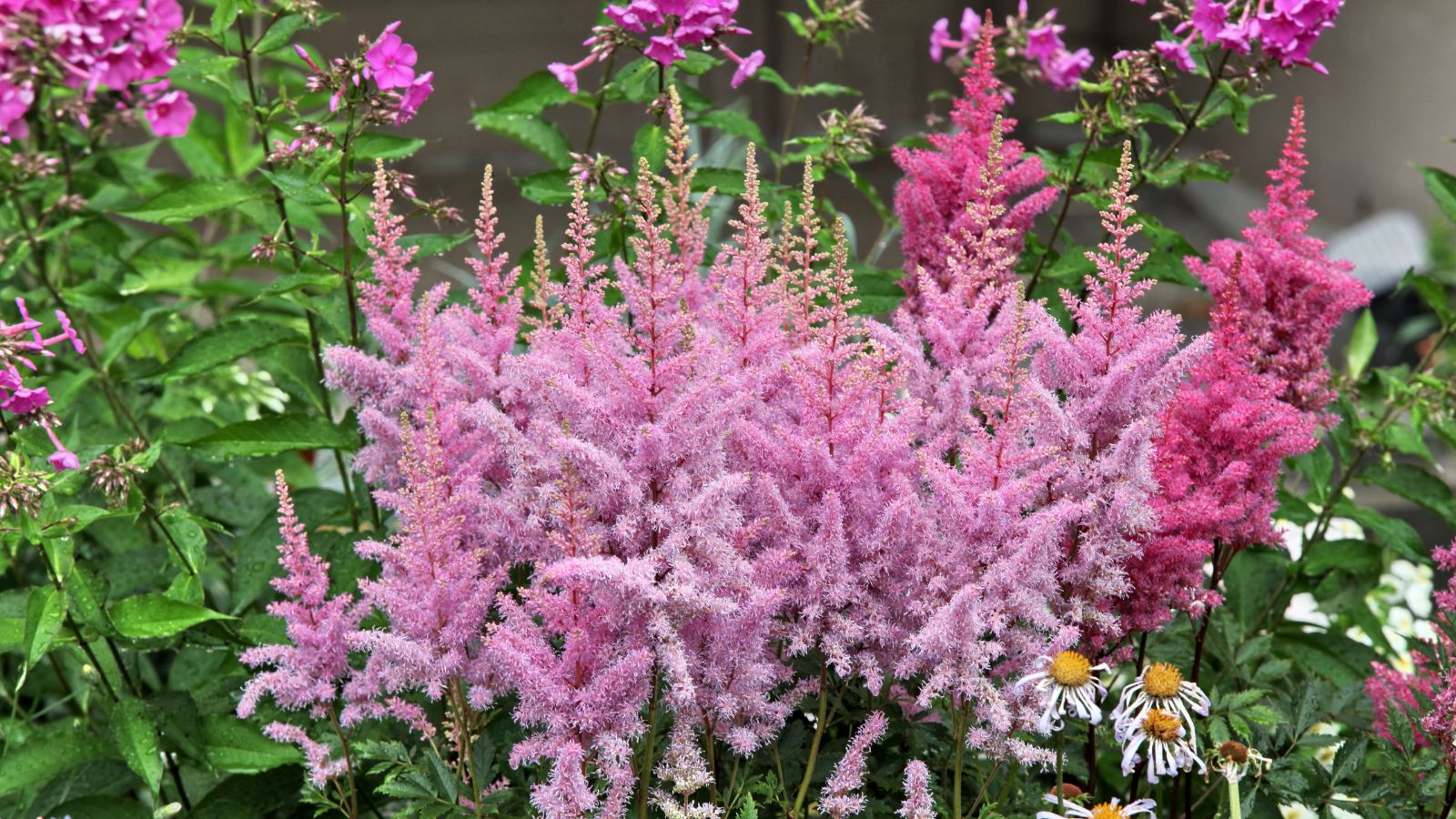
Astilbe’s feathery plumes create texture and movement in shade gardens while providing months of color in white, pink, red, and salmon tones. The fern-like foliage remains attractive throughout the growing season, making these perennials valuable for their foliage as well as flowers.
The woodland origins of astilbe make it naturally suited to shade conditions where it can access consistent moisture without battling intense heat. The cool environment allows the delicate flower plumes to last weeks longer than they would in sunny locations.
Key Characteristics
- Bloom time: Early to late summer, depending on variety
- Texture: Feathery, plume-like flower heads
- Foliage: Deeply divided, often bronze-tinted
Care Tips
Plant in rich, consistently moist soil enriched with organic matter. Provide supplemental watering during dry periods. Divide clumps every 3-4 years in early spring. Leave flower heads for winter interest, cutting back in early spring. Apply balanced fertilizer in spring as new growth emerges.
10. Heuchera (Coral Bells)
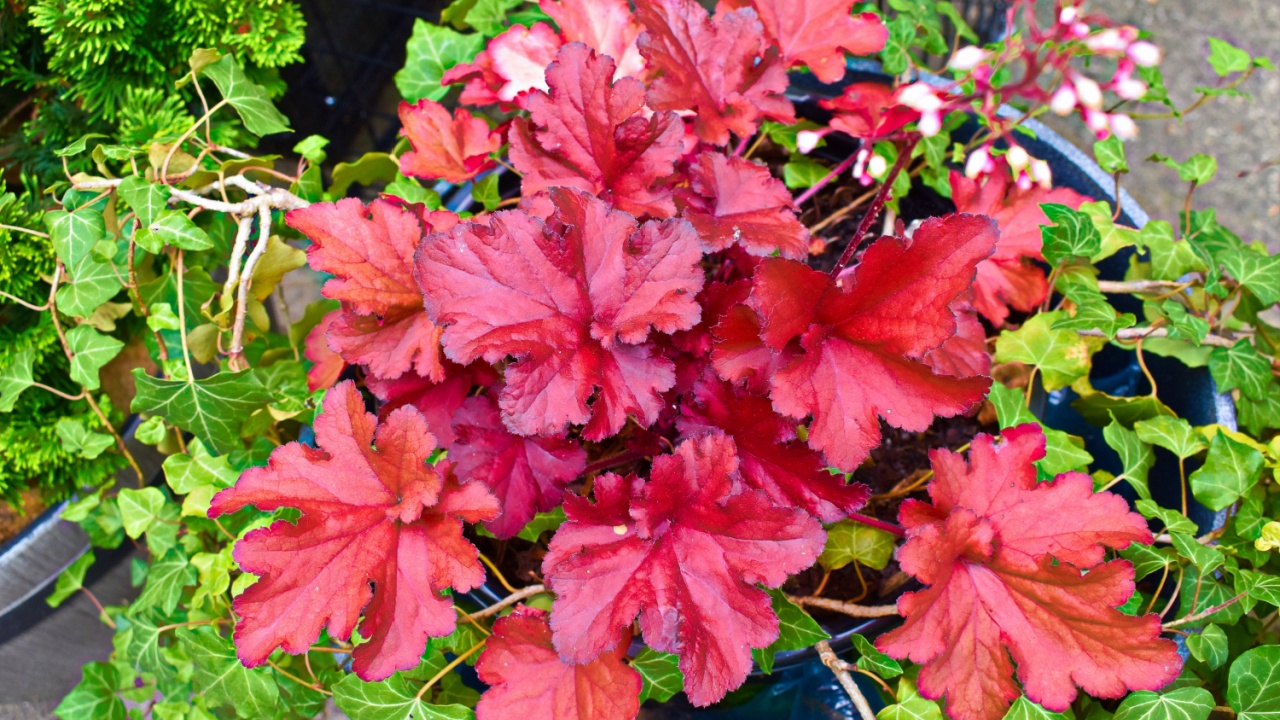
Heuchera varieties offer an incredible range of foliage colors from chartreuse to deep purple, creating year-round interest in shade gardens. The delicate flower spikes that appear in summer add vertical elements while maintaining the plant’s refined appearance.
These plants evolved in rocky, partially shaded environments where their colorful foliage helps them maximize photosynthesis in limited light conditions. The cooler temperatures of shade gardens help maintain the intense foliage colors that can fade in hot sun.
Key Characteristics
- Foliage: Available in dozens of colors and patterns
- Flowers: Delicate spikes in white, pink, or red
- Size: 6-12 inches tall, spreading slowly
Care Tips
Plant in well-draining soil,l as crown rot can be an issue in constantly moist conditions. Provide good air circulation to prevent fungal problems. Refresh plantings every 3-4 years, as older plants can become woody. Remove flower spikes after blooming unless seed collection is desired.
11. Japanese Painted Fern
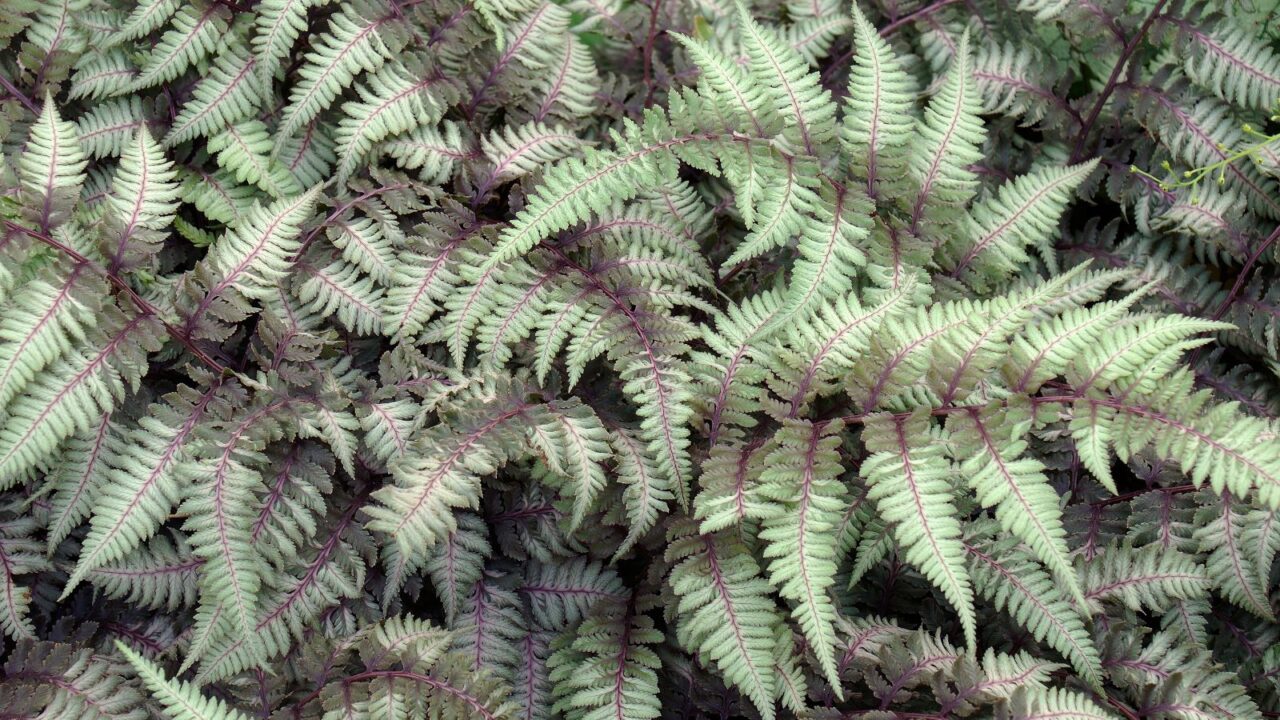
This stunning fern brings metallic beauty to the deepest shade with its silver-washed fronds accented by burgundy stems and veining. Unlike flowering plants, this fern provides consistent color and texture from spring through fall without requiring perfect growing conditions.
Japanese painted ferns thrive in the cool, humid conditions found in deep shade where their distinctive coloration develops most intensely. The filtered light enhances the metallic sheen of the fronds while protecting them from the sun damage that would brown the delicate foliage.
Key Characteristics
- Foliage: Silver with burgundy stems and veining
- Size: 12-18 inches tall and wide
- Season: Spring through frost
Care Tips
Plant in moist, well-draining soil enriched with organic matter. Provide consistent moisture but avoid waterlogged conditions. Cut back fronds after they die back in the fall. Apply slow-release fertilizer in spring. Divide clumps every 4-5 years to maintain vigor.
12. Grape Hyacinth
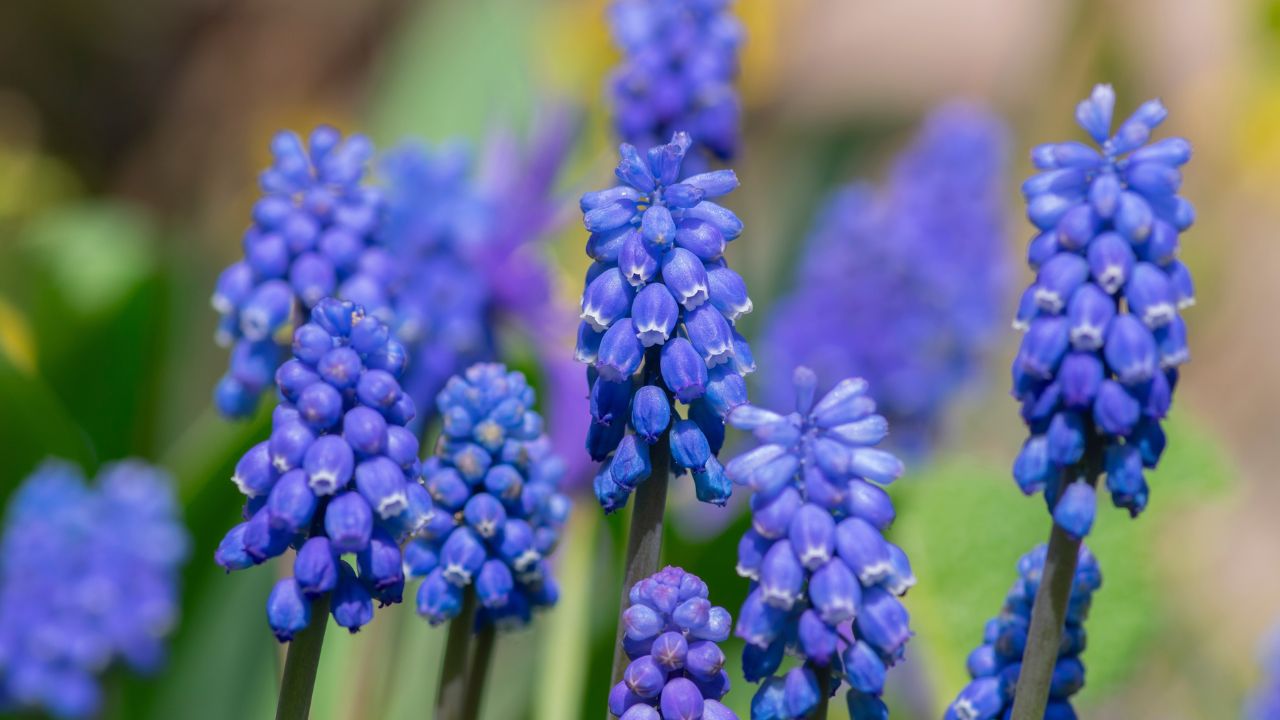
These charming bulbs produce dense spikes of tiny, bell-shaped flowers that resemble miniature grape clusters. Their early spring blooming provides essential nectar for emerging pollinators while their grass-like foliage blends seamlessly with other shade plants.
The early blooming schedule of grape hyacinths allows them to complete their growth cycle before tree shade becomes dense. Their bulbous nature stores energy for consistent performance year after year, while their small size makes them perfect for naturalizing in shade gardens.
Key Characteristics
- Bloom time: Early spring for 3-4 weeks
- Height: 4-8 inches tall
- Colors: Traditional blue, plus white and pink varieties
Care Tips
Plant bulbs in fall 3-4 inches deep in well-draining soil. Allow foliage to die back naturally to feed next year’s bulbs. These bulbs naturalize readily and may need control measures in formal gardens. Divide overcrowded colonies every 5-6 years.
13. Foamflower (Tiarella)

Foamflower creates delicate spikes of pink or white flowers above heart-shaped leaves that often feature attractive bronze or red markings. This native wildflower spreads gently to form colonies that light up the darkest corners of shade gardens.
The woodland heritage of foamflower makes it exceptionally well-adapted to shade conditions. Its ability to bloom in very low light situations, combined with evergreen foliage in mild climates, makes it invaluable for year-round garden structure.
Key Characteristics
- Bloom time: Mid to late spring
- Foliage: Heart-shaped with attractive markings
- Spread: Gentle spreading through runners
Care Tips
Plant in moist, humus-rich soil with good drainage. Avoid fertilizing, as rich conditions can reduce flowering. Divide colonies every few years to prevent overcrowding. In warmer climates, provide extra moisture during the summer months. Remove spent flower spikes to maintain a neat appearance.
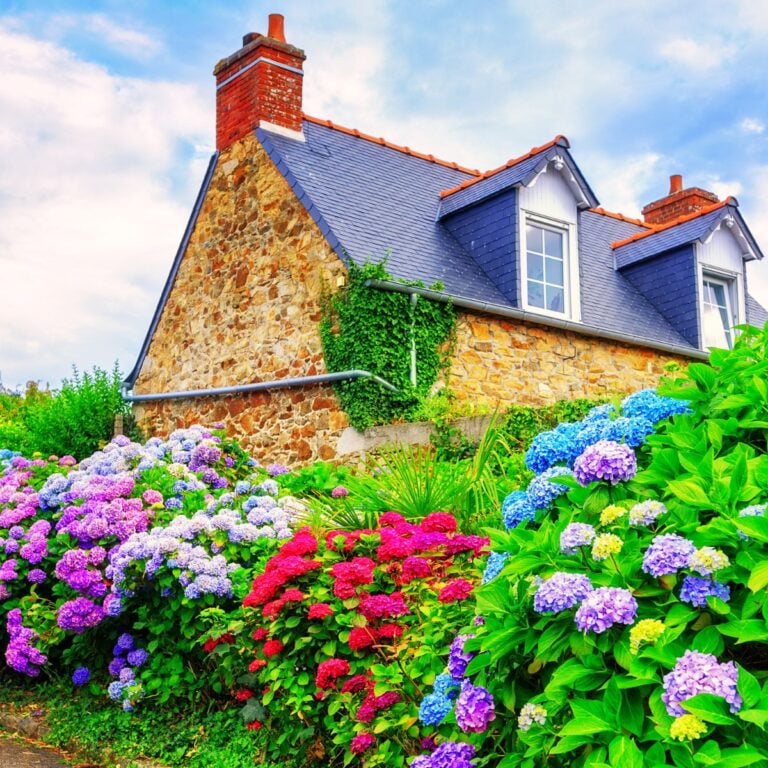
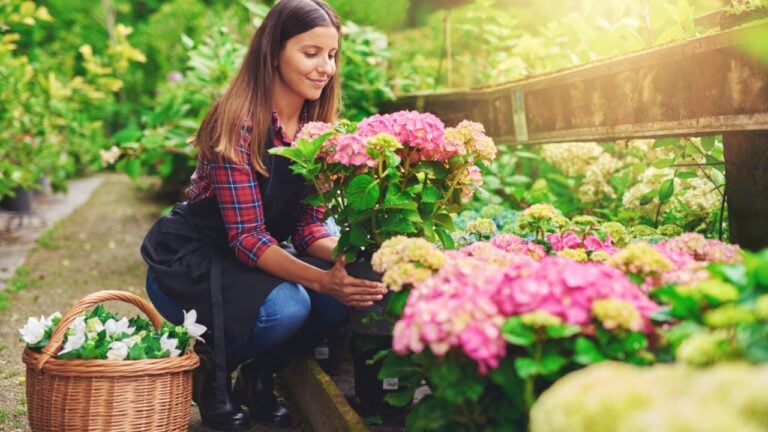
14. Bigleaf Hydrangea

These iconic shrubs produce large, showy flower heads that change color based on soil pH, creating dynamic displays that evolve throughout the growing season. The substantial size and long blooming period make them anchor plants for shade garden designs.
Morning sun followed by afternoon shade provides ideal conditions for hydrangeas, protecting the large leaves from wilting while providing enough light for abundant flowering. The cool, moist environment of shade gardens mimics their native woodland habitats.
Key Characteristics
- Bloom time: Mid-summer through fall
- Flower size: 6-12 inches across
- Color change: pH dependent – acidic soil produces blue, alkaline soil creates pink
Care Tips
Plant in rich, consistently moist soil with good organic content. Mulch heavily to maintain soil moisture. Avoid pruning in fall or early spring as flower buds form on old wood. Adjust soil pH with sulfur (for blue) or lime (for pink) if a color change is desired.
15. Caladium
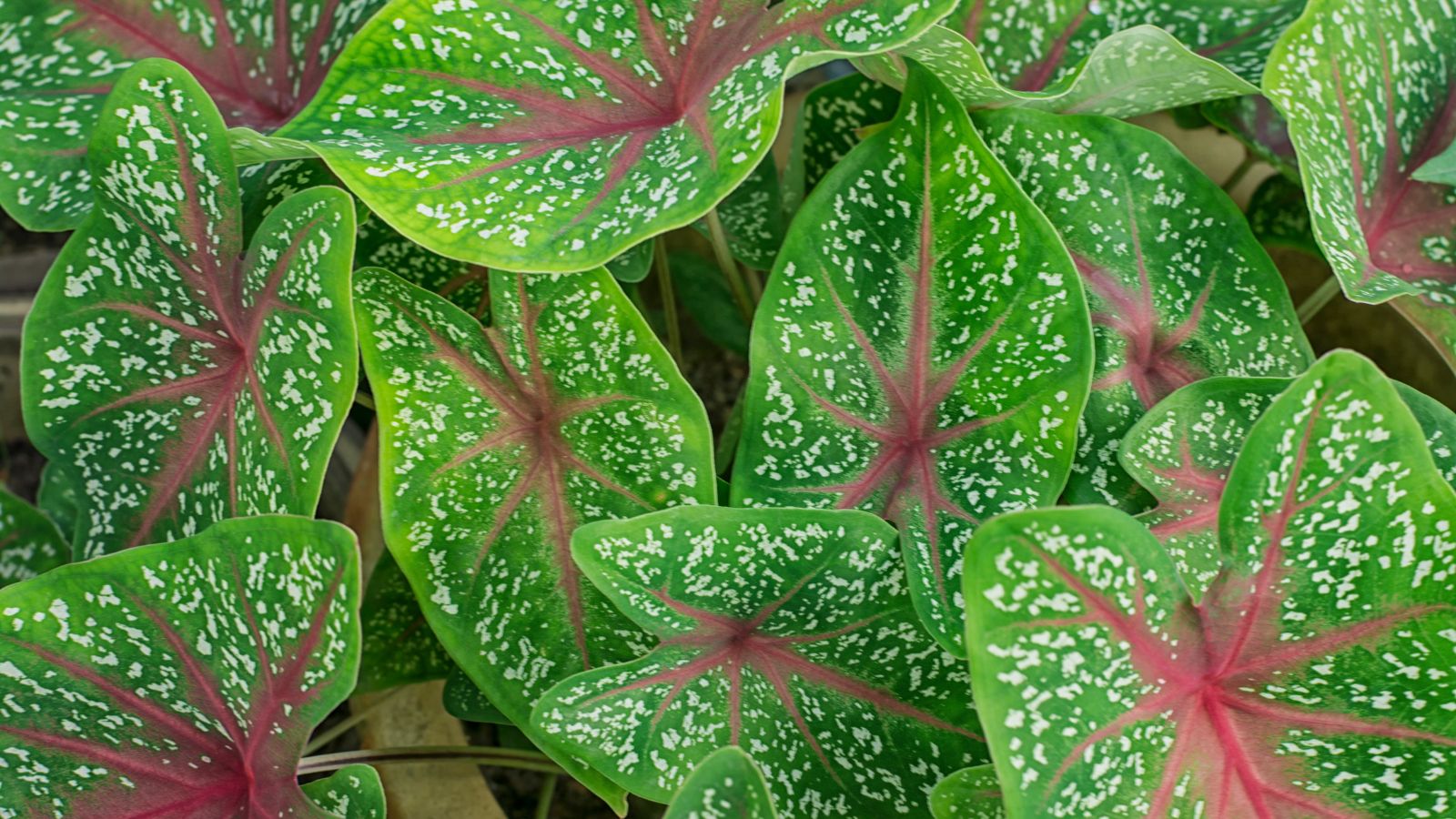
These tropical beauties bring bold, colorful foliage to shade gardens with their heart-shaped leaves in stunning combinations of pink, white, red, and green. While grown for foliage rather than flowers, caladiums create a dramatic impact in shaded areas where few other plants can match their intensity.
Caladiums evolved in tropical forest understories where they developed their large, thin leaves to capture maximum light in low-light conditions. The shade protection prevents leaf scorch while maintaining the vibrant colors that fade in bright sunlight.
Key Characteristics
- Foliage: Heart-shaped leaves in brilliant color combinations
- Size: 12-24 inches tall and wide
- Growth habit: Clumping from underground tubers
Care Tips
Plant tubers after the soil warms to 70°F in rich, well-draining soil. Maintain consistent moisture throughout the growing season. In cold climates, dig tubers before the first frost and store them indoors over winter. Feed monthly with balanced liquid fertilizer during active growth.
16. Torenia (Wishbone Flower)

Torenia produces masses of small, orchid-like flowers with distinctive wishbone-shaped stamens that give the plant its common name. These heat-sensitive annuals perform exceptionally well in shade gardens where they can bloom continuously from spring through fall.
The delicate flowers of torenia would quickly fade and drop in hot sun, but shade protection allows them to maintain their intensity and continue producing new blooms. The cooler temperatures also help preserve the bicolor patterns that make these flowers so distinctive.
Key Characteristics
- Bloom time: Spring through frost
- Flower shape: Small orchid-like blooms with wishbone stamens
- Colors: Purple and white, pink and white, or solid colors
Care Tips
Start seeds indoors 8-10 weeks before the last frost or purchase plants after the danger of frost passes. Plant in rich, consistently moist soil. Pinch growing tips when 4 inches tall to encourage branching. Deadhead spent flowers regularly to maintain continuous blooming.
17. Ajuga (Bugleweed)
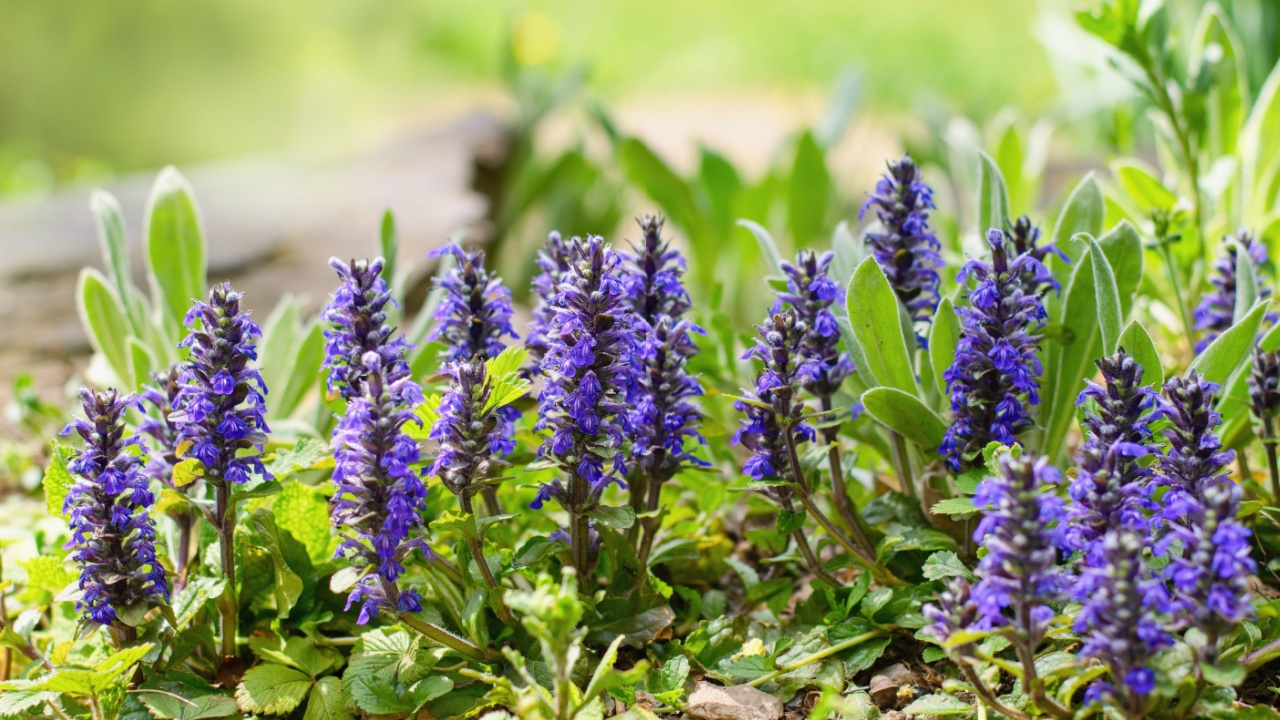
Ajuga forms dense carpets of glossy foliage topped with spikes of blue, purple, or white flowers in late spring. This vigorous groundcover thrives in challenging shade conditions where grass struggles to grow, creating a living mulch that suppresses weeds naturally.
The low-growing, spreading habit of ajuga makes it perfectly suited to capturing limited light in shade gardens. Its ability to bloom reliably even in deep shade, combined with attractive year-round foliage, makes it invaluable for difficult areas.
Key Characteristics
- Bloom time: Late spring to early summer
- Height: 4-6 inches tall, spreading indefinitely
- Foliage: Glossy, often bronze or variegated
Care Tips
Plant in any well-draining soil – ajuga tolerates poor conditions once established. Control spread through regular edging or root barriers in formal gardens. Thin overcrowded areas to improve air circulation and prevent crown rot. Requires minimal care once established, but benefits from occasional division.
Creating Your Perfect Shade Garden
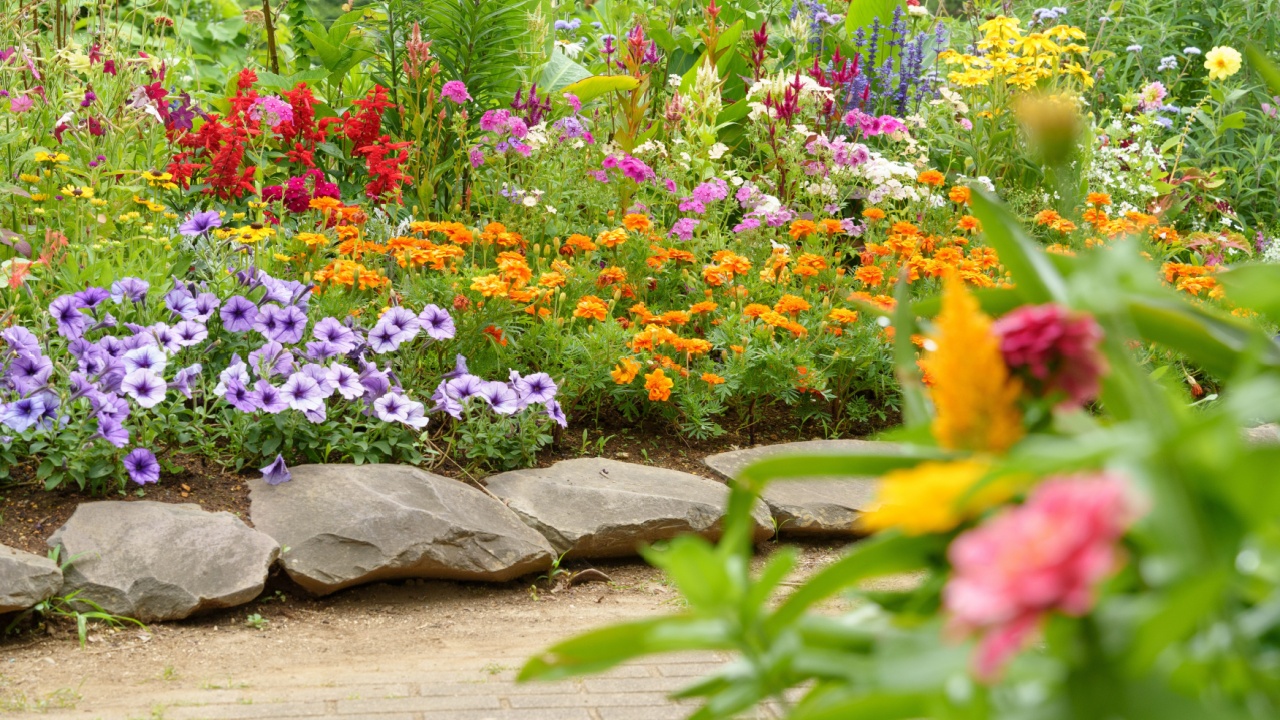
Success with shade flowers depends on understanding your specific growing conditions and choosing plants that naturally thrive in those environments. Start by observing your shade patterns throughout the day and across seasons, noting how deciduous tree coverage affects light levels.
Soil preparation is crucial in shade gardens where tree roots often compete with flowers for nutrients and moisture. Improve heavy clay soils with organic matter to enhance drainage, and enrich sandy soils with compost to improve moisture retention. Many shade plants prefer slightly acidic conditions, so test your soil pH and amend accordingly.
Layer your plantings for maximum impact, using taller shrubs like hydrangeas as backdrops, medium-height perennials like astilbe for structure, and low groundcovers like ajuga to tie everything together. This approach creates depth and interest while ensuring each plant receives appropriate light levels.
Remember that shade gardens often provide more comfortable growing conditions for both plants and gardeners. The cooler temperatures mean less frequent watering, reduced pest pressure, and more comfortable working conditions during summer months. Embrace the unique opportunities that shaded spaces provide, and you’ll discover that some of gardening’s most rewarding experiences happen in the gentle light of shade gardens.
Read more:
Your Grandmother Never Bought a Bouquet. Here Are the 12 Flowers She Grew For Cutting Instead
16 Endangered Flowers You Can Plant in Your Own Yard