18 Amish Gardening Habits That Make Sense
Farming has always been the foundation of human survival, but the methods used to cultivate the land have changed dramatically over time. Modern technology has brought enormous machines, chemical fertilizers, and quick methods of crop production, but the question remains: Does this make the soil healthier, or does it actually weaken it? In truth, only time will tell. Yet, this is where the wisdom and traditions of the Amish community come in, as they have spent centuries perfecting simple but highly effective methods of farming and soil care.
What the Amish do differently is not just a matter of technique but also of philosophy. Their relationship with the land is based on respect, patience, and observation of natural cycles, not on exploiting resources for short-term gain (like some, not all, large-scale farming operations). While many modern farmers think in terms of yearly profits, the Amish think in terms of generations: how to keep the soil fertile and provide food for their children and grandchildren. That is why their methods are noteworthy, even in a world obsessed with innovation.
Many of these secrets are not mysteries but practical, time-tested principles that can be applied to both large and small farms. Each has a clear purpose and reasoning behind it, but all share the same ultimate goal: healthier soil, stronger crops, and sustainable farming for the long run. If you want to discover Amish secrets that can completely change the way you see farming, keep reading. What follows might transform your perspective on agriculture forever.
Modern Farming vs. Amish Traditions: They Might Have More in Common Than You Think

For simplicity of the article, we cover general truths. However, “the Amish” we refer to can vary widely by region, church district, and family. In reality, many of the practices we are about to review aren’t exclusive to Amish farms. They are a part of sustainable farming that we can all embrace.
Most of the traditions explained in this article are widely promoted by University Extensions and the USDA for all farms.
1. Crop Rotation as a Fundamental Strategy
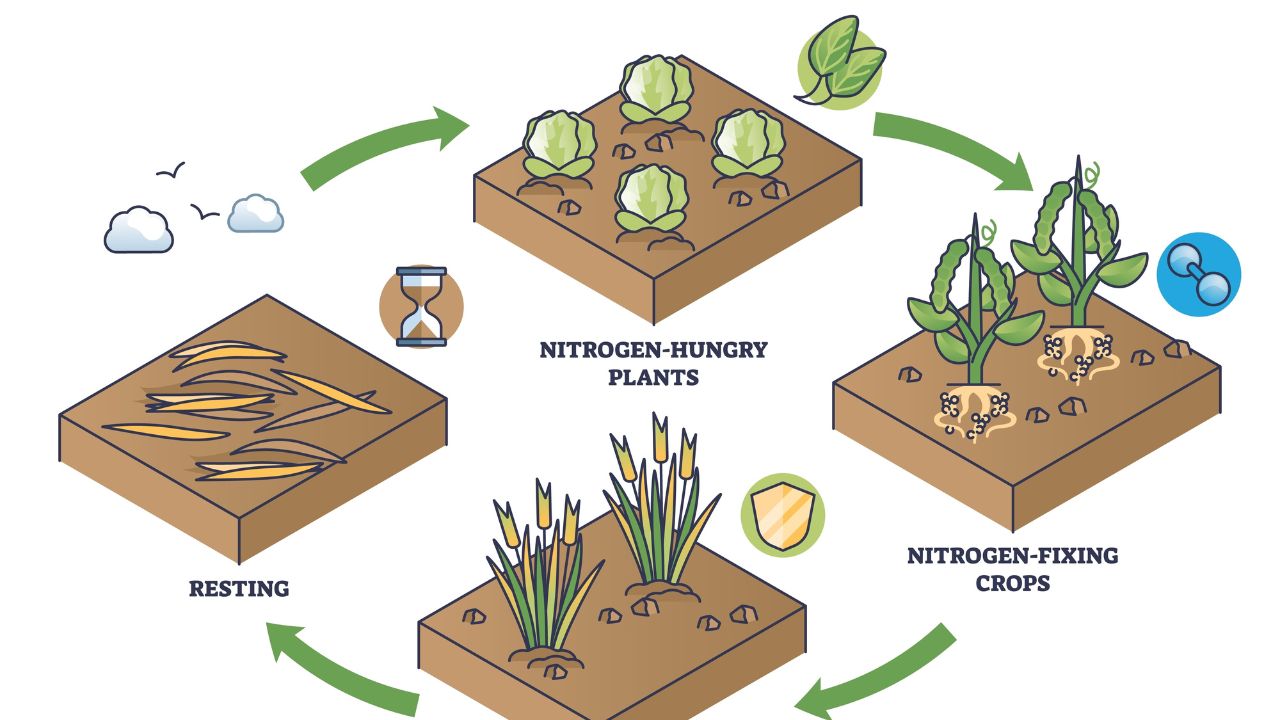
Important for small and large-scale farms, crop rotation is important even for a small plot of land (per the USDA, over 80% of commercial farms do this). The Amish never plant the same crop on the same plot of land year after year (just as no one should!). Instead, they rotate crops carefully, ensuring the soil remains fertile and balanced. Each plant contributes different nutrients and takes different elements from the soil, preventing depletion and reducing disease. This practice keeps the land strong and ensures consistent harvests.
In contrast, monoculture farming drains the soil and makes crops more vulnerable to pests and weather shifts. By rotating crops, Amish farmers naturally break pest cycles and improve soil fertility without chemicals. It is a long-term investment in productivity rather than a short-term gain. This simple principle can radically improve any farm’s sustainability.
2. Using Manure as Natural Fertilizer
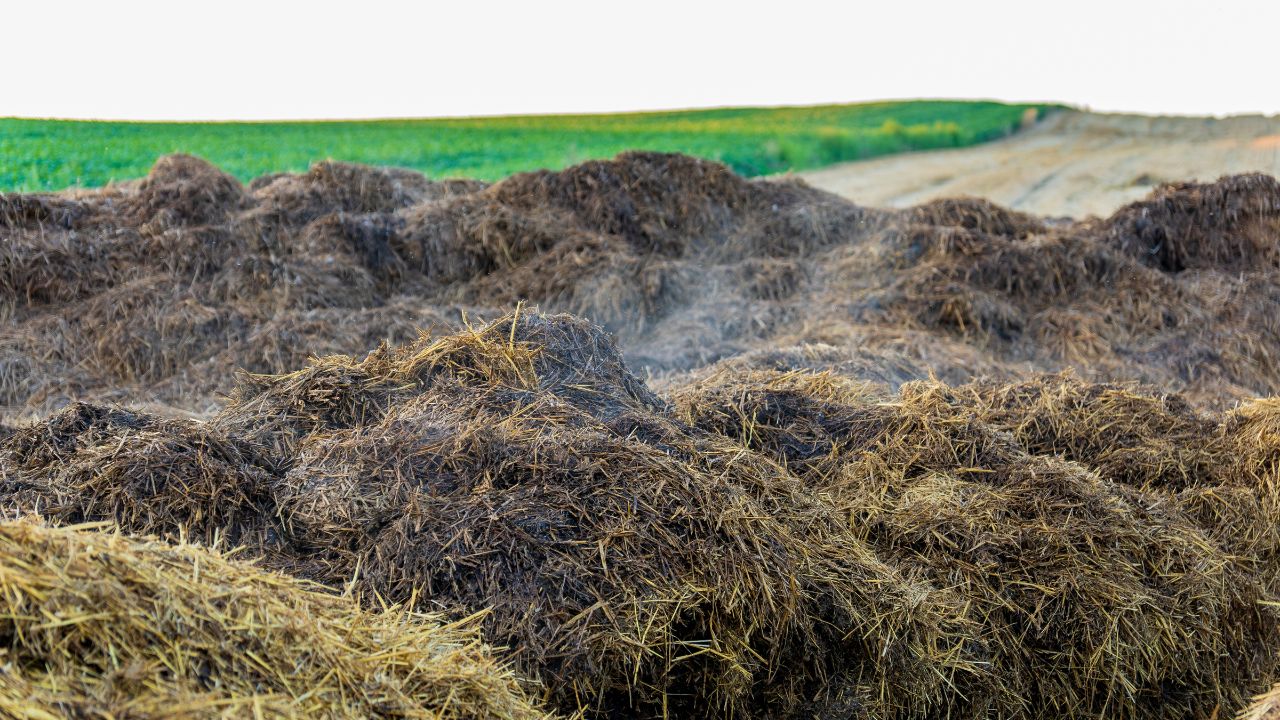
Some Amish farmers rely heavily on livestock manure to enrich their fields. This organic matter is full of nutrients that feed plants while improving soil structure. Unlike synthetic fertilizers, manure breaks down slowly, providing nourishment over time. It also recycles farm waste, turning by-products into resources.
Modern farms might rely on chemical fertilizers that bring fast results but long-term damage. The Amish approach strengthens soil health and keeps ecosystems balanced. Manure builds organic matter, which increases soil fertility for future generations. This method proves that old-fashioned practices can outperform modern shortcuts.
3. Horse-Powered Farming

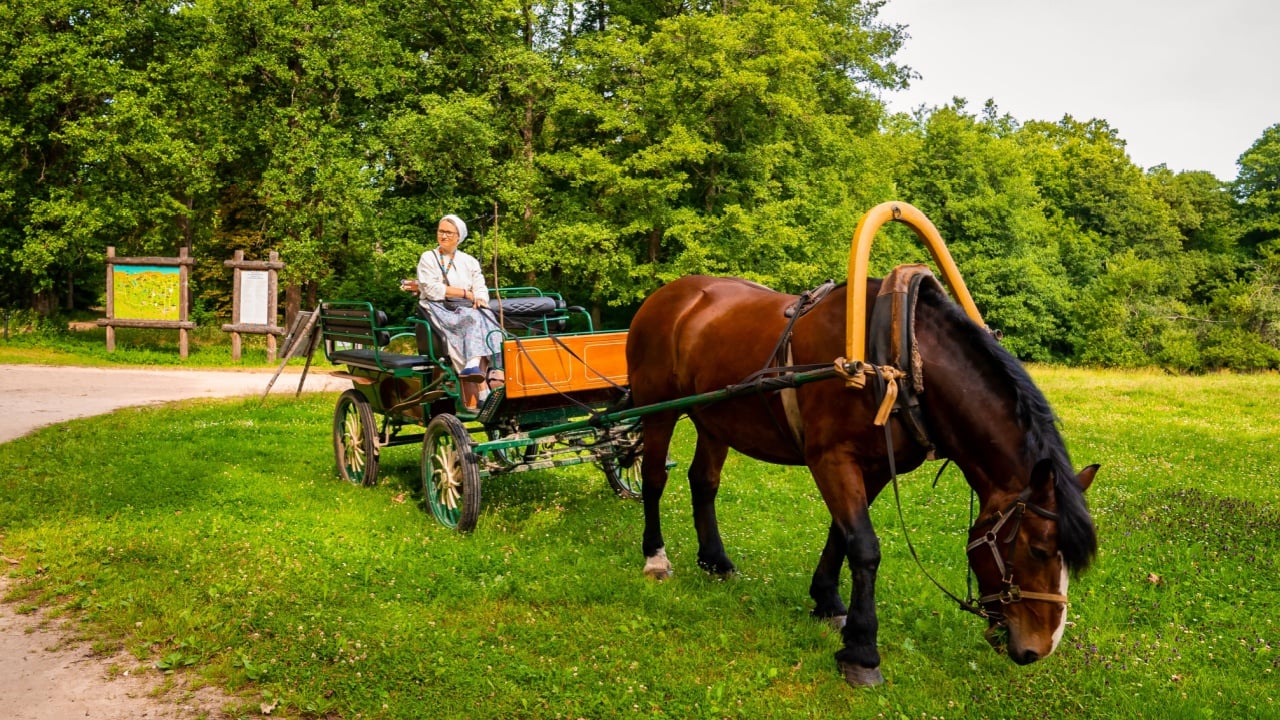
Instead of massive tractors, some Amish continue to use horses and mules for fieldwork (although some have adopted heavy equipment just like modern farms). This method reduces deep soil compaction, which heavy machinery often causes. Healthier, looser soil means better water retention and stronger root development for crops. Working animals also connect the farmer directly with the land.
While slower than machines, horses offer sustainability and self-reliance. Farmers avoid fuel costs and dependency on modern equipment. The soil remains healthier, and small-scale farming becomes more manageable.
4. Hand Tools and Skilled Labor
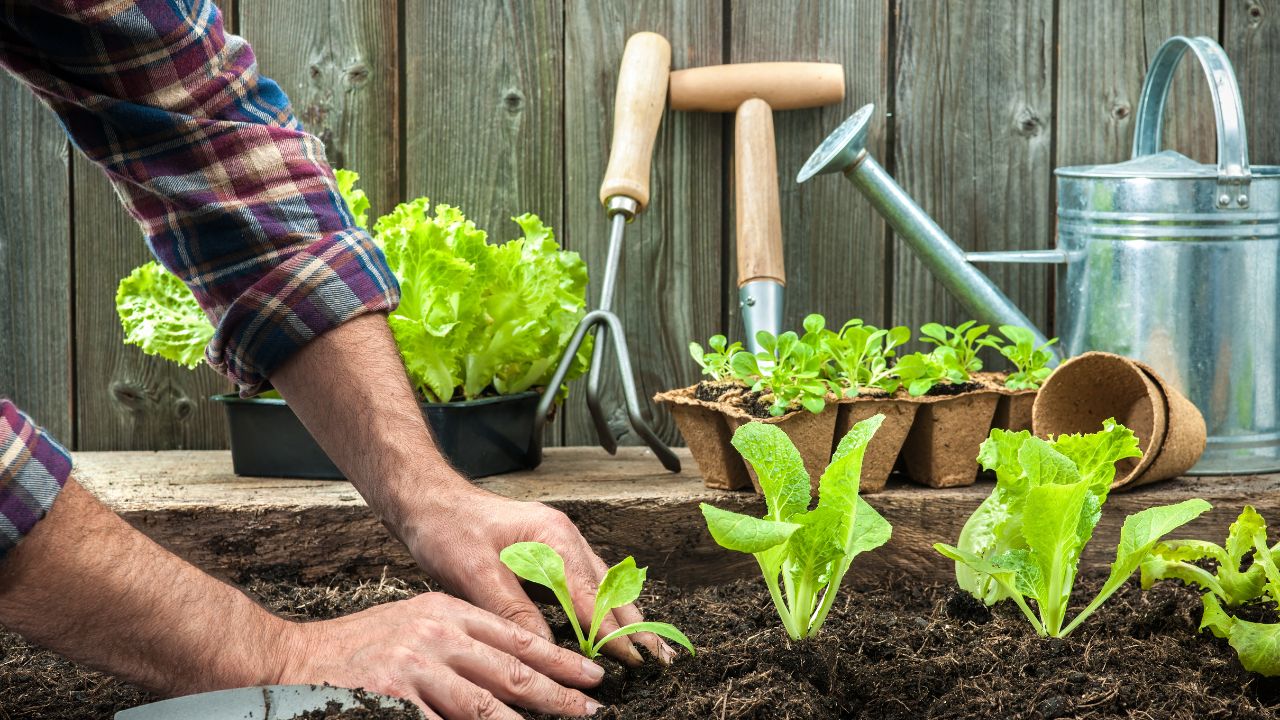
Amish farming is often characterized by skilled manual labor using simple, durable tools. This creates precision in planting, weeding, and harvesting, which reduces waste and damage to plants. Hand tools also allow farmers to notice problems early and respond quickly. The human touch ensures healthier crops and stronger yields.
Industrial farming traditionally relies on machines that prioritize speed over detail. This often leads to wasted harvests and damaged soil. Their approach blends craftsmanship with farming in a way that modern systems often overlook.
5. Building Community Through Farming
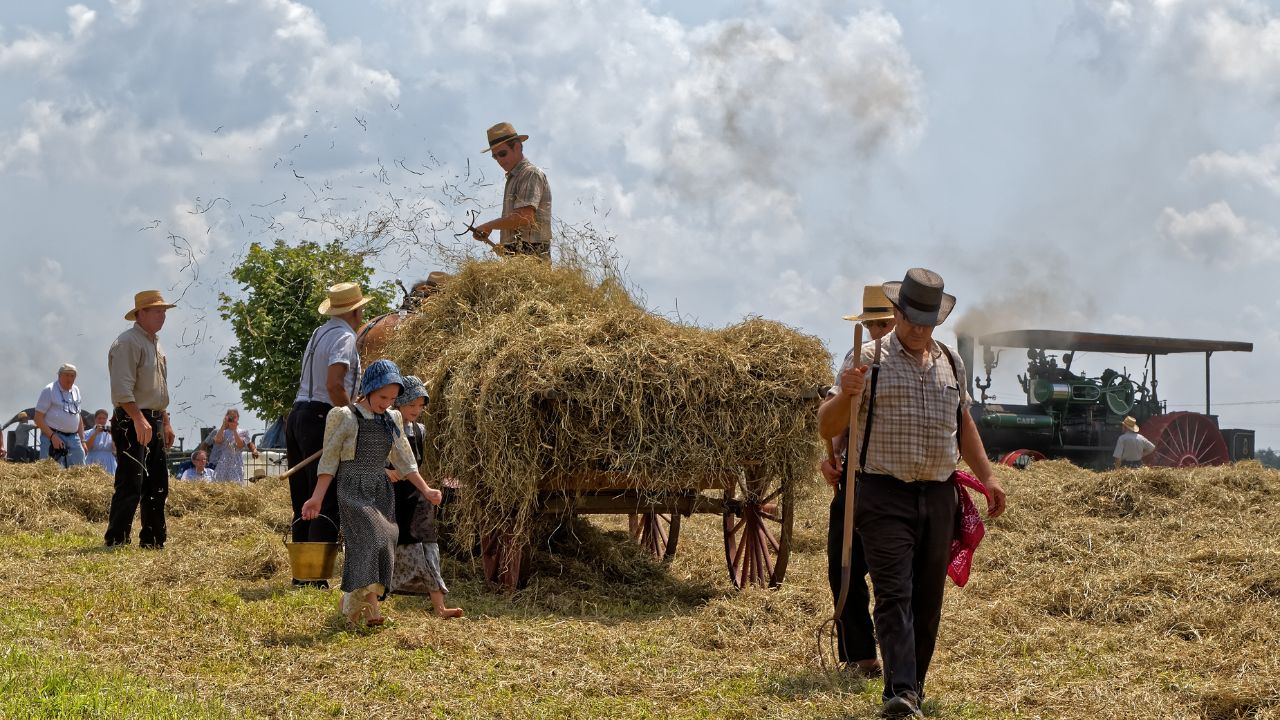
For the Amish, farming is never an individual activity. Families and neighbors often work together during planting and harvesting seasons. This collaboration builds strong communities and ensures that no farm fails in isolation. Shared labor strengthens social bonds as much as it strengthens fields.
Modern agriculture often isolates farmers, making them dependent only on markets and machinery. Amish practices show that farming thrives when people support each other. Community-based farming creates resilience against crises. This principle is as much about people as it is about soil.
6. Cover Crops for Soil Protection
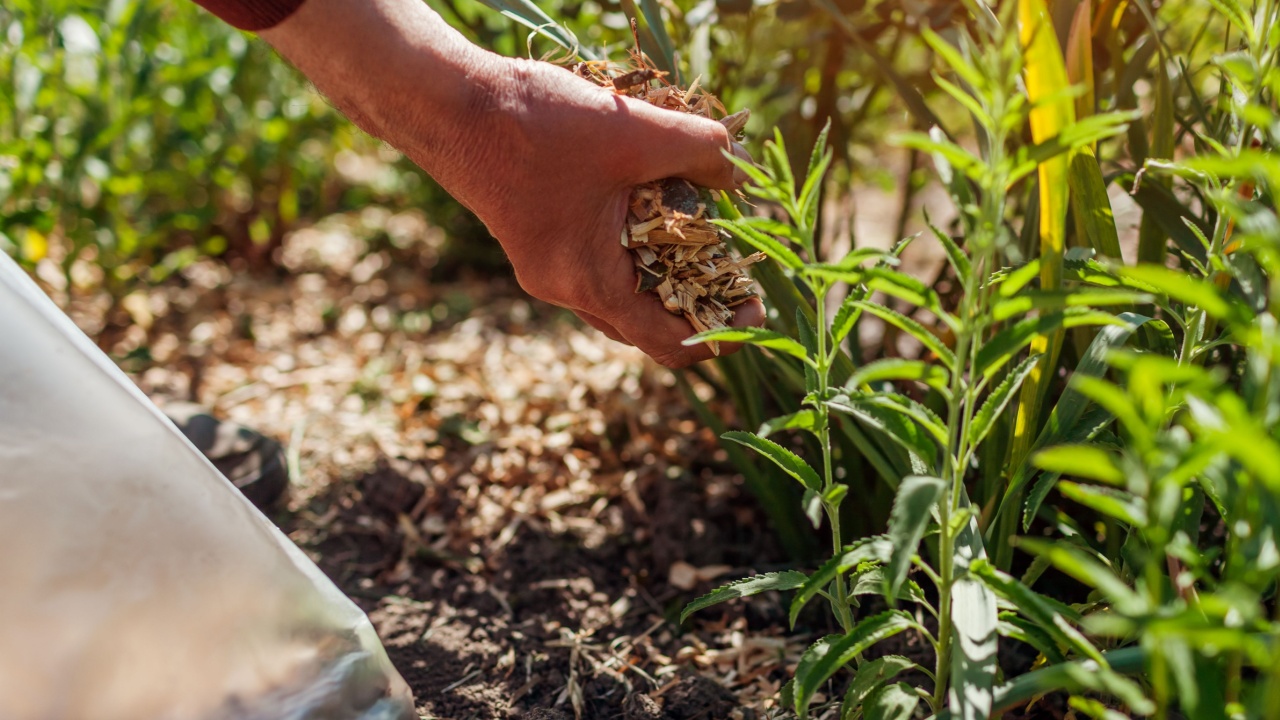
The Amish plant cover crops like clover and rye between main crops. These plants protect the soil from erosion and add nutrients back into the ground. They prevent weeds from spreading and improve soil structure naturally. Cover crops act as a living shield that keeps land fertile year after year.
Without cover crops, bare fields lose nutrients and become vulnerable to wind and water damage. Many modern farms skip this step in pursuit of speed. The Amish prove that patience and preparation lead to stronger harvests. This practice creates healthier fields for the long run.
7. Saving and Replanting Seeds

Seed saving is a tradition that keeps Amish farms independent. Instead of buying new seeds every season, they preserve the best from previous harvests (from self-pollinators, not hybrids). This creates plants adapted to local soil and climate conditions. Over time, seeds become stronger and more resilient.
Modern agriculture largely depends on commercial seed companies and hybrid varieties. This creates dependency and reduces diversity. The Amish show that saving seeds preserves both tradition and sustainability. It is a practice that empowers farmers and strengthens biodiversity.
8. Avoiding Debt Through Simplicity
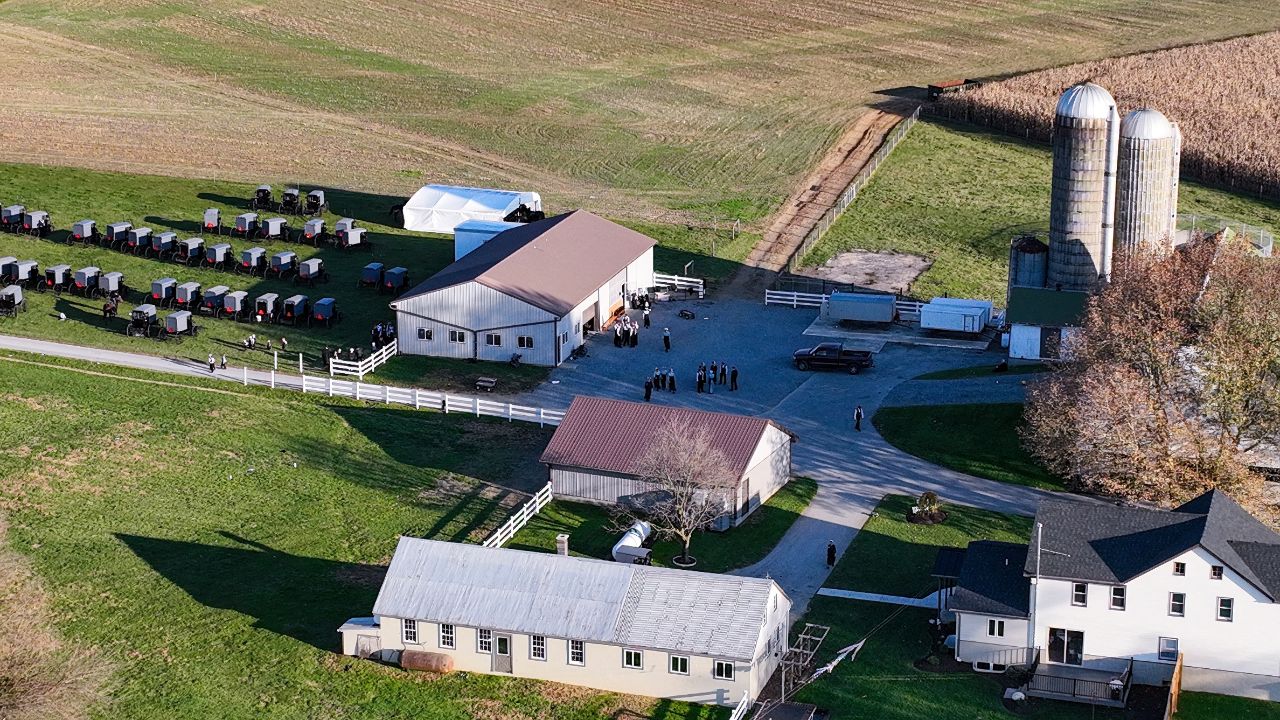
In general, Amish carefully avoid debt, building farms within their means. They grow gradually, expanding only when resources allow. This shields them from financial crises that often destroy modern farms. By staying debt-free, they maintain independence and control.
Modern agriculture often pushes farmers into heavy loans for machinery and chemicals. This creates stress and vulnerability when markets shift. Amish simplicity ensures stability even in uncertain times. Their philosophy proves that financial freedom is a form of sustainability.
9. Composting for Long-Term Fertility

Amish farms invest time in creating rich compost piles from organic waste. Composting recycles nutrients and improves soil structure. It also reduces waste while creating natural fertilizer. Over time, compost builds soil that can withstand drought and pests.
In industrial systems, organic waste often goes unused, while synthetic fertilizers dominate. The Amish show that composting is both simple and powerful. It saves money, reduces pollution, and strengthens the farm. Composting is the essence of turning problems into solutions.
10. Following the Land’s Rhythm

While not unique to Amish farmers, they recognize the importance of planting, harvesting, and working the land according to natural seasonal rhythms. They do not force crops out of season with chemicals or technology. This makes their farms more resilient and aligned with nature’s cycles. The results are healthier crops and lower environmental stress.
Modern agriculture often tries to force productivity regardless of natural timing. This creates fragile systems that depend on chemicals and energy. The Amish way embraces patience, which ensures lasting fertility. By respecting seasons, they gain nature’s support instead of its resistance.
11. Encouraging Soil Biodiversity
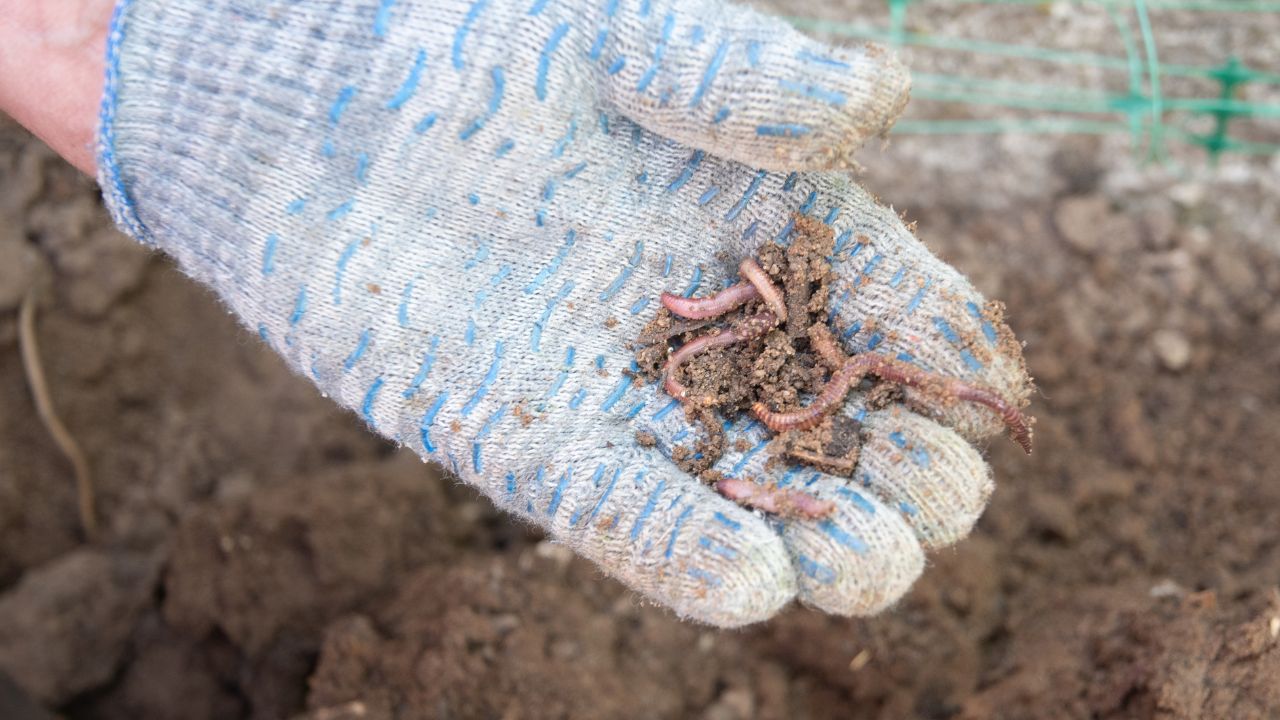
The Amish understand that healthy soil is alive with countless organisms, from earthworms to beneficial microbes. Instead of sterilizing the soil with chemicals, they protect and nurture this biodiversity, which in turn supports plant health and fertility. Diverse life in the soil improves its structure, water retention, and nutrient cycling, making it naturally productive. Without this living foundation, even the best seeds and fertilizers cannot produce healthy crops.
Modern industrial agriculture often destroys soil biodiversity through heavy tillage and chemical overuse. This weakens the land and makes farmers more dependent on external inputs. Amish practices prove that fostering biodiversity reduces costs and increases resilience at the same time. By protecting the life beneath the surface, they secure long-term productivity above it.
12. Integrating Animals into Farming Systems
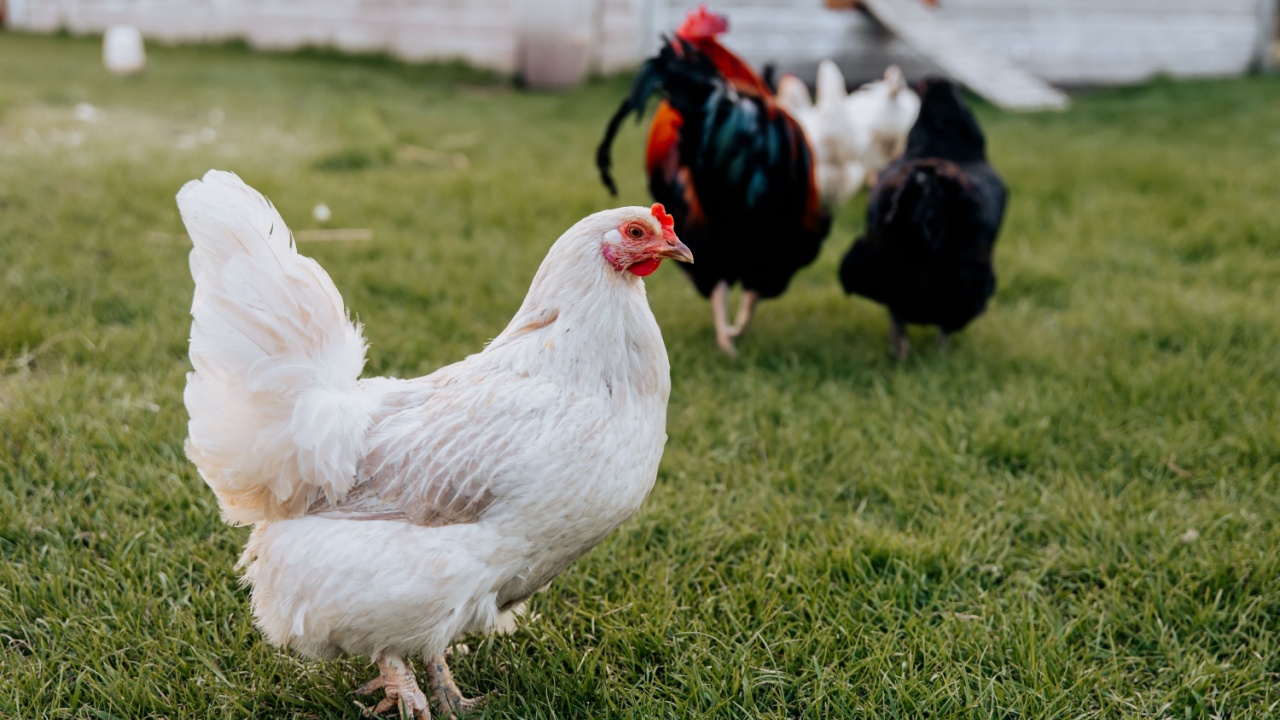
For many Amish communities, animals are not separate from the farm but part of a natural cycle. Cows provide manure, chickens help control pests, and horses contribute labor, all while being cared for as valuable partners. This integration creates a closed-loop system where waste becomes a resource, and nothing goes unused. By blending crops and livestock, they create balance and efficiency.
In modern systems, livestock and crops are often separated, which leads to waste problems and higher costs for fertilizer and feed. The Amish show that integrating animals reduces dependence on outside inputs and improves farm sustainability. It also strengthens resilience, since multiple outputs come from the same land. This synergy between plants and animals is one of the most powerful secrets of traditional farming.
13. Recycling Every Possible Resource

As should happen on any farm, nothing goes to waste on an Amish farm. Crop residues, kitchen scraps, and animal manure are all recycled back into the soil as compost or organic matter. This practice lowers costs, reduces reliance on synthetic products, and keeps the soil naturally enriched. It also mirrors the cycles of nature, where every form of waste feeds something else.
Modern farms might generate enormous amounts of waste that must be disposed of, creating environmental and financial problems. The Amish model proves that waste can instead become a source of fertility and productivity. Recycling resources not only improves soil health but also builds independence from outside suppliers. This principle shows how simplicity often leads to greater efficiency.
14. Growing a Wide Variety of Crops
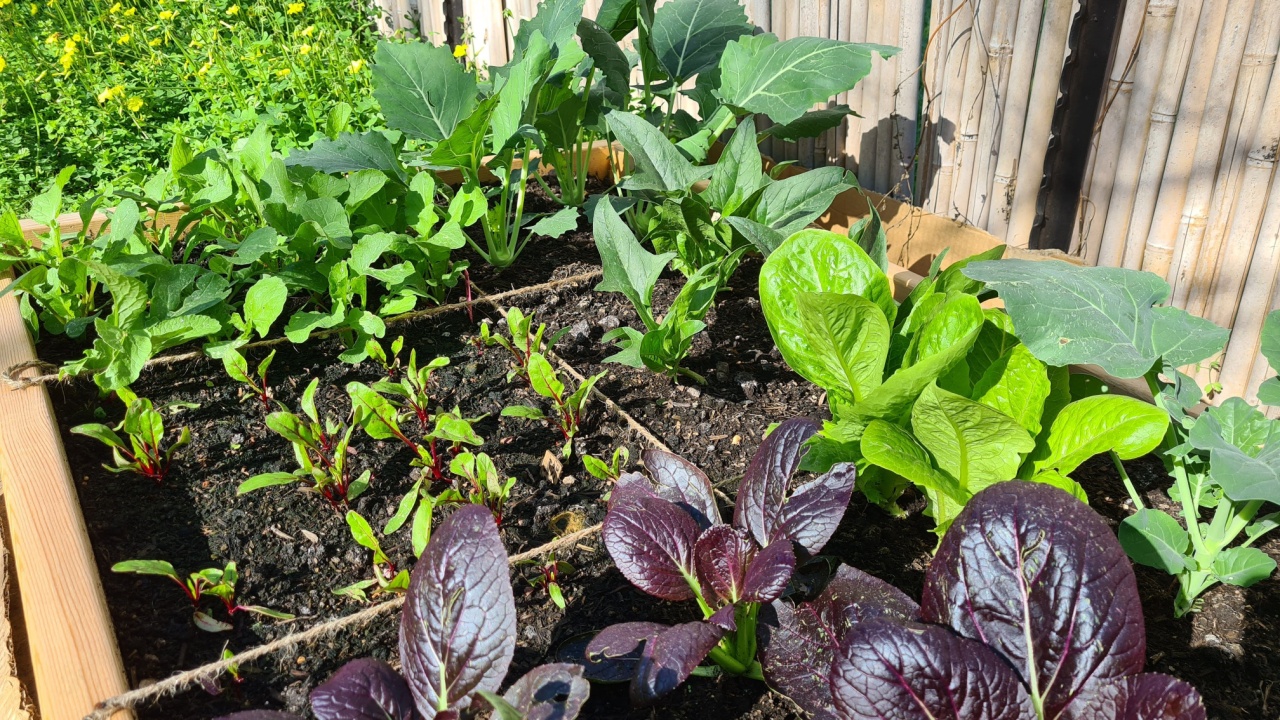
Amish farmers rarely rely on a single crop, choosing instead to grow a wide variety of grains, vegetables, and fruits. This diversity protects them from total loss in case one crop fails due to disease or weather. It also provides balanced nutrition for the community and healthier ecosystems overall. By avoiding monoculture, they strengthen their resilience.
Modern farming traditionally depends on monoculture for efficiency, but it leaves farms highly vulnerable to pests, diseases, and market fluctuations. Diverse farms also support pollinators and wildlife, creating stronger ecological systems. This strategy makes the farm not only productive but also secure in uncertain times.
15. Conserving Water as a Precious Resource
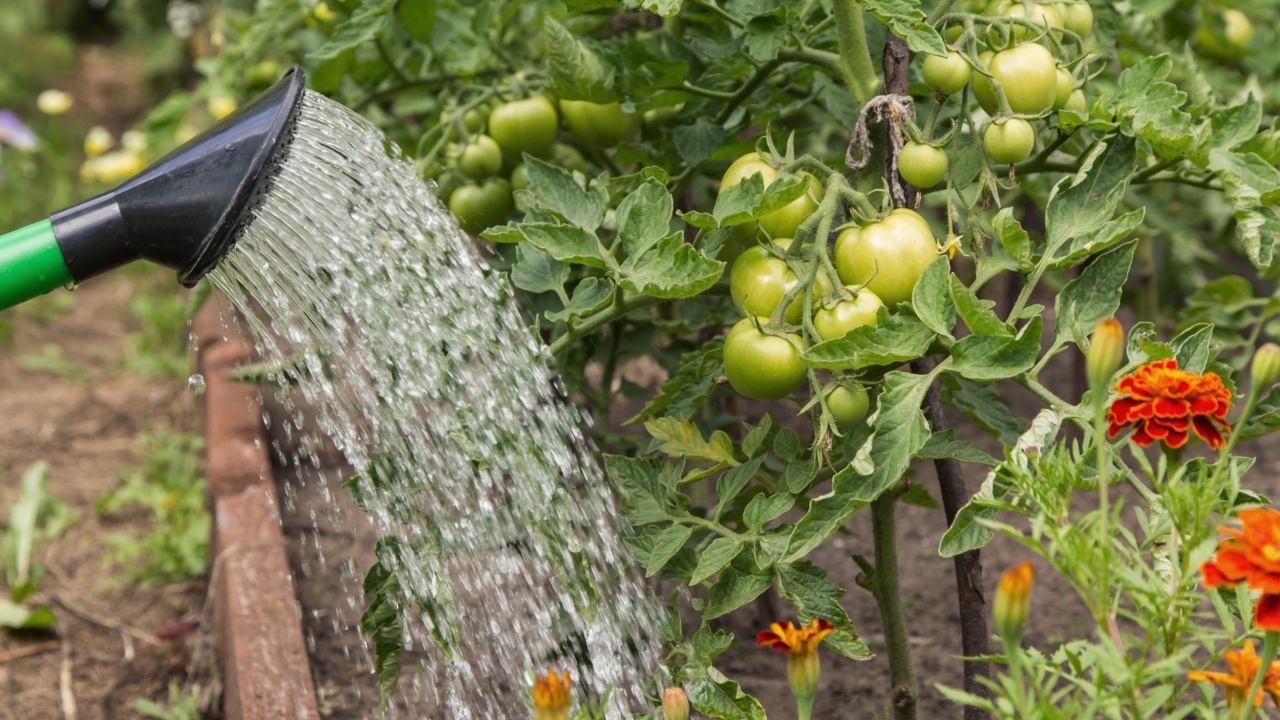
Amish farmers treat water as one of the most valuable assets on the farm. They use careful irrigation, maintain natural waterways, and plant crops that retain soil moisture. By doing so, they protect against droughts and preserve fertility even in dry years. Every drop of water is used thoughtfully and never wasted.
In contrast, modern irrigation systems often waste vast amounts of water and degrade soils through erosion and salinization. The Amish show that conserving water leads to stronger crops and lower costs. Their respect for natural water cycles ensures long-term sustainability. This lesson is increasingly vital as climate change makes water scarcity more common.
16. Eating Seasonally and Preserving Food

As already mentioned, the Amish live closely with the rhythm of the seasons. Thus, they eat what the land provides at any given time. Instead of forcing crops out of season, they preserve food through canning, drying, and fermentation. This reduces the need for expensive imports and ensures self-sufficiency year-round. It also builds a stronger connection between people and the cycles of nature.
Modern consumers are used to having every food available at any time, which creates waste and reliance on global supply chains. The Amish approach of seasonal eating supports local farming and reduces ecological footprints. Preserving food adds security, ensuring that families always have supplies even in difficult times. This principle blends health, resilience, and sustainability in a simple way.
17. Selling Through Local Markets

Many Amish farmers rely on local communities as their main markets for produce, dairy, and crafts. This creates strong bonds between farmers and consumers, ensuring fair prices and fresh products. Local markets also reduce transport costs and environmental impact compared to global supply chains. The result is a farming system that benefits everyone involved.
Modern industrial agriculture often ships food thousands of miles, weakening local economies and disconnecting people from their food sources. The Amish show that keeping food local strengthens both the land and the community. Their model builds resilience against global market fluctuations. This secret reminds us that farming is most powerful when it feeds those closest to home.
18. Resilience Without Chemicals

Some (but not all) Amish farm without synthetic pesticides or herbicides, relying instead on natural methods like crop rotation, cover crops, and hand-weeding. While this requires more effort, it builds crops that are naturally stronger and soils that are healthier. Without chemicals, the ecosystem stays balanced, and pests are kept under control. This resilience comes from working with nature instead of against it.
Modern farming is typically more dependent on chemical inputs, which bring short-term convenience but long-term damage. The Amish model proves that resilience is possible without toxic interventions. By avoiding chemicals, they protect pollinators, water supplies, and human health. This approach offers a path toward truly sustainable agriculture.
19. Preserving Traditional Knowledge

Amish farming practices are passed down through generations, rooted in centuries of observation and experimentation. This knowledge is not written in manuals but lived daily through hands-on experience. It provides farmers with an intuitive understanding of the land that no machine or algorithm can replace. Such wisdom strengthens resilience and deepens connection with the earth.
Modern agriculture often discards traditional knowledge in favor of technology, but this leaves farmers dependent on external systems. The Amish remind us that inherited wisdom is invaluable for solving problems that technology cannot always address. Their traditions prove that experience and memory are powerful tools. Preserving this knowledge is as important as preserving the land itself.
Read more:
14 Insights Into How Amish People Thrive Off Grid