Zinnia Care Before Fall to Keep Blooms Going
Late summer doesn’t have to be the end of your zinnia show.
With a few smart steps now, you can push fresh color well into fall, keep plants healthier, and even stock seeds for next season. This article includes actionable tips to help you maintain lush growth, reduce disease, and keep blooms coming.
What you’ll learn:
- Exactly what to do (and when) to keep zinnias flowering into fall
- Why each step matters for plant health and continuous blooms
- Practical, easy-to-follow tips that fill common gaps: spacing, timing, tools, and simple troubleshooting
Sourced from the Experts
This zinnia care guide draws on trusted expert advice to help you extend vibrant blooms into the fall. We’ve referenced university extension programs—including Penn State Master Gardeners (for deadheading, watering, and disease prevention), Michigan State University Extension, and Mississippi State Extension. These sources ensure the tips are both practical and scientifically grounded.
1. Inspect and Manage Pests
Why it matters for fall blooms:
- Pests like aphids, spider mites, and caterpillars sap energy, deform new growth, and spread disease. Catching them early prevents population explosions that can shut down bloom production during prime late-season weeks.
How to do it:
- Check undersides of leaves and tender tips every few days.
- Blast aphids off with a firm stream of water; follow with insecticidal soap or neem oil if needed. Spray at dawn or dusk to protect pollinators.
- Hand-pick caterpillars; drop into soapy water.
- Encourage beneficials: lady beetles, lacewings, and parasitic wasps thrive when you avoid broad-spectrum pesticides and keep a small patch of nectar plants (alyssum, dill, fennel) nearby.
- Pro tip: Treat your zinnias when less than 10–20% of a plant is infested or you see curling, sticky honeydew, or webbing. This keeps interventions timely and minimal.
2. Companion Plant for Support
Why it matters for fall blooms:
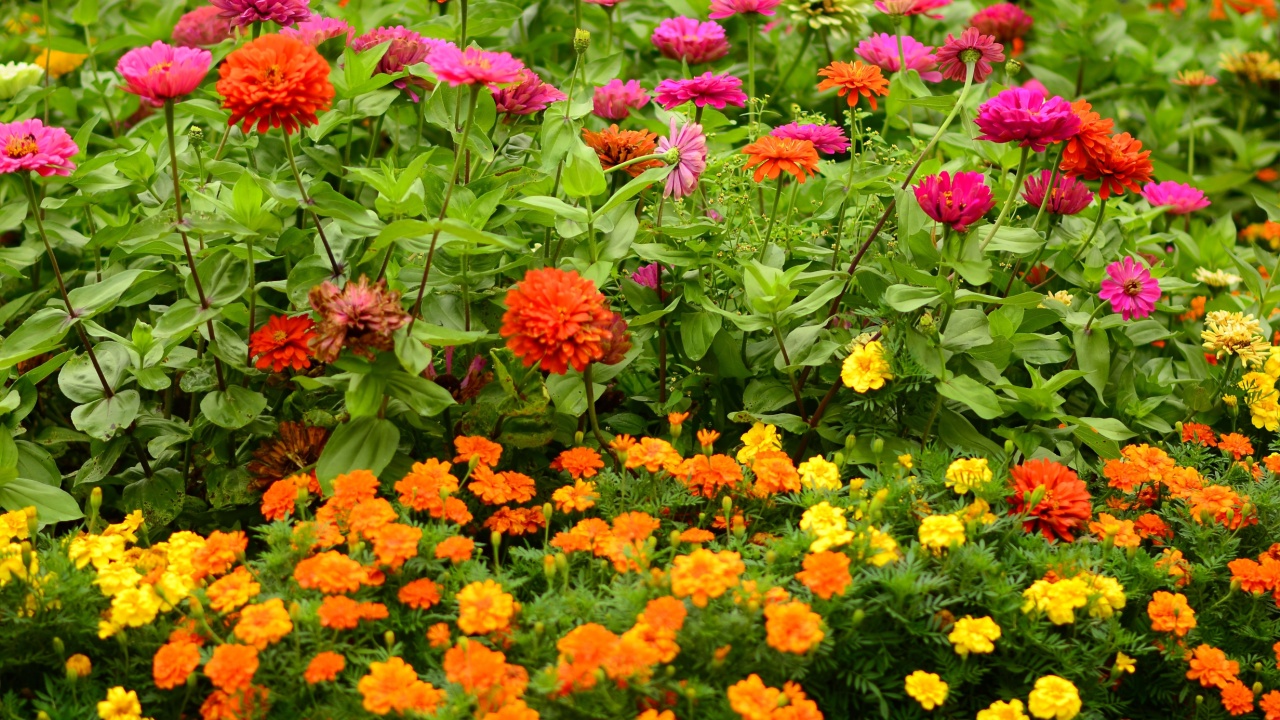
- Strategic companions like marigold and basil can reduce pest pressure and mildew spread, keeping foliage clean and flowers coming. Healthy leaves = more photosynthesis = more blooms.
How to do it:
- Interplant marigolds (Tagetes) every 12–18 inches around zinnia borders to confuse pests and deter some nematodes.
- Tuck basil between zinnias to improve airflow and add nectar for beneficial insects.
- Choose compact companions so they don’t shade zinnias; keep everything at zinnia height or shorter.
- Spacing rule of thumb: maintain 12–18 inches between zinnia stems and companions to preserve airflow and reduce disease risk.
3. Save Seeds for Next Year
Why it matters for fall blooms:
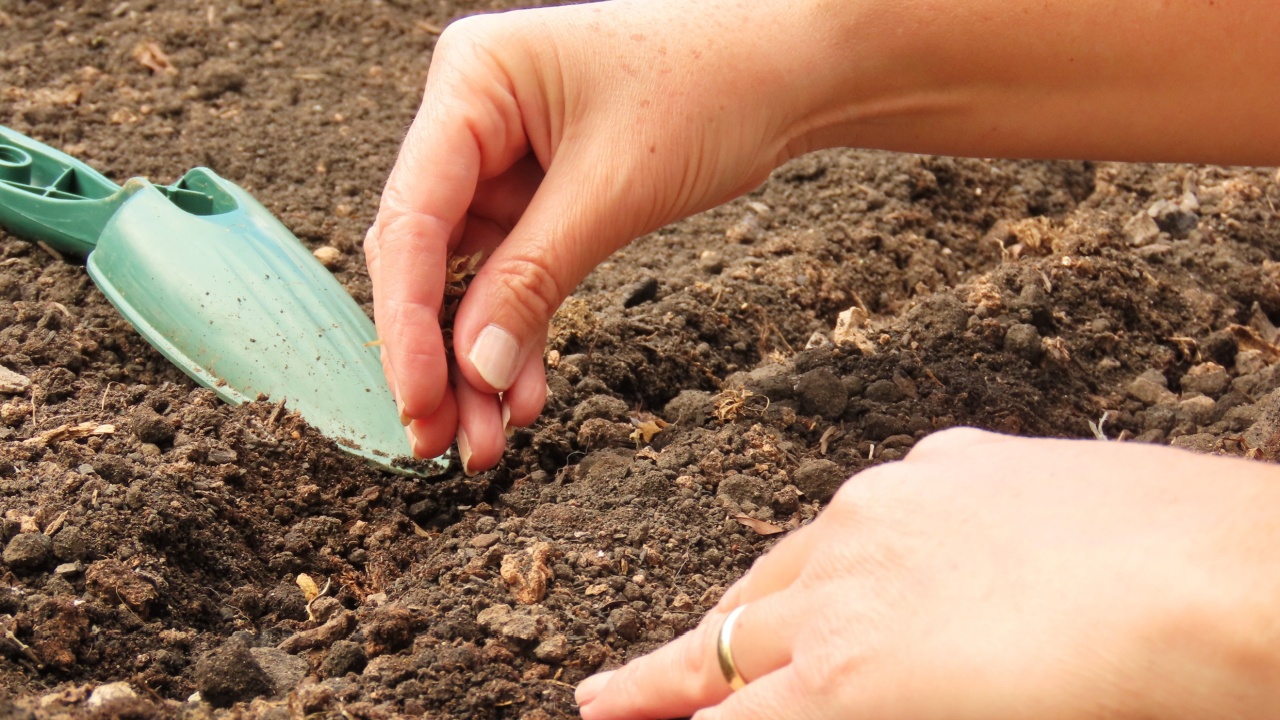
- Allowing a few heads to mature satisfies the seed-saving urge while you keep the rest blooming. Plus, you’ll have locally adapted seed from your best performers, often with better vigor next year.
How to do it:
- Tag a few standout blooms and let them dry on the plant until the seed head turns brown.
- Cut, place heads in a paper bag, and dry for 1–2 weeks indoors.
- Break apart heads; keep the arrow-shaped, firm seeds. Label variety and date.
- Store in a cool, dry place (an airtight jar with silica gel works well).
- Note on hybrids: seeds from hybrid varieties may not come true. Save from open-pollinated types if you want consistent color and form.
4. Deadhead Spent Blooms
Why it matters for fall blooms:
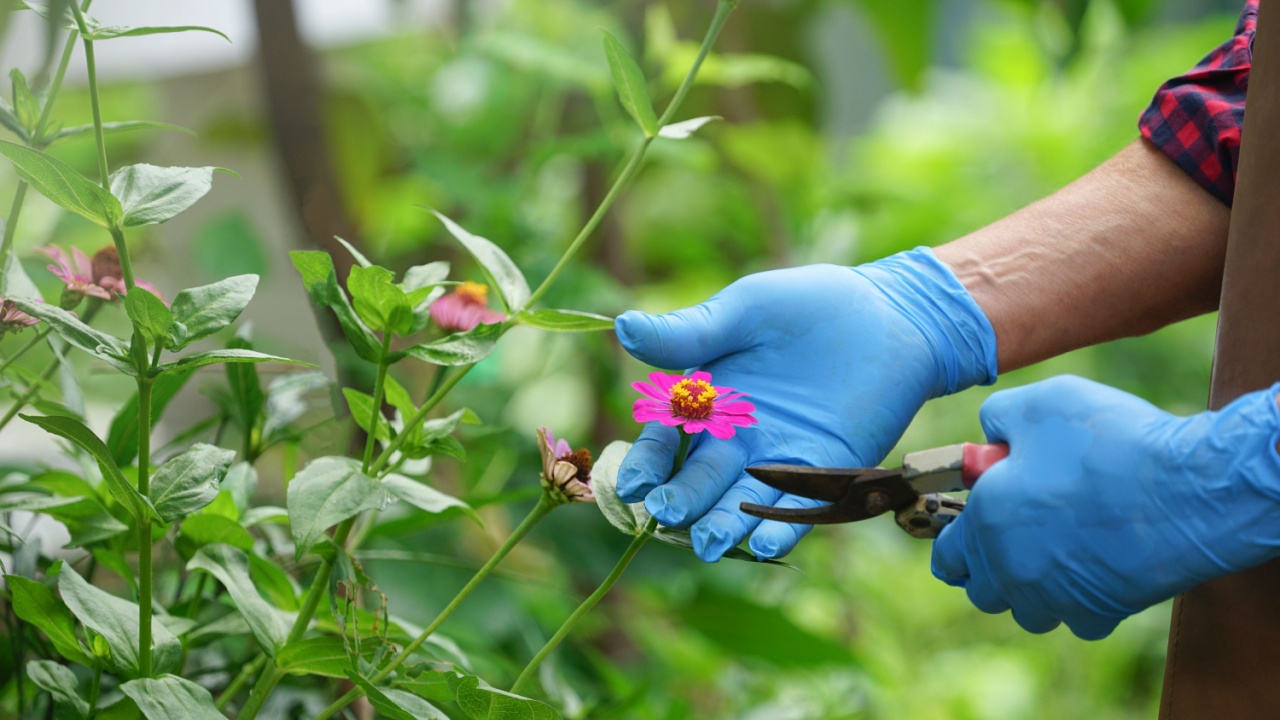
- Deadheading zinnias prevents seed set and redirects energy into new flower production—a direct lever for more color into fall.
How to do it:
- Cut back to the next strong set of leaves or a lateral bud, not just under the head. This promotes branching and more bloom sites.
- Deadhead weekly; bring a harvest basket and make it part of your cut-flower routine.
- Tool tip: use clean bypass snips; wipe blades with isopropyl alcohol between plants if you’ve seen disease to avoid spread.
5. Pinch Back for Bushiness

Why it matters for fall blooms:
- A light pinch in late summer triggers branching and a flush of buds, helping plants hold strong, upright bouquets rather than a few tall, floppy stems.
How to do it:
- Pinch or cut just above a leaf node, removing 1–2 inches from overly tall stems.
- Focus on lanky varieties or stems that lean into paths.
- Time it 3–4 weeks before your average first frost to allow a new bloom cycle.
- A note on variety nuance: tall types like ‘Benary’s Giant’ respond very well; miniature types may need only light shaping.
6. Apply Mulch to Retain Moisture
Why it matters for fall blooms:
- Even soil moisture reduces stress that can trigger early senescence. Mulch also suppresses weeds that compete for water and nutrients late in the season.
- Soil temperature buffer: mulch can lower peak soil heat by several degrees, reducing afternoon wilt and preserving turgor for better flower quality.
How to do it:
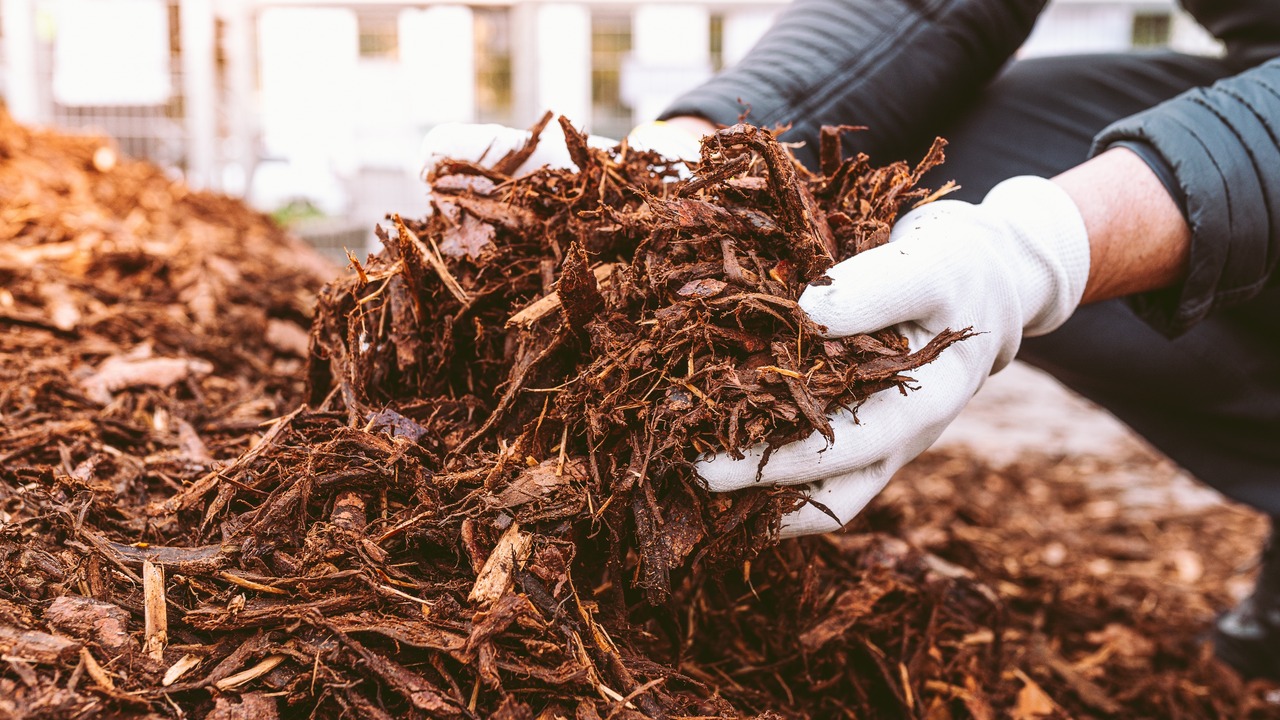
- Apply 1–2 inches of straw, shredded leaves, or fine bark around plants, keeping mulch 1–2 inches away from stems.
- Refresh thin spots after heavy rain or wind.
7. Water Deeply and Wisely
Why it matters for fall blooms:
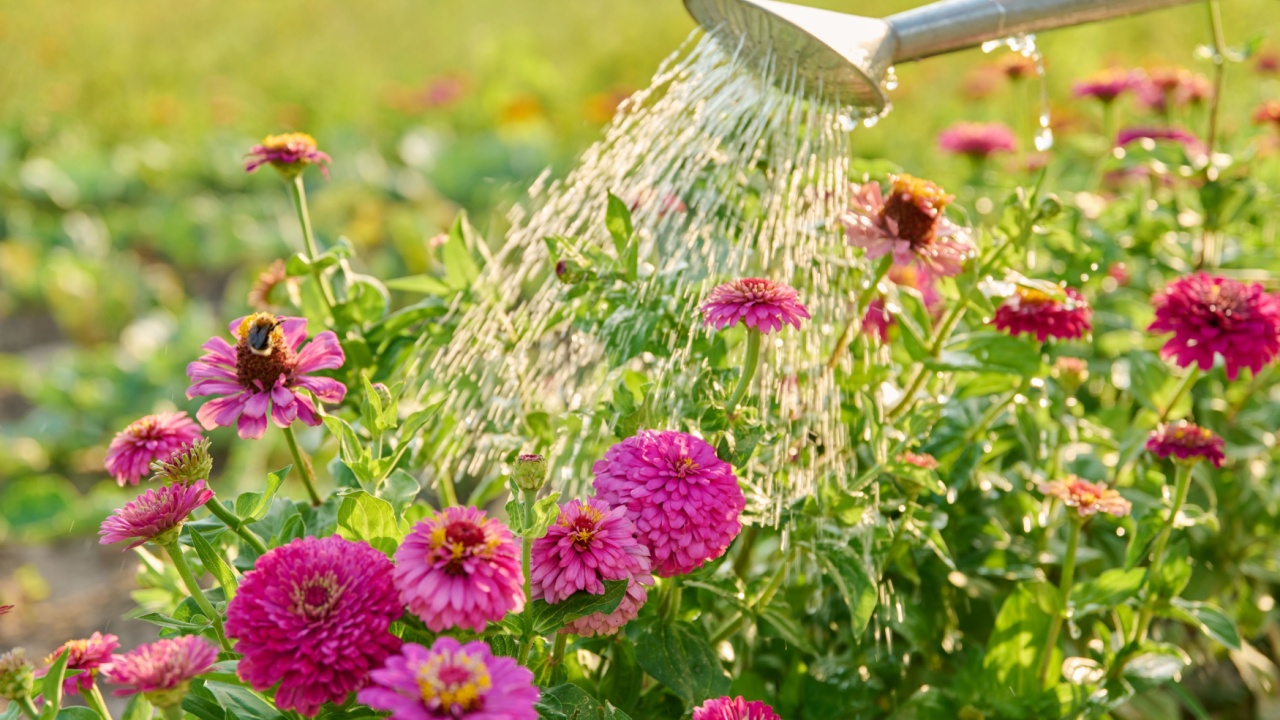
- Deep watering promotes resilient roots and steady bud development. Overhead, frequent sprinkles invite powdery mildew and weak growth.
How to do it:
- Water at soil level in the morning, delivering 1 inch per week (more in heat waves).
- Use drip lines, soaker hoses, or a watering wand to keep foliage dry.
- Check moisture 2–3 inches down; water when it’s dry at that depth.
- Quick test: set out a rain gauge or tuna can to measure 1 inch during irrigation, so you don’t guess.
8. Feed with a Balanced Fertilizer
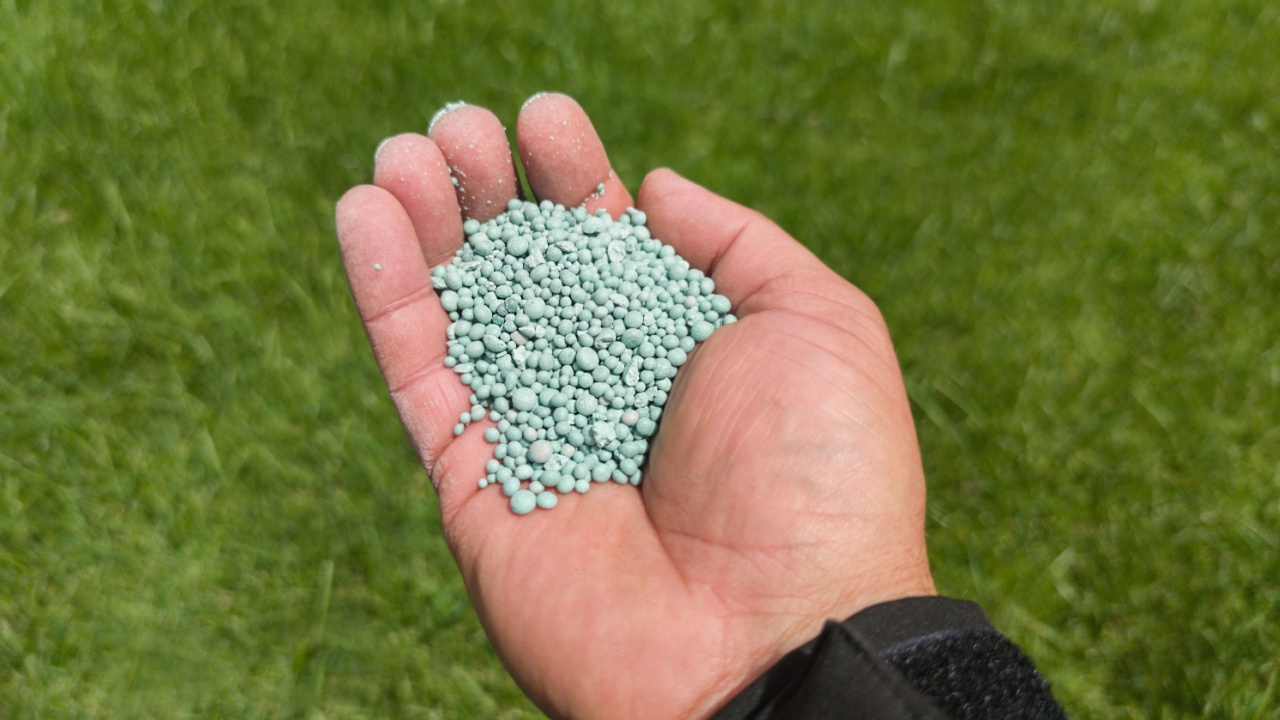
Why it matters for fall blooms:
- By late summer, nutrients run low. A balanced feed sustains bloom production without pushing weak, lush growth that’s prone to disease.
How to do it:
- Apply a gentle, balanced organic fertilizer (around 5-5-5) or 1–2 inches of compost scratched into the soil surface.
- Water in after feeding. Avoid high-nitrogen lawn fertilizers.
- Stop heavy feeding 4–6 weeks before first frost; switch to light compost tea if needed.
- Foliar caution: avoid foliar feeding (feeding via the leaves) in humid or cool evenings; wet leaves at night increase mildew risk.
9. Improve Air Circulation
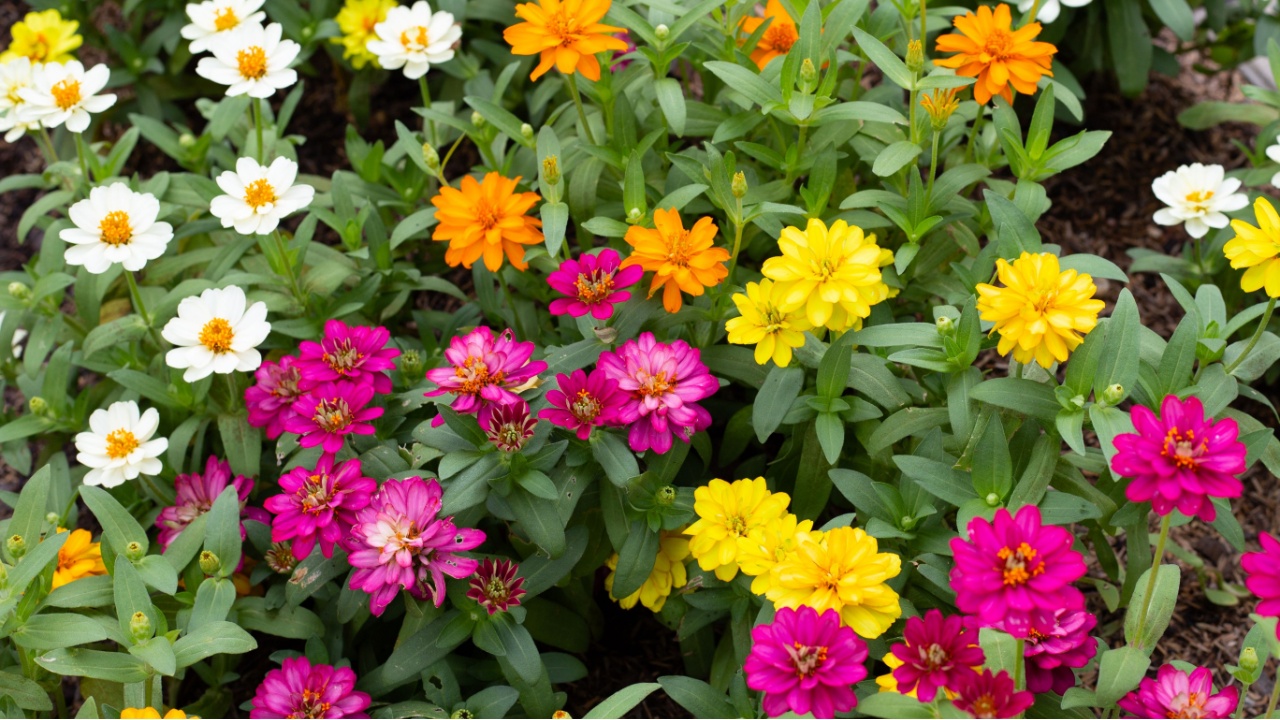
Why it matters for fall blooms:
- Powdery mildew thrives in crowded, humid conditions. Better airflow keeps leaves clean, allowing efficient photosynthesis and more flower power.
How to do it:
- Thin congested stems and remove a few lower leaves to open the canopy.
- Maintain plant spacing of 12–24 inches depending on variety.
- Stake or corral floppy stems with soft ties to prevent tangling and shade.
- Sanitation tip: remove and dispose of heavily mildewed leaves (do not compost if your pile doesn’t heat up) to reduce spore load.
When to Start These Steps

- Start now (late summer) and repeat weekly: pest checks, deadheading, watering, airflow adjustments.
- Every 2–3 weeks: light feeding if needed.
- 3–4 weeks before first frost: final pinch or shape, then switch focus to deadheading and cut-flower harvesting.
- After first light frost: collect final seed heads and remove diseased debris to reduce next year’s issues.
Keep the Color Coming
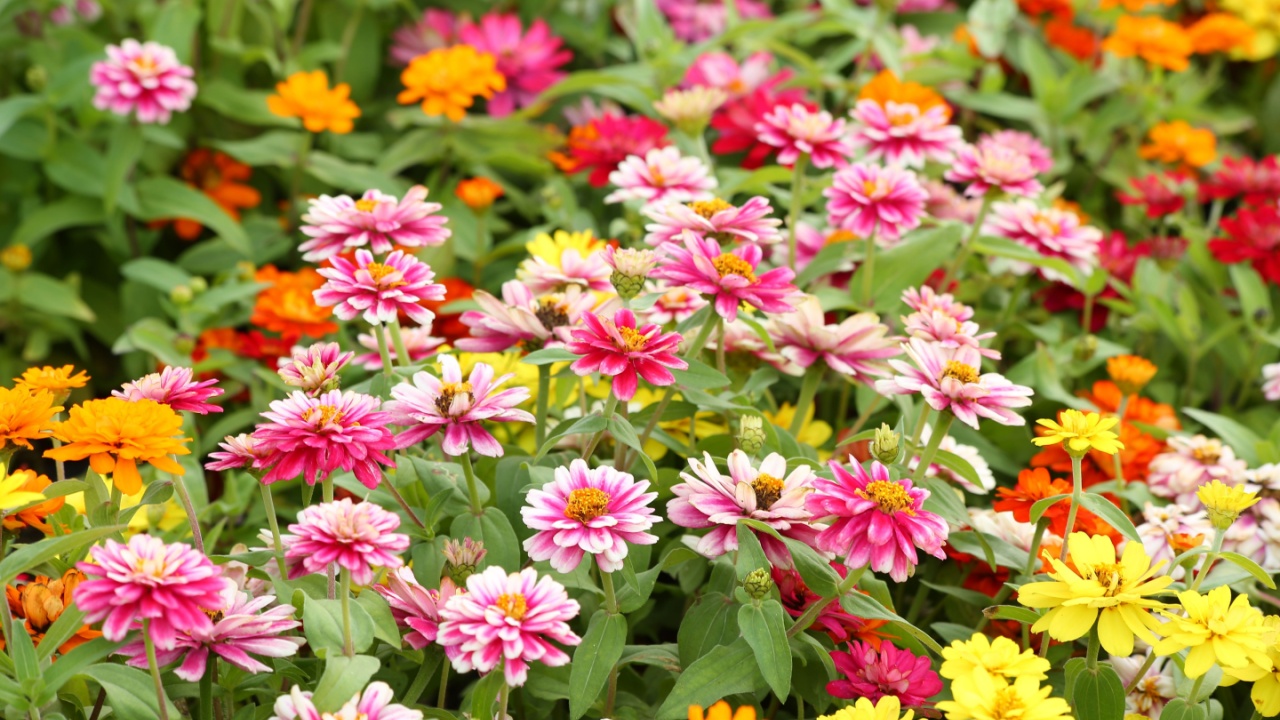
Zinnias respond fast to good care. If you deadhead deeply, water wisely, thin for airflow, and keep pests in check, you’ll enjoy bold blooms right up to frost. Use the bonus cutting tip to drive even more flowers, and save seeds from your best plants to carry the show into next summer.