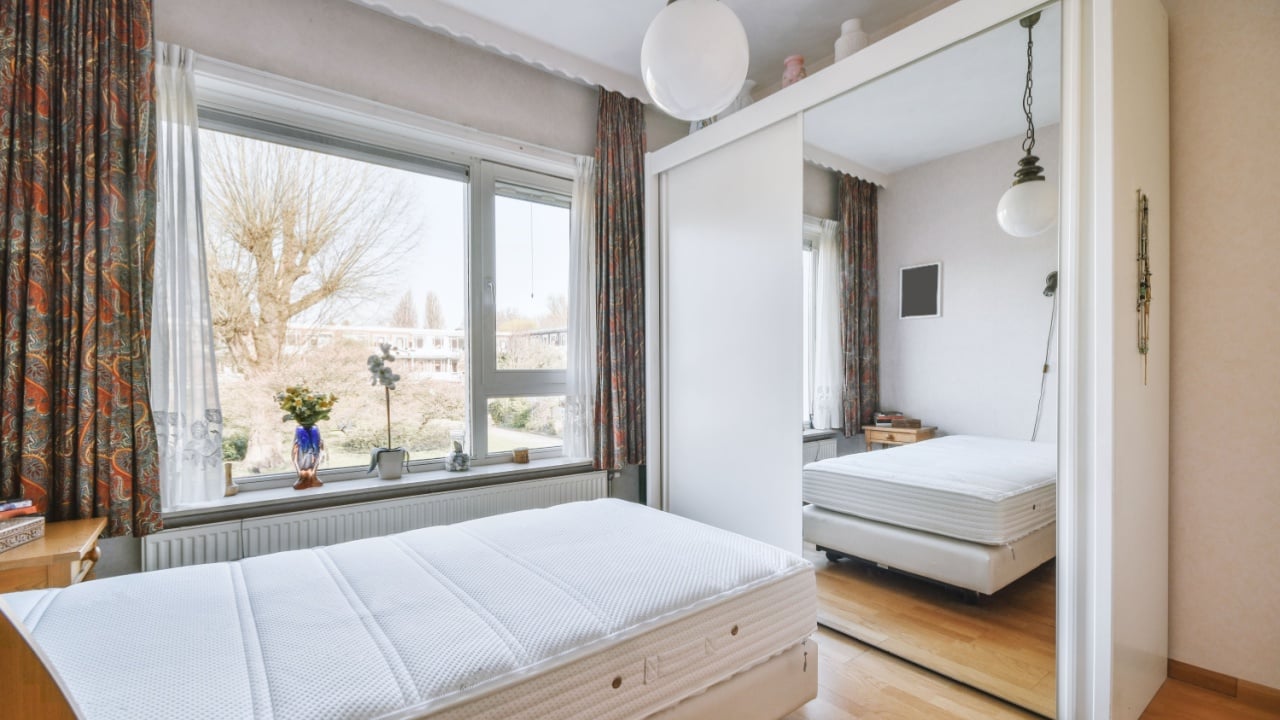
9 Smart Ways to Make a Small Bedroom Feel Spacious
A small bedroom can feel cramped and cluttered. Or, it can be cozy and inviting—if you know how to work with the space you have. With the right design choices, you can make it feel bigger, brighter, and more functional without knocking down a single wall.
We’ll review nine proven tricks designers swear by, along with the reasons they work and step-by-step tips so you can get it right the first time.
Sourcing from the Experts
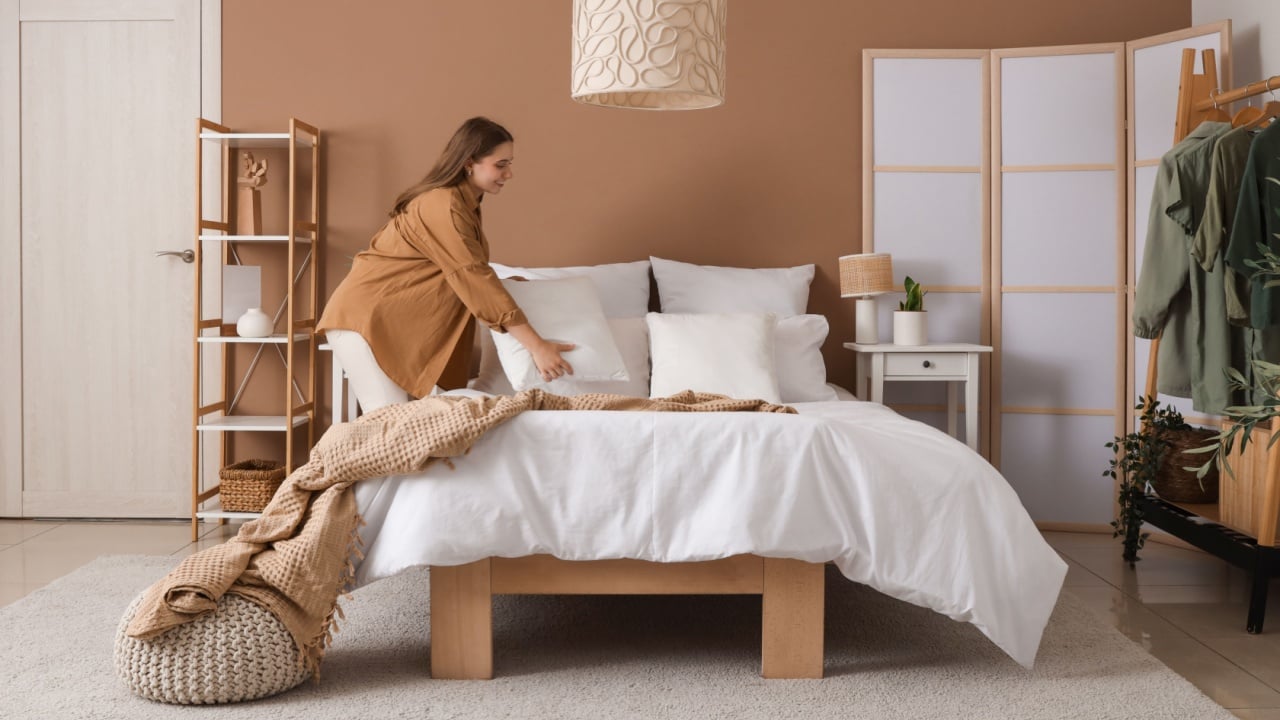
To ensure every tip in this guide is grounded in proven design principles, we consulted a range of expert-backed sources, including professional designers and trusted home publications. These sources go beyond trend-driven blog lists, offering practical, real-world solutions for small-space living.
We also referenced layout analyses from Homestyler and community-driven insights from a design forum, where homeowners and decorators share firsthand experiences with small bedroom transformations. By combining professional expertise with lived-in feedback, this article delivers strategies that are not only visually effective but also functional and achievable in everyday homes.
1. Keep Window Treatments Simple
Why It Works
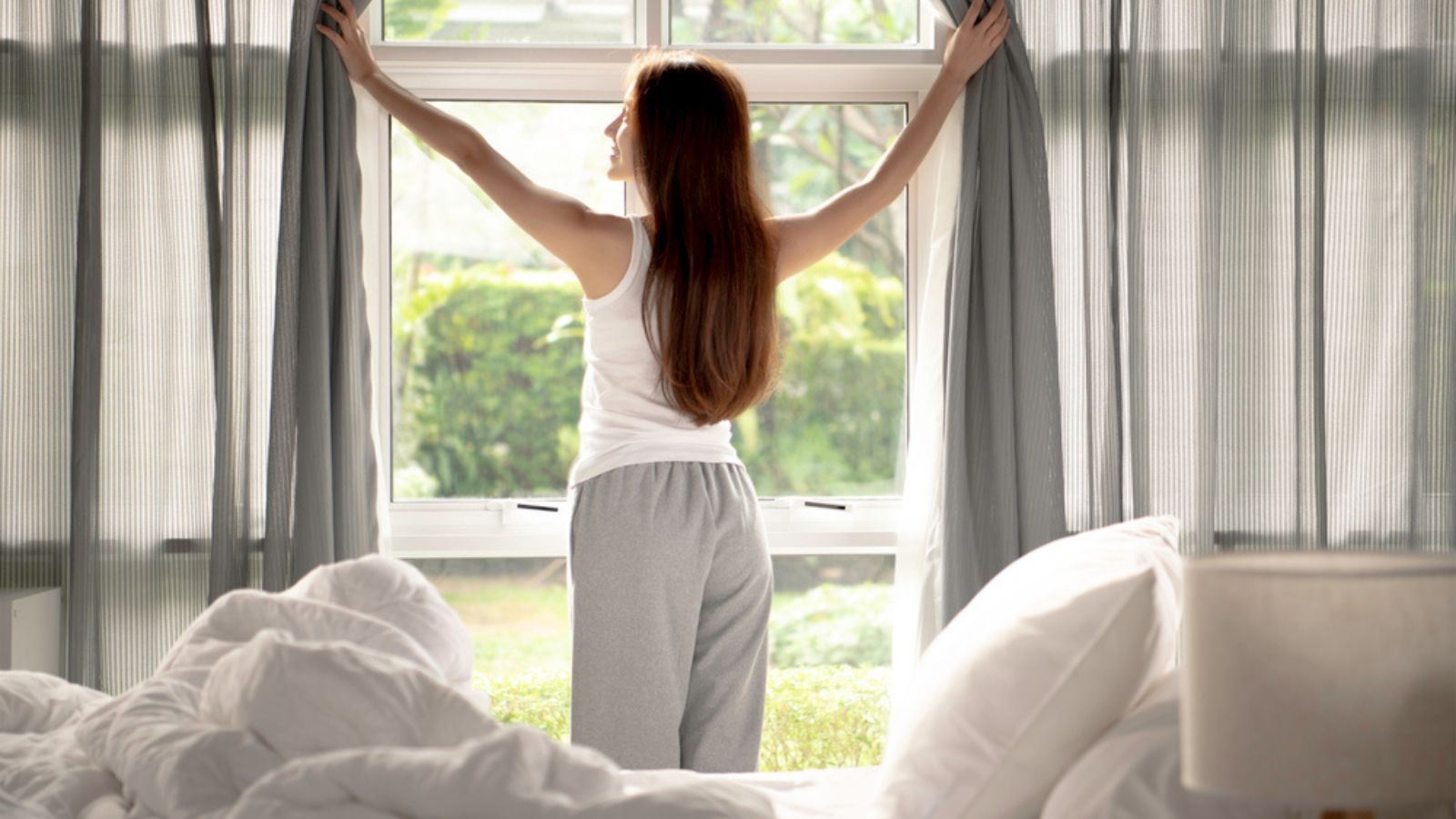
Simple, low-profile window treatments reduce visual clutter and let more light in. Natural light visually expands walls and makes ceilings feel higher. Bulky curtains, layered drapes, and heavy rods add bulk, interrupt sightlines, and make a compact room feel busy.
How to Implement
- Choose inside-mounted shades (roller, solar, or Roman) to keep profiles slim and neat.
- If mounting outside, use relaxed Roman shades or trim roller shades installed close to the wall.
- Stick with light, solid fabrics or subtle textures that blend with the wall color.
Tips
- Match the shade color to the wall to “disappear” the window covering when lowered.
- If privacy is a concern, use light-filtering or top-down/bottom-up cellular shades to keep daylight while blocking views.
- Keep hardware minimal—no oversized finials or deep brackets that project into the room.
2. Build In Space-Saving Shelves
Why It Works
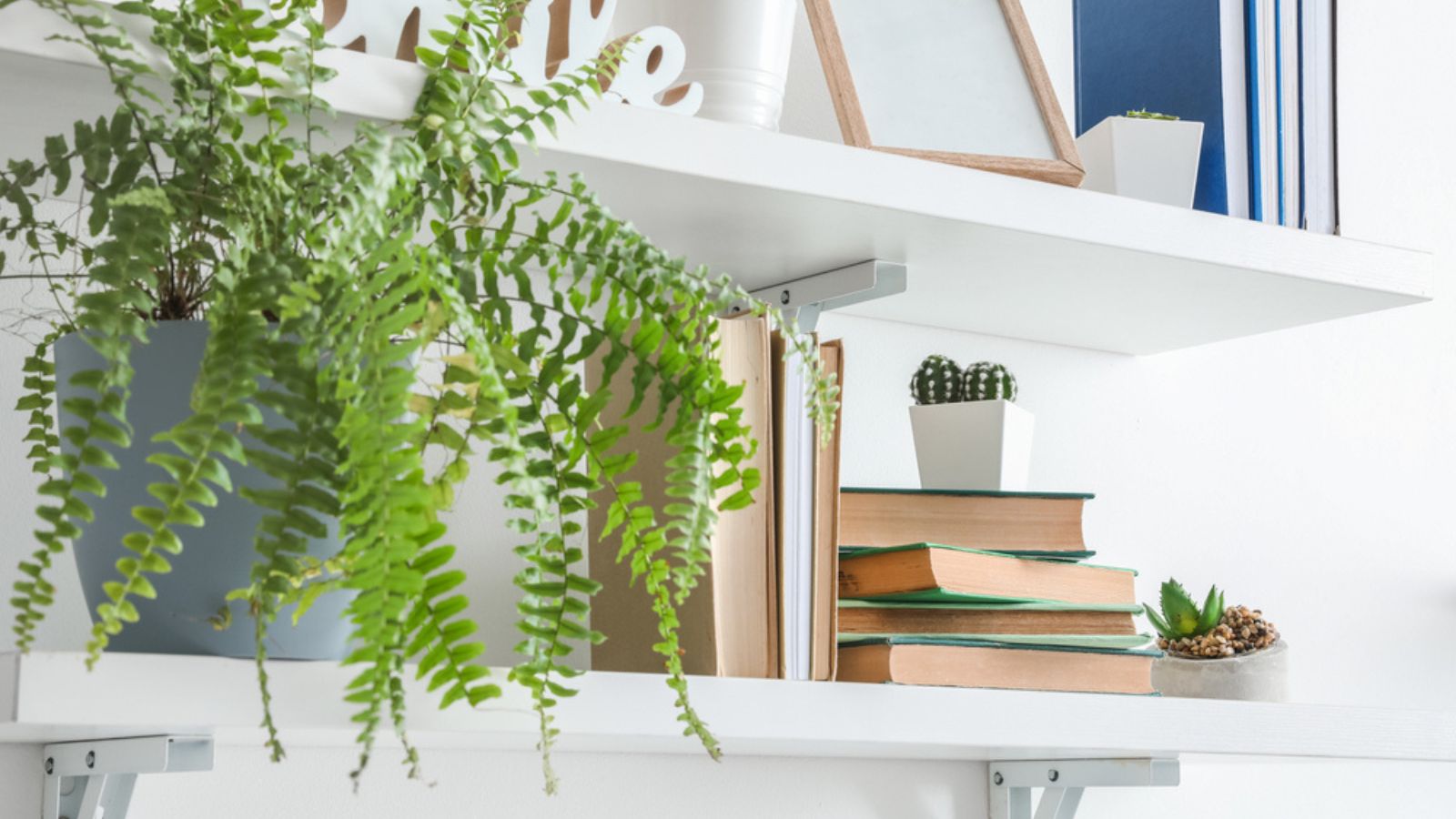
Built-ins use vertical space and the wall cavity, trading floor area for storage. This turns a tiny footprint into a functional zone for books, lighting, and essentials. Integrated storage also keeps the floor open, which makes the room read larger.
How to Implement
- Replace a bulky nightstand with a recessed bookcase between studs (typically 14.5 inches wide).
- Add a narrow built-in along the bed wall for books, a charging shelf, and a sconce backplate.
- Extend built-ins to the ceiling to draw the eye up and maximize capacity.
Tips
- Use a shallow depth (6–10 inches) to keep traffic paths clear.
- Paint built-ins the same color as the wall for a seamless look.
- Add cord grommets and a power strip inside to keep cables hidden.
3. Hang Hooks and Peg Rails
Why It Works
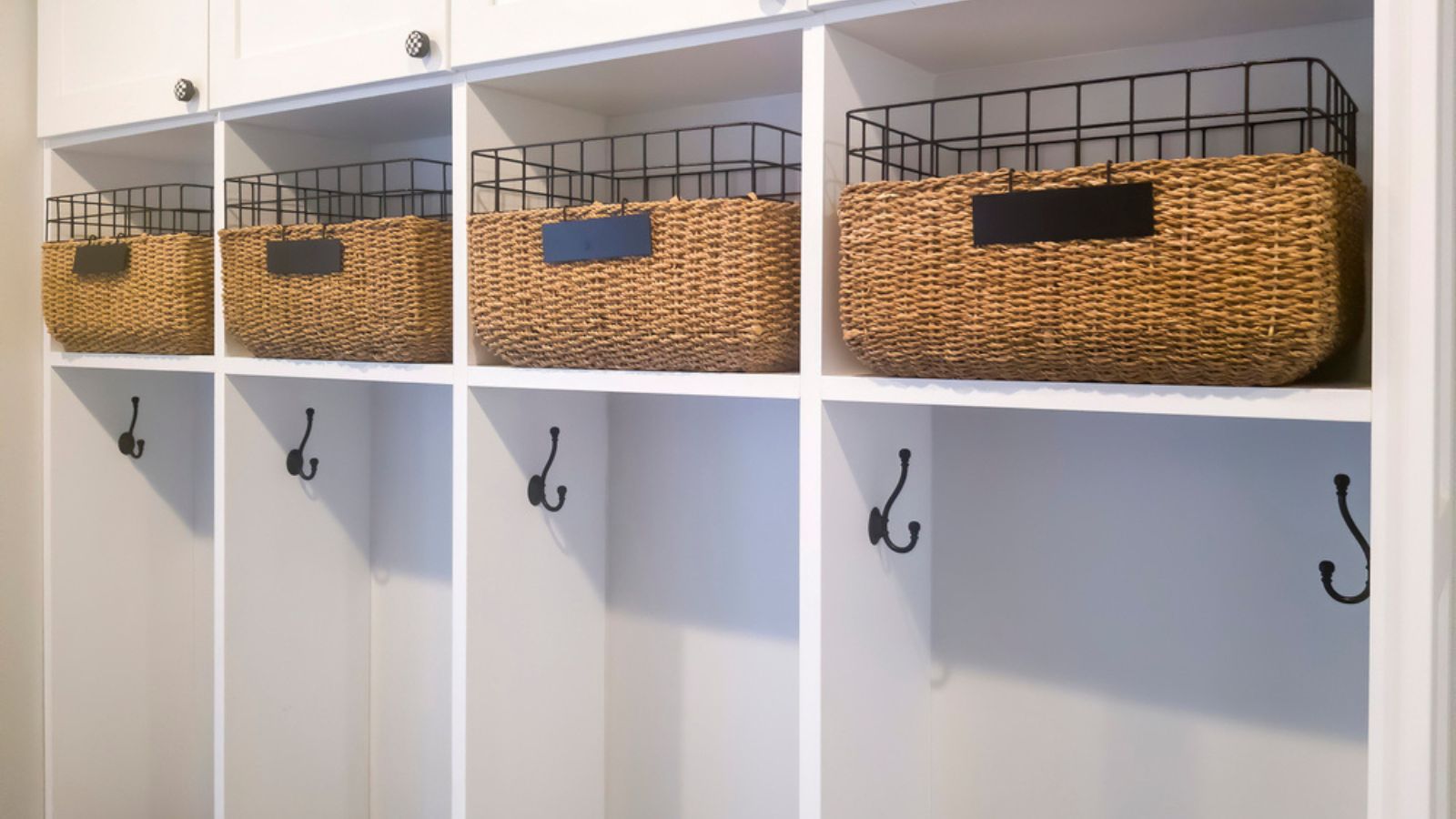
Wall-mounted hooks and peg rails turn blank wall space into flexible storage for daily-use items—bags, robes, hats—keeping floors and chairs clear. Clutter-free floors signal “more room,” even when square footage is unchanged.
How to Implement
- Install a peg rail 60–66 inches from the floor along the entry or a blank wall.
- Use 2–3 hooks behind the door for robes and bags.
- Add a slim shelf above a peg rail for small artwork or a tray for sunglasses and keys.
Tips
- Keep it curated: limit each hook to one category (e.g., hats only).
- Choose wood tones that match your bed or trim to unify the room.
- Use matching hangers or woven tote bags for a tidy, intentional look.
4. Choose Furniture That Does Double Duty
Why It Works
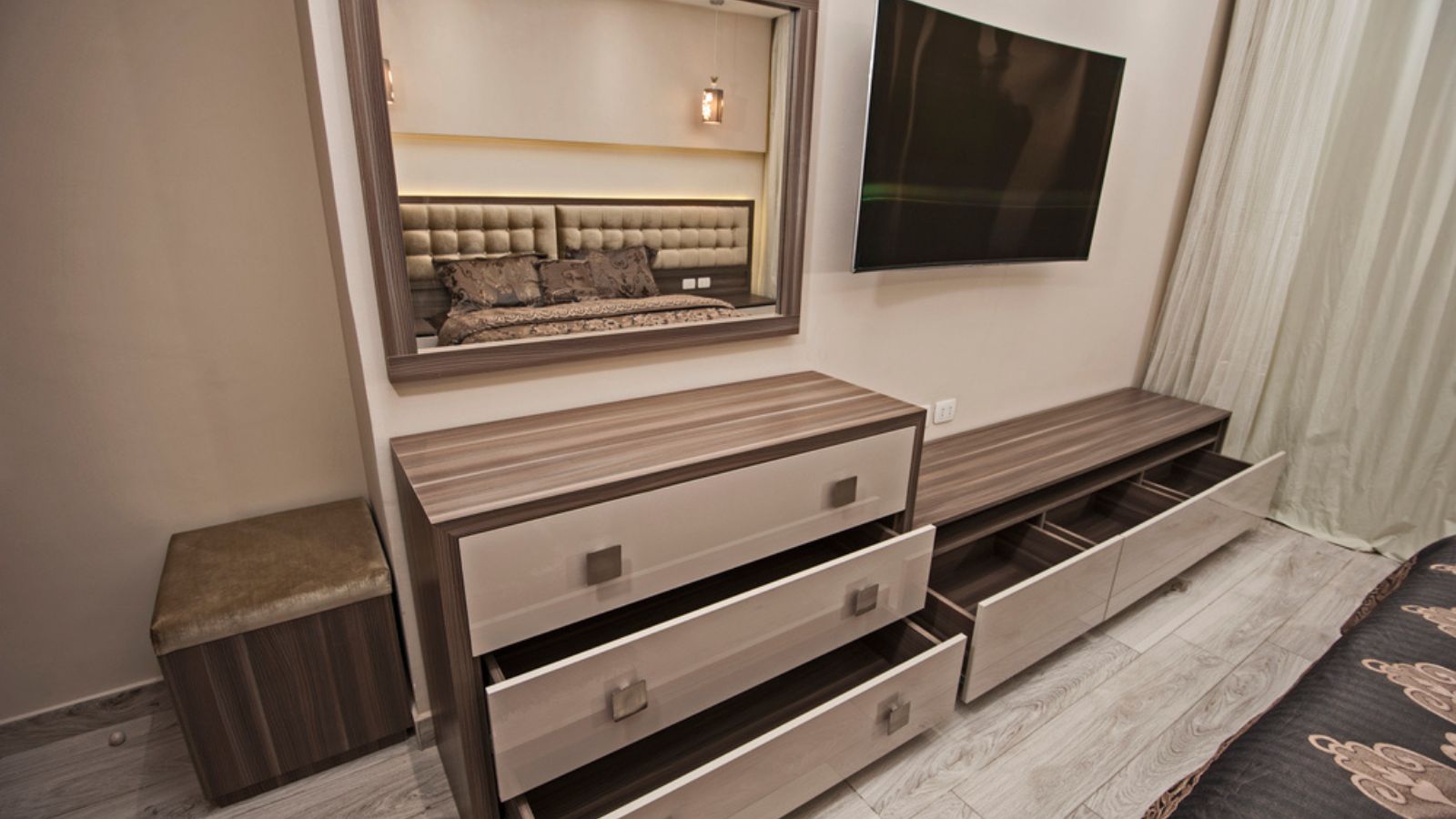
Multi-functional pieces reduce the number of items in the room, opening up floor space and visual breathing room. Fewer pieces with more functions also create simpler sightlines.
How to Implement
- Swap a nightstand for a small dresser or a desk that doubles as a vanity.
- Consider a storage bed with drawers or a lift-up platform.
- Use nesting stools or ottomans with hidden storage as seating and side tables.
Tips
- Measure first: keep walking clearances at 24–36 inches wherever possible.
- Opt for legs: furniture on legs shows more floor, making the room feel airier.
- Choose one standout piece (an upholstered headboard) and keep the rest light and streamlined.
5. Pick a Light and Bright Paint Palette

Why It Works
Light colors reflect more light, reducing visual boundaries and making walls recede. This effect helps compact rooms feel open and calm. Soft hues also pair well with natural textures and simple linens to keep the look cohesive.
How to Implement
- Use warm whites, dusty blues, misty greens, or soft blush tones that read almost neutral.
- Paint trim and doors the same color as walls or one shade lighter to blur edges.
- Keep ceilings bright white to lift the room.
Tips
- Sample paint on multiple walls and view it morning and evening.
- Choose matte or eggshell for walls (hides minor imperfections), satin for trim (durable, wipeable).
- Repeat the wall color in textiles for a seamless palette.
6. Consider Color Drenching (the Cozy Cocoon)

Why It Works
Color drenching—painting walls, trim, doors, and even ceilings one color—removes contrasting lines that visually chop up a room. The result is a unified envelope that can feel calmer and, paradoxically, larger.
How to Implement
- Choose a mid- to deep-tone neutral (moss, cacao, slate blue, mushroom).
- Paint all architectural surfaces in the same finish for a modern, immersive look.
- Balance with lighter bedding, mirrors, and brass or glass accents to keep it from feeling heavy.
Tips
- Test a deep color in a sample area with your lighting on; warm bulbs can shift tones.
- If ceilings are low, choose a half-shade lighter for the ceiling to subtly lift the space.
- Keep decor restrained—two to three accent colors max.
7. Use Mirrors Strategically
Why It Works
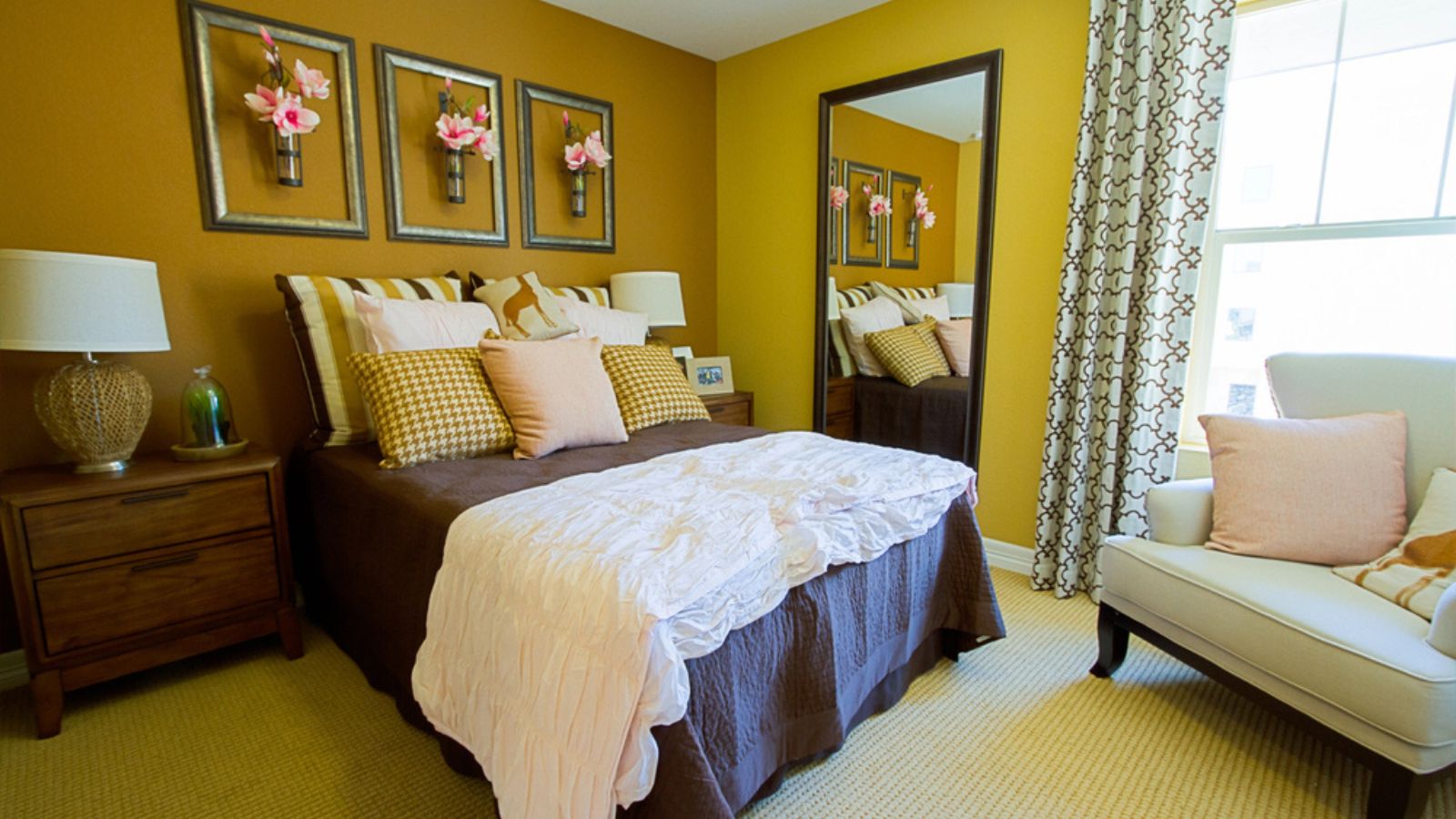
Mirrors bounce light and create the illusion of depth, effectively doubling what the eye perceives. Positioned opposite windows or lamps, they amplify brightness and make walls feel further away.
How to Implement
- Place a tall mirror opposite or adjacent to a window to reflect daylight.
- Use mirrored closet doors or a slim floor mirror leaning where it catches the most light.
- Consider a mirror above the headboard if wall space is limited elsewhere.
Tips
- Keep frames slender or match the wall color to maintain a low-profile look.
- Angle a leaning mirror slightly to catch the window view rather than the bed.
- Clean regularly—smudges break the illusion.
8. Edit Nightstands and Surfaces
Why It Works
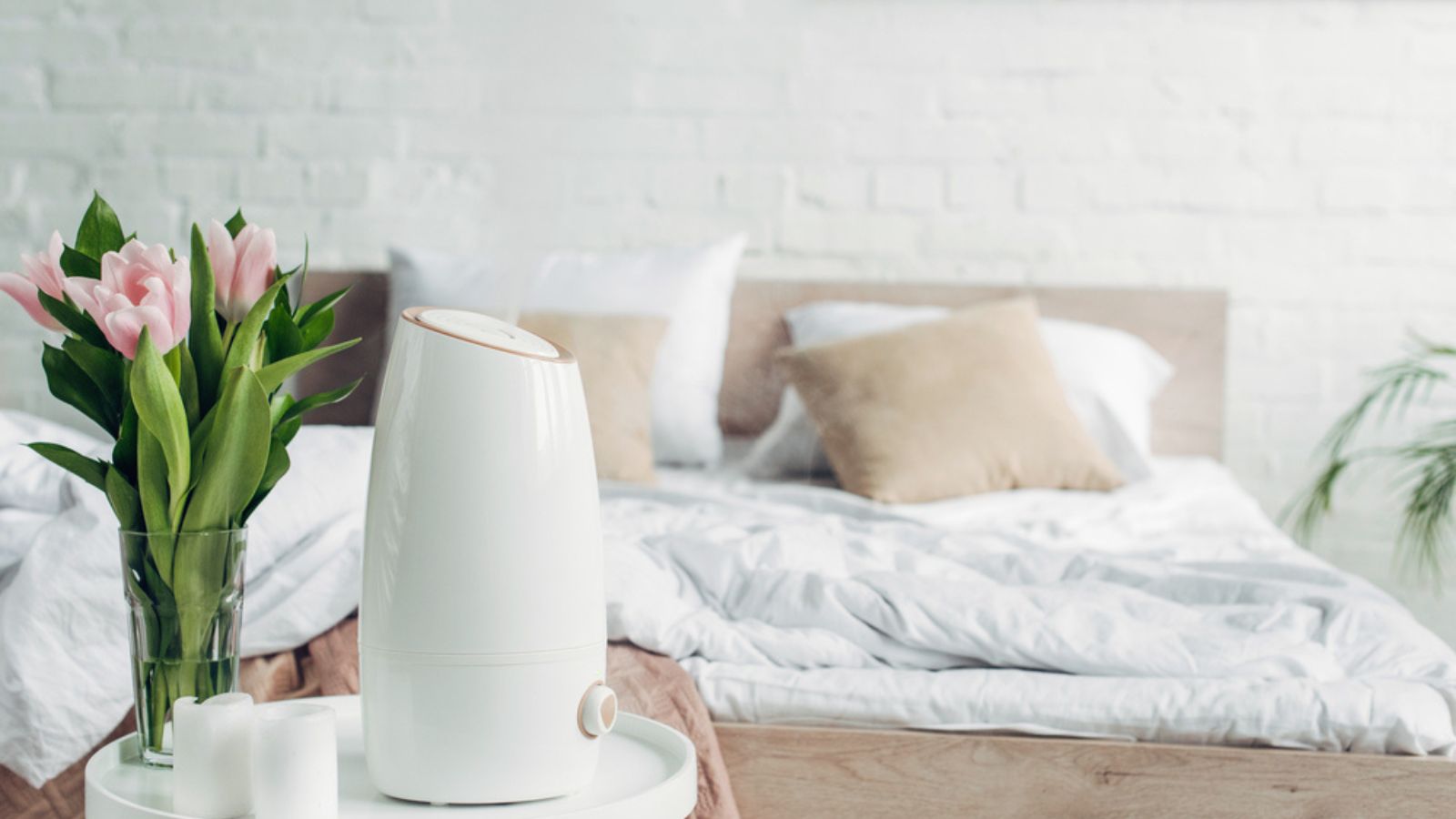
Visual clutter shrinks a room. Clear, simplified surfaces let the eye rest and emphasize open space. A tidy vignette reads as intentional, not crowded.
How to Implement
- Limit the nightstand to three essentials: light, book/phone, water/tray.
- Use a drawer organizer to hide cords and small items.
- Mount wall sconces to free surface space and remove bulky lamp bases.
Tips
- Add a small tray to corral loose items—if it doesn’t fit on the tray, it probably doesn’t belong on display.
- Edit nightly: remove used glasses, wrappers, and odds-and-ends each morning.
- Use matching containers or catch-alls for a coordinated look.
- Choose a nightstand with a drawer or shelf to quickly stash mess out of view.
- Style with one decorative accent (a bud vase, framed photo, or small plant) to add personality without clutter.
9. Maximize Vertical Space
Why It Works
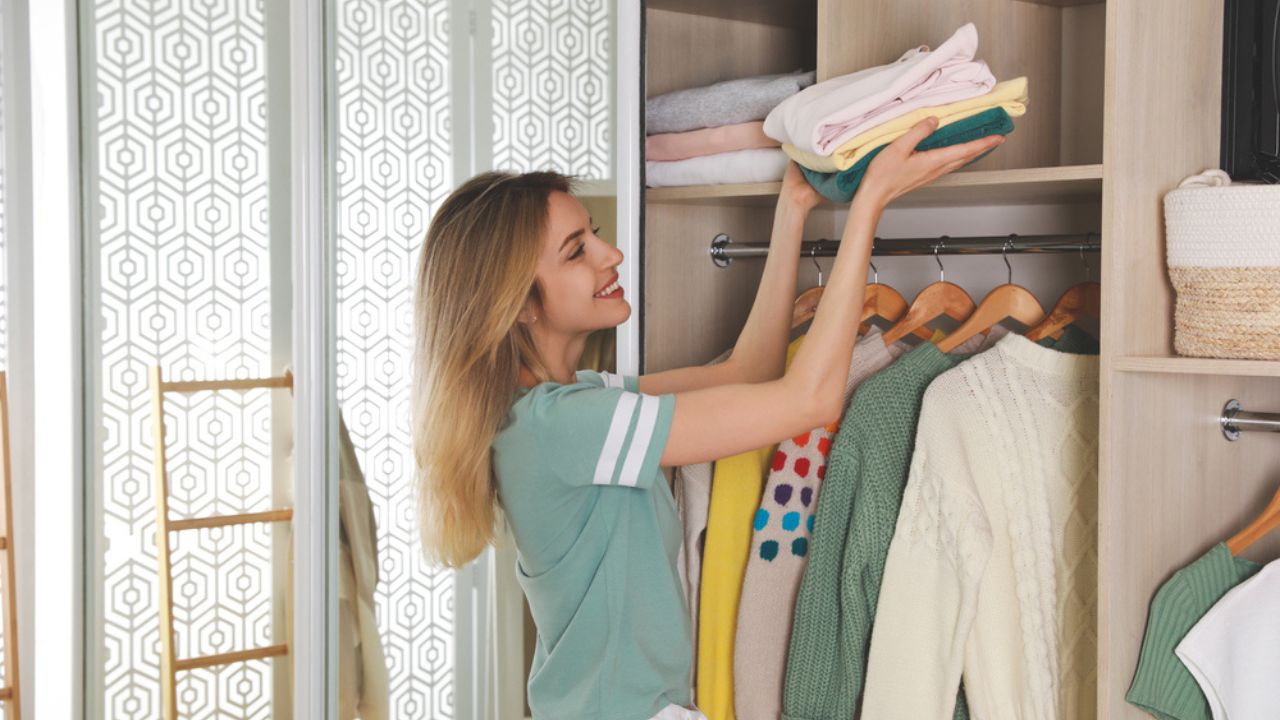
Most small bedrooms have unused space above the usual sightlines. Taking advantage of vertical real estate lets you add storage and style without eating up precious floor area. Stacking items upwards draws the eye to the ceiling, which can make walls feel taller and the room bigger overall.
How to Implement
- Install tall bookshelves, cabinets, or mounted shelving close to the ceiling for seasonal linens, extra books, or display items.
- Use wardrobe towers or armoires that reach near the ceiling instead of wide dressers.
- Mount organizers for jewelry, hats, or accessories, and hang artwork slightly higher to lead the gaze up.
Tips
- Keep upper shelves neat and use boxes or baskets for items you don’t use every day.
- Paint tall shelving the same color as the wall for a seamless effect.
- Leave a small gap between shelving and the ceiling to avoid a crowded look and allow for dusting.
- Hang curtain rods higher than the window for the illusion of bigger windows and taller walls.
Come Up with a Strategy
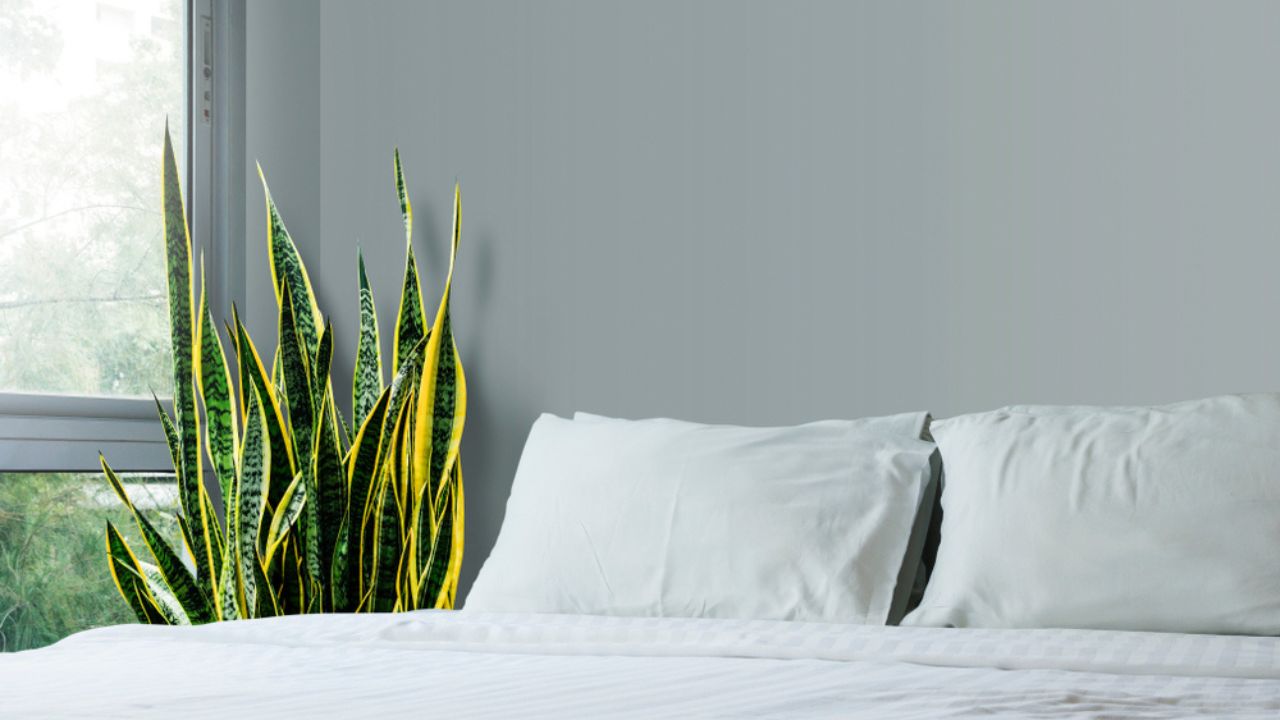
With these nine clever tricks—simple window treatments, space-saving built-ins, smart hooks, multi-functional furniture, bright paint palettes, cozy color drenching, strategic mirrors, clutter-free surfaces, and vertical storage—you can transform even the smallest bedroom.
Each strategy works together to visually expand the room, improve organization, and create a calm, restful retreat. Mix and match these ideas to build a bedroom that feels open, inviting, and tailored to your needs.