15 Non-Venomous Snakes You Might Identify in Your Own Yard
Finding a snake in your backyard can be startling, but not all snakes are creatures to fear. Many species are non-venomous and play a crucial role in keeping your garden healthy by controlling pests and balancing the ecosystem. Knowing which snakes are harmless—and why they’re important—can help you appreciate their presence and avoid unnecessary panic.
This guide introduces you to 15 non-venomous snakes you might encounter in your backyard. We’ll explain how to identify them, where they’re commonly found, and the positive impact they have. But first, it’s important to understand the difference between venomous and non-venomous snakes and how to identify them safely.
Venomous vs. Non-Venomous Snakes
One of the most important things to know about snakes is the difference between being venomous and poisonous. Venomous snakes inject venom through their fangs, typically as a defense mechanism or to subdue prey. On the other hand, poisonous creatures cause harm when they are ingested. Since snakes (with the exception of one) don’t pose a danger when eaten, the appropriate term for harmful species is venomous.
Why It’s Important to Know the Difference
By correctly identifying snakes, you can avoid unnecessary panic and respond appropriately. Venomous snakes generally keep their distance, but knowing whether a snake is dangerous can help you provide accurate information if you need professional assistance for removal.
Helpful Sayings for Identifying Venomous Snakes
Some sayings can help distinguish certain venomous snakes from harmless ones at a glance. For example, to tell the difference between a venomous coral snake and its look-alike, the harmless milk snake, remember this rhyme:
- “Red touches yellow, kills a fellow. Red touches black, friend of Jack.”
While helpful, these rhymes aren’t universal, so always prioritize careful observation and, if needed, consult experts. Now, onto the non-venomous snakes you might find right in your backyard.
Where We Sourced Our Info
To ensure accuracy, we relied on a mix of university extension publications, reputable wildlife organizations, and well-researched gardening and nature sites.
These sources provided the foundation for our species profiles, ensuring that the descriptions, behaviors, and habitat details are consistent with expert recommendations.
1. Garter Snake
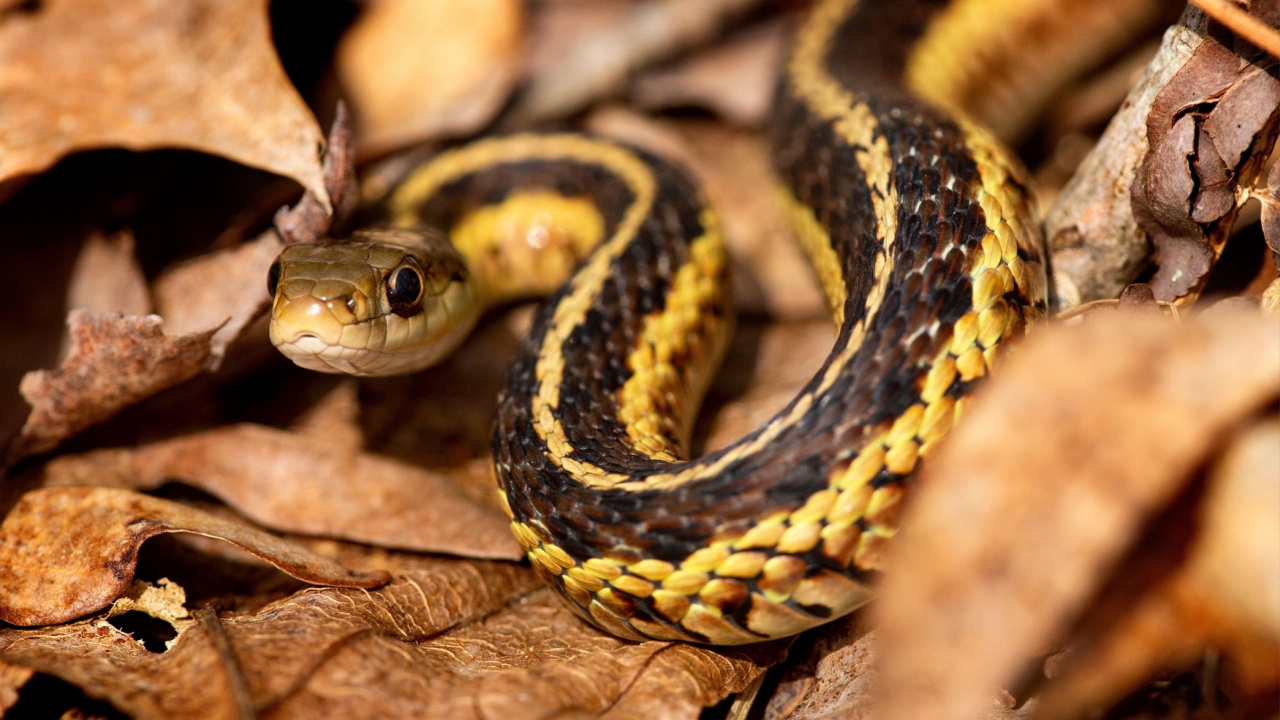
Identification: Garter snakes are slender with distinctive longitudinal stripes that run the length of their bodies, in colors like green, brown, or yellow.
Where They’re Found: They’re widespread across the U.S., especially in gardens, grassy fields, and near water sources.
Why They’re Beneficial: They eat garden pests like slugs, insects, and even small rodents, keeping your plants healthy and ecosystems balanced.
2. Eastern Rat Snake
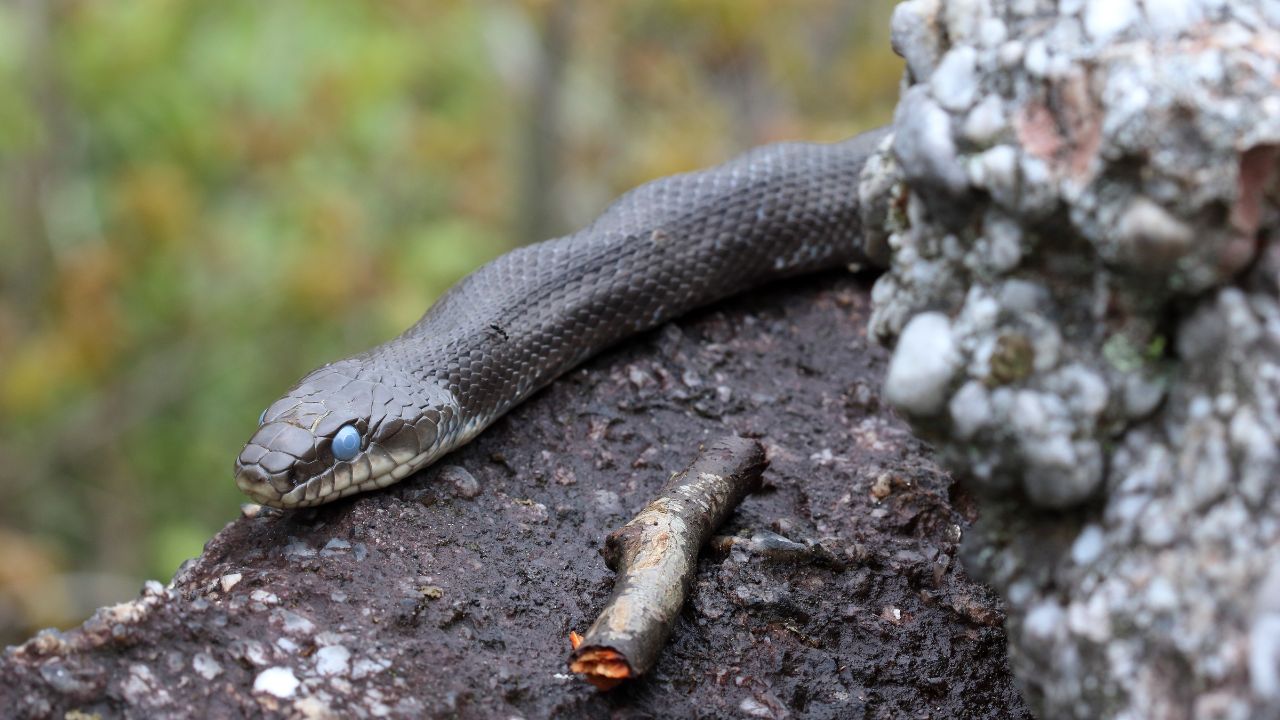
Identification: Eastern rat snakes are black with a glossy sheen and white underbellies. They can grow up to six feet long.
Where They’re Found: Common in the eastern U.S., especially in wooded areas and barns.
Why They’re Beneficial: Experts at rodent control, these snakes help keep mouse and rat populations in check.
3. Milk Snake
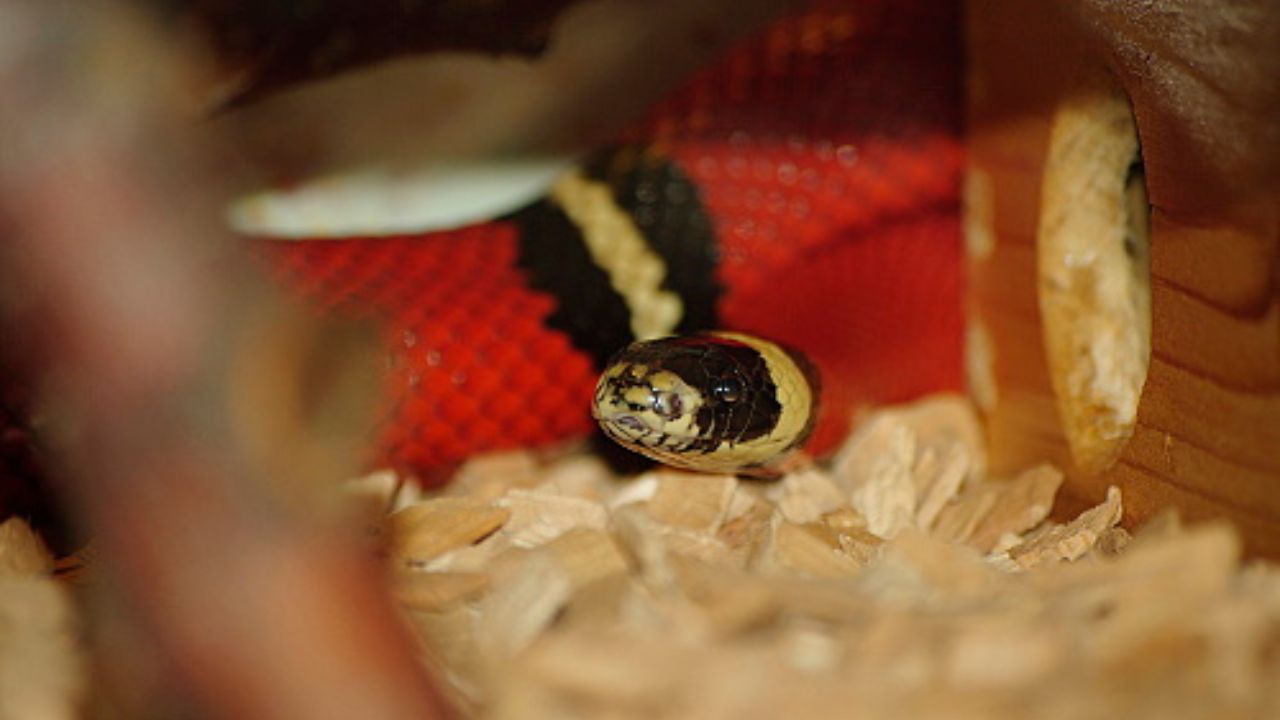
Identification: Featuring bold red, black, and cream-colored bands, milk snakes are often mistaken for venomous coral snakes.
Where They’re Found: Widely distributed across woodlands and fields in the central and eastern U.S.
Why They’re Beneficial: Milk snakes feed on rodents and other small prey, reducing pest infestations naturally.
4. Black Racer
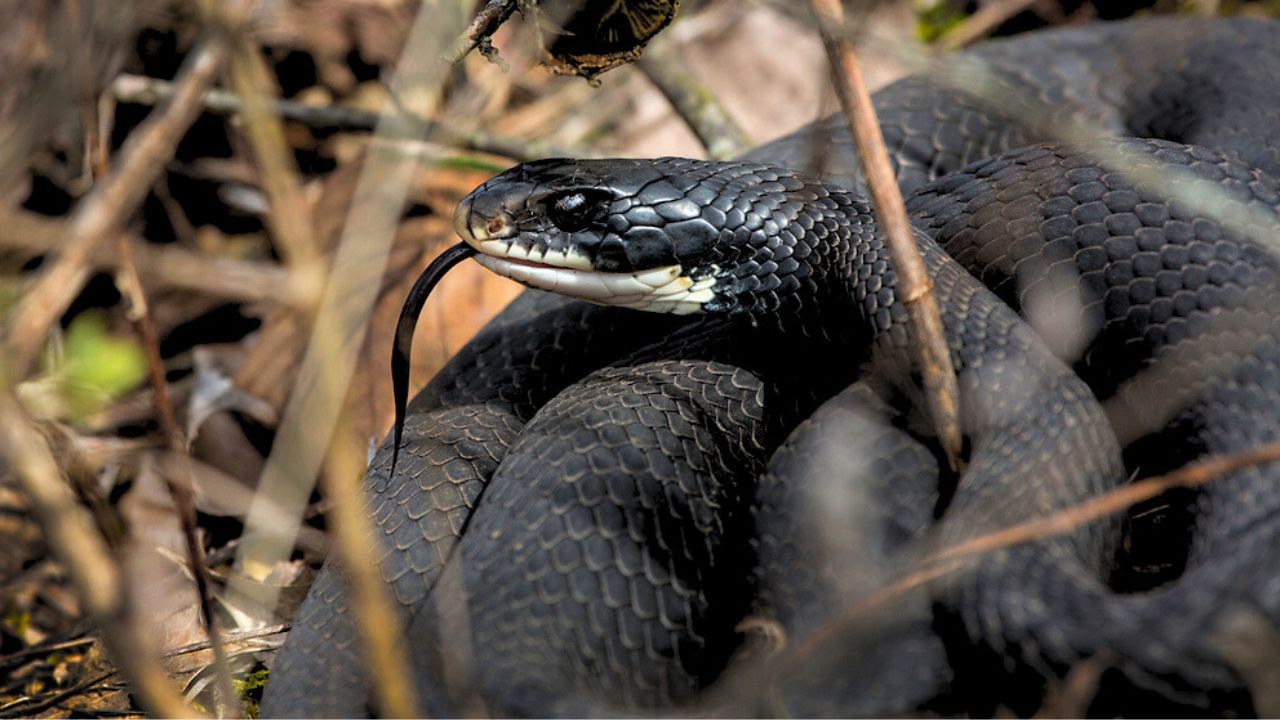
Identification: These snakes are thin, all black, and very fast. They lack the glossiness of rat snakes and have a matte appearance.
Where They’re Found: Found throughout the southeastern U.S. in gardens, meadows, and forests.
Why They’re Beneficial: Black racers control populations of frogs, rodents, and insects, all without venom.
5. Corn Snake
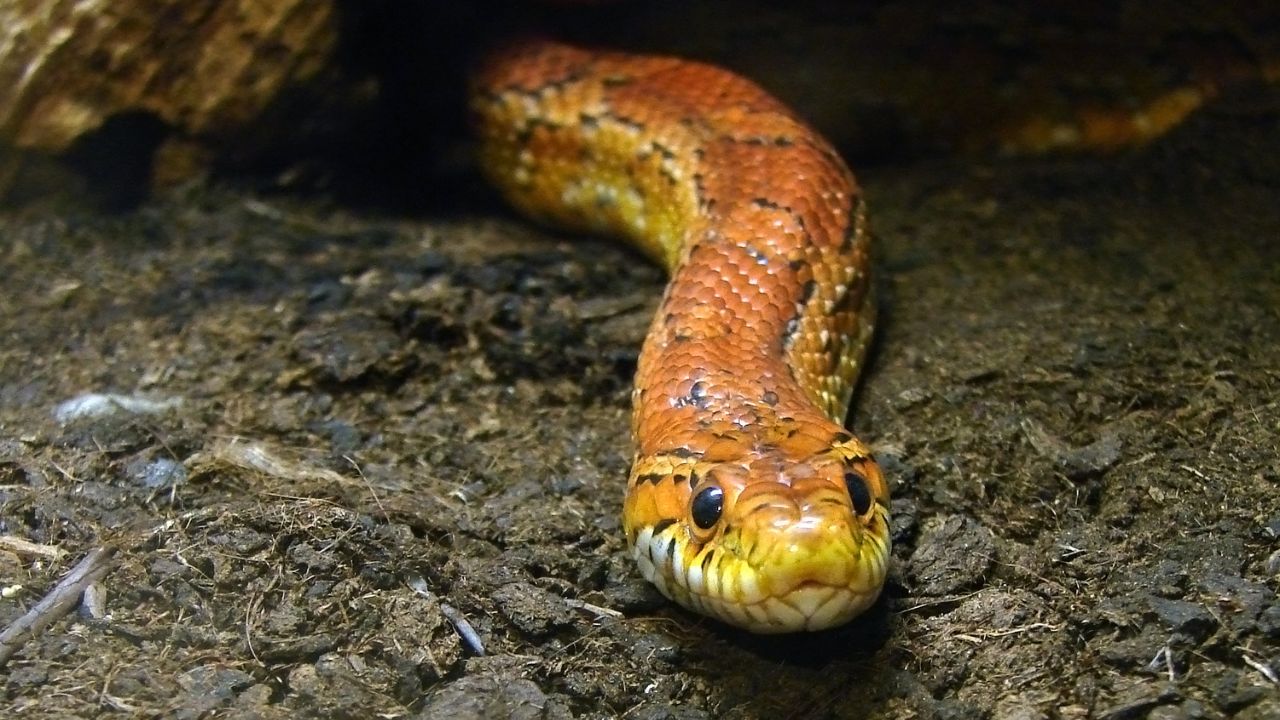
Identification: Corn snakes have vibrant orange scales with red blotches bordered in black, resembling kernels of corn.
Where They’re Found: They thrive in the southeastern U.S. in agricultural fields and abandoned buildings.
Why They’re Beneficial: They are natural rodent controllers and are especially useful on farms.
6. Northern Water Snake
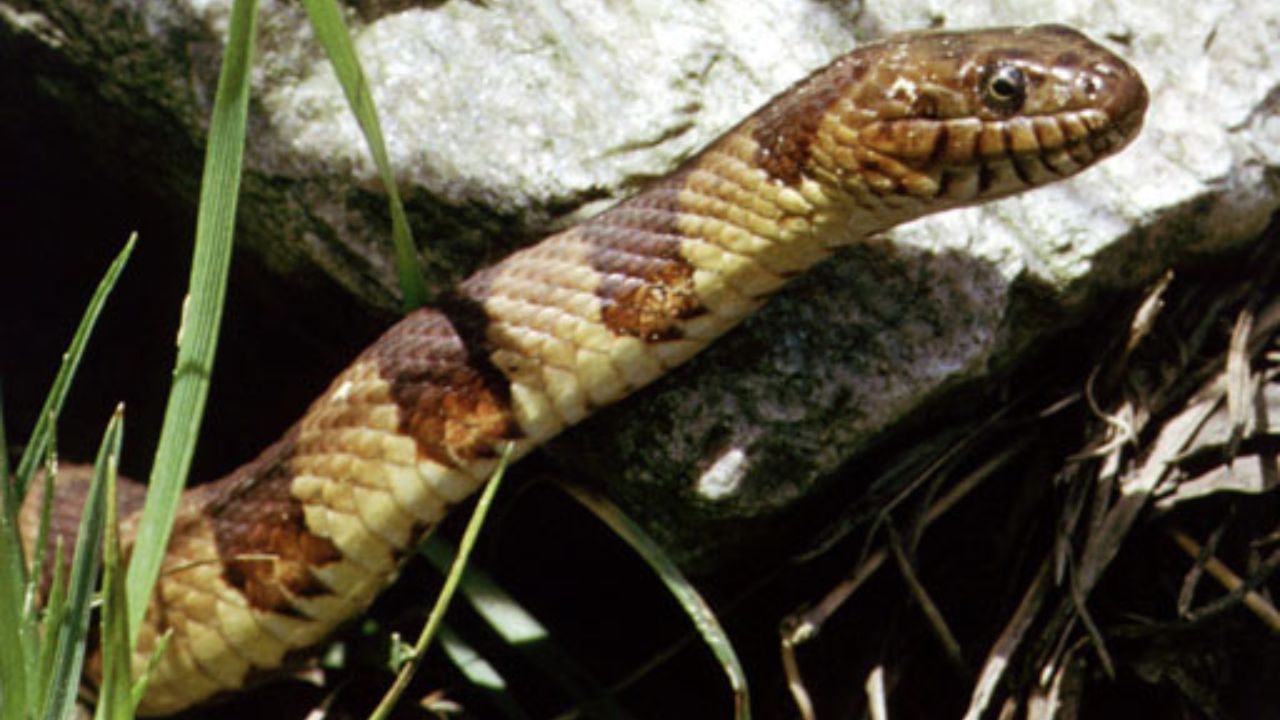
Identification: Their brown and gray patterns often resemble venomous cottonmouths, though they have round pupils and narrower heads.
Where They’re Found: Found near lakes, rivers, and ponds in the northeastern U.S.
Why They’re Beneficial: They eat fish and amphibians, contributing to a balanced aquatic ecosystem.
7. Ringneck Snake
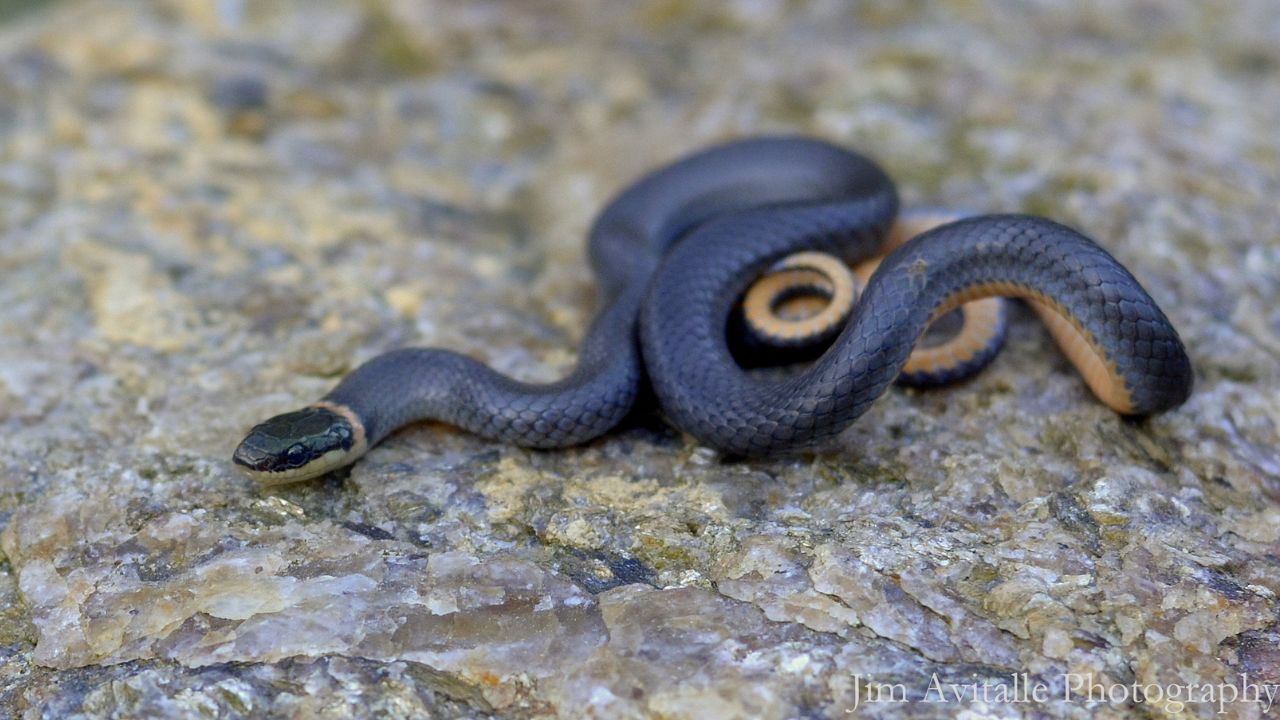
Identification: Small and sleek, they are black or gray with a distinct orange or yellow band around their necks.
Where They’re Found: Often found in the eastern U.S., hiding under rocks or logs in moist environments.
Why They’re Beneficial: They feast on insects, worms, and slugs, making them valuable garden allies.
8. Dekay’s Brown Snake
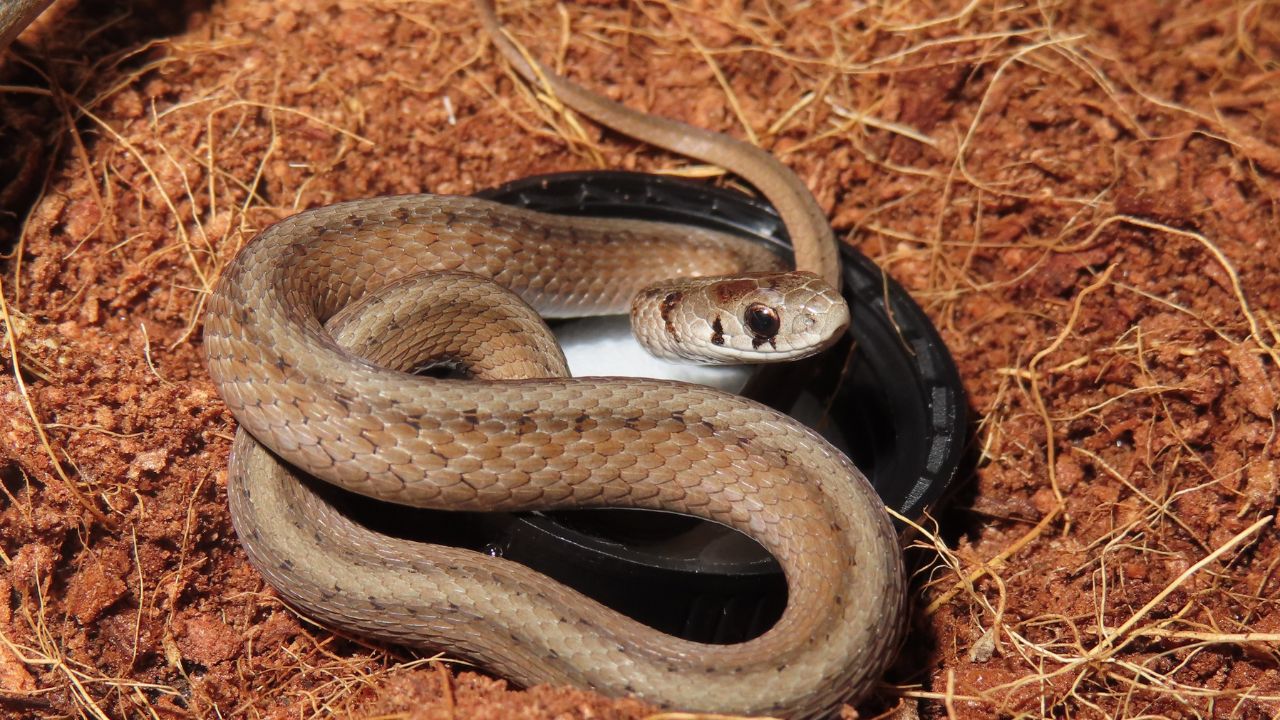
Identification: Small and inconspicuous, these snakes are light to dark brown with faint, darker spots along their length.
Where They’re Found: Common in gardens and yards across the eastern U.S.
Why They’re Beneficial: They feed on invertebrates like slugs and help maintain a healthy habitat.
9. Common Kingsnake
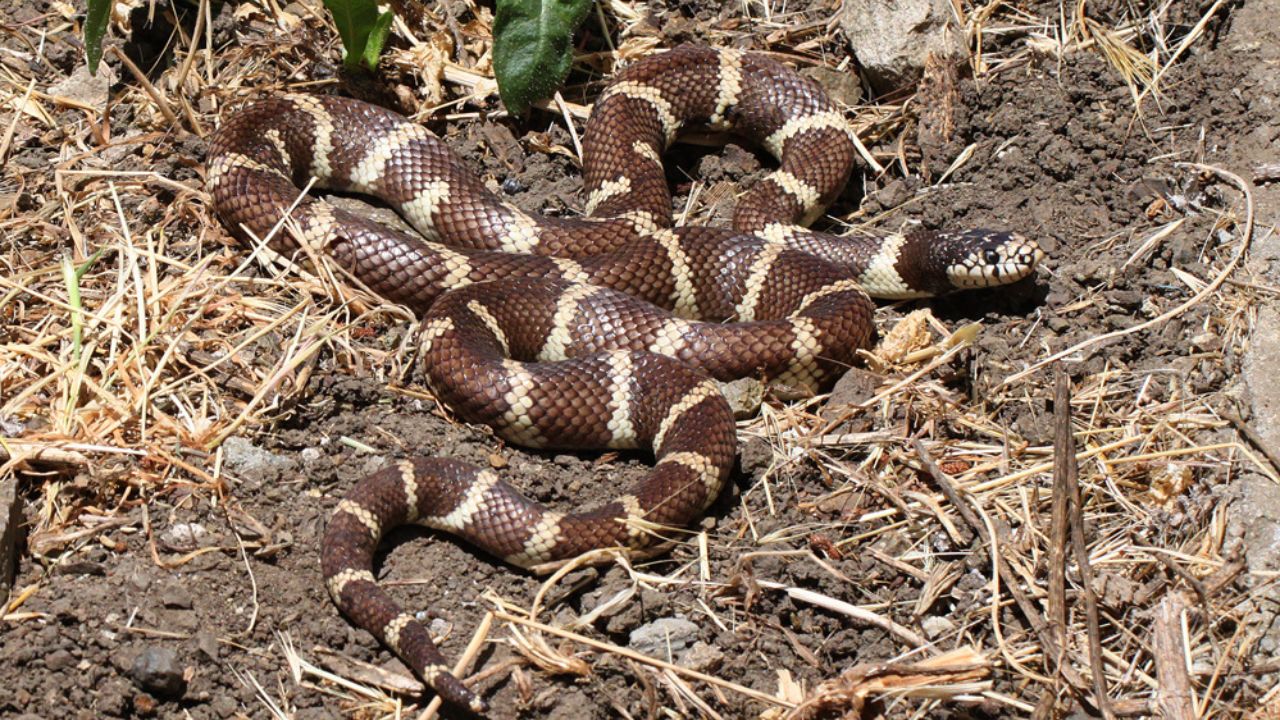
Identification: Striking black and white banding gives them their regal appearance, and their confident presence earns their name.
Where They’re Found: Across the southern U.S. in fields, forests, and suburban areas.
Why They’re Beneficial: Kingsnakes eat venomous snakes and other harmful species, helping to balance ecosystems.
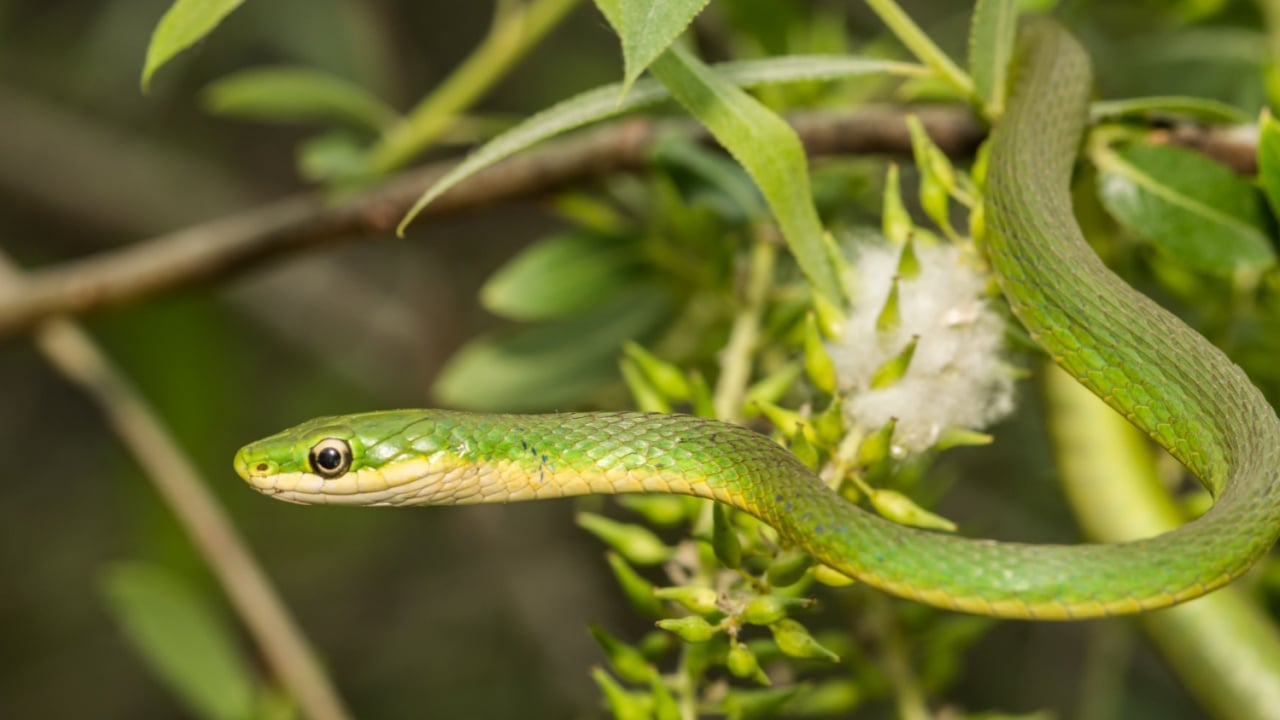
10. Rough Green Snake
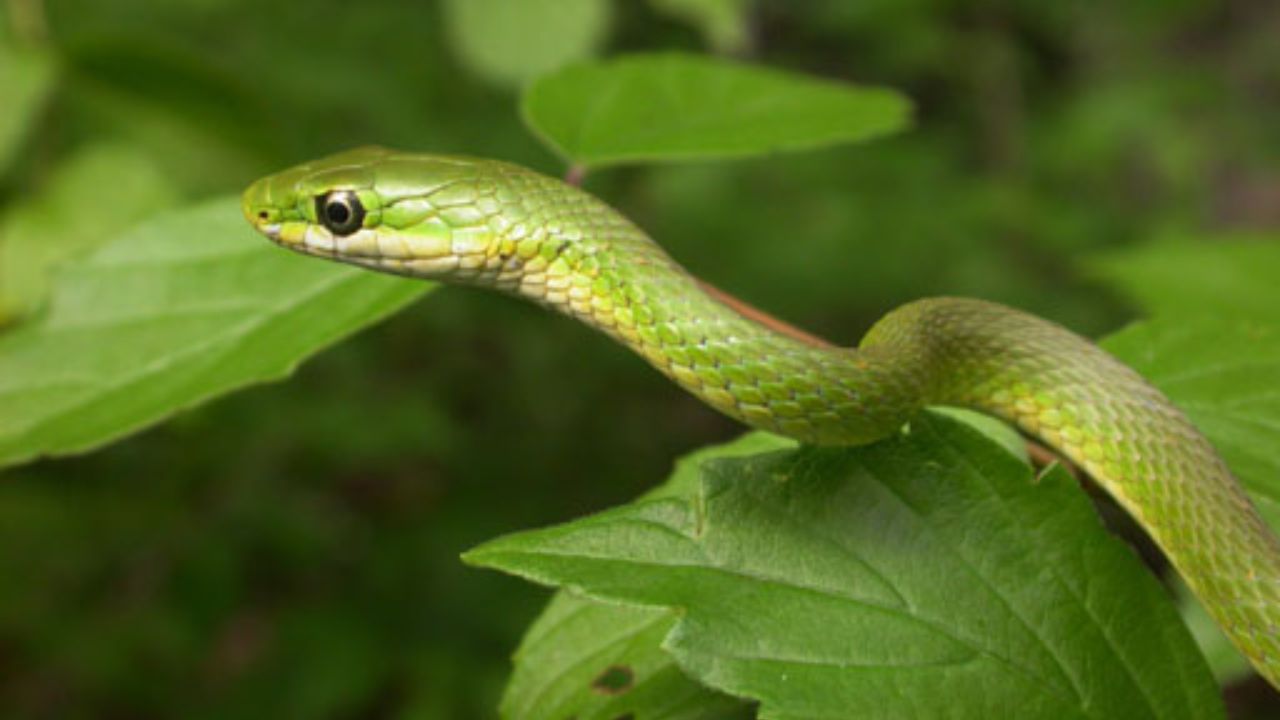
Identification: Vivid green body with a thin yellow underbelly, perfect for blending into foliage.
Where They’re Found: Found in shrubs, trees, or near water throughout the southeastern U.S.
Why They’re Beneficial: They eat insects and small invertebrates, making them excellent pest controllers.
11. Smooth Earth Snake
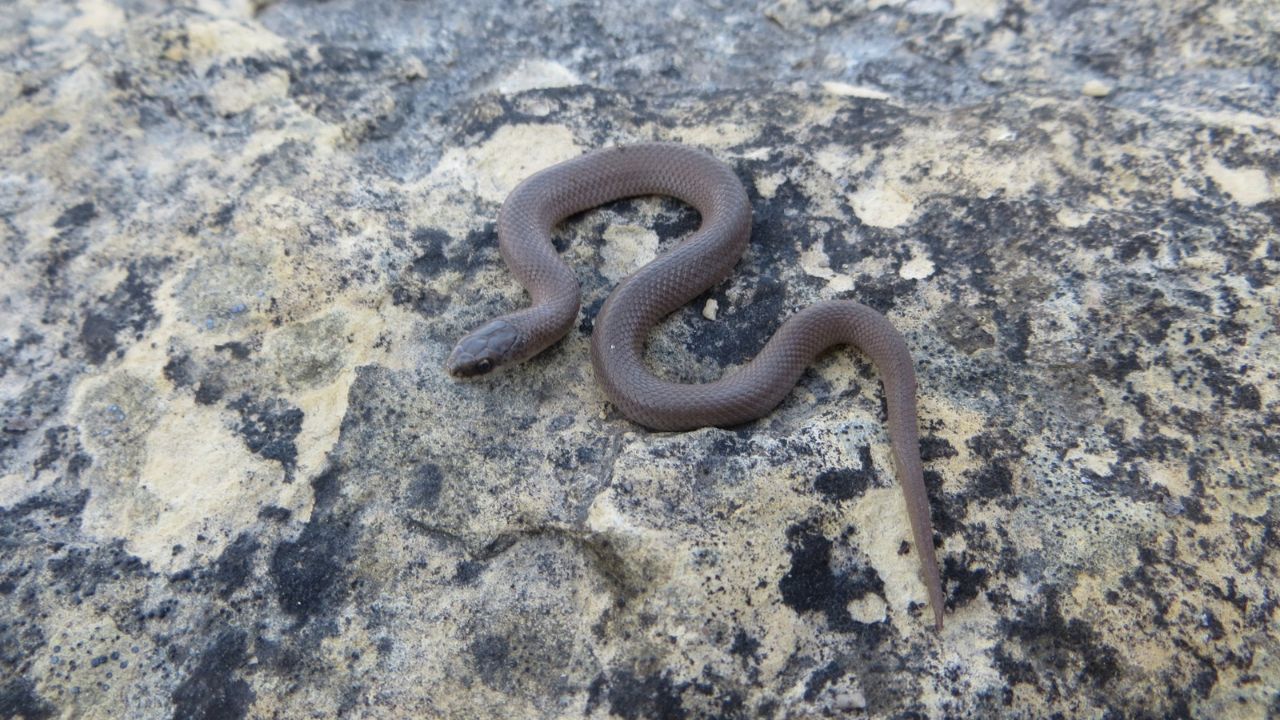
Identification: Small, smooth, and earth-colored, these are easily overlooked in leaf-litter habitats.
Where They’re Found: Found in gardens and wooded areas along the East Coast.
Why They’re Beneficial: They control populations of worms and other pests in soil.
12. Eastern Hognose Snake
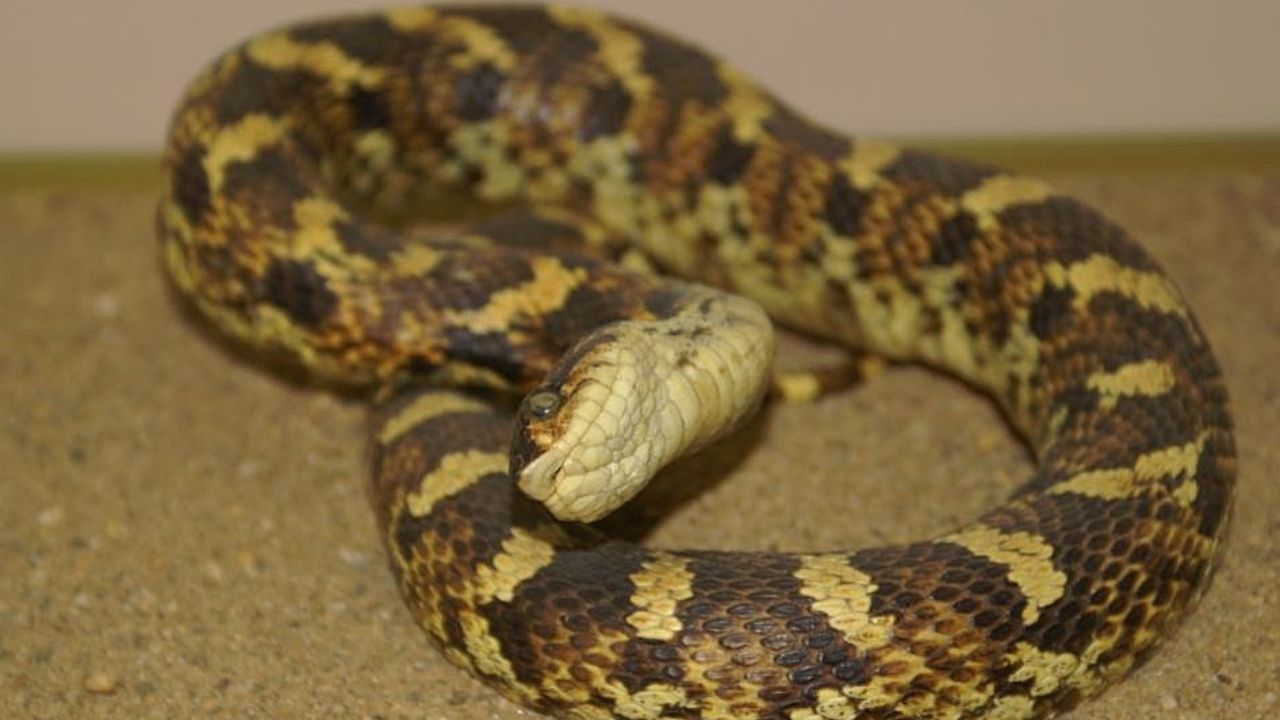
Identification: Their upturned snouts and dramatic behavior (playing dead) make them stand out. They come in varied shades of brown or black.
Where They’re Found: Found in sandy soil throughout the southeastern U.S.
Why They’re Beneficial: They primarily eat amphibians and don’t harm humans, making them important predators.
13. Western Ribbon Snake
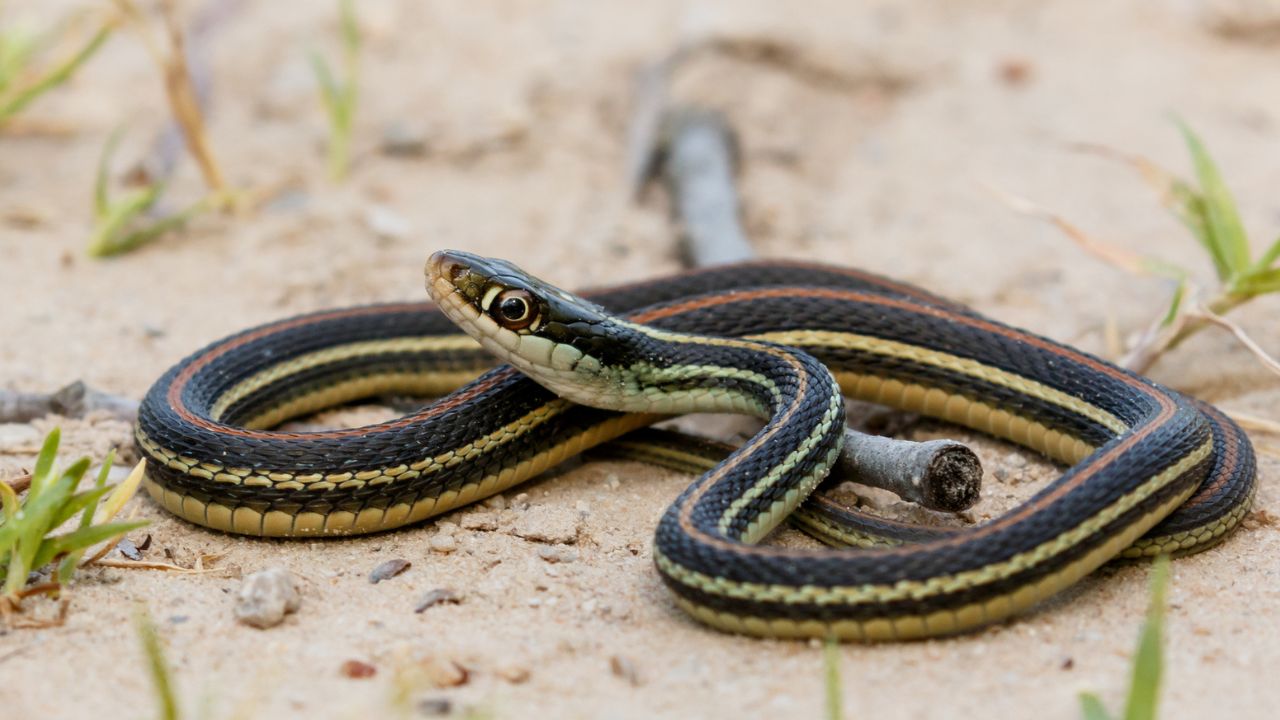
Identification: Long and thin, with vibrant yellow stripes running down their black or dark brown bodies.
Where They’re Found: Found near water in the central and southern U.S.
Why They’re Beneficial: Ribbon snakes eat small amphibians and insects, helping manage local pest populations.
14. Plains Garter Snake
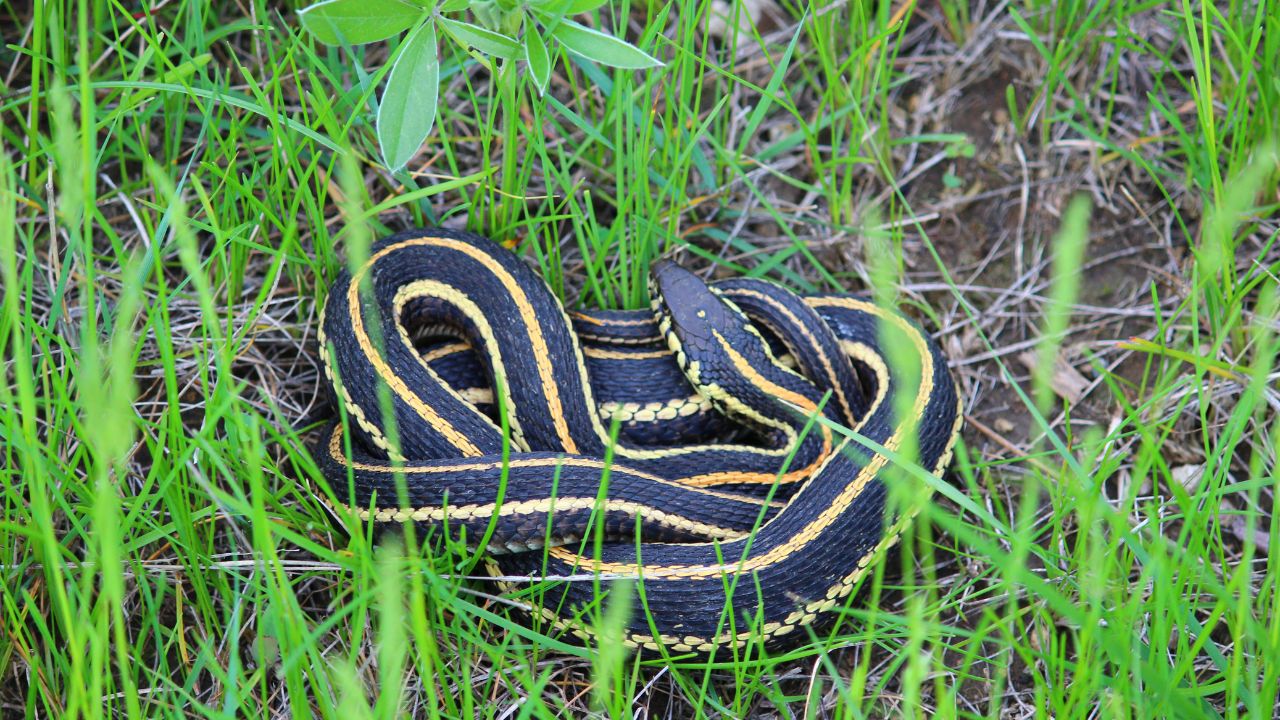
Identification: Featuring bold yellow stripes on an olive or brown backdrop, these snakes are easily recognized.
Where They’re Found: Found in prairies and open grasslands of the central U.S.
Why They’re Beneficial: They keep insect and rodent populations under control and thrive in biodiverse areas.
15. Western Rat Snake
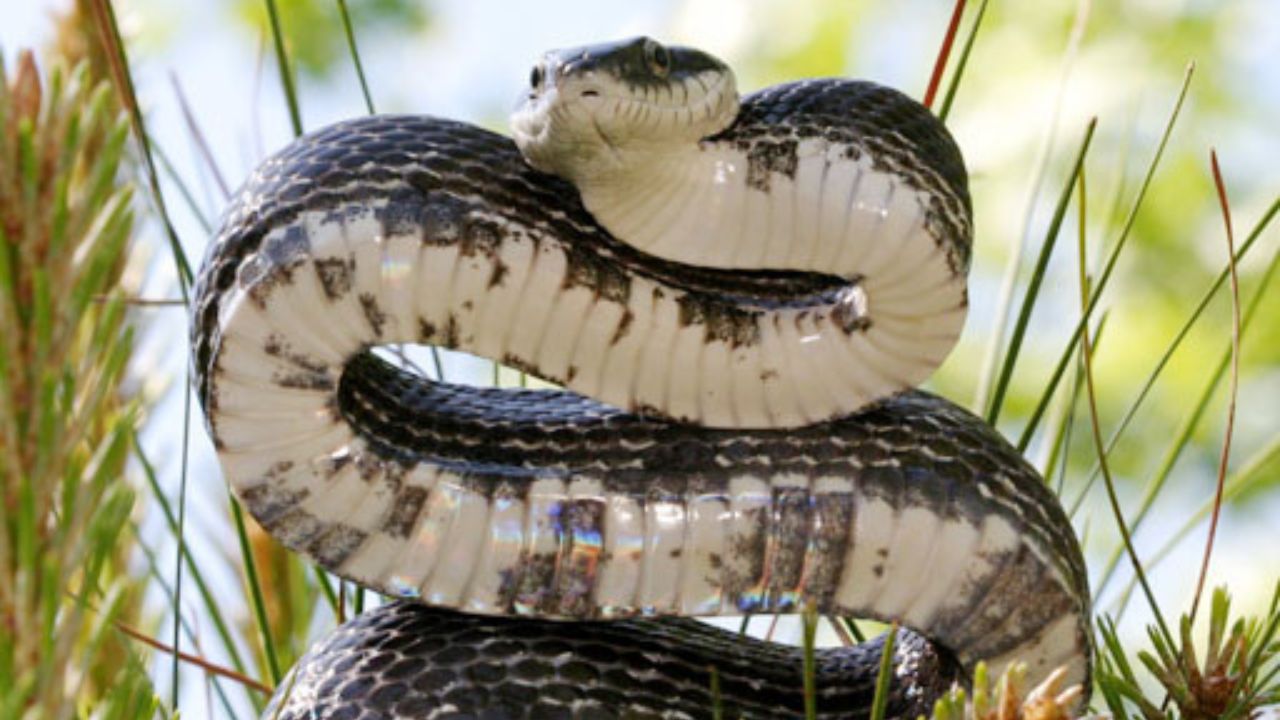
Identification: Black with a light underside, these large but docile snakes are often mistaken for venomous species.
Where They’re Found: Found in woodlands and fields of the central and south-central U.S.
Why They’re Beneficial: They excel at managing rodents and are purely non-venomous.
Snakes in a Balanced Ecosystem

From the delicate ringneck to the bold kingsnake, these non-venomous snakes are valuable members of your backyard ecosystem.
Learning to identify them not only helps you avoid unnecessary worry but also encourages coexistence with nature’s pest controllers. By appreciating these snakes’ roles, you can contribute to a thriving and balanced environment while keeping your yard healthy and vibrant.
Read more
9 Fastest Snakes in the World (And Where They Live)
8 Signs You Have a Snake Problem in Your Garden