14 Things to Never Clean with Vinegar
Vinegar has been saving our lives since 5000 B.C. It’s everything you want in a home staple—cheap, natural, and smells like you mean business. It may be the Instant Pot of home cleaning solutions, but even vinegar has its limits.
The temptation to spray this all-purpose solution everywhere is real, but if you’re not careful, you might end up with more mess than you started with. You may even accidentally ruin some surfaces or items entirely.
So, before you douse everything in that tangy-smelling stuff, let’s talk about the don’ts of using vinegar. We sourced these recommendations from trustworthy home and cleaning sites to give you the best insight.
1. Granite and Marble Countertops

Granite and marble countertops scream luxury, but nothing takes that luxurious look away like a dull, lifeless stone. While vinegar is a household cleaning staple, it’s too acidic for these surfaces.
It can eat away at the protective sealant, leaving your countertops open to scratches and stains— probably not exactly what you were going for. Instead, use a gentle, pH-neutral cleaner that preserves that beautiful shine. Even a simple mix of dish soap and water will do the trick.
2. Egg Spills

Cleaning up egg spills is already a gross task, but vinegar makes it even worse. When vinegar meets raw egg, it causes the proteins to curdle, turning the mess into a chunky, glue-like disaster.
Rather than cleaning it up, you’re left with something even harder to wipe away—like trying to clean up scrambled eggs before they’ve been cooked. Instead, stick to good old soap and warm water for egg spills.
3. Electronic Screens

If you’ve ever wiped down your phone, laptop, or TV screen with vinegar, you probably noticed things didn’t end well. Vinegar, with its acidic punch, erodes the protective coating on screens, leaving you with a smudgy, scratched-up view of your latest binge-worthy series.
Rather, reach for a microfiber cloth and a cleaner designed specifically for electronics. These delicate surfaces require special care to maintain their crisp look.
4. Hardwood Floors

If visions of glossy, magazine-worthy hardwood floors are dancing in your head, vinegar will squash them pretty quickly. While it’s tempting to use this natural cleaner on floors, the acidity can break down the finish, leaving your hardwood looking dull and dry.
Stick to wood-safe products that protect the finish while giving you that satisfying shine. A well-cared-for floor makes your home that much more welcoming. Vinegar can sit this one out.
5. Natural Stone Floors

Much like their countertop cousins, natural stone floors don’t exactly appreciate a vinegar bath. The acid wears away at the stone’s surface, making it more porous. That means stains, scratches, and a rough texture you definitely didn’t sign up for.
Go for a pH-neutral solution specifically designed for stone floors. Not only will it keep your floors looking fresh and polished, but it’ll also ensure they stay durable for years to come.
6. Aluminum Surfaces

Vinegar and aluminum? Not a match made in heaven. When vinegar comes in contact with aluminum, it can cause discoloration and leave your shiny pots and pans looking chalky and dull.
No one wants to turn their sleek cookware into something that looks like it’s been through a few too many bad dinners. Stick with soap and water to clean your aluminum surfaces.
7. Greasy Dishes
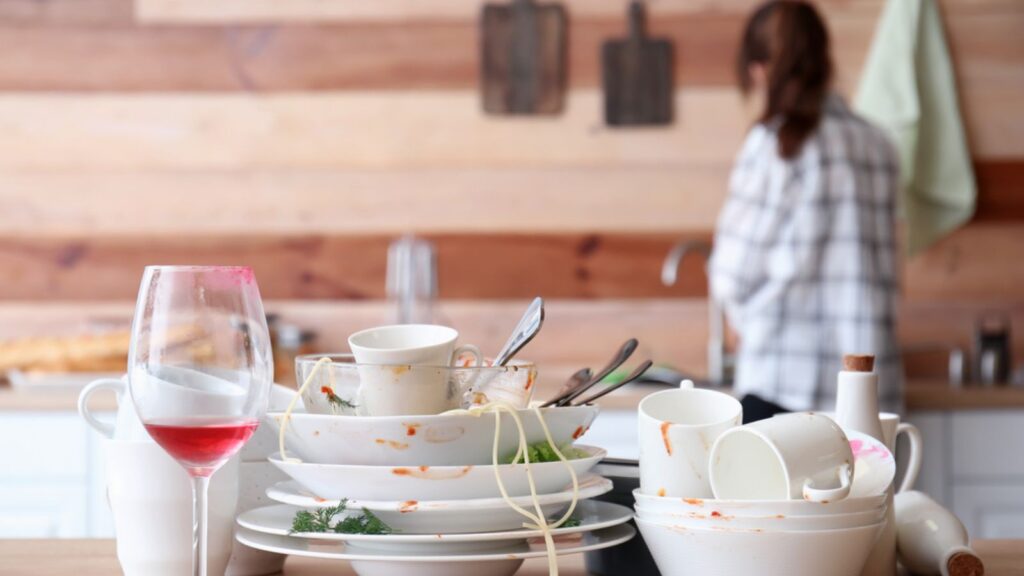
Vinegar and grease don’t play nicely in tackling the pile of dirty dishes you have been ignoring all day. While vinegar can cut through some grime, it struggles with the slippery nature of grease, often leaving behind a residue that can be a pain to rinse off.
Instead of leaving your dishes looking like they took a bath in oil, grab a dish soap specifically designed to combat grease. These formulas have surfactants that latch onto grease, making it easy to wash away and leaving your dishes squeaky clean!
8. Knives

When it comes to caring for your knives, vinegar just doesn’t cut it. The acid can corrode the metal, weakening the blade over time. It will also tarnish and dull that sleek, sharp edge you rely on for perfect slices and dices.
Wash your knives with gentle soap and water, then dry them immediately. This way, your knives will stay sharp and in top condition, ready to tackle whatever you throw their way.
9. Waxed Furniture
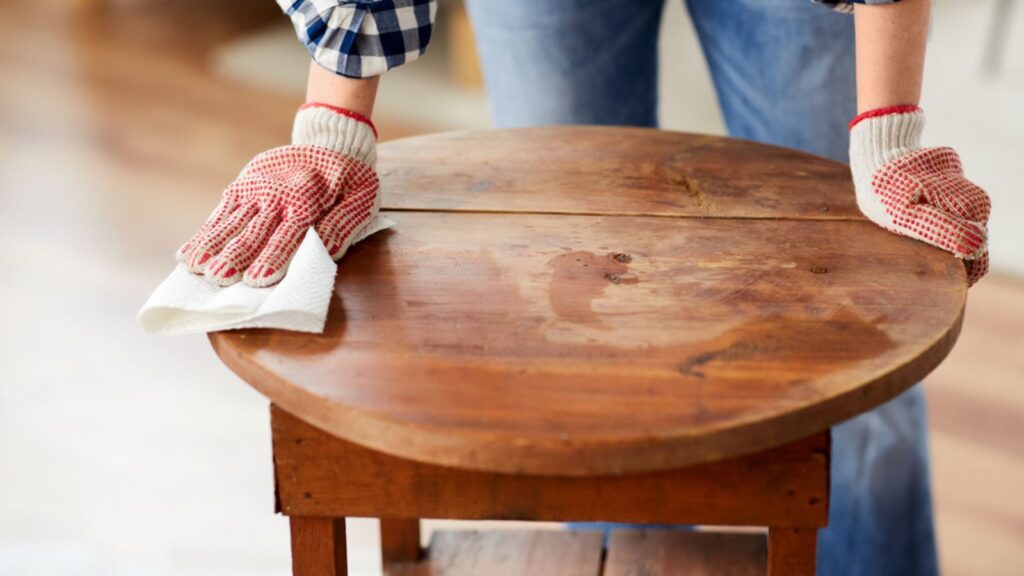
Waxed furniture has that warm, polished look we all love, but vinegar doesn’t care. When used on waxed surfaces, vinegar strips the wax right off, leaving your furniture looking dull and, well, sad. Not to mention, you’ll have to re-wax it all over again.
Instead, use a specialized furniture polish or a simple damp cloth to keep your waxed surfaces looking their best. A little maintenance goes a long way, and vinegar doesn’t need to be part of the equation.
10. Washing Machines

Pouring vinegar into your washing machine might sound like a great trick, but it’s a gamble. The acid can damage the machine’s rubber seals over time, leading to leaks or malfunctions.
You definitely don’t want to ruin the very thing that’s keeping your laundry pile from taking over your life. Use a washing machine cleaner designed to get rid of buildup without damaging your appliance.
11. Grout

Dirty grout always looks like it’s in need of some magical vinegar, but it’s actually a no-go. The acid in vinegar wears away at the grout, making it more porous. That leads to water damage, discoloration, and more frequent repairs.
Stick with a grout cleaner that’s designed to wash without damaging the material. Not only will your tiles stay intact, but your grout lines will stay fresh and sealed.
12. Cars

Your car’s been through a lot, and a natural cleanser like vinegar sounds like a great option. But vinegar and car paint? Big mistake. It can strip away the protective wax and even damage the paint job itself.
This may leave your vehicle vulnerable to the elements. Instead, go with car-specific cleaners that are designed to be tough on grime but gentle on the finish.
13. Pearls

Pearls are delicate treasures, and vinegar’s acidity, though great for cleaning many things, is harsh on pearls. It can erode their surface, leaving them dull and lacking that gorgeous luster.
Rub them with a soft cloth and mild water to keep them sparkling. These natural gems don’t need anything harsh to stay beautiful. Keep them away from vinegar if you’re still thinking of gifting them to your granddaughter.
14. Anything with Bleach
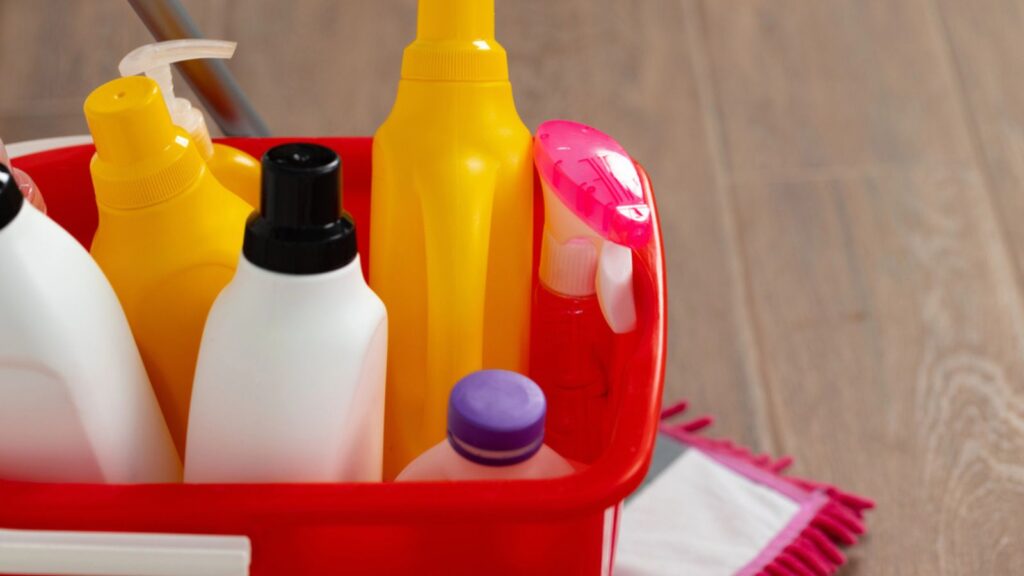
Vinegar and bleach are like the worst of frenemies. When mixed together, they produce toxic chlorine gas—a dangerous combination for your health. This is one pairing you want to avoid at all costs, no matter how desperate you are to tackle that tough cleaning job.
Use these cleaners separately, and always follow safety guidelines. You’ll avoid a chemical disaster and live on to spoil your grandchildren.