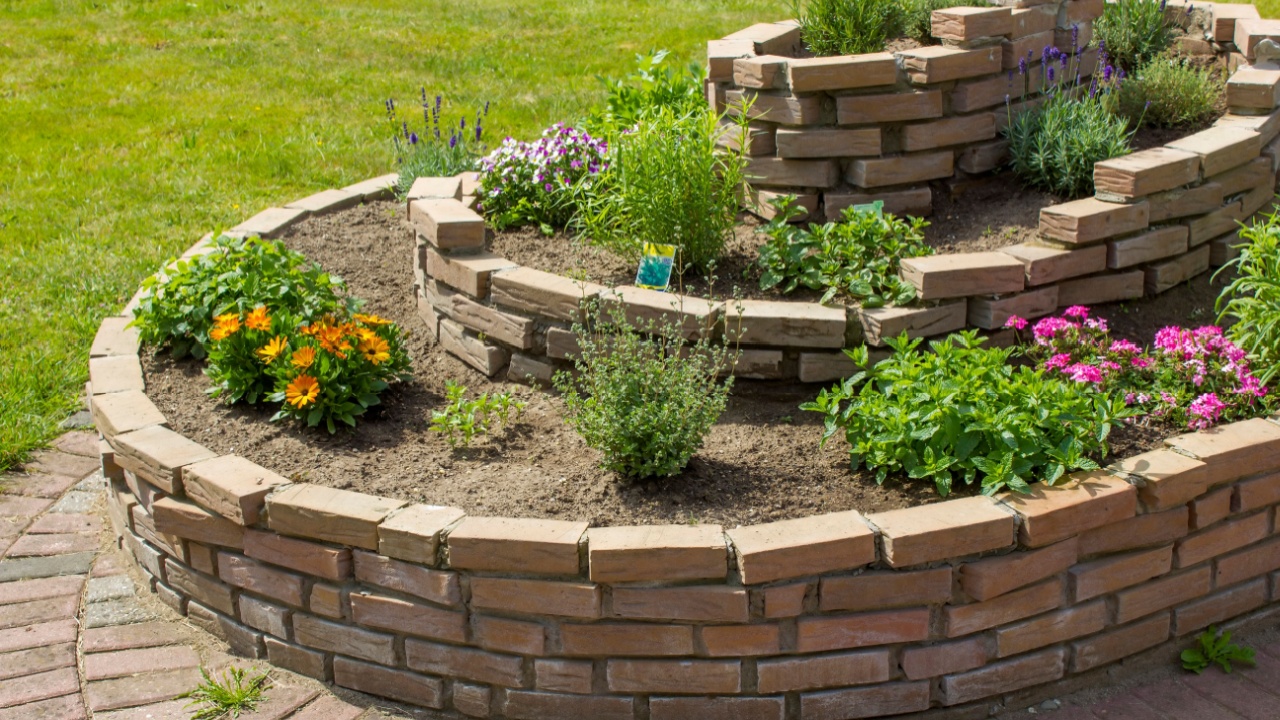
21 Simple Gardening Ideas for a Beautiful Space That Takes Care of Itself
Having a beautiful garden doesn’t mean you need to spend hours every week digging, planting, weeding, and watering. With the right low-maintenance design ideas, you can create a stunning outdoor space that practically takes care of itself.
Below, you’ll find 21 easy-to-implement garden ideas perfect for busy people who love the look of a lush, vibrant yard but don’t have time for constant upkeep. While we could go on and on about fun garden ideas, around 20 felt like a good number to strike inspiration without getting too crazy.
1. Shade-Loving Ferns
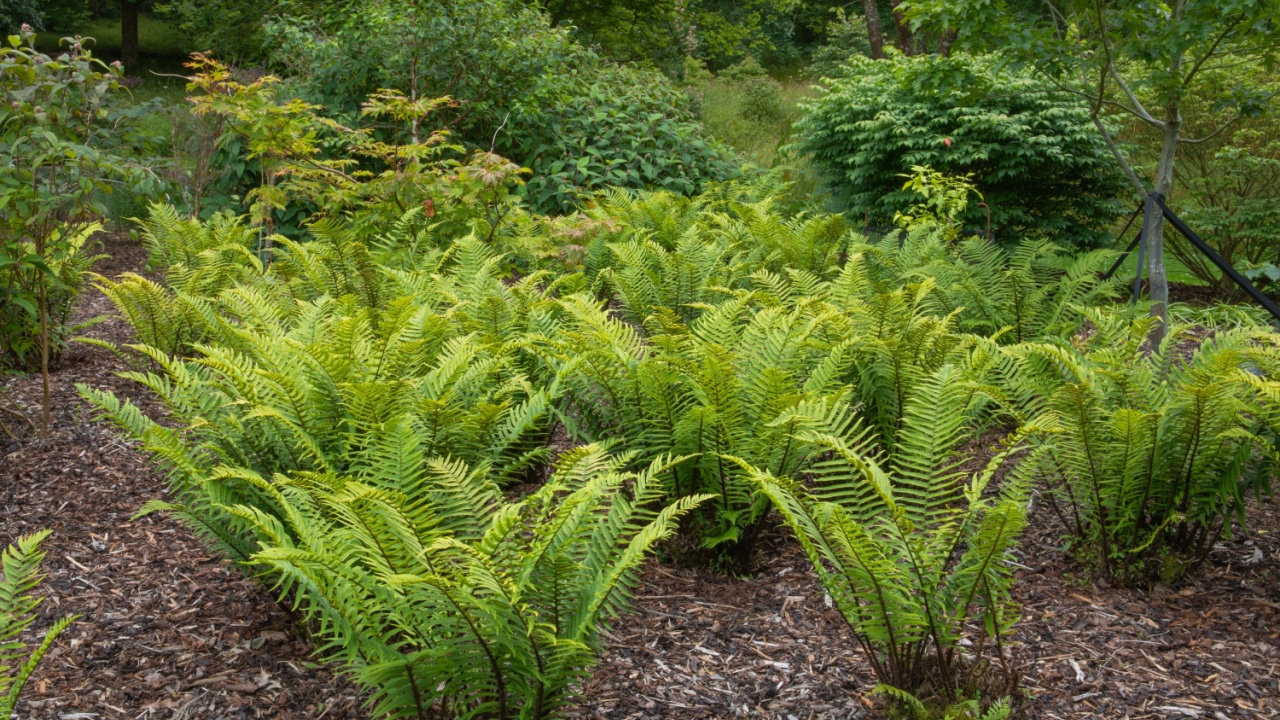
Ferns are perfect for shady areas of your garden and require minimal attention once planted. Their graceful fronds create lush greenery, transforming dark corners into tranquil spaces.
How to get started: Choose varieties like Maidenhair or Lady Fern and plant them in nutrient-rich, moist soil. Mulch the area to lock in moisture, and water sparingly once established.
2. Evergreen Shrubs
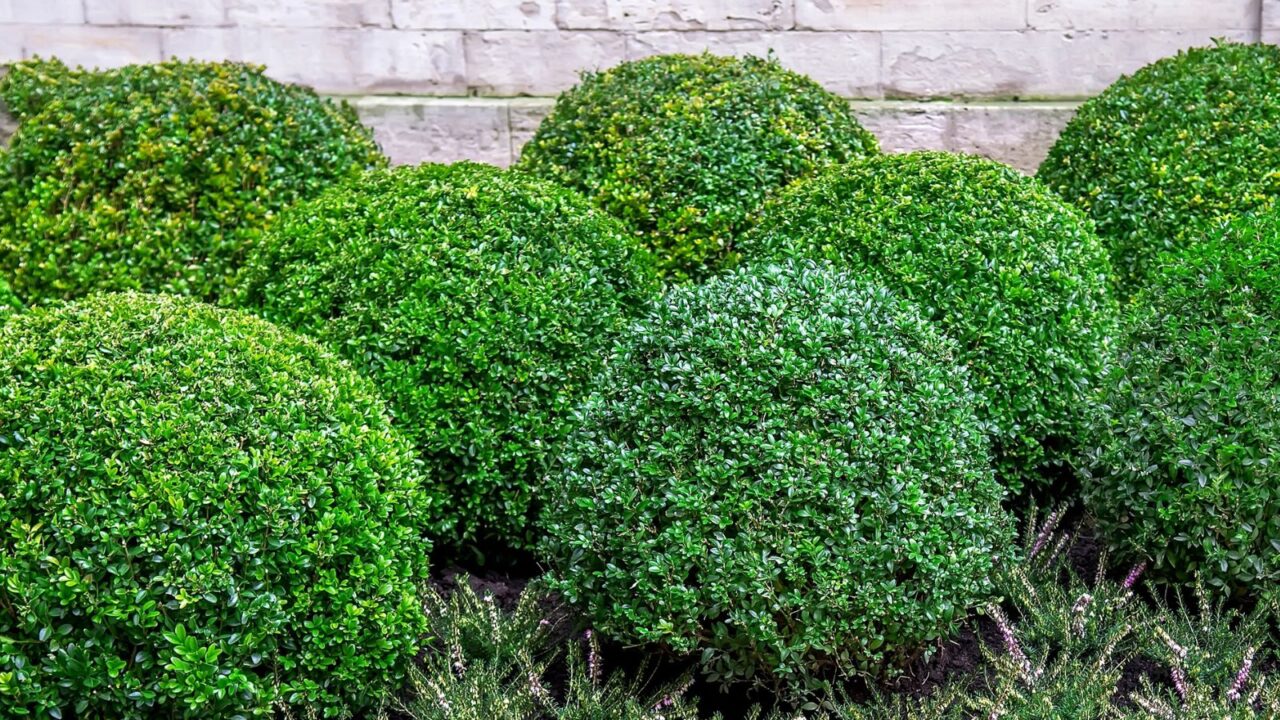
Evergreens provide structure and year-round greenery. They require little pruning and are resistant to harsh weather, making them a solid foundation for any garden.
How to get started: Opt for hardy varieties like Boxwood or Juniper. Plant them in well-drained soil in a sunny or partially shaded area. Give them a good drink of water when planting, but they’ll need minimal care after that.
3. Rain Gardens
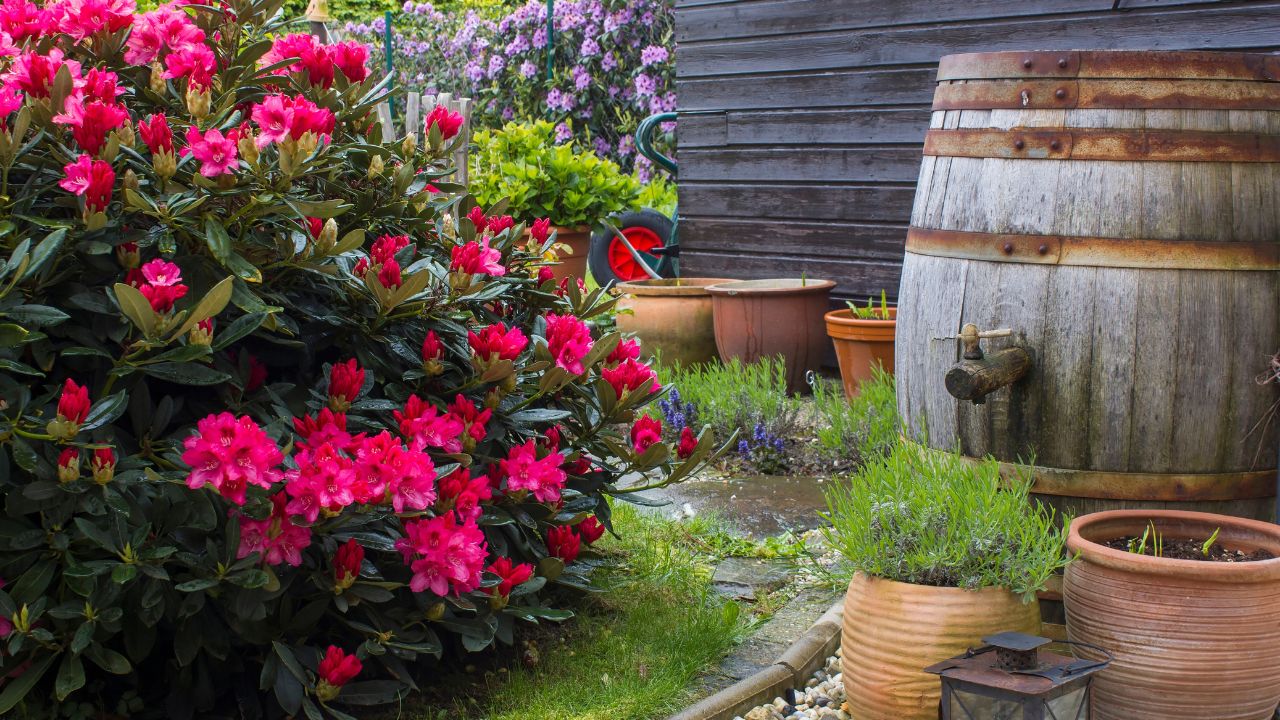
Designed to capture and absorb rainwater runoff, rain gardens are not only beautiful but also eco-friendly. Filled with water-loving plants, they can thrive with minimal maintenance.
How to get started: Identify a low-lying area in your yard where water naturally collects. Add plants like Black-eyed Susans or Blue Flag Iris, which love damp soil. Sit back and enjoy as your rain garden flourishes with each rainfall.
4. Native Plant Beds

Native plants are well-adapted to your region’s soil, climate, and pests, making them easy to care for. They also support local wildlife like pollinators and birds.
How to get started: Research your region’s native plants and choose a mix of flowering species, shrubs, and grasses. Water lightly during the first few weeks, then rely on nature to do the rest.
5. Ornamental Grasses
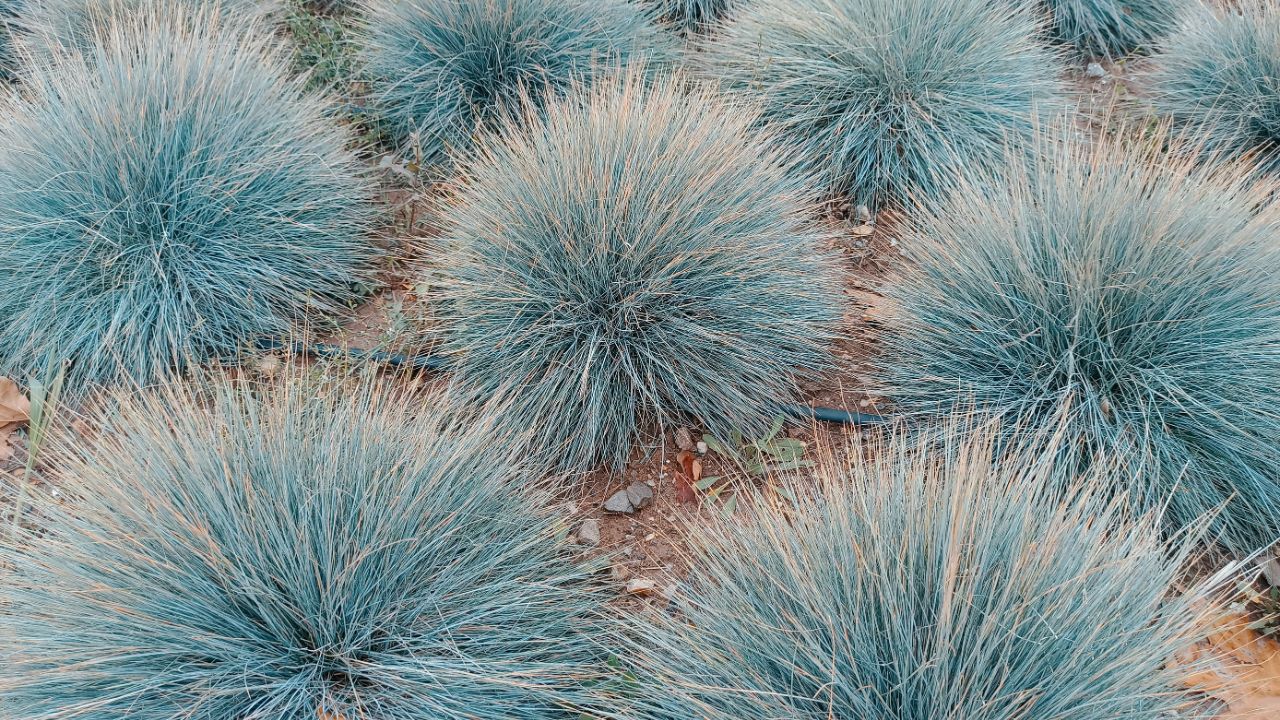
Ornamental grasses add texture, movement, and year-round interest to gardens with very little maintenance required. They’re pest-resistant and drought-tolerant, making them worry-free additions.
How to get started: Plant varieties like Feather Reed Grass or Blue Fescue in sunny spots with well-drained soil. Trim them back once a year in late winter for fresh spring growth.
6. Creeping Groundcovers
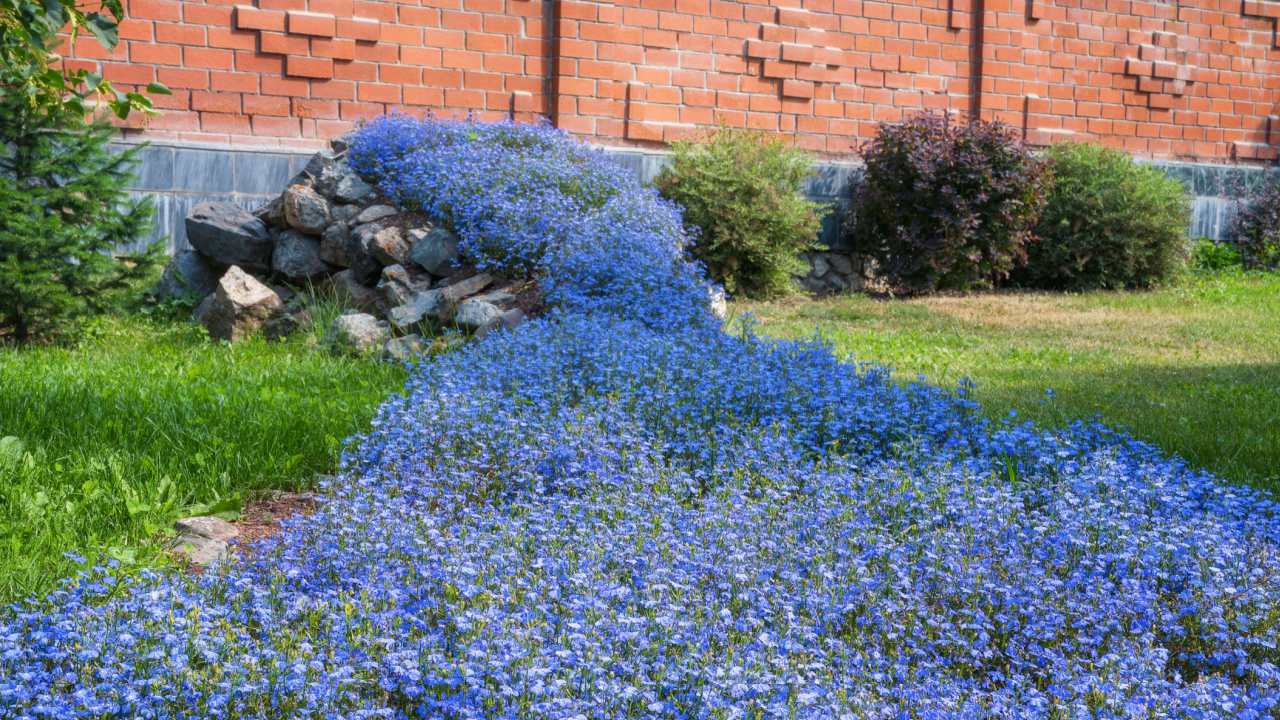
Groundcovers like Creeping Thyme or Sedum spread quickly, suppressing weeds and eliminating the need for regular weeding. They add beauty while reducing maintenance.
How to get started: Plant in areas where you’d like to replace grass or cover bare soil. Water lightly until established, and enjoy their low-growing, lush appearance.
Note: Ground cover can spread beyond intended boundaries or struggle in heavy foot traffic. Thus, initial establishment and appropriate placement matter.
7. Container Gardening
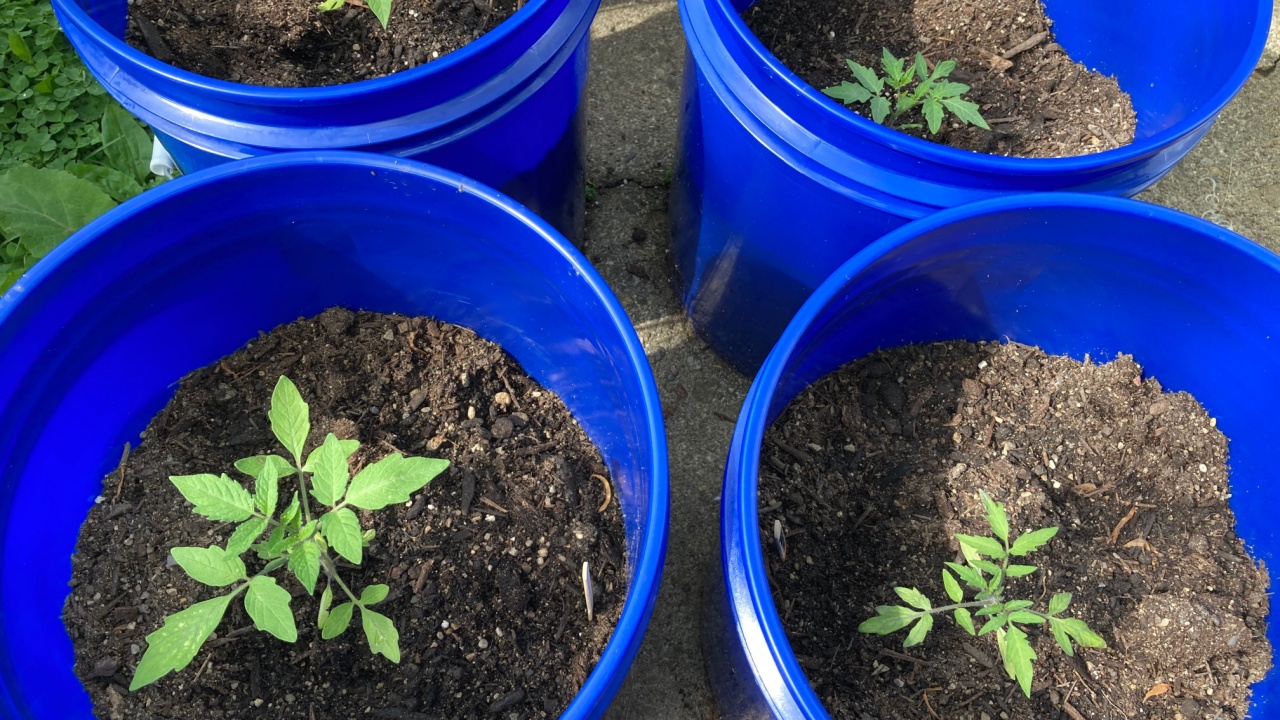
Perfect for small spaces, container gardening allows you to control soil, water, and sun exposure, plus it’s easy to swap out plants as seasons change.
How to get started: Use pots with good drainage and fill them with hardy plants like herbs, geraniums, or succulents. Group containers for visual impact and place them where they’ll get the appropriate light. To minimize maintenance needs, select plants that do well in warmer soil. You will also need to set up a good source of water since the soil can dry out quickly, especially in warmer months.
8. Drought-Tolerant Plants
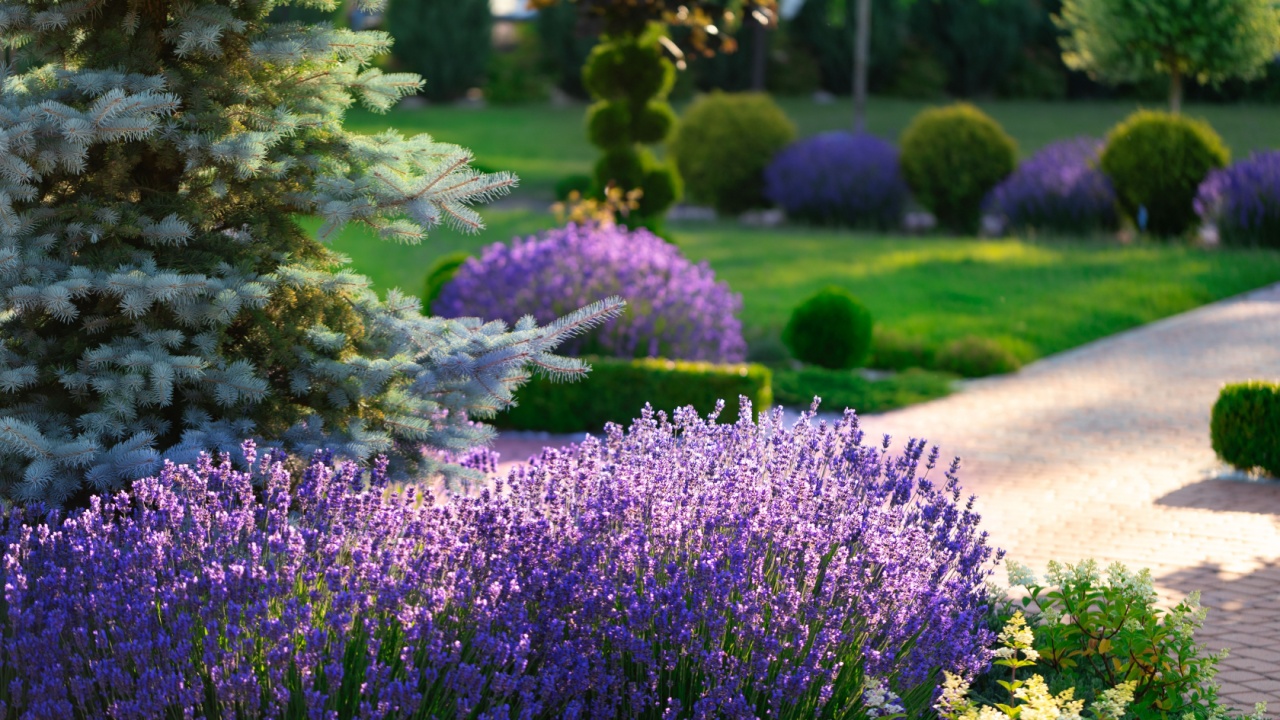
Say goodbye to constant watering with drought-tolerant plants. These hardy species, like Lavender or Succulents, can withstand long periods without water. (Note: Most plants will need mature roots before they need less water, so they will require initial attention to get established.)
How to get started: Plant them in sandy or well-drained soil. Add a layer of mulch to retain moisture, and only water during extended dry spells.
9. Gravel Pathways
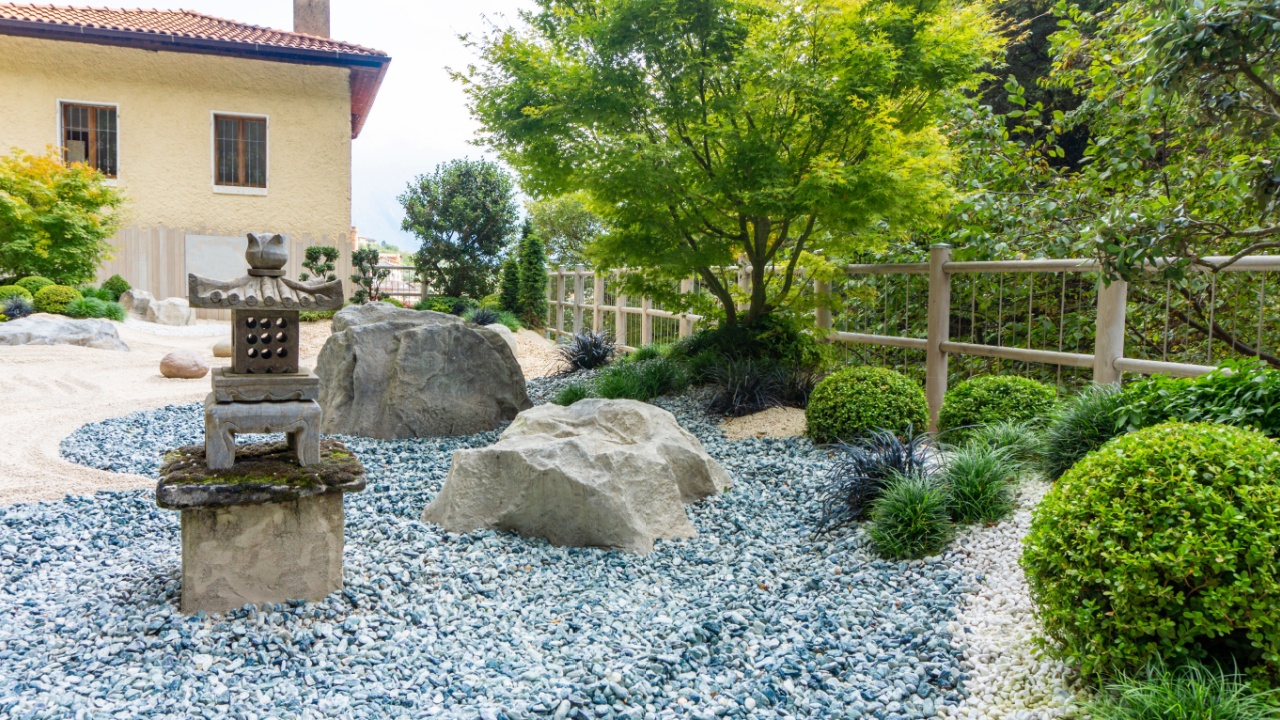
Gravel pathways are both functional and decorative, requiring no mowing or trimming (as long as you have a good weed barrier in place). Use them to create charming walkways through your garden.
How to get started: Clear and level an area, then lay down a weed barrier. Add gravel on top and edge the path with bricks or plants for a polished look.
10. Vertical Gardens

Utilize walls or fences with vertical gardens. This method saves ground space while adding greenery and visual interest to your outdoor area. While convenient, keep in mind you will likely need to water plants in shallow pots fairly often.
How to get started: Use wall-mounted planters or repurpose old pallets. Fill them with trailing plants like Ivy or small edibles like Strawberries for a functional design.
11. Rock Gardens
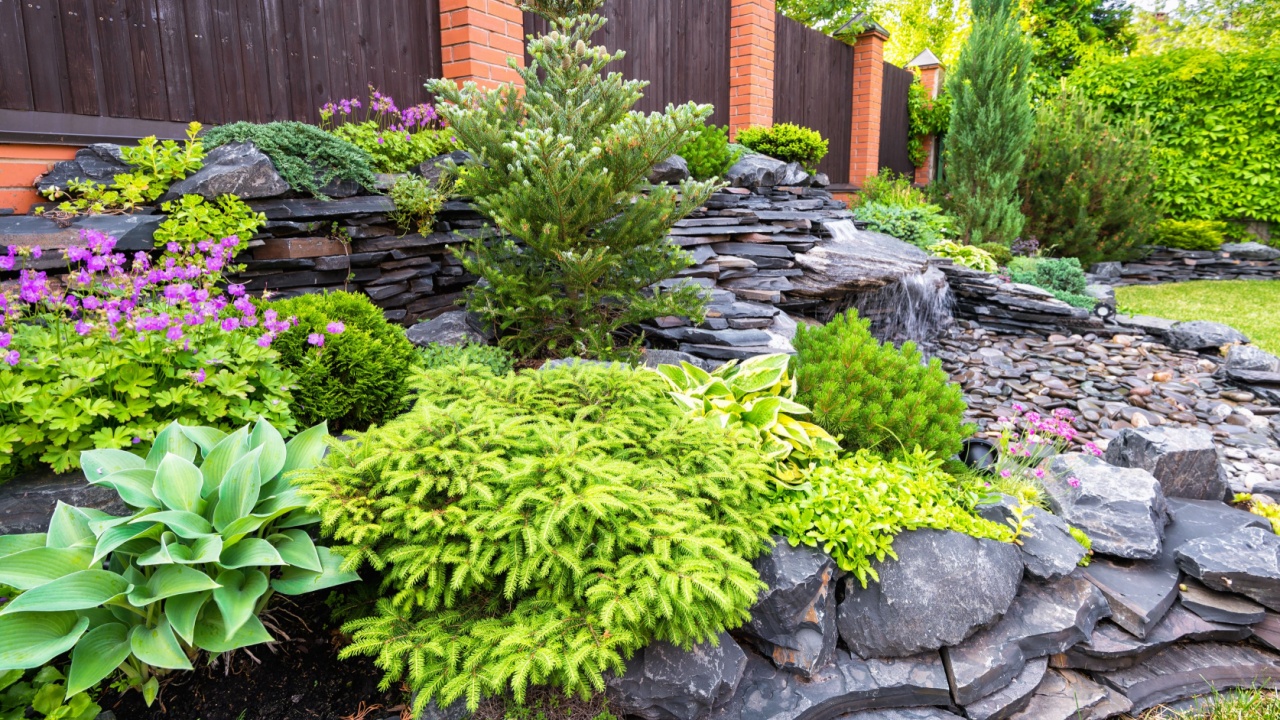
Rock gardens are perfect for dry or sloped areas and don’t require (as much) watering or fertilizing. They offer a natural, rugged beauty perfect for busy gardeners.
How to get started: Arrange rocks of various sizes and plant drought-tolerant species like Sedums or Hens-and-Chicks in the crevices.
12. Herb Spiral

An herb spiral is a creative, space-efficient way to grow herbs while adding a unique focal point to your garden. The right herb plan is key for this to work efficiently.
How to get started: Build a circular, tiered structure using stones or bricks. Plant drought-tolerant herbs like Rosemary on the top tier and water-loving herbs like Basil near the bottom.
13. Wildflower Meadows
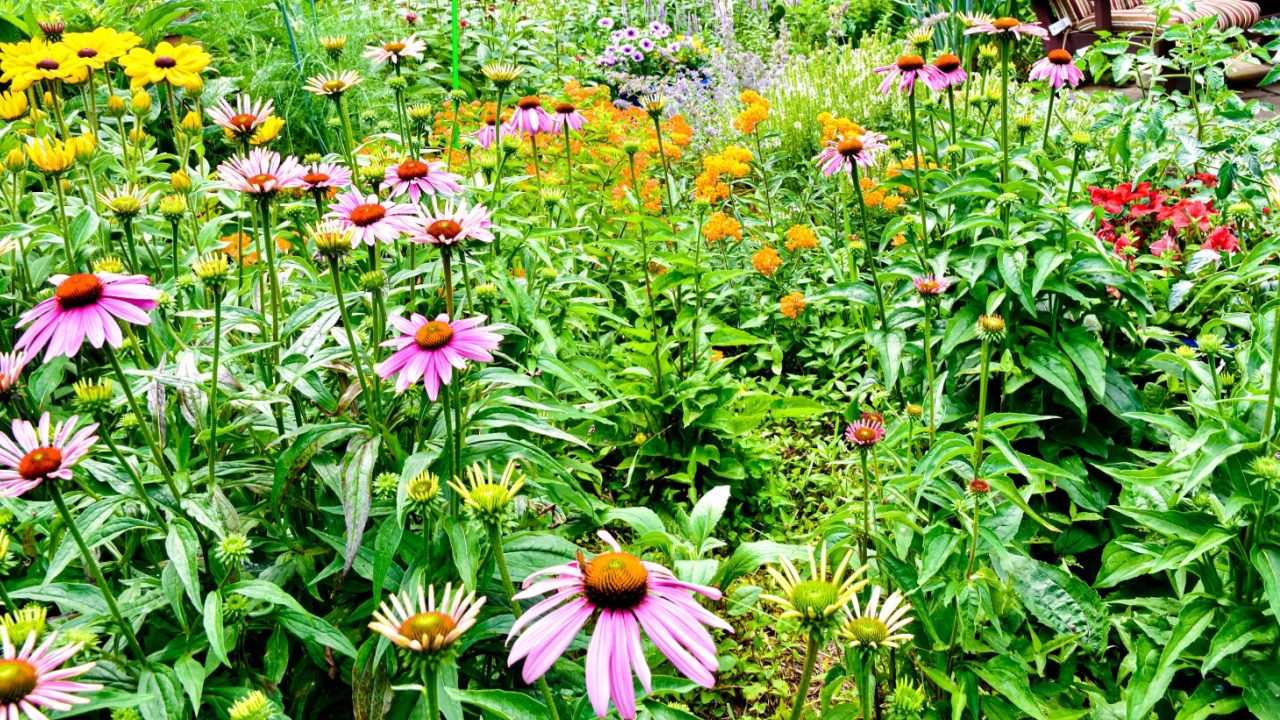
Wildflower meadows offer a colorful, natural look and require little care once planted. They attract pollinators and enhance biodiversity.
How to get started: Scatter wildflower seed mixes over a sunny patch of soil. Water lightly until germination, and watch as a beautiful tapestry of blooms unfolds.
14. Perennial Borders
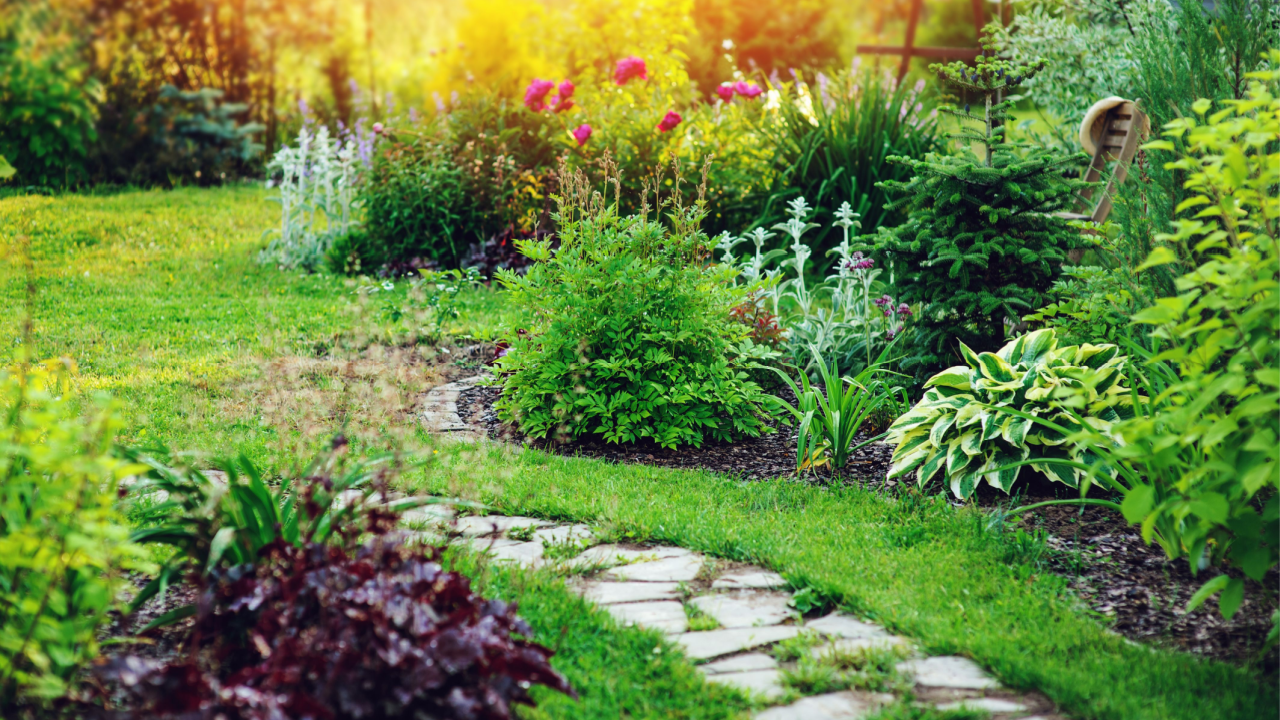
Perennials come back year after year, eliminating the need for replanting. They provide a dynamic, evolving display with minimal effort.
How to get started: Choose native perennials suited to your area, like Coneflowers or Daylilies. Plant in mixed groups for a layered, eye-catching effect.
15. Edible Landscaping

Combine form and function with edible landscaping. Grow vegetables, fruits, and herbs that double as decorative plants.
How to get started: Incorporate plants like Kale, Blueberry bushes, or Chives into ornamental beds. Use attractive planters or raised beds to blend edibles seamlessly into your yard.
16. Japanese Zen Garden
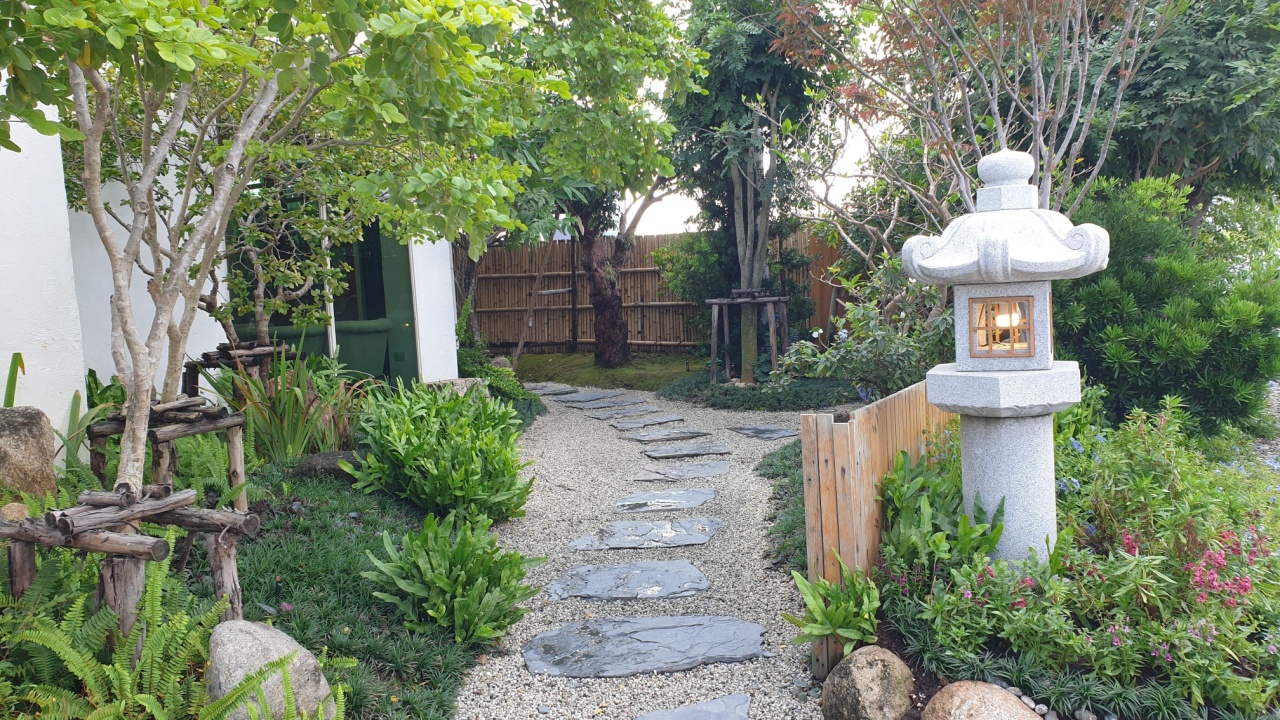
Zen gardens require little water or upkeep and provide a serene, meditative space. Gravel, stones, and minimal plantings create a sense of harmony.
How to get started: Choose a location and clear it of plants. Add raked gravel, rocks, and sparse plants like Bamboo or Moss for a minimalist look.
17. Fairy Garden
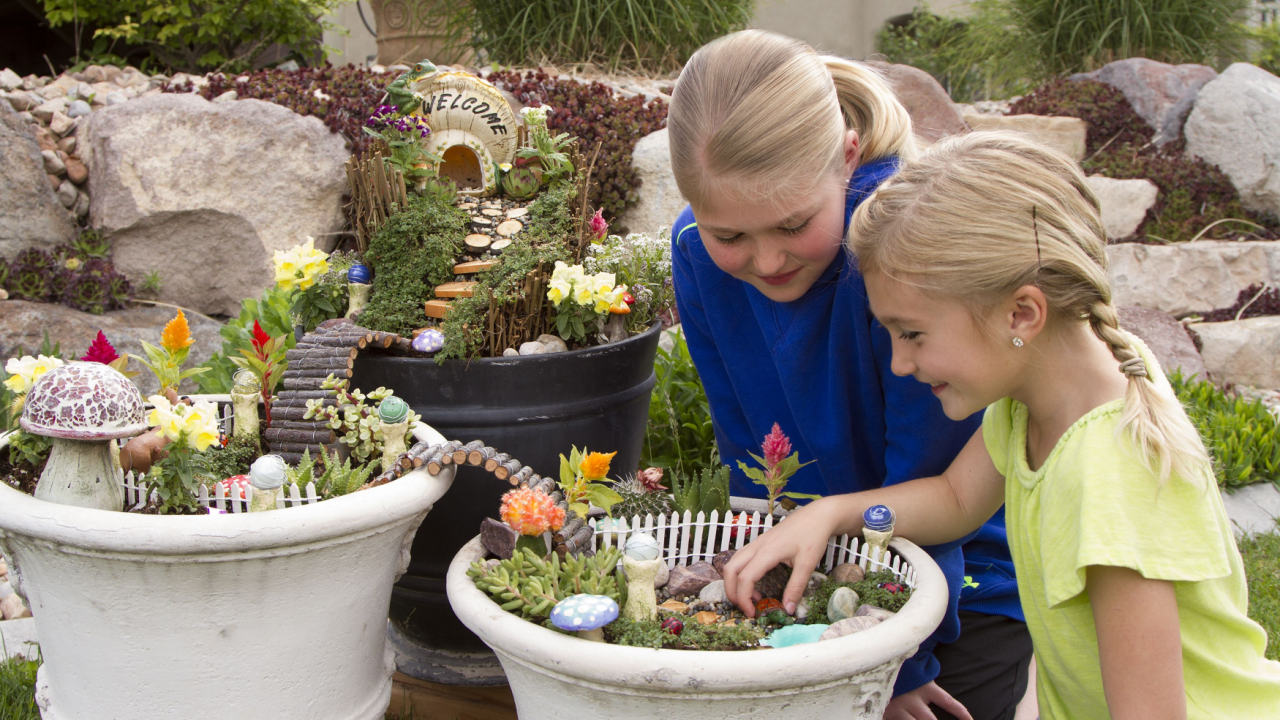
Fairy gardens are whimsical, tiny landscapes you can create in a planter or a small yard corner. They require minimal upkeep but add a lot of charm.
How to get started: Use small plants like Baby Tears or Creeping Jenny, and add miniature accessories like houses or furniture to spark imagination. You will need to keep an eye out for plant diseases.
18. Self-Watering Planters
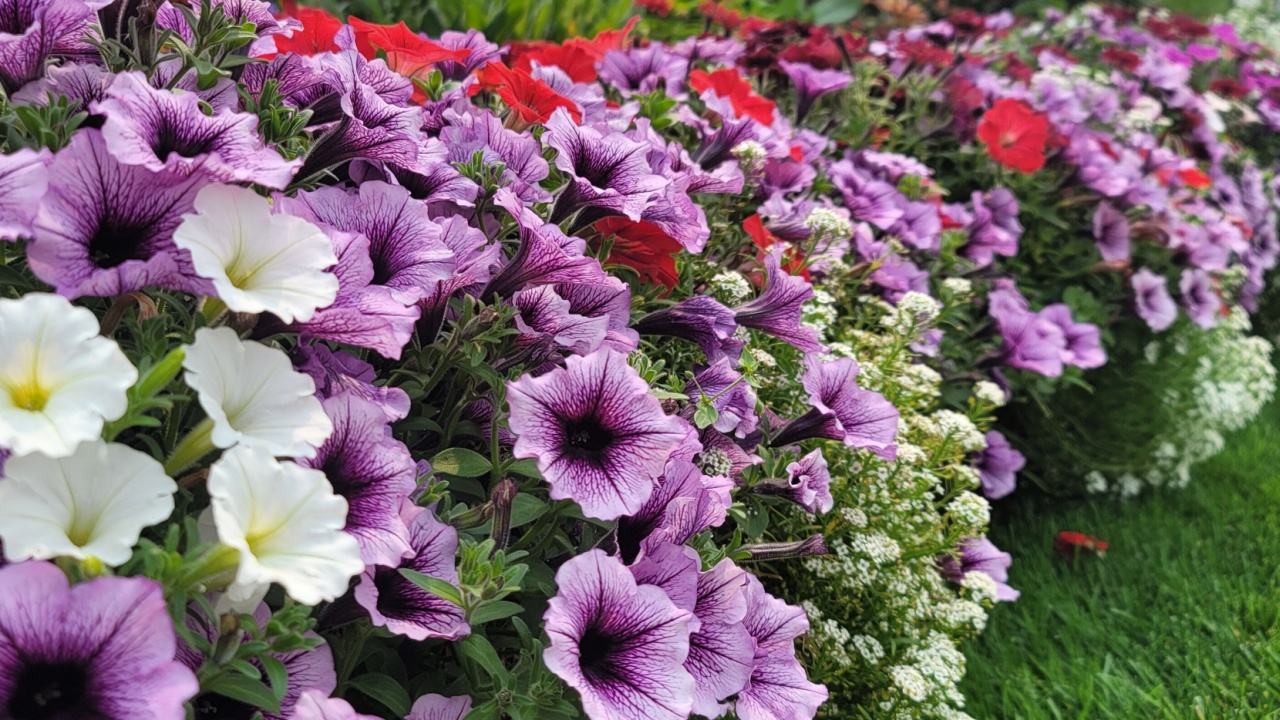
Self-watering planters simplify container gardening by ensuring plants get consistent moisture without daily watering.
How to get started: Purchase self-watering pots or add reservoirs to existing planters. Use them for indoor or outdoor plants like Ficus or Petunias.
19. Succulent Gardens

Succulents are low-maintenance plants that come in a wide variety of colors and shapes. They thrive on neglect, needing infrequent watering, as long as they are in well-draining soil.
How to get started: Group succulents like Echeveria or Aloe in shallow containers. Add pebbles or sand for a desert-like aesthetic that’s easy to care for.
20. Artificial Turf
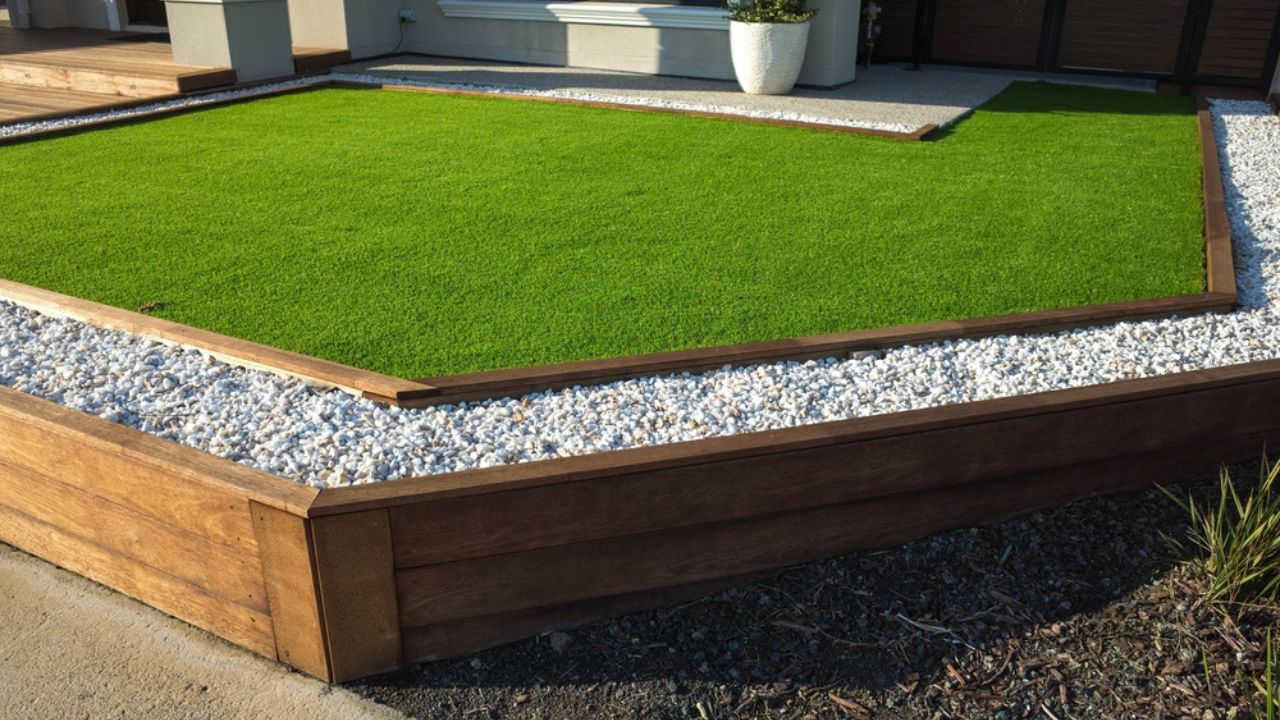
Artificial turf provides the beauty of a lush lawn without mowing, watering, or fertilizing. It’s durable and perfect for high-traffic areas.
How to get started: Choose high-quality artificial grass and have it professionally installed. Enjoy a year-round green yard with zero-effort maintenance.
Note: While maintenance-free in mowing/watering, it contributes to urban heat island effects, lacks biodiversity, can off-gas or degrade into microplastics, and has end-of-life disposal challenges. It also disrupts natural water infiltration.
21. Moss Gardens
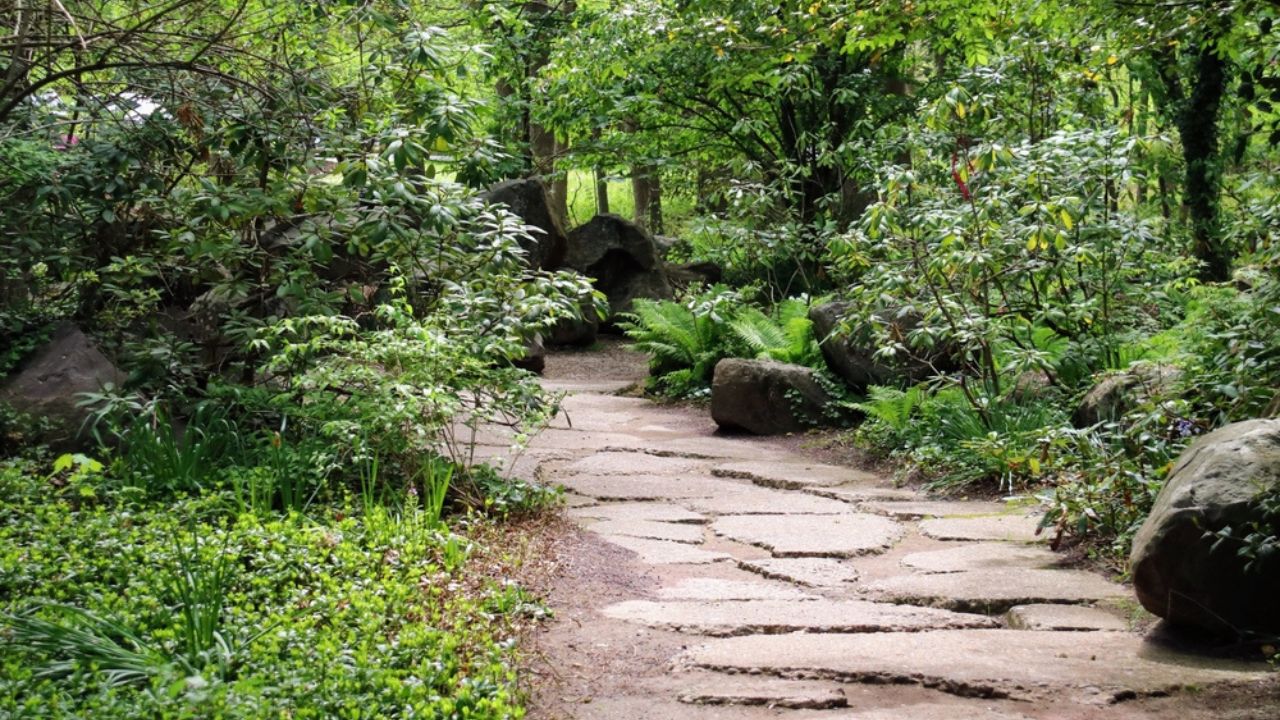
Moss gardens are perfect for shady areas with low foot traffic and create a soft, carpet-like texture that requires no mowing or fertilizing.
How to get started: Choose a shaded spot and clear away competing plants. Lay down sphagnum moss or encourage native mosses to grow naturally with regular misting until established.
Which Idea Fits Your Yard?
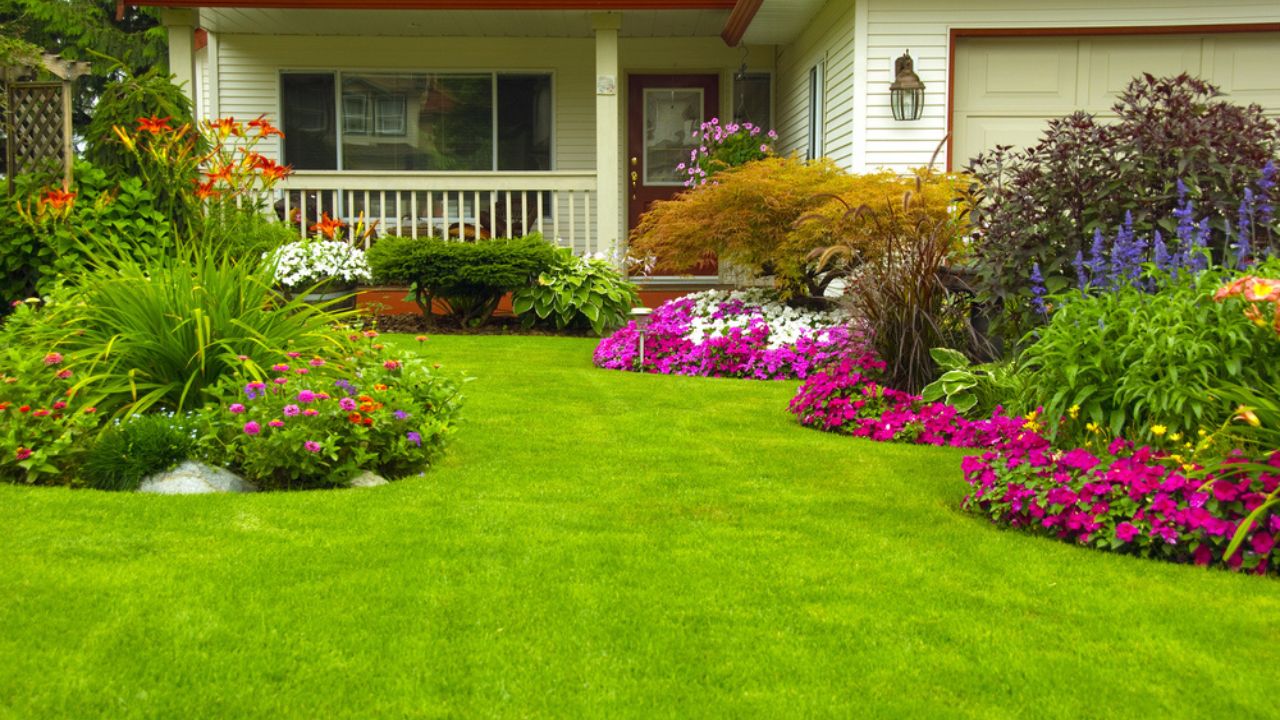
Transforming your yard into a low-maintenance paradise is not only easier than you think but also rewarding. By incorporating these 21 ideas, busy gardeners can achieve a stunning outdoor space that practically takes care of itself. Choose the solutions that best match your lifestyle and enjoy a garden that thrives with minimal effort.
Read more:
The Best Gardening Tools That You Might Not Realize You Need
12 Old School Gardening Habits That Still Work Great