11 Varieties of Milkweed That’ll Attract All the Butterflies
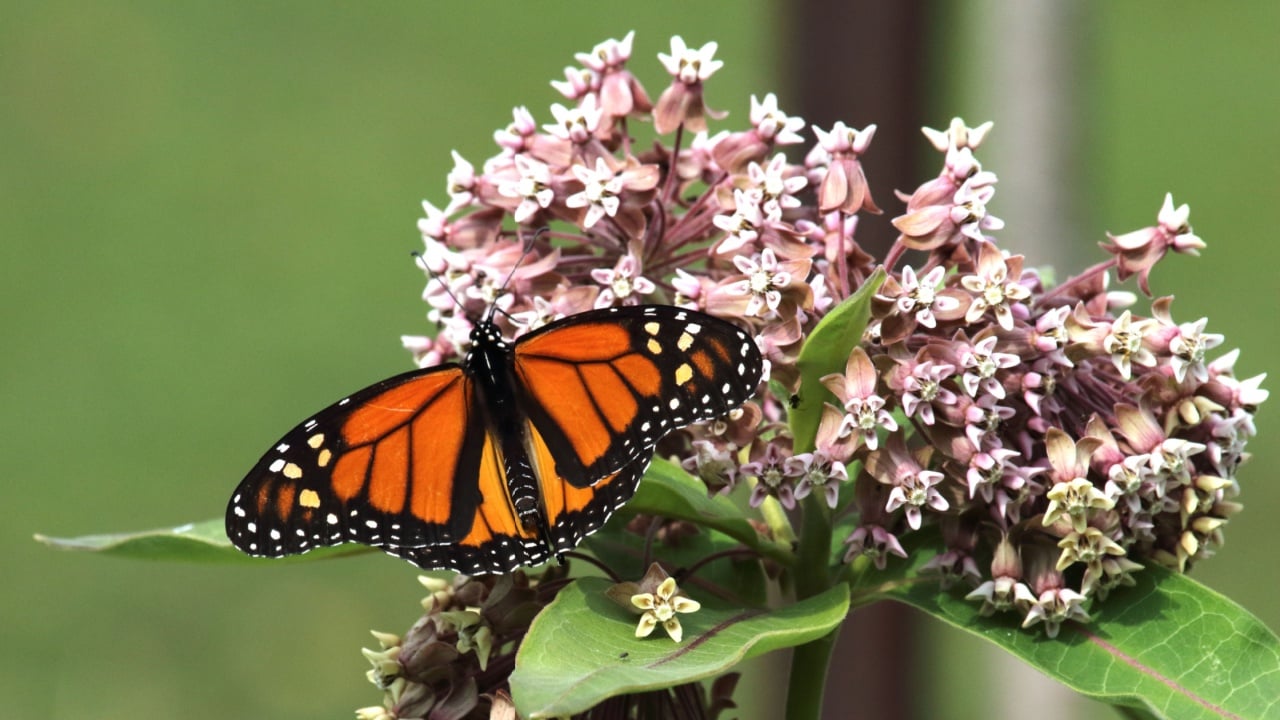
Milkweed is more than just a beautiful addition to your garden. Dubbed the monarch butterfly magnet, this versatile plant attracts pollinators, supports biodiversity, and offers stunning blooms in a variety of colors and forms. By incorporating milkweed into your outdoor space, you create a haven for wildlife and add natural charm to your landscape.
Here are 11 milkweed varieties to consider, along with tips on how to utilize them effectively in your garden.
Warning: Milkweed is toxic to humans and pets.
Maximize Your Butterfly Potential
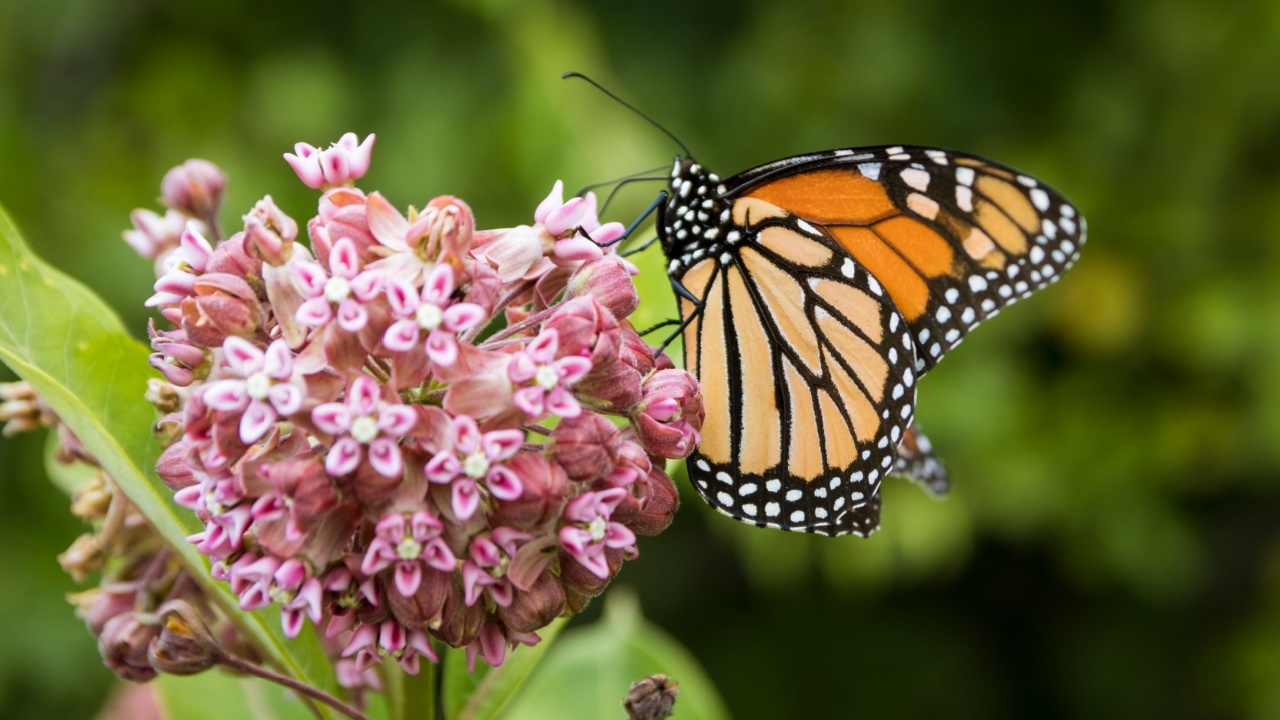
Want to go deeper than these recommendations? Talk to your local extension office about specific ecotypes that are native and most likely to thrive in your specific region. This will provide additional support and adaptability to local butterflies, particularly monarchs.
1. Antelope Horns (Asclepias asperula)
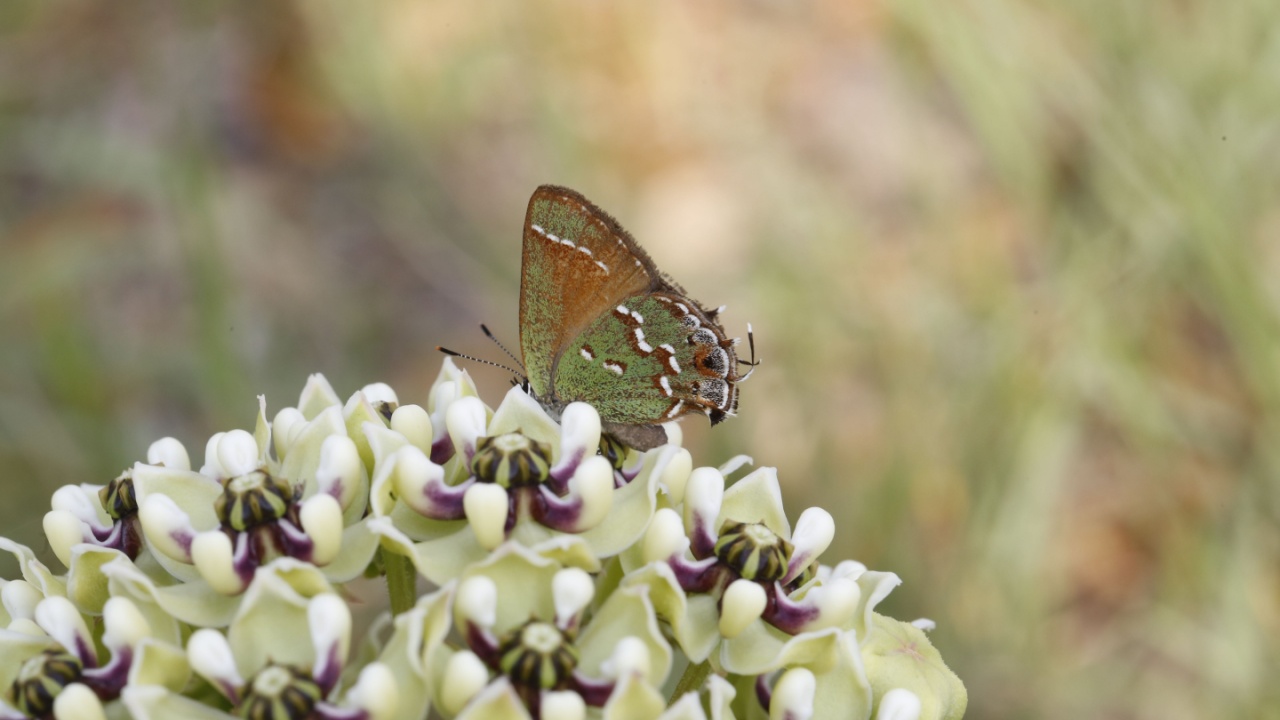
Antelope horns, also known as spider milkweed, is native to the western United States and thrive in USDA zones 7 to 9. This stunning plant grows up to 2 feet tall, featuring greenish-white blooms that twist outward like antelope horns.
Use antelope horns in sunny garden beds with well-draining soil. Its natural drought tolerance makes it perfect for xeriscaping, and its unique flowers will attract both monarch and queen butterflies, leaving your yard buzzing with life.
2. Heartleaf Milkweed (Asclepias cordifolia)
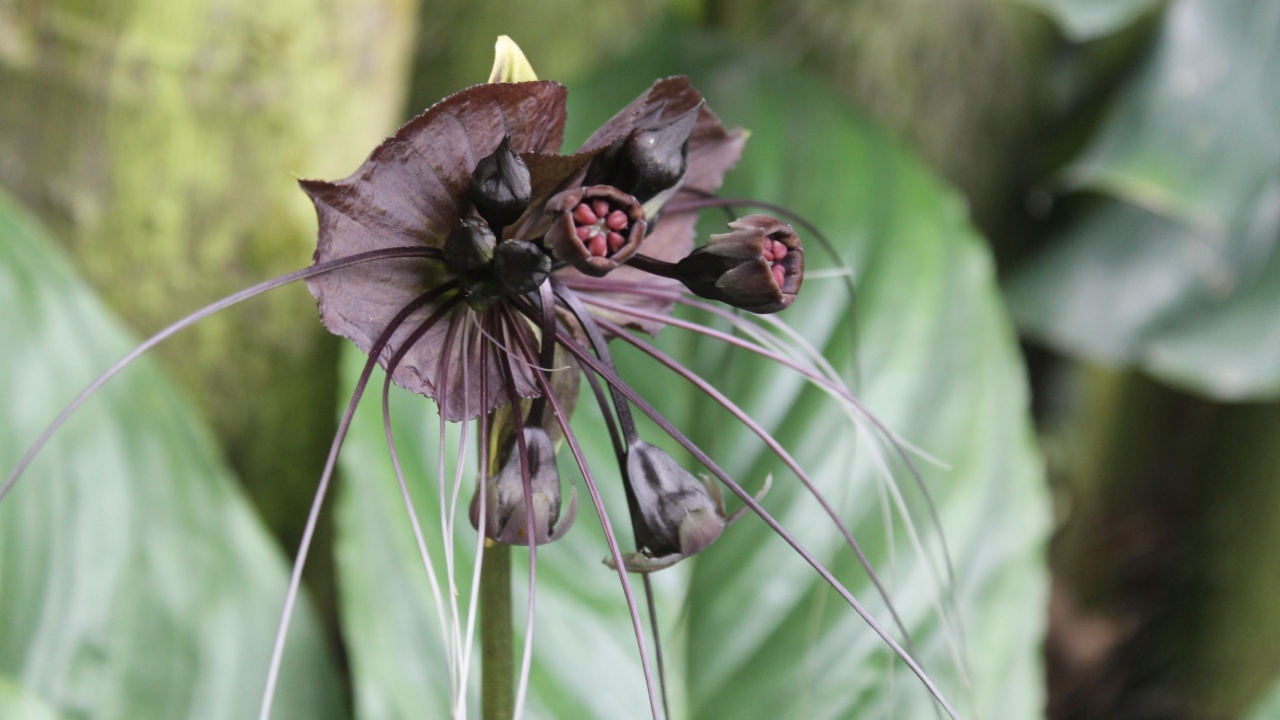
Heartleaf milkweed gets its name from its lovely heart-shaped leaves, which are tinged with blue and green hues. Reaching heights of 1 to 2 feet, this low-growing milkweed thrives in USDA zones 7 to 10, flourishing in rocky or gravelly soil.
Plant heartleaf milkweed in a partially shaded area to bring a graceful touch to a rock garden or mixed wildflower border. Its purple flowers make it a focal point, and monarchs are sure to choose it as a host plant for their larvae.
3. Desert Milkweed (Asclepias erosa)
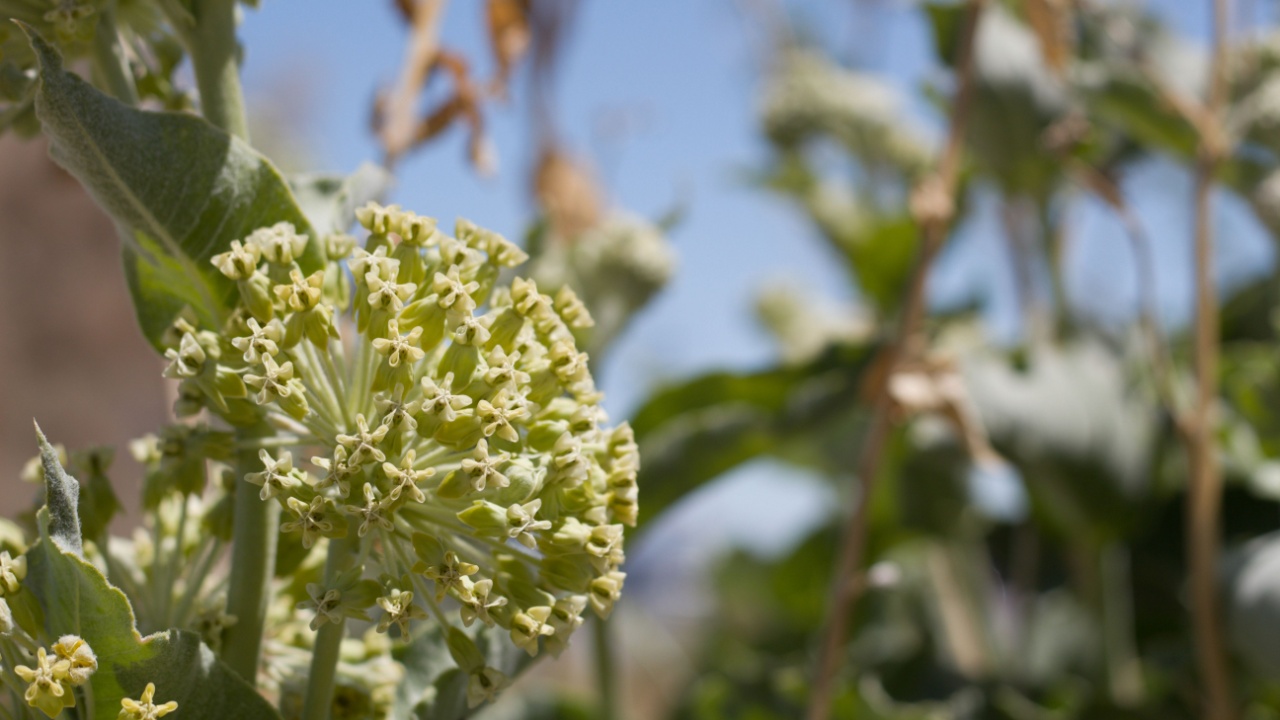
Desert milkweed is a drought-tolerant variety that thrives in USDA zones 4 to 10. It grows up to 5 feet tall, with cream, pale yellow, or greenish-yellow flowers that provide a striking contrast against barren landscapes.
Plant desert milkweed in full sun and sandy soil—it makes an excellent choice for a pollinator garden in arid regions. Pair it with succulents or cacti to emphasize its natural beauty while fostering a habitat for butterflies.
4. Butterfly Milkweed (Asclepias tuberosa)
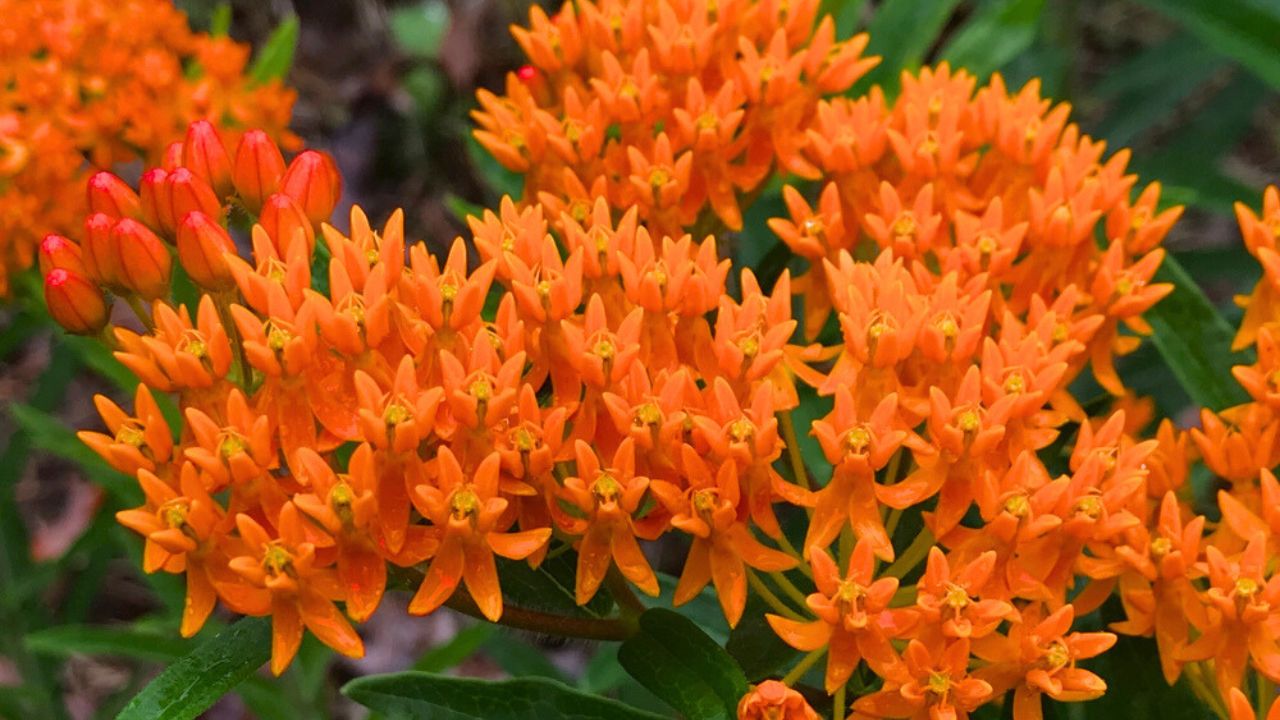
Often called orange milkweed or butterfly weed, this variety is a favorite among gardeners for its vivid orange or yellow blooms. Growing 1 to 3 feet tall, it thrives in USDA zones 3 to 9, blooming from late spring through summer.
Use butterfly milkweed in sunny flower borders or wildflower meadows. Its bright flowers not only attract butterflies but also bring a tropical flair to any garden. It’s also deer-resistant, making it a reliable choice for areas with browsing wildlife.
5. Narrowleaf Milkweed (Asclepias fascicularis)
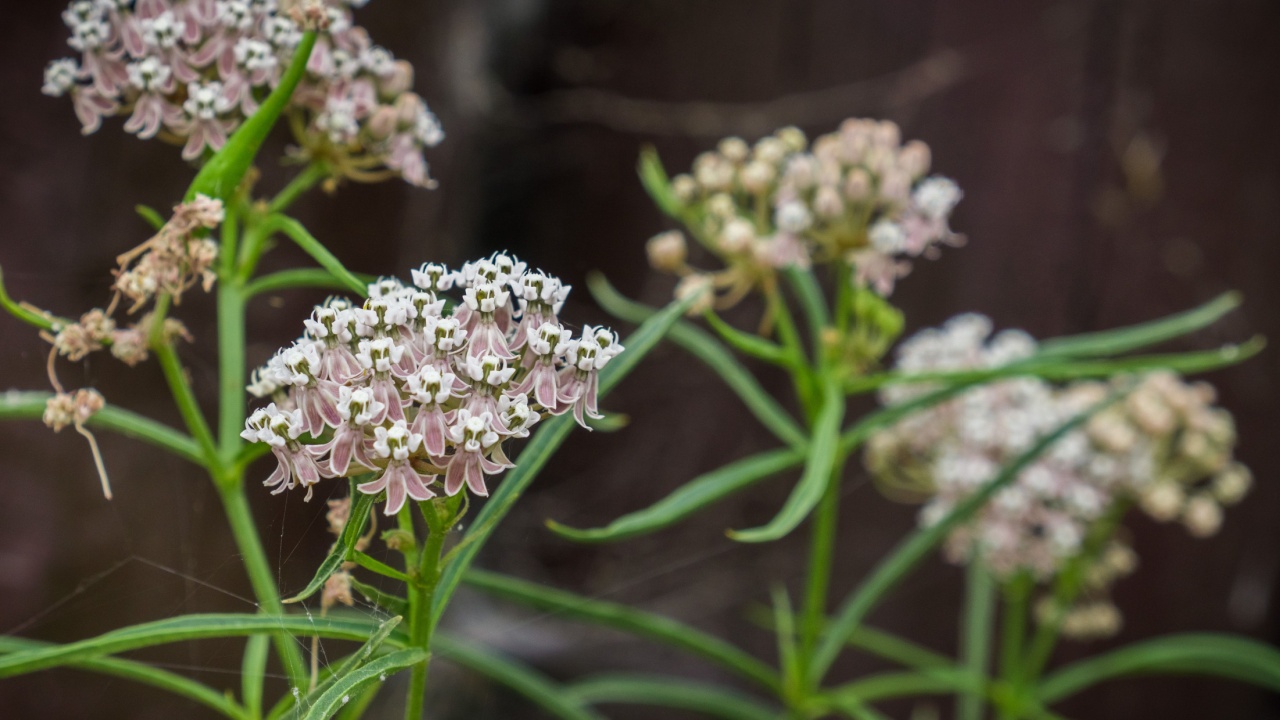
Narrowleaf milkweed features slim, elegant leaves and grows up to 3 feet tall. Found in USDA zones 6 to 10, it blooms from June to September with delicate pink and white flowers.
Plant narrowleaf milkweed in open, sunny areas with well-drained soil. It’s a wonderful addition to a naturalistic garden style, drawing monarchs and beneficial bees while adding its own subtle beauty to the landscape.
6. Showy Milkweed (Asclepias speciosa)
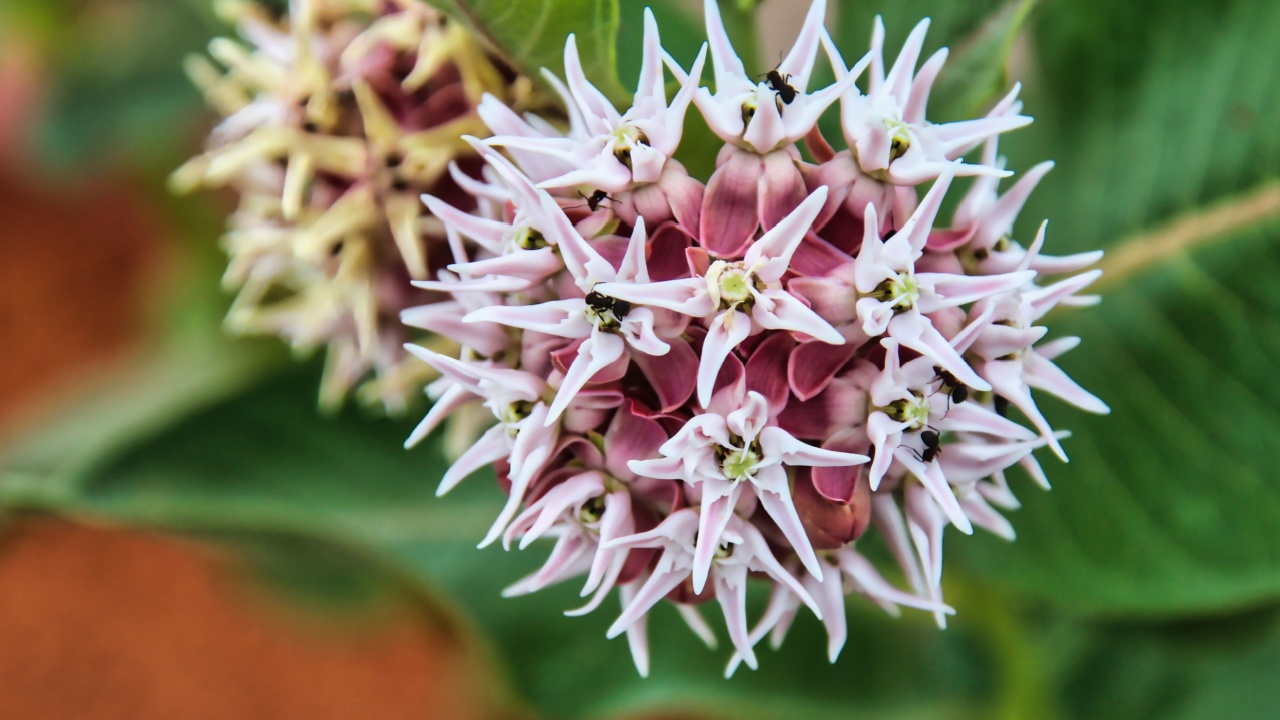
True to its name, showy milkweed produces large clusters of pink and white flowers that stand out in a garden setting. Hardy in USDA zones 3 to 9, this variety reaches heights of 3 to 6 feet depending on growing conditions.
Place showy milkweed in areas with full sun and well-drained soil. Its flowers attract both butterflies and bees, while its upright form makes it ideal for planting along fences or as a backdrop in borders.
7. Aquatic Milkweed (Asclepias perennis)

Sometimes confused with swamp weed, this variety thrives in wet, soggy conditions. Perfect for USDA zones 8a to 10b, its white flowers bloom brightly and attract numerous pollinators.
Utilize aquatic milkweed in rain gardens or around ponds and water features. Its long-lasting flowers and wet-soil tolerance make it an essential plant for transforming water-prone areas into vibrant wildlife sanctuaries.
8. Tall Milkweed (Asclepias exaltata)
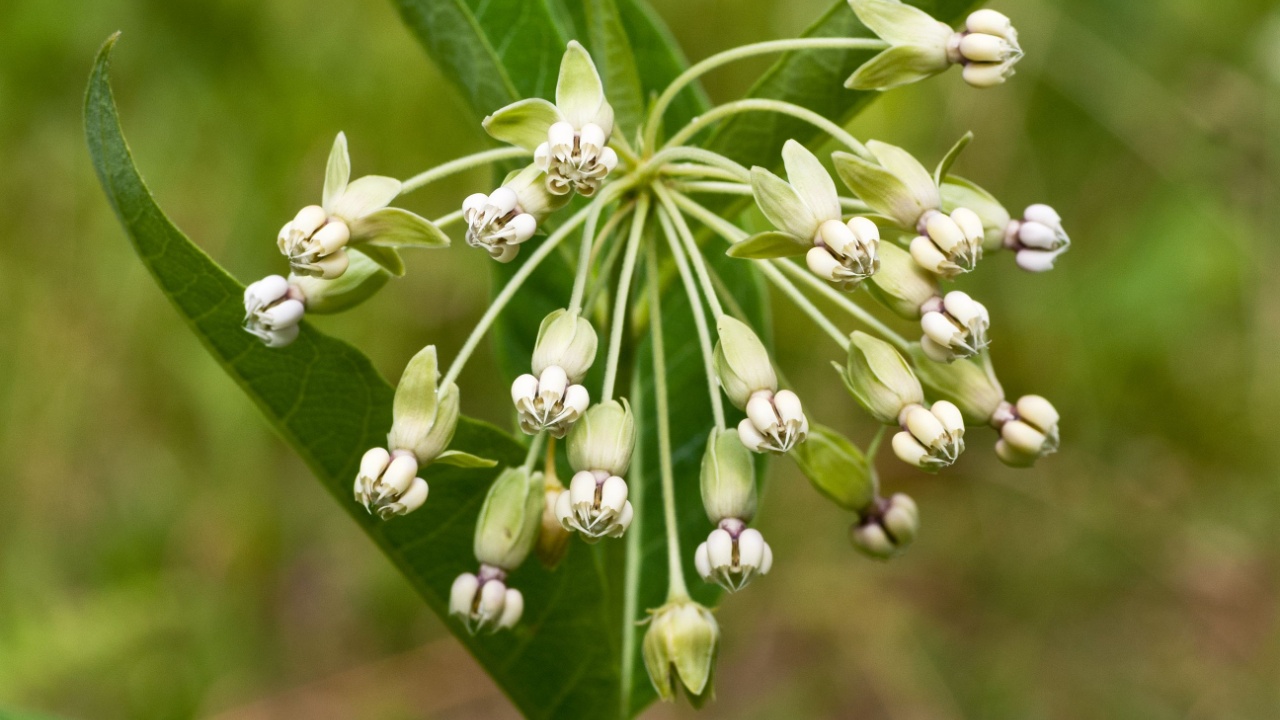
The towering height of tall milkweed, up to 4 feet, makes it a standout choice for larger gardens. This variety flourishes in USDA zones 4 to 7 and produces elegant white and lavender flowers.
Grow tall milkweed in shaded or semi-shaded wooded areas. Its summer-to-early-fall blooms attract pollinators while adding vertical interest and softness to forest edges or shade gardens.
9. Green Milkweed (Asclepias viridis)
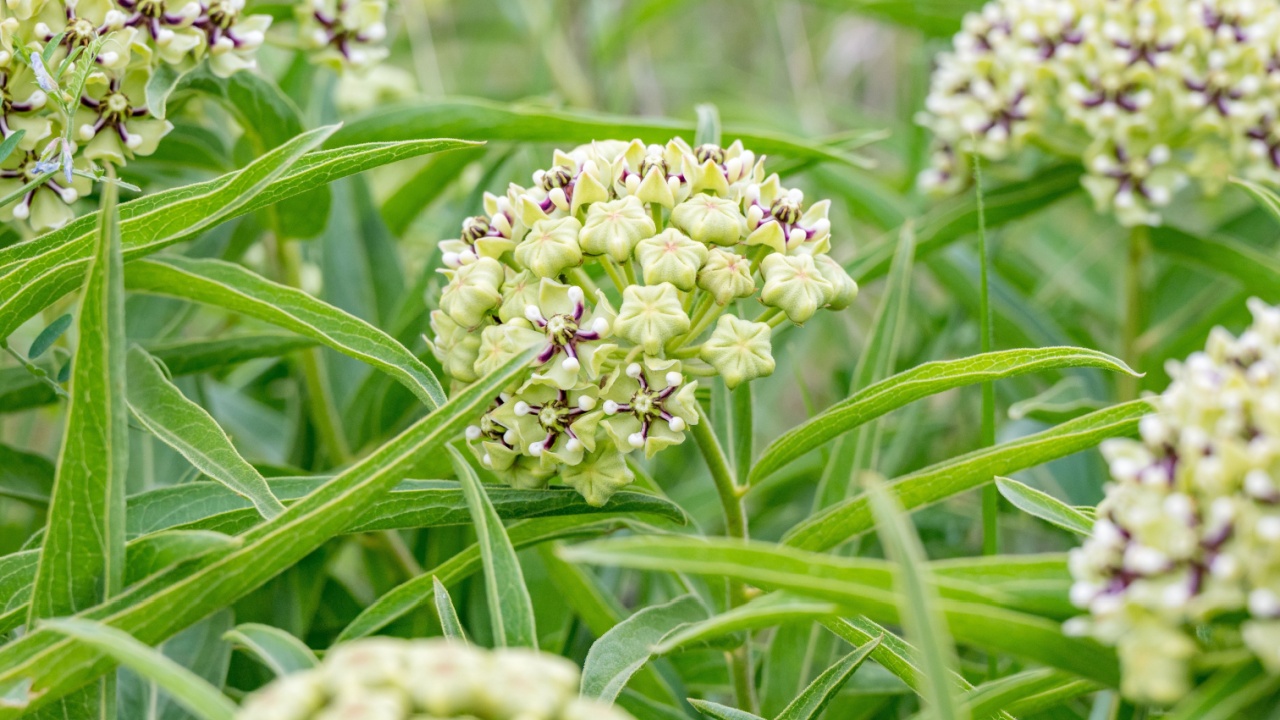
Green milkweed stands out for its subtle green-tinged flowers and drought resilience. Suited for USDA zones 5 to 9, it grows 1½ to 2½ feet tall and blooms from late spring to mid-summer.
Integrate green milkweed into prairie-style or native plant gardens. Its ability to endure dry, full-sun conditions makes it a perfect companion to grasses and wildflowers. Monarchs adore it for its milk-rich leaves.
10. Meadow Milkweed (Asclepias syriaca)
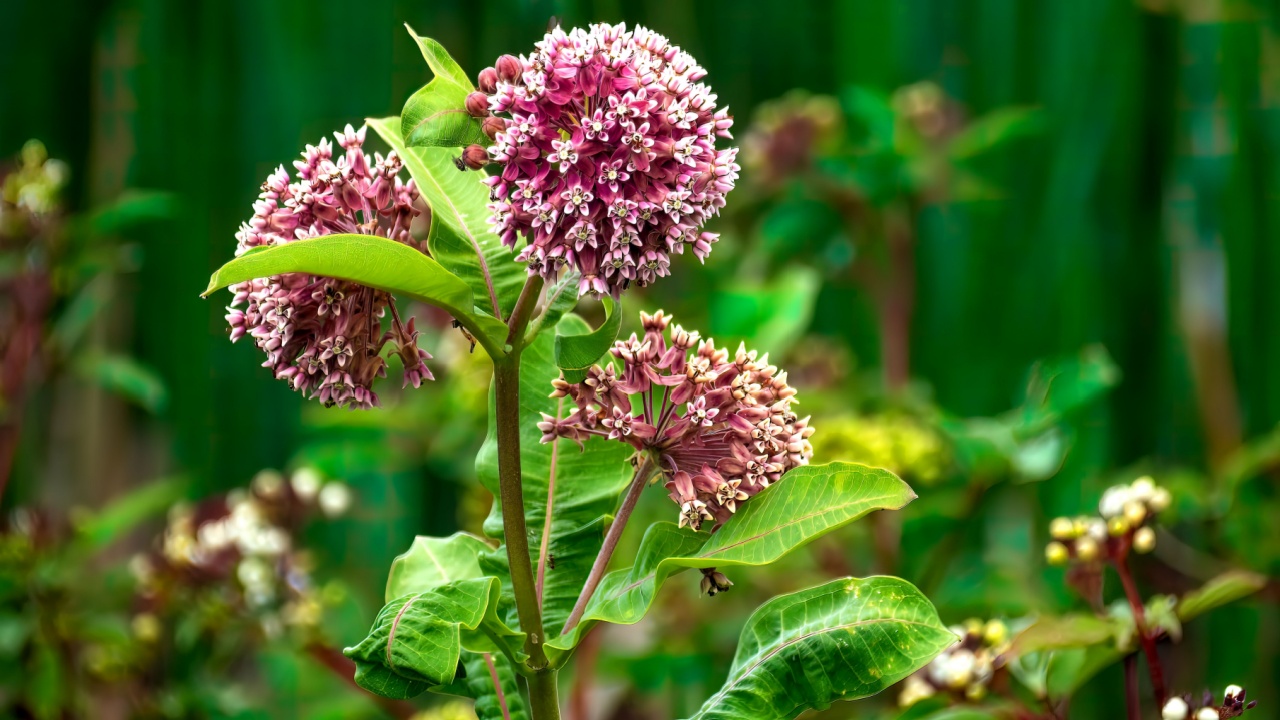
Meadow milkweed, also known as common milkweed, is one of the hardiest species, thriving in USDA zones 3 to 9. It grows up to 6 feet tall and features fragrant clusters of pinkish-purple flowers during summer.
Plant meadow milkweed in full-sun areas with moderate to moist soil. It’s ideal for naturalizing open fields or meadow-like settings, where it will establish over time and create a butterfly haven. Note: this plant can spread aggressively.
11. Purple Milkweed (Asclepias purpurascens)
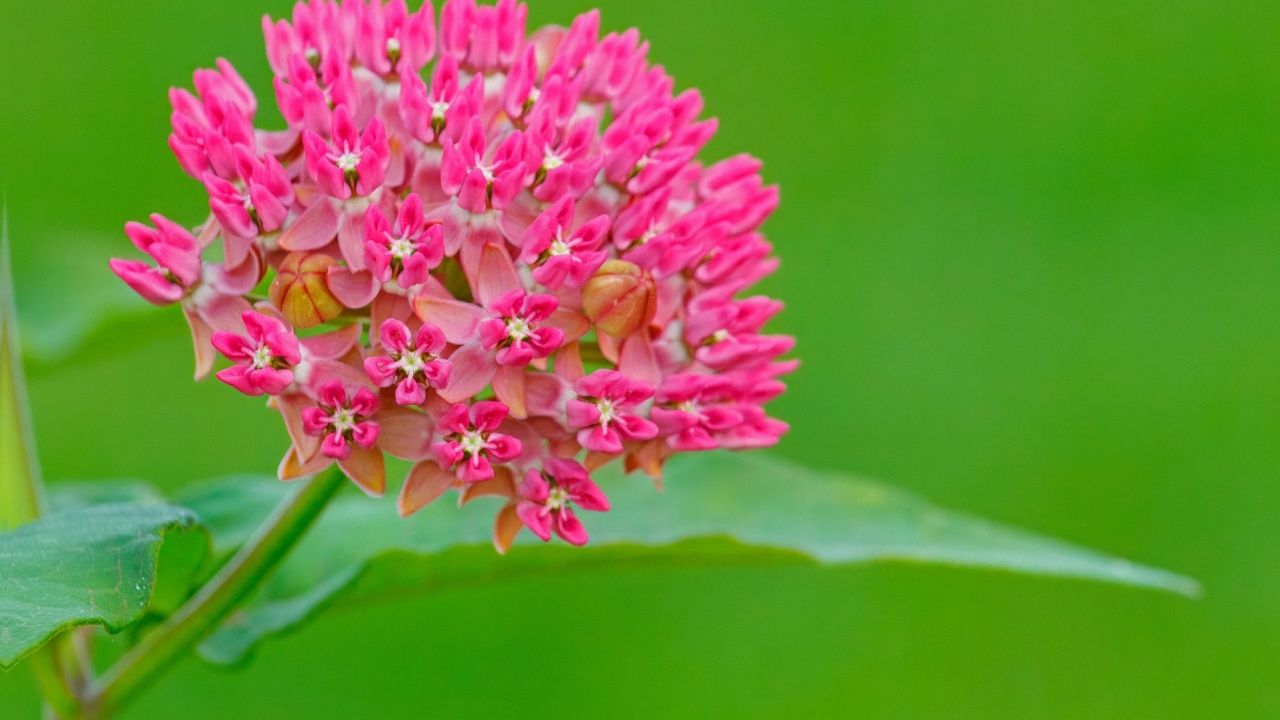
Purple milkweed offers a unique, deep-hued bloom that adds richness to your garden. This elegant plant thrives in USDA zones 4 to 8 and can grow up to 3 feet tall.
Use purple milkweed in partially shaded pollinator gardens, woodland edges, or mixed perennial beds. Its vibrant blossoms will draw monarchs and other butterflies while providing color contrast among lighter-toned flowers.
By incorporating these 12 milkweed varieties into your garden, you’ll not only create a beautiful, biodiverse landscape but also provide critical support to pollinators like butterflies and bees. Whether planting in rain gardens, wildflower meadows, or sunny beds, milkweed is a versatile and rewarding addition for gardening enthusiasts.
Read more
20 Weeds That Are Worth Keeping Around
14 Plants That Attract Butterflies to the Yard Like Magic