18 Plants That Attract Goldfinches to Your Backyard
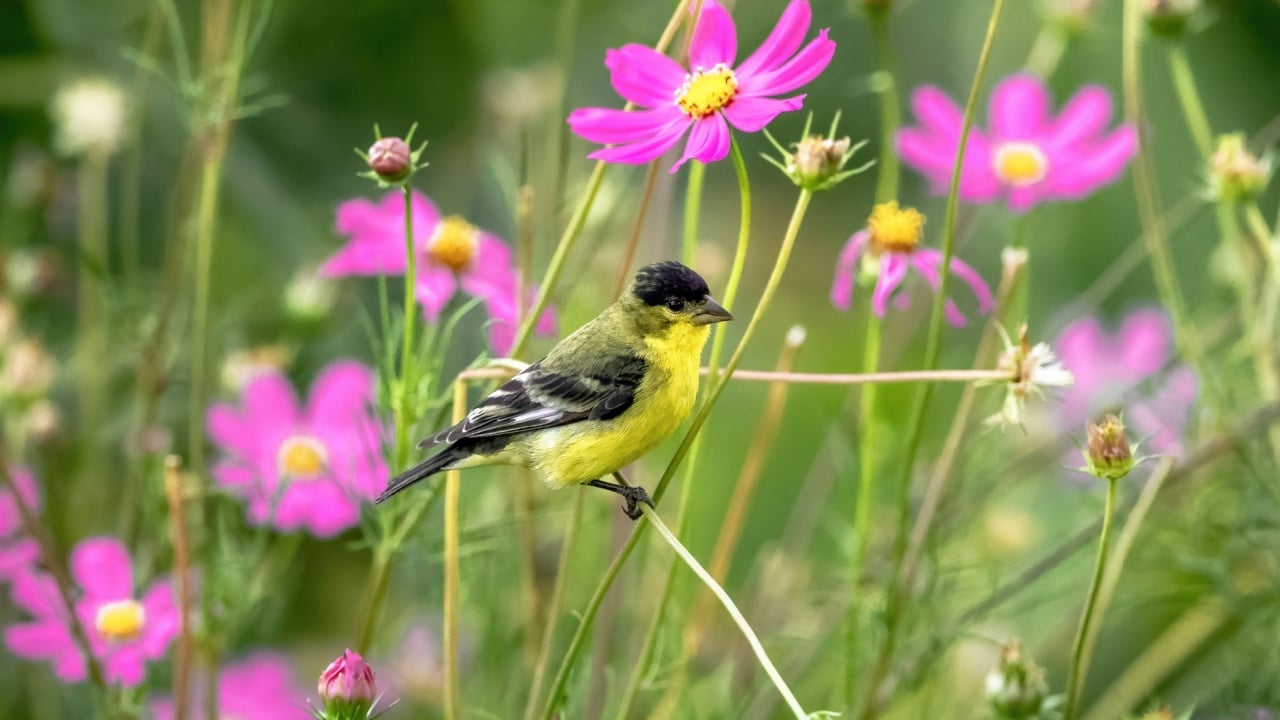
Goldfinches are delightful additions to any yard, thanks to their vibrant yellow feathers and entertaining foraging habits.
Having the right plants in your garden can entice these beautiful birds while providing them with food and materials for nesting. If you’re looking to transform your outdoor space into a haven for goldfinches, this guide offers 18 plants that are ideal for attracting these feathered visitors, complete with care tips to help maximize their appearance and appeal.
Whether you love striking wildflowers or hardy perennials, there’s a plant on this list to suit your garden’s needs while keeping it a magnet for goldfinches.
1. Sunflowers (Helianthus annuus)
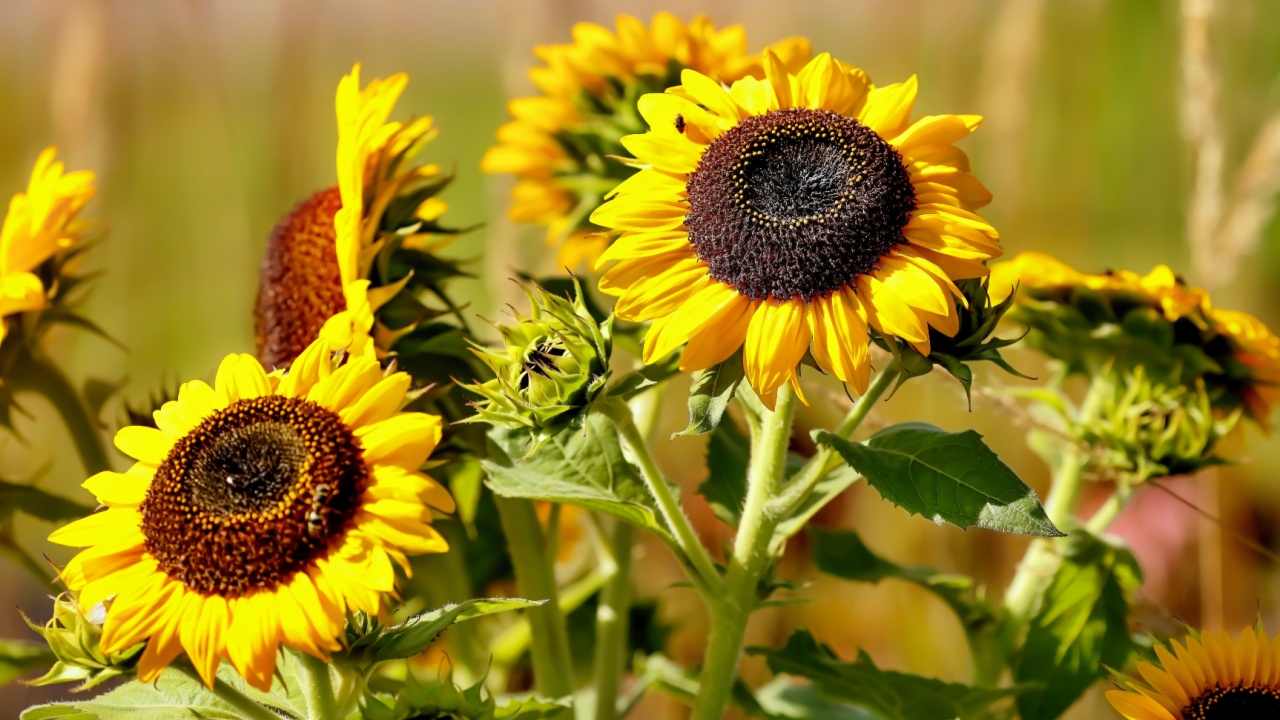
Sunflowers are quintessential for attracting goldfinches thanks to their large, seed-filled heads. Available in various shades like yellow, orange, and maroon, they provide an abundant supply of nutritious seeds for birds to enjoy.
Care Tips
- Sunlight: Full sun.
- Watering: Keep soil evenly moist during germination, but reduce watering once established.
- Support: Plant in sheltered locations to protect tall stalks from wind or consider staking them for added support.
2. Coneflowers (Echinacea purpurea)
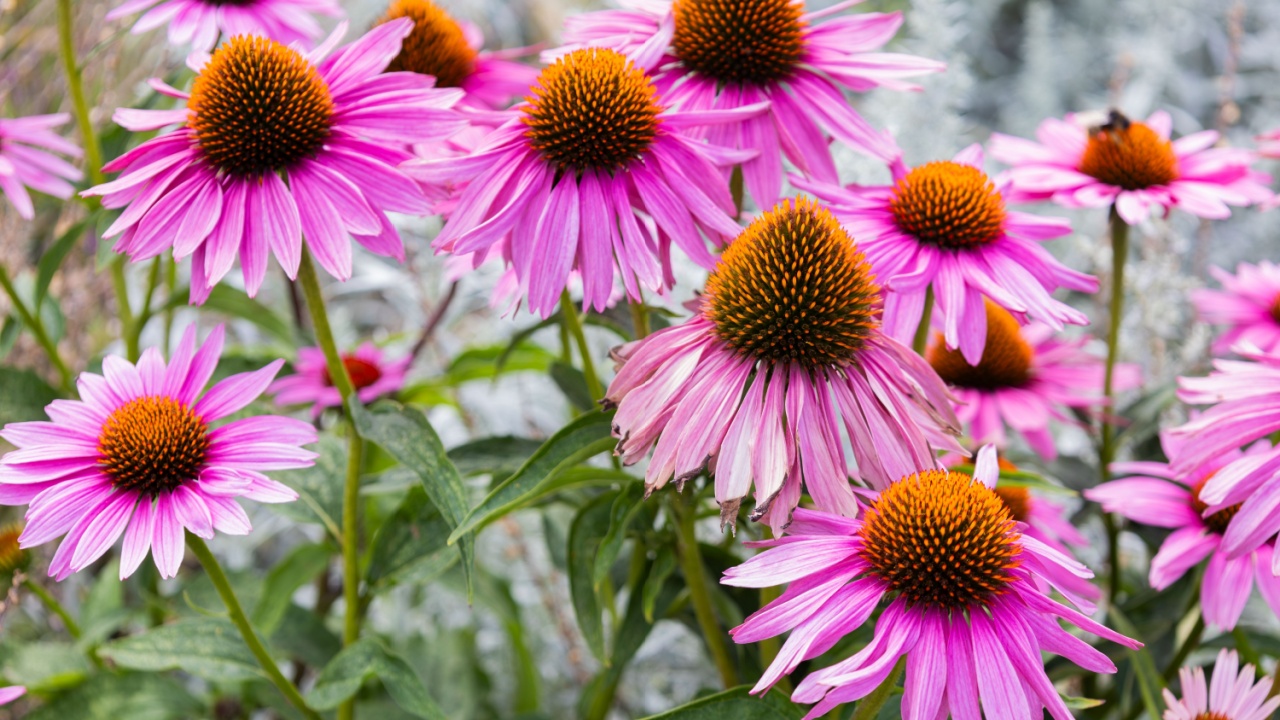
These hardy perennials are a garden favorite, offering abundant seeds in late summer that goldfinches can’t resist. They bloom in vibrant purples, attracting birds as well as pollinators like bees and butterflies.
Care Tips
- Sunlight: Full sun to partial shade.
- Watering: Water deeply during dry spells.
- Maintenance: Leave seed heads intact after blooms fade to ensure a consistent food source for goldfinches.
3. Marigolds (Tagetes)

With their bold orange, yellow, and red flowers, marigolds are not only visually stunning but also a reliable source of seeds for goldfinches. Plus, they repel garden pests like rabbits and deer.
Care Tips
- Sunlight: Full sun.
- Watering: Water regularly, but avoid waterlogging.
- Deadheading: Remove spent blooms to encourage continuous flowering.
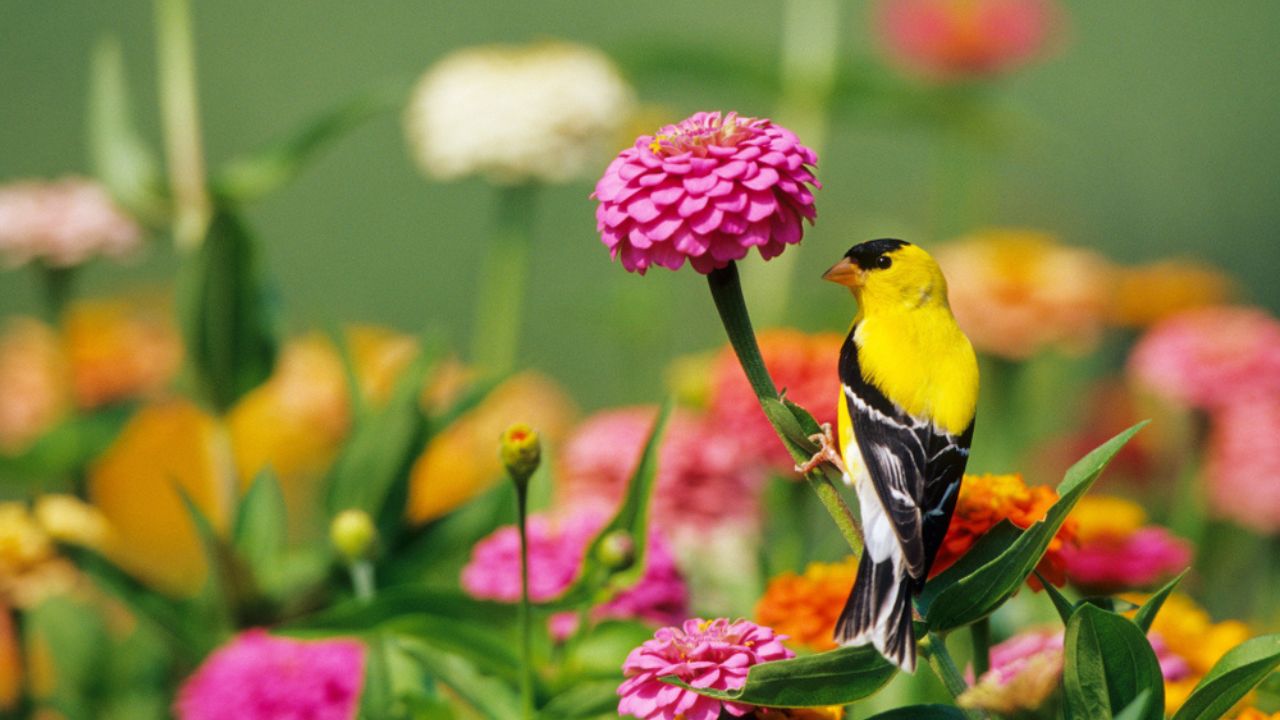
4. Zinnias (Zinnia elegans)
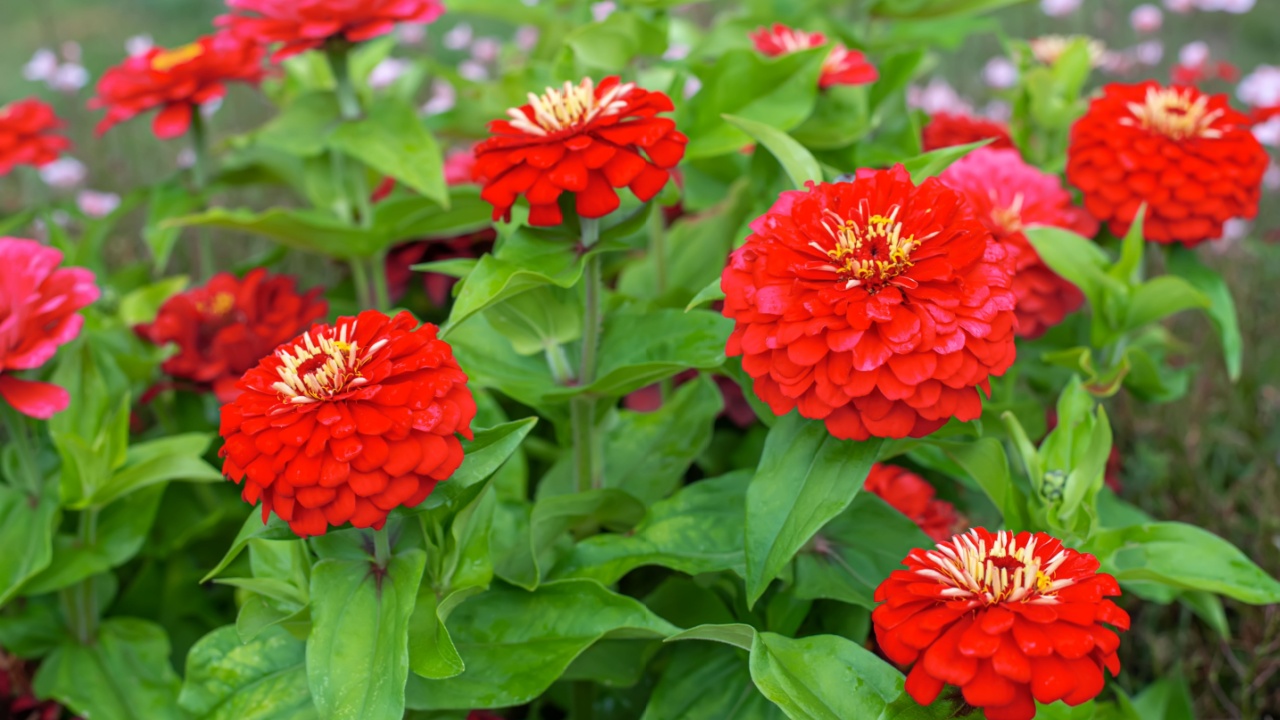
Zinnias offer an array of colorful blooms, from pink and purple to red and yellow. They are annuals but produce seeds that finches love to snack on throughout their growing season.
Care Tips
- Sunlight: Full sun.
- Watering: Provide consistent moisture but avoid overwatering.
- Planting: Sow seeds directly into the soil after the last frost.
5. Milkweed (Asclepias)
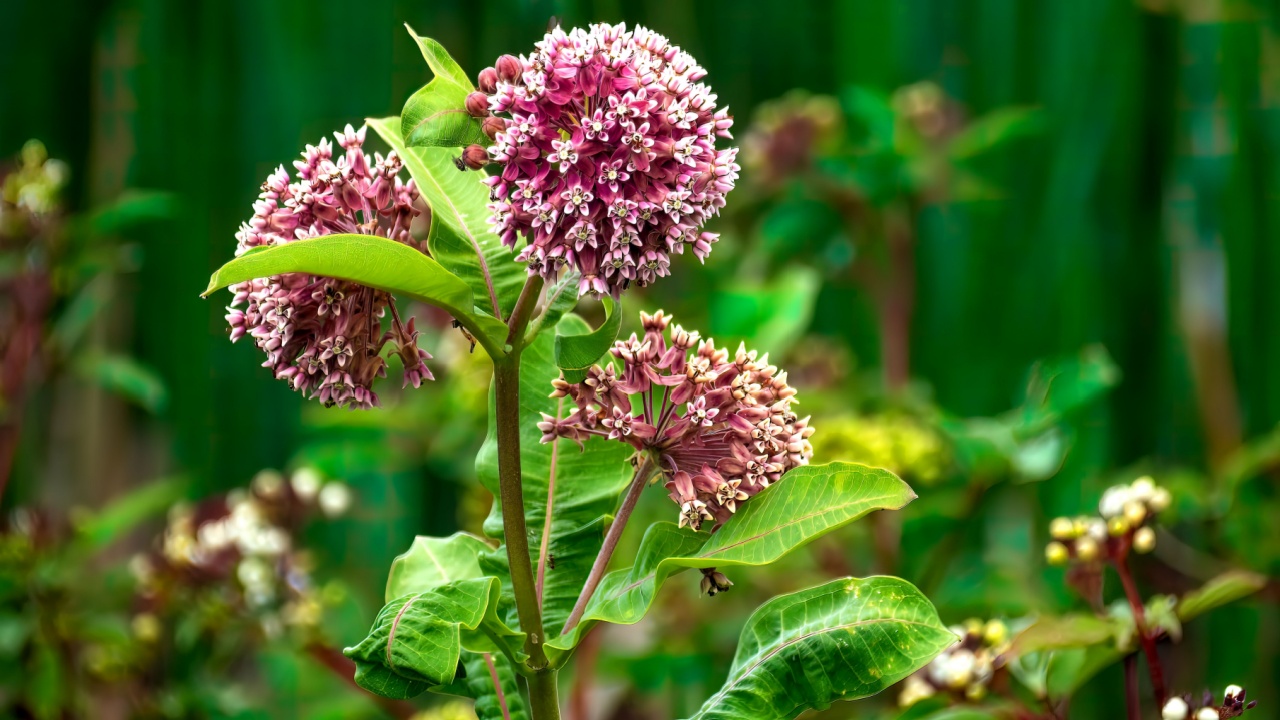
Known for drawing butterflies, milkweed also attracts goldfinches with its seed-filled pods and soft materials for nest building. Its perennial flowers bloom in orange, pink, or white.
Care Tips
- Sunlight: Full sun.
- Watering: Plant in well-draining soil. Swamp milkweed thrives in damp soil, while other types prefer drier conditions.
- Varieties: Opt for swamp milkweed or butterfly milkweed in zones 3 to 9.
6. Cosmos (Cosmos bipinnatus)
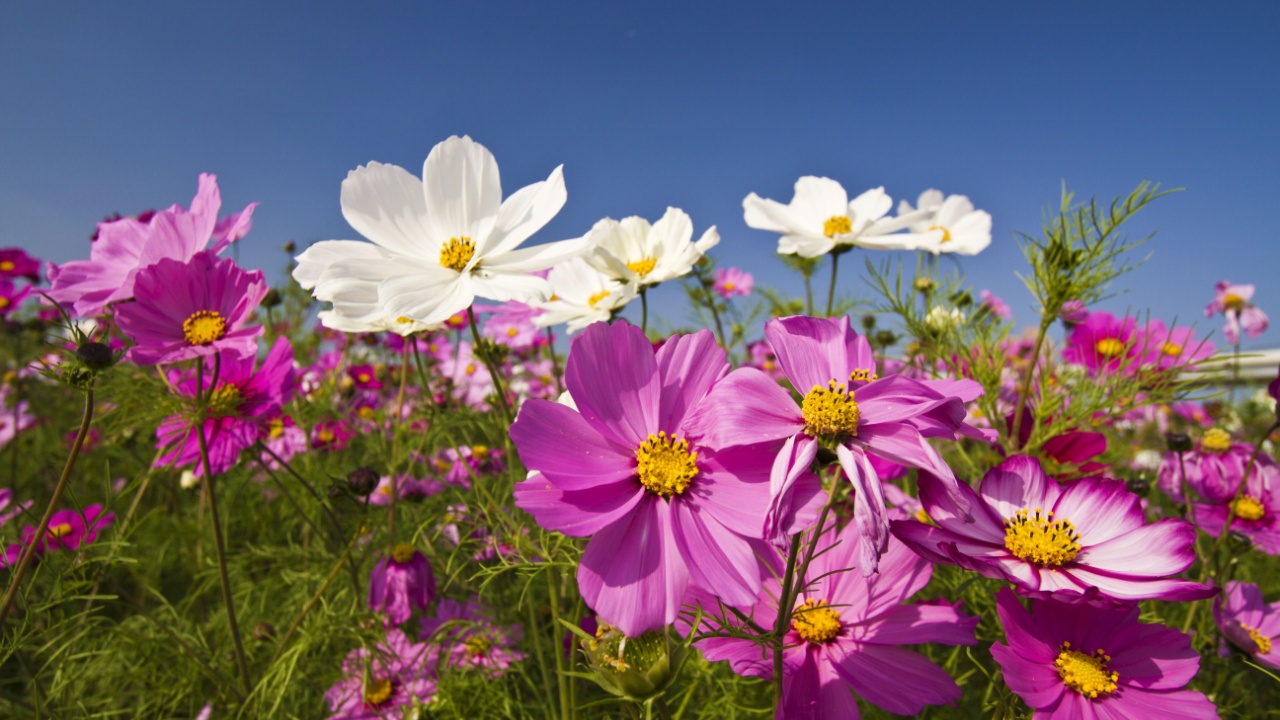
These tall, wispy flowers often stand 4-6 feet high, producing vibrant blossoms in white, orange, and pink that fade to leave seeds goldfinches love.
Care Tips
- Sunlight: Full sun.
- Watering: Tolerant of hot, dry conditions, so water moderately.
- Support: Plant near fences or use stakes to prevent the tall stems from toppling in the wind.
7. Dandelions (Taraxacum officinale)
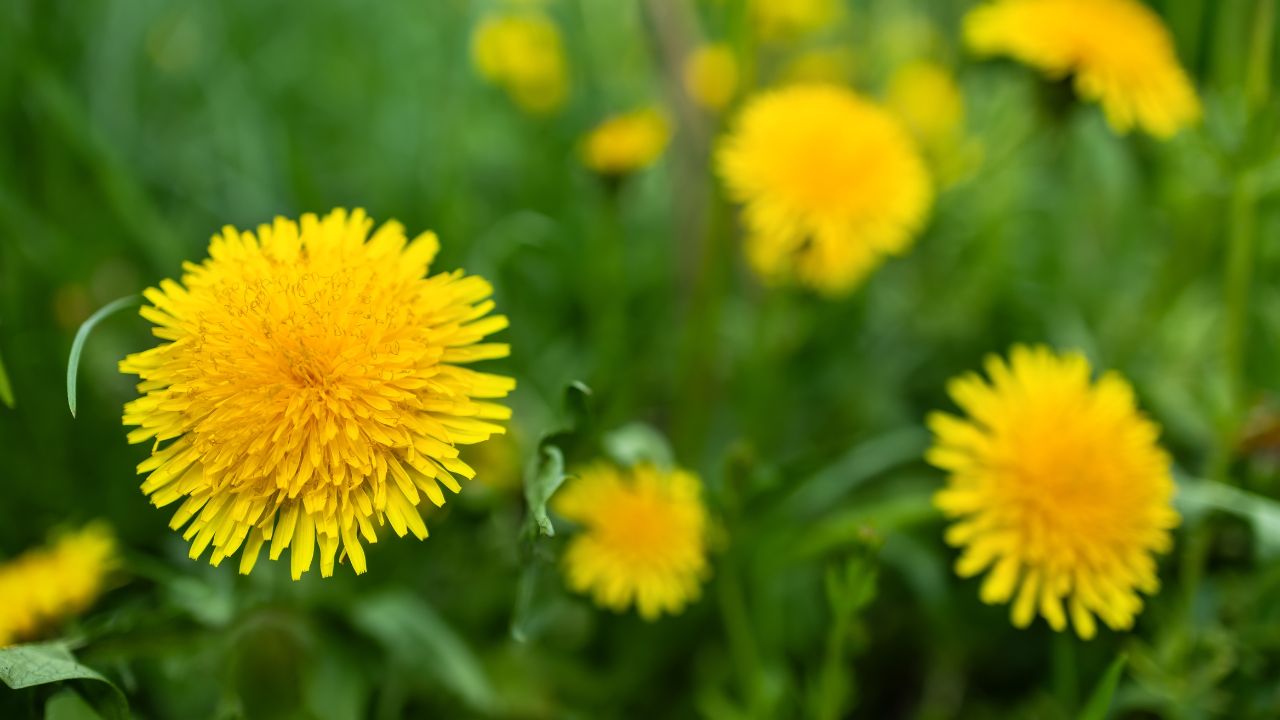
Although often considered weeds and eyesores on a lawn, some people are learning the truth about the benefits of these flowers. Dandelions are an essential food and nesting resource for goldfinches. Their fluffy seed heads provide both a tasty treat and soft materials for nests.
Care Tips
- Location: Dedicate a section of your yard to wildflowers where dandelions can grow.
- Maintenance: Mow less frequently to allow seed heads to mature fully.
- Control: Remove dandelions as needed to prevent invasive spreading.
8. Poppies (Papaver spp.)
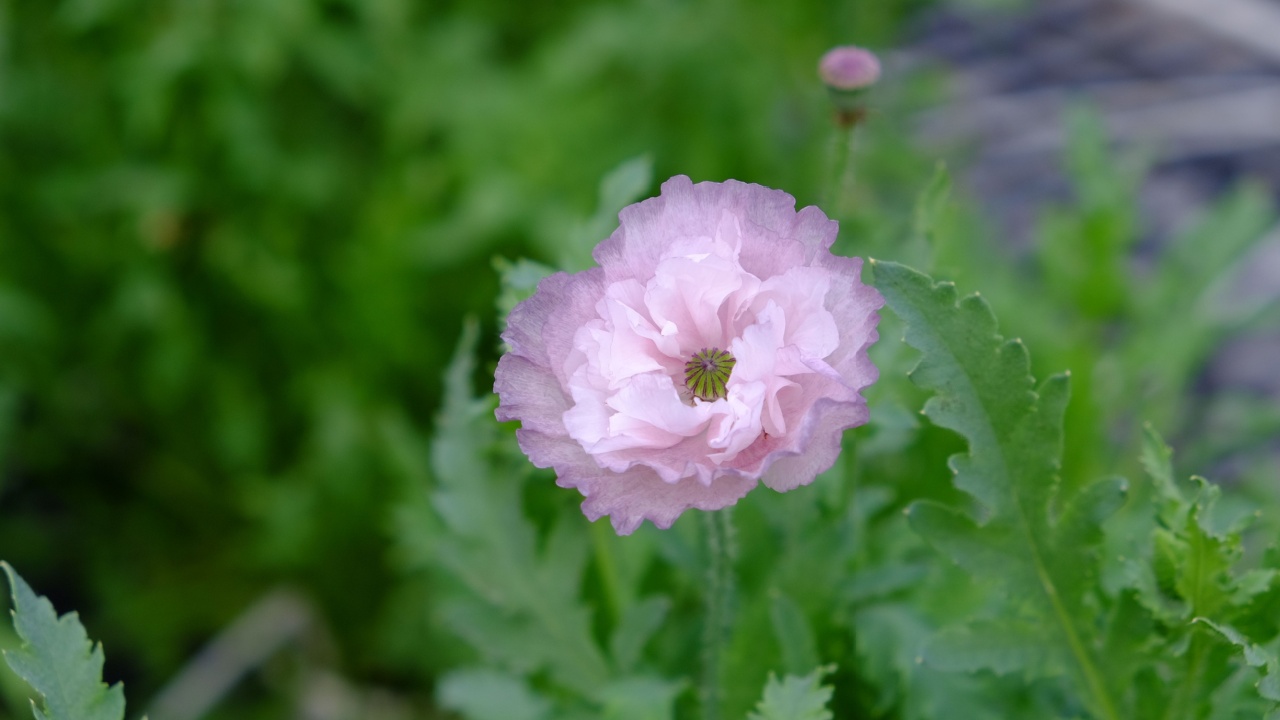
With their delicate, colorful blooms, poppies are a charming addition to any garden and produce seeds during late summer that goldfinches can devour (although not well established in any literature).
Care Tips
- Sunlight: Prefers full sun.
- Watering: Moderate watering, ensuring soil is well-drained.
- Growing Zones: Suitably hardy in zones 3 to 9.
9. Asters (Symphyotrichum spp.)
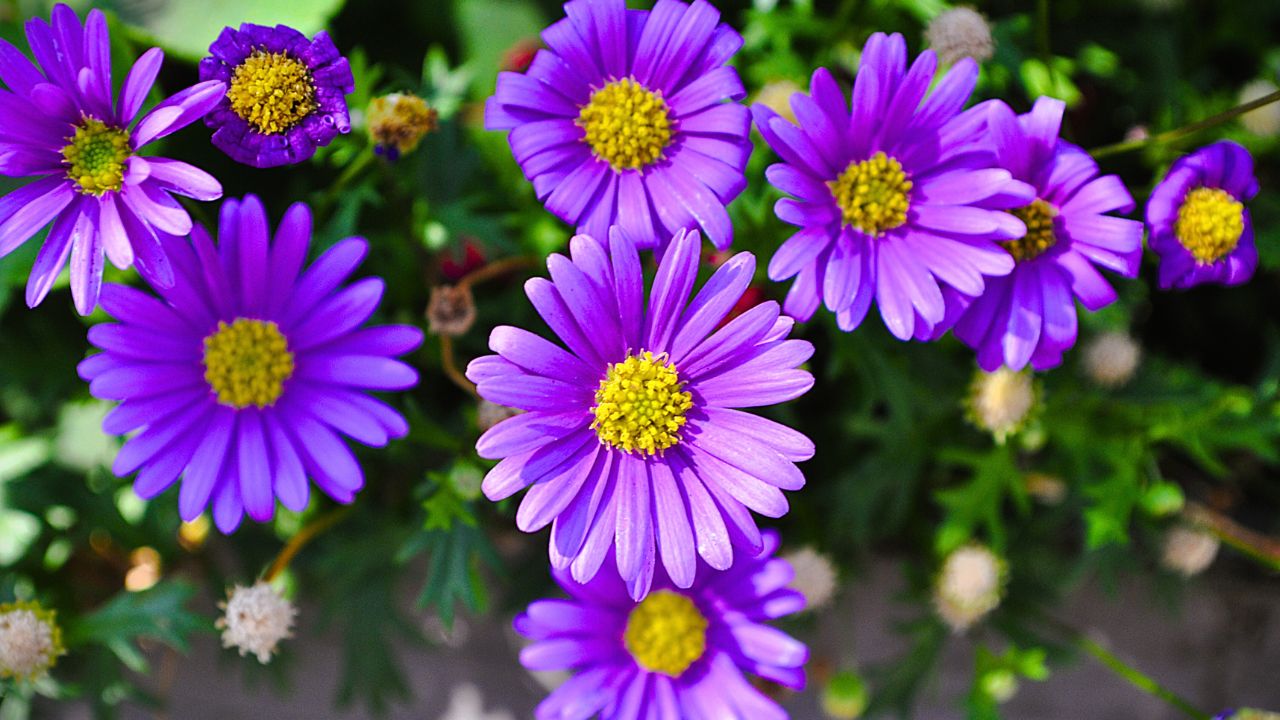
Asters are late-season bloomers that keep finches visiting your yard well into fall. Their robust flowers provide nectar for pollinators and ripen into seed heads for birds.
Care Tips
- Sunlight: Full sun.
- Watering: Keep soil moist during initial growth, but mature plants tolerate dry periods.
- Pruning: Deadhead spent blooms to prolong the blooming period.
10. Yellow Giant Hyssop (Agastache nepetoides)
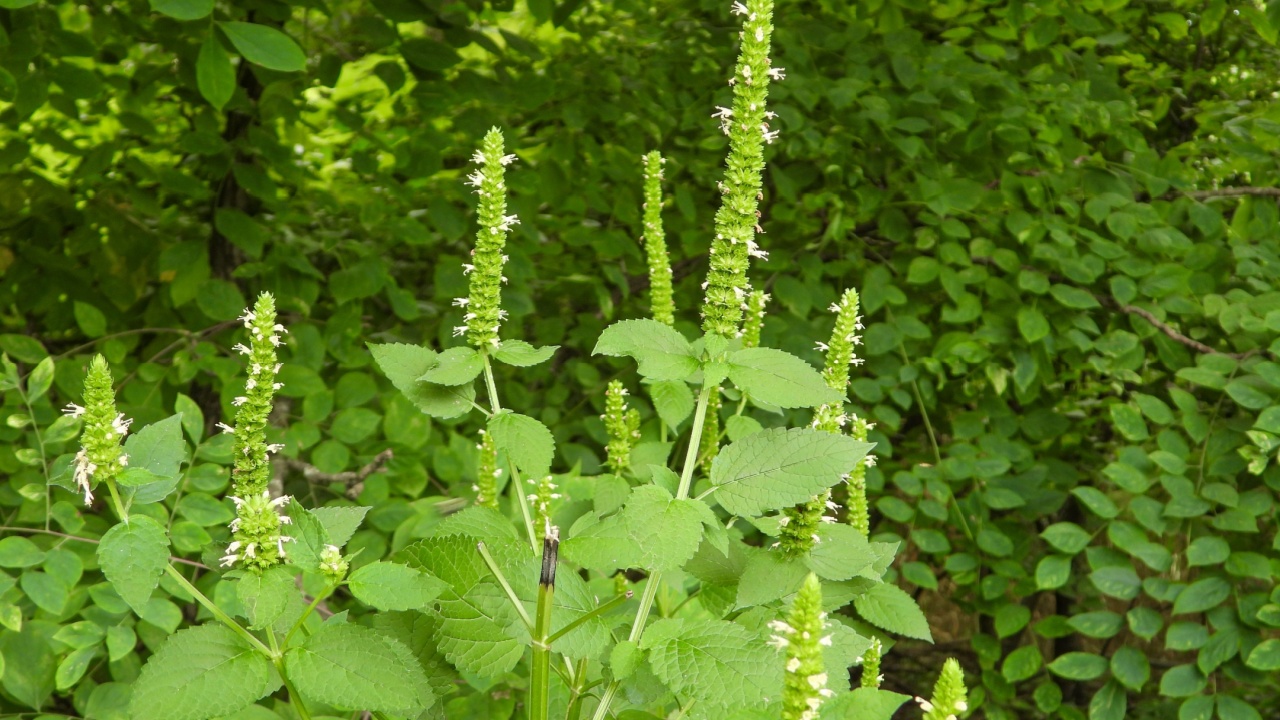
This tall, striking flower reaches up to 6 feet and provides seeds for goldfinches in its spiky blossoms. Its bitter-tasting leaves also deter hungry deer.
Care Tips
- Sunlight: Thrives in either sun or partial shade.
- Watering: Suitable for wet or dry soil conditions.
- Bloom Period: Mid-summer through early fall.
11. Blazing Star (Liatris spicata)
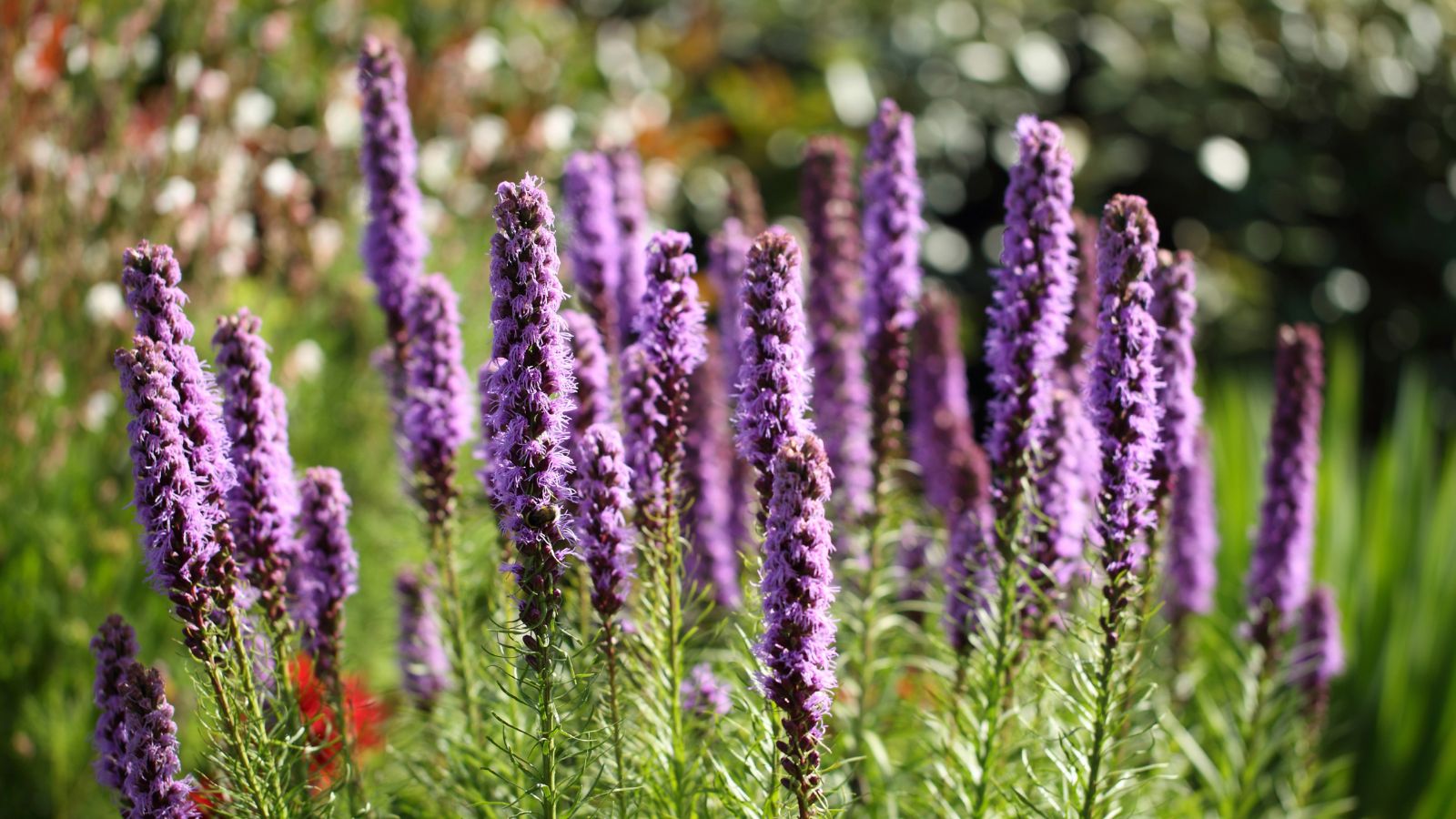
These vertical purple spires are both visually captivating and irresistible to goldfinches. They also attract butterflies and other pollinators.
Care Tips
- Sunlight: Needs full sun.
- Watering: Choose moist, well-drained soil to prevent root rot.
- Staking: For windy areas, stake flower stems to keep them upright.
12. Black-Eyed Susans (Rudbeckia hirta)
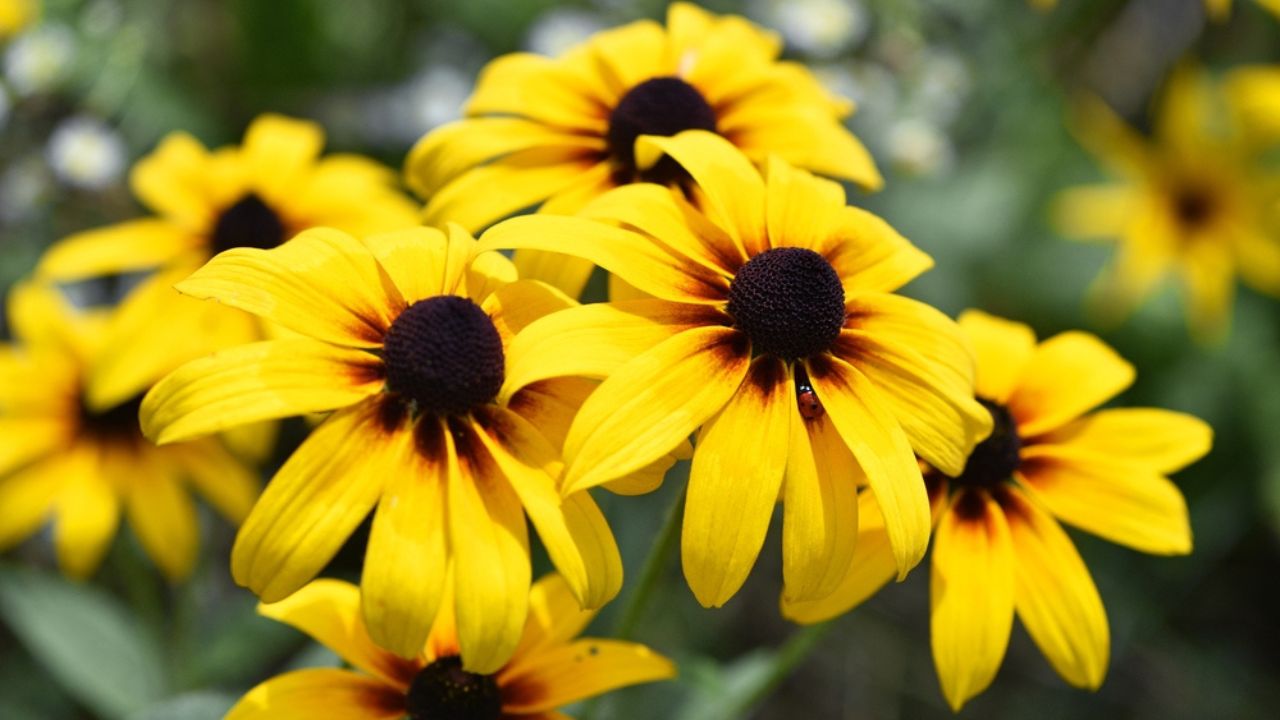
These classic wildflowers produce seed heads loved by finches after their sunny yellow flowers fade. They are easy to grow and a delight in any garden.
Care Tips
- Sunlight: Full sun to partial shade.
- Watering: Water regularly until established; drought-tolerant afterward.
- Deadheading: Allow seeds to remain on the flower heads during late summer for finches.
13. Coreopsis (Coreopsis spp.)
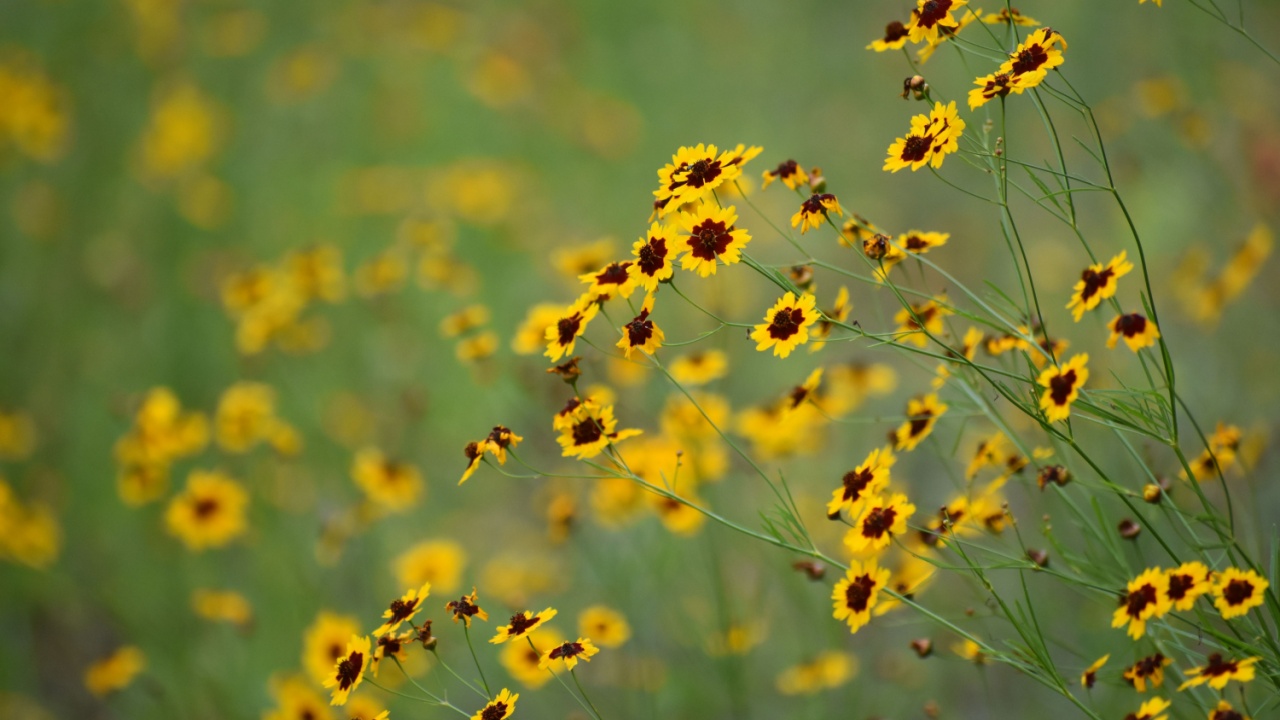
Goldfinches love coreopsis seeds, and their golden, daisy-like blooms brighten your garden all summer long.
Care Tips
- Sunlight: Prefers full sun.
- Watering: Tolerates dry soil but thrives with regular watering.
- Maintenance: Cut back plants in midseason to encourage fresh blooms.
14. Sedum (Hylotelephium)
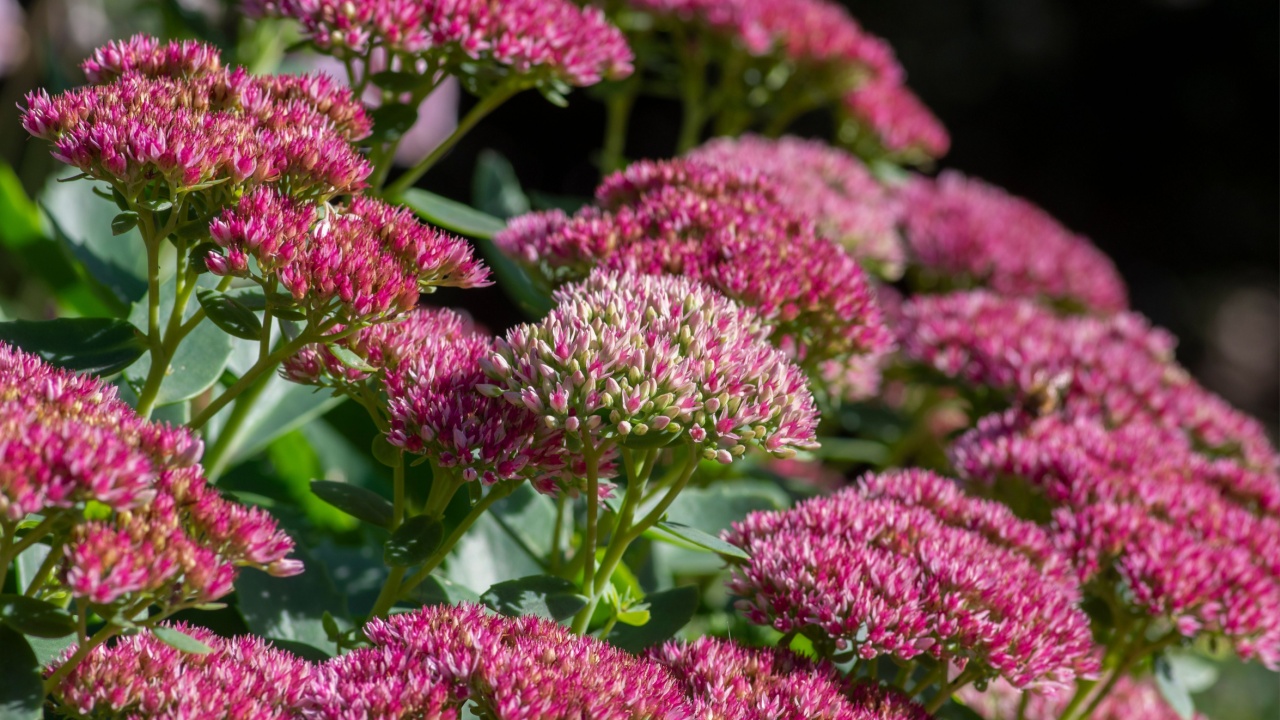
Also known as stonecrop, sedum flowers provide clusters of seeds that goldfinches enjoy. However, these birds might occasionally nibble on their fleshy leaves too.
Care Tips
- Sunlight: Full sun to light shade.
- Watering: Ideal for dry, sandy soil; avoid overwatering.
- Winter Prep: These low-maintenance plants are hardy through winter.
15. Tickseed (Coreopsis tinctoria)
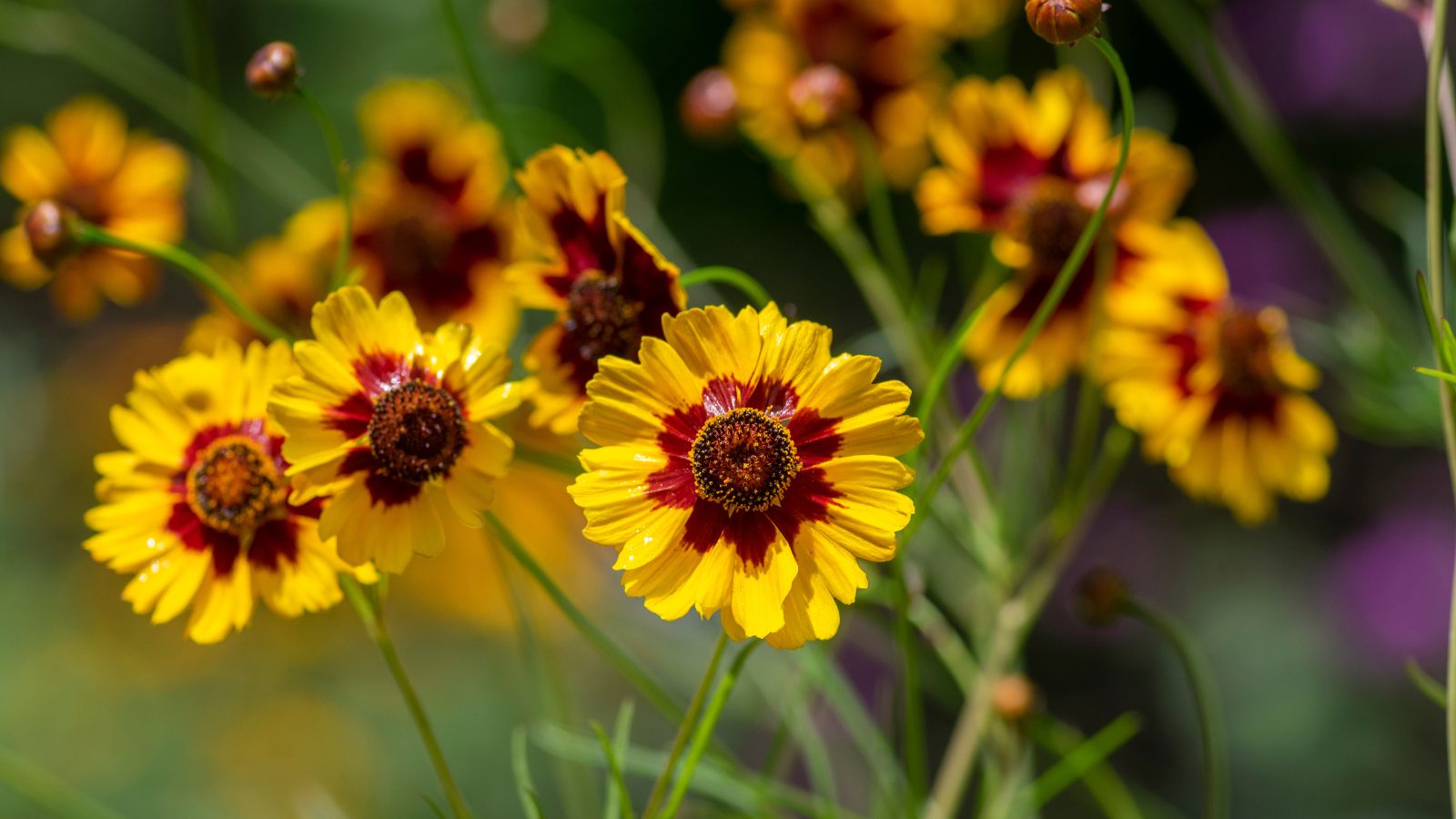
Tickseed is another finch-friendly plant known for its cheerful yellow blooms and ample seed production.
Care Tips
- Sunlight: Loves full sun.
- Watering: Performs well in drier soils.
- Self-Seeding: Allow plants to drop seeds for natural regrowth.
16. Sneezeweed (Helenium autumnale)

Despite its name, sneezeweed won’t irritate your allergies but will charm goldfinches with its seed-filled flowers.
Care Tips
- Sunlight: At least partial sun preferred.
- Watering: Thrives in moist soil; water often during dry periods.
- Warnings: Toxic to mammals in large amounts — handle carefully if pets frequent the garden.
17. Bee Balm (Monarda spp.)
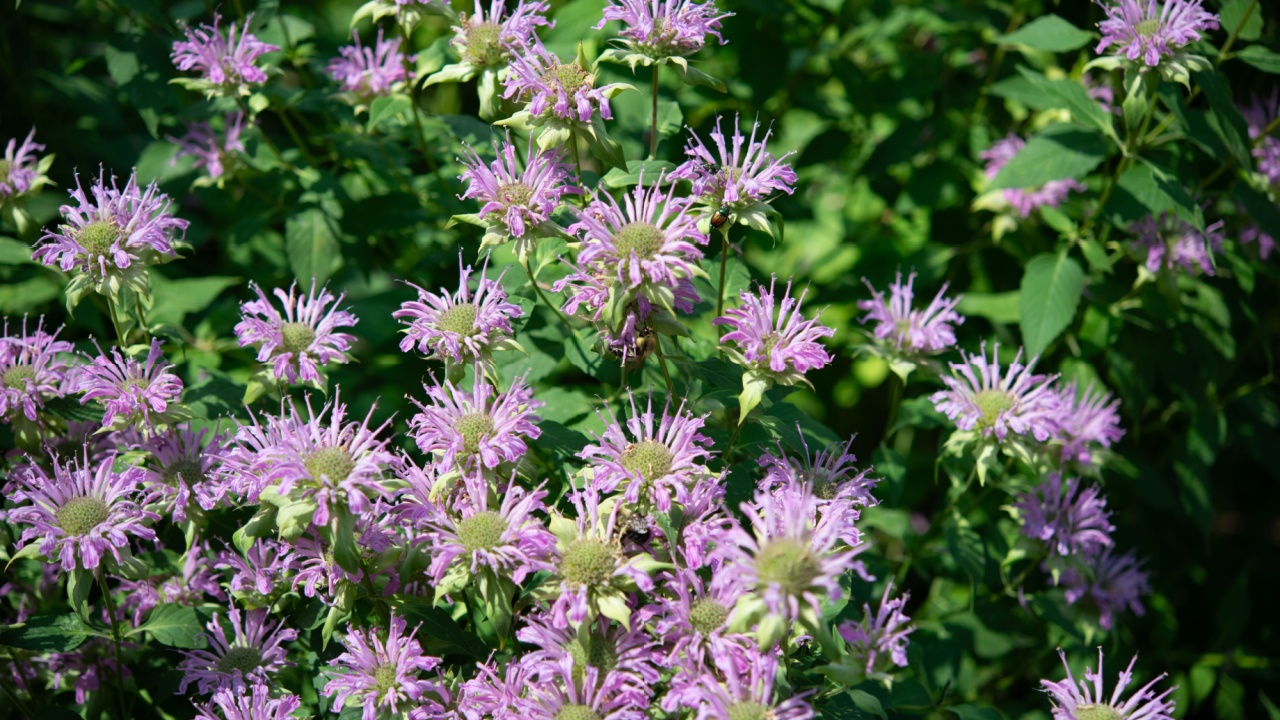
Known for attracting bees and hummingbirds, bee balm also supplies seeds and nectar that goldfinches enjoy.
Care Tips
- Sunlight: Does best in full sun.
- Watering: Requires consistent moisture in well-drained soil.
- Spacing: Provide generous spacing as this perennial tends to spread.
18. Goldenrod (Solidago spp.)
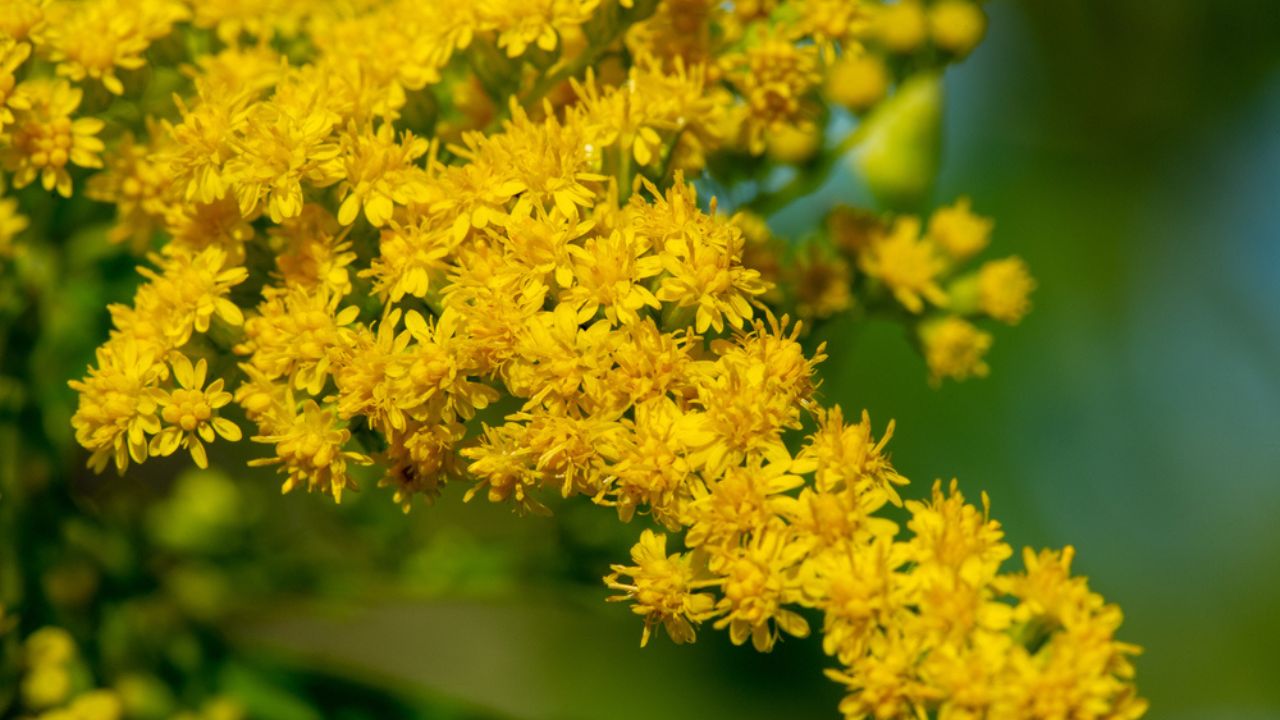
Goldenrod’s soft yellow blossoms provide late-season nourishment for goldfinches and other wildlife.
Care Tips
- Sunlight: Thrives in full sun.
- Watering: Tolerates heavy rain and dry soil alike.
- Naturalization: This is a great plant for meadow or border gardens.
It’s a Win-Win
Attracting goldfinches to your garden isn’t just rewarding, it also supports local pollinators and native greenery. By incorporating a mix of the flowers listed above, you can ensure a steady source of food, shelter, and nesting materials for these lively, yellow songbirds.