15 Invasive Plants to Keep Out of the Yard This Season
Not all plants are beneficial; some can wreak havoc on your garden, local ecosystems, and even infrastructures. Known as invasive plants, these species spread aggressively, outcompete native plants, and disrupt ecological harmony. If left unchecked, they can dominate landscapes and damage biodiversity.
To help you protect your garden and local ecosystem, we’ve compiled a list of 15 invasive plants to watch out for. Learn why these plants are harmful, and discover tips for controlling or removing them.
1. Japanese Knotweed (Reynoutria japonica)
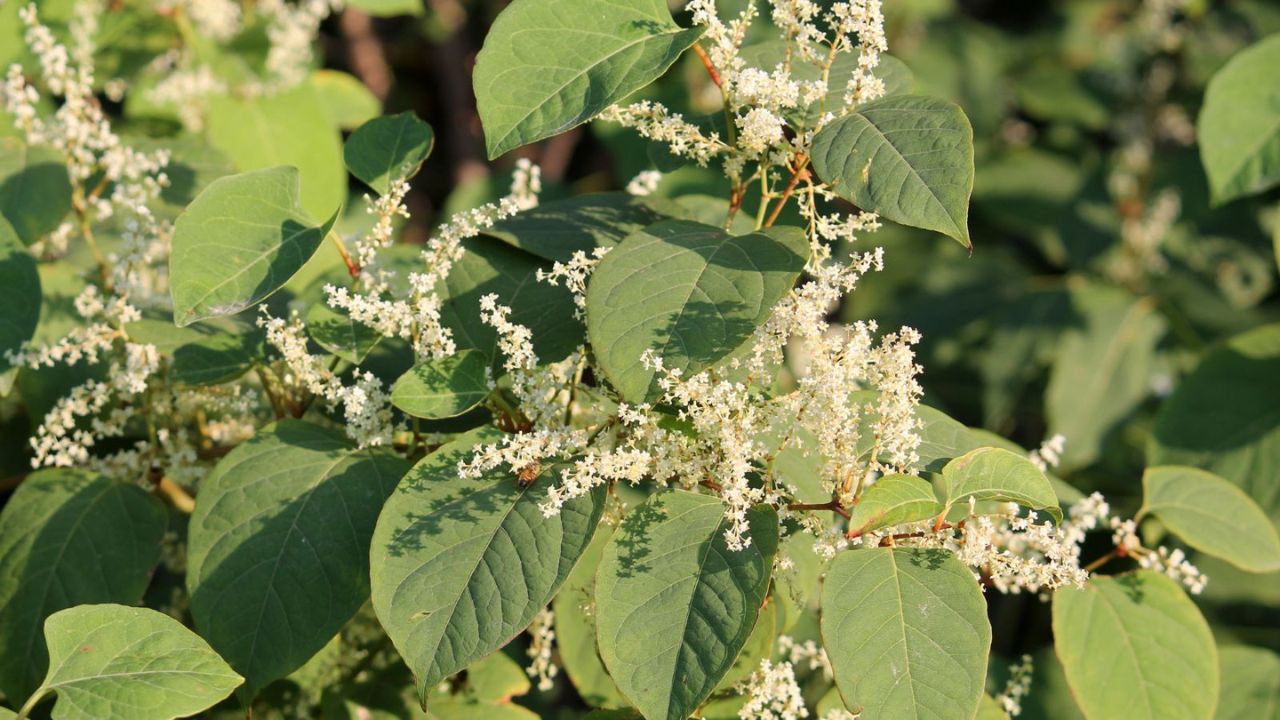
Japanese knotweed grows dense thickets that outcompete native plants for sunlight, water, and nutrients. Its vigorous root system can break through concrete and disrupt building foundations.
Control Tips:
- Cut back plants repeatedly to weaken the root system.
- Dig out roots and rhizomes completely to prevent regrowth.
- Use approved herbicides for larger infestations.
2. English Ivy (Hedera helix)
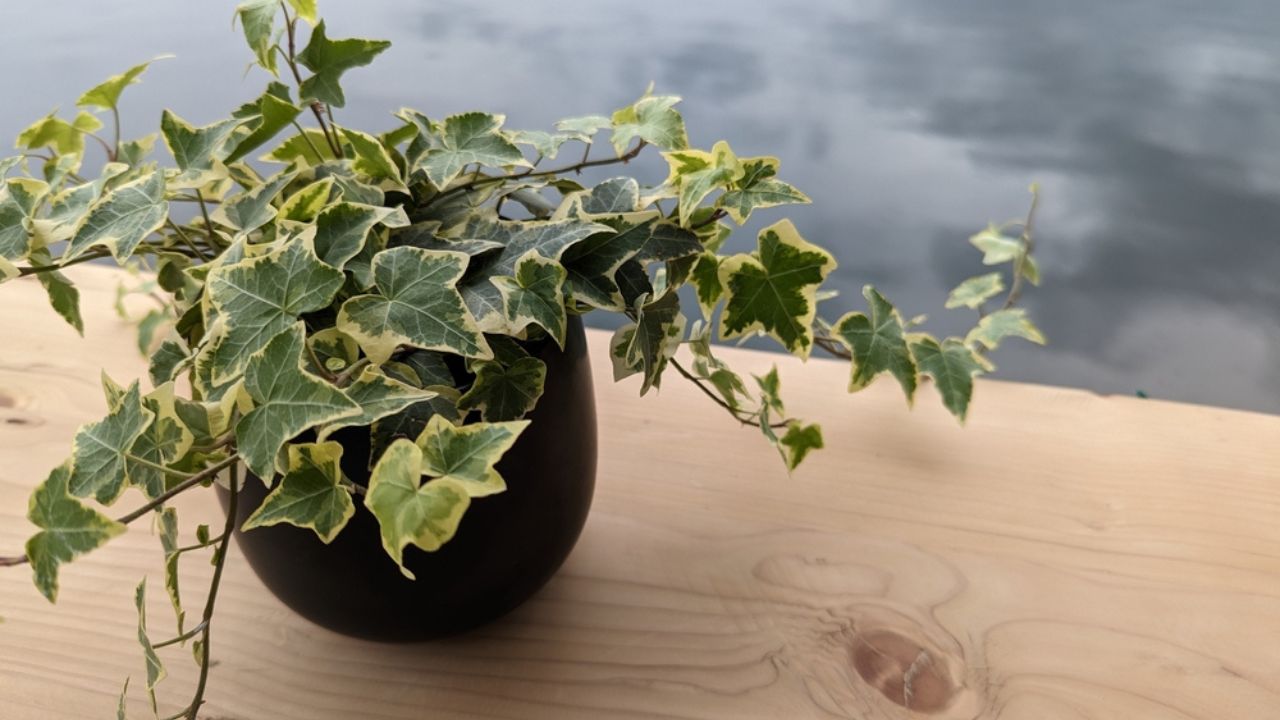
English ivy forms thick ground cover that smothers native plants. When climbing trees or structures, it blocks sunlight and can lead to tree death or structural damage.
Control Tips:
- Pull ivy manually from trees and trim vines at the base.
- Remove roots thoroughly to mitigate regrowth.
- Monitor walls and trees regularly for new growth.
3. Giant Hogweed (Heracleum mantegazzianum)
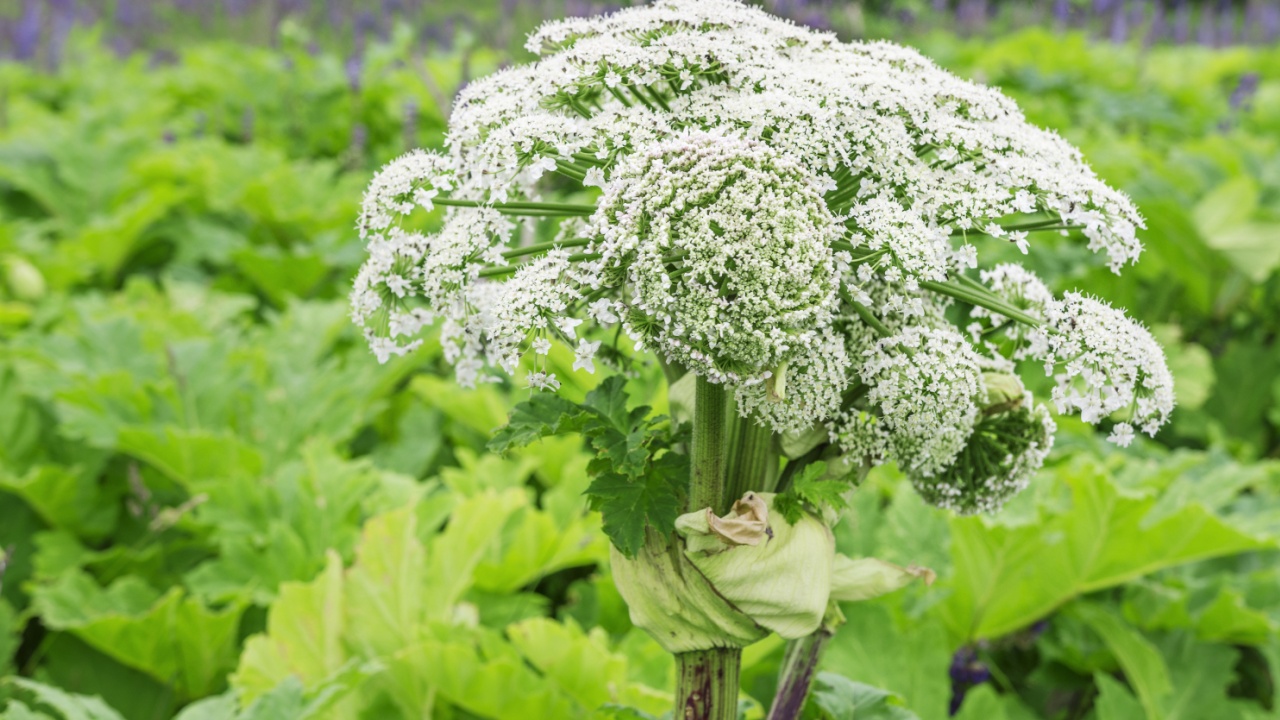
This towering weed can reach 14 feet in height and produces toxic sap that causes severe burns when exposed to sunlight. It also displaces native vegetation.
Control Tips:
- Wear protective clothing when handling this plant.
- Cut back plants before they flower to prevent seed production.
- Seek professional services for large infestations.
4. Canada Thistle (Cirsium arvense)
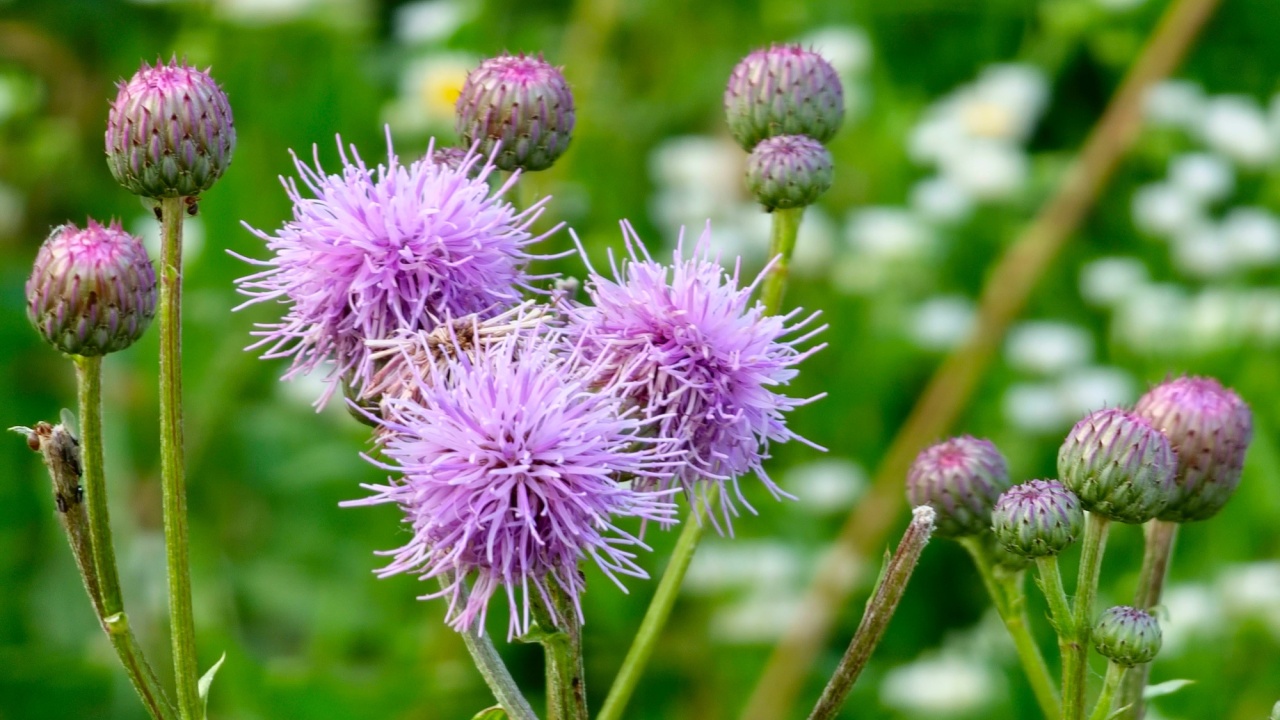
Known for its spiky leaves and aggressive spread, Canada thistle reproduces through underground rhizomes and seeds, forming dense patches that choke out other plants.
Control Tips:
- Repeated mowing can weaken plants and control the spread.
- Hand-pull or dig out plants, ensuring all root fragments are removed.
- Apply systemic herbicides during active growth.
5. Kudzu (Pueraria montana)
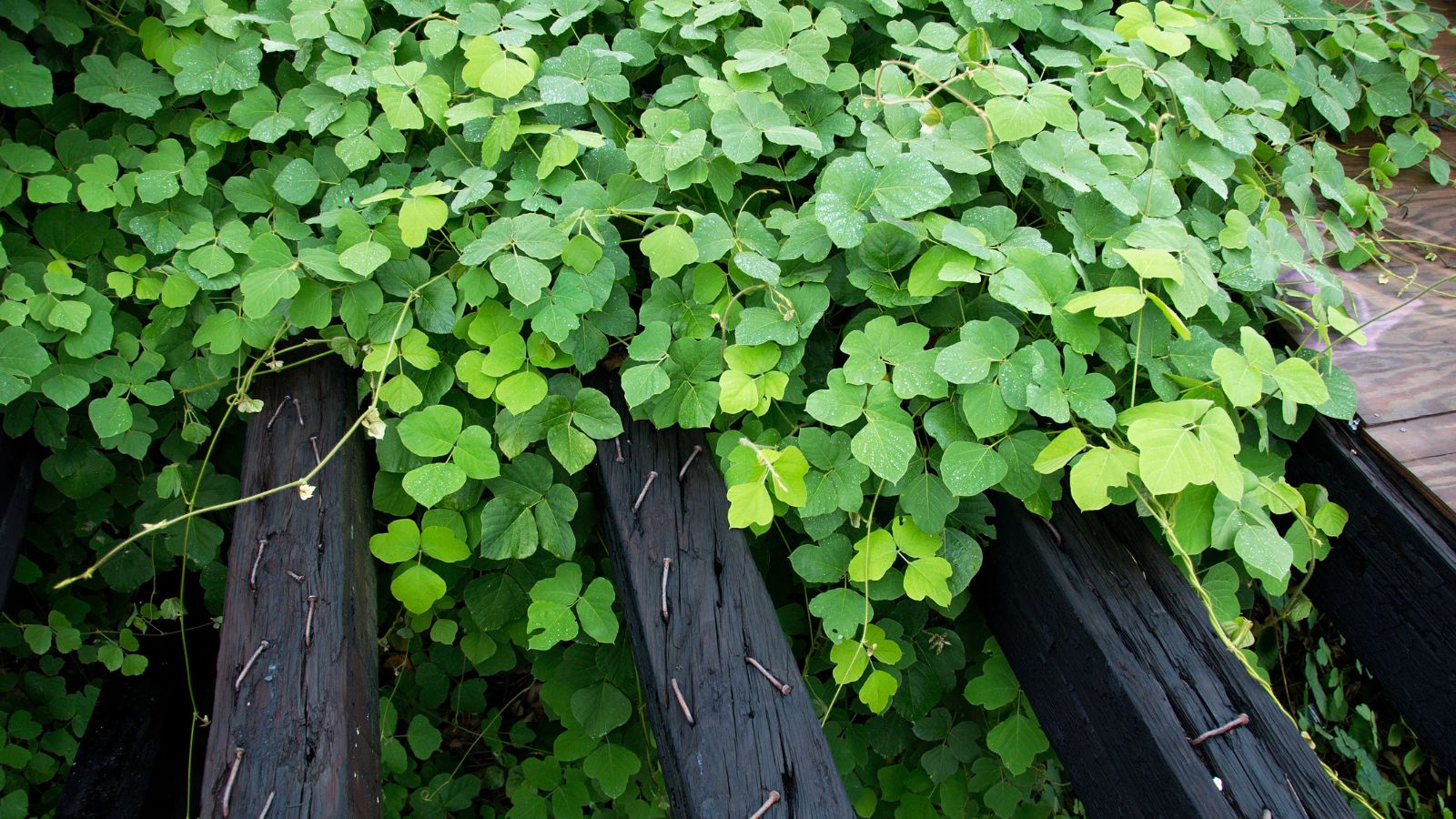
Nicknamed “the vine that ate the South,” Kudzu takes over landscapes by smothering trees, plants, and structures. Its rapid growth rate (up to a foot per day) makes it a formidable invader.
Control Tips:
- Cut vines at the base and remove roots to prevent regrowth.
- Use livestock like goats to graze large areas.
- Persistent herbicide treatments can suppress this aggressive vine.
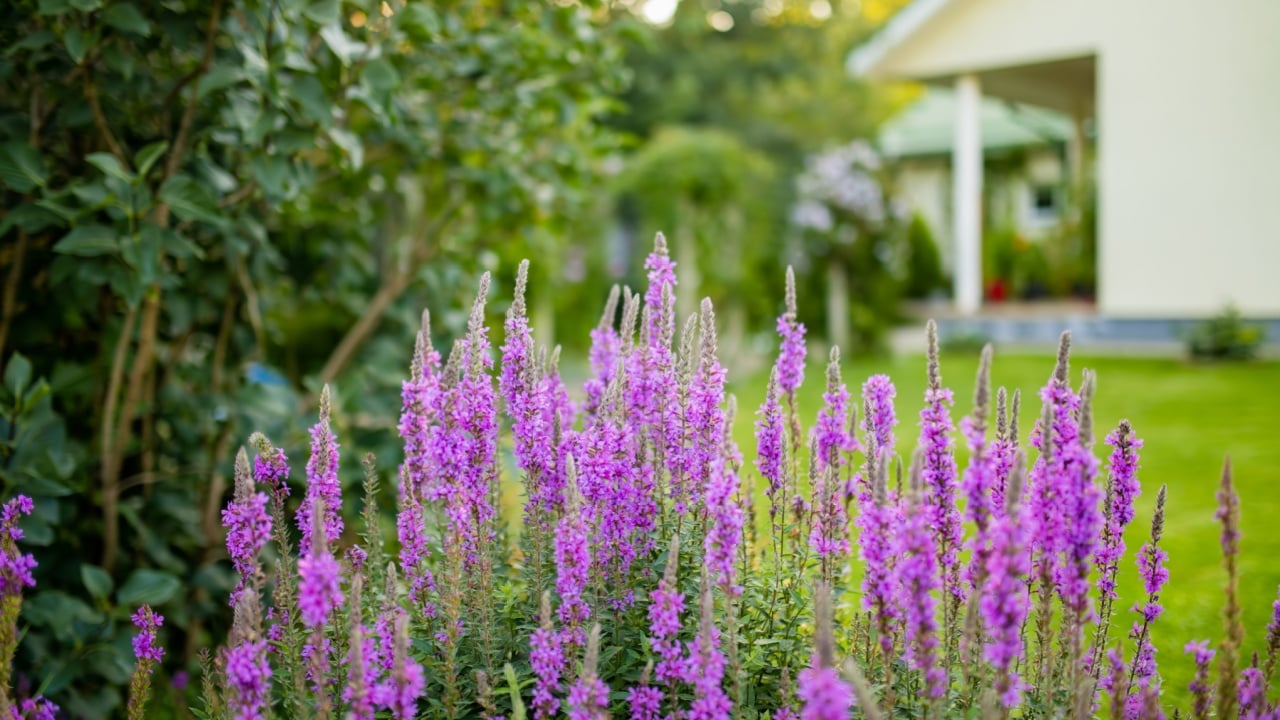
6. Purple Loosestrife (Lythrum salicaria)
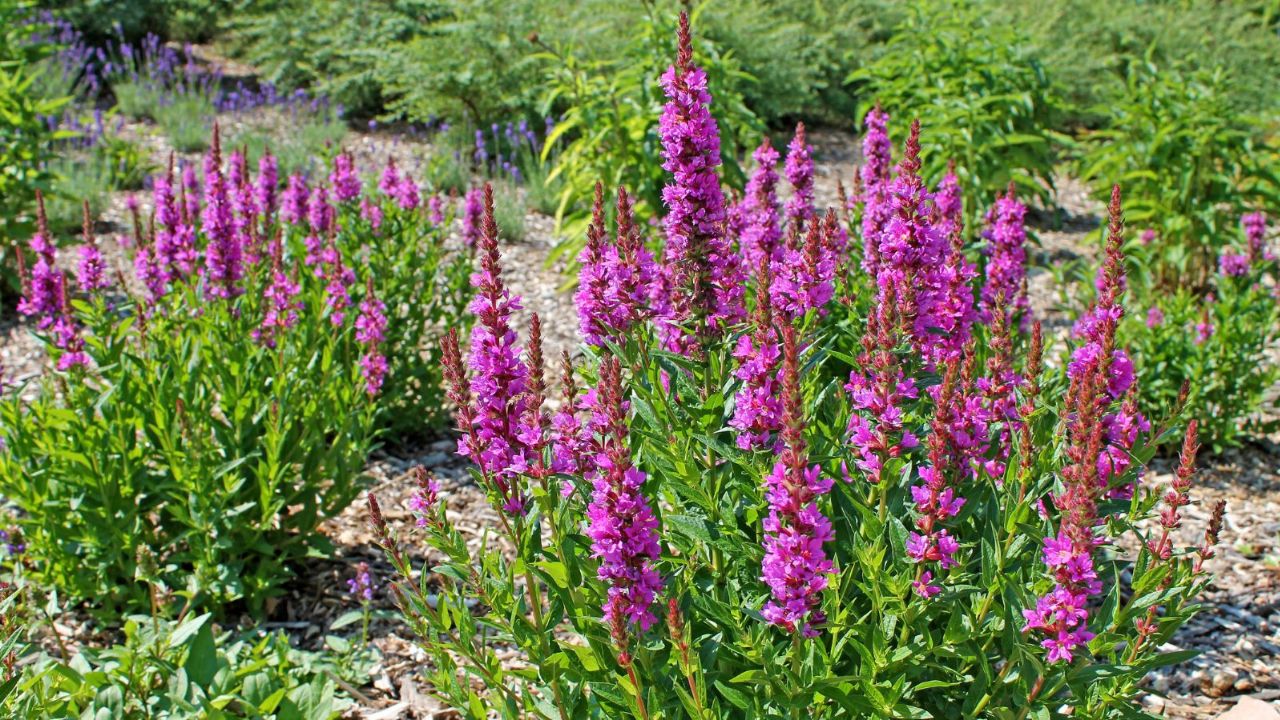
Purple loosestrife invades wetlands, forming dense stands that outcompete native plants and degrade habitats for fish and wildlife.
Control Tips:
- Pull plants by hand before they flower.
- Cut flower spikes to prevent seeds from dispersing.
- Introduce biological controls like loosestrife-eating beetles.
7. Tree-of-Heaven (Ailanthus altissima)
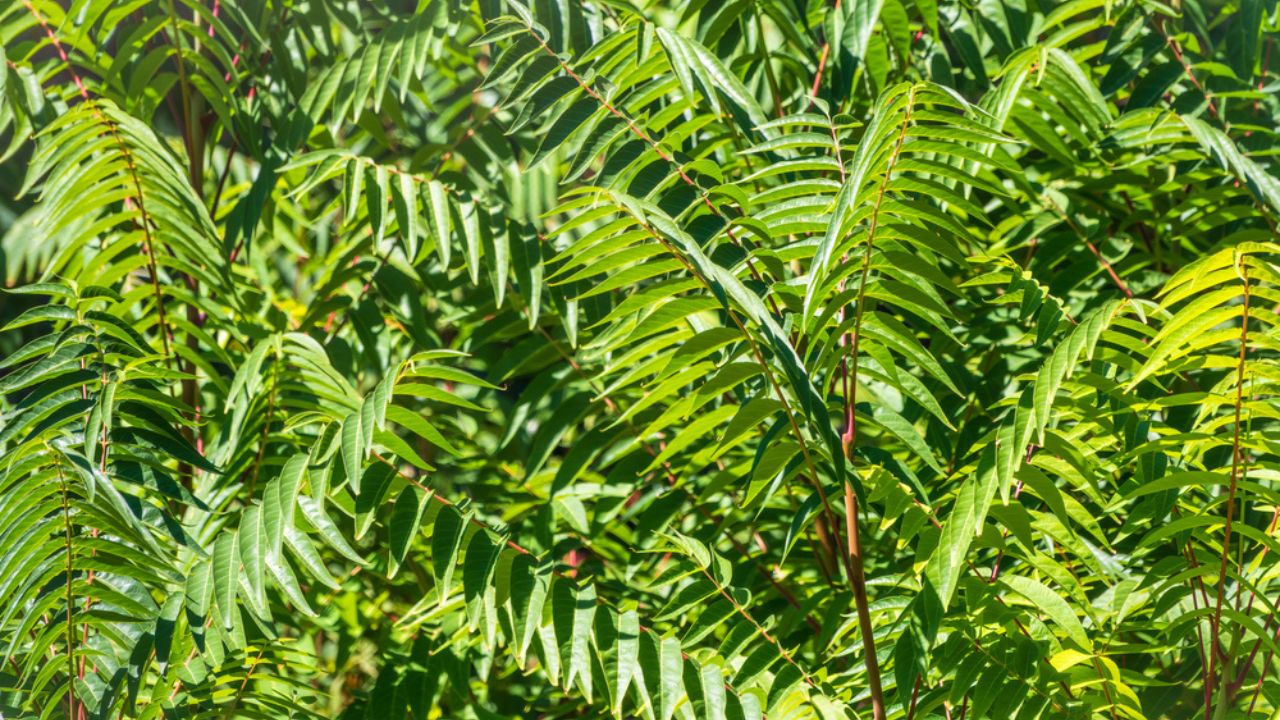
Why It’s Invasive: This fast-growing tree releases chemicals into the soil, preventing other plants from thriving. Its invasive roots can damage urban infrastructure.
- Cut trees at the base and treat stumps with herbicide.
- Remove suckers regularly to prevent spreading.
- Avoid allowing mature trees to seed.
8. Japanese Barberry (Berberis thunbergii)

This popular landscaping shrub escapes gardens and invades forests, where it displaces native plants and provides nesting grounds for ticks.
Control Tips:
- Remove shrubs manually and dispose of them properly.
- Cut stems close to the ground and apply herbicide to stumps.
- Replace with non-invasive alternatives like native dogwood shrubs.
9. Multiflora Rose (Rosa multiflora)
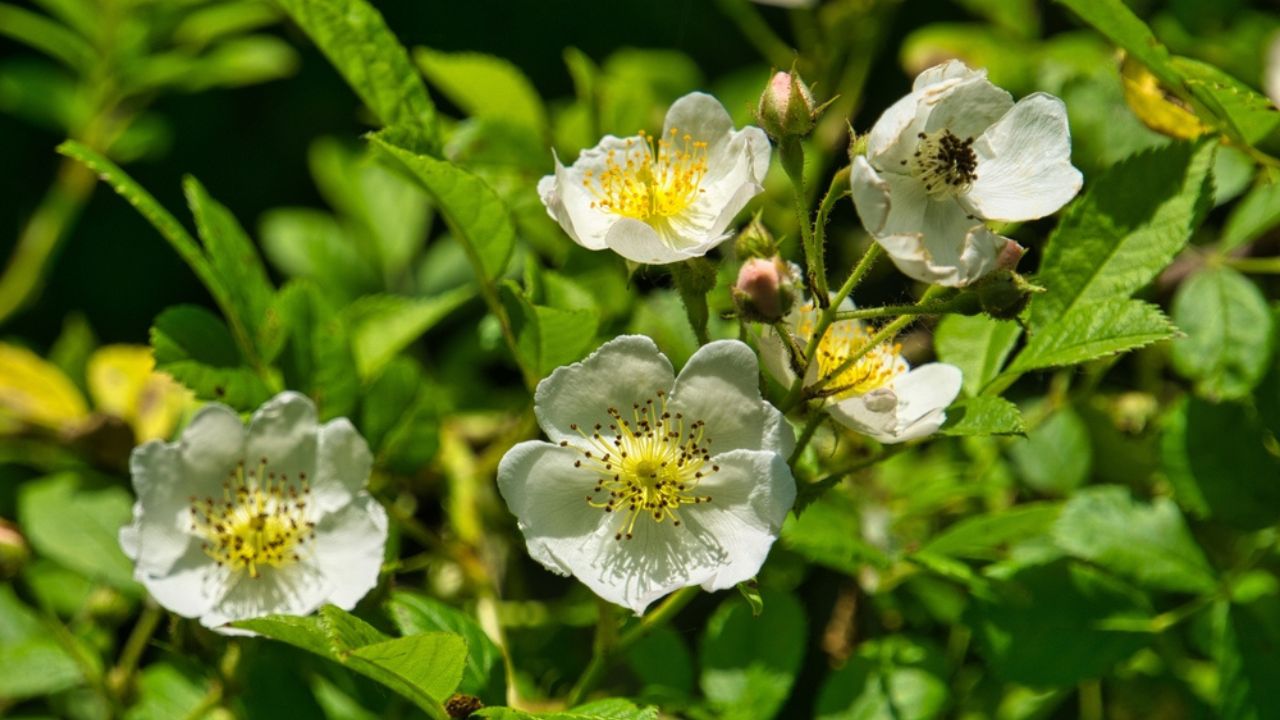
Originally introduced as a natural hedge, multiflora rose spreads uncontrollably, forming impenetrable thickets that outcompete native plants.
Control Tips:
- Cut stems and treat with herbicide to kill root systems.
- Regularly monitor for new growth around previously treated areas.
- Use mechanical removal for small infestations.
10. Himalayan Blackberry (Rubus armeniacus)
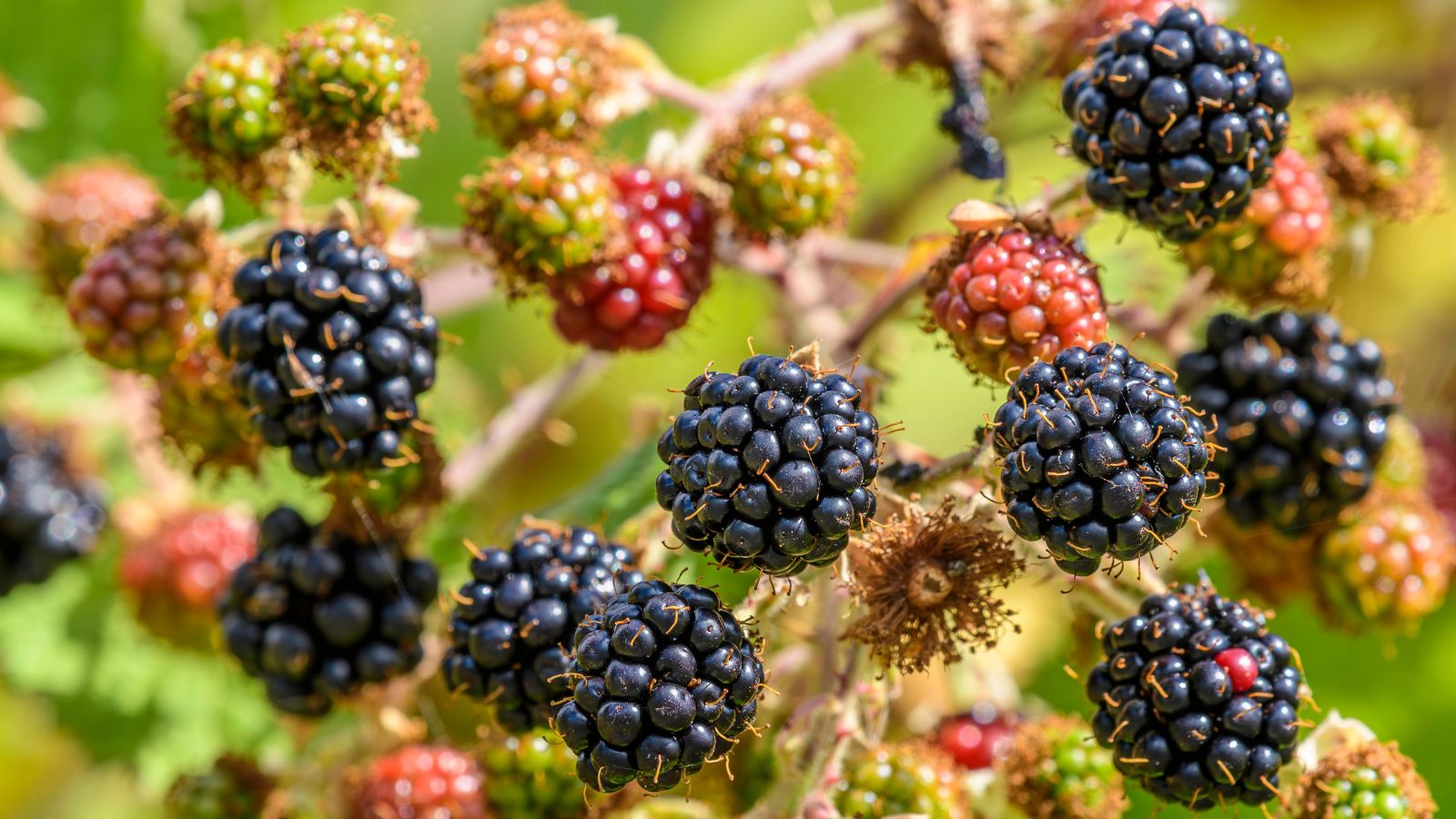
This sprawling shrub produces thorny canes that form dense thickets, blocking access to land and suppressing native vegetation.
Control Tips:
- Prune mature canes and dig out roots thoroughly.
- Apply targeted herbicides when plants are actively growing.
- Consider using goats for eco-friendly removal of large patches.
11. Common Reed (Phragmites australis)
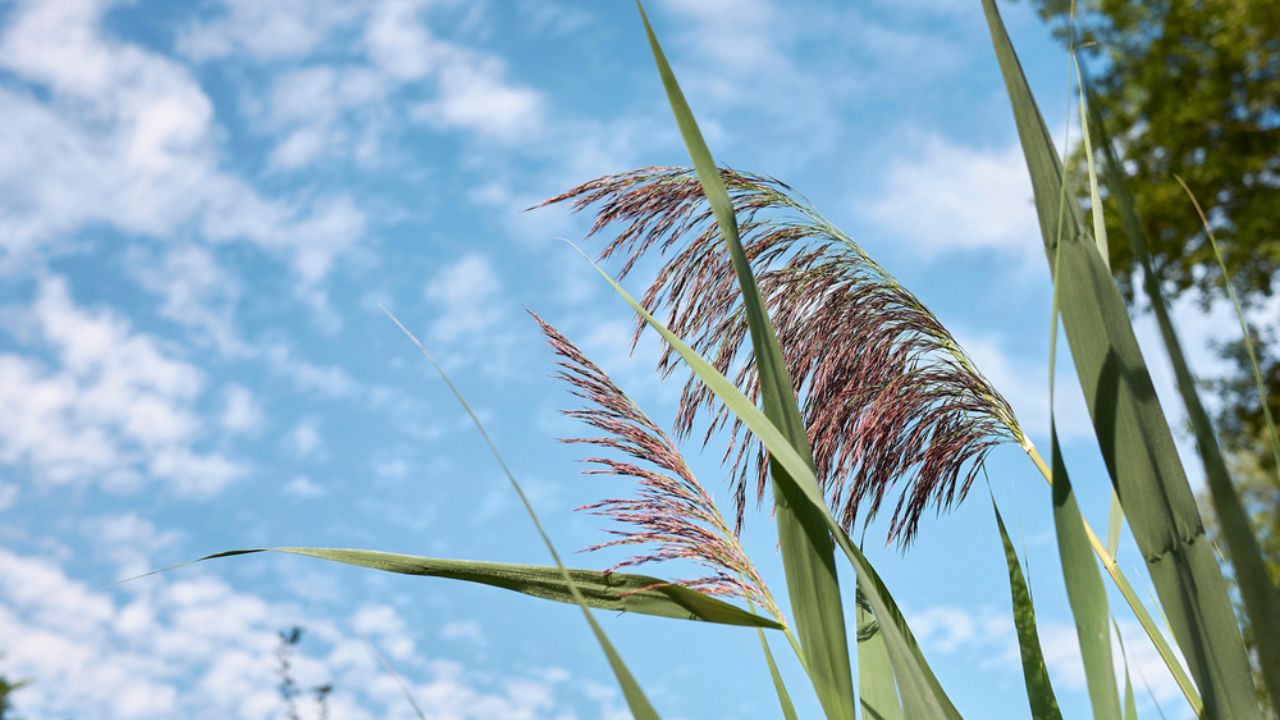
This tall grass forms monocultures in wetlands, displacing native species and altering ecosystem dynamics.
Control Tips:
- Cut plants close to the ground and treat stumps with herbicides.
- Remove dried plant material to reduce fire hazards.
- Seek professional help for large infestations.
12. Garlic Mustard (Alliaria petiolata)
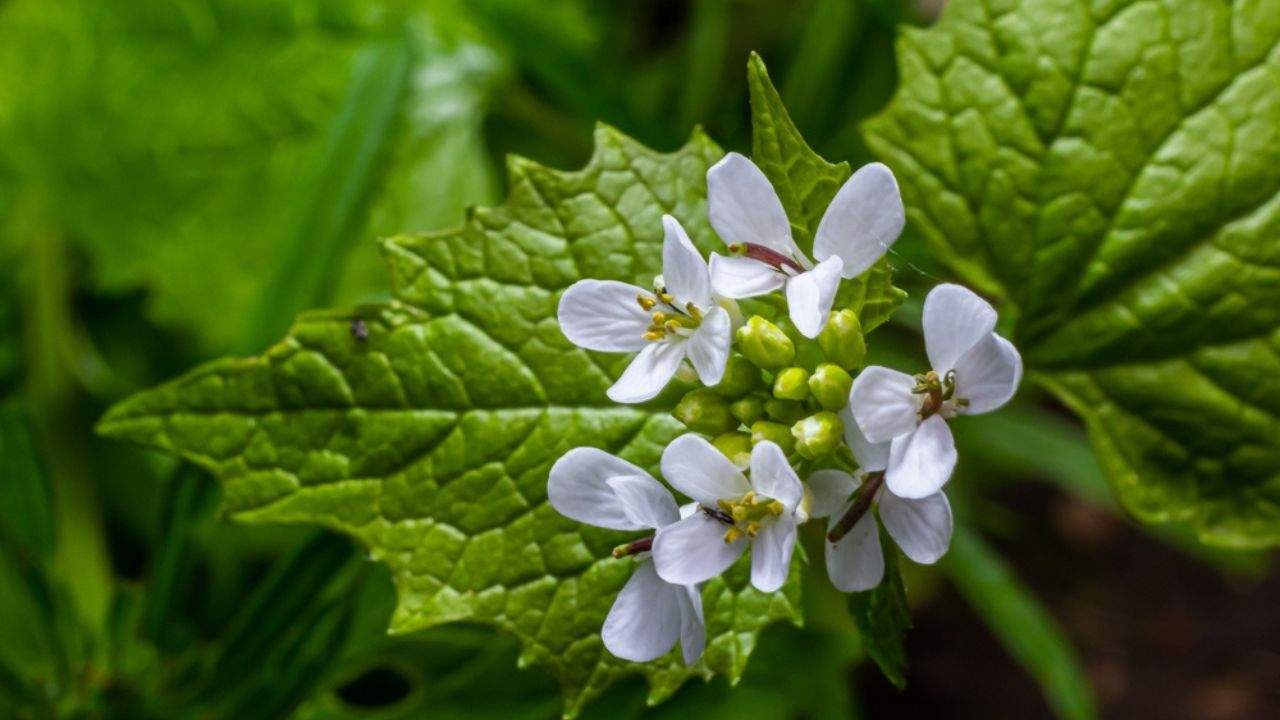
Why It’s Invasive: Garlic mustard outcompetes native plants in forest understories by producing chemicals that inhibit their growth.
Control Tips:
- Pull plants in early spring before seeds mature.
- Bag and dispose of all plant material to prevent seed spread.
- Repeat removal efforts annually to target remaining seeds.
13. Autumn Olive (Elaeagnus umbellata) (New)
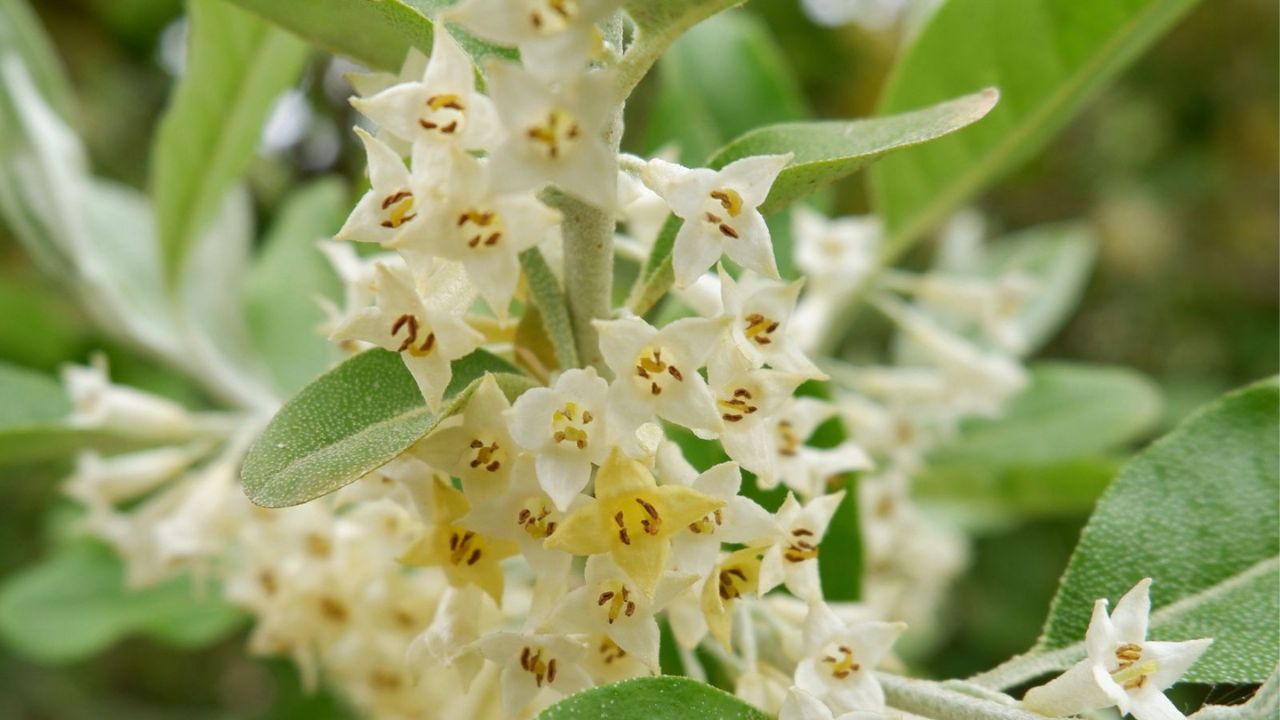
This shrub rapidly colonizes fields and forest edges, crowding out native plants crucial for wildlife.
Control Tips:
- Cut shrubs at ground level and apply targeted herbicide.
- Remove seedlings before they become established.
- Switch to native berry-producing plants like American beautyberry.
14. Chinese Wisteria (Wisteria sinensis)
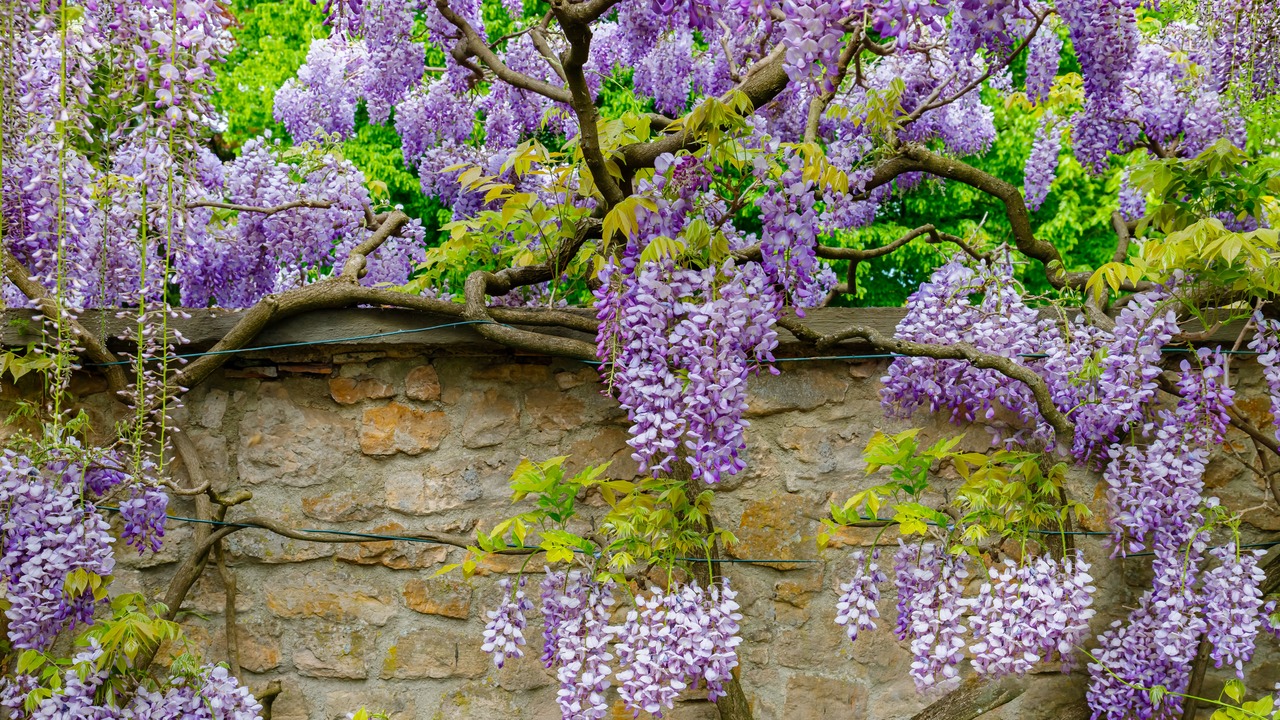
This ornamental vine climbs and strangles trees, leading to structural damage and displacement of native species in forests.
Control Tips:
- Prune heavily to reduce spread.
- Apply herbicide directly to freshly cut stems.
- Replace with native alternatives like American wisteria.
15. Cogongrass (Imperata cylindrica)
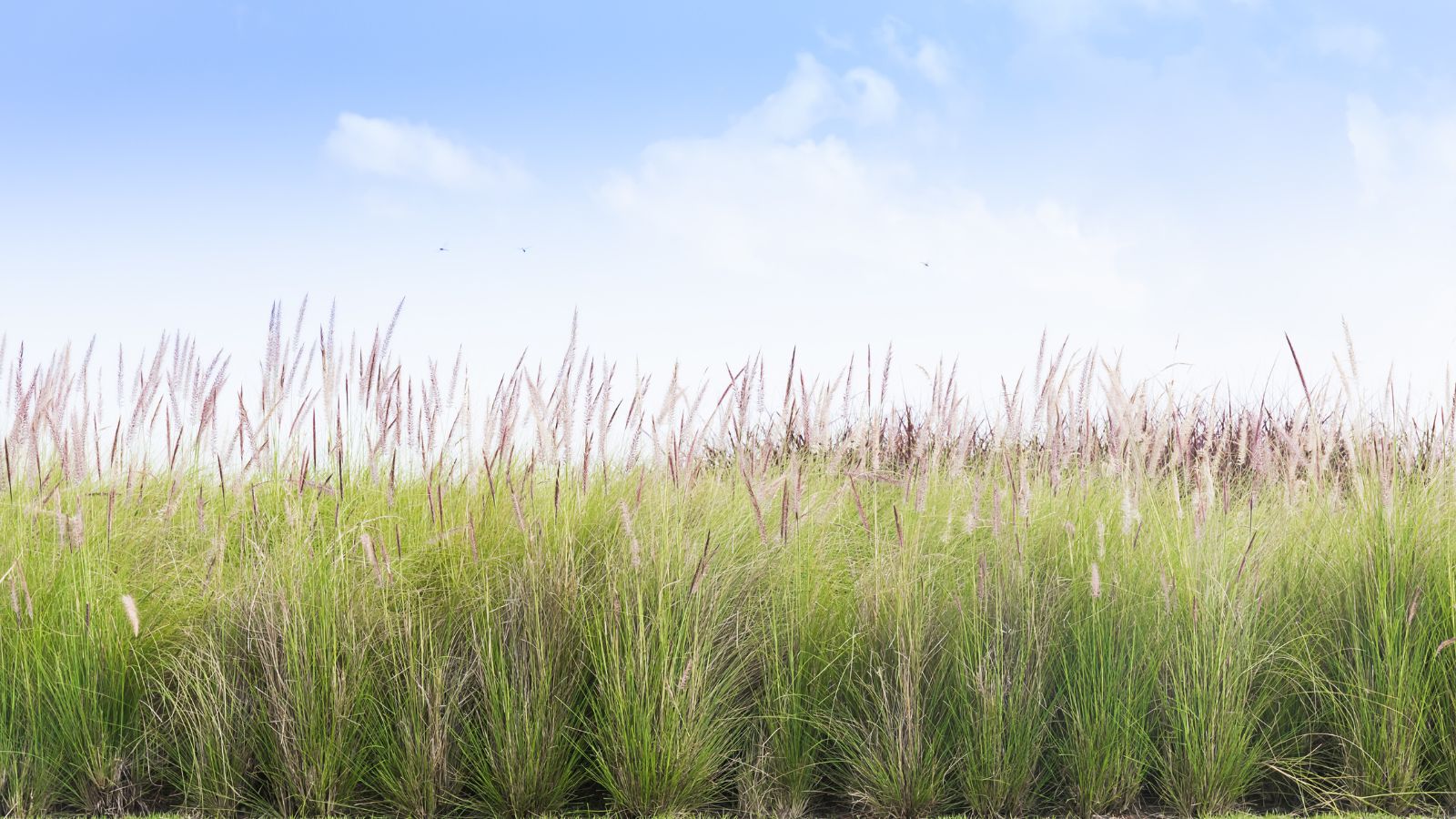
This fast-growing grass takes over fields, forests, and roadsides, creating dense mats that inhibit native plant growth.
Control Tips:
- Burn infested areas to reduce biomass.
- Apply systemic herbicides during growing seasons.
- Avoid planting ornamental varieties like Japanese bloodgrass.
Always Double Check Before Planting Something New
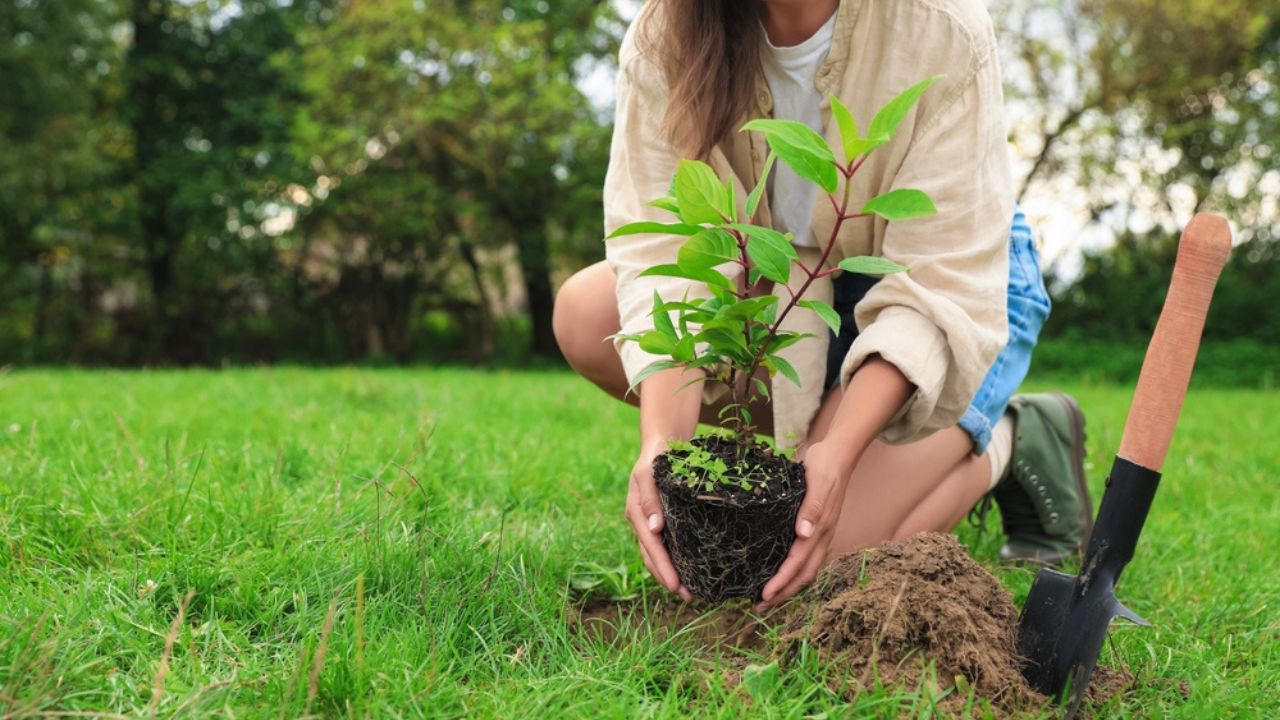
Identifying and managing invasive plants is crucial to protecting your garden and the local environment. Many of these species thrive because they lack natural checks, so proactive removal is vital. Choose native plants to replace invasives, and consult your local extension office for support in tackling persistent species.
Taking action now will help restore ecological balance and create a healthier garden for years to come.2