17 Perennials That Can Replace Fertilizer Reliant Grass in Your Lawn
If you’re searching for a low-maintenance, eco-friendly alternative to traditional grass lawns, perennials (most often low-growing crop covers) offer stunning and practical solutions.
These resilient plants not only thrive without fertilizer but also enhance your outdoor space with color, texture, and biodiversity. Here are 17 perennials that will transform your yard into a lush haven.
Caution: Always double check that a plant isn’t considered invasive in your region.
1. Clover
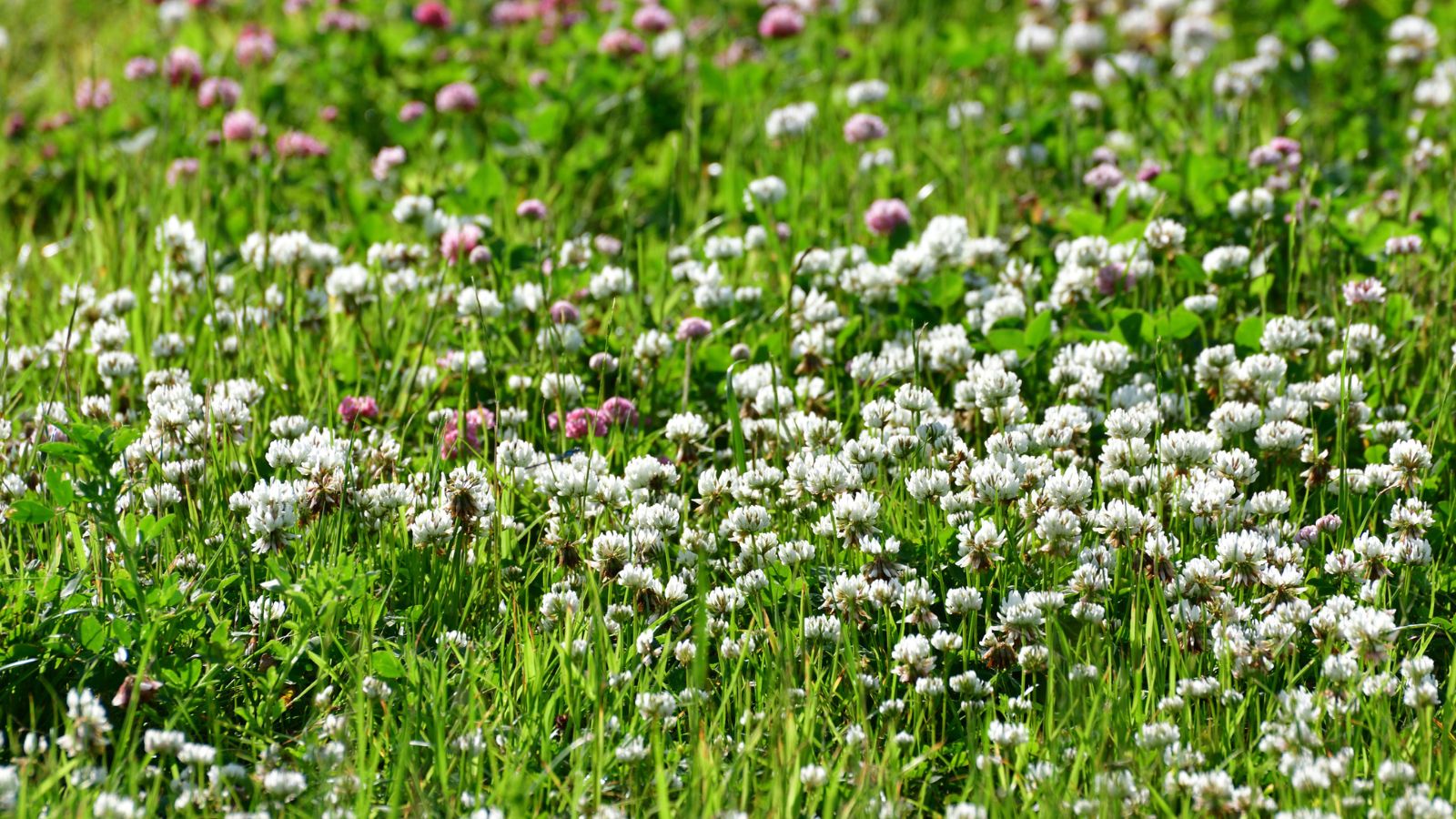
Clover is a vibrant, eco-friendly ground cover known for its bright green leaves and charming white flowers. It naturally enriches the soil with nitrogen, acting as a built-in soil fertilizer.
Benefits
- Enriches soil health without additional fertilizers
- Drought-tolerant and thrives even in poor soils
- Encourages pollinators by attracting bees
Planting and Care Tips
Plant clover by scattering seeds in early spring. It grows best in full sun to partial shade and well-drained soil. Water regularly until established, then enjoy its self-sustaining growth.
2. Bugleweed (Ajuga)
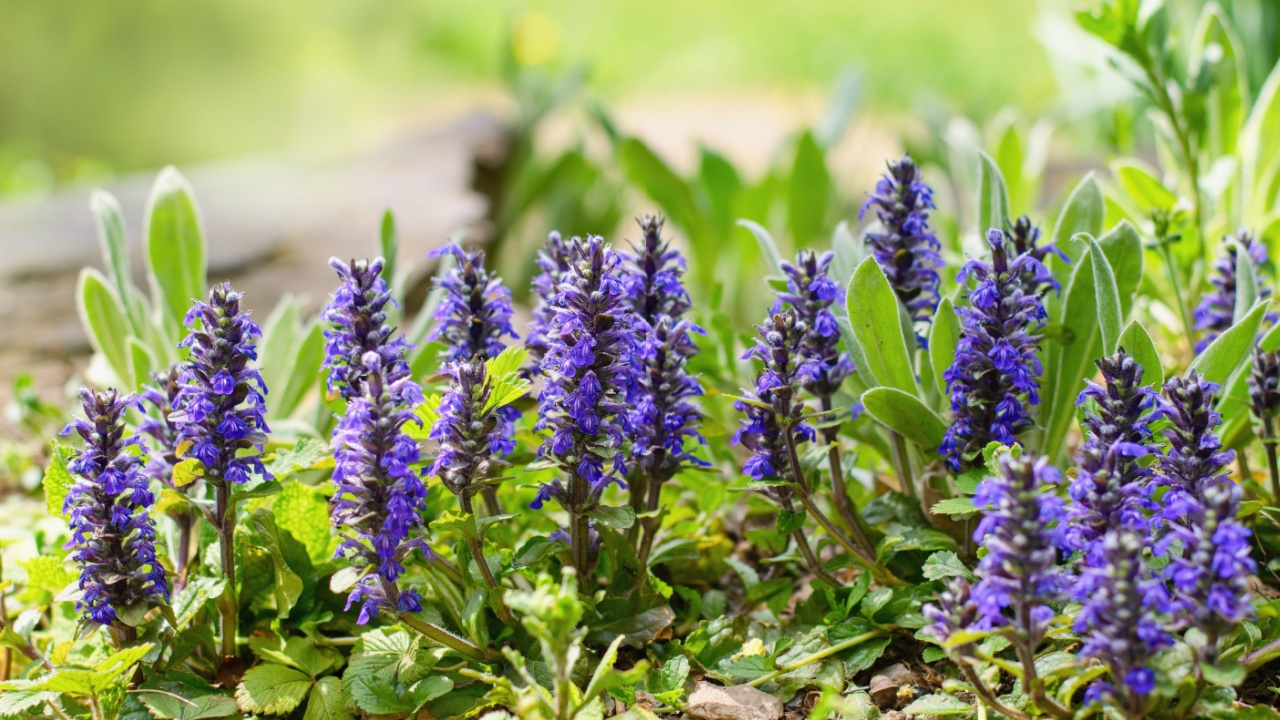
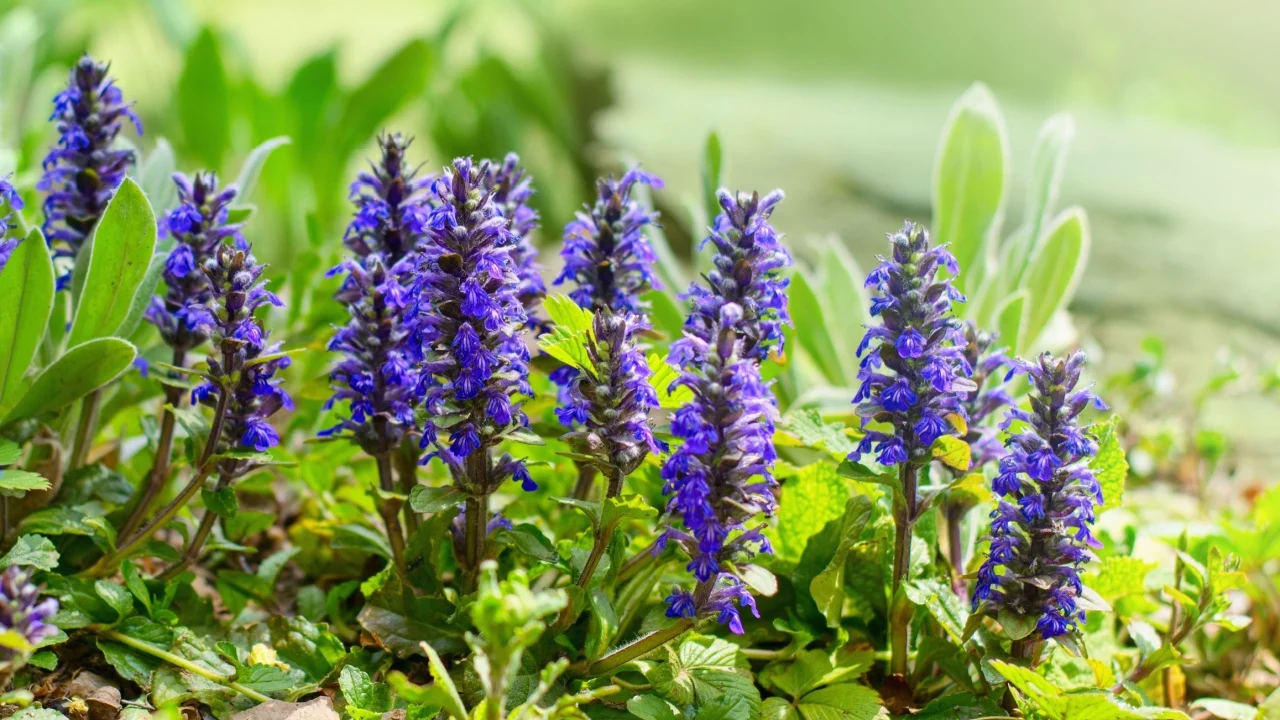
Bugleweed, also known as Ajuga, is adored for its glossy foliage and vibrant blue flower spikes. It spreads rapidly, making it ideal for covering bare patches in your garden.
Caution: This plant is considered invasive in Oregon and other parts of the Southeast U.S.
Benefits
- Thrives in partial to full shade
- Requires little to no maintenance
- Attracts pollinators like bees and butterflies
Planting and Care Tips
Plant Bugleweed in well-drained soil during spring or early fall. Water moderately, and use it in shaded areas for an effortless splash of color.
3. Creeping Thyme
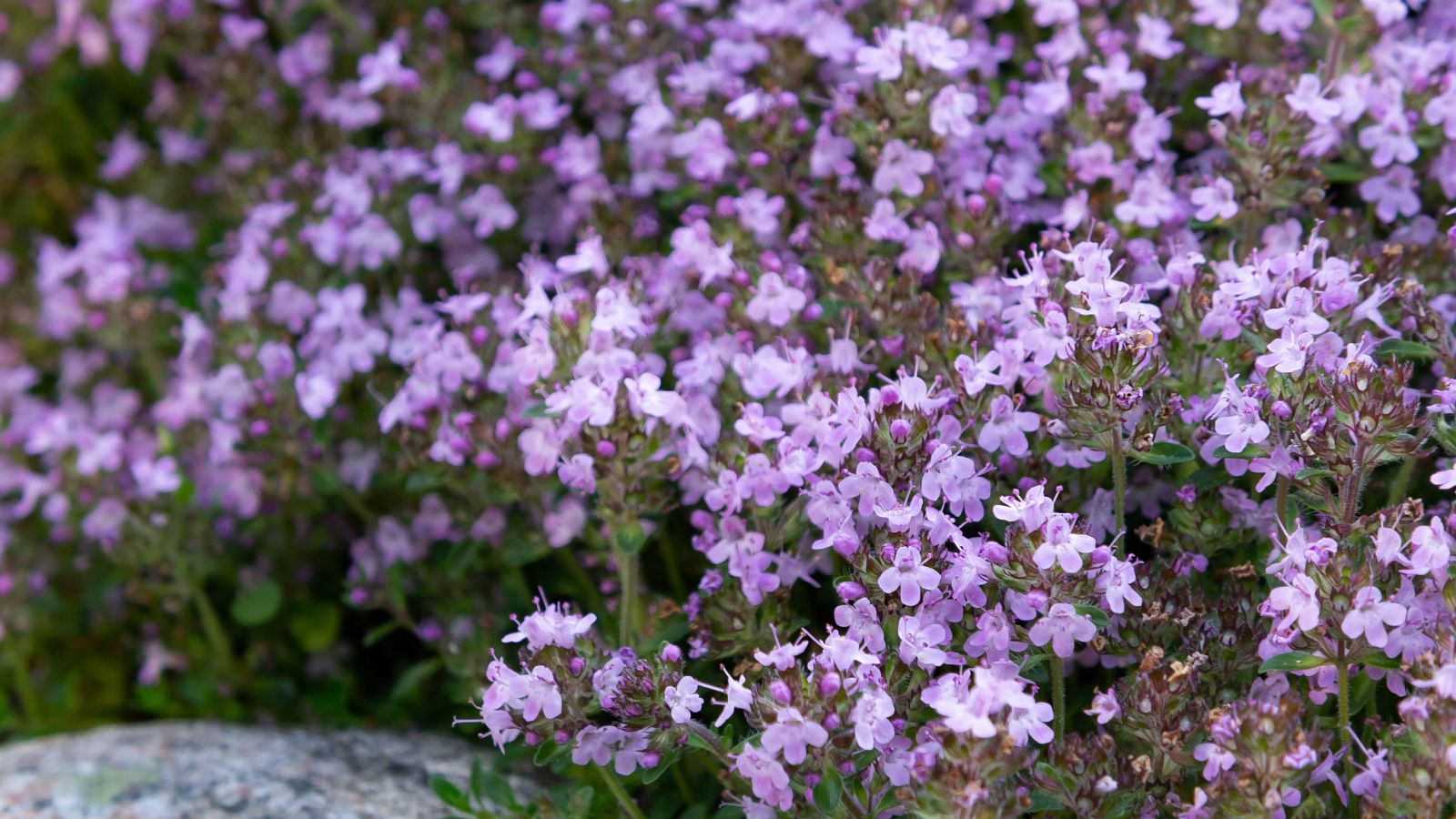
With its fragrant foliage and tiny purple blooms, Creeping Thyme is a versatile option for paths, borders, and open spaces.
Benefits
- Releases a pleasant aroma when stepped on
- Low-growing and resilient to light foot traffic
- Attracts pollinators, enhancing biodiversity
Planting and Care Tips
Creeping Thyme thrives in sunny spots with well-drained soil. Space plants 12-18 inches apart and water sparingly once established.
4. Veronica ‘Georgia Blue’
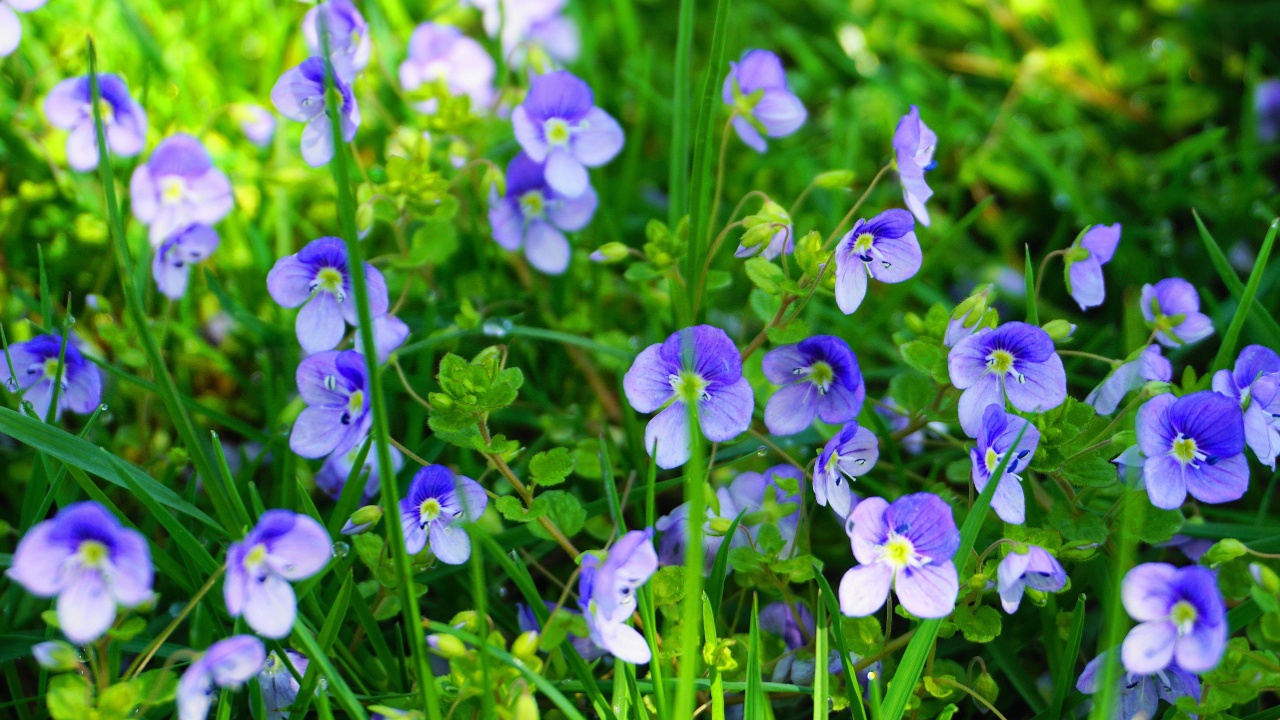
This perennial has striking blue flowers and lush green foliage, adding elegance to any garden setting. It cascades beautifully in rock gardens or over walls.
Benefits
- Attracts butterflies in early spring
- Low maintenance and drought-tolerant
- Adds vibrant color to your yard
Planting and Care Tips
Plant Veronica in full sun with well-drained soil. Water consistently during its first growing season to help establish its roots.
5. Irish Moss
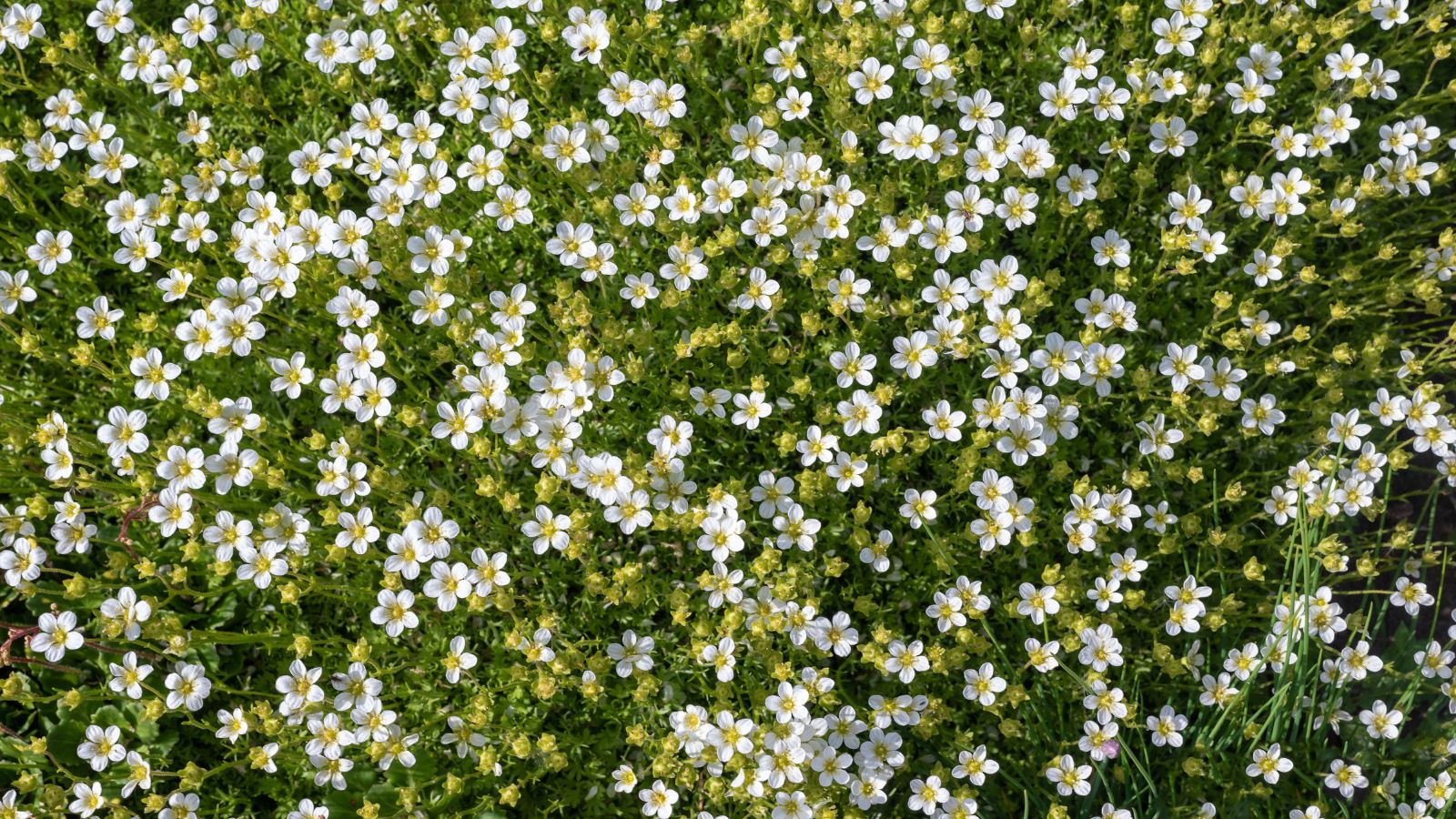
Soft and velvety, Irish Moss forms a dense, low-growing mat perfect for shady gardens or pathways.
Benefits
- Adds a plush carpet-like appearance to landscapes
- Thrives in shaded areas with minimal care
- Complements stepping stones
Planting and Care Tips
Best planted in spring or fall, Irish Moss prefers moist, well-drained soil. Avoid overwatering and use it in areas with partial shade.
6. Mazus Reptans
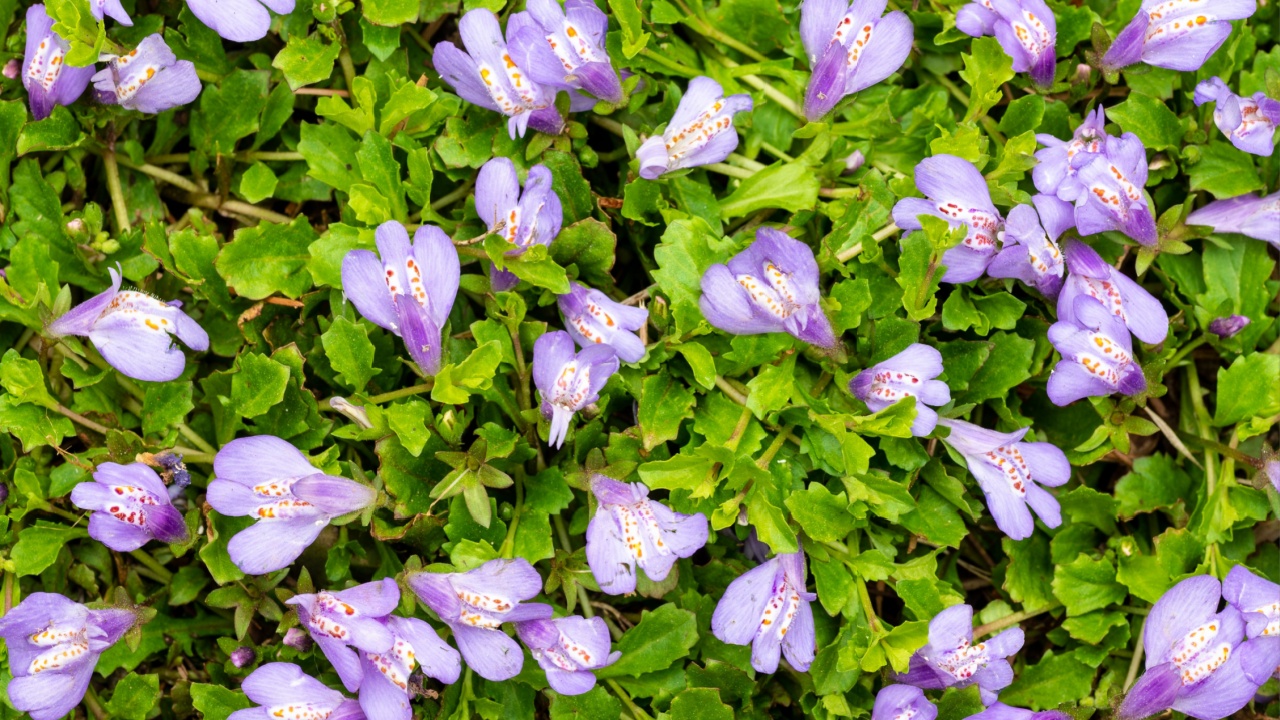
Known for its small purple blooms, Mazus Reptans creates an eye-catching splash of color and fills garden spaces effortlessly.
Benefits
- Tolerates light foot traffic for use along pathways
- Quick-spreading and low-maintenance option
- Adds a vibrant, lush carpet
Planting and Care Tips
Mazus thrives in well-drained, moist soil. Plant in sun or partial shade and provide moderate watering during dry periods.
7. Lamb’s Ear
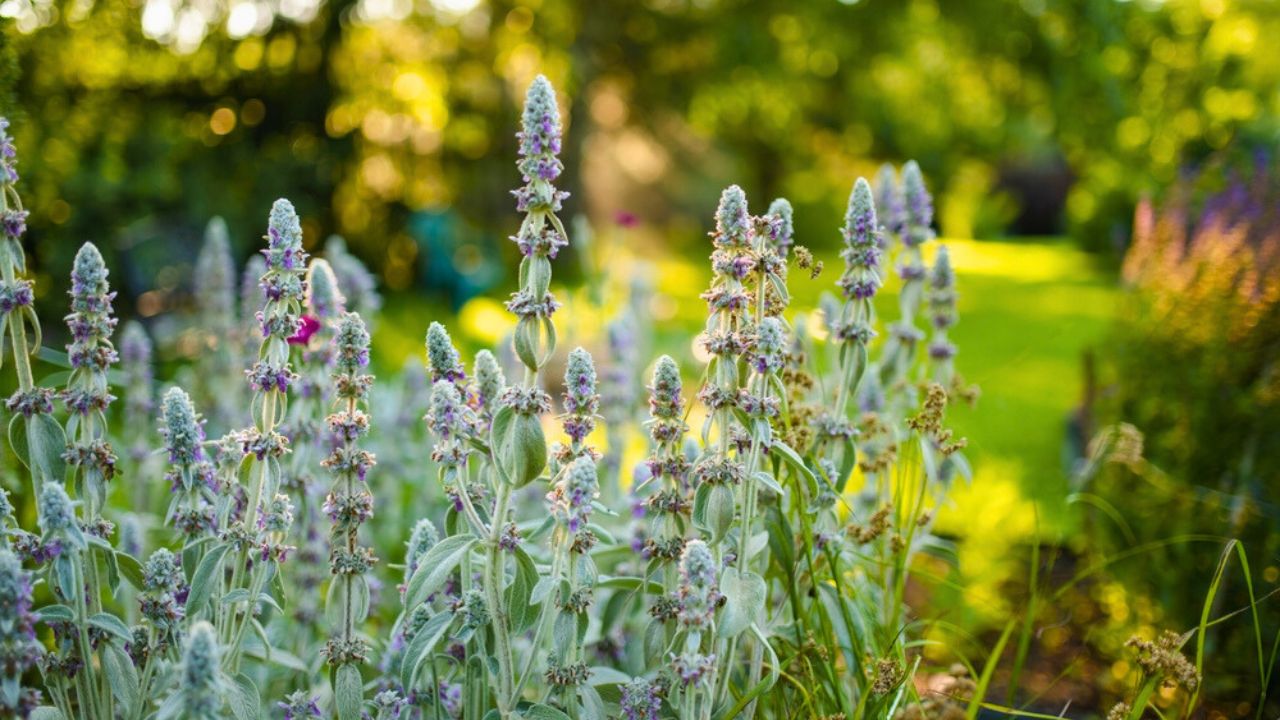
Lamb’s Ear is famous for its soft, silvery foliage and minimal care requirements. Its unique texture makes it a favorite for sensory gardens.
Benefits
- Suppresses weed growth with its dense matting
- Drought-tolerant once established
- Adds texture and interest to the landscape
Planting and Care Tips
Plant Lamb’s Ear in full sun and well-drained, slightly dry soil. Water sparingly, as it tolerates drought well.
8. Liriope
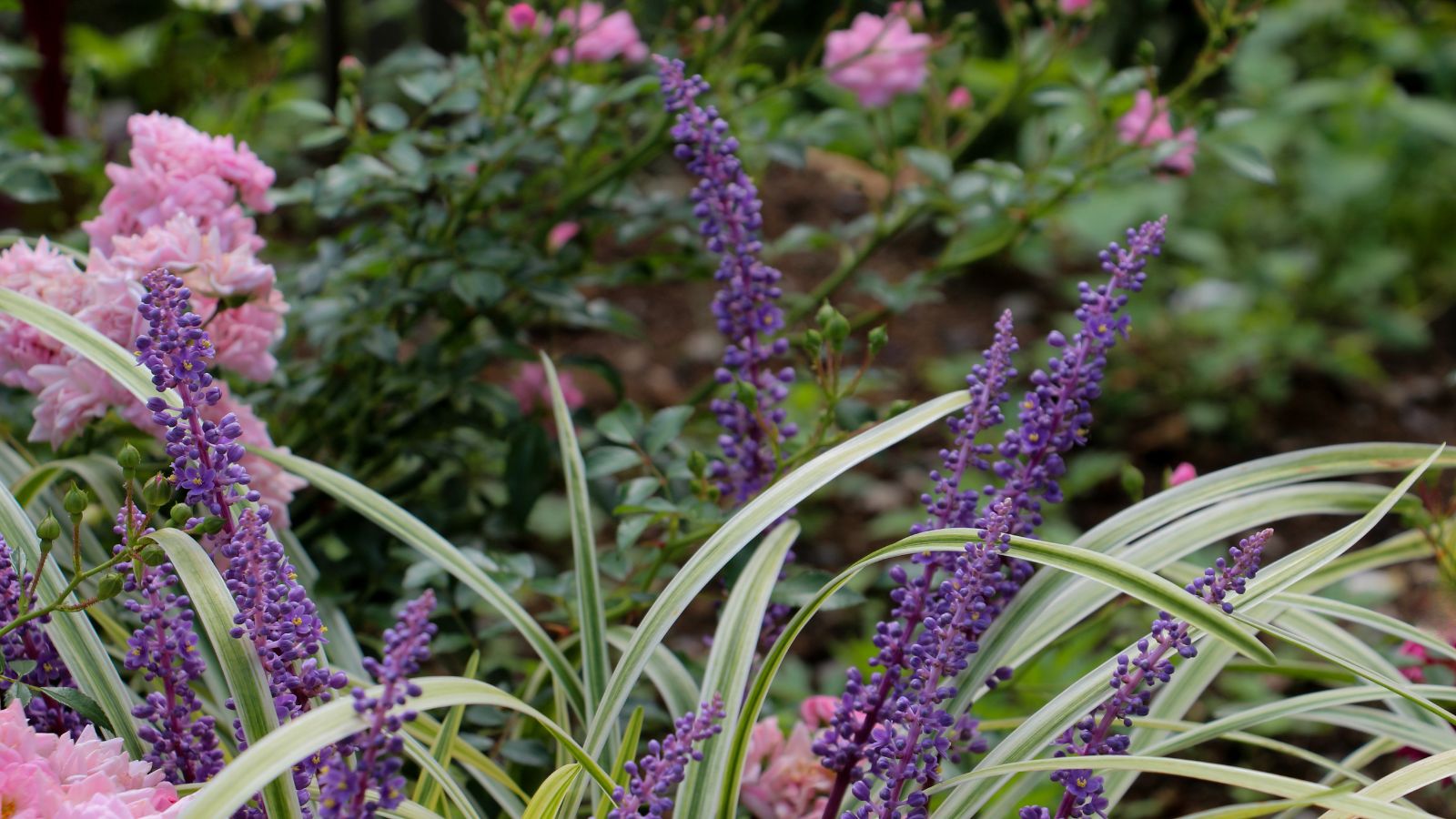
Liriope boasts grass-like leaves and purple flower spikes, making it a popular ground cover for borders or open spaces.
A note on types: L. spicata can be invasive in some regions, while L. muscari is more clumping and controllable.
Benefits
- Suppresses weeds and thrives in sun or shade
- Minimal maintenance required
- Adds a structured yet natural look to gardens
- Tolerates drought and poor soil conditions
- Provides seasonal interest with attractive flowers and berries
Planting and Care Tips
Plant Liriope in full sun to full shade, in well-drained soil. Water regularly during establishment, then reduce frequency as it becomes drought-tolerant. Trim back old foliage in early spring for a fresh, tidy appearance. Divide clumps every few years to maintain vigor.
9. Sedum (Stonecrop)
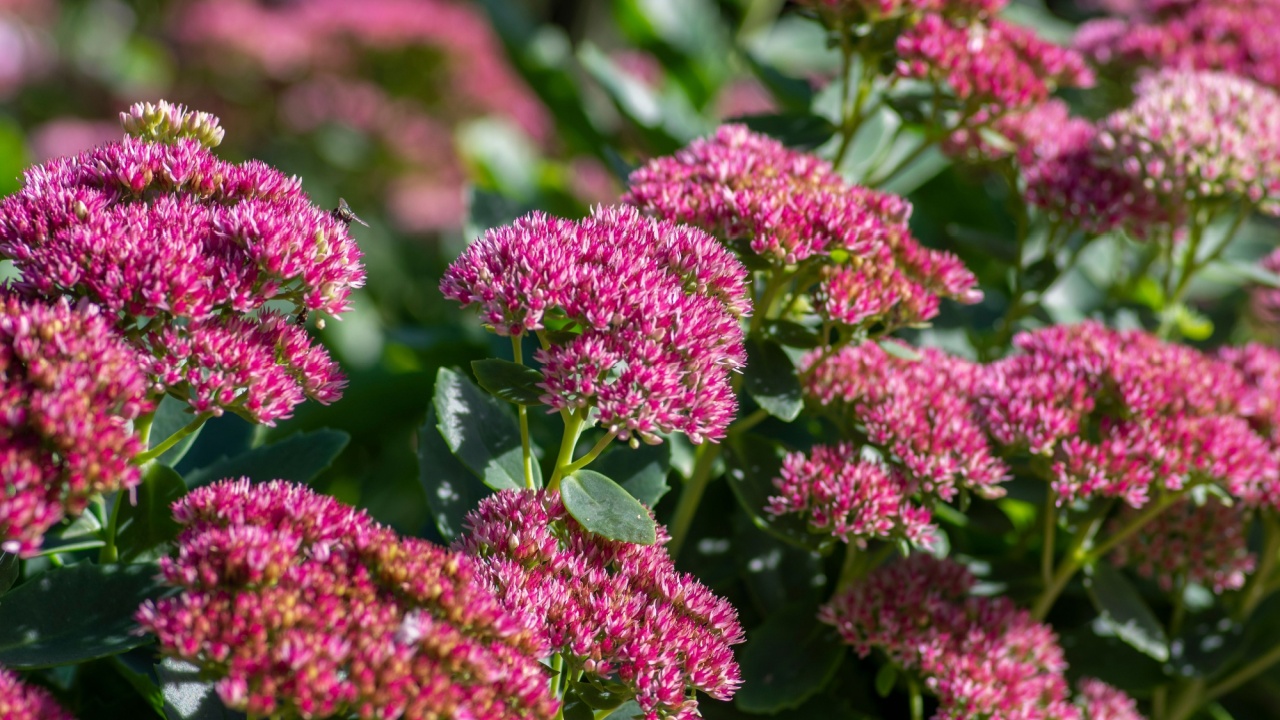
Sedum, commonly known as Stonecrop, is a hardy succulent that thrives in minimal soil and challenging environments. Its fleshy leaves and clusters of small blooms make it a visually striking choice.
Benefits
- Highly drought-tolerant and thrives in poor soil
- Requires virtually no maintenance once established
- Attracts pollinators, including bees and butterflies
Planting and Care Tips
Plant Sedum in a sunny location with well-drained soil. Space plants 6-12 inches apart, depending on the variety. Avoid overwatering, as Sedum is highly susceptible to root rot.
10. Yarrow (Achillea)
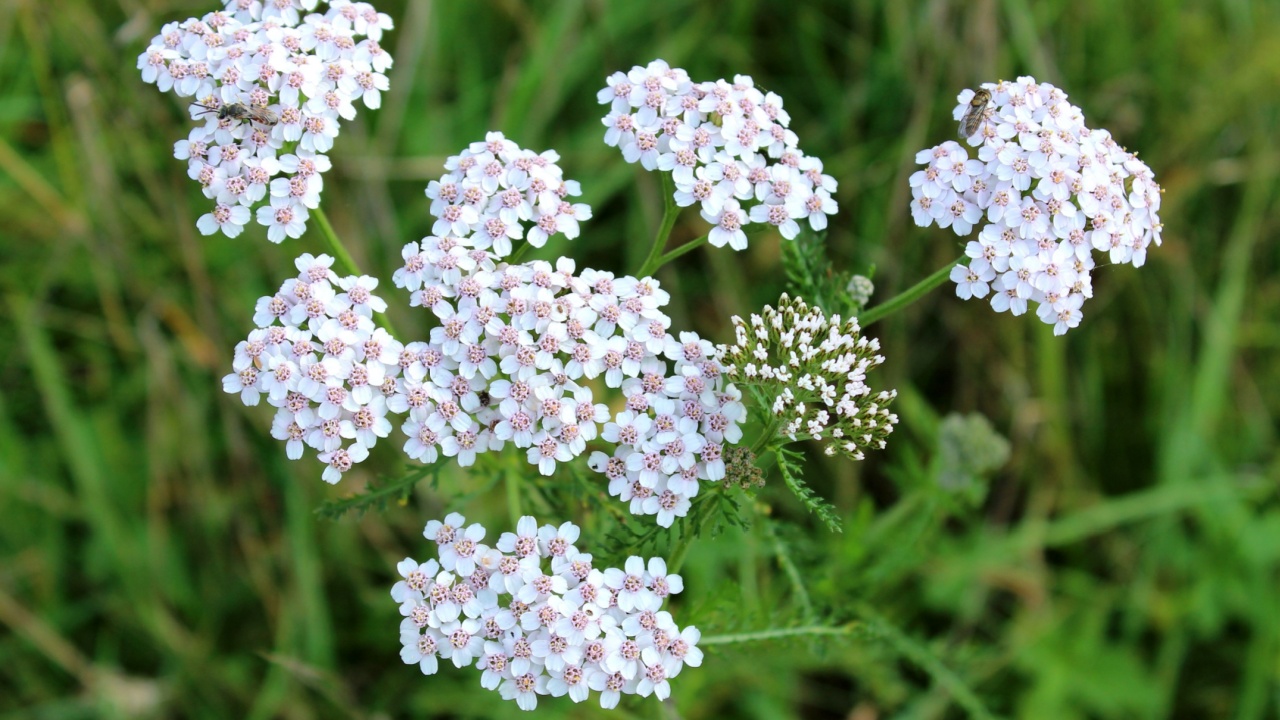
Yarrow is a resilient perennial noted for its feathery foliage and flat-topped clusters of small flowers. Available in shades ranging from cream to bright pink, it’s an excellent lawn alternative.
Caution: While not classified as invasive, some gardeners do find yarrow to be “aggressive.”
Benefits
- Thrives in poor soil and drought conditions
- Attracts beneficial insects like bees and ladybugs
- Provides long-lasting seasonal color
Planting and Care Tips
Yarrow grows best in sunny locations with dry to medium-moisture, well-draining soil. Space plants 12-24 inches apart and deadhead spent blooms to encourage continuous flowering.
11. Blue Fescue
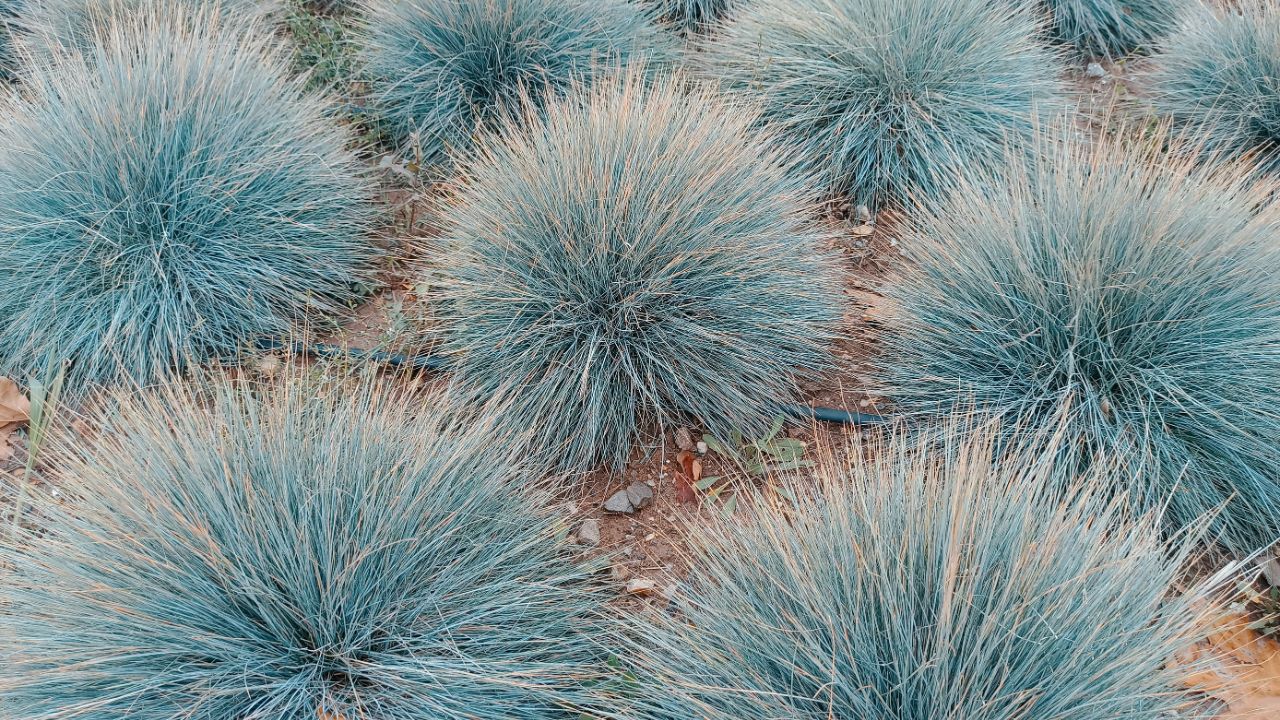
Blue Fescue is famous for its eye-catching, spiky blue-gray foliage that provides excellent texture and contrast. Its clumping growth habit makes it a practical choice for ground cover or borders.
Benefits
- Adaptable to poor soils and drought-tolerant
- Maintains year-round aesthetic appeal
- Requires only occasional trimming to remove old growth
Planting and Care Tips
Plant Blue Fescue in full sun with well-drained soil. Space plants about 8-12 inches apart, and water moderately during the establishment phase. Trim back foliage in early spring to maintain its tidy appearance.
12. Bee Balm (Monarda)
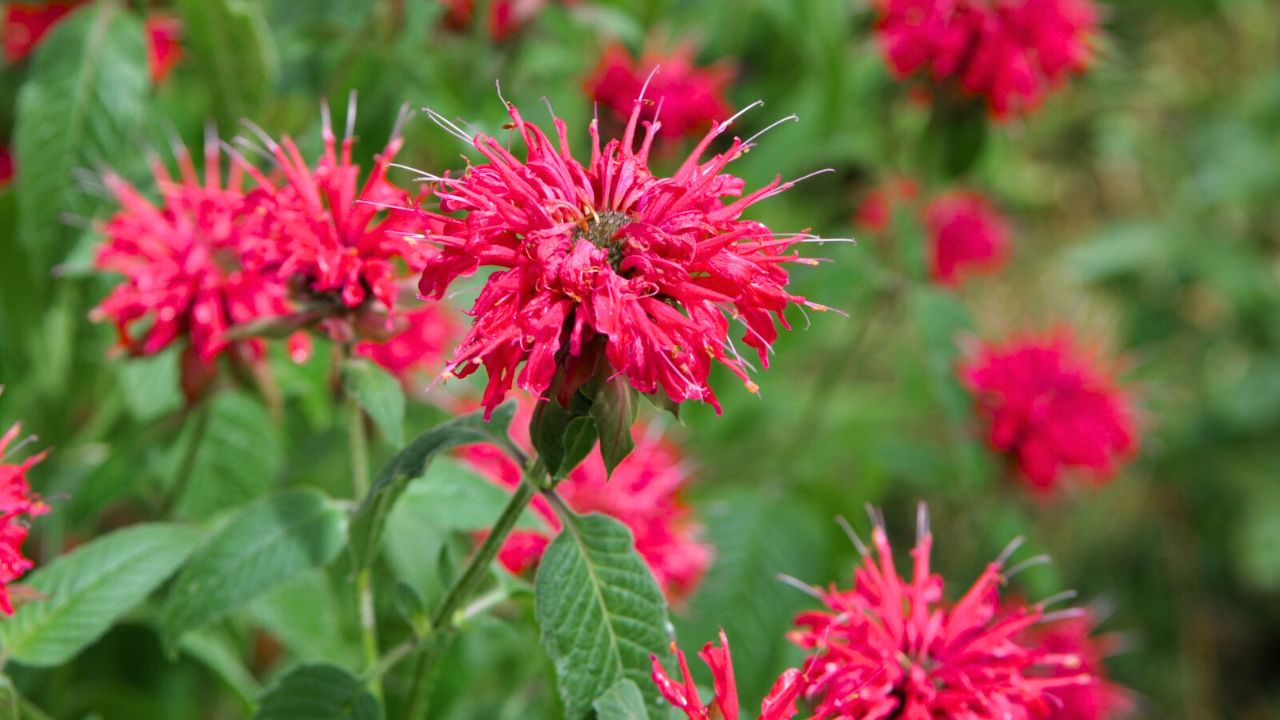
Bee Balm adds vibrant shades of red, pink, and purple to your yard, along with a wonderful fragrance. This plant is a magnet for pollinators, including hummingbirds and butterflies.
Care tip: Best kept in check with barriers to prevent aggressive spreading.
Benefits
- Boosts biodiversity by attracting pollinators
- Thrives in a range of soil types, including clay
- Brilliant and colorful blooms in midsummer
Planting and Care Tips
Bee Balm flourishes in full sun to partial shade with rich, well-drained soil. Space plants 18-24 inches apart and water regularly to maintain soil moisture. Cut back to the ground after flowering for healthy regrowth the following year.
13. Thyme
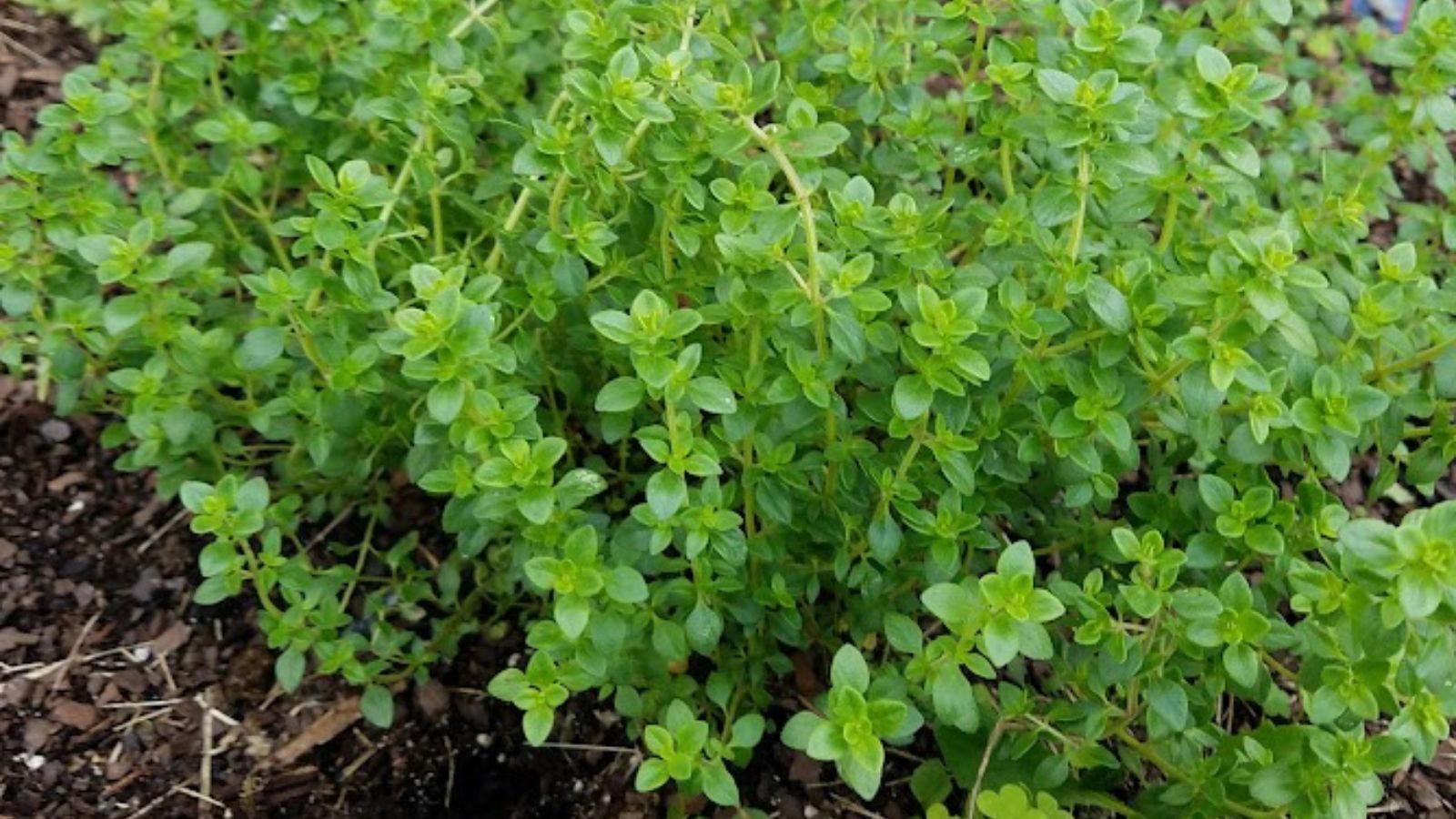
Different from Creeping Thyme, upright varieties of Thyme serve dual purposes as an aromatic herb and ornamental ground cover. With its tiny leaves and small flowers, it works well alongside pathways and garden beds.
Benefits
- Releases a pleasant aroma when touched or stepped on
- Thrives in poor, sandy soils and is drought-tolerant
- Produces flowers that attract pollinators
Planting and Care Tips
Plant Thyme in a sunny area with well-drained soil. Space plants 8-12 inches apart and water sparingly once established. Prune after flowering to maintain a neat shape and encourage new growth.
14. Sea Thrift (Armeria)
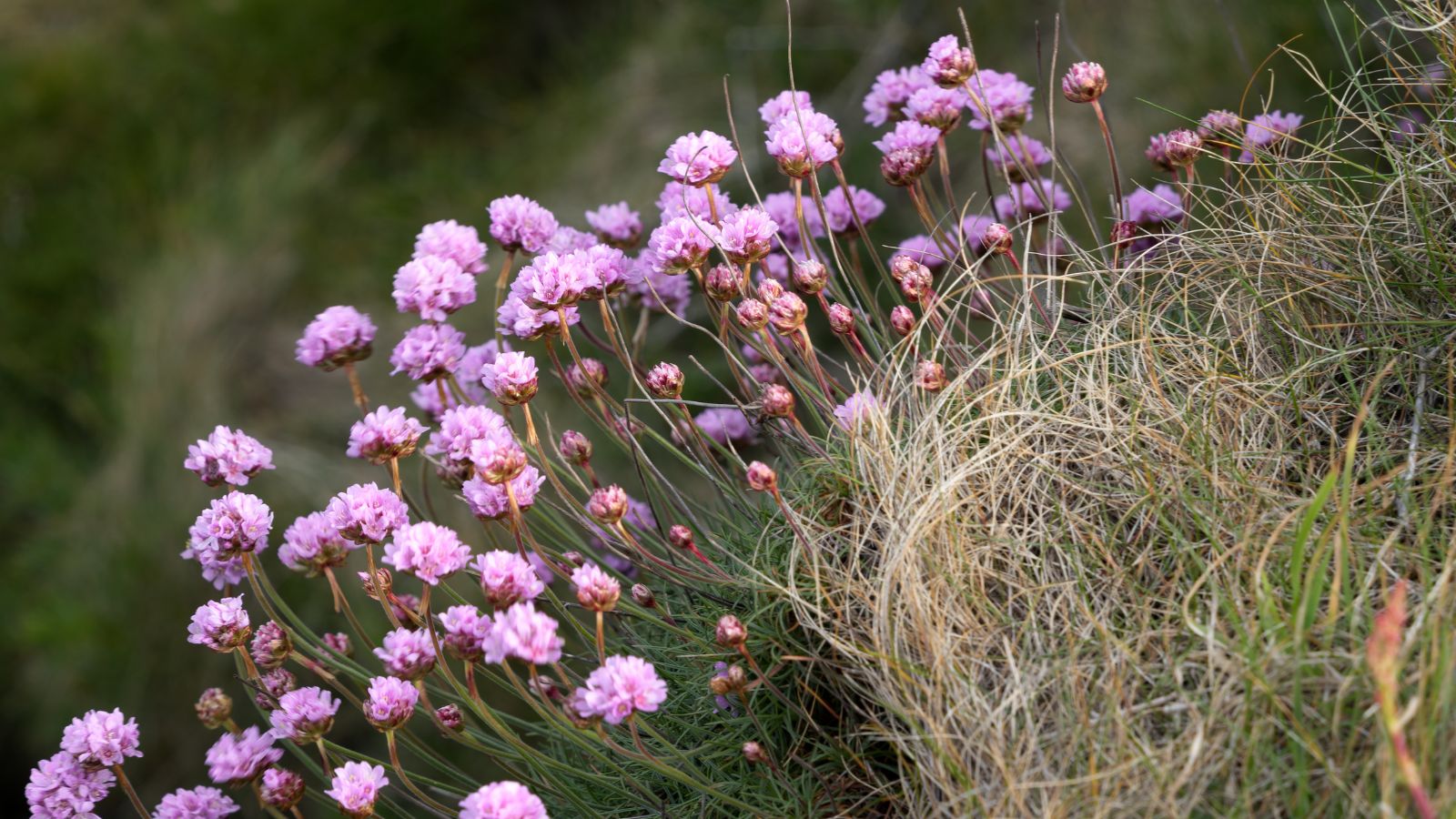
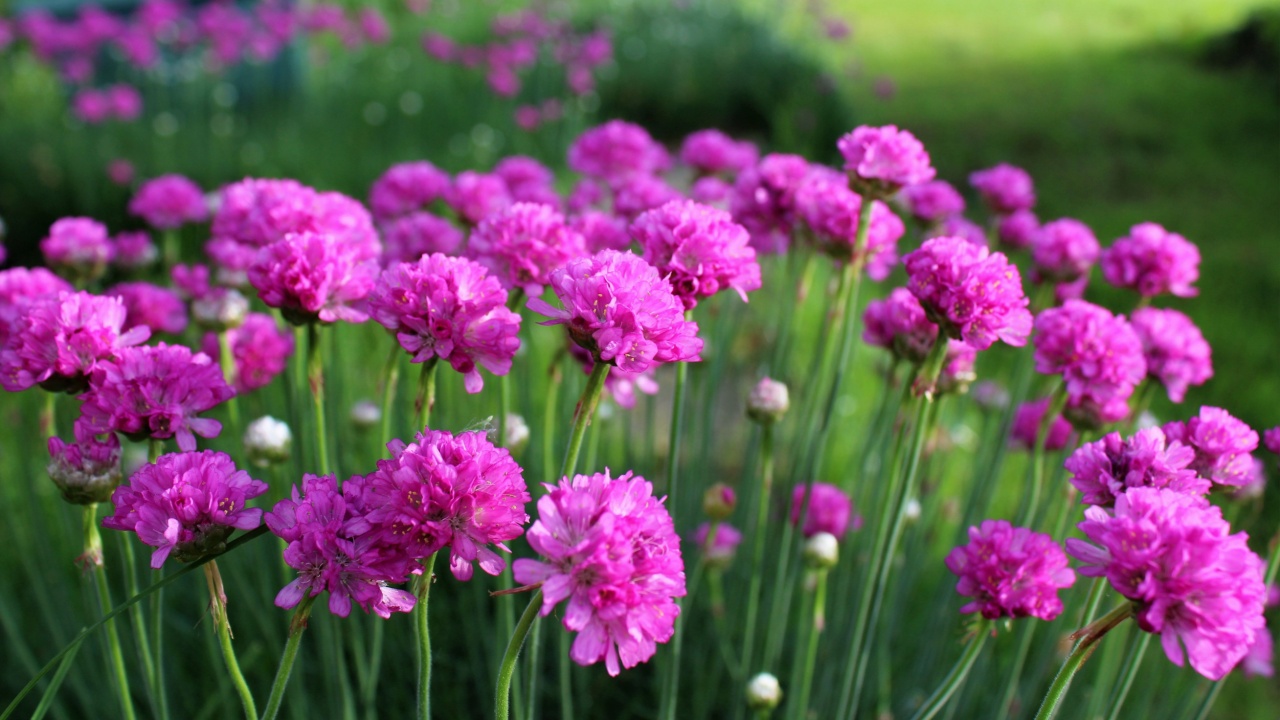
Sea Thrift is a compact perennial with long, slender stems topped by globes of pink or white flowers. Its low-growing, grass-like foliage makes it a suitable lawn alternative for sunny areas.
Benefits
- Thrives in salty or poor soil, including sandy and rocky terrain
- Low-maintenance and drought-resistant
- Produces bright flowers that pollinators love
Planting and Care Tips
Plant Sea Thrift in full sun with well-drained soil. Space plants about 6-8 inches apart. Water moderately during establishment, but reduce watering once the plant is established.
15. Pachysandra

Pachysandra is a dense, shade-loving ground cover with glossy green leaves and small white flowers. Its ability to suppress weeds makes it a popular choice for low-maintenance landscapes.
Warning: This plant is considered invasive in the Northeast and Mid-Atlantic in many states. Native alternatives like Allegheny spurge (Pachysandra procumbens) might be better.
Benefits
- Thrives in deep shade where grass struggles
- Suppresses weed growth with its dense foliage
- Minimal care is required once established
Planting and Care Tips
Plant Pachysandra in areas with partial to full shade and moist, well-drained soil. Space plants 6-12 inches apart and water regularly during the first year of growth.
16. Heuchera (Coral Bells)
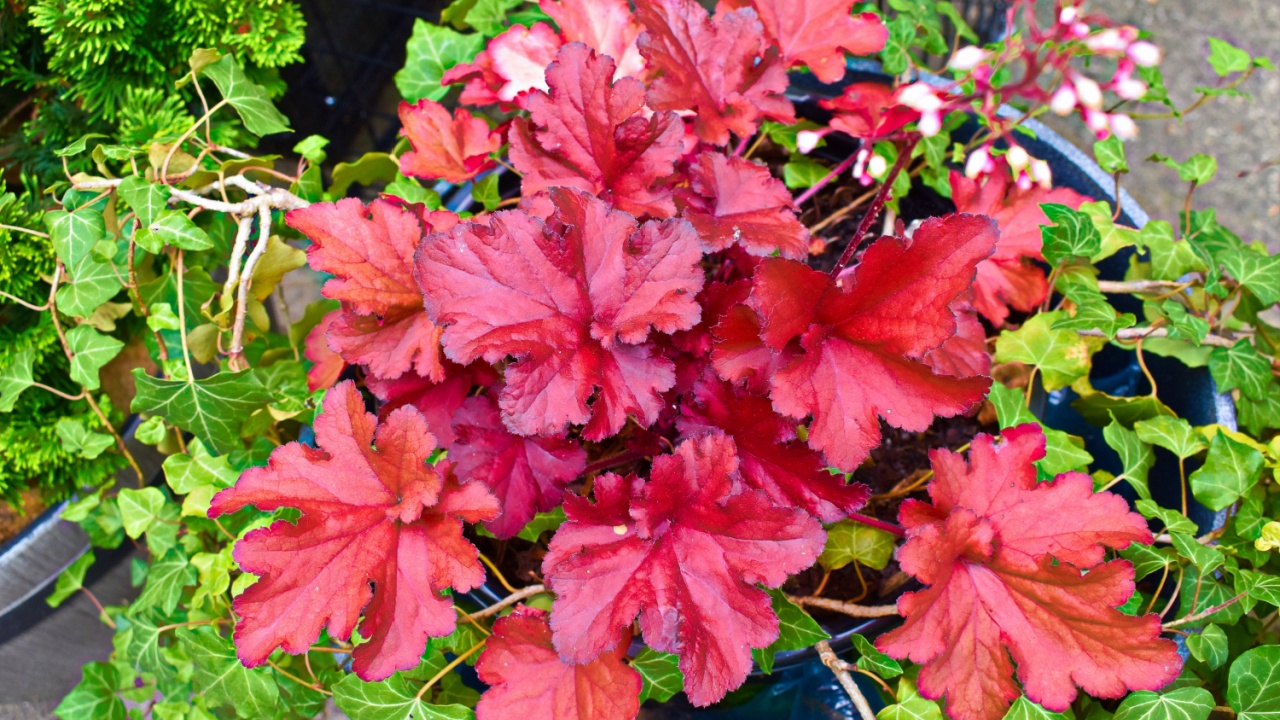
Heuchera, or Coral Bells, is celebrated for its strikingly colorful foliage, ranging from deep burgundy to lime green. Its unique textures and tiny flower spikes offer visual interest throughout the year.
Benefits
- Performs well in shade or partial sun
- Low-maintenance and drought-tolerant once established
- Adds year-round color to landscapes
Planting and Care Tips
Plant Heuchera in well-draining soil and space plants 12-15 inches apart. Water moderately until the plant is established, then water sparingly. Divide clumps every few years to ensure healthy growth.
17. Creeping Jenny (Lysimachia Nummularia)

Creeping Jenny is a vigorous ground cover with bright green, trailing foliage. Its ability to grow along pathways, walls, or as a backdrop to other perennials makes it highly versatile.
Caution: Invasive in many states. Try L. nummularia ‘Aurea’ in containers or isolated areas, or native alternatives like Golden groundsel.
Benefits
- Adds brightness with its vibrant green leaves
- Thrives in both sun and partial shade
- Spreads quickly and requires minimal upkeep
Planting and Care Tips
Plant Creeping Jenny in full sun to partial shade with moist, well-drained soil. Space plants about 12 inches apart. Regular watering ensures lush growth, though it tolerates occasional dry spells.
Ditch the High-Maintenance Grass
With these 17 perennials, you can transform your yard into a vibrant, eco-friendly space without relying on fertilizer. Each plant brings unique benefits, helping you achieve a low-maintenance, biodiverse landscape you’ll enjoy for years to come.