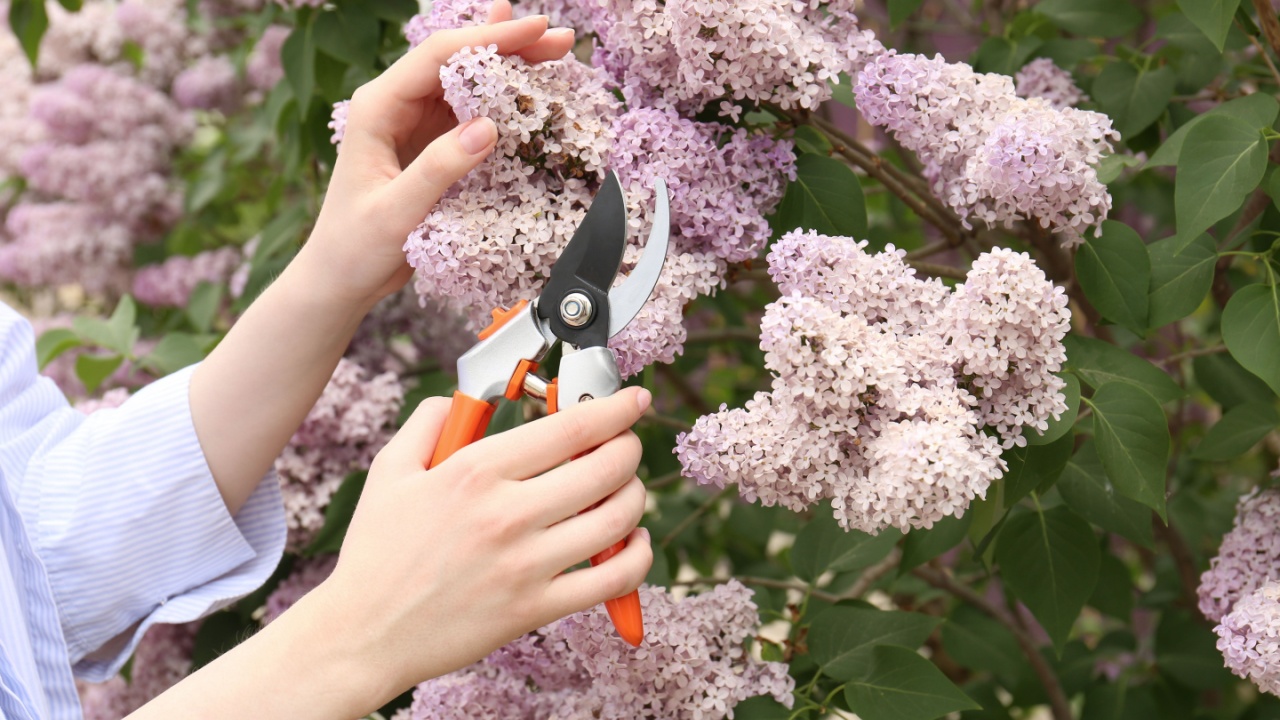
Timing is Important: 12 Plants You Should Prune in July (Before It’s Too Late)
Mid-summer is the perfect time to trim shrubs that flower in late spring or early summer. A July prune can promote better structure, cleaner growth, and even a second bloom. Plus, it’s the ideal moment to tidy up climbing vines and early-producing fruit trees.
Pruning at this time benefits plant health by removing spent blooms and dead wood, improving airflow, reducing disease risk, and managing size. But the timing must be right—delay too long and you risk cutting off next year’s buds!
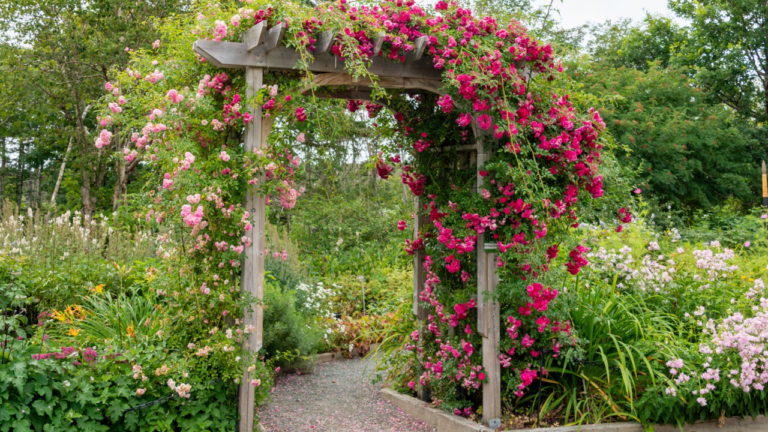
1. Rambling Roses
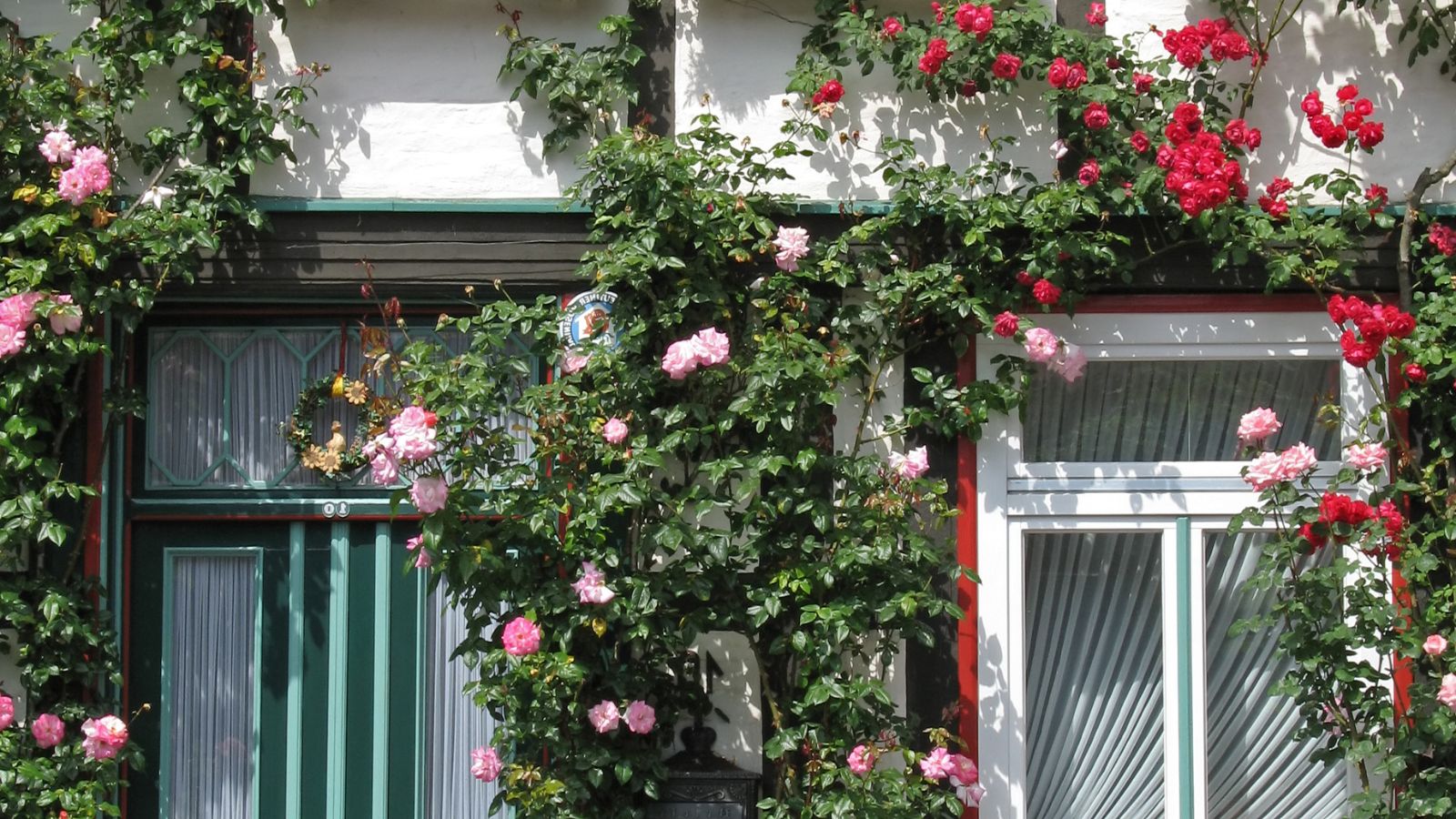
Rambling roses are vigorous climbers known for their spectacular, once-a-year bloom in late spring or early summer. After their show-stopping flowering, these roses put energy into producing long, flexible canes that can quickly become unruly if unchecked. July pruning is vital to manage their size, promote air circulation, and stimulate a possible second bloom.
How to prune: Begin by removing about one-third of the oldest, thickest canes at the base to open up the center and encourage new growth. Then, cut back side shoots by roughly two-thirds, trimming just above outward-facing buds to maintain a natural shape and direct energy into the healthiest stems. Remove any dead, diseased, or crossing canes. Use sharp bypass pruners and wear gloves for protection, as rose canes can be thorny.
Benefits: This targeted pruning reduces disease risk caused by overcrowding, improves sunlight penetration, and can trigger additional flowering late in the season, extending your garden’s color display well into fall.
2. Wisteria

Wisteria is a robust, fast-growing vine with fragrant, cascading blooms in spring. It requires two prunings annually — a heavy cut in late winter and a lighter trim in summer to keep it under control. July’s pruning takes place after blooming to tame the vigorous new shoots and shape the vine.
How to prune: Once flowering is finished, trim the thin, fast-growing summer shoots back to about five buds (roughly 6–10 inches). Remove any weak or overcrowded branches. For thick, woody stems, long-handled loppers can help reach high or dense areas. This light summer pruning directs the plant’s energy toward strengthening the framework rather than unchecked growth.
Benefits: Proper summer trimming maintains a tidy shape, prevents the vine from overtaking structures, and encourages the development of flower buds for the next season. Neglecting this can lead to a tangled mess that’s harder to manage later.
3. Lilacs

Lilacs bloom in early spring on last year’s wood, meaning the flower buds for the next year form soon after blooming. July is the ideal time to prune to avoid cutting off those buds while maintaining healthy growth.
How to prune: After flowering, deadhead spent blooms to prevent seed formation, which can sap energy. Thin out up to one-third of the oldest stems by cutting them at ground level to stimulate vigorous new shoots. Remove any dead or damaged branches. Limit the pruning to avoid removing too many potential flower buds.
Benefits: This careful summer pruning keeps lilacs shapely and vigorous, encourages airflow to reduce powdery mildew risk, and maximizes the potential for abundant blooms next spring.
4. Mock Orange (Philadelphus)
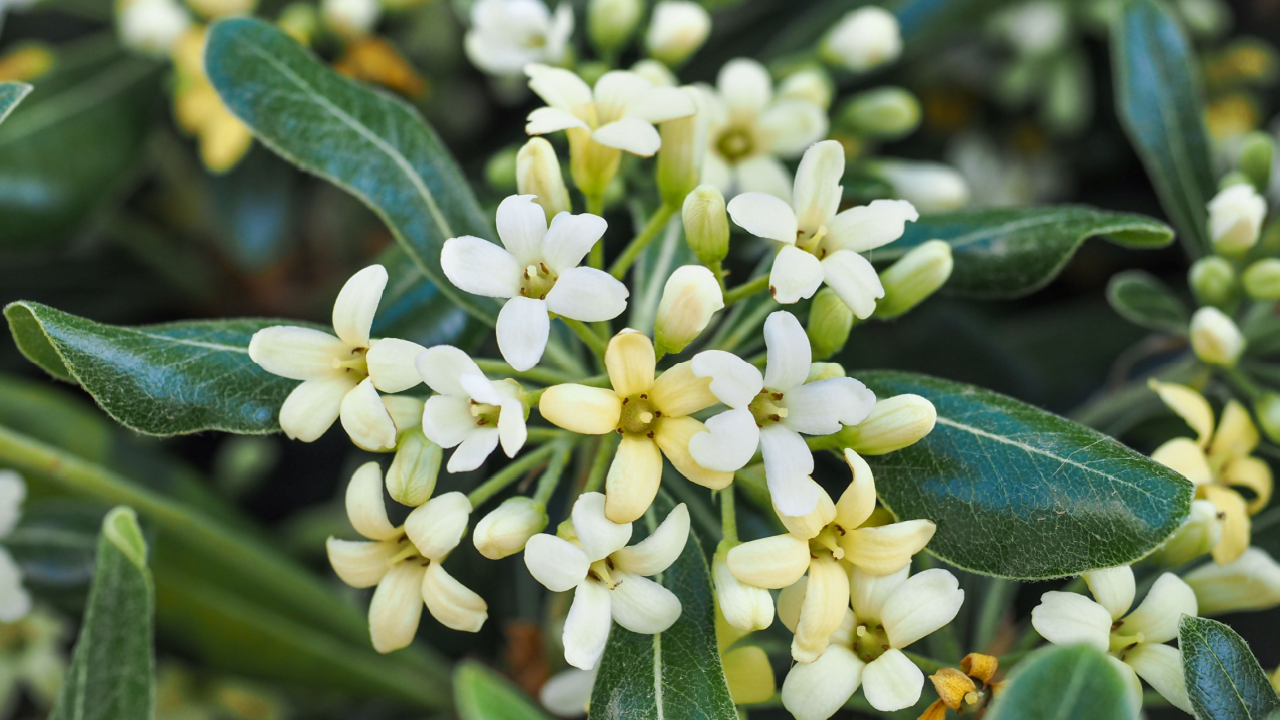
Known for its intoxicatingly sweet spring flowers, mock orange bushes benefit from a summer trim to maintain vigor and prevent overgrowth.
How to prune: About a third of the oldest, woodiest stems should be cut all the way back to ground level after flowering. Remove any crossing or dead branches. Then, lightly trim remaining new growth by about 20%, cutting just above an outward-facing bud to encourage outward branching and open structure.
Benefits: Summer pruning rejuvenates the shrub by redirecting energy to new shoots, enhances flowering potential, and improves light penetration to the inner canopy, helping maintain its fragrance and form.
5. Boxwood
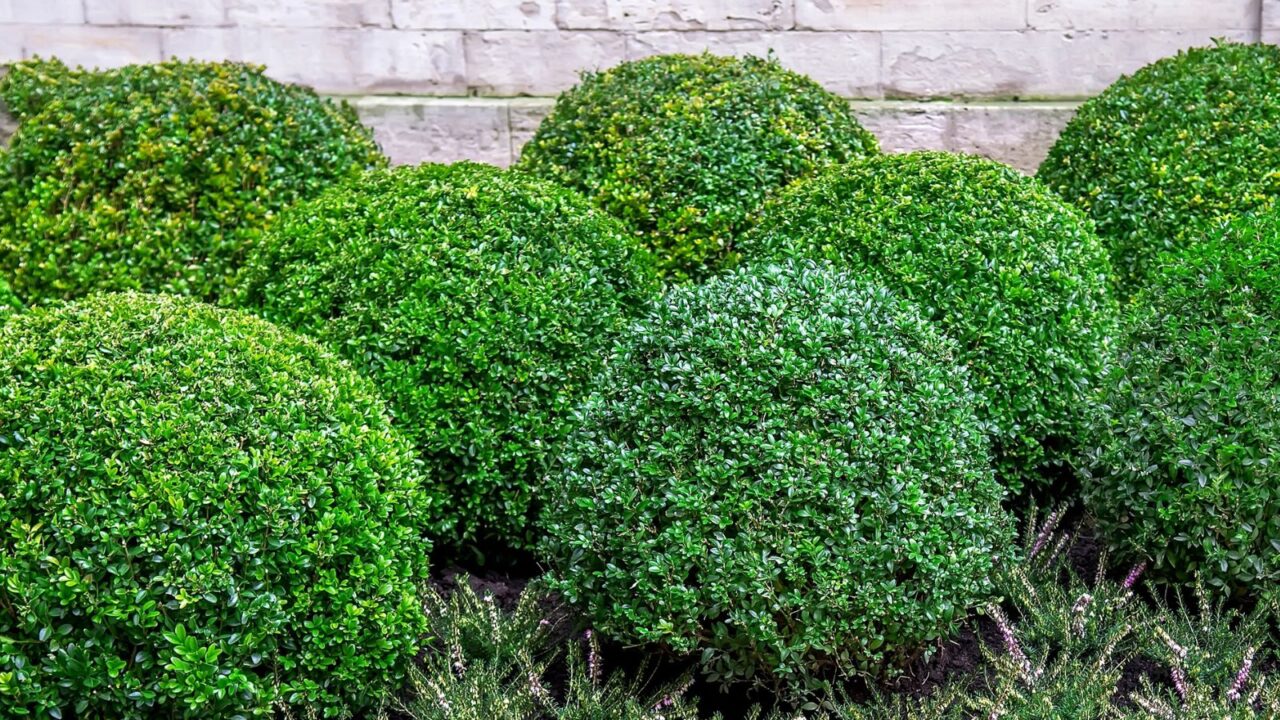
Boxwood is a classic evergreen shrub prized for its dense foliage and formal shapes. July is a safer time to prune boxwood since it reduces the risk of cold damage associated with early spring trims.
How to prune: Start by selectively removing dead or damaged branches at their base to thin the shrub and encourage healthy air circulation. Then shape the plant using hedge shears, trimming only up to one-third of the new growth to maintain fullness. For larger hedges, cordless power hedge trimmers make the work easier.
Benefits: Summer pruning supports strong branch development, keeps boxwoods lush and dense, and helps prevent winter dieback caused by over-pruning in colder months.
6. Walnut Trees
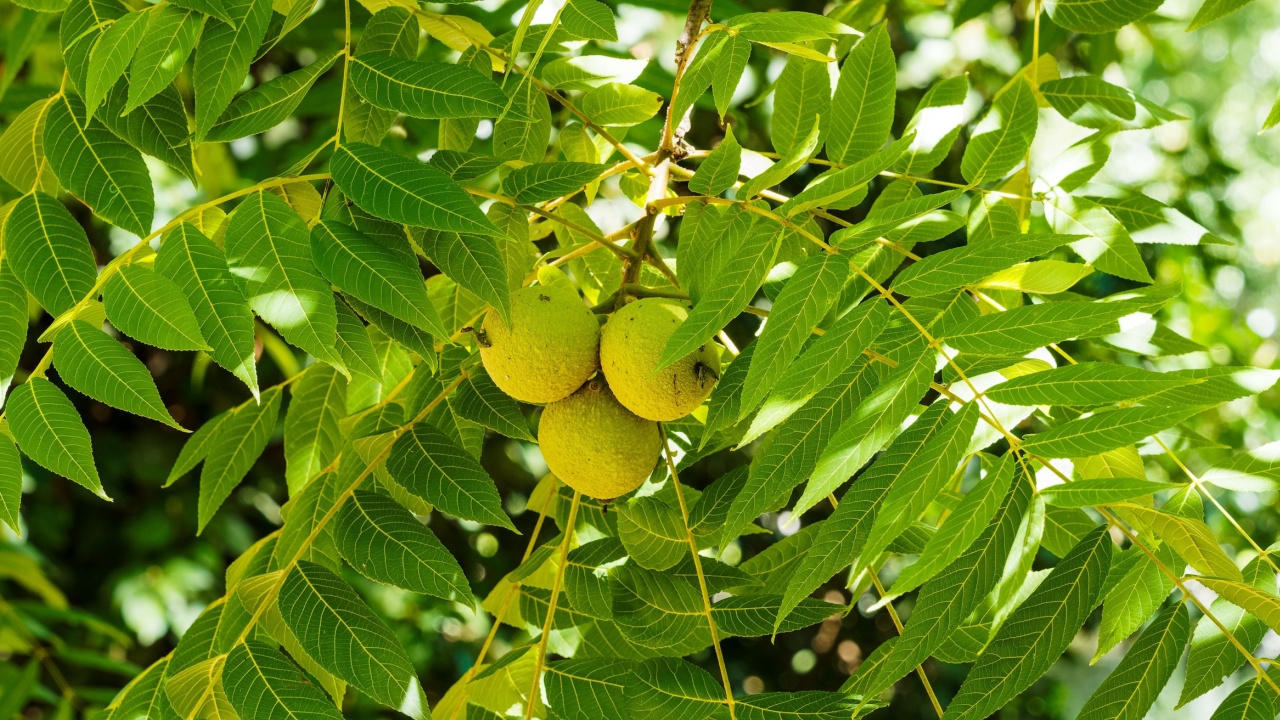
Walnuts tend to bleed sap heavily if pruned during dormancy. July pruning helps avoid this while promoting healthy growth.
How to prune: Remove suckers and any competing branches to refine the structure. Cut minor side branches back carefully, always making clean cuts just outside the branch collar to promote healing. Avoid heavy pruning, as walnuts prefer light trimming.
Benefits: Pruning in summer minimizes sap loss, reduces fungal infection risk, and improves air circulation within the canopy, supporting nut production and overall tree health.
7. Prunus Fruit Trees (Peach, Plum, Cherry, Apricot)
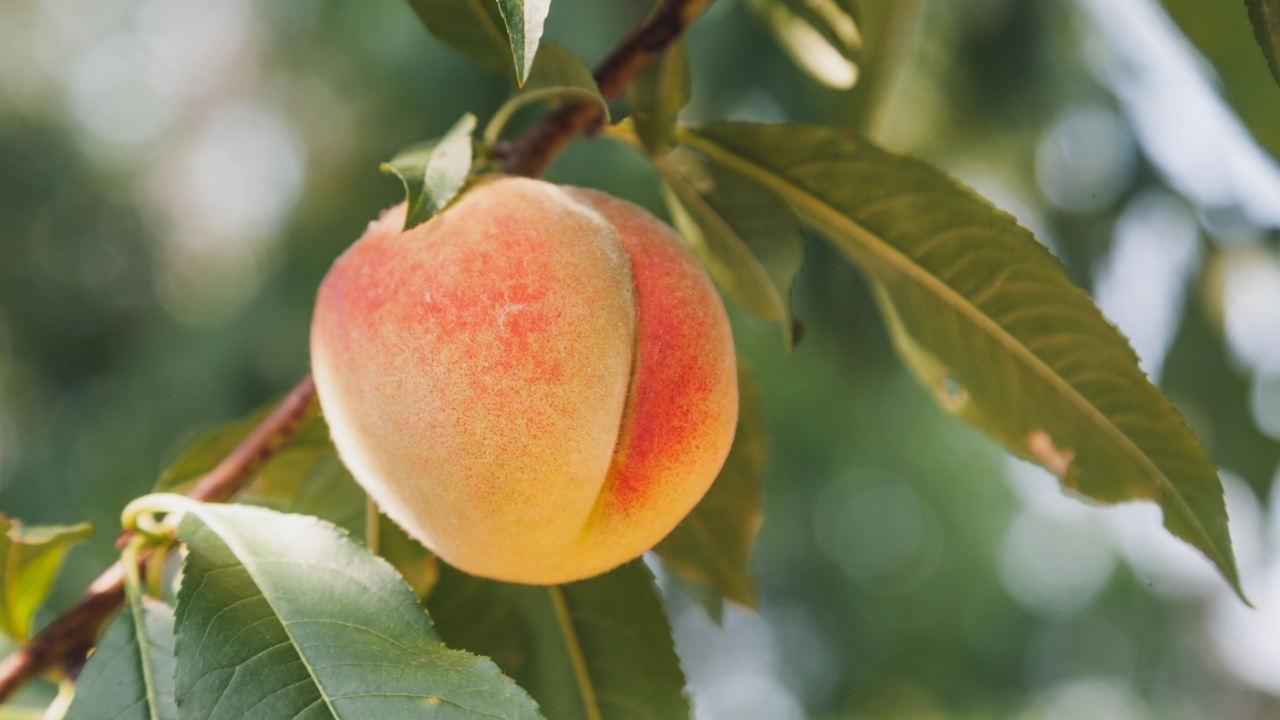
Fruit trees in the Prunus genus are susceptible to diseases like silver leaf fungus if pruned at the wrong time. July is safer and effective for selective trimming.
How to prune: Remove any dead, damaged, or diseased branches. Thin crowded areas so sunlight reaches at least 50% of the canopy. Remove suckers and water sprouts growing from the base or along branches. Sanitize pruning tools frequently to prevent pathogen spread.
Benefits: This careful pruning reduces disease risk, encourages fruiting wood development, and improves fruit size and quality for the coming harvests.
8. Indeterminate Tomatoes

Indeterminate tomato plants keep growing and producing fruit all season, making mid-summer pruning critical to maintaining yields.
How to prune: Remove all suckers — the shoots growing in the “V” between the main stem and leaf branch — starting from the bottom up, leaving only the first one below the lowest flower cluster. Also, remove any lower leaves touching the soil. Use clean, sharp pruners to avoid damage.
Benefits: Pruning focuses the plant’s energy on fruit production rather than excessive foliage. It improves airflow and light penetration, reducing fungal diseases like blight and increasing the size and flavor of the harvest.
9. Deutzia
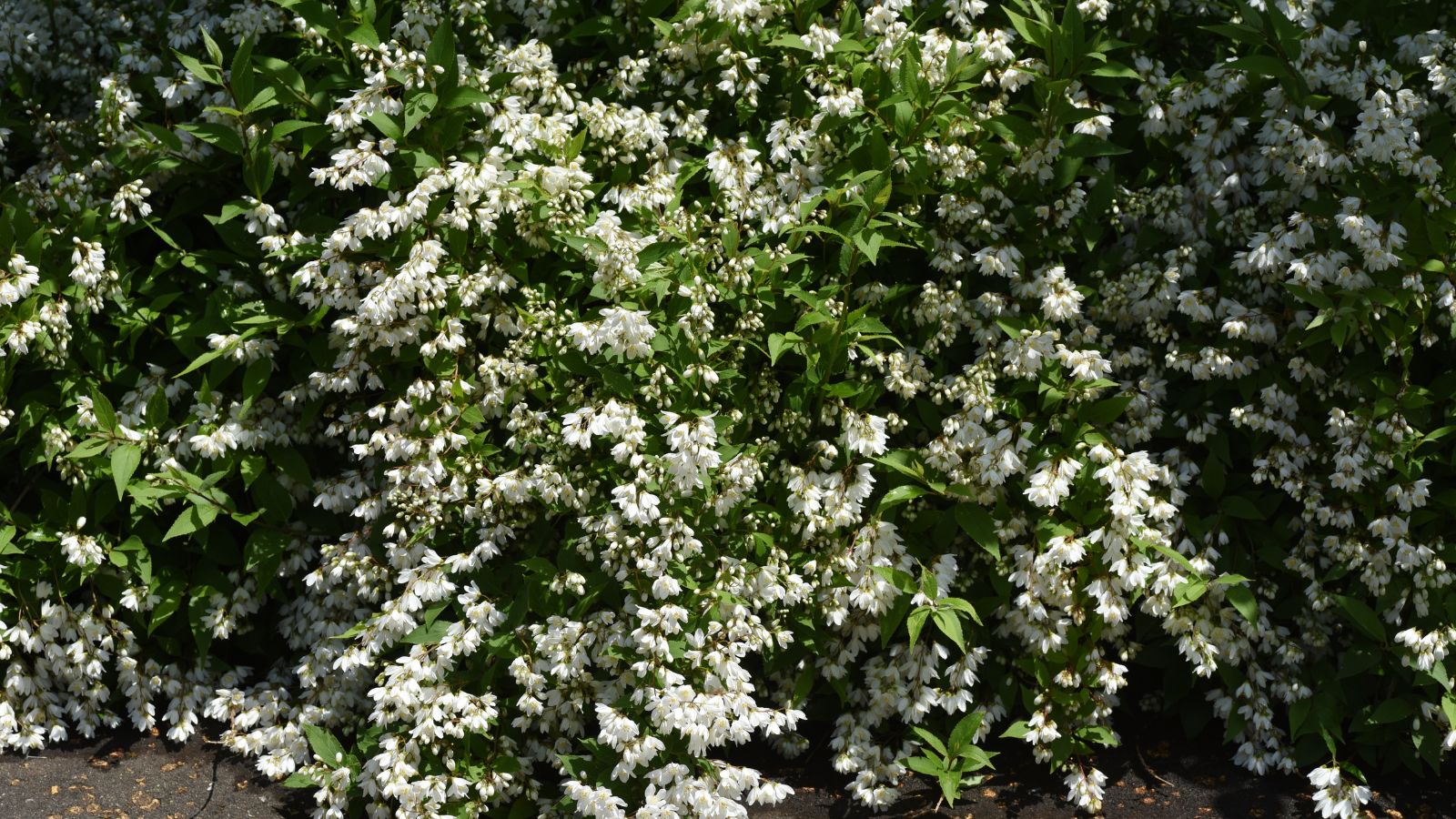
Deutzia shrubs burst into bloom in late spring or early summer and benefit from light pruning after flowering to maintain vigor and shape.
How to prune: Cut back the oldest branches to the base to encourage fresh shoots. Lightly thin newer stems to prevent overcrowding. Avoid cutting into woody old wood, as it won’t regrow well.
Benefits: This pruning encourages more flower buds to develop for the next season and keeps the shrub full and attractive without becoming leggy.
10. Viburnum (Snowball Bush)
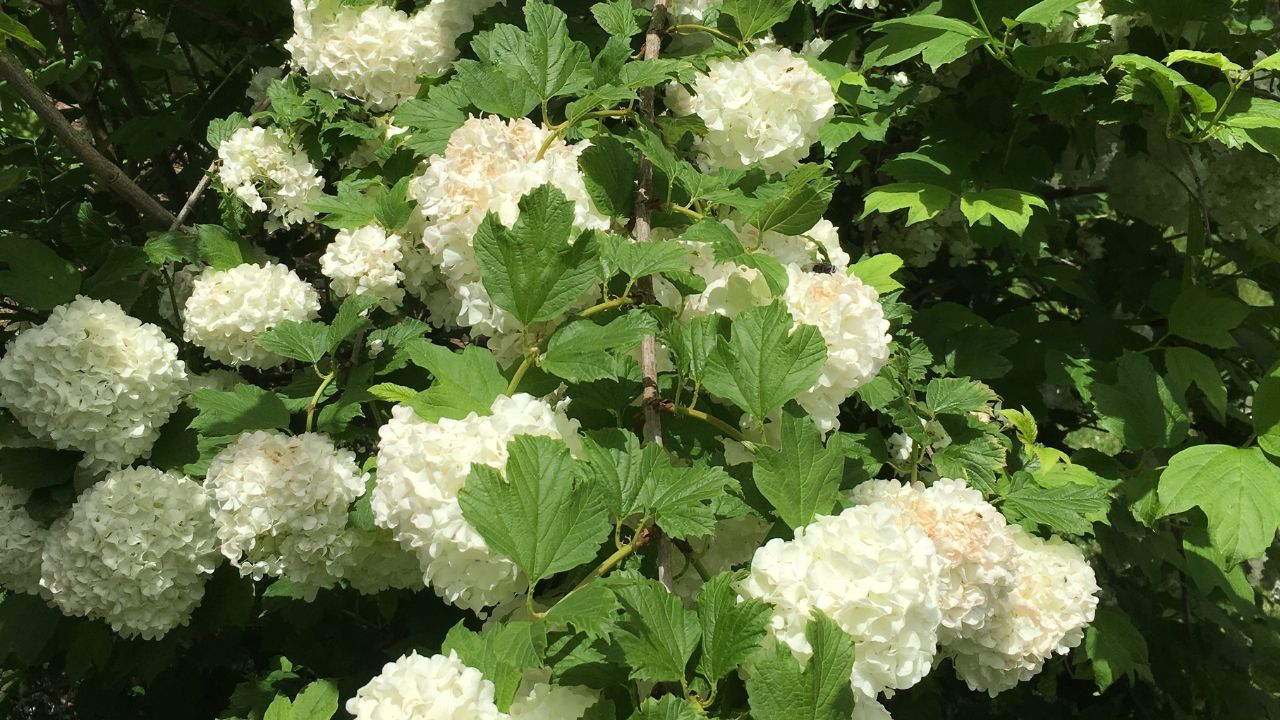
Known for their large, showy flower clusters, viburnums finish blooming by early summer, making July ideal for cleanup.
How to prune: Remove spent flower heads to tidy the shrub and prevent seed formation. Cut out older, woody stems to encourage young growth. Thin interior branches to allow light penetration.
Benefits: Pruning promotes better air circulation to reduce fungal problems, renews the plant’s structure, and improves the size and abundance of blooms next year.
11. Strawberry Bush (Euonymus fortunei)
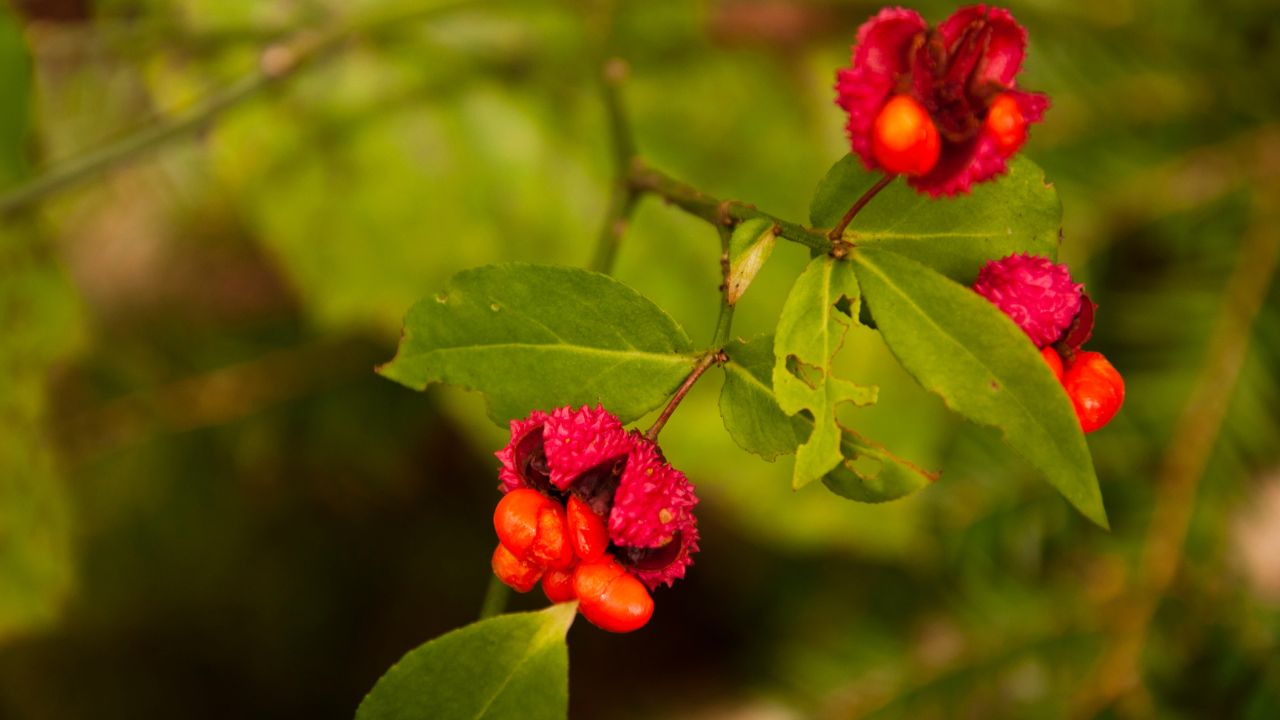
An evergreen favorite for ground cover or hedge use, the strawberry bush grows vigorously and can become overgrown if neglected.
How to prune: Trim back vigorous new growth and remove water sprouts. Cut stems just above leaf nodes or lateral buds to encourage dense branching and maintain shape.
Benefits: July pruning keeps the plant tidy, encourages thick, healthy foliage, and prevents it from becoming leggy or invasive.
12. Ceanothus (California Lilac)
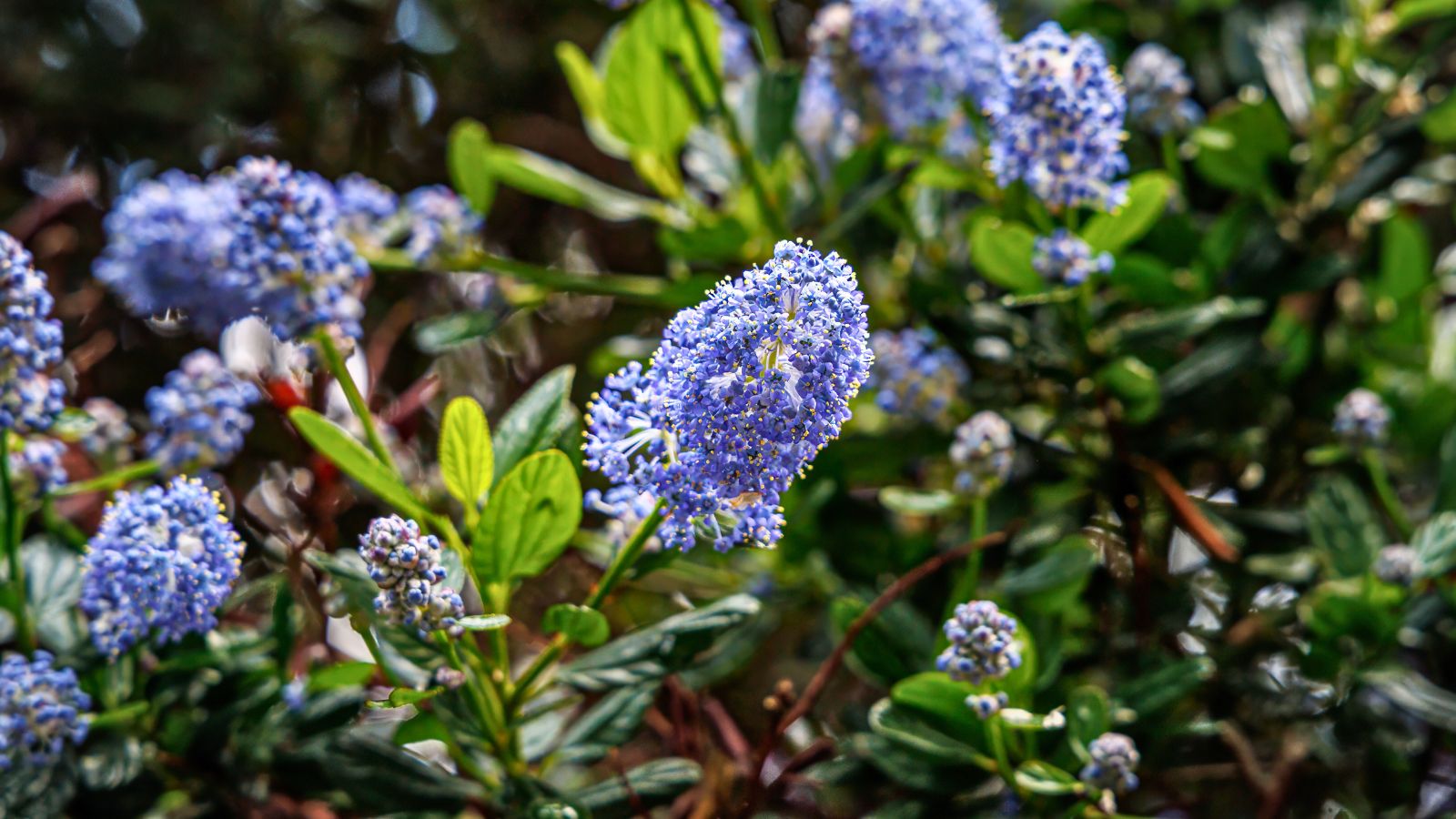
Ceanothus offers stunning blue blooms in spring and requires careful pruning to maintain shape without sacrificing blooms.
How to prune: Cut back new growth by about 20%, just above leaf nodes. Avoid cutting into old, woody stems, which rarely regenerate. This keeps the shrub compact and promotes next season’s flower buds.
Benefits: Summer pruning rejuvenates the plant’s appearance, prevents it from becoming sparse, and ensures a robust bloom display next year.
A Plan Makes All the Difference
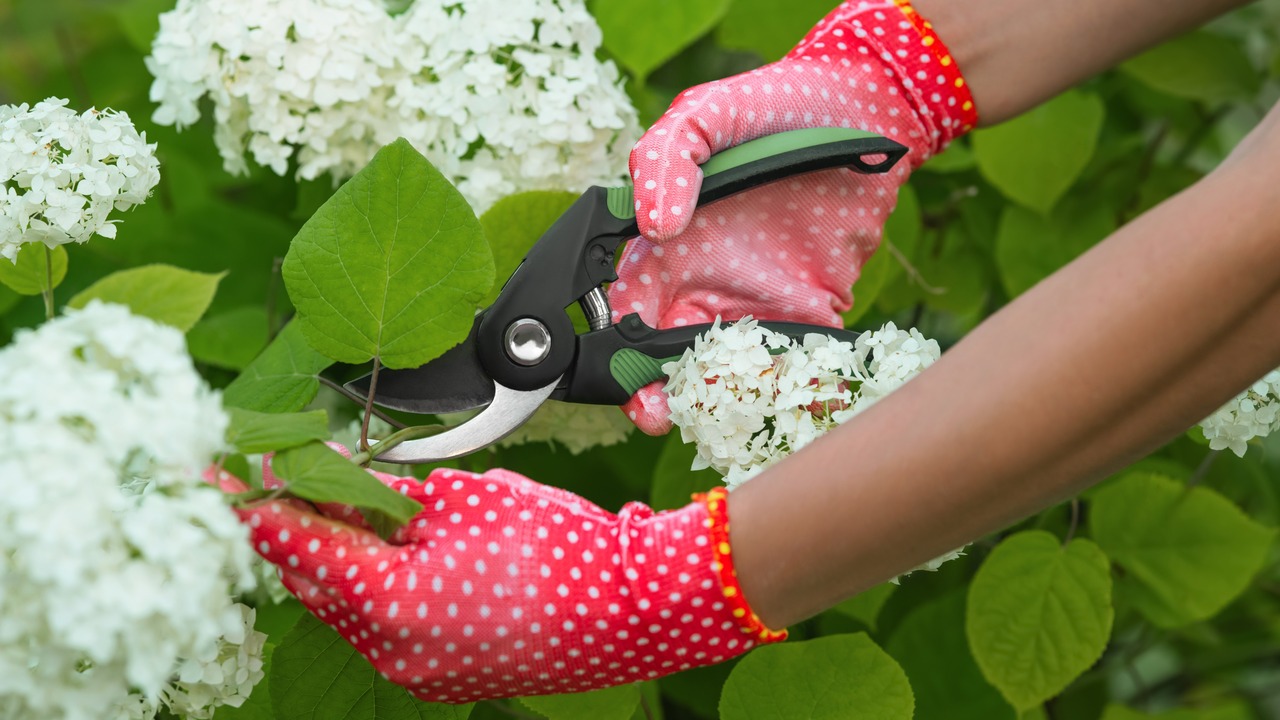
July is a strategic time to prune flowering shrubs, vines, fruit trees, and even veggies. Try to pick a week when the temperatures are slightly cooler, to avoid stressing them during a heat wave.
By trimming spent blooms and unruly growth now, you protect next year’s flowers, encourage healthier structure, reduce disease risk, and sometimes even trigger a second show. Ready to grab your shears?