Were 1960s Kids Tougher or Just Sent Outside Till Dinner
If you focus a lot on the news and what’s happening around you, it looks like the world was better back in the 60s. Childhood didn’t revolve around adult-led playdates, curated backyard spaces, or supervision at every turn. Kids were often outdoors from morning to dusk, improvising games, building life-threatening structures, and using whatever they could find as props for wild adventures.
Today’s kids have garden teepees with fairy lights and rubber mulch that probably costs more than an actual mattress. But in the 60s, if you wanted a fort, you used a rotting door, three tires, and a pile of questionable bricks. It was DIY before DIY became a celebrity.
An online forum poster asked at what age children could go play outside, and someone said, “Back in the sixties, being able to walk qualified us.” Here are 12 very real ways kids in the 1960s turned the average backyard garden into a lawless playground, from people who lived it.
Of course, everyone’s reality was different, but these are some nostalgic memories of others living through the decade.
1. Digging Became a Competitive Sport
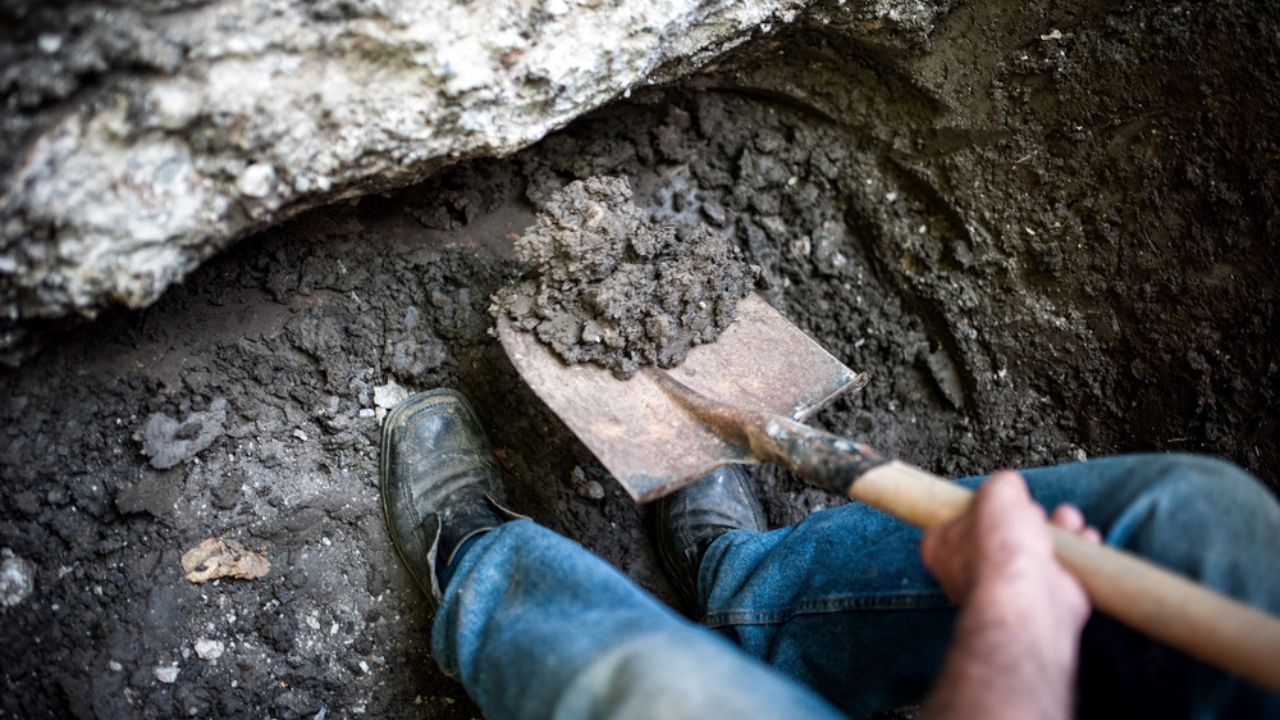
Backyard holes had no specific purpose beyond seeing how deep you could go. A simple patch of dirt and a metal spade were all it took to launch an hours-long excavation. Kids dug with unmatched commitment, ignoring tree roots, buried pipes, or parental warnings.
Digging wasn’t about discovery or planting—it was about testing limits. If a shovel hit something solid, that only added interest. These holes often became traps, forts, or simply a way to pass time. The mess was half the appeal, and the deeper it went, the better the bragging rights.
2. Garden Hoses Replaced Toys and Tools

Hoses weren’t reserved for watering plants. They served as water fountains, battle gear, and improvised crowd control. Kids manipulated the spray with their thumbs to increase pressure, aiming at friends, pets, or unsuspecting siblings.
Drinking directly from the hose was routine. There were no discussions about water quality or environmental impact. The hose was essential equipment for warm weather, and if it flooded the lawn or soaked someone’s clothes, that only added to its value.
3. Forts Were Built from Found Objects
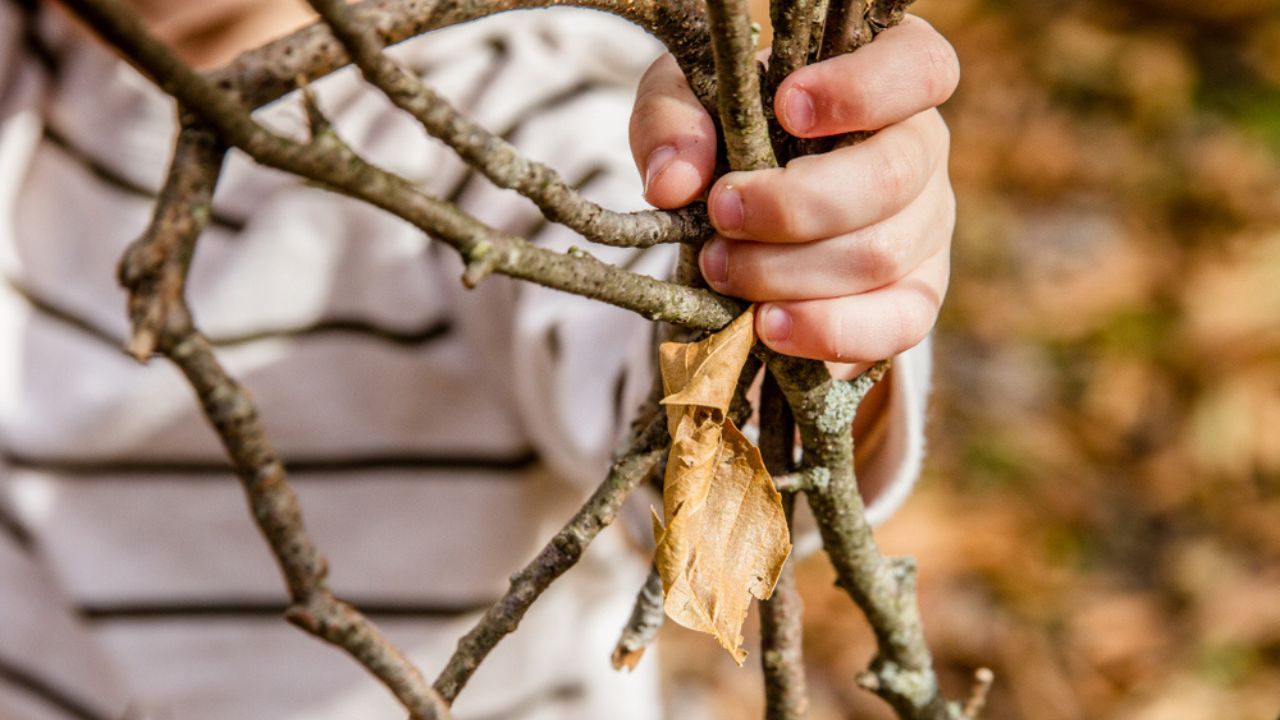
Kids assembled forts using whatever was discarded in the garage, shed, or trash pile. Scrap wood, old doors, crates, and tarp fragments were hauled into place with no design plan and little regard for safety.
These shelters leaned, collapsed, and occasionally hosted spider infestations. Still, they were a badge of independence. The construction process taught basic physics, amateur carpentry, and teamwork under pressure. These structures were rarely attractive but always well defended.
4. Lawn Tools Were Repurposed for Play

The toys today cost more than a month’s rent in the 60s. Back then, any tool left unattended became a toy. Rakes became swords, wheelbarrows became racing vehicles, and hand shears occasionally became props for backyard science experiments. No one enforced tool safety guidelines or warned against tetanus.
Injuries were common, but minor ones were ignored or cleaned with the garden hose. Parents intervened only when something truly dangerous happened. For most kids, lawn tools weren’t off-limits—they were simply a new category of entertainment.
5. Sprinklers Doubled as Entertainment Systems

Sprinklers replaced pools in neighborhoods where above-ground options were too expensive. Kids spent hours running through the spray, inventing games, or testing who could jump the highest through the arc.
There were no organized water games or inflatable accessories. Swimsuits were optional, and shoes were usually left behind. Sprinklers turned the lawn into a temporary water park, and if someone slipped, they were expected to get up and keep running.
6. Backyard Obstacles Created Makeshift Olympic Events
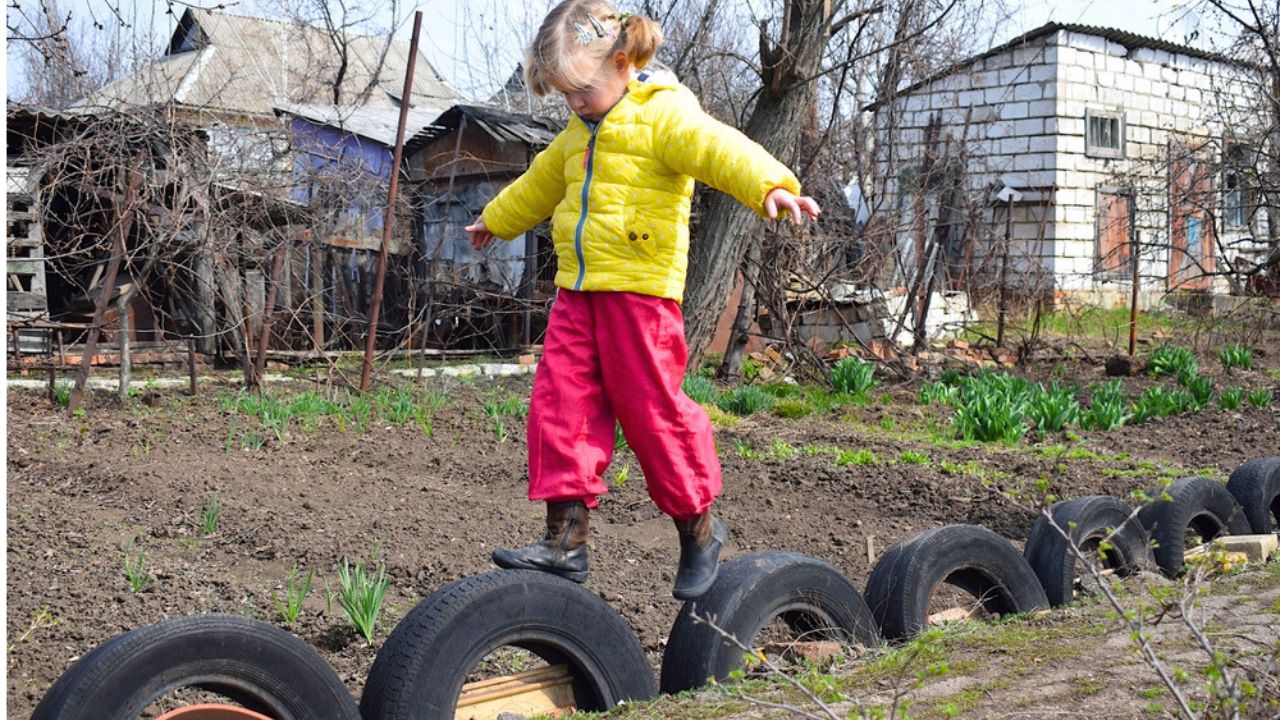
Improvised sports dominated backyard afternoons. Bricks were stacked into jumps for bikes. Trash cans were targets for throwing practice. Lawn chairs were repositioned into balance beams or fort walls.
There were no scoreboards or referees. The games changed daily, and the rules were often created mid-match. Kids measured success by the number of scraped elbows or the height of a jump, not medals or ribbons.
7. Trees Served as Equipment and Infrastructure

Can your kid climb a tree? Back in the 60s, trees were climbed, swung from, and sometimes used as launch points for dangerous stunts. Rope swings were tied with questionable knots. Treehouses were assembled without plans.
Branches weren’t judged by their strength; they were tested through trial and error. Falling was part of the process, and bruises were badges of honor. If a branch snapped, it became a new challenge for the next attempt. Take a good look at anyone who was a child in the 60s, and they’ll probably have a scar somewhere that they can’t fully explain.
8. Mud Was Treated Like Raw Material
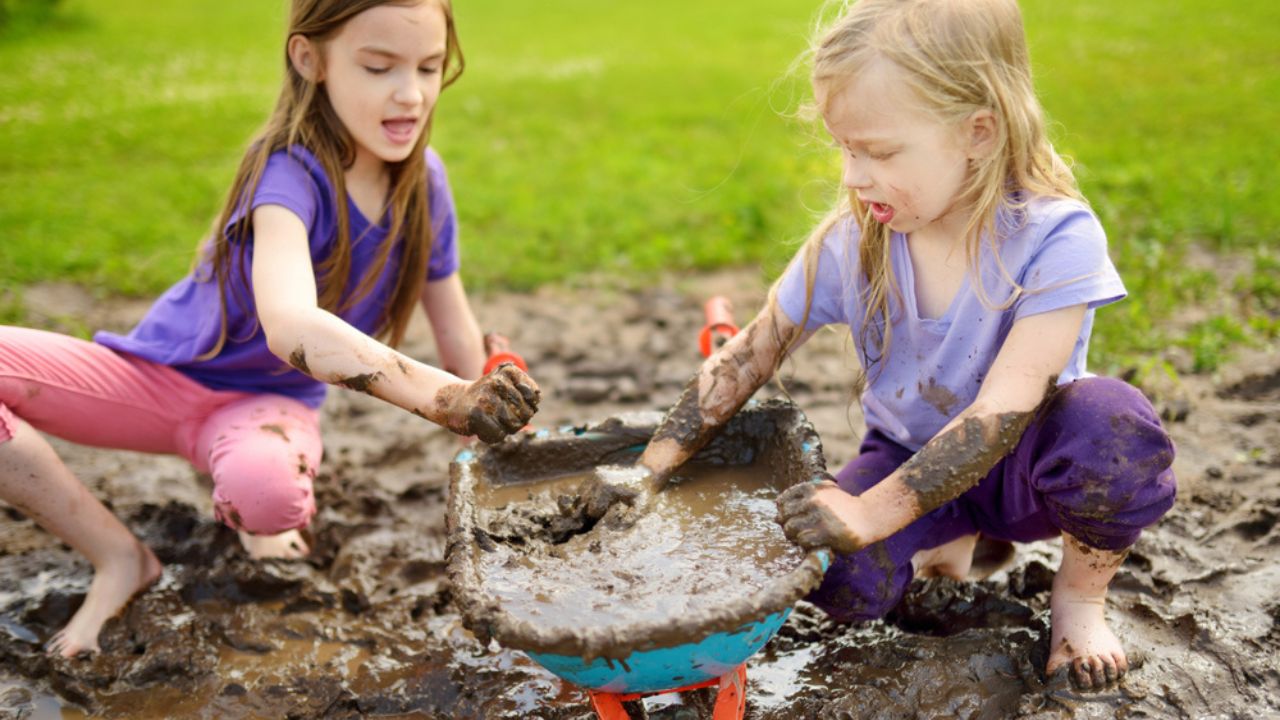
Some kids today have never touched mud, and we buy play-dough and give children waterproof boots for those who may encounter it. Mud was not considered dirty. It was used to shape bricks, make “pies,” paint faces, or disguise footprints in hide-and-seek. Creating the mud was half the experience.
Shoes were usually discarded early on, and clothing was rarely salvageable by the end of the day. No one complained about stains. The focus was on construction, competition, or creativity. If a toy disappeared into the muck, it simply became part of the game.
9. Insects Became Subjects of Study and Sport
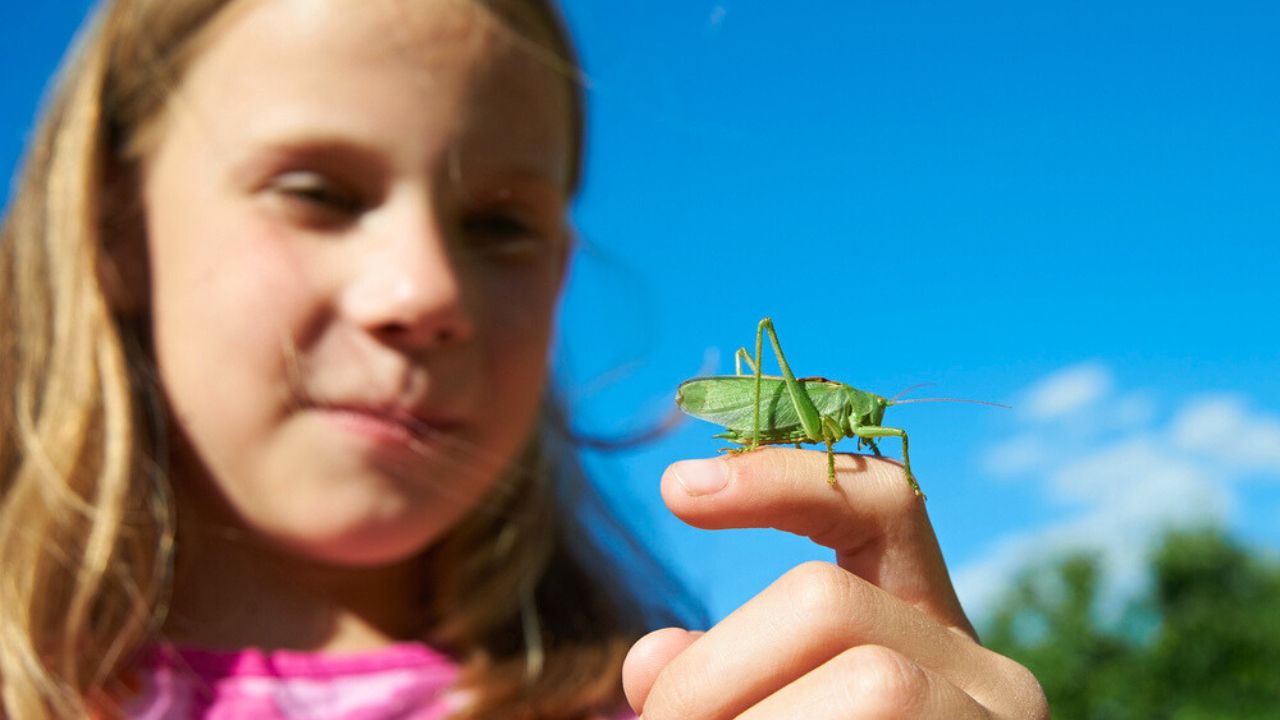
Children collected bugs with no formal instruction. Grasshoppers were kept in jars. Ants were relocated to DIY farms. Spiders were either feared or observed closely for movement patterns.
Fireflies were caught and accidentally squished. Caterpillars became science experiments. Very few of these insects survived the day, but the hands-on approach offered basic lessons in biology and consequence. No field guide was required.
10. Plants Were Navigation Tools or Hiding Places

Shrubs, bushes, and flowerbeds were both decorative and functional. Hedges became hiding spots in elaborate games. Tall grass concealed imaginary treasure or surprise attacks.
No one worried about damaging a garden bed. Running through flower patches was standard. Roses were avoided only for their thorns. The garden was not protected; it was incorporated into play, often to the plants’ detriment.
11. Garden Borders Were Boundaries for Imagination
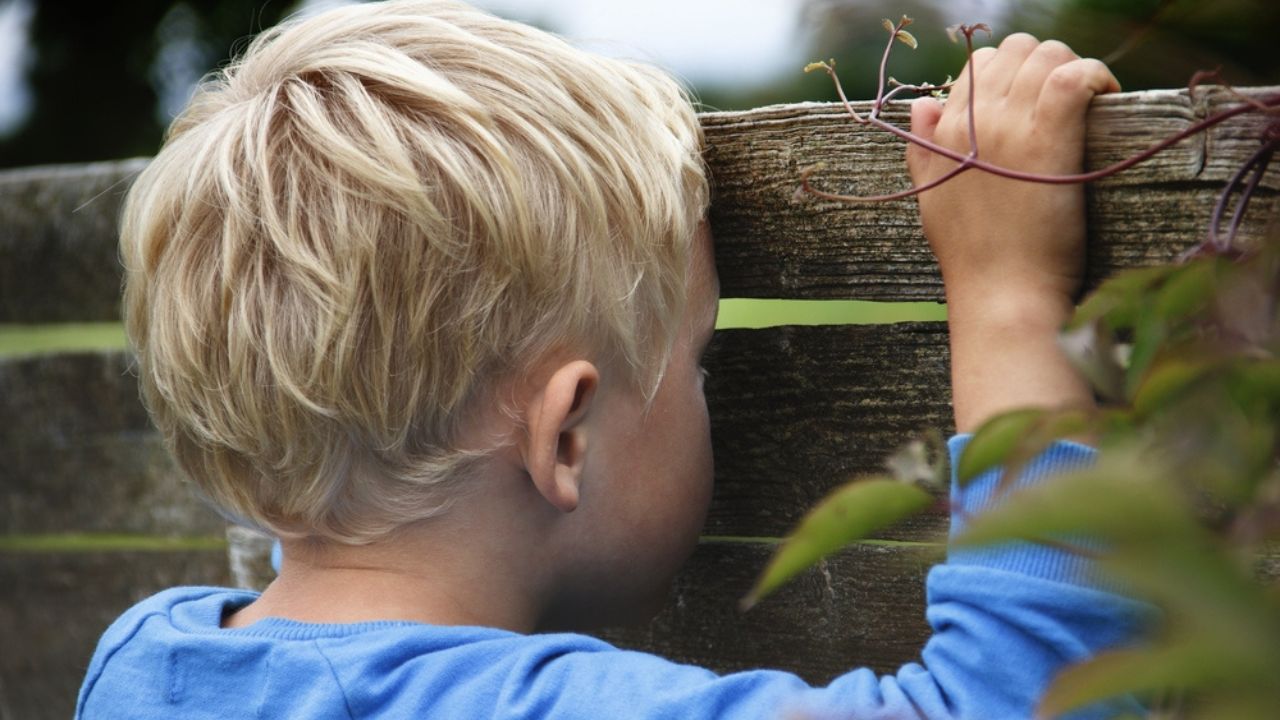
The fence line marked the edge of parental jurisdiction. Kids often stayed within those limits physically but ventured far beyond them mentally. Entire kingdoms, space missions, or battlefields were created within that perimeter.
Role-playing games evolved without scripts or adult input. One moment, the backyard was a jungle; the next, it was a military base. Props were optional. Enthusiasm filled the gaps, and boundaries gave structure without limitation.
12. Backyard Burn Piles Became Hands-On Science Lessons
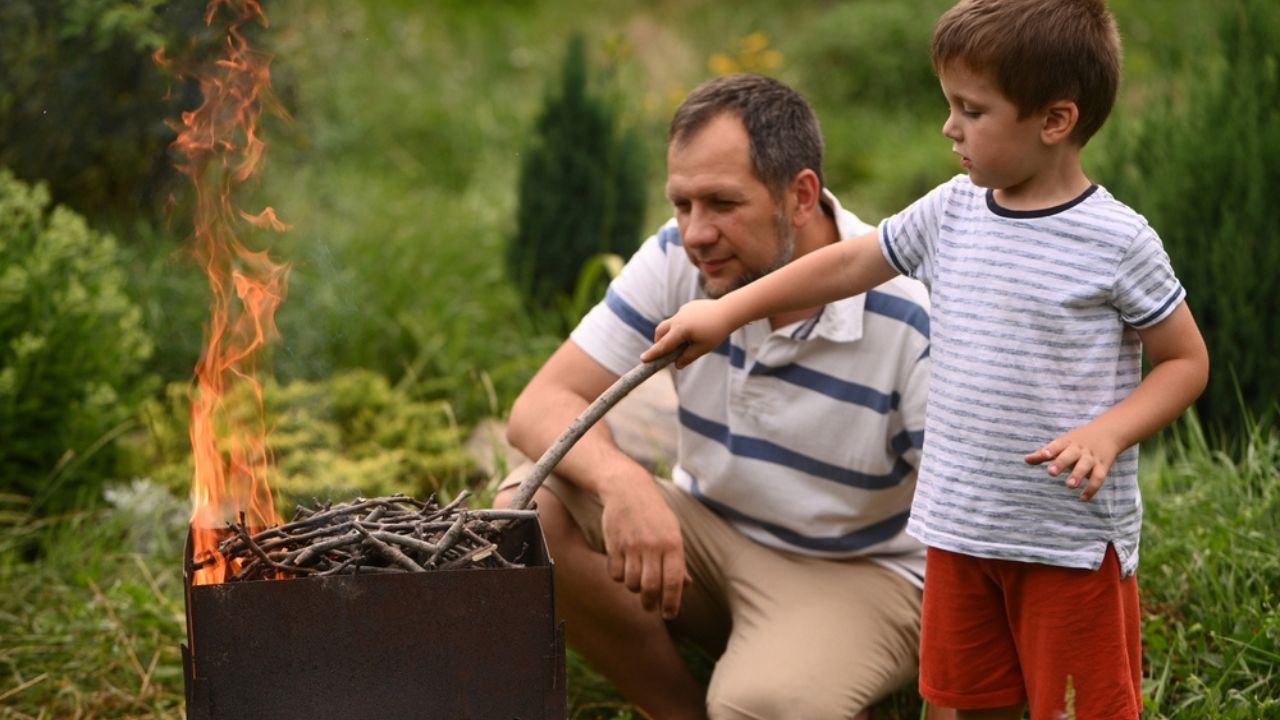
In the 1960s, many families kept burn piles or used backyard incinerators to get rid of leaves, paper, and other household waste. Kids often gathered around them, fascinated by the flames and eager to test what would catch fire. Matches and lighters were sometimes accessible, and adult supervision ranged from casual to nonexistent.
Children experimented by tossing in sticks, dry grass, old toys, or bits of plastic, watching how each reacted to the heat. It was part science, part chaos. They learned which materials burned fast, which smoldered, and what happened when they added more fuel. While clearly unsafe by modern standards, this kind of play offered raw, firsthand lessons in cause and effect, boundaries, and respect for fire.
How to Reclaim That Backyard Freedom without Losing a Limb

You don’t need to recreate the 1960s to give kids a taste of what that era offered. What made those garden adventures so powerful wasn’t danger, but freedom, trust, and time without an agenda. Today’s kids can still build forts, dig holes, or explore with sticks and bugs, but it takes intention.
Start by clearing a small part of the yard without rules about mess, noise, or unfinished projects. Offer materials, not instructions. Let boredom build a little. Then step back. Unstructured outdoor play still builds problem-solving skills, creativity, and grit, just like it did back then. The stakes are lower now, but the rewards haven’t changed. A quiet patch of dirt and no adult interference is still one of the best classrooms a kid can get.