15 Heat-Tolerant Flowers to Survive the Next Blaze
Summer used to mean iced drinks, sandals, and pretending to care about the lawn. If you’re into gardening, it now means praying your plants don’t burst into flames by noon. With global temps stomping over previous records like a toddler in a sandbox, you need a heat-protection strategy for your flowerbed.
The best strategy is to get plants that handle scorching afternoons, punishing UV rays, and parched soil with the poise of a soldier. Here are some flowers that will hold their own in a sunbaked yard even when you’ve retreated inside with your face pressed to the AC vent.
1. Blanket Flower
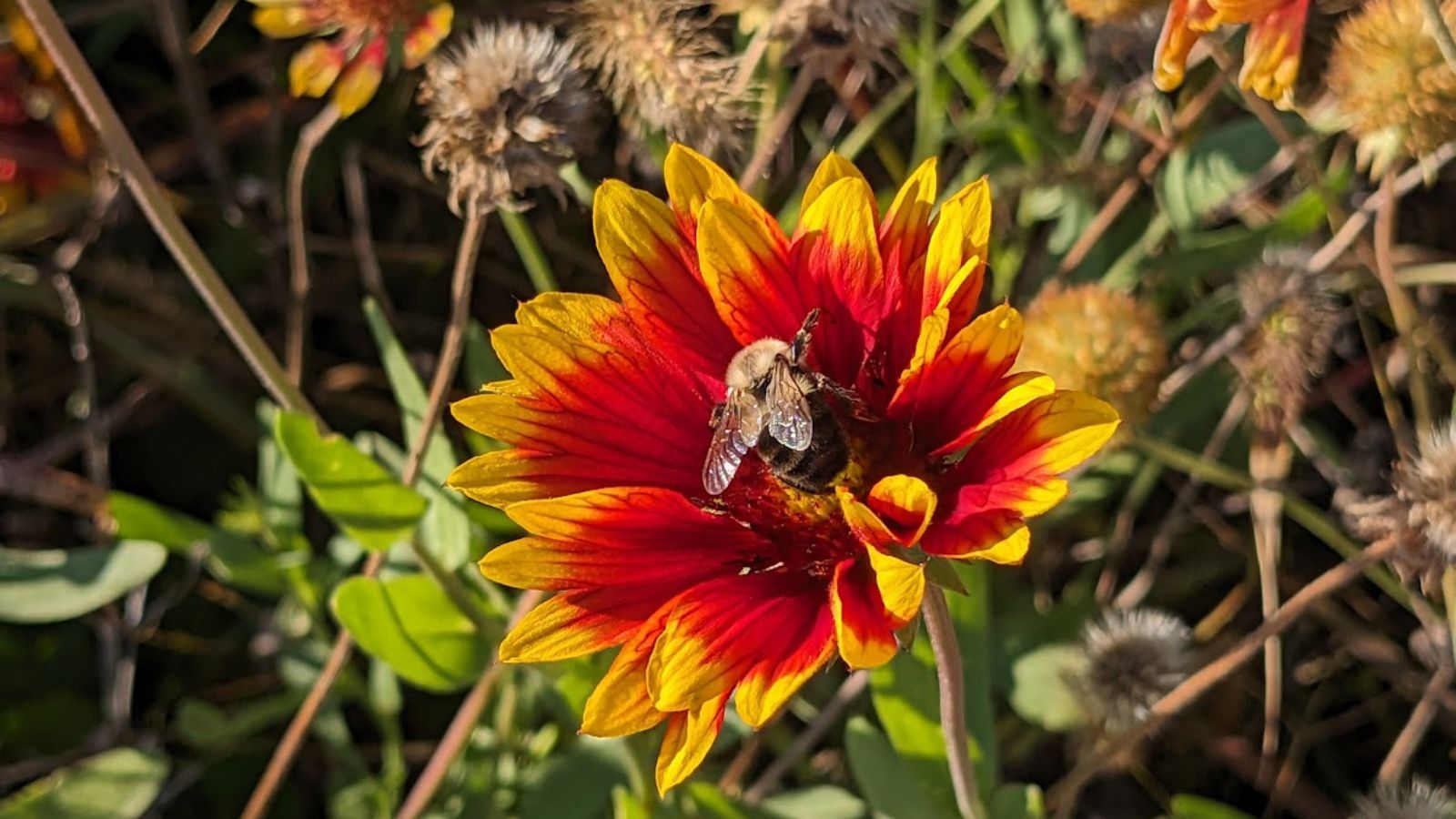
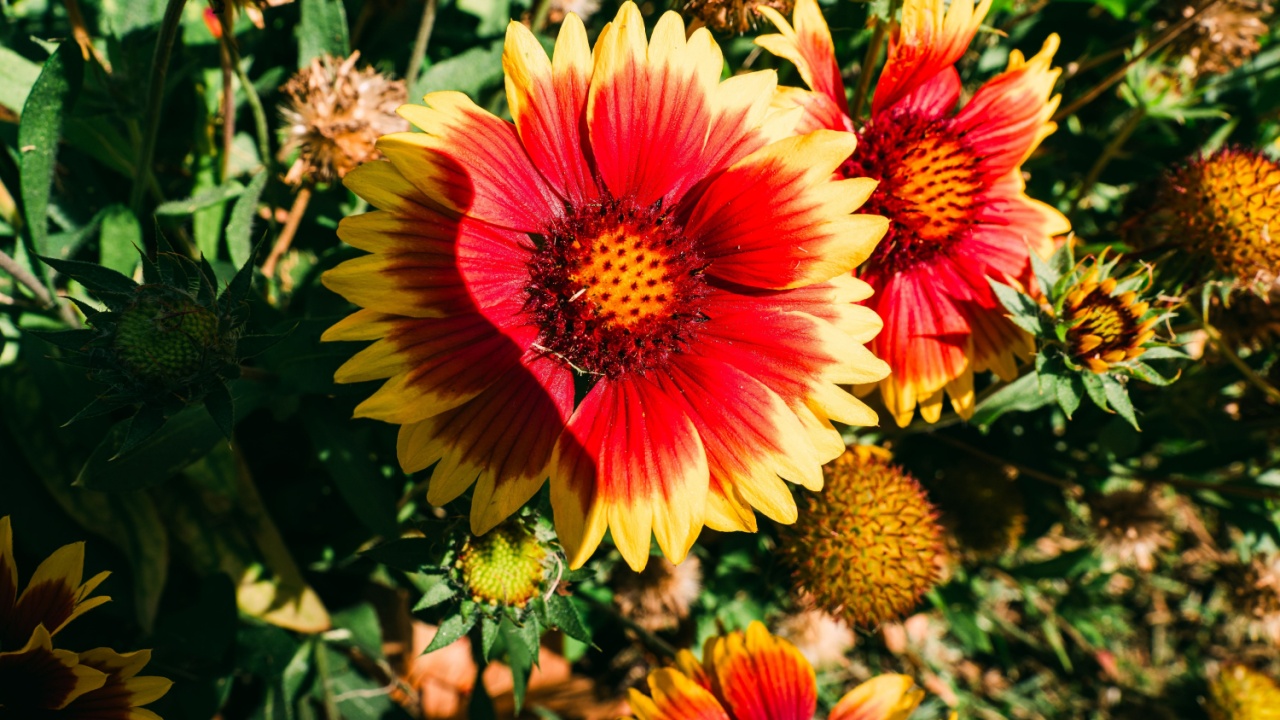
Blanket flowers look like they rolled straight out of a desert rock concert and decided to set up shop in your yard. These fiery red and yellow daisies are made for sun and drought. Native to North America, they’ve been handling brutal summers long before climate change made it cool.
You can plant them in the worst soil you own, ignore them for weeks, and they’ll still show up. They bloom nonstop from early summer to frost, and they never look tired. Get them full sun and decent drainage. Bees and butterflies love them, rabbits don’t, and they’ll reseed just enough to keep the show going next year without a full garden mutiny.
2. Zinnias

Zinnias are the loudmouths of the flower world. They come in electric shades, bloom like they’re competing with peacocks, and tolerate heat better than your neighbor with six fans and a kiddie pool.
These annuals love it hot, and the more sun they get, the more blooms they crank out. You could practically grill next to them and they’d keep smiling. They’re easy from seed, fast-growing, and bloom straight through the worst heatwave without dropping a single petal in protest. You can plant them anywhere that isn’t complete shade, and they’ll make it work.
3. Portulaca
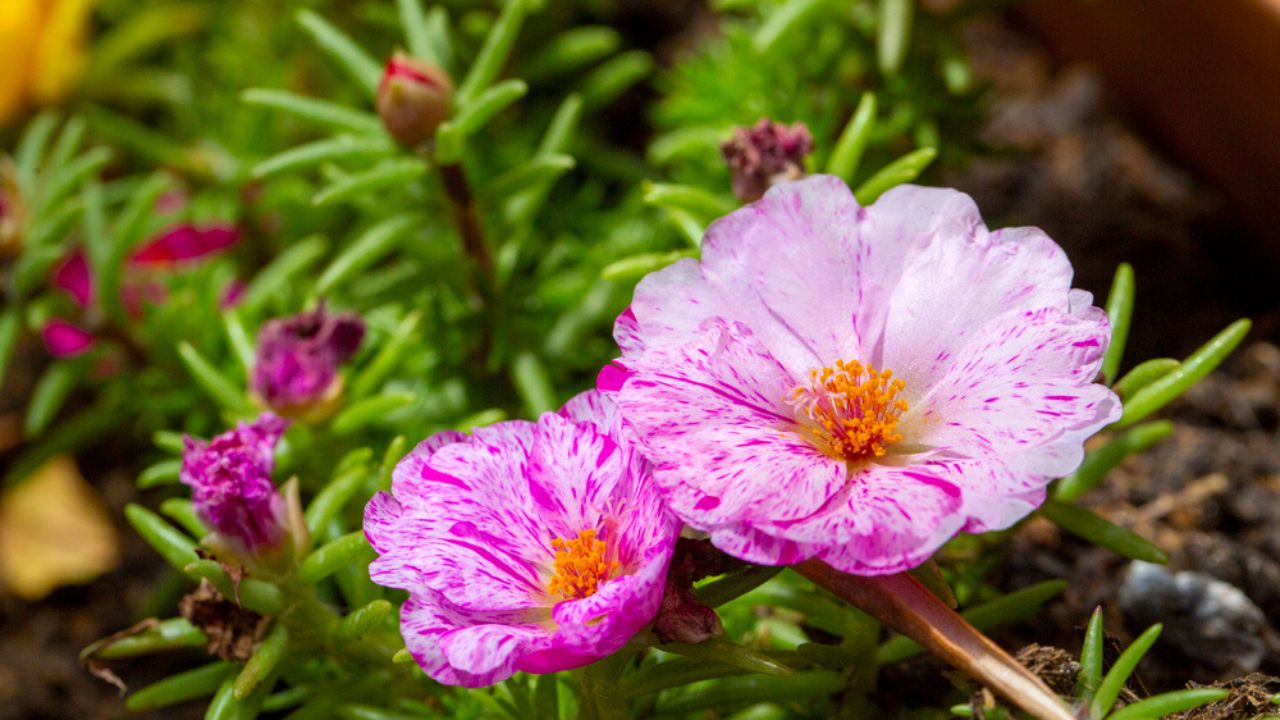
Portulaca doesn’t just tolerate sun. It practically needs it like caffeine. Also known as moss rose, this succulent groundcover blooms only when the sun is blazing. It may not even bother to open on cloudy days.
These little guys have thick, water-storing leaves and neon flowers that look painted on. If you want zero maintenance and high visual payoff, start here. They sprawl across hot, dry spots where everything else gives up.
4. Coreopsis
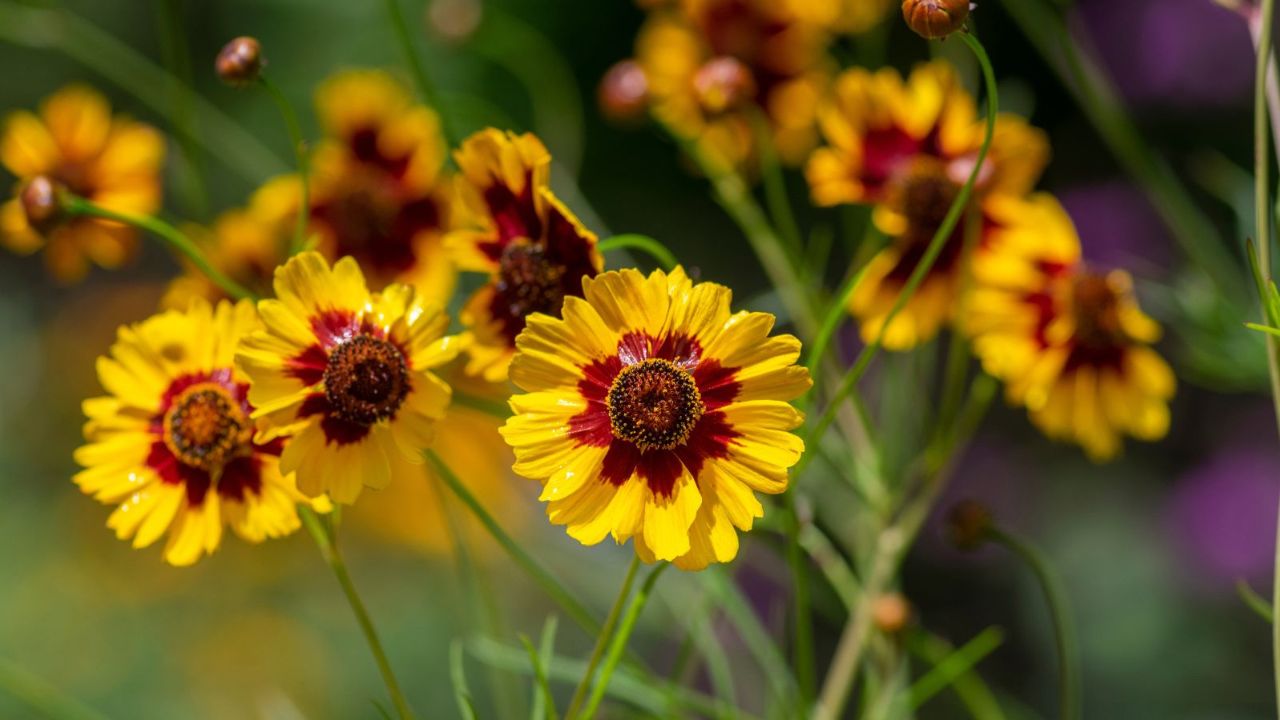
Coreopsis is your backyard optimist. It blooms through heatwaves with bright yellow or pink daisy-like flowers, and it doesn’t throw tantrums if the hose goes missing for a few days. These native perennials are used to dry prairies, which means your neglected side yard is Christmas day.
They self-sow politely, stay upright in high temps, and can handle anything short of total shade or standing water. Cut them back midseason if they look a little tired, and they’ll rally for a second round like they’re trying to prove a point.
5. Marigolds
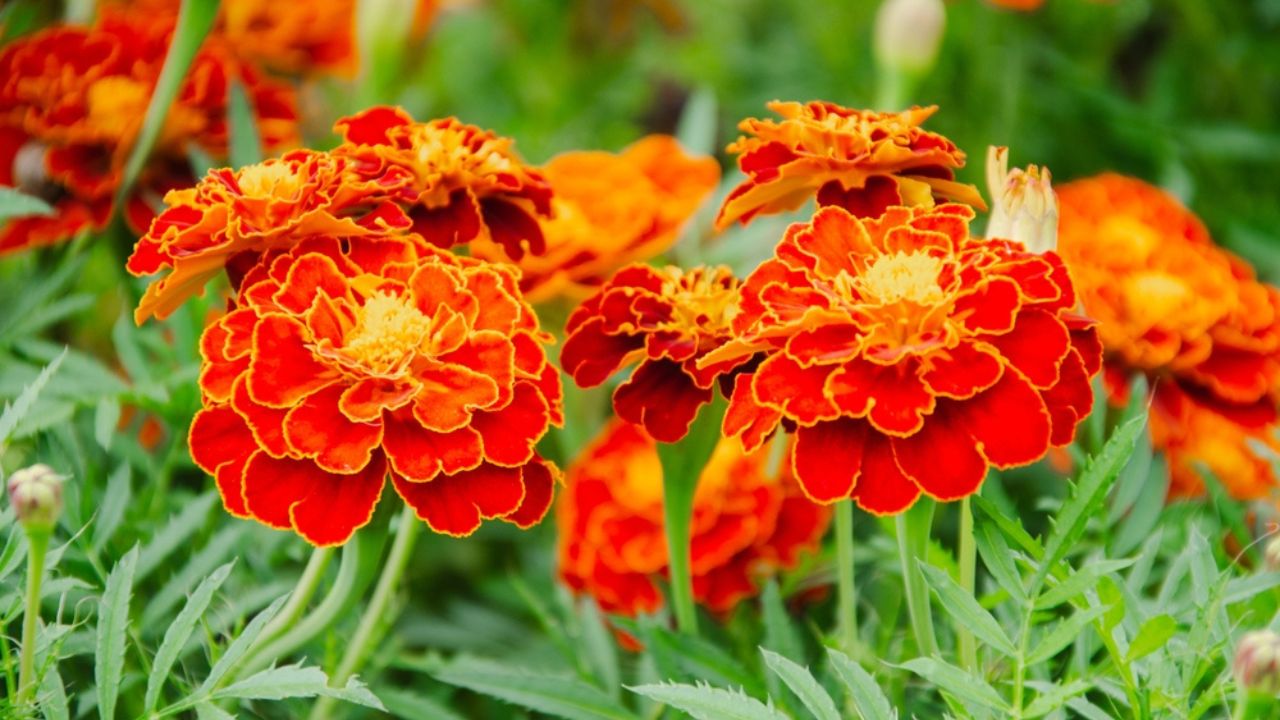
Marigolds are like those people who never complain, no matter how hot it gets. Full sun? Great. No water for days? Fine. You forgot they existed? They’ll still bloom. These tough little annuals have roots in Central and South America, so they’re not new to extreme heat.
They handle it with gold, orange, and red blooms that pop against any backdrop. They’re also pest-repellent, so while other plants attract aphids like a free buffet, marigolds put out a “do not disturb” sign.
6. Lantana
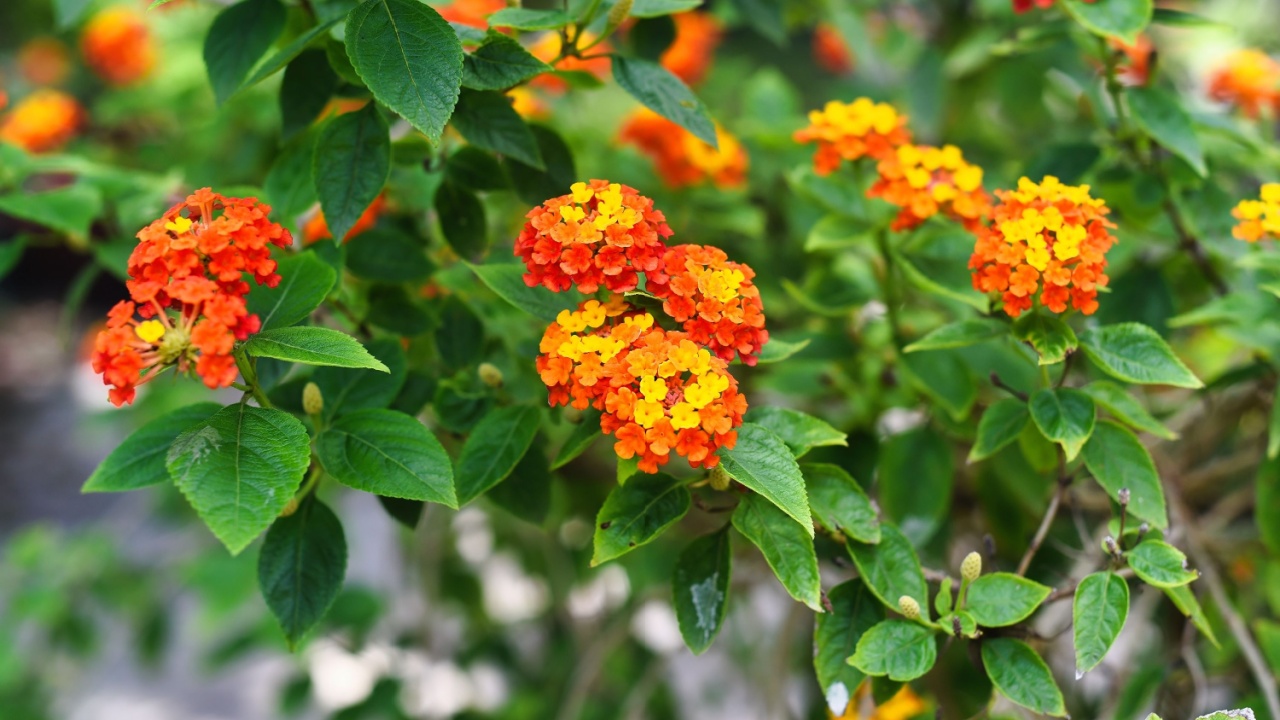
Lantana is a sun-chugging, heat-scorching powerhouse disguised as a sweet little flower cluster. Native to tropical regions, this woody perennial gets bigger, bolder, and bloomier the hotter it gets. It’s drought-tolerant, salt-tolerant, and deer treat it like it doesn’t exist.
Each plant is a fireworks display of color, changing shades as the flowers age. Yellow turns to orange, pink to purple, and the whole thing looks like it’s in motion. Bees and butterflies adore it.
7. Coneflowers

Coneflowers are what happens when you cross a prairie survivor with a fashion icon. These native perennials have been standing tall through drought, heat, and neglect for centuries. The petals arch downward from a central cone, which makes them pollinator magnets.
They prefer full sun, don’t mind dry soil, and don’t get floppy when things heat up. Once established, they barely need water. You’ll get blooms from early summer into fall, and the seed heads feed birds long after the petals are gone.
8. Celosia
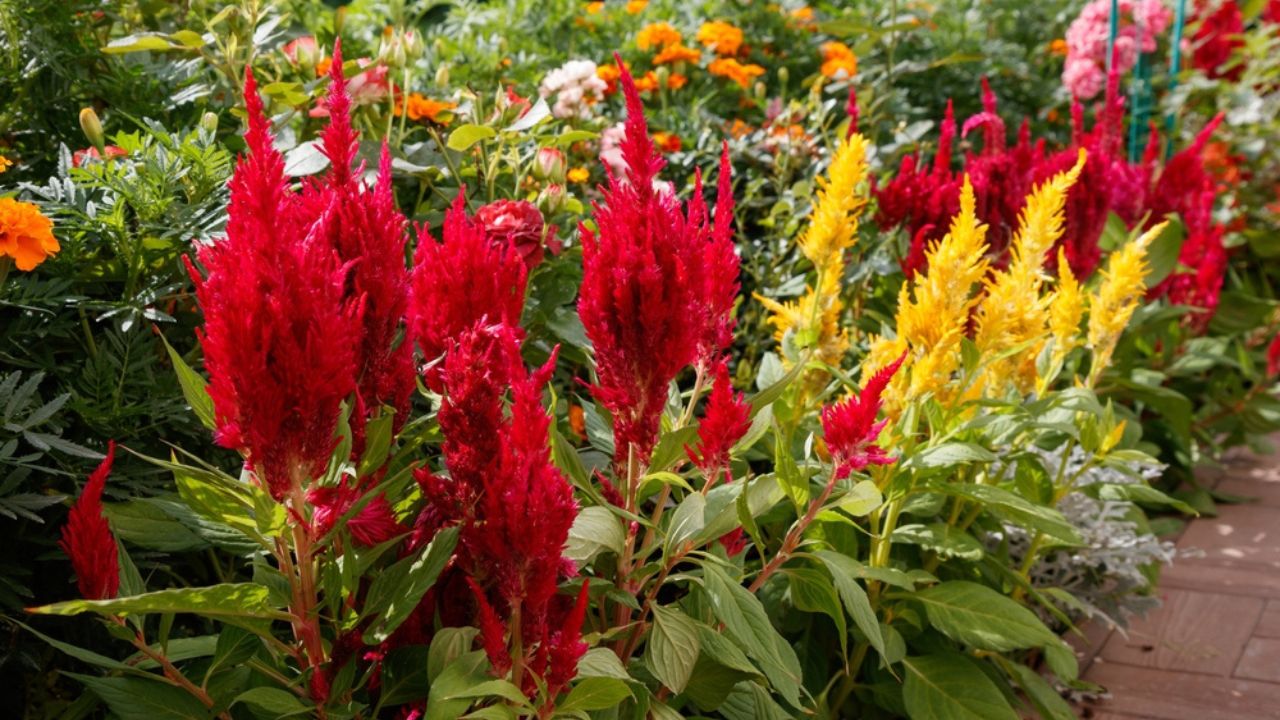
Celosia looks like someone handed a kindergartener a crayon box and said, “Go nuts.” The plumes come in hot pinks, oranges, reds, and yellows that stand out in any bed or pot. These heat-lovers are originally from tropical Asia and Africa, so they consider your hottest July afternoon pretty tame.
They hold their shape for months, keep blooming with minimal water, and don’t complain if the soil is more sandbox than garden bed. You can grow them from seed, stick them in poor soil, and still get showstopping texture.
9. Verbena
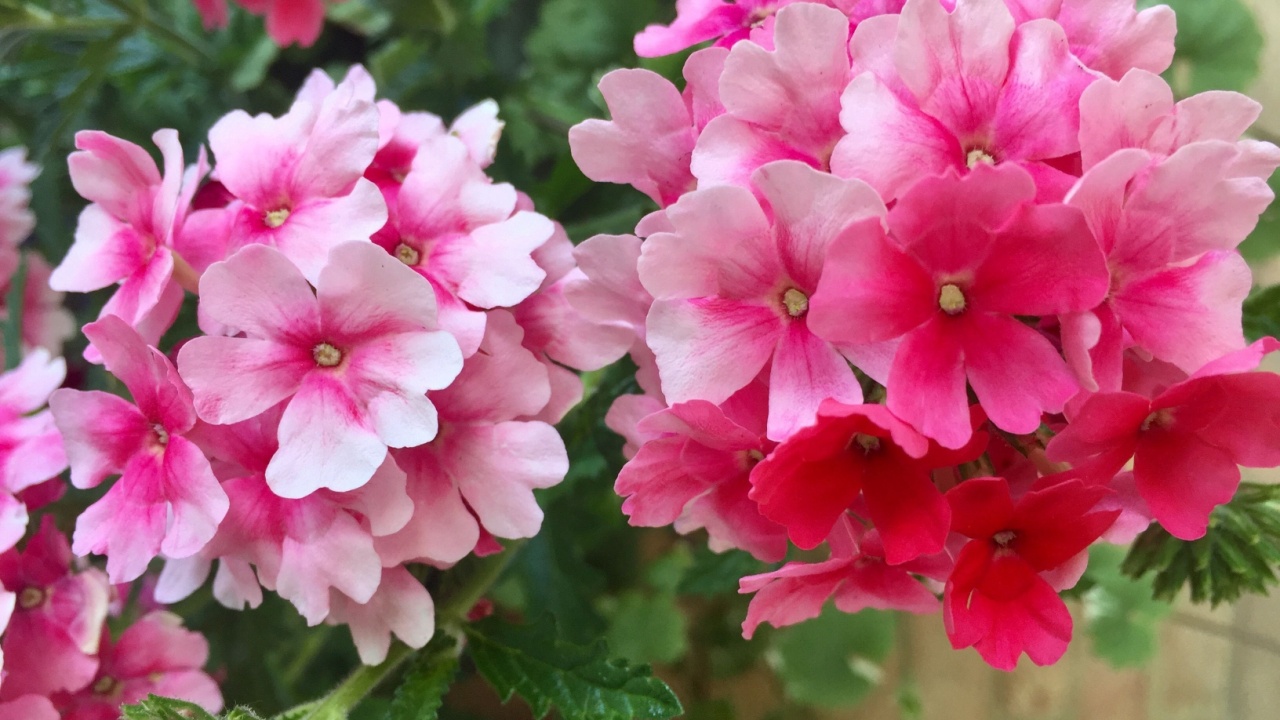
Verbena is that friend who shows up to your BBQ early, stays late, and somehow never gets tired. It blooms like crazy all summer and doesn’t care if you forget to water for a few days. These spreading annuals and perennials give you clusters of tiny flowers in every shade imaginable, and they don’t fade when the heat hits.
Stick them in hanging baskets, along borders, or in rock gardens where the sun hits hardest. They love full exposure and decent drainage. Prune them if they get leggy, and they’ll bounce back like nothing happened.
10. Salvia
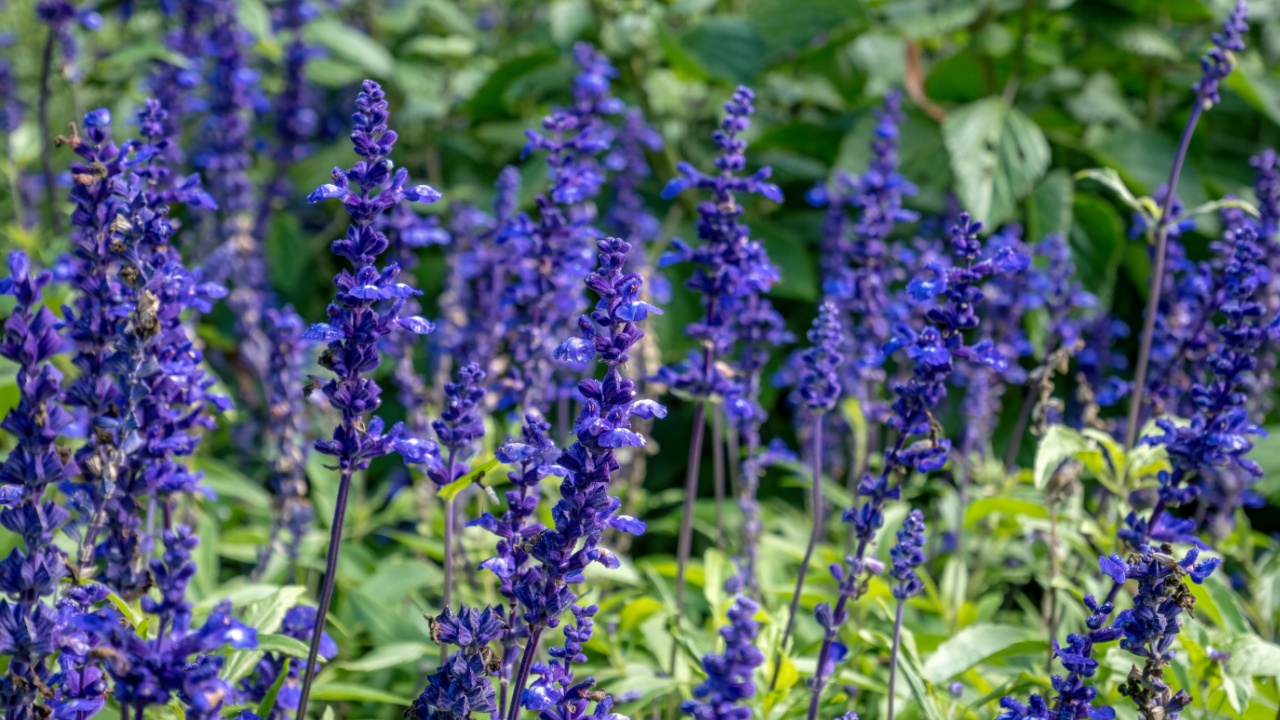
Salvia is your garden’s hype plant. Bees, butterflies, and hummingbirds swarm it like it’s throwing a concert. It prefers the hottest, driest part of your yard. These spiky flowers bloom from early summer through fall and come in shades of blue, purple, red, and white.
They’re perennial in many zones, and once they’re in, they’re in for the long haul. Deadheading keeps them going, but they don’t demand it. You’ll get tall color, low water use, and a whole lot of winged visitors.
11. Black-eyed Susan
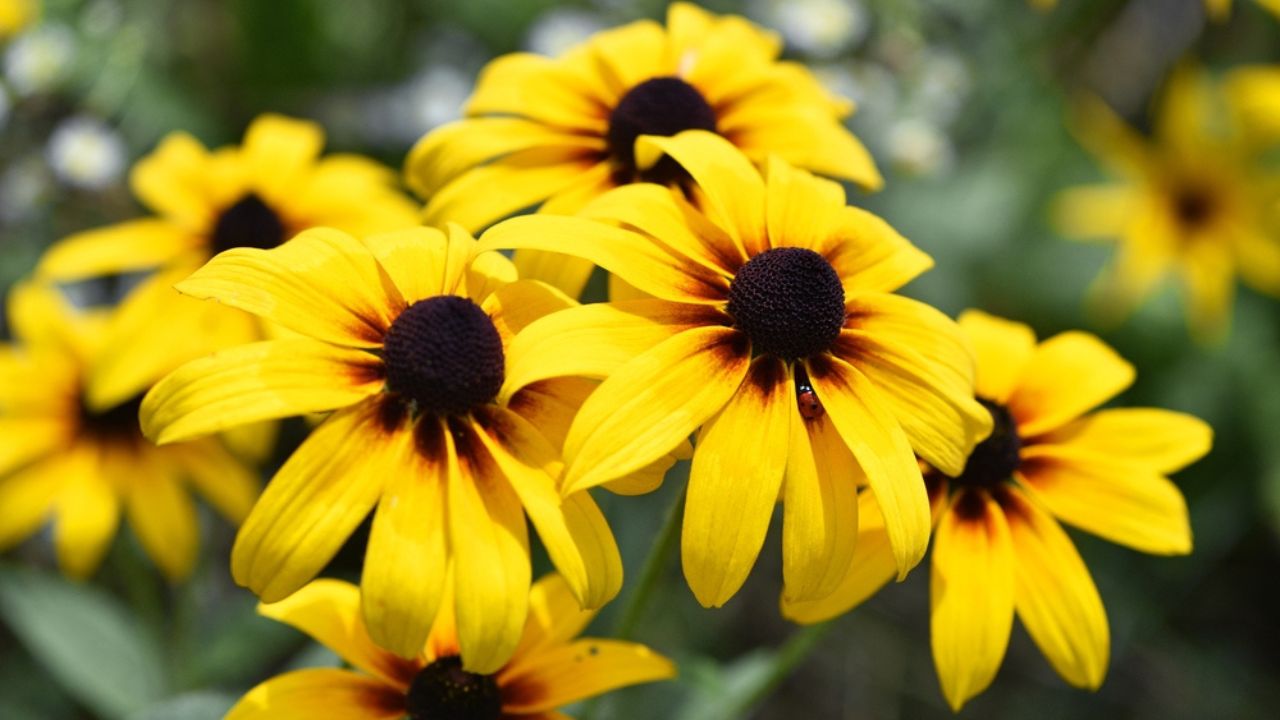
Black-eyed Susans were born to outlast summer. These golden daisies are native to American fields and meadows, so blistering sun and dry soil are just part of their resume. They spread out wide and return each year with reinforcements.
They don’t mind being crowded, ignored, or planted in places where your hose doesn’t reach. Full sun, poor soil, and dry weather are all fine. Just give them a season to settle in. Once they do, they’re your most reliable bloomers, and they attract enough pollinators to keep the whole backyard buzzing
12. Yarrow
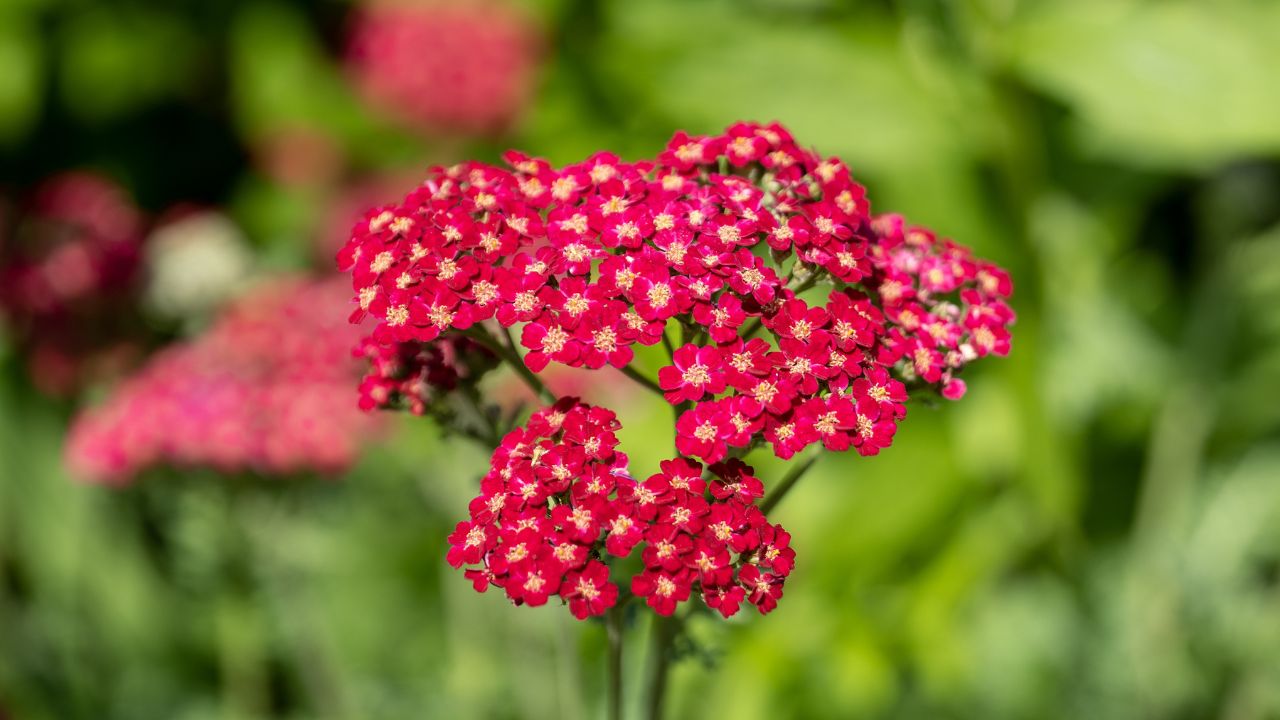
Yarrow is the botanist’s version of a tank. It spreads, blooms, and holds form through heat waves like a champ. Native to dry grasslands and sunny meadows, yarrow has flat flower clusters that sit on tall stems, attracting pollinators while surviving on almost no water.
It’s also low maintenance to the point of being smug. Full sun is ideal, and as long as the soil drains, it doesn’t care if it’s sand, clay, or gravel. Cut it back after the first bloom for a second round, or don’t, it’ll still be standing tall when everything else melts.
13. Gazania
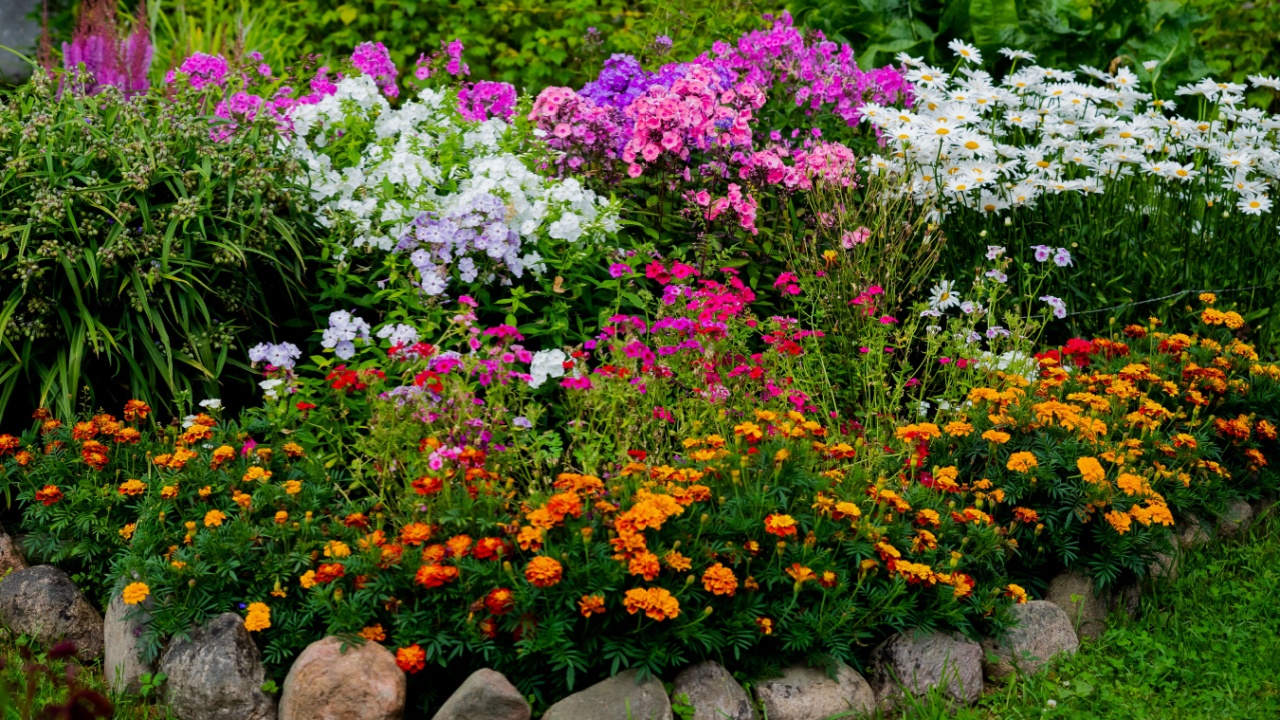
If gazanias could choose a religion, they’d be sun worshippers. These daisy-like flowers only open when the sun’s out and close up at night like they’re clocking out. Native to South Africa, they shrug off heat, poor soil, and long dry stretches.
Their leaves are silver and fuzzy, which helps them conserve moisture while looking like they belong in a sci-fi movie. Use them in places that cook other plants, rock gardens, hot borders, or sunny slopes. Once established, they need almost no water.
14. Dusty Miller
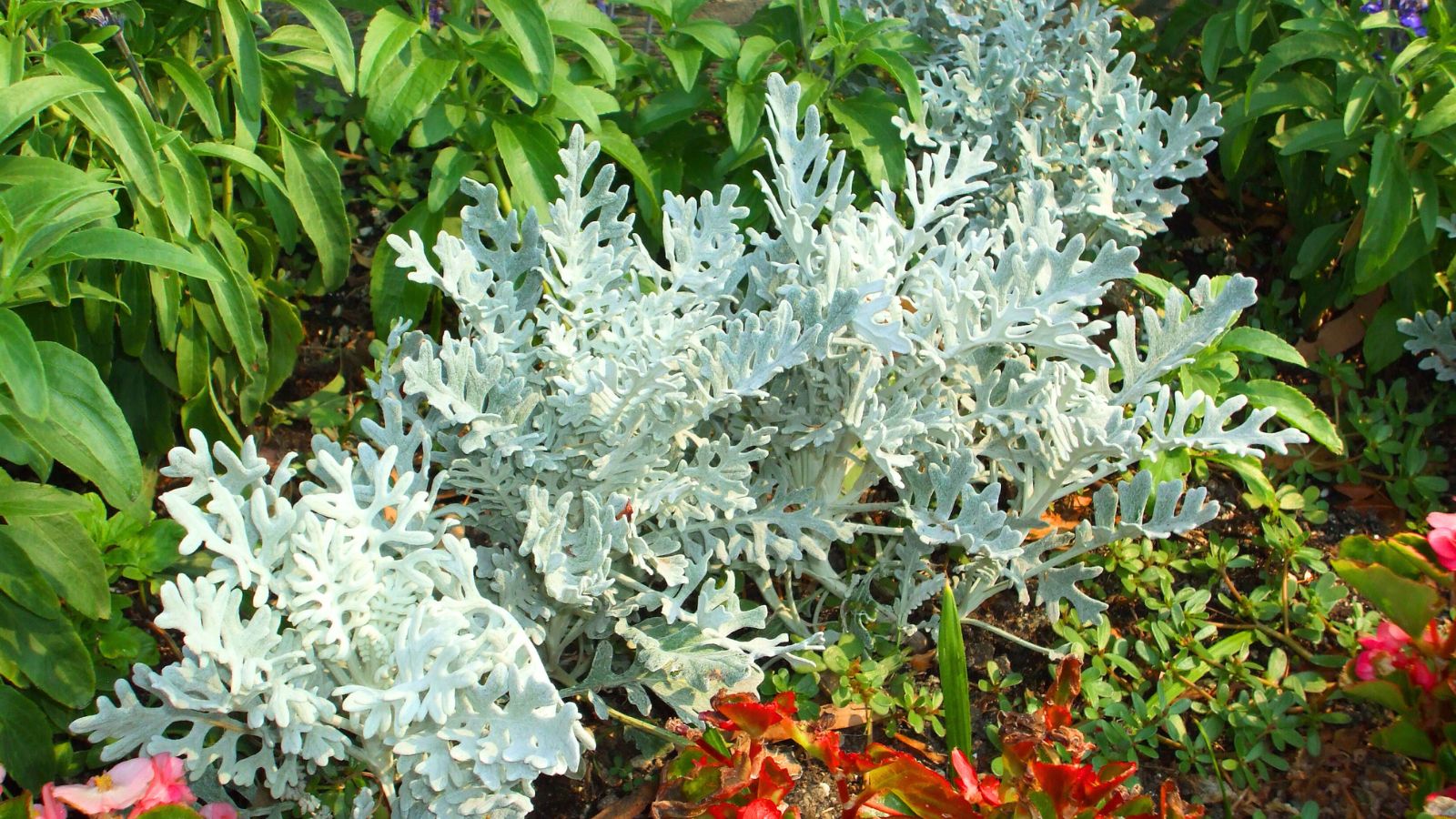
Dusty Miller doesn’t bloom much, but its silvery-white foliage more than makes up for it. It keeps looking cool even when everything else gets crispy. Those fuzzy leaves help the plant reflect heat and hold onto moisture when the hose skips a week.
It pairs well with anything loud and colorful, giving your bed or pot a break from all the drama. Plant it in full sun, walk away, and watch it quietly soldier through every heatwave.
15. Globe Amaranth
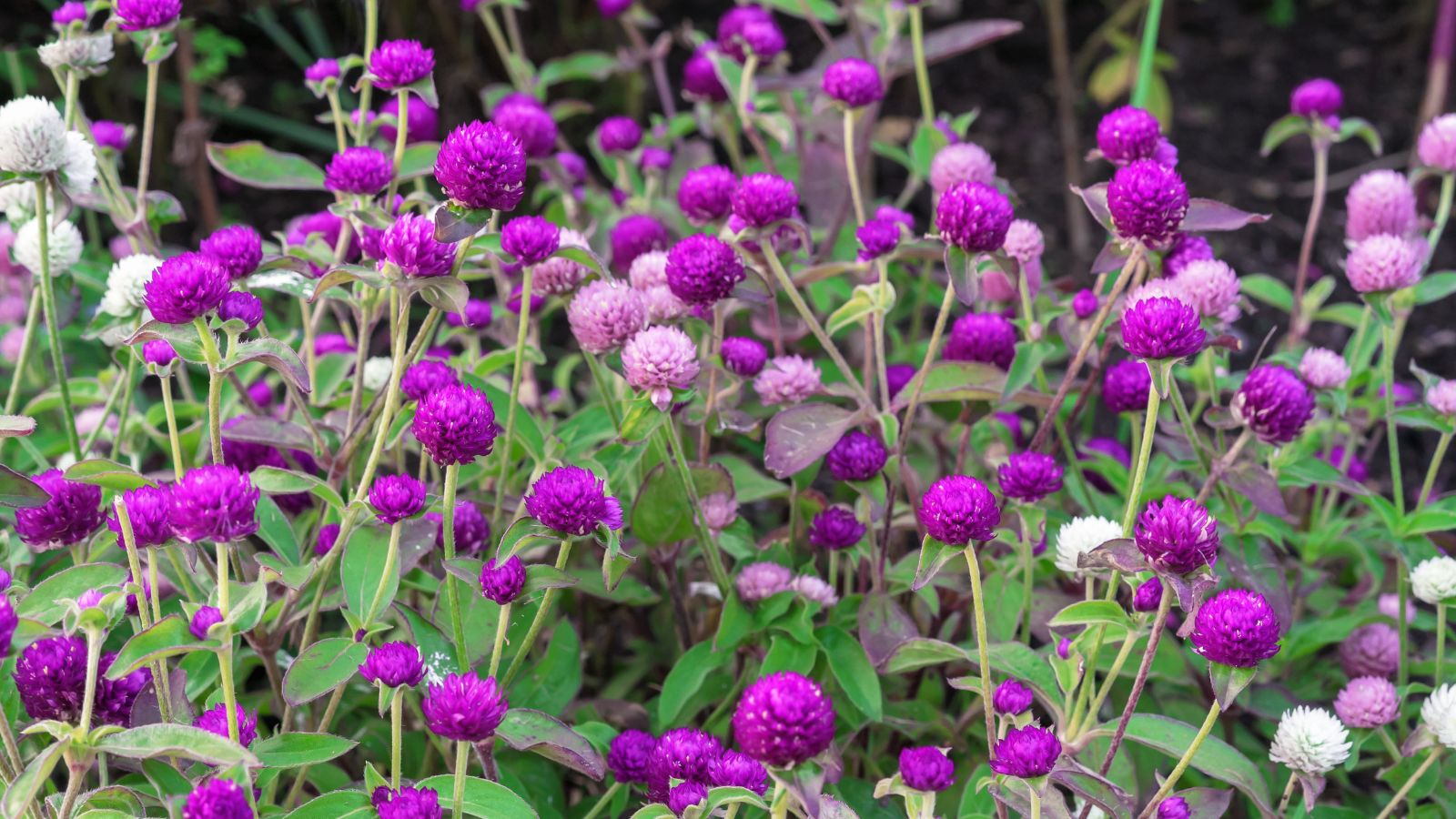
Globe amaranth looks like your flowerbed grew its own candy jar. The blooms are round, papery, and shockingly bright. They don’t fade in the heat. They don’t wilt in dry weather. And once they start, they don’t stop blooming for months. It’s one of those plants you forget to water and then find still blooming like it never noticed.
They handle full sun like pros and grow well in containers, borders, or the patch of earth you’ve given up on. Deadheading helps, but they’ll bloom even without it. And when the growing season ends, those blooms dry perfectly for indoor bouquets that last through winter.
Keep Your Flowers Happy
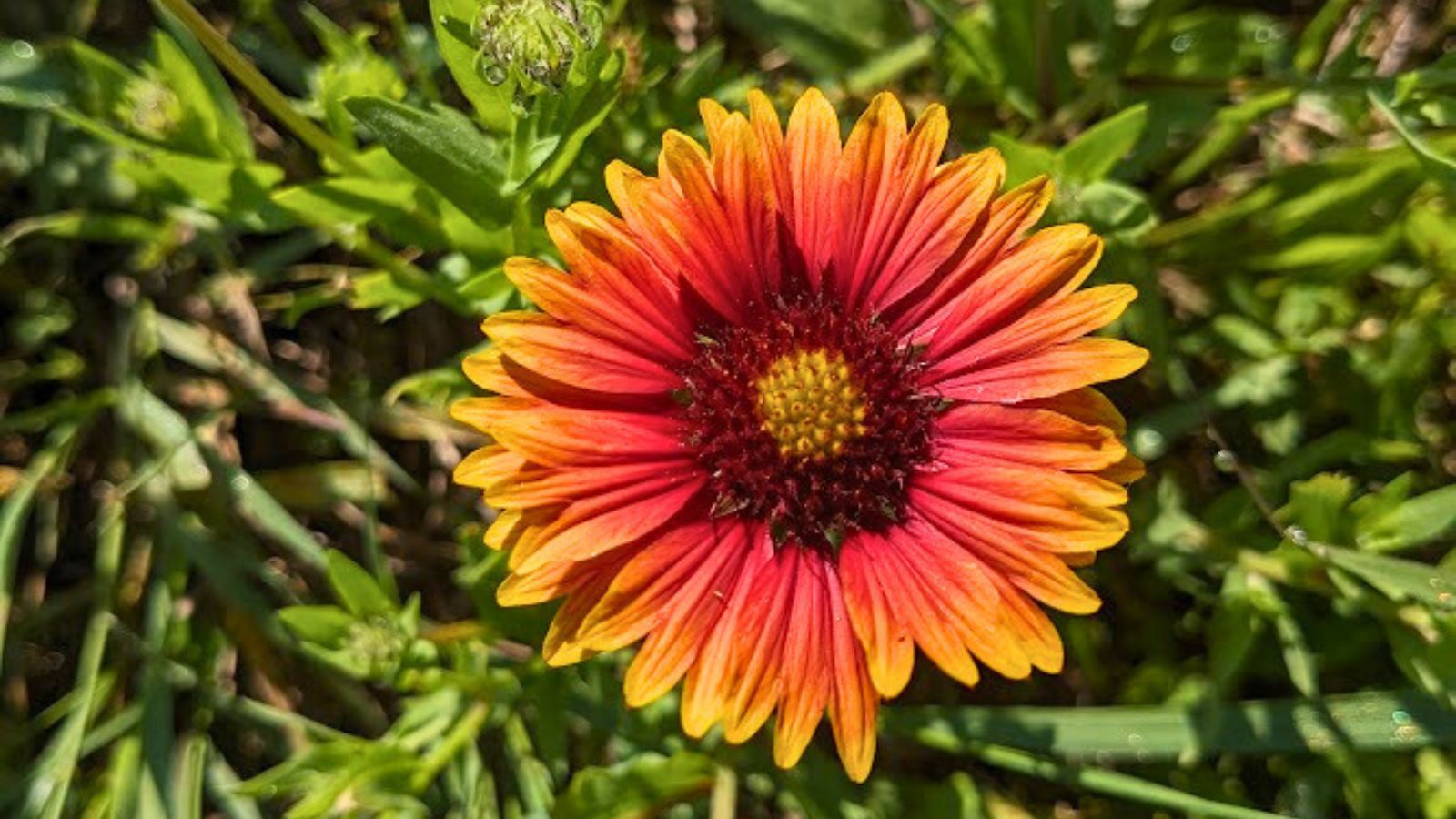
If the heat keeps steady, your flower tactic has to evolve past the nursery aisle’s pretty labels. If you want to go deeper, focus on building better soil structure with compost and mulch. Good soil holds water longer and reduces plant stress, even for the toughest heat lovers.
Add drip irrigation if you’re over watering cans or hoses, and don’t underestimate shade cloth in brutal climates. With the right prep, your flowerbed can stop surviving and start dominating. Even if the heat does feel personal.