How to Prune a Hibiscus: 5 Ways to Trim It for Gorgeous Flowers
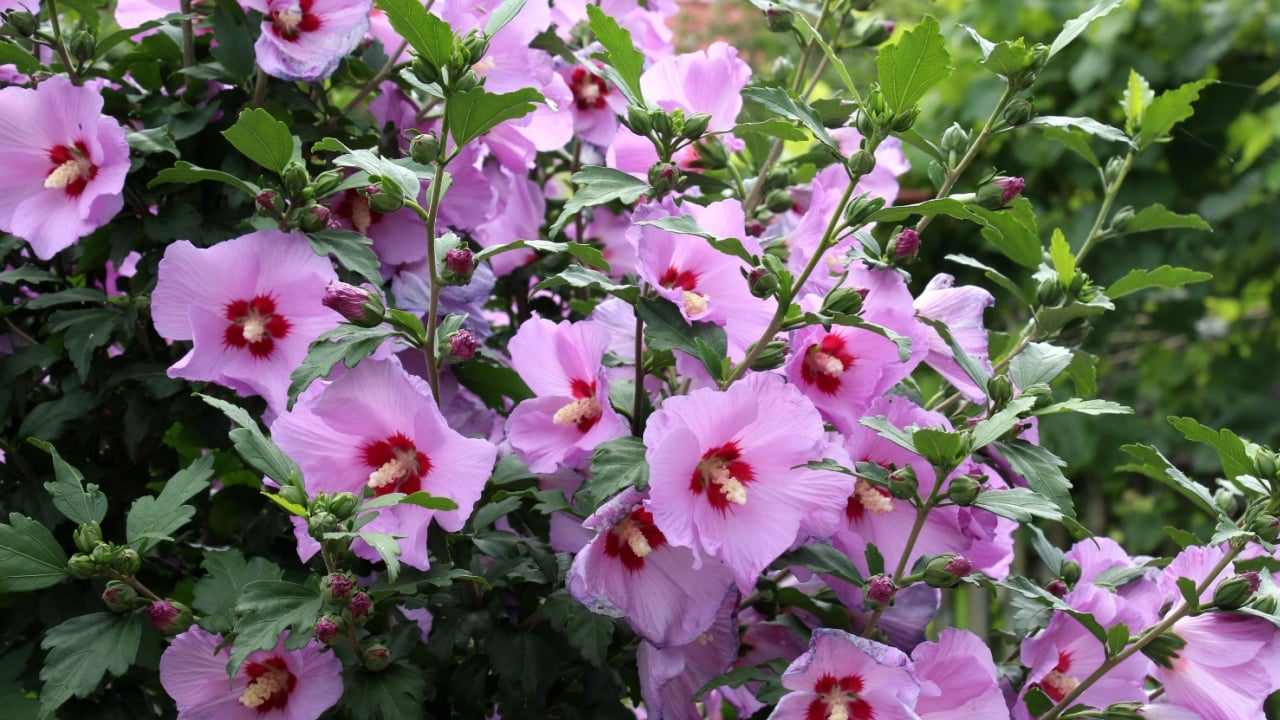
Wondering how to prune a hibiscus? Hibiscus plants are known for their spectacular flowers, which come in a wide range of colors. Hibiscus flowers are big and bold and can range from yellows and reds to pink, purple, and multicolor. It’s the perfect addition to your garden to make heads turn, and your neighbors wonder how you get your garden to be as beautiful! Pruning hibiscus is easy and will keep them in top condition!
Before you prune your hibiscus, you must know the different approaches. A complete prune is done to cut back, while corrective pruning is done to fix an issue on your plant. A hard prune is needed in the worst cases. Pinch pruning is for young plants, while selective and hard pruning is more drastic.
How and when you should prune your hibiscus could become tricky, but it could also become effortless as you learn how to do it properly. Hibiscus pruning is an important part of keeping the plant healthy and vigorous. The general rule of thumb is to prune hibiscus plants in late winter or early spring before new shoots begin. However, there are a few things to keep in mind when pruning hibiscus plants.
- Hibiscus blooms on new wood, so be sure to remove any old, dead growth that not only isn’t blooming, but takes away from the beauty of this ornamental shrub
- This plant can be an aggressive grower, so don’t be afraid to prune it back heavily (about one-third of the plant)
- Be sure to use sharp, clean pruning shears to make a clean cut and avoid transferring diseases from other plants
If you keep these tips in mind, pruning is a simple and easy way to keep your plants looking their best.
Why And When To Prune Your Hibiscus
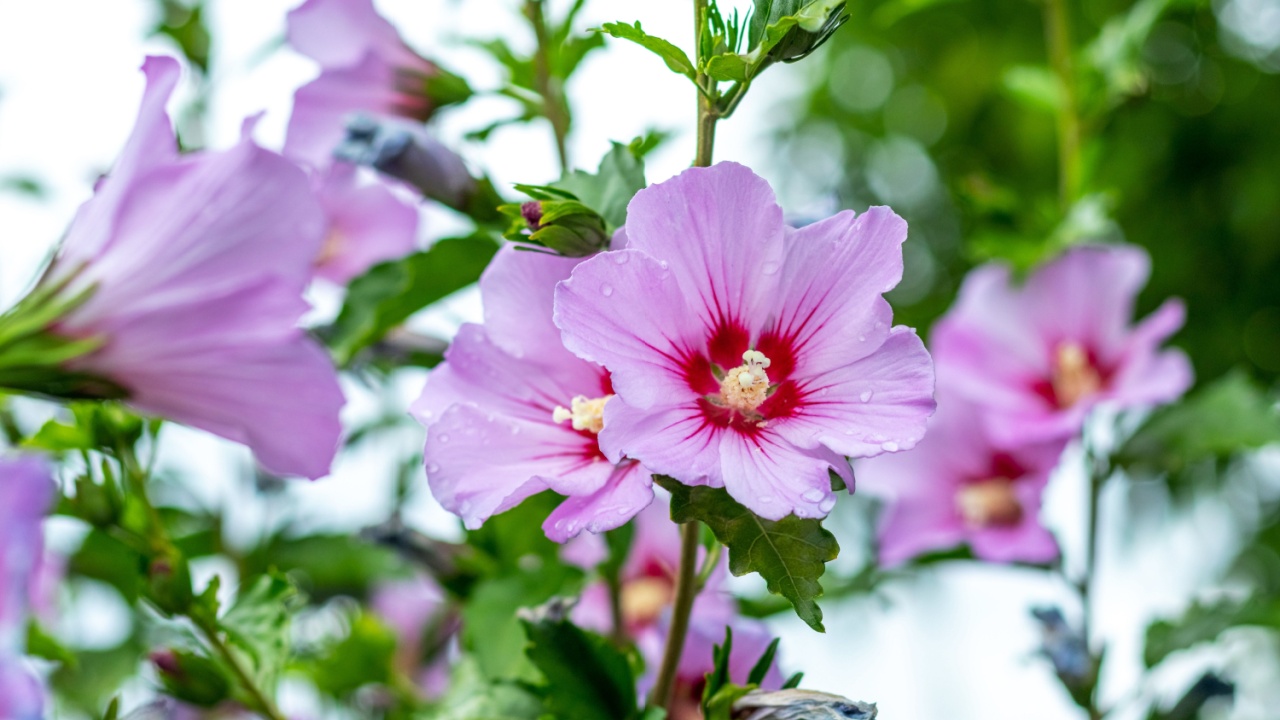
Hibiscus needs some trimming to help shape it, remove dead or diseased branches, and encourage new growth.
When you lightly prune the branch tips of your hibiscus, you encourage this beautiful plant to grow more branches, developing a fuller and bushier appearance and encouraging more blooms.
When to prune
When you should prune your hibiscus will largely depend on the growing conditions and area. It would be best to prune in early summer before plants start growing actively, so that when the summer heat comes they’ll push forward luscious new growth.
If you prune your plants before the winter months with cold weather, it could become stressed, resulting in severe dieback. When this happens, you can lose more of the plant than you want.
However, pruning in extreme heat conditions could also be equally stressful.
Which stems to prune
When you’re ready to start, the first step is to identify the stems that need to be removed. These include any dead or dying stems, as well as any that are crossing or rubbing against each other.
Once you’ve identified the stems that need to be removed, use sharp pruning shears to make clean cuts just above a leaf node. Be sure to make your cuts at a 45-degree angle, and resist the urge to cut too much off at once – hibiscuses are slow-growing plants, and it can take them a couple of years to recover from heavy pruning.
With a little bit of patience and practice, you’ll have your hibiscus bloom those gorgeous flowers in no time.
Hibiscus Varieties
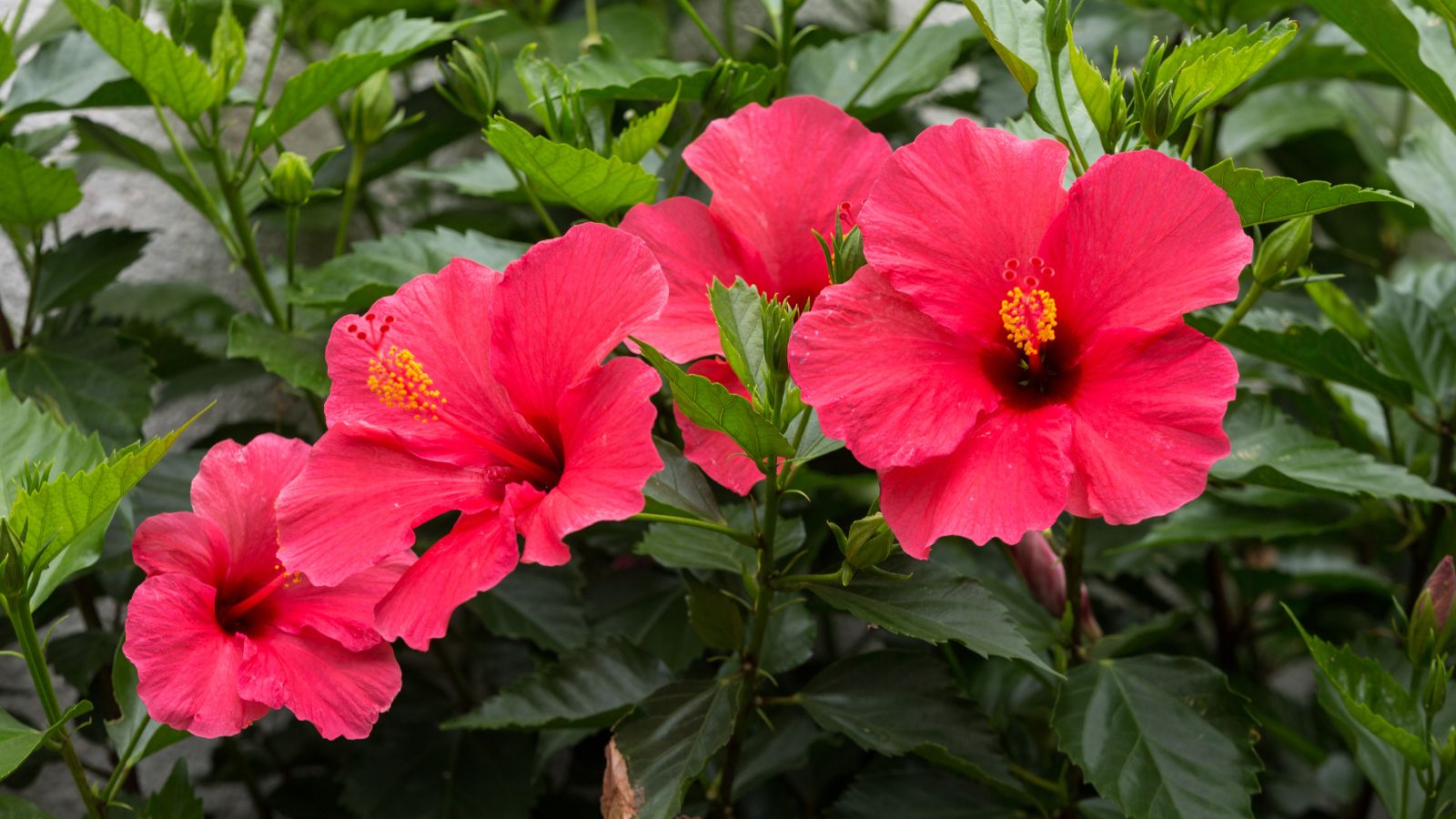
It can also be helpful to familiarize yourself with the different varieties of hibiscus. Hibiscus is a genus of flowering plants in the mallow family, Malvaceae. The genus is quite large, comprising several hundred species that are native to warm-temperate, subtropical, and tropical regions throughout the world.
Members of the genus include both annual and perennial herbaceous plants, as well as woody shrubs and small trees. The hibiscus flower is characterized by its large, showy blooms and its wide range of colors, including white, pink, red, orange, yellow, and purple.
Hibiscus plants are widely cultivated for their attractive flowers, but they also have a number of culinary and medicinal uses. In addition, hibiscus fibers are used to make rope, paper, and cloth.
Check out these companion plants for hibiscus and create a garden you’ll fall in love with.
Hibiscus varieties include:
- native hibiscus
- tropical hibiscus
- hardy hibiscus
- perennial hibiscus
- annual hibiscus
- common hibiscus (Hibiscus syriacus)
- Chinese hibiscus (hibiscus rosa-sinensis)
- swamp rose mallow (hibiscus moscheutos)
This woody plant needs regular pruning and understanding which variety you have will help you do so correctly and efficiently. This is also a good time to think about the overall shape of the plant and how you want it to look when it grows back, as pruning can impact this, too.
Tools Needed
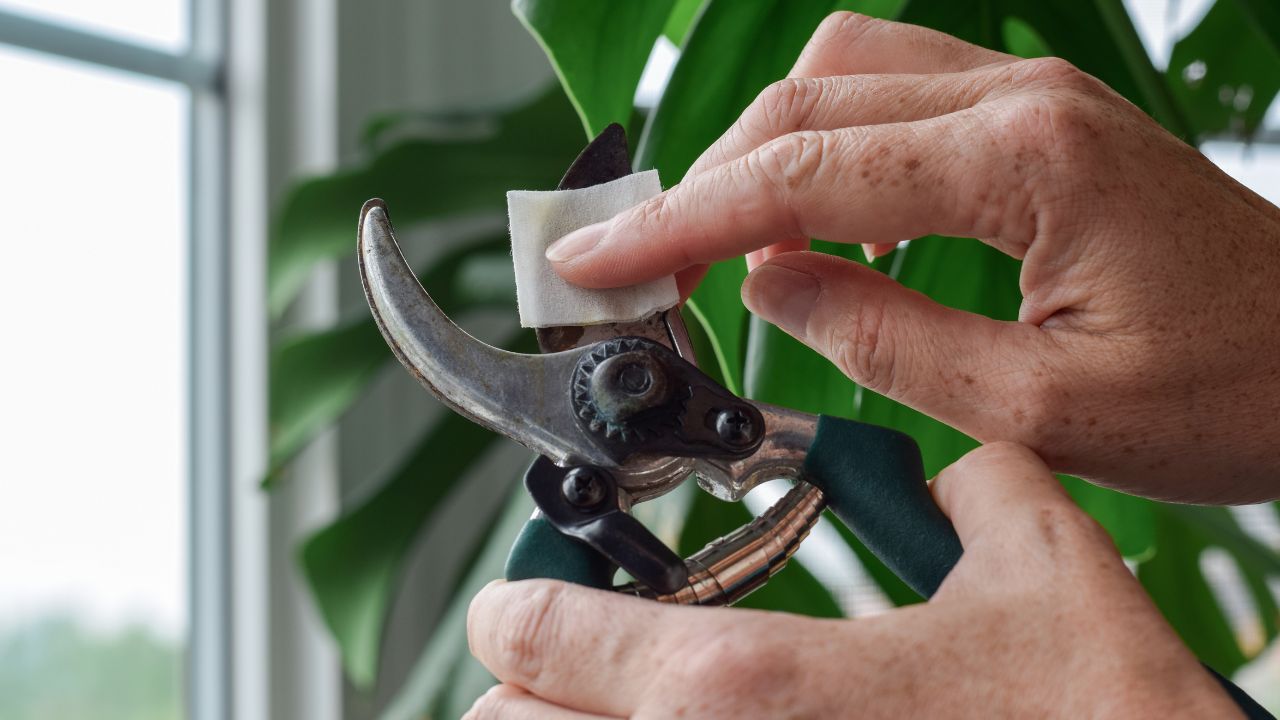
When you decide it’s the ideal time for your hibiscus to be pruned, you may have some questions about what you need. The only pruning tool generally needed is a pair of good-quality pruning shears, also called pruners.
Always ensure your pruners stay sharp and clean, as dirty pruners could spread diseases to your hibiscus and the rest of your garden. So along with your pruners, make sure you have a bottle of alcohol hand cleaner and use it every time you cut a diseased part of your plant or move to a new bush.
How to Prune a Hibiscus Plant- 1. Complete pruning
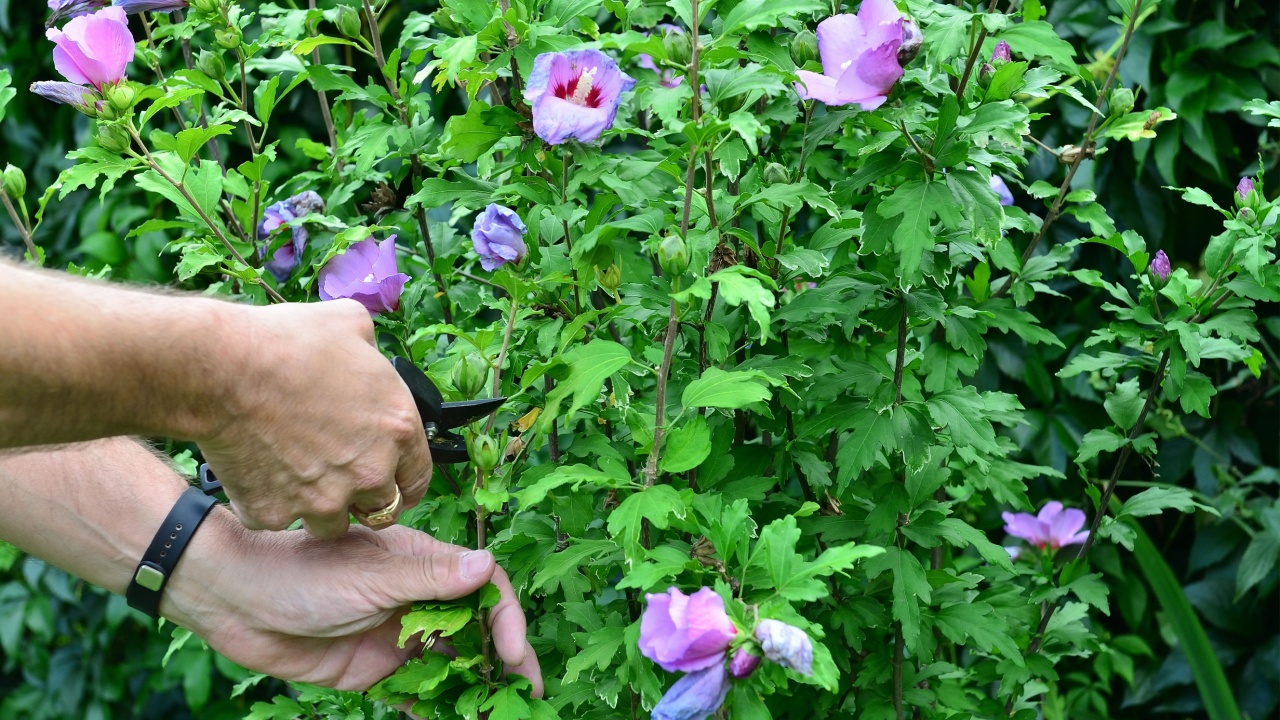
With the right information on when and why you prune, and armed with the best tools, it’s time to get started cutting back those plants. Hibiscus plants can be aggressive growers, so don’t be afraid to prune them back heavily.
Next, we will be looking at the five possible types of pruning you can conduct on your hibiscus:
Complete pruning is a process of cutting back your entire hibiscus plant very early in the season, allowing you to produce the fullest crop of flowers possible. A hard prune or full prune might include one-third or more of the plant.
A complete prune will require you to cut back almost all of your hibiscus plant. You need to cut each branch so that only about two to three nodes remain per branch.
However, you should remember that you should never cut more than two-thirds of any portion of the branch. It’s also important to remember that a clean-cut is needed to avoid harming the branches and preventing new growth. This is also why your pruning shears should always be very sharp.
2. Corrective pruning
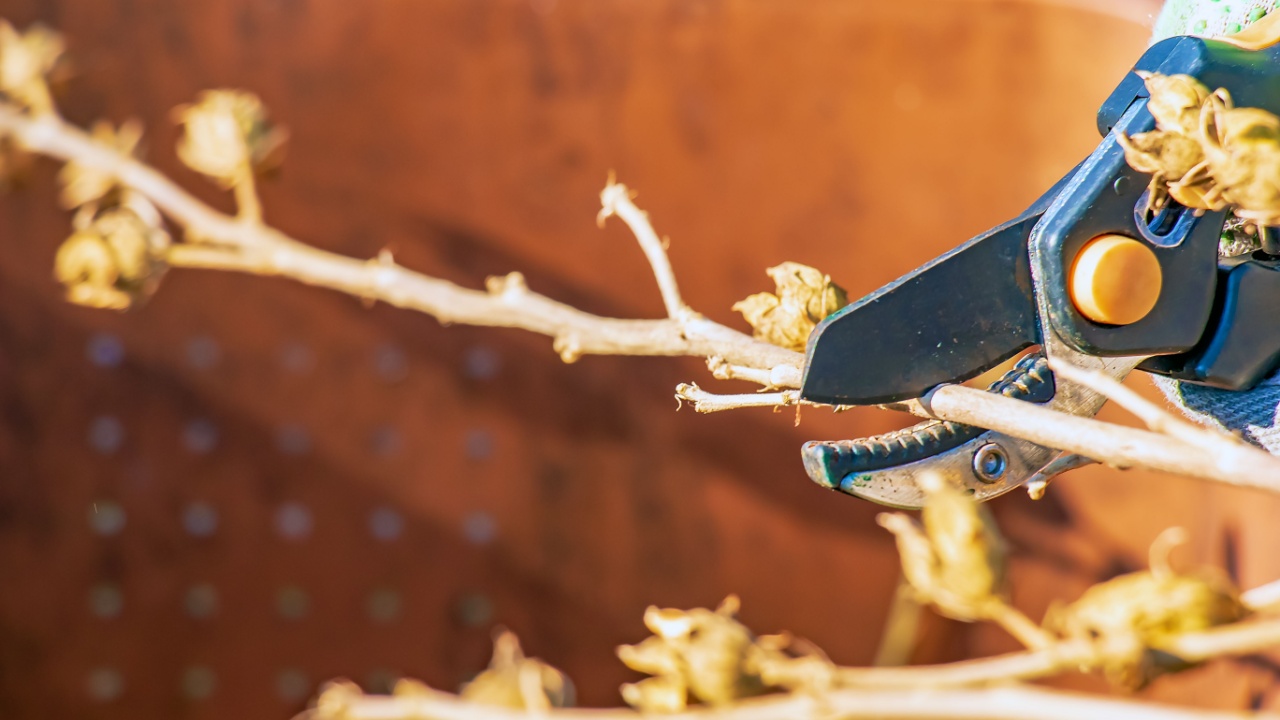
As you might already think, corrective pruning is only done when a particular issue on your hibiscus plant needs to be fixed.
Generally, corrective pruning needs to be done on the diseased or damaged portions of a hibiscus plant. Try to cut down as far as needed on the damaged branches until the insides are exposed after a cut.
If you prune a branch but the wood is white and hard, you can assume that it is already dead and will not recover with new growth.
3. Pinch pruning
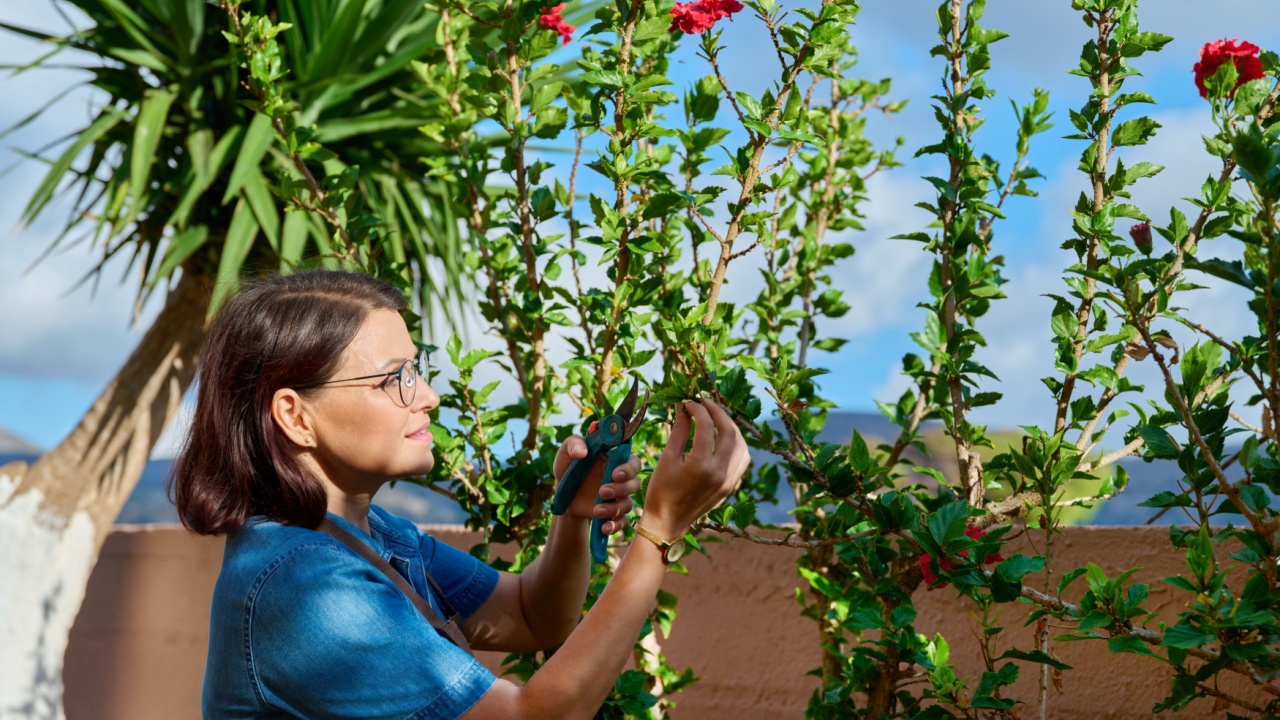
The lightest approach you could take is known as “pinch” pruning, where you cut off only the ends of the branches close to the top. This will stimulate the Hibiscus to grow without losing its full and luscious appearance.
Pinch pruning is known to be the safest for beginner pruners to do successfully, but it should be kept in mind that this type of pruning should only be done on small or young plants.
Young plants won’t need much pruning during the early stages of their lives to promote new growth. You can cut the tips of each branch at the top part or higher.
4. Selective pruning
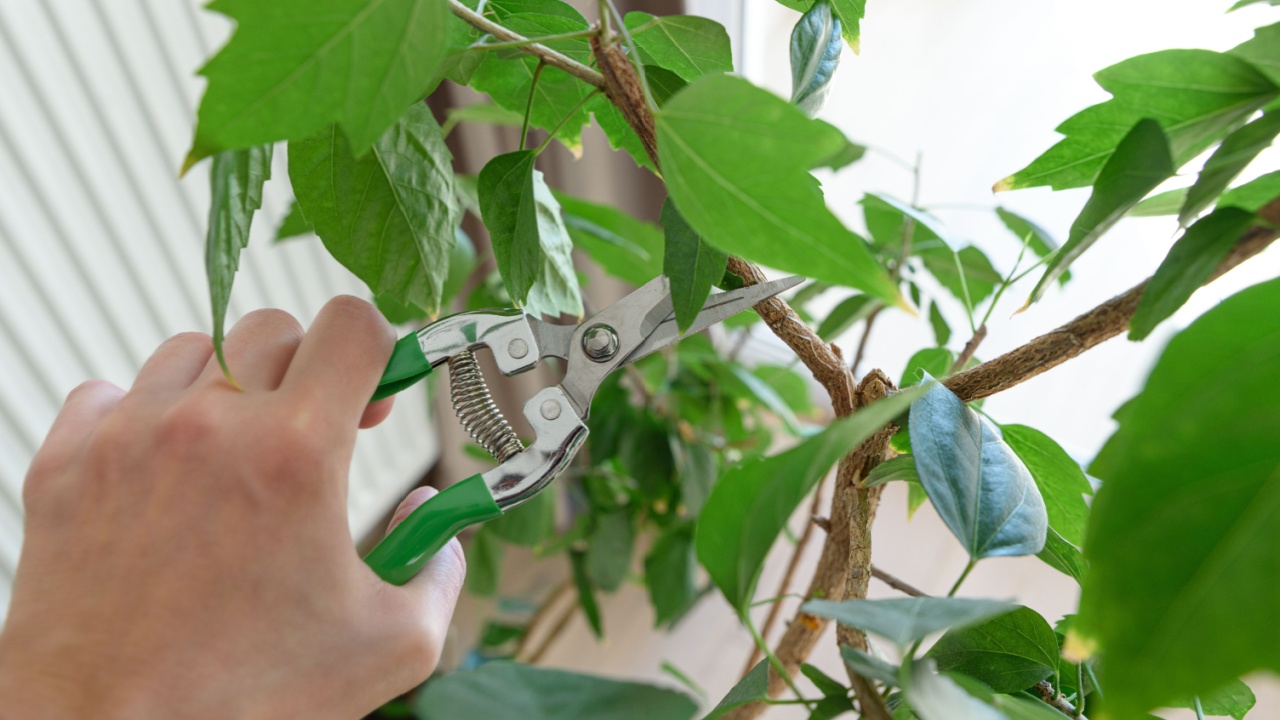
If you feel you need to take more drastic measures, you can try moving one step above pinch pruning. Selective pruning involves cutting off bigger sections of your plant, but only in specific parts, to maintain the bush’s general shape and size.
When doing selective pruning, you should try your best to find nodes about one-third away from the branch’s top and cut just above it.
You can do this to most branches to develop enough space for new and healthy growth.
5. Hard pruning
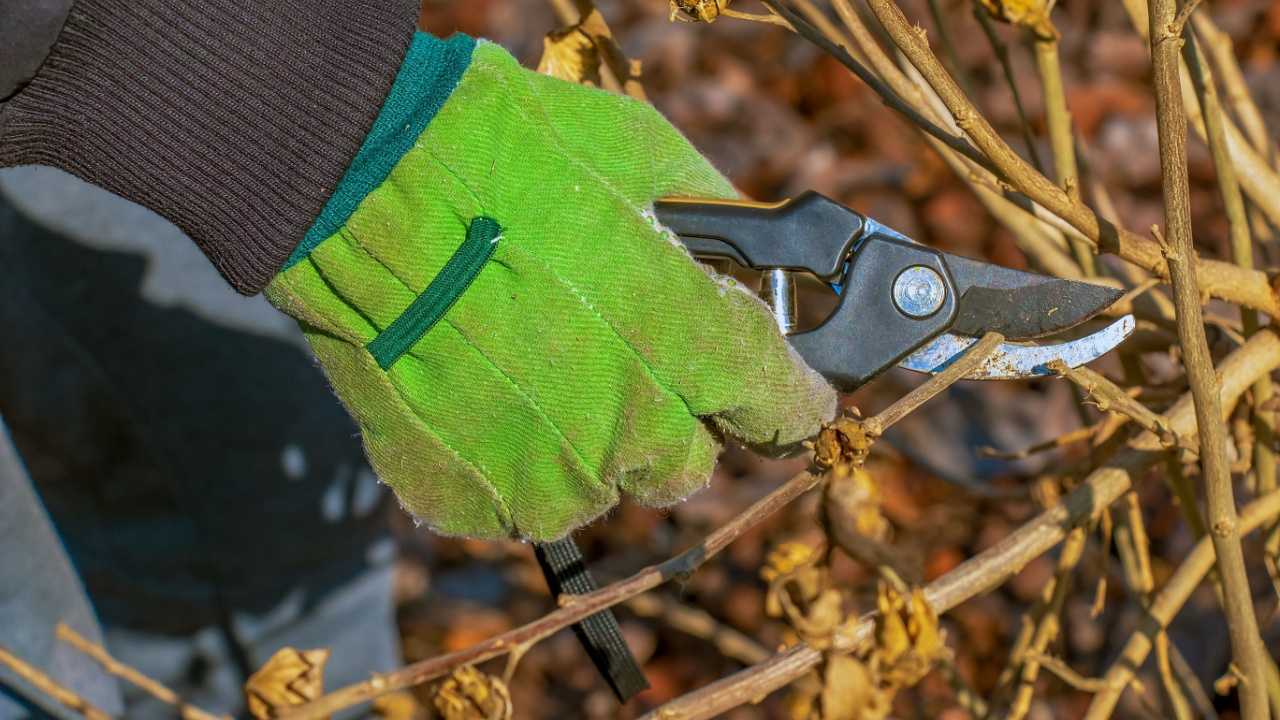
Lastly, it might be needed to do a hard prune. A hard prune should only be done in the worst cases, where your hibiscus bush is nearly dead or severely damaged.
A hard prune will involve cutting down all the branches, exposing living growth. In this case, you can only hope that a hard prune causes the plant to start growing again.
Unfortunately, there is always the possibility that a hard prune may not be effective if the plant is already dead. This is why it’s important not to wait too long to provide the routine maintenance the plants need to thrive.
Now that you know there are many different approaches you can take to prune your hibiscus, you can consider all of them!
Pruning Other Flowers

Each flower is a little different for what it needs and how it’ll respond to pruning. If you have other flowers to prune, such as roses or hydrangeas, be aware they require different care.
FAQ
Here are some questions people commonly have when it comes to pruning a hibiscus.
When should you prune a hibiscus?
How far back should I cut my hibiscus?
How hard can you cut back hibiscus plants?
How do I prune a hibiscus plant?
Hibiscus plants are known for their large, beautiful flowers. However, these dramatic blooms come at a cost – hibiscus plants require frequent pruning to prevent them from becoming overgrown. Pruning your hibiscus plant or plants could become stressful, especially if you are not an experienced gardener or pruner. However, when you take the time to learn how to do it correctly, you’ll feel much more confident with the process and your plants will be healthier, too.
For best results, follow the guidelines here on how to prune a hibiscus. As long as you keep the different types of pruning in mind and when you should make use of them, you will get more comfortable as you learn along the way and might even become excited when you notice your hibiscus is in need of a prune.