Easy Ways to Boost Nitrogen in Your Garden Soil
Nitrogen is essential for healthy soil. Do you know how to add nitrogen to soil? Nitrogen is a key nutrient for plants, and it helps to promote growth. There will be some in the soil naturally, but there are also times when you need to add it to your soil.
There are a few ways to add nitrogen to the soil, including planting nitrogen-fixing crops, such as peas, clover, or beans, using nitrogen-rich fertilizers, compost, and manure. Each method has its own advantages and disadvantages, so it’s important to choose the right one for your needs.
Nitrogen-rich fertilizers can be expensive, but they’re quick and easy to use. Compost and manure take longer to break down and release nitrogen into the soil, but they’re often more affordable. How can you choose which method is best for you? Should you use both? How do you know when your soil needs more nitrogen? Let’s explore.
How to Add Nitrogen to Soil

One way to balance nitrogen in the soil is to add organic matter. Organic matter helps to improve soil structure and drainage while also providing nutrients for plants. Adding compost or manure to the soil can help to increase organic matter levels and improve nitrogen balance. Additionally, planting cover crops such as legumes can also help to fix nitrogen in the soil and improve its quality.
Here are the best ways to add nitrogen to soil:
- All-purpose organic fertilizer
- Organic lawn fertilizer
- Plant-based products
- Fish and animal by-products
- Certain animal manure
- Homemade compost
Now, let’s break it down in more detail.
1. All-Purpose Organic Fertilizer
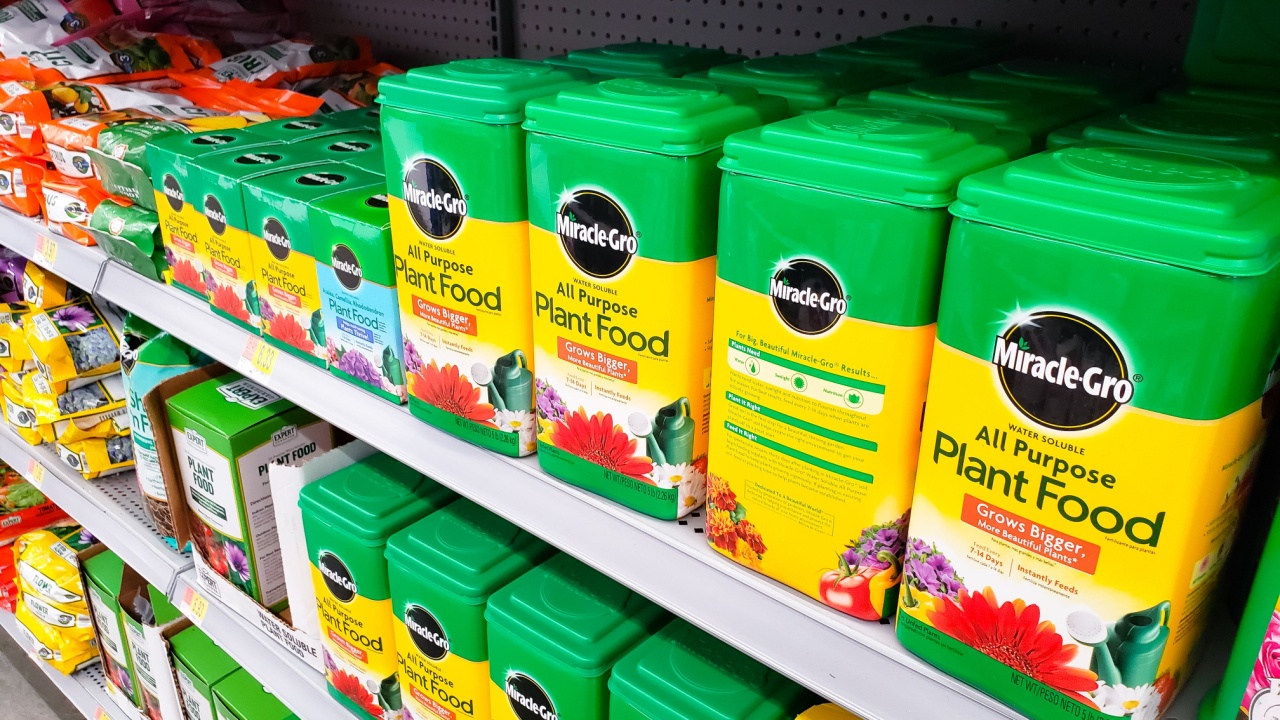
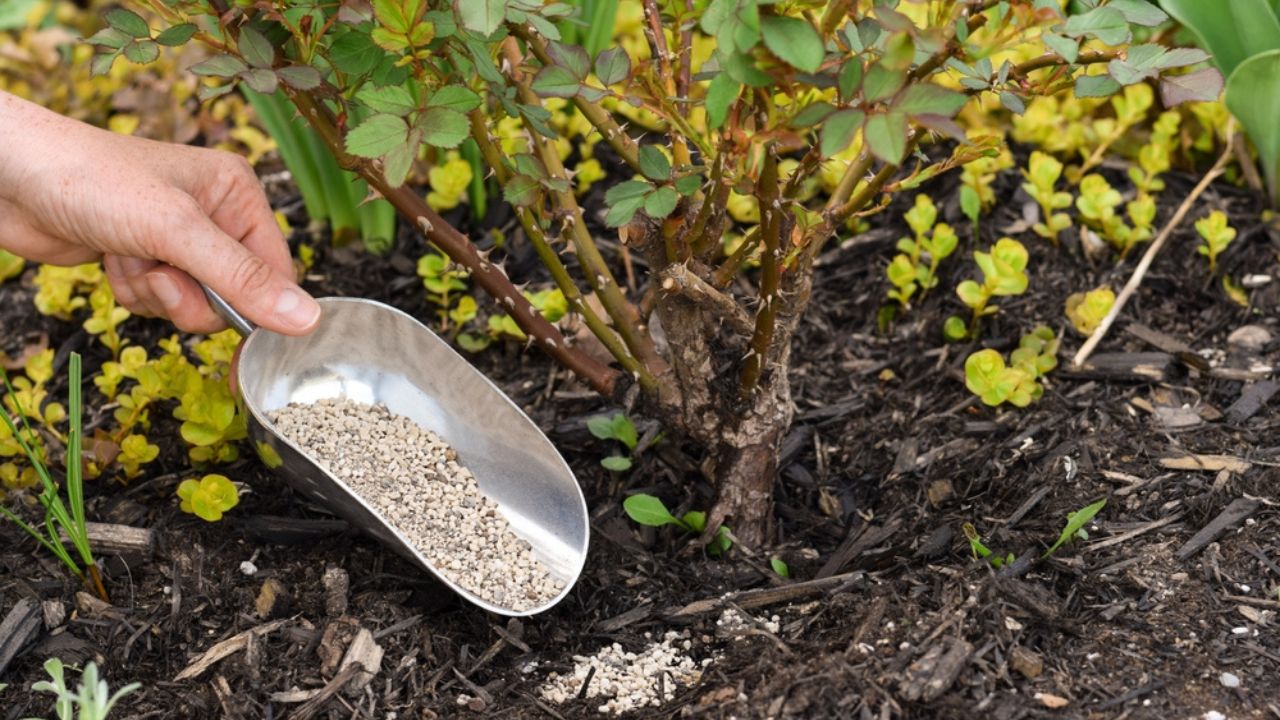
All-purpose organic fertilizers are one of the quickest and easiest ways to get more nitrogen into your soil. It comes in several formats, including water-soluble powder, packaged liquid, and granular bits.
The percentage of total nitrogen will be labeled on the container, and there are several brands like Espoma, Miracle-Gro, and Neptune that carry all-purpose fertilizers.
2. Plant-Based Products
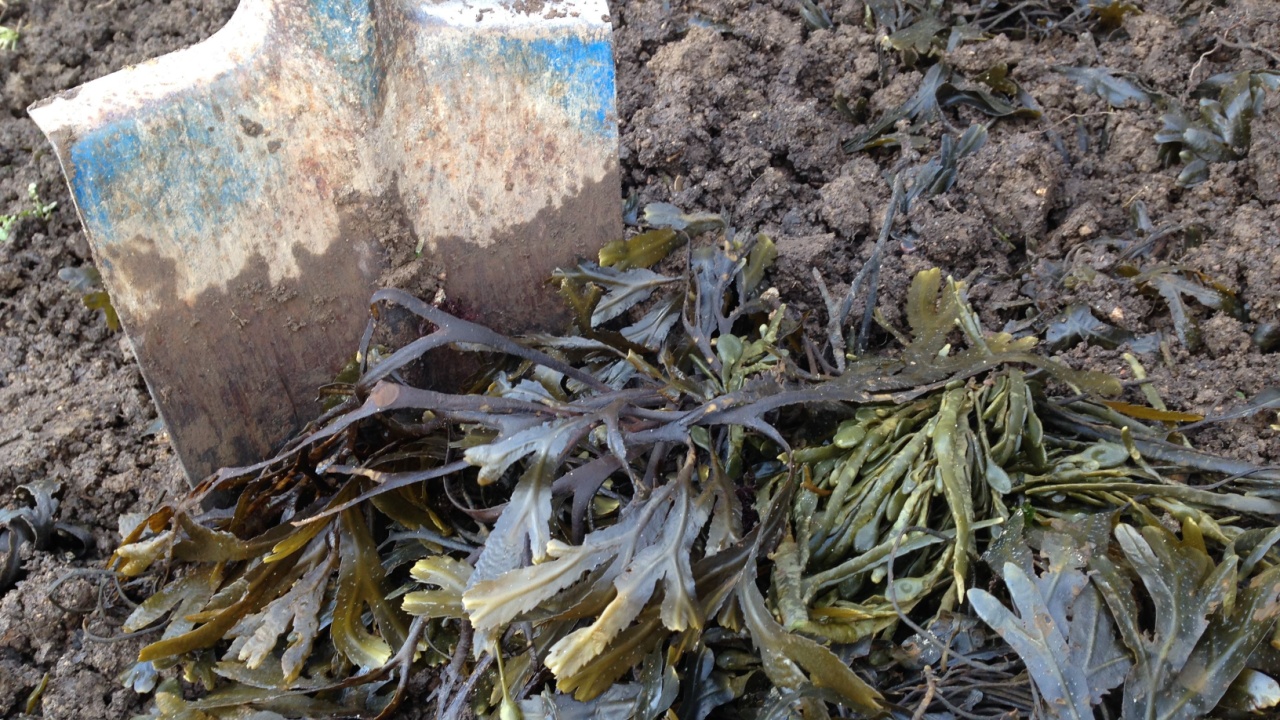
There are also many plant-based fertilizing products that you can use to add nitrogen to the soil. Seaweed fertilizer, alfalfa meal, corn gluten meal, fruit vinegar, and neem seed meal are a few examples.
Each of these has a specific way it functions and might serve a dual purpose. For example, corn gluten meal is also called “natural weed and feed” because, in addition to giving the soil nitrogen, it also helps prevent weeds.
3. Fish and Animal By-Products
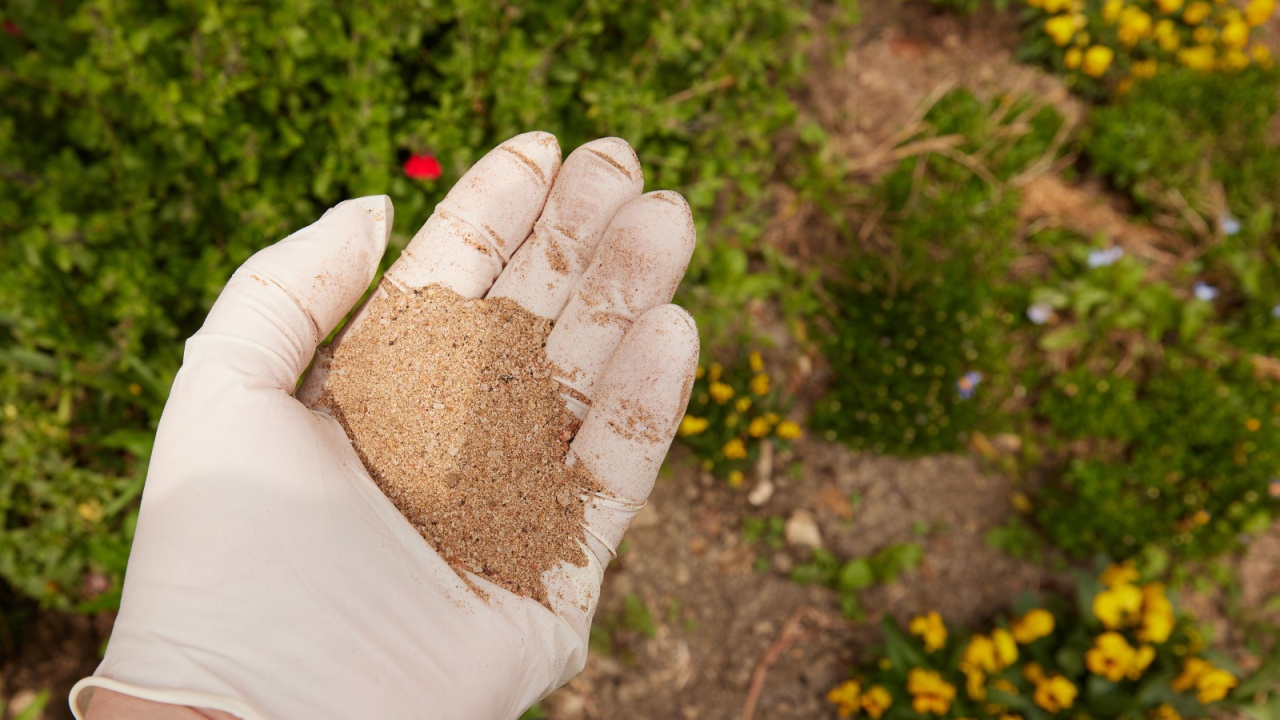
Fish and animal by-products (fish emulsion) can also help you add more nitrogen to the soil.
Blood meal is commonly used. This is a concentrated form of nitrogen, so you do have to be careful with it. It’s very easy to burn your plants when it is overapplied.
4. Certain Animal Manure
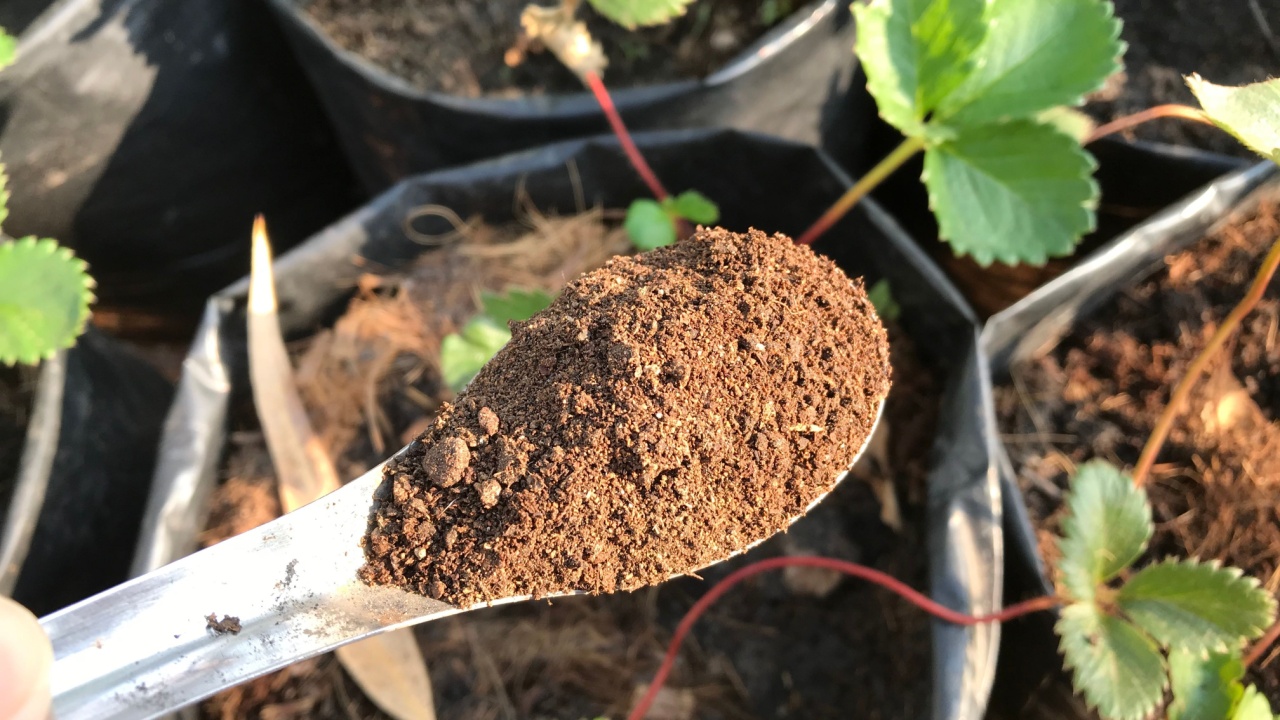
Manure can also be used to help add nitrogen to the soil. Chicken manure is the most commonly used, and it works out well if you raise chickens in addition to your gardening because you will have it readily available to you. Bat guano (poop) and earthworm castings are other options.
Most gardeners use what is most easily available to them. If manure is not an easy access choice for you, then you’ll probably prefer one of the other options on this list.
5. Homemade Compost

You can also use your own homemade compost to help add nitrogen to the soil. This could include grass clippings and yard waste, and other organic compost materials. Let’s look at some things you might already be using at home that can help boost nitrogen in the soil.
6. Organic Methods of Boosting Nitrogen in the Soil: Banana Peels
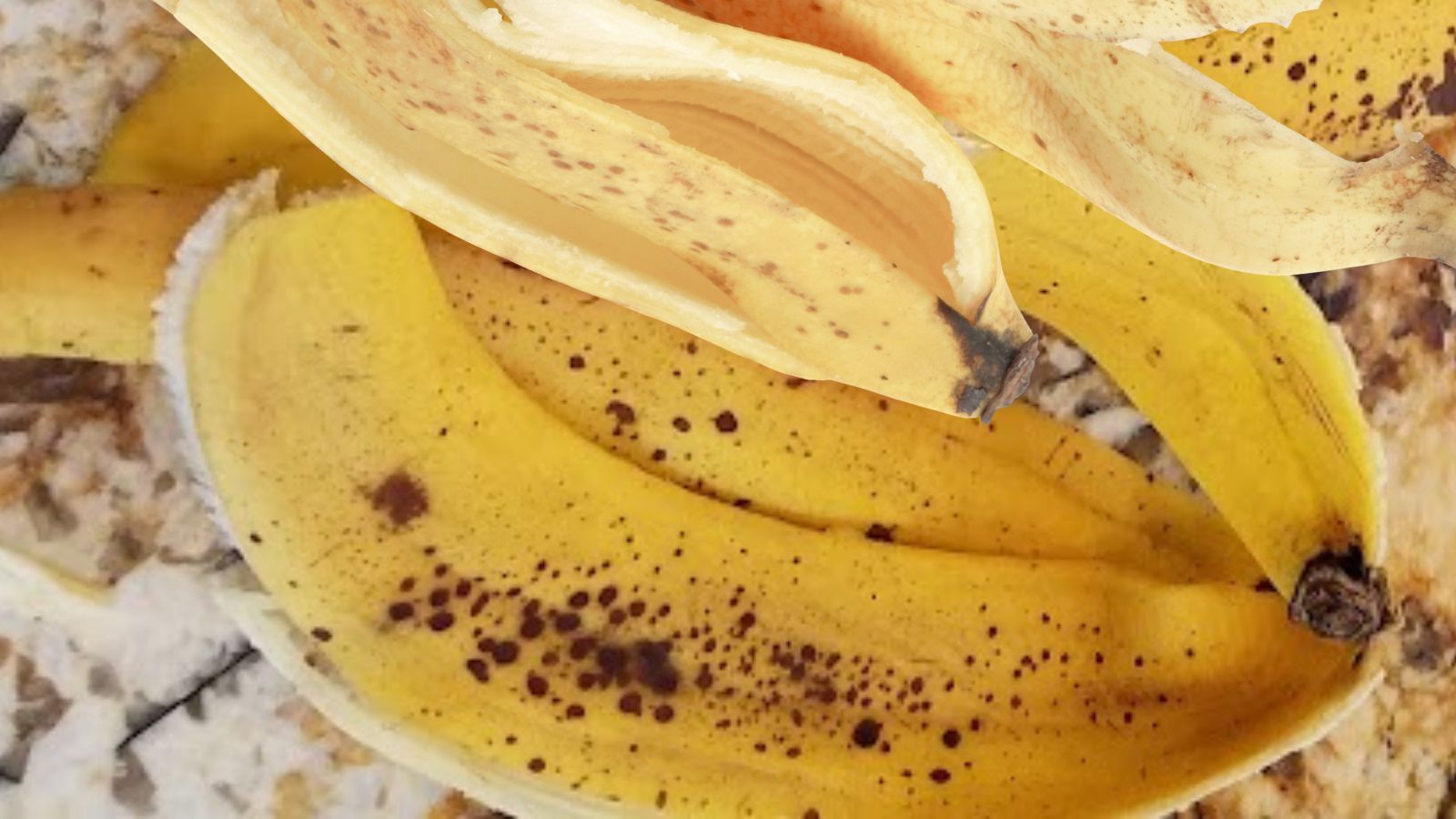
Here are some ways you can safely and easily boost the nitrogen in your soil. While fertilizer can be a quick fix, these can all be used to add more nitrogen to your soil over time. First up, bananas.
Putting banana peels on the bottom of your compost pile or adding them directly into your flower bed before you plant is a great way to add some nitrogen naturally. If you put them under your plants, be sure to allow them to degrade a few days before you put your flowers in.
Coffee Grounds
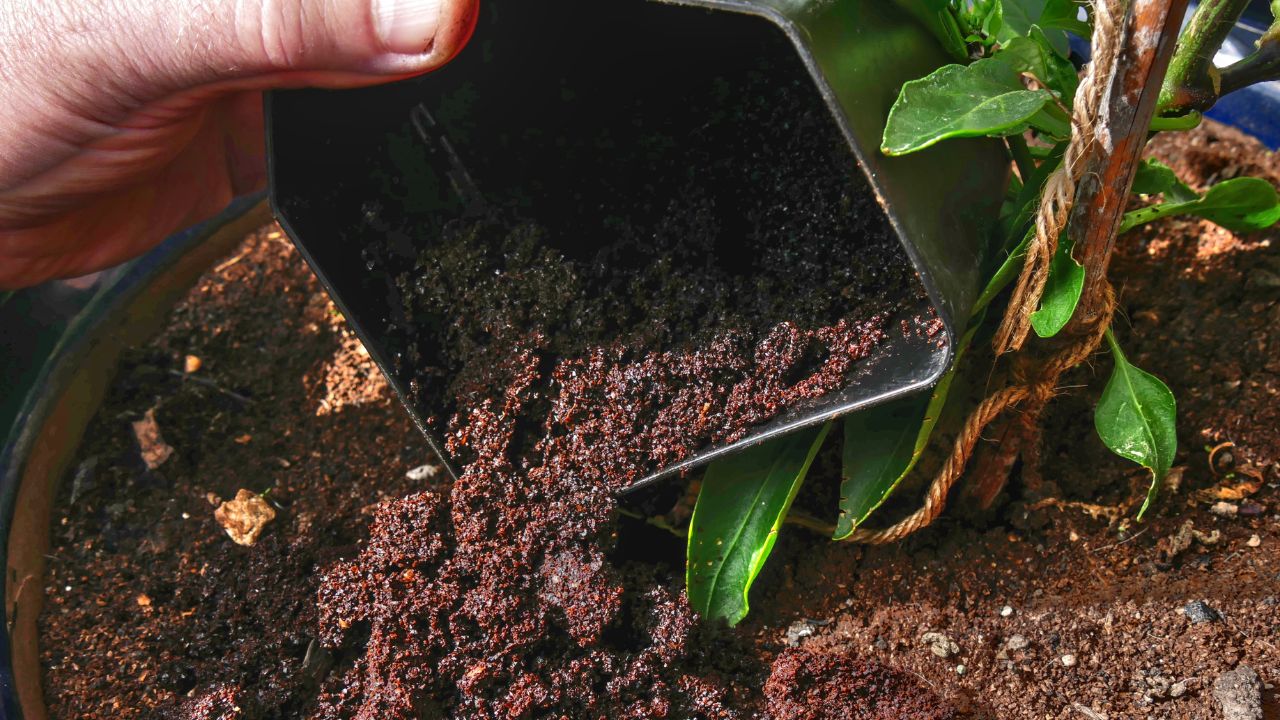
You can save your coffee grounds and reuse them in your garden, too. Coffee releases nitrogen into the soil. It also has magnesium, copper, phosphorus, and potassium. You can sprinkle them directly into your soil, or you can also add coffee grounds to the compost pile.
The coffee grounds break down quickly, and they can also help balance the pH in your soil.
Eggshells
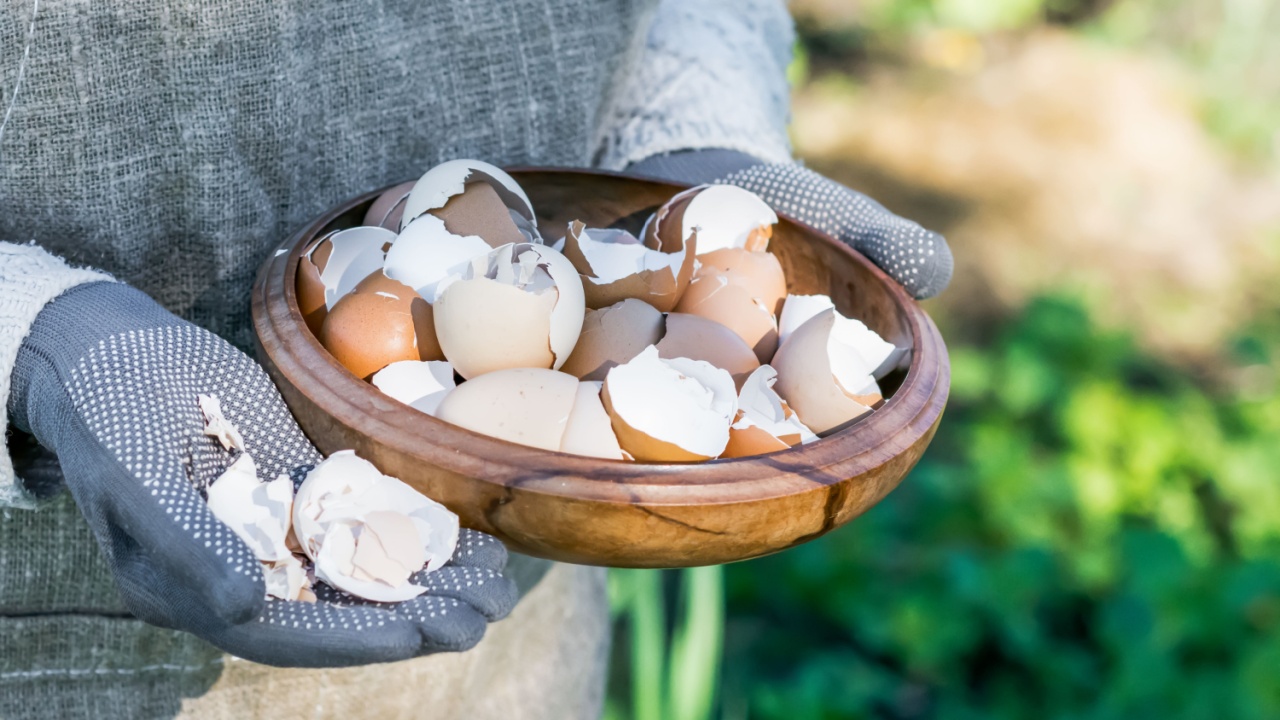
Eggshells are commonly used in the garden, and this is another way to boost nitrogen in your soil. You can dry them and crush them and then add them directly to the soil or to your compost pile.
Weeds and Legumes

You can use plants in the legume family to convert nitrogen from the air into a compound that the plants are able to use. This i why legumes, such as beans, are a common cover crop between seasons.
My favorite method of adding nitrogen to the soil is growing plants that do it for me! Peas, beans, clover, peanuts, and alfalfa are great for adding nitrogen to the garden. And you get to eat them too.
You can also take weeds or grass clippings from your yard and put them in the compost pile. If you use a mulching mower, this makes it even easier to use your grass clippings for this.
Fish Tank Water

Here’s one you may not have thought of: fish manure is high in nitrogen, potassium, and phosphorus. This makes it a great natural fertilizer, so each time you clean out your fish tank, you can save the old water in a bucket and then feed your plants with it. Just be sure not to use it if you have had sick fish or used medicine for sick fish. This can harm or kill your plants.
Low nitrogen levels can cause unhealthy soil and low plant growth, but there are many great ways of improving it. From natural ways to get enough nitrogen to chemical fertilizer and compost, it’s all about finding what works best for you.
Why Do Plants Need Nitrogen?

Although nitrogen makes up most of the air around us, plants can’t use it in that form. Instead, they absorb nitrogen through their roots in the form of nitrates. This happens thanks to soil bacteria that first convert nitrogen from the air into ammonia, then into nitrites, and finally into nitrates—a process that requires oxygen.
Ultimately, nitrogen helps plants grow, make food, and carry out all the internal processes needed to thrive.
How Nitrogen is Added to Soil
For gardening nerds, keeping reading. Otherwise, the TLDR is: nitrogen is important and the plant world knows what it’s doing.
Nitrogen converts into different forms as it moves through the different parts of the ecosystem, including the soil. It has a cyclic nature to it, and when it comes to gardening, we can help it along in the process when needed.
How does it work? Bacteria helps bring atmospheric nitrogen down into the earth and nitrogen can also be transported through soil by groundwater.
Nitrogen can be added to soil in a number of ways, including through the decomposition of organic matter and the use of nitrogen-rich fertilizers. However, nitrogen can also be introduced into the soil through the process of nitrogen fixation, as referenced above.
Nitrogen fixation is a natural process in which nitrogen-containing molecules are converted into nitrogen gas. This gas is then used by bacteria to create ammonium, which is then absorbed by plants. As a result, nitrogen fixation plays an important role in maintaining healthy levels of nitrogen in the soil. You can add nitrogen to your soil directly through fertilizer, and indirectly by assisting in the process of nitrogen fixation.
How to Balance Nitrogen in the Soil

Too much nitrogen can lead to excessive growth of plants (and “burning”), while too little nitrogen can stunt plant growth. The key to maintaining a healthy nitrogen balance is to rotate nitrogen-rich and nitrogen-poor crops.
This is also very important in farming. Nitrogen-rich crops include beans, peas, and lentils, while nitrogen-poor crops include corn, wheat, and oats. By rotating these crops, farmers can help to ensure that their soil remains healthy and productive.
You should always do a soil test before adding any fertilizer to your soil, in order to know exactly which nutrients are out of balance. The best soil tests will also tell you what is needed to bring the nitrogen levels up properly.
When in doubt, use the least amount possible. Too much fertilizer is bad for your soil and also for the ecosystem around it. You should only add nutrients when they are truly needed.
Signs You Need to Supplement Nitrogen
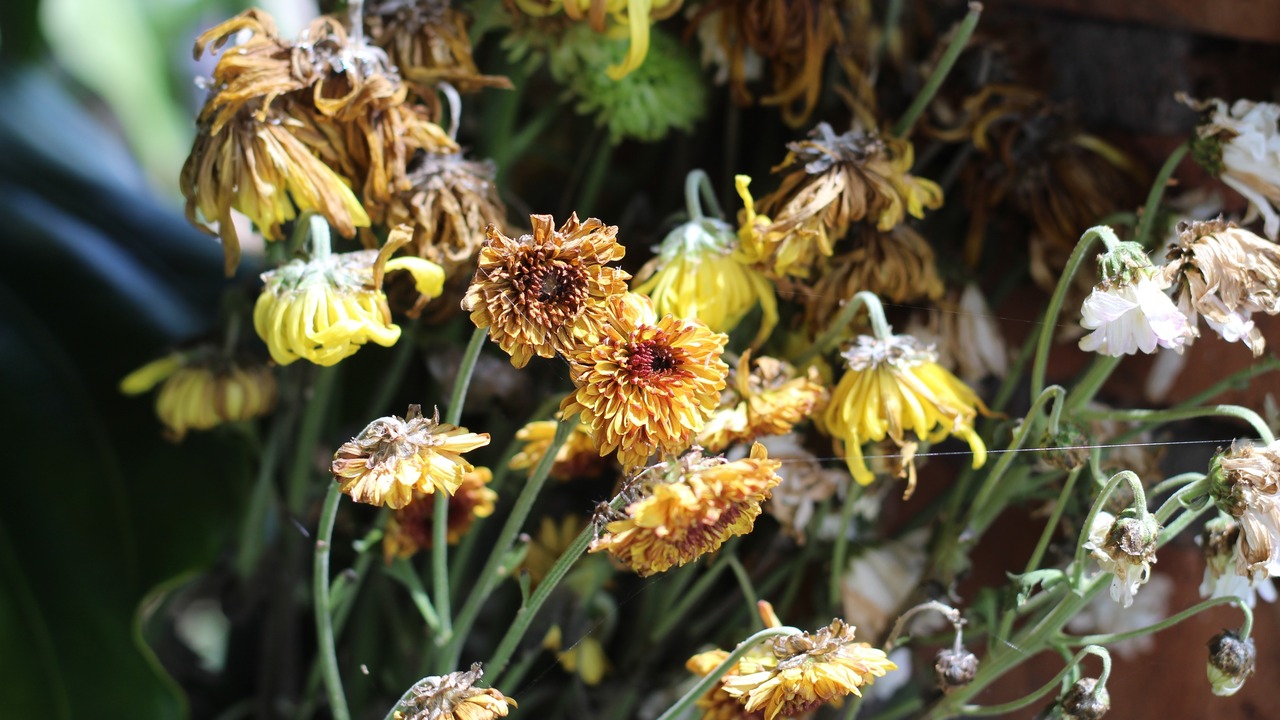
If your soil has a nitrogen deficiency, then you may need to do something to help supplement it (pick one of the methods we discussed above). An imbalance of nitrogen in the soil can lead to stunted growth, yellow leaves, and weak stems. While nitrogen is essential for plant growth, it is also important to keep nitrogen levels in check.
If your soil is lacking nitrogen, here are some signs you may see:
- Leaves turn from green to pale green to yellow
- Plant wilting
- Necrosis (dead tissue)
However, there are many other things that can cause the same symptoms. At the end of the day, there’s no way to be 100% certain without a soil test.
Soil Testing Kits
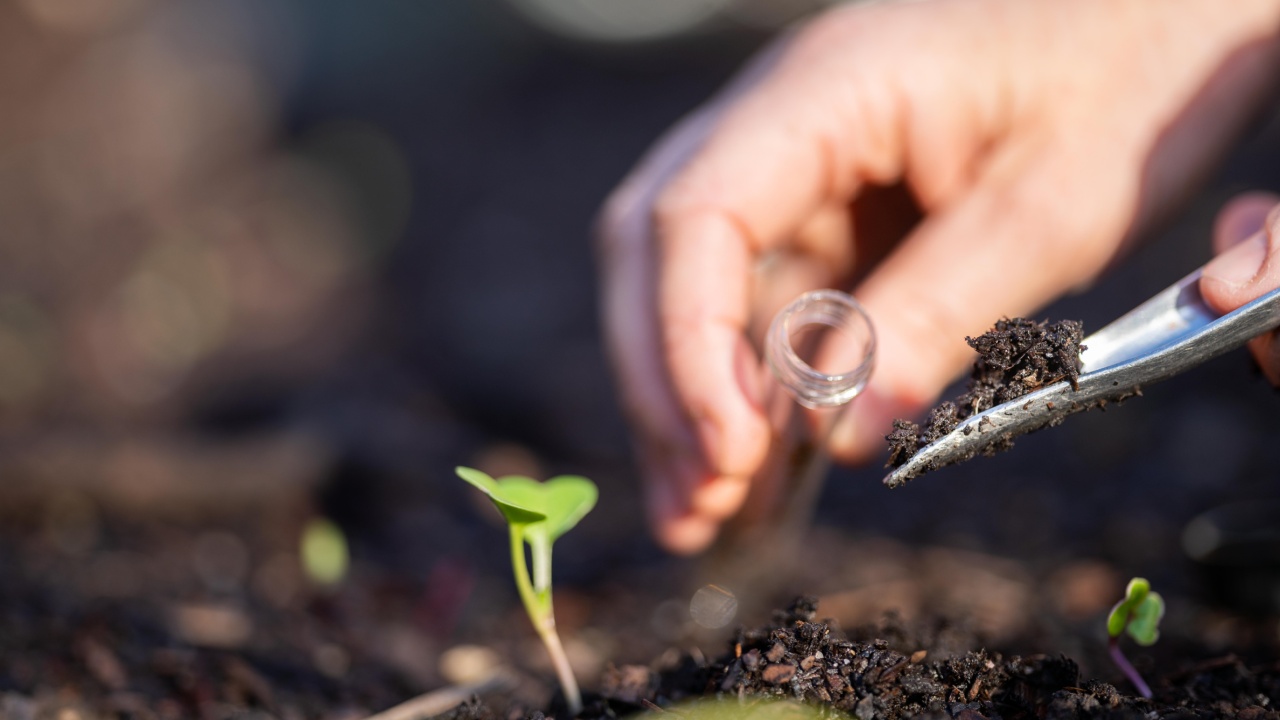
The only way to accurately test the nitrogen levels in your soil is with a soil test. You can find them at your local plant nursery, hardware store, or on Amazon. Here are some to consider:
- MySoil – Soil Test Kit: Here is a common, dependable soil testing kit that helps you take control of the nutrients in your soil by monitoring for any deficiencies. It’s easy to use, even if it’s your first time.
- Rapitest Test Kit for Soil pH, Nitrogen, Phosphorous, and Potash: This is a super simple, rapid results, a disposable testing kit that you can purchase and have on hand for whenever you need them. They’re very convenient.
- LaMotte N-P-K Soil Test Kit: This is an easy-to-use, complete soil testing kit that will allow you to track the nutrients in your soil and look for any deficiencies.
- Soil Tester, 7-in-1 Soil pH Meter Kit with Moisture, Temperature, Conductivity, Nitrogen, Phosphorus, and PH Test: If you know that you will be testing your soil a lot, you may opt for a meter like this one, rather than using disposable test kits. It’s all up to you, how often you will use it, and what method you think is easiest.
Typically, these soil kits test for NPK – the three important nutrients to the soil: nitrogen, phosphorus, and potassium. Your fertilizer labels will also contain numbers that represent the ratio of each one. For example, 10-10-10 pr 10-8-10.
Time to Experiment

Ultimately, the best way to add nitrogen to the soil is to experiment and find what works best for you. It’s also important to take your specific needs into account. When you need a quick fix, you may require a fast method like fertilizer. However, if you’re looking to keep the natural nitrogen levels up over time, then adding some of the organic methods into your regular routine can work.
It’s always a smart idea to keep some soil testing kits on hand so you can use them in a pinch if you suspect something is off. Nitrogen is an essential nutrient for the growing season, and if you have a deficiency in your garden soil, you may need to take steps to add nitrogen to it. These tips can help you find the best methods of doing that.