9 Steps to Winterize Your Vegetable Garden (And Avoid This One Costly Mistake)
The costliest mistake a vegetable gardener makes all year isn’t a frozen tomato or a missed harvest. It’s the drip line still full of water, or the hose still screwed onto the spigot, on the first night the thermometer drops into the teens.
The second mistake is quieter but just as common. We’ve all heard that a messy fall garden is good for wildlife, and in a flower border that’s true. But a vegetable patch plays by different rules. Those blight-spotted vines, split tomatoes, and collapsed squash leaves are exactly where next summer’s diseases and pests plan to spend the winter. Many of us rake the lawn spotless and leave the tomato cage tangled with sick vines until April.
Right now, the soil is still soft enough to work, garlic is waiting to go in, and you have a few weeks before the ground locks up. A bed put to bed properly also dries out and warms up faster in spring, so you can plant peas and lettuce earlier. And a little work this month means a lot less heavy digging next April.
Here is how to winterize your vegetable garden in nine steps, ordered by what’s at stake. Some protect next year’s harvest, some save you money, and one protects your house. Start with that one.
1. Drain Drip Lines and Disconnect Every Hose
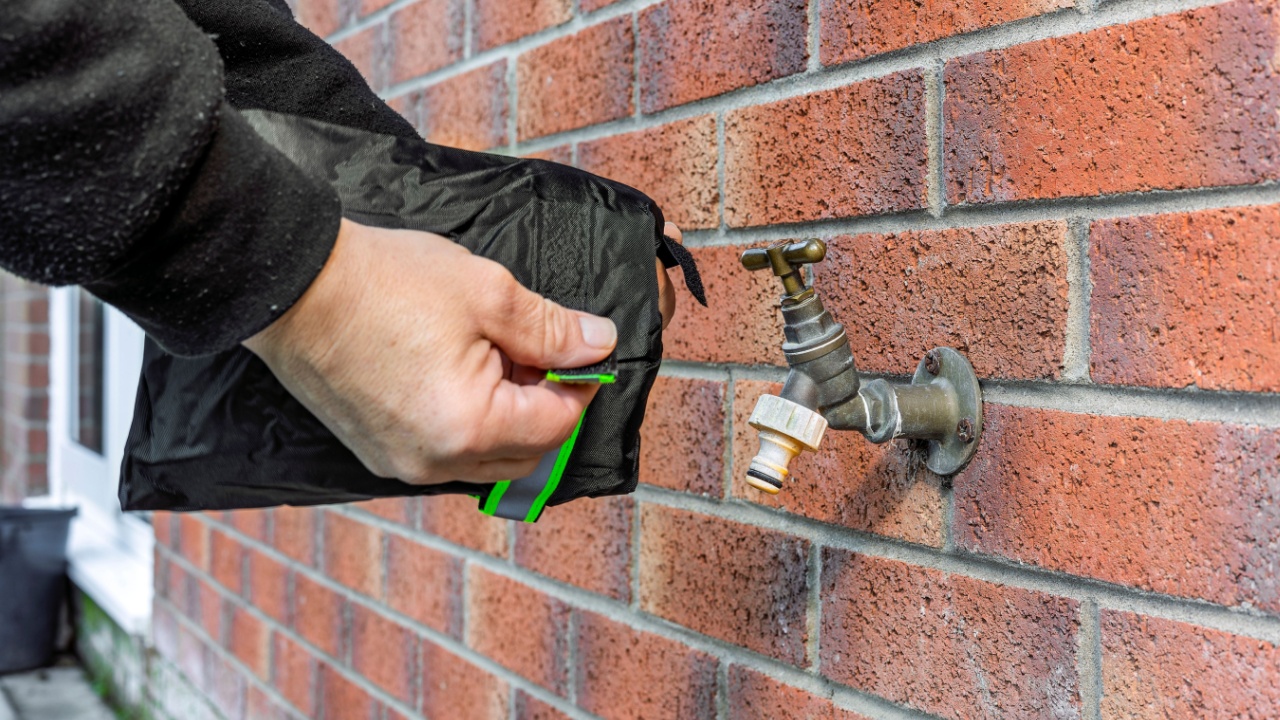
Water left in hoses, fittings, and irrigation lines can freeze and crack not only the hose but the pipes in your house, gardening expert Abbie Edwards warned in House Beautiful. Her routine: “Disconnect everything from the tap, drain your drip lines.” The stakes are real. State Farm’s average frozen pipe claim from 2024 through mid 2025 was $30,000, according to Money Talks News, which calls fall prevention “some of the cheapest insurance there is.” Your grandmother drained the hose every October for a reason. Pull timer batteries, coil the lines, and store everything somewhere dry.
2. Stop Treating Your Vegetable Bed Like a Flower Border
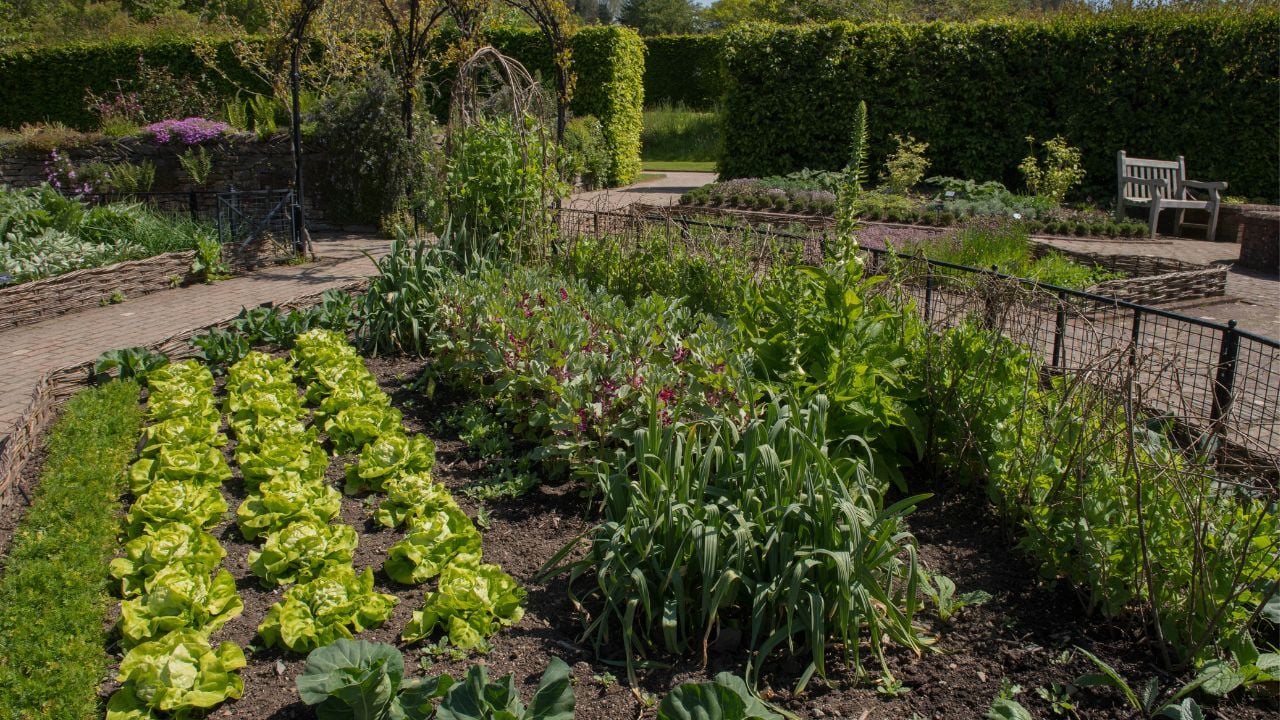
Leaving stems standing is smart for perennials, but not here. “Good fall clean-up is necessary in the vegetable garden,” says Iowa State University Extension, because most edible crops carry diseases and pests that overwinter on leftover leaves, stems, and fruit. Pull every spent plant and every fallen tomato. Then collect the stakes, cages, labels, and trellises. University of Wisconsin Madison Extension suggests doing this on a dry afternoon, since handling plants when they’re wet can spread disease spores and walking on wet soil damages its structure.
3. Never Compost Blighted Tomato Vines
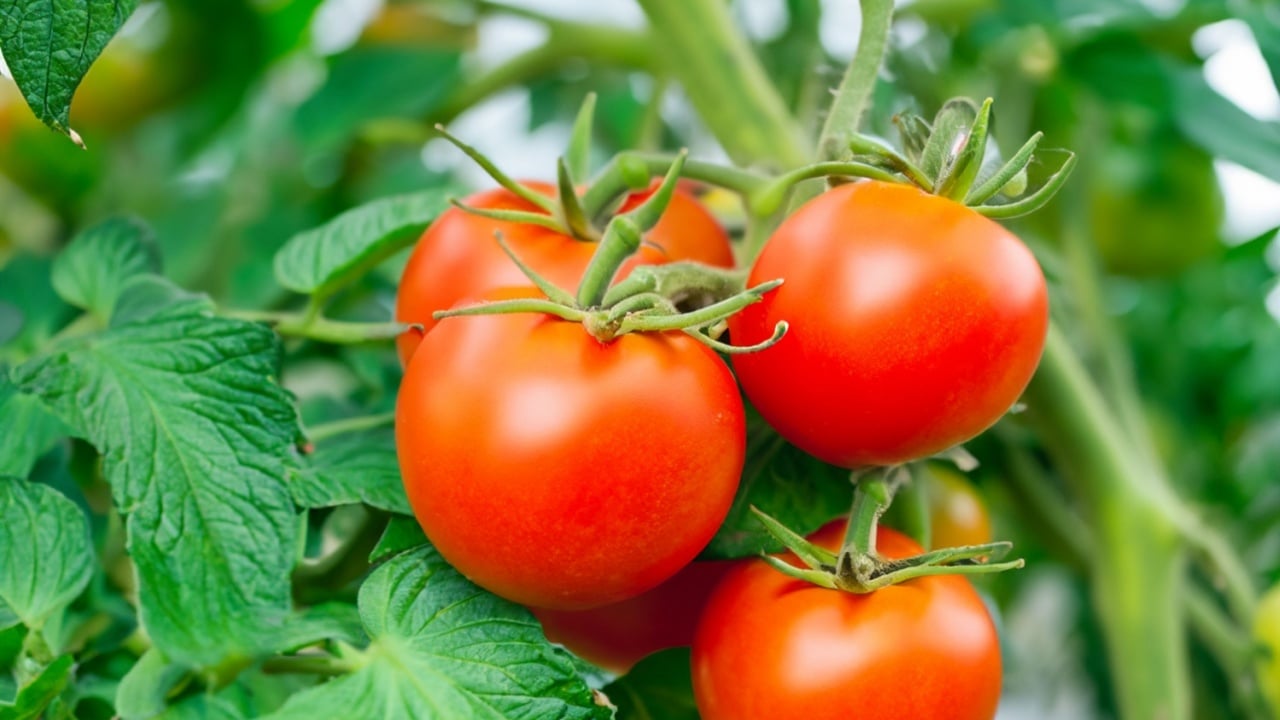
This is the step most gardeners get wrong. Spotted tomato leaves, mildewed squash, and anything with blight belong in a sealed trash bag because, as Proven Winners puts it, “most compost piles don’t heat up enough to kill diseases.” Here’s the surprising part: Iowa State says a pile has to reach at least 140°F to kill most pathogens, a temperature most backyard piles never hit. Composting a sick vine simply spreads next year’s blight across every bed you top dress in spring. Healthy plant material can still go on the pile.
4. Avoid Burning Garden Debris Before You Check Local Rules
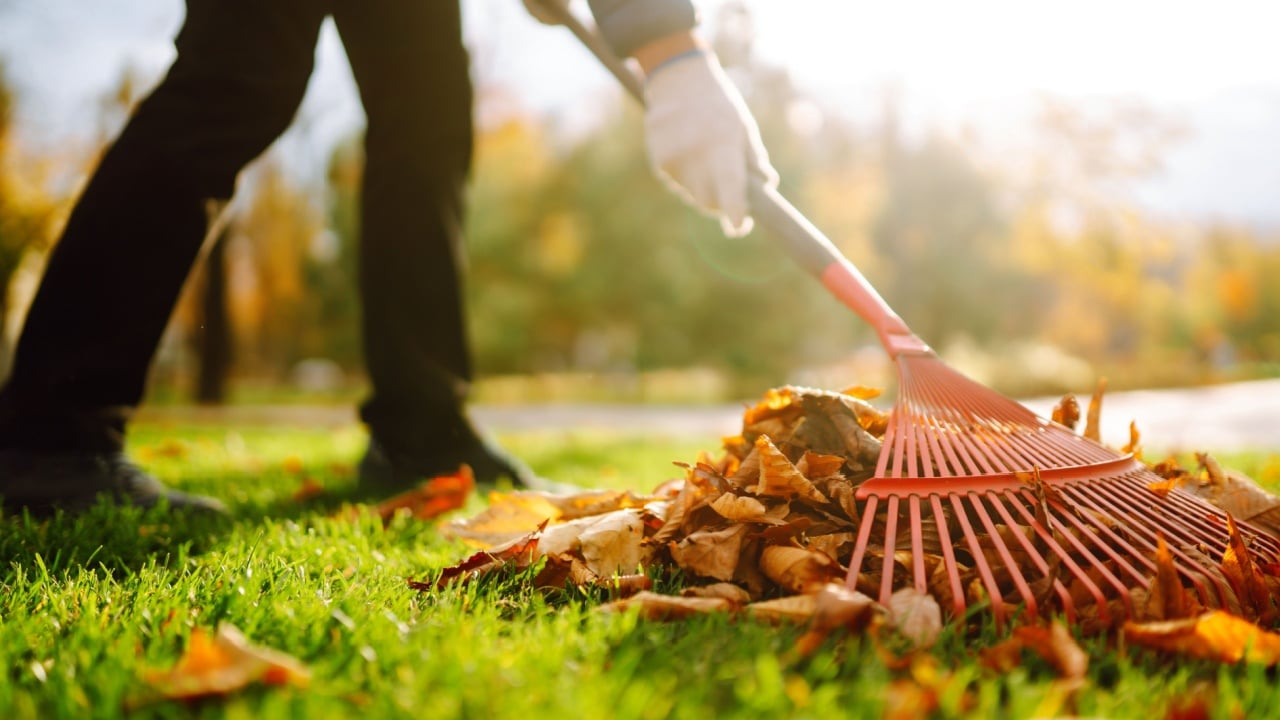
Burning old vines feels like the old-fashioned fix, and Iowa State lists it as an option only where it’s legal. Most homeowners don’t realize how many towns now ban it. For example, the City of Rock Island, Illinois, can fine residents $40 to $500 for burning leaves or rubbish in a backyard fire, and your neighbors won’t thank you for the smoke either. No matter where your debris ends up, keep it away from the house. Mississippi State University Extension recommends clearing leaf, brush, and grass piles near the home, since that cover shelters mice and the snakes that hunt them.
5. Write Down Where Every Crop Grew

Most gardeners never do this, and it’s the cheapest disease control there is. Pathogens like early blight survive the winter in old plant debris and soil, according to University of Minnesota Extension, so the same spot can reinfect next year’s plants. Their advice for home gardens: “Let two years pass before you plant tomatoes or peppers in the same location.” Iowa State goes further, recommending at least three years before any crop from the same family returns to a spot. A quick sketch on your phone tonight saves guesswork in May.
6. Plant Garlic About a Month Before the Ground Freezes
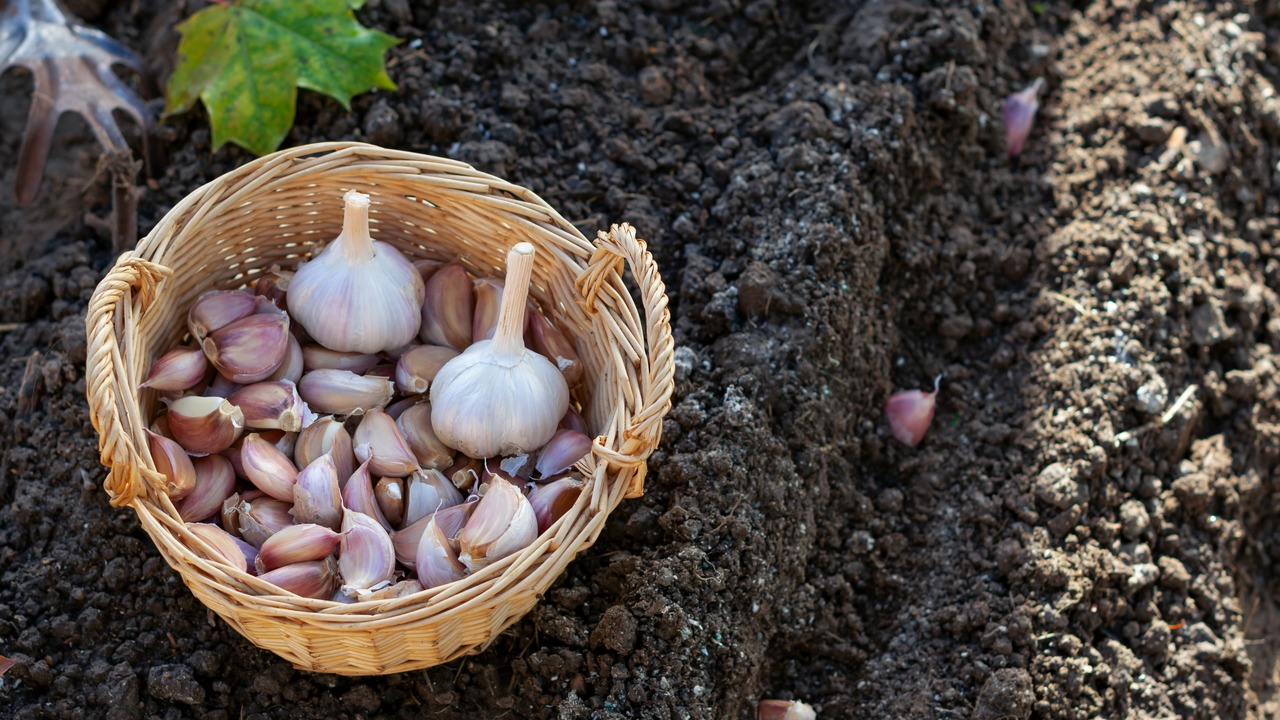
Garlic is the one crop you plant while everything else is coming out. University of Vermont Extension recommends planting cloves in late October, about a month before the ground freezes, four inches deep and eight inches apart, then mulching with clean straw. Each clove becomes a full bulb next summer, because “Garlic requires a cold treatment to induce bulbing.” Don’t rush it into warm soil, though. Texas A&M horticulture agent Jody Taylor told The Spruce that bulbs planted too early “can rot or get fungus before they start growing.” Save cloves from your biggest heads and next year’s seed garlic costs nothing.
7. Leave the Carrots and Parsnips in the Ground
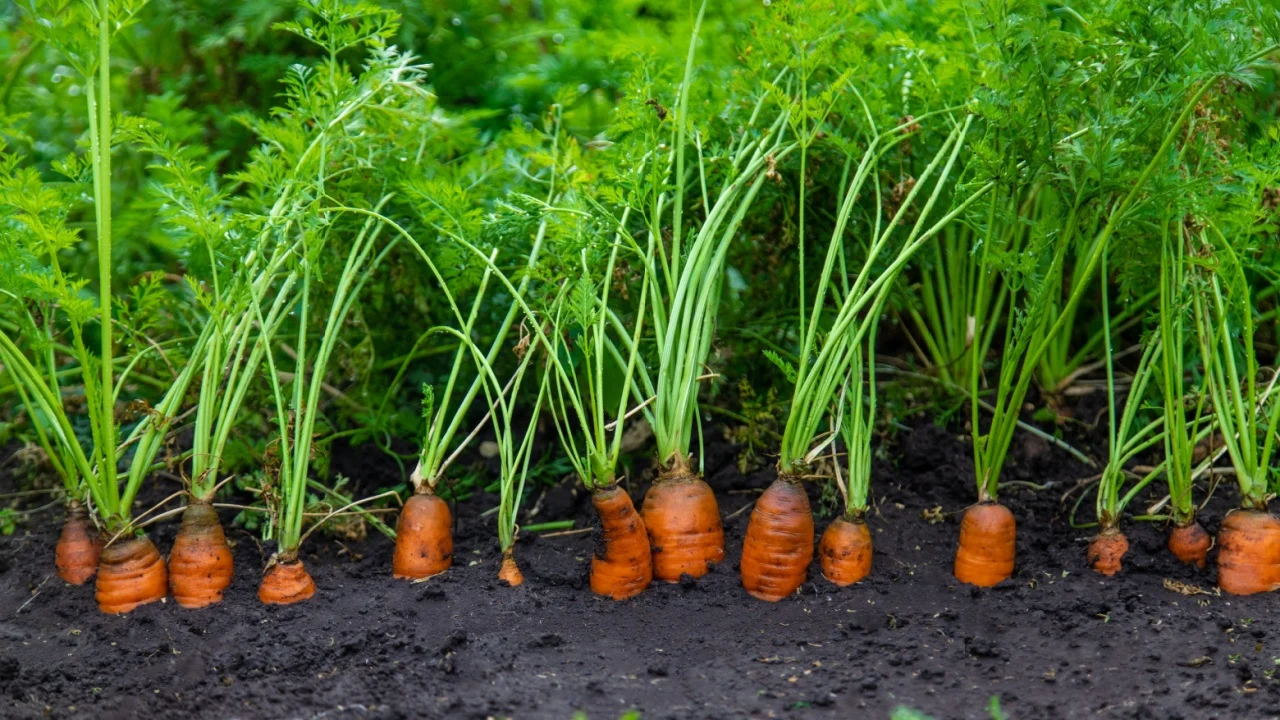
Here is your permission to skip one job. The Farmers’ Almanac has long said parsnips, turnips, and carrots can stay in the ground, with some gardeners swearing it improves their flavor. Science backs the old wisdom: Penn State master gardener Sharon Gross explained to The Spruce that cold temperatures convert the roots’ starches into sugars. Harvest after the first frost for sweeter roots. While you’re at it, the Almanac also recommends mulching strawberry beds with straw to prevent winter damage.
8. Blanket Empty Beds With a Cover Crop or Shredded Leaves
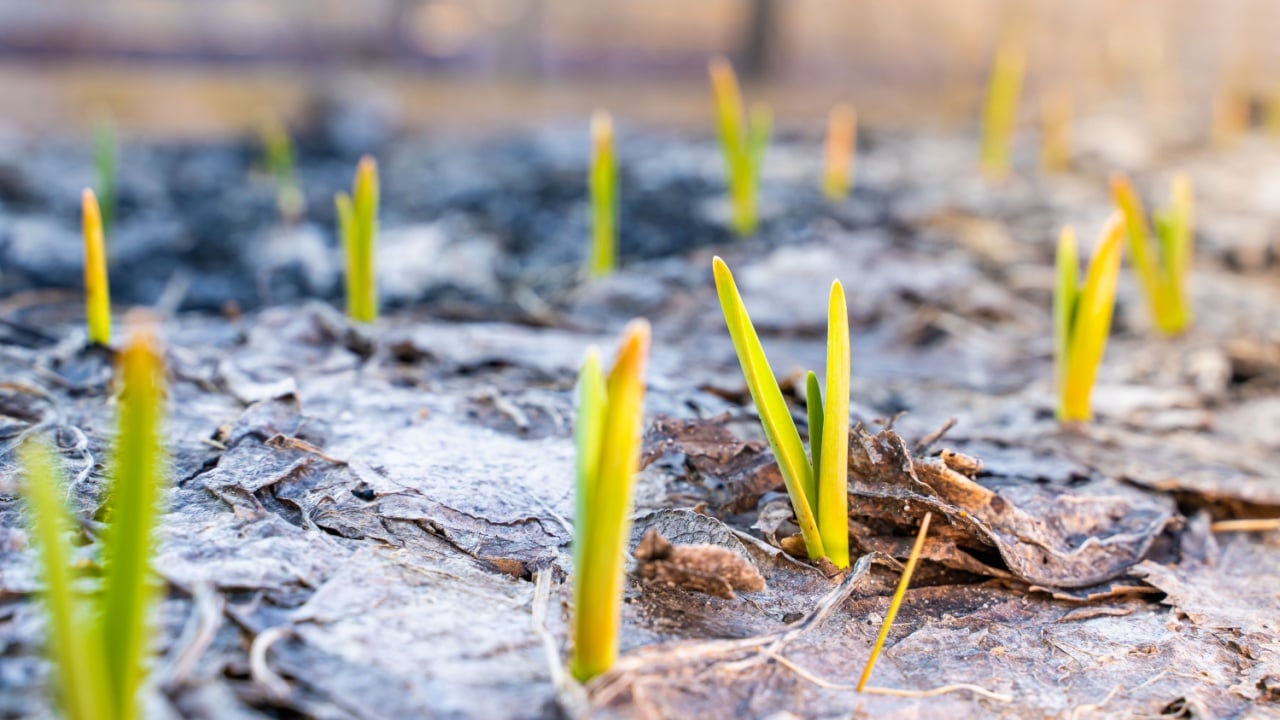
Bare soil is the enemy over winter. Planting cold weather cover crops such as winter wheat, winter oats, or field peas prevents erosion and adds organic matter to the soil, according to PBS Wisconsin. If it’s too late for seed where you live, shredded leaves do much the same job for free. That’s a resource most of us throw away: the U.S. Environmental Protection Agency estimates landfills received about 10.5 million tons of yard trimmings in a single year. Spread a few inches over empty beds instead of bagging them.
9. Test Your Soil Now, Not in April
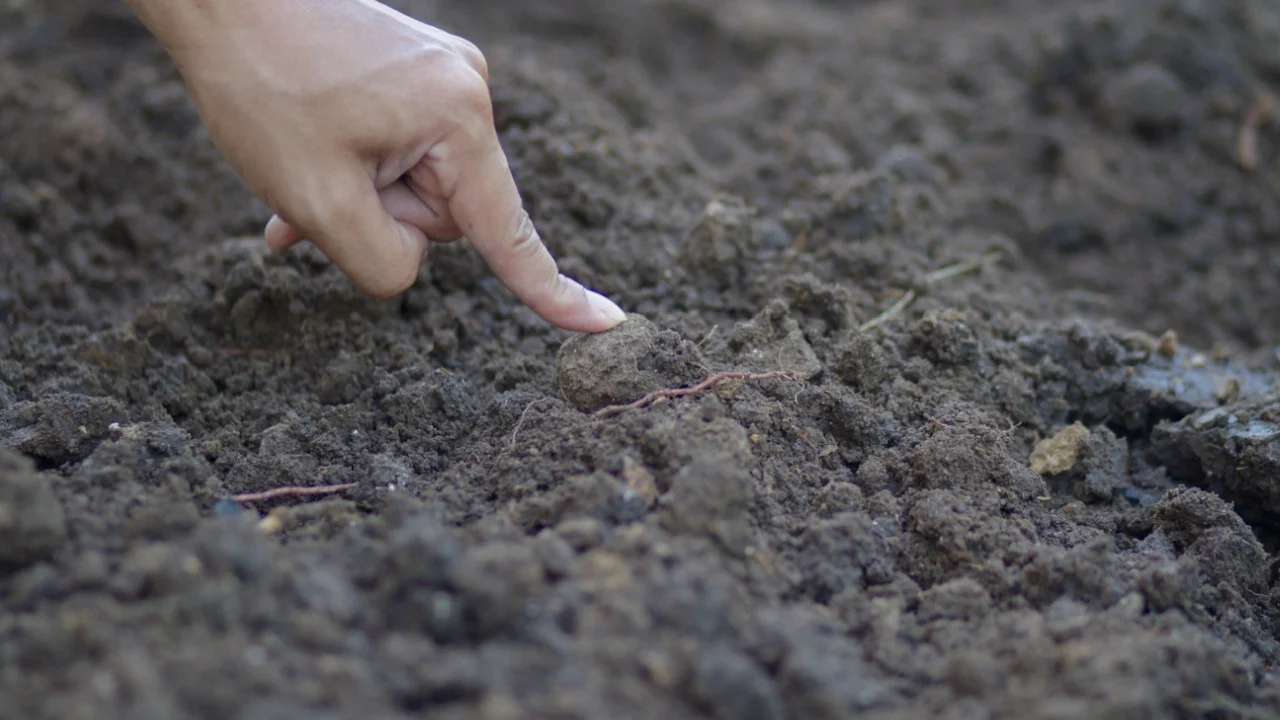
A soil test tells you exactly what your beds need, and fall gives you time to act on it. Gardening expert John Ballard told House Beautiful that a fall sample sent to your county extension office gives you a science-backed picture of your soil before spring. It costs almost nothing: Cornell Cooperative Extension in Riverhead, New York, charges $5 per sample, 27 East reports. Skip the guesswork, too. UW-Madison Extension advises against adding lime or wood ash to garden beds, so let the test results guide what you add.
How to Winterize Your Vegetable Garden in One Weekend
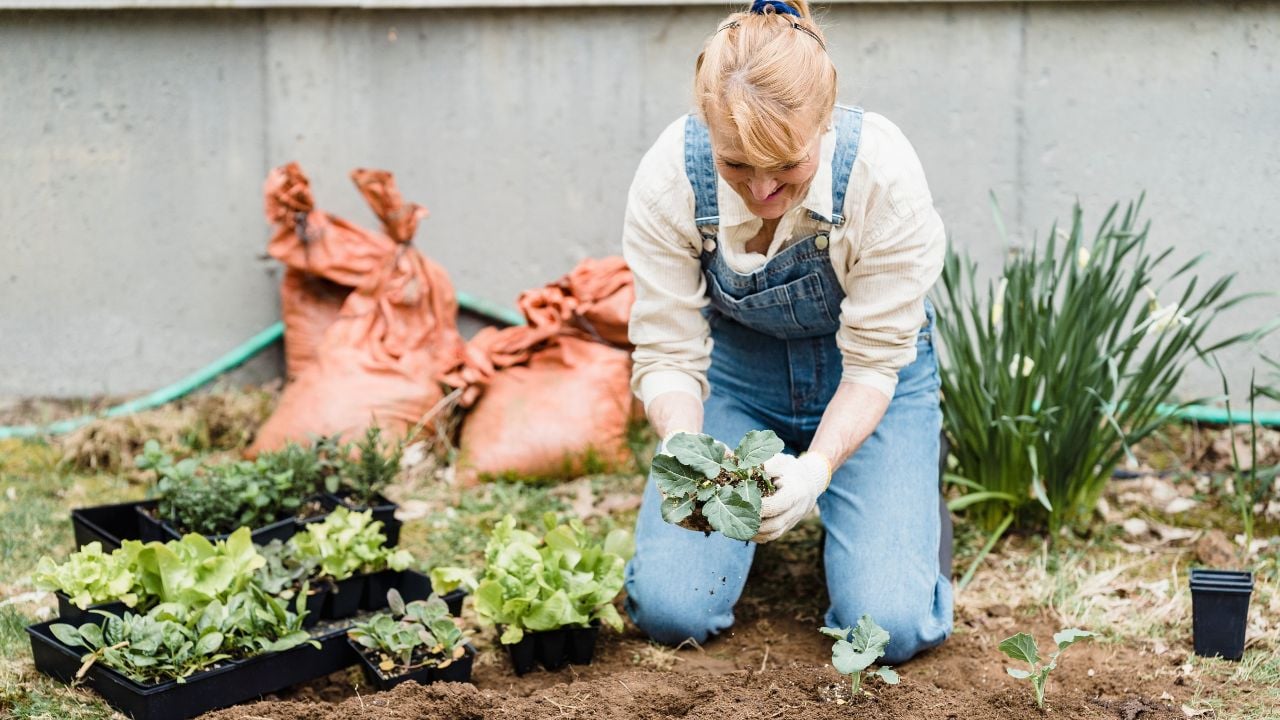
Start with the five-minute job: drain the drip lines and unhook every hose. Then pull spent plants, bag anything diseased, and sketch where each crop grew. Plant your garlic, leave the carrots and parsnips where they are, and cover bare beds with shredded leaves. Mail a soil sample on Monday. Before October ends, the whole garden can be tucked in.
Every vine you leave standing in October is a seat you’ve saved for next summer’s blight. The good news is that winterizing a vegetable garden isn’t a month of labor; it’s a handful of smart moves made at the right time. Do them now, and in spring you’ll walk out to clean, rich beds that are ready the moment the soil can be worked.
Read More
Washing Your Lettuce Won’t Remove Cyclosporiasis, But Growing Your Own Will
Your Grandmother Stored These 8 Foods All Winter Without Canning a Single Jar