8 Reasons to Stop Your Spring Yard Cleanup Right Now (And Help Pollinators Survive)
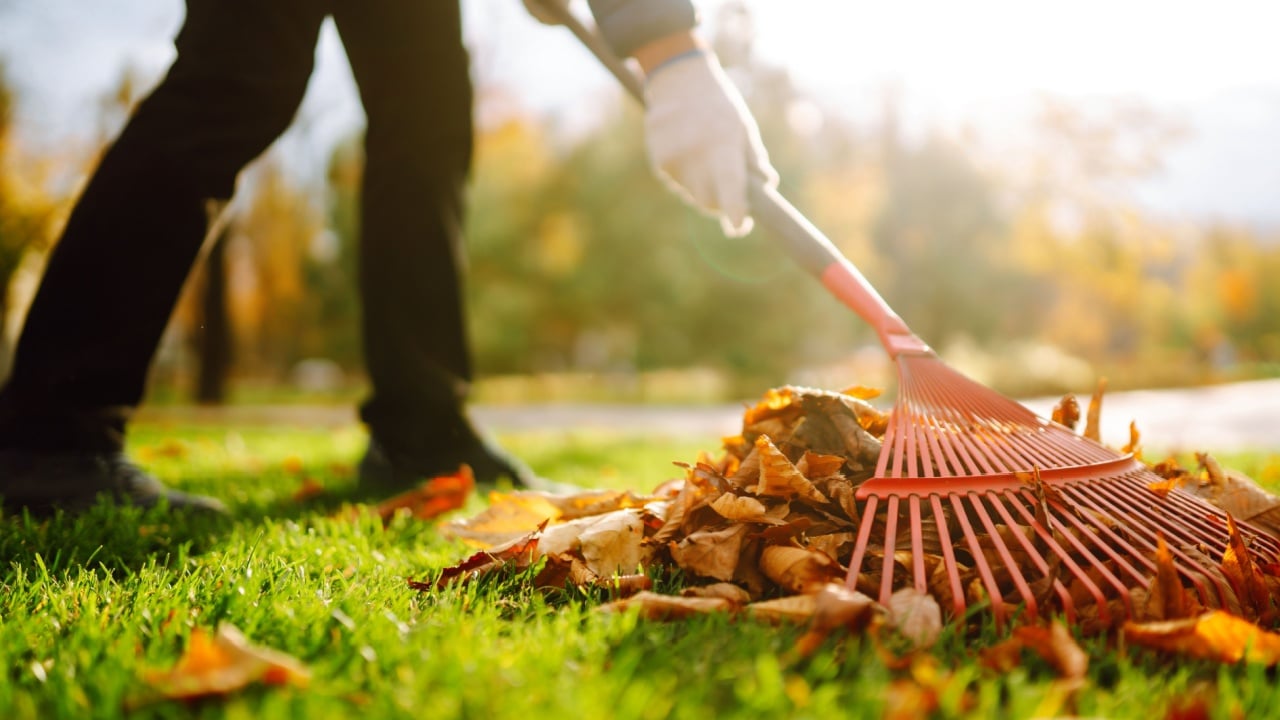
It’s March, and if you’re standing at the back door with a rake in hand and a pile of garden debris calling your name, put the rake down.
Not forever just for a few more weeks. What looks like a neglected mess is, right now, one of the most important things you can leave alone all year.
The pressure to spring-clean the garden is real. Magazines, neighbors, and decades of lawn culture all whisper that a tidy yard is a responsible yard. But science and experienced gardeners have quietly been saying something different: that early spring cleanup is one of the most damaging things you can do for pollinators, and that your “messy” yard might be the most productive habitat on your street.
Here are eight reasons to wait.
1. Your “Messy” Yard Is Actually a Pollinator Hotel
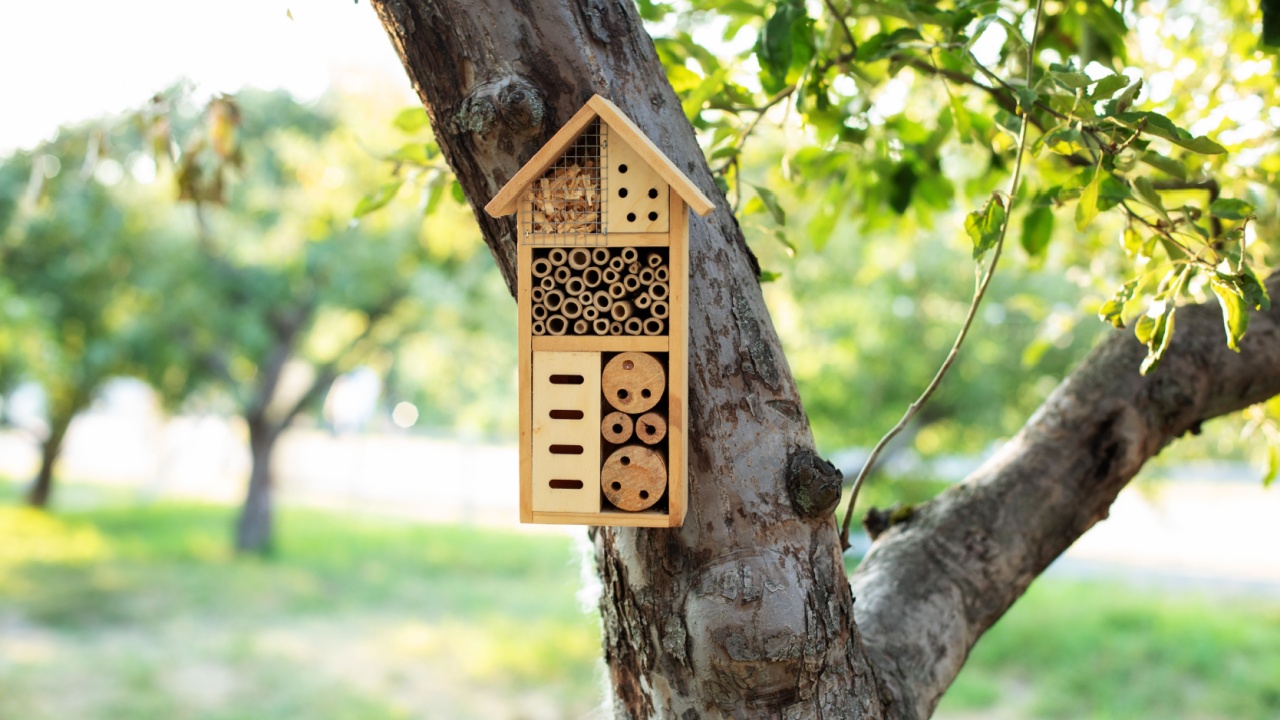
Most people assume that pollinators like bees and butterflies head somewhere warm for the winter. The truth is more surprising: the vast majority of native insects overwinter right in your yard, hiding in plain sight.
Native bees tuck themselves into hollow plant stems or burrow just an inch or two below the soil surface. Butterflies and moths overwinter as chrysalides literally camouflaged as dead leaves or bits of broken twig attached to last year’s stems and tucked into fallen leaf layers. Fireflies, ladybugs, assassin bugs, and ground beetles shelter as adults in leaf litter, waiting for consistent warmth before emerging.
According to the Xerces Society for Invertebrate Conservation, the dead and dried plant material in your garden is not garden garbage; it is functioning as an overwintering habitat. Every stem, leaf layer, and patch of undisturbed soil is occupied, or potentially occupied, until well into spring.
2. You Might Be Raking Up a Queen Bee
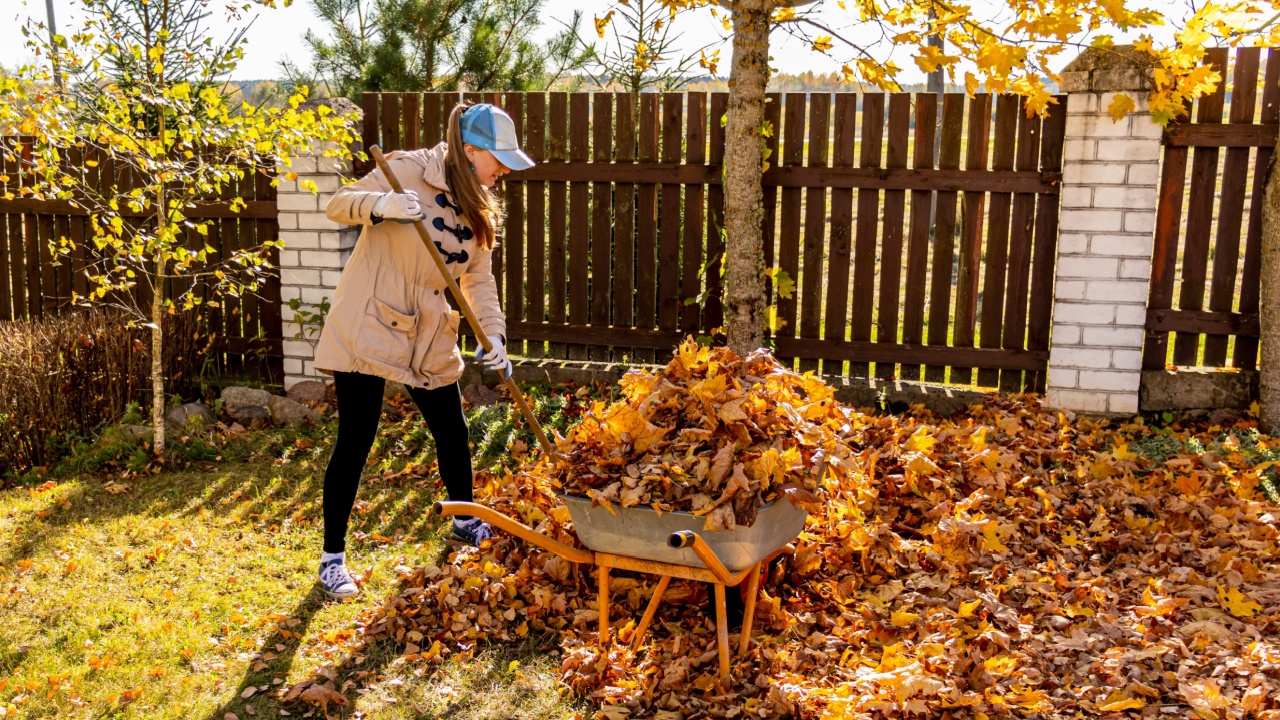
This one surprises even experienced gardeners. After bumblebee queens emerge from their underground winter nests in spring, they don’t immediately go to work. They spend time warming up and recovering in surface leaf litter resting, foraging for their first nectar, and building strength before they can establish a new colony.
Rake those leaves too early in March, and you risk bagging a queen bumblebee directly. Not just her habitat; her. A single queen lost in early spring means an entire colony that never forms, and dozens to hundreds of worker bees that never exist. Research in Scientific Reports confirms that early spring leaf cleanup specifically puts emerging queens at risk during this vulnerable recovery window.
3. Those Dead Stems Are Nurseries, Not Eyesores
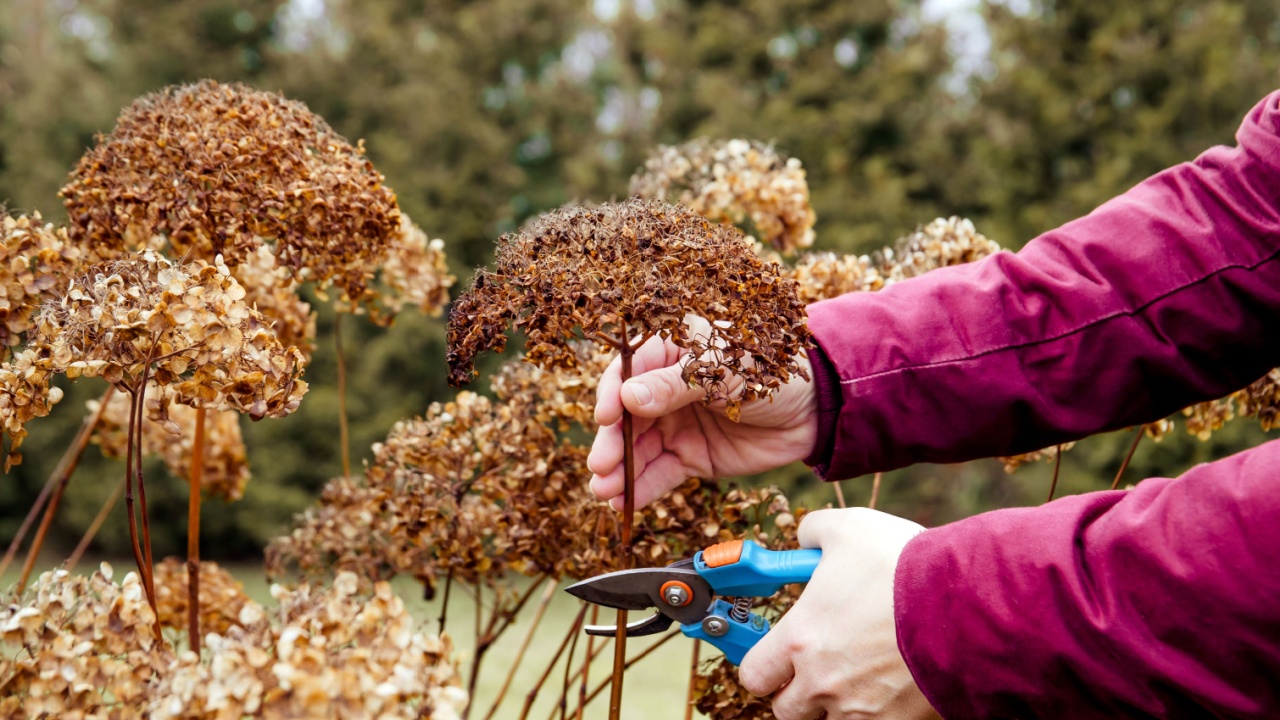
When you cut last year’s perennials to the ground in March, you aren’t just tidying you’re demolishing occupied housing. Roughly 70% of native bee species in North America are ground-nesting, but many others use hollow or pithy plant stems as nesting chambers. Small carpenter bees, mason bees, and leafcutter bees all nest in the dried stems of plants like coneflowers, bee balm, sunflowers, goldenrod, Joe Pye Weed, and raspberries.
The fix is simple: instead of cutting stems to the ground, trim them to 12 to 15 inches, according to NH Audubon. That modest height preserves active nesting cavities while still giving the garden a managed look. New spring growth will fill in around the stubs within weeks, and by early summer, they’ll be invisible.
4. Butterflies Are Hiding in Plain Sight Right Now
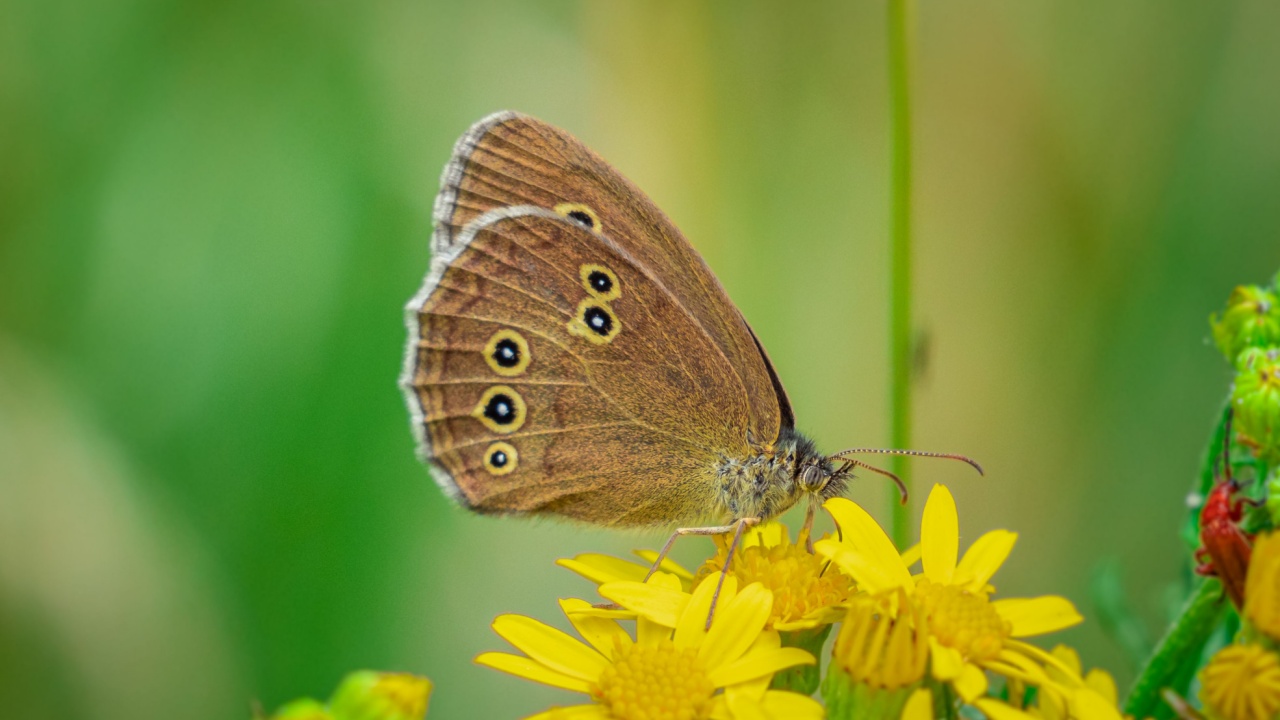
The eastern black swallowtail overwinters as a pupa so perfectly camouflaged that it looks like a piece of dried twig. The luna moth chrysalis resembles a crinkled brown leaf. Fritillary butterflies lay their eggs on fallen leaves near violets; those eggs hatch, the caterpillars overwinter in the leaf litter, and they feed on violets in spring a cycle that ends the moment those leaves are raked away.
According to NH Audubon, it’s not just monarchs we should be thinking about. Many of the butterflies people most want to see in their summer gardens are overwintering right now in the debris that feels like clutter. Raking, shredding, and running leaf blowers through garden beds in March isn’t just disturbing habitat it’s destroying it directly.
5. The First Warm Day of March Is a Trap
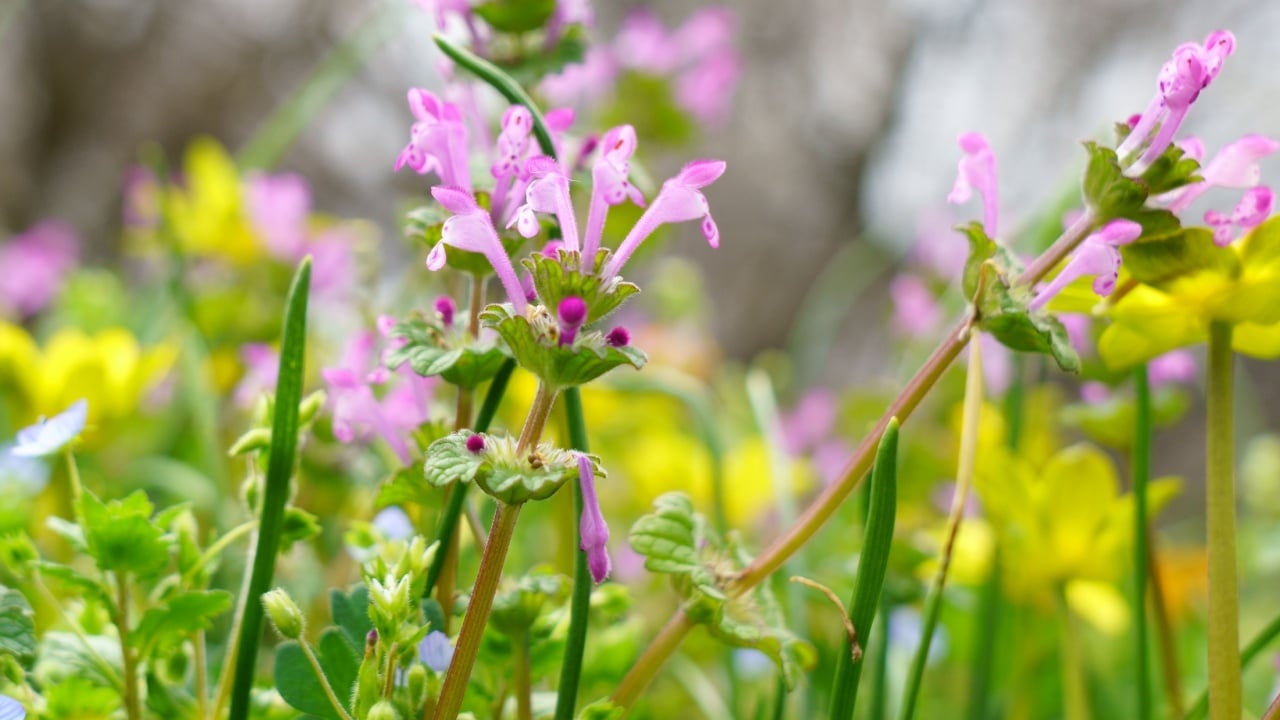
The calendar says spring. Your back says it’s time to get moving. But a single warm week in March is not the signal you think it is.
Pollinators don’t respond to one warm day. They respond to sustained warmth, and many species require nighttime temperatures to stabilize before they’re truly safe from cold snaps. The Xerces Society and multiple university extension programs recommend waiting until daytime temperatures have been consistently above 50°F for at least seven consecutive days before beginning any significant garden cleanup. In northern states, that threshold rarely arrives before late April, and some bee species don’t emerge at all until May.
A practical heuristic from the Xerces Society: if you wouldn’t plant your tomatoes outside yet, the pollinators aren’t ready either. Tomatoes need reliably warm nights to thrive, and so do the insects sheltering in your garden beds.
6. Leaf Litter Is Free Mulch — And a Lot More
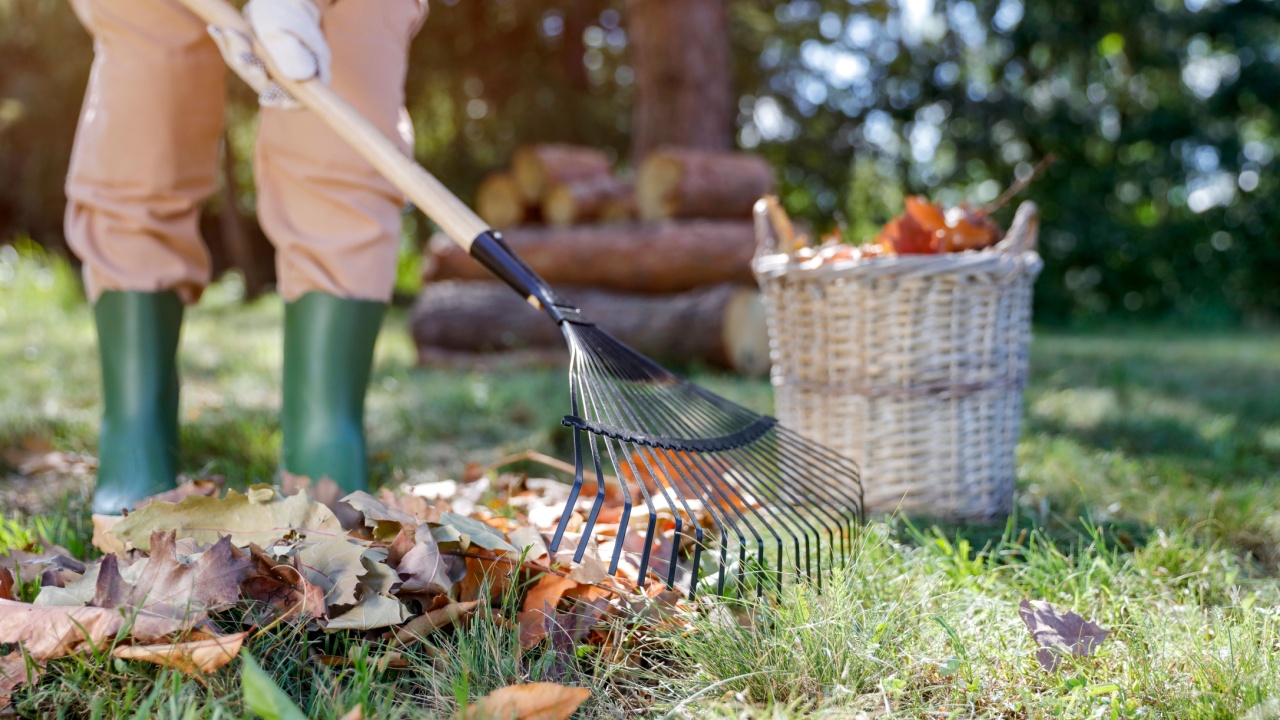
Here’s the practical case for patience. Leaving fallen leaves in place through late spring isn’t just good for insects; it’s good for your soil and your budget. Leaf litter retains soil moisture, suppresses weeds, and slowly decomposes into nutrient-rich organic matter. According to NC State Cooperative Extension, shredded leaves used as mulch help conserve soil moisture, suppress weeds, and enrich the soil as they decompose, and running a mulching mower over them rather than raking lets them filter into the grass as natural fertilizer.
Beyond soil health, that leaf layer is sheltering a whole community of beneficial insects that work in your garden’s favor. Ladybugs, ground beetles, damsel bugs, and assassin bugs all overwinter as adults in leaf litter. These are your garden’s natural pest-control team, and they’re hiding right there in the pile you were about to bag.
7. How to Know When It’s Actually Safe to Clean Up

Timing matters, and fortunately, your garden will tell you when it’s ready. The Xerces Society offers a set of phenological indicators that work better than any calendar date: wait until apple and pear trees in your area have finished blooming (typically mid-April to mid-May, depending on region), daytime temperatures have been consistently above 50°F for at least a week, and you’re mowing the lawn regularly. At that point, the majority of native bee species have emerged.
If you can’t wait that long, start selectively. Clear leaves and cut stems only in high-visibility areas like garden borders and paths first this signals to neighbors that the garden is intentional, not abandoned. Move dense leaf mats to garden edges or under shrubs rather than bagging them. Cut back stems to 12 to 15 inches rather than to the ground. And if you do remove stems, pile them loosely in a back corner of the yard rather than sending them to the compost facility immediately; any insects still inside can emerge over the following weeks.
8. Small Yards, Big Impact — And How to Make It Work with Neighbors

If you’re skeptical that your small suburban lot makes a difference, consider this: native bee populations are built neighborhood by neighborhood. A single yard that provides undisturbed overwintering habitat functions as a corridor and refuge in a landscape that’s otherwise managed to a near-sterile standard. Every yard that delays cleanup contributes to the network.
The social dimension is real, though. The Xerces Society and Bee City USA both offer free downloadable “Leave the Leaves” and pollinator habitat signs precisely because gardeners need a way to communicate that their yard is intentionally wild, not carelessly neglected. A mowed edge along the driveway or sidewalk goes a long way toward signaling a managed aesthetic, even if the beds behind it remain untouched until May.
Clean Up Can Wait

Spring will come. The cleanup will happen. But the weeks between now and when the apple trees bloom are exactly when your restraint matters most. The rake can wait, and your garden will be better for it
Read more:
Do these 12 raised garden bed tasks before March ends, or lose your head start
12 vegetables to direct sow in the garden right now in March