8 Fall Garden Harvest Mistakes That Put Your Garden’s $500 Payoff at Risk
The most expensive moment in your vegetable garden isn’t spring planting. It’s the last few weeks of the fall garden harvest, when everything comes in at once, and a startling share of it never reaches the table.
Most fall garden harvest ideas you’ll find are about recipes and porch displays: squash soup, apple centerpieces, and cornstalks by the front door. Lovely, all of it. But they skip the part where the real losses happen: storage, spoilage, and what quietly goes out the back door. Ample Harvest, the national nonprofit that connects gardeners with food pantries, estimates that 11.5 billion pounds of garden produce becomes food waste every year.
That waste has a price tag. The National Gardening Association estimates a well-maintained vegetable garden returns about $500 a year, according to the University of Missouri Integrated Pest Management. Still, that return only counts if the food gets eaten. The stakes go beyond money, too. A few common fall habits can draw rodents (and the snakes that hunt them), sicken the family dog, or put a jar of botulism on your pantry shelf. With the first frosts arriving right now in October, the choices you make this month decide whether you’re eating your own squash in February.
The good news is that every one of these mistakes is easy to fix once you see it. Here are the eight habits worth breaking before October ends, starting with the one that may be lying under your fruit tree right now.
1. Stop Leaving Windfall Fruit on the Ground

Those soft apples and split tomatoes on the ground look like compost in progress. To a rat, they look like a buffet, and to a snake, a rat looks like dinner. House Digest reports that rodents feeding on fallen fruit can teach snakes that your yard is a dependable hunting ground. Pest control expert Ryan Smith put it bluntly to Best Life: a yard full of rats and mice is “like an open invitation for snakes.”
Walk the yard every evening, bag the drops, and put them in a sealed trash can or compost. Rats scavenge mostly at night, so a sunset sweep does the most good.
2. Never Store Apples in the Same Bin as Carrots or Cabbage
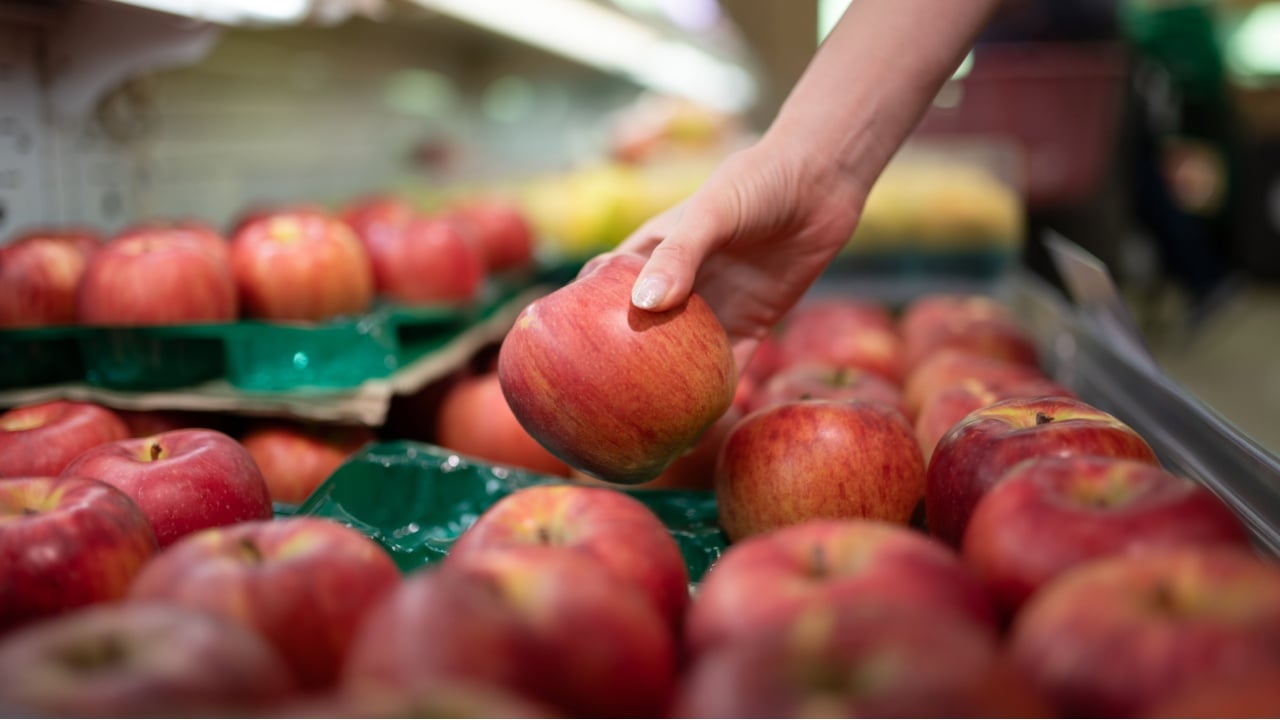
Cornell Cooperative Extension explains that ethylene gas from ripening apples tells nearby carrots they’re in danger, so the carrots respond by producing a bitter defensive chemical. Earlier research at Michigan State University found that as little as two days of exposure was enough to start that process. University of Wisconsin Extension adds that the same gas yellows cabbage and broccoli, and Iowa State University Extension notes that ripening fruit shortens the storage life of winter squash.
Burpee‘s advice is simple: “Avoid storing them together to prevent bitterness.” Give apples their own crisper drawer, garage shelf, or cooler.
3. Stop Refrigerating Green Tomatoes
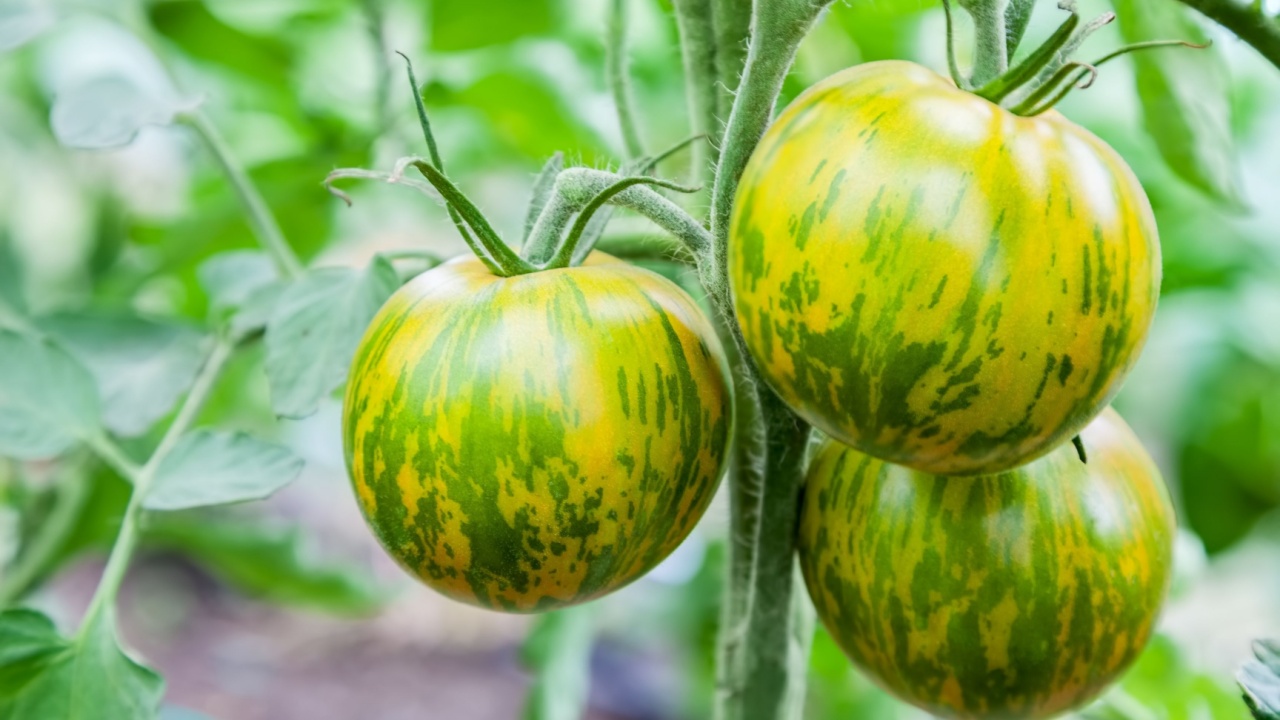
When frost threatens, pick every tomato showing even a faint blush of color, then keep it out of the fridge. The Zesty Lemon food blog notes that cold “stops ripening permanently.” Instead, do what your grandmother did: wrap each tomato in newspaper, lay them in a single layer in a cardboard box, and keep the box somewhere around 55 to 65 degrees.
Tomatoes with no color change at all won’t ripen well, so put them to work in the kitchen. Exmark’s Backyard Life recommends fried green tomatoes as the best use for fruit still on the vine when the weather turns.
4. Don’t Cure Every Winter Squash the Same Way

Seed growers know something many harvest guides get wrong: not every squash should be cured. Pumpkins do best with about 10 days at 80 to 85 degrees and high humidity to harden their skins, according to the University of Arizona Cooperative Extension. Acorn squash is the exception. Osborne Quality Seeds warns, “Do not cure acorn squash, as it will shorten its storage life.”
Set acorn squash aside to eat first, since it keeps only about five to eight weeks. Store butternut in a cool, dry spot for two to three months and hubbard for up to six, Iowa State University Extension says.
5. Never Water Bath Can Green Beans, Corn, or Potatoes
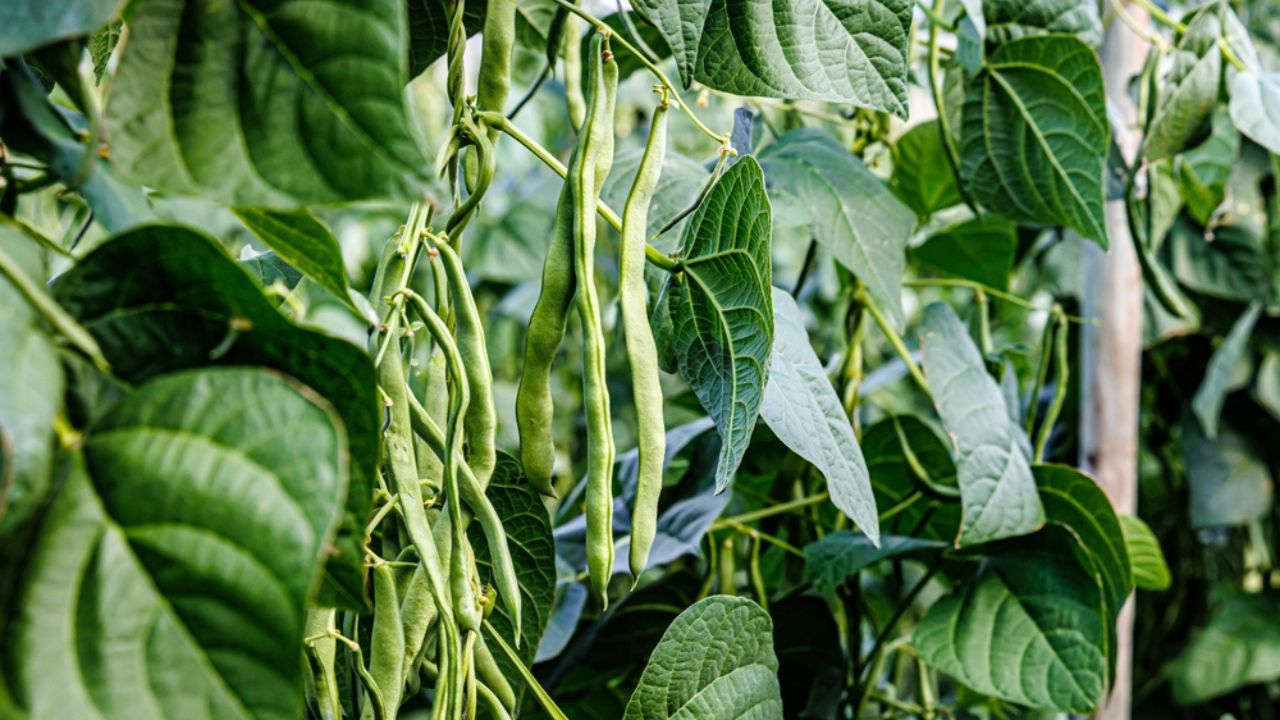
This is the mistake that can land someone in the hospital. The CDC reports that home canned vegetables are the most common cause of botulism outbreaks in the United States. Low-acid vegetables such as green beans and corn must go through a pressure canner, the FDA advises, because a boiling water canner “will not protect against botulism,” as the CDC warns.
If you’re a gardener over 50 who learned canning from a parent decades ago, this is the year to double-check the method. The University of California Agriculture and Natural Resources cautions against canning low-acid foods in the oven, a water bath, or an open kettle. Colorado State University Extension also recommends boiling home-canned low-acid vegetables for 10 minutes, plus a minute for every 1,000 feet of elevation, before serving.
When in doubt, double-check your canning recipe against the National Center for Home Food Preservation’s Recipe Guide.
6. Don’t Sell Your Extras Before Checking Your State’s Rules
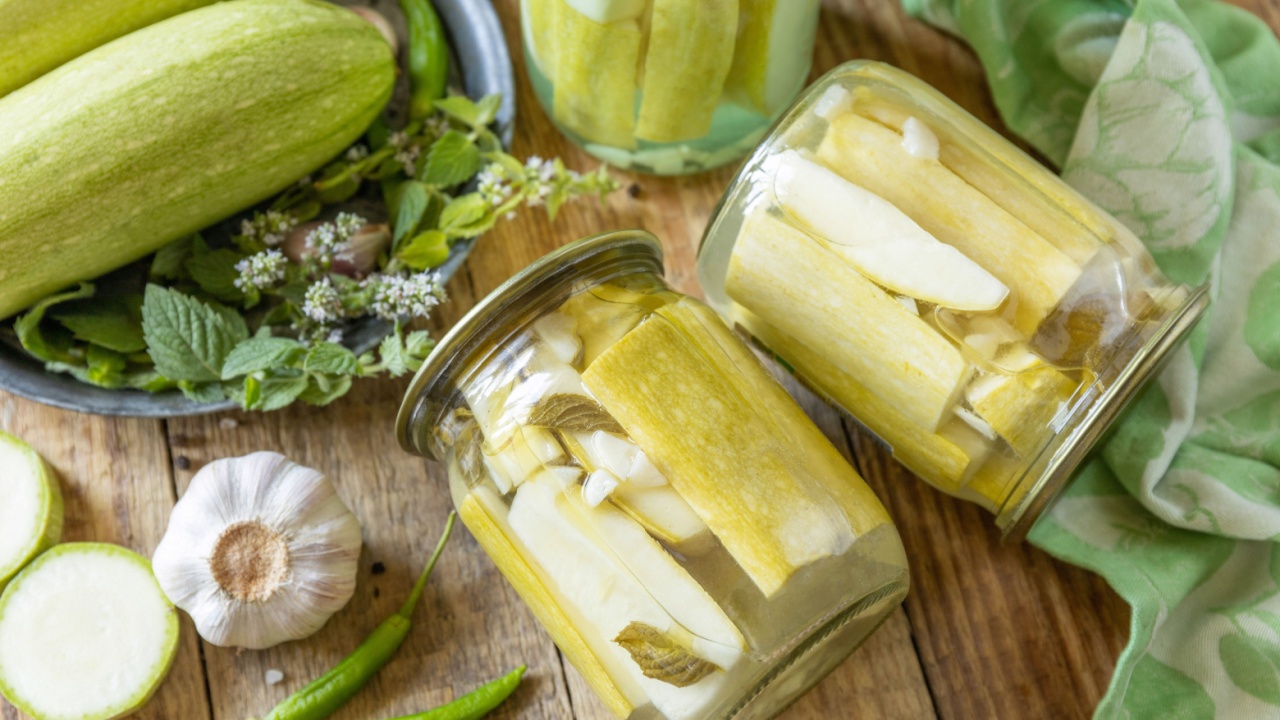
A roadside table of salsa and pickles feels like the most neighborly idea in the world. It may also break your state’s rules. Every state has its own cottage food law governing what home cooks can sell, and many restrict home canned goods. The Georgia Department of Agriculture states plainly that “most home-canned products are not approved” under its cottage food rules, with jams and jellies as the exception. The Michigan Department of Agriculture adds that some farmers markets require a food license even from vendors who qualify as cottage food businesses.
Before you put a price tag on a single jar, look up your state department of agriculture’s cottage food rules.
7. Stop Letting Liability Fears Keep Food Out of Your Local Pantry
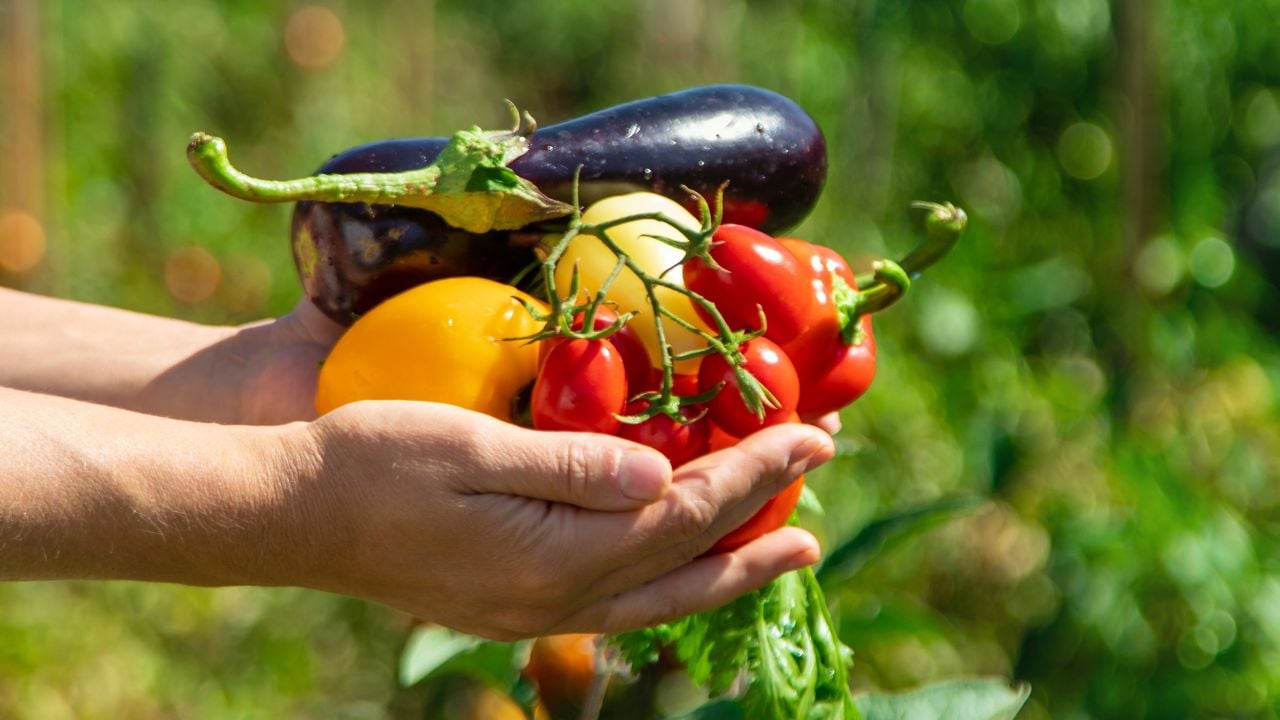
Many gardeners worry that giving away homegrown food could get them sued. The Bill Emerson Good Samaritan Food Donation Act of 1996 limits liability for donors who give in good faith, and Washington State University Extension notes that “even home gardeners are protected.” The USDA says awareness of the law was so low that Congress directed the agency to spread the word in the 2018 Farm Bill.
Ample Harvest lists more than 8,500 registered food pantries across all 50 states and reports that most pantries see gardeners’ produce taken quickly, often within hours. Donating costs you nothing, clears your counter, and spares the neighbors their fourth bag of zucchini this week.
8. Never Toss Moldy Produce Into an Open Compost Pile
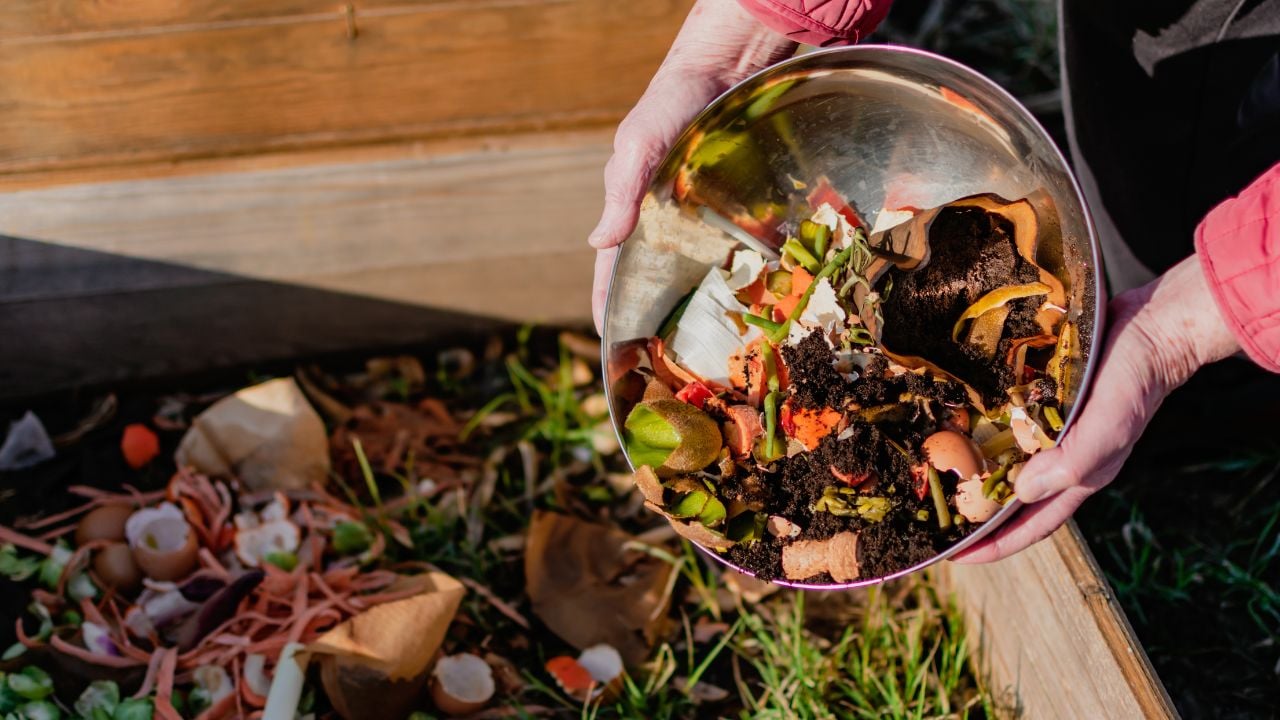
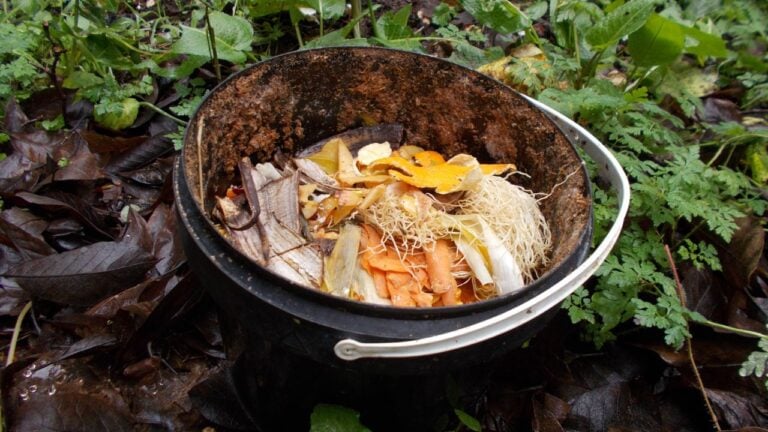
That bucket of split melons and soft onions can be dangerous for dogs. The ASPCA urges gardeners to “use caution with what you put in your compost,” pointing to garlic, onion, and grape waste, along with molds called tremorgenic mycotoxins that can cause tremors and seizures in pets. The Merck Veterinary Manual lists compost as a known source of these toxins.
Open piles also feed the same rodents from mistake number one, House Digest notes. Switch to a covered bin with a latching lid, and keep dogs away from the pile entirely.
The Harvest Isn’t Finished Until It’s Put Away
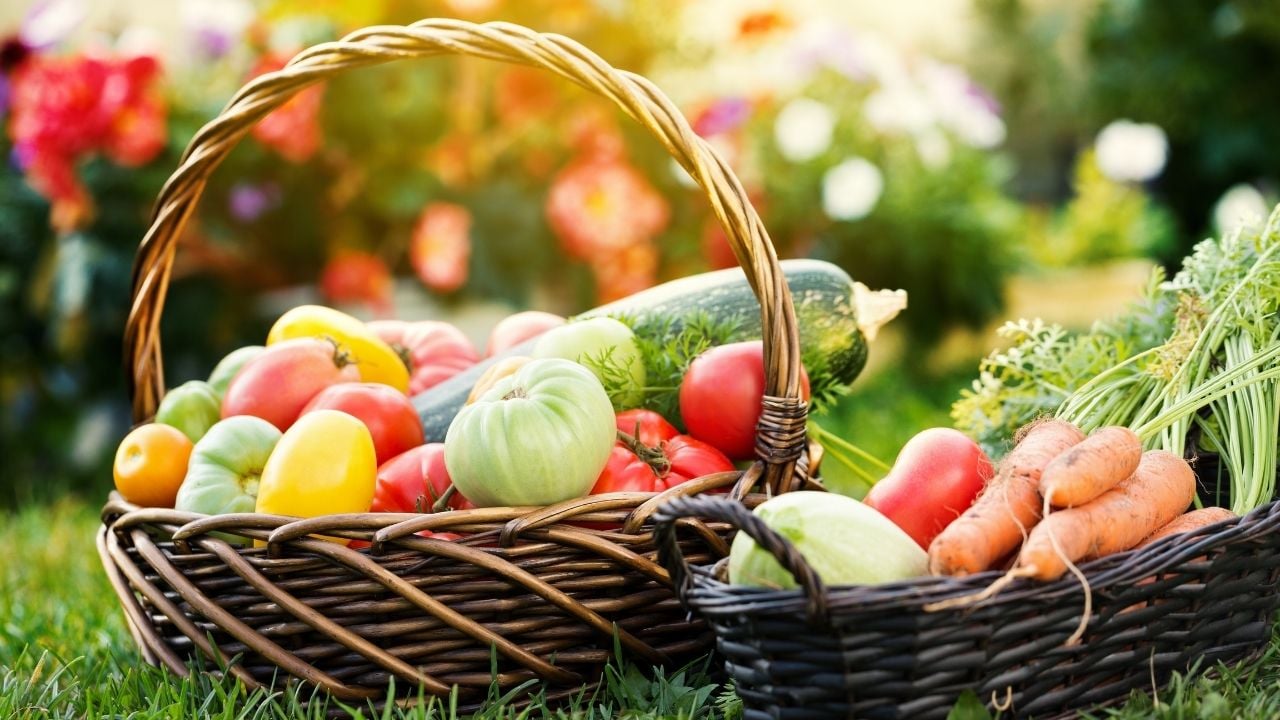
After a long season, it’s tempting to call the job done the moment the last squash leaves the vine. But the real villain of fall isn’t frost; it’s the pile on the counter that nobody deals with until it’s too late. As Chippewa Valley Growers puts it, this is the season to “enjoy the fruits (and veggies) of your labor.”
Pick up the drops tonight. Separate the apples tomorrow. Wrap the green tomatoes this weekend. A few small changes before October ends mean sweet carrots in January, butternut soup in February, and a pantry and yard you can feel good about.
Read More
Is Your Garden Hurting You? 9 Tools Doctors Say Could Save Your Joints
Ten Companion Plants Your Peppers Need For A Successful Growing Season