8 Chicken Breeds Great for Beginners
Anyone who has reared chickens knows a first flock can go very well or go wrong fast. Much of that comes down to breed choice, since some chickens are calm, hardy, and easy to manage, while others need more patience than a new keeper may have.
Beginners usually need birds that lay reliably, handle weather changes well, and stay fairly relaxed in a mixed backyard flock. Temperament matters just as much as egg count, especially for families who want birds that are easy to care for from day one.
Size, noise level, broodiness, and feed needs all shape the daily routine. A breed that looks beautiful on paper may be less practical if it eats heavily, needs extra space, or tends to go broody often during the laying season.
Here are eight chicken breeds great for beginners.
1. Buff Orpington
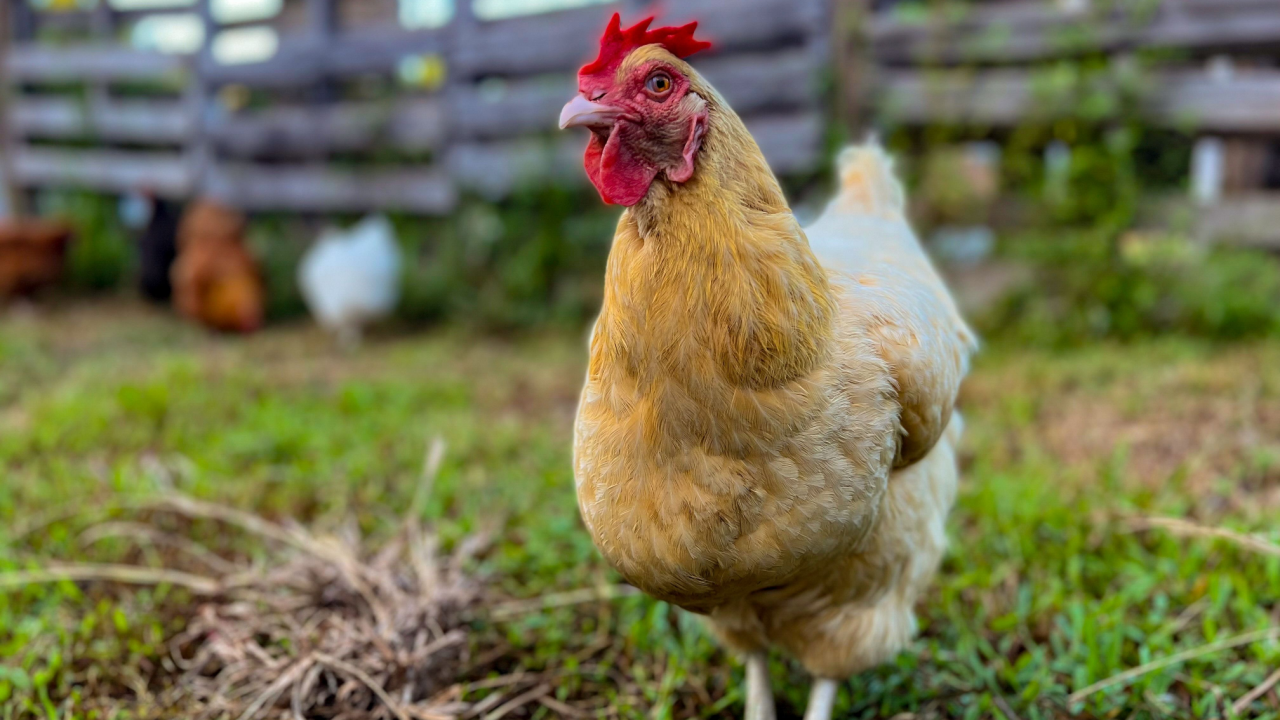
Buff Orpingtons are often near the top of beginner breed lists for good reason. They are calm, friendly birds with a full, soft-looking feather coat and a steady laying record of around 200 to 280 eggs a year.
Their gentle nature makes them easier to handle than many flightier breeds, which helps new keepers build confidence during feeding, health checks, and coop cleaning. They also handle colder weather well, so they suit many backyard setups across the country.
There is one trait that beginners should know early on. Buff Orpington hens can become broody, which means they may stop laying for a period while trying to sit on eggs.
That trait can be useful for anyone who wants natural hatching later, though it may lower egg output at times. In a family flock, their easygoing manner and solid production make them one of the safest choices for a first group of hens.
2. Australorp
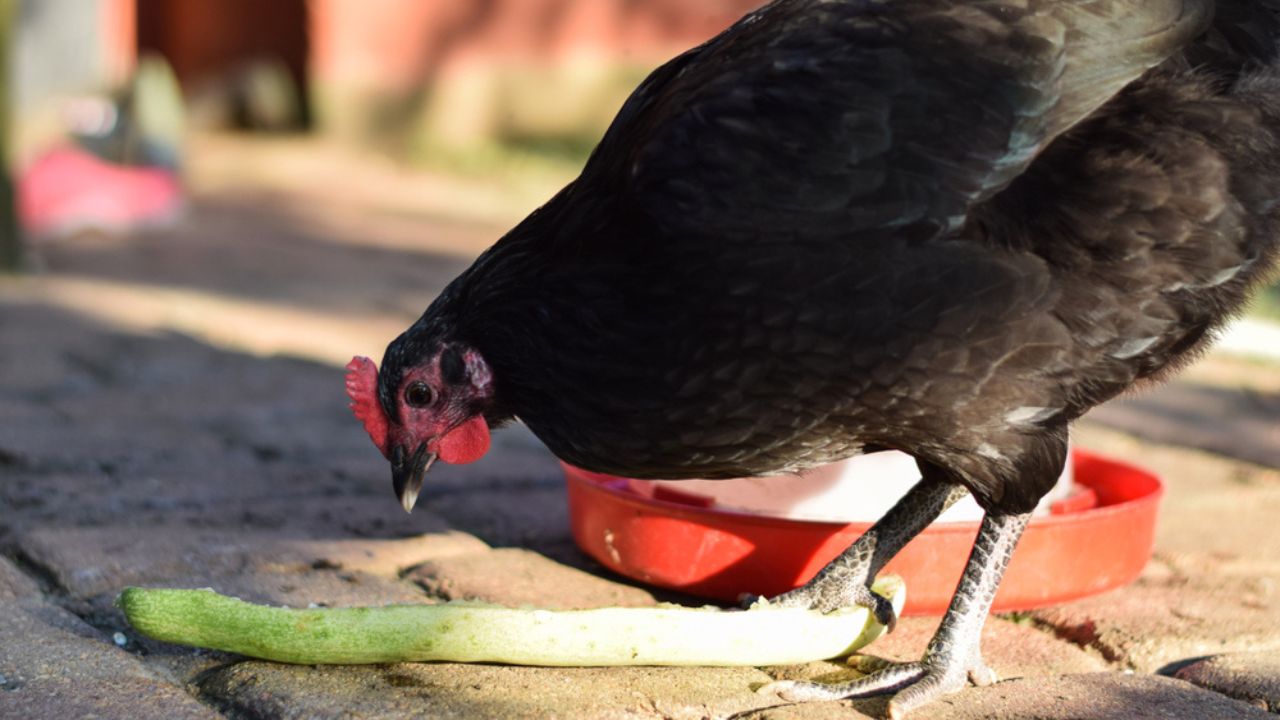
Australorps bring a strong balance of productivity and calm behavior, which makes them a very practical breed for new chicken keepers. A healthy hen can lay around 250 light brown eggs a year, giving beginners a steady egg basket without the stress of managing a high-strung bird.
Their black feathers often show a green or purple sheen in sunlight, giving them a polished look that stands out in the yard. They are also known for handling cooler climates well, which adds to their appeal in many regions.
Their temperament is one of their biggest strengths. Australorps are usually quiet, easy to settle into a flock, and less likely to cause trouble around more timid hens.
For a beginner who wants a dependable breed without many management issues, this breed is a strong match. They fit especially well in flocks where egg production matters more than novelty.
3. Barred Plymouth Rock

Barred Plymouth Rocks have been popular for many years because they are friendly, useful birds with a strong record in backyard flocks. They lay around four to five large brown eggs each week, which gives beginners a reliable return without demanding special care.
Their black-and-white barred feather pattern is easy to spot, and their alert nature often helps them notice changes in the yard before other hens do.
That alertness can be helpful in a mixed flock or a yard where predators are a concern. They tend to stay engaged with their surroundings while remaining easy to handle, which is a helpful mix for someone still learning flock behavior.
They are also a dual-purpose breed, so they have a sturdy build and a strong, hardy nature.
4. Sussex
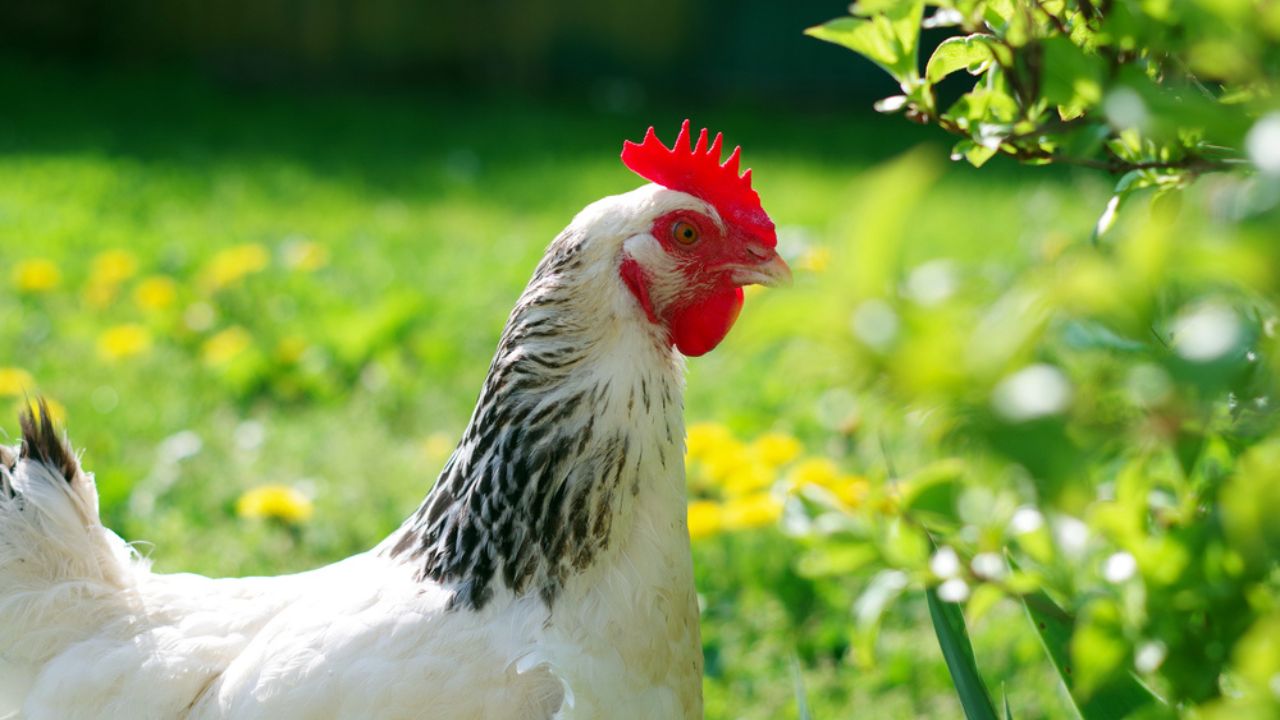
Sussex chickens are sweet, curious birds that often adjust well to new keepers and changing backyard conditions. They usually lay four to five eggs each week and are known for continuing through colder months better than some other breeds.
That winter laying ability gives them real value for beginners who do not want egg production to fall too sharply once temperatures drop.
The speckled variety is especially popular, though all Sussex birds tend to be attractive and lively.
Their curiosity makes them entertaining, though they can be more vocal than quieter breeds. That does not make them difficult, but it does mean they may be less ideal for very tight suburban spaces with nearby neighbors.
5. Easter Egger
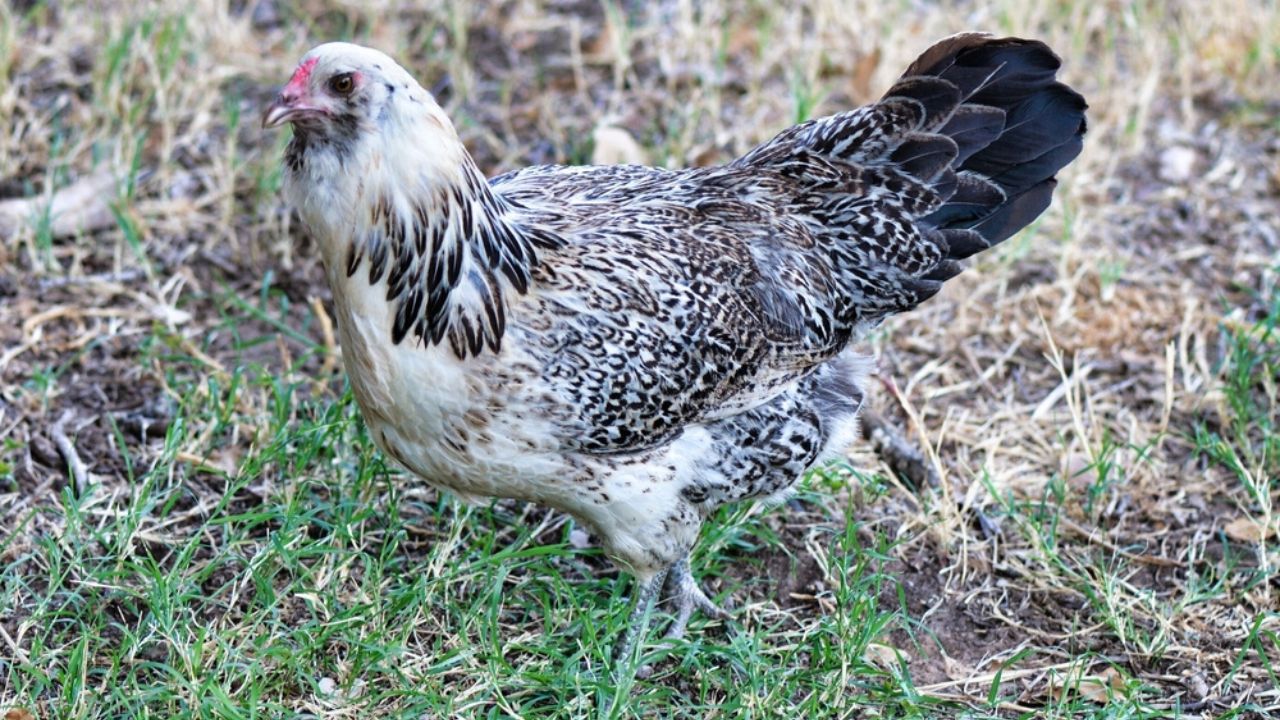
Easter Eggers are a favorite with new flock owners because they add color to the egg basket and tend to be hardy birds.
Their eggs may come in shades of blue, green, olive, or pink. They usually do well in both warm and cooler climates, making them a flexible choice for many backyard settings.
Since they are mixed-background birds rather than a single standardized breed, feather color and appearance can vary quite a bit.
That variety is part of their appeal, though it also means temperament can differ from bird to bird. Early socialization matters with Easter Eggers, since young birds that are handled gently often grow into calmer adults.
6. Cochin

Cochins are large, soft-feathered birds known for their docile nature and striking appearance. They usually lay around four eggs a week, so they are not the highest producers on this list, but they make up for that with their calm behavior and strong mothering instincts.
Their abundant plumage gives them a rounded, full look that many beginners find appealing right away. In a quiet flock, they are often among the easiest birds to approach and handle.
Their size and feathering do bring a few care points. Cochins need enough space to stay clean and comfortable, and their feathered legs may need attention in muddy conditions.
Hens also tend toward broodiness, which may be helpful for keepers interested in hatching chicks later.
7. Jersey Giant
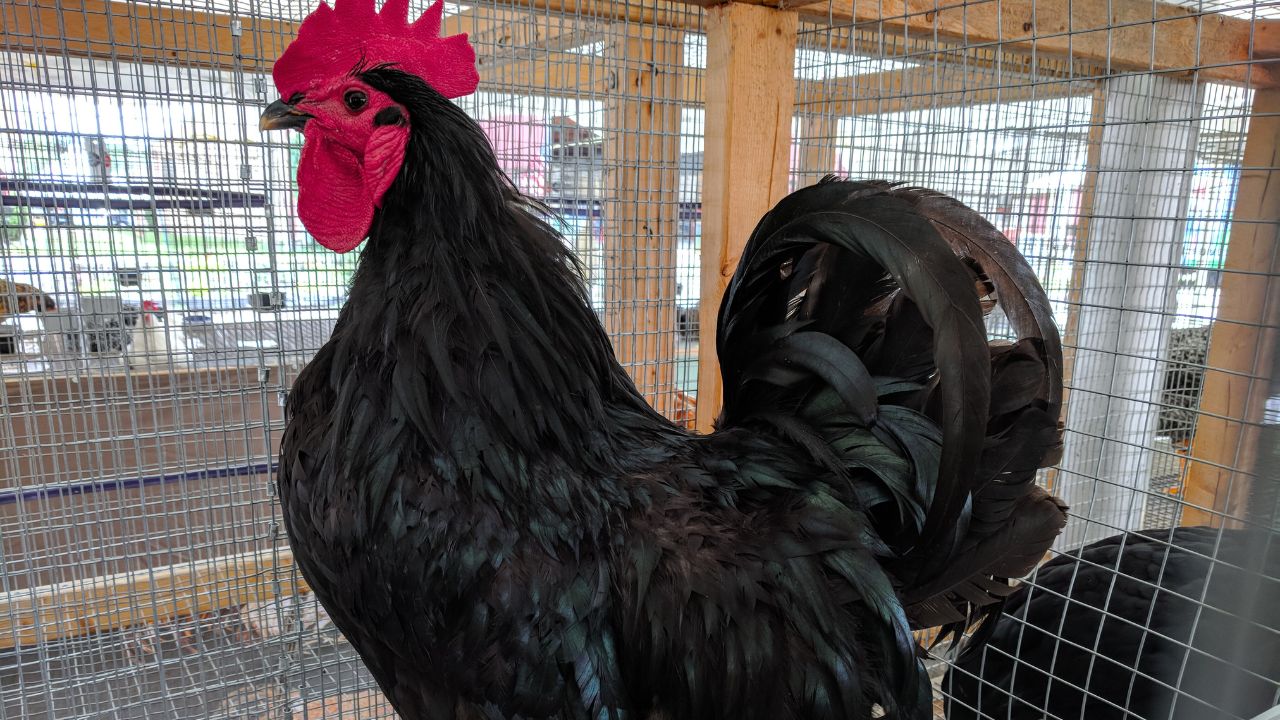
Jersey Giants stand out for their sheer size, yet their temperament is usually calm and manageable. Despite being one of the largest chicken breeds, they are often docile birds that fit well in a beginner flock if space and feed budget allow for them.
Hens typically lay around 150 to 200 extra-large brown eggs per year, which is a respectable number for such a big-bodied bird.
They also handle colder weather well, thanks to their strong build and dense feathering.
Their main drawback is practicality. A bird this large eats more feed and needs more room on the roost and in the run than a lighter breed. New keepers who want a giant chicken should plan housing with that size in mind from the start.
8. Silkie
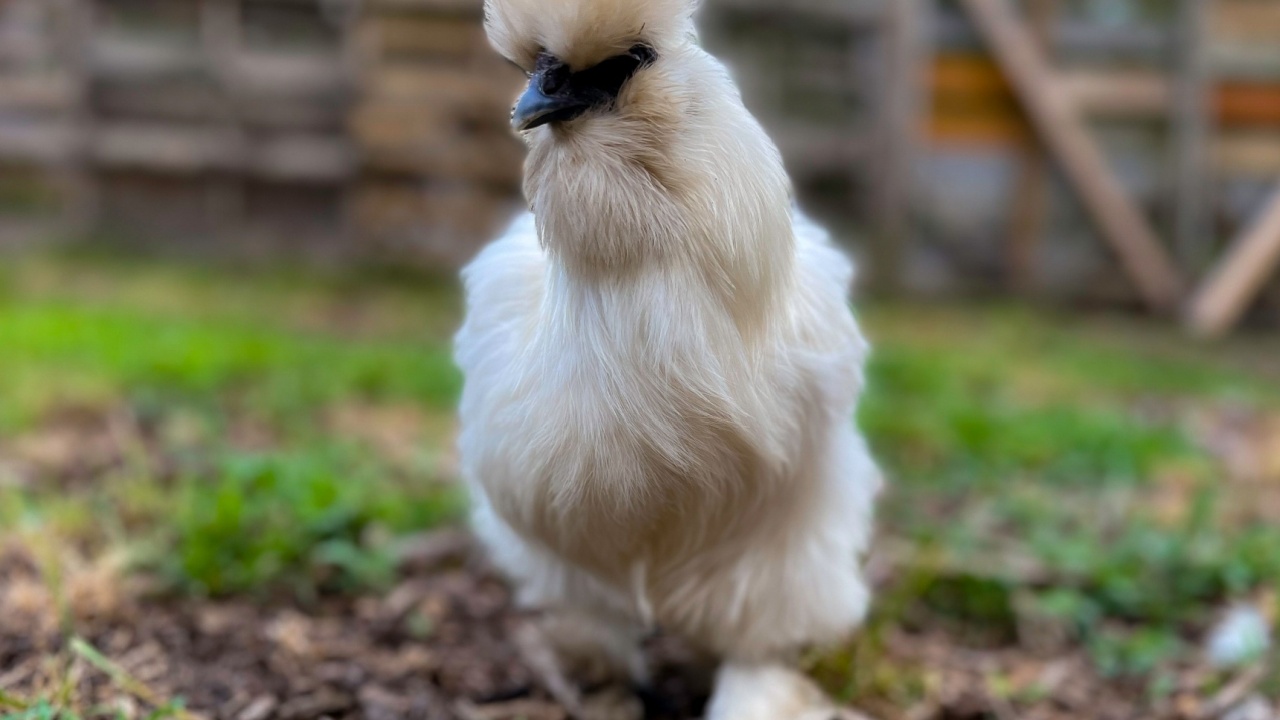
Silkies are often chosen by beginners who want chickens that feel more like pets than utility birds. Their fluffy feathers, dark skin, feathered feet, and gentle nature give them a very different look from standard backyard breeds.
They do lay fewer eggs, and those eggs are smaller, so they are not ideal for anyone focused mainly on production. Still, their calm temperament and sweet disposition make them especially popular with families and small hobby flocks.
Silkies are also well known for their broody nature and strong mothering instincts. A hen may readily sit on eggs and care for chicks, which can be useful in a flock where natural hatching is part of the plan.
Their unusual feathering means they do best with extra attention to dryness and cleanliness, since they are not as weather-resistant as tighter-feathered breeds.
Starting Strong with the Right Chickens
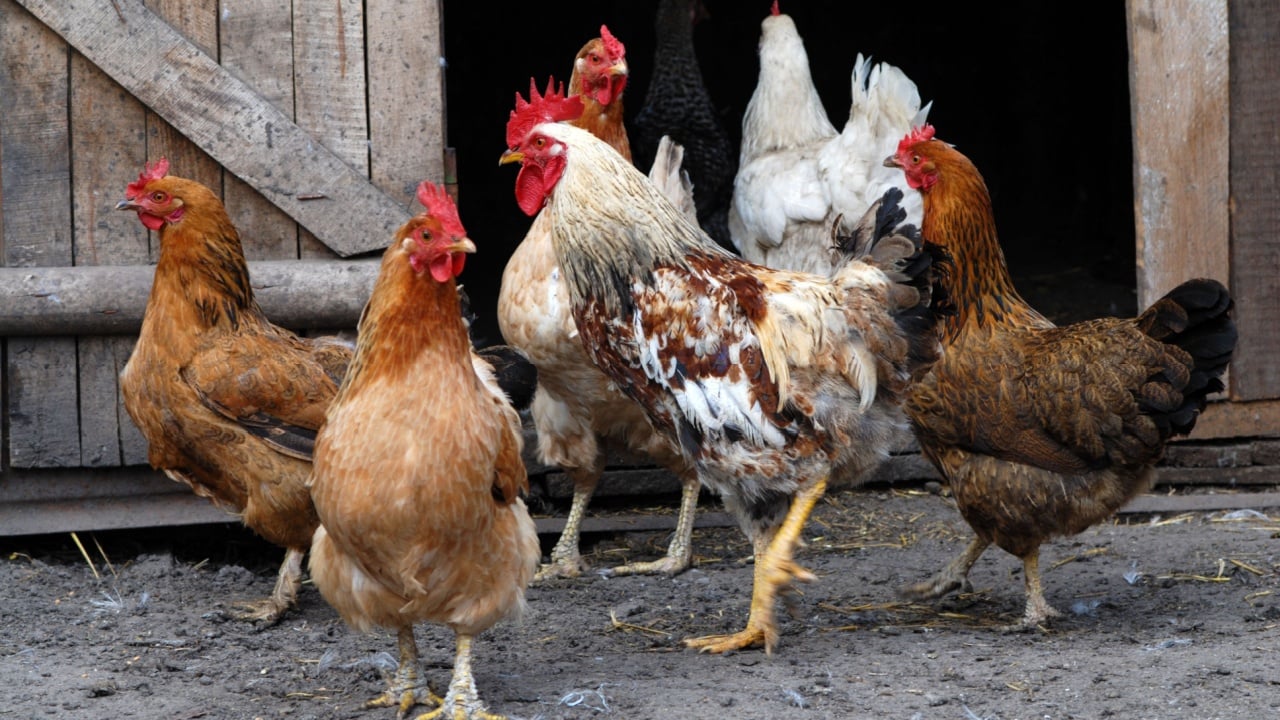
First-time chicken keepers benefit from selecting breeds that are gentle, adaptable, and productive. Prioritizing personality, egg yield, local climate, and space needs leads to better long-term success.
Try just a few breeds at first, keep a daily routine simple, and make note of what works well; this can help anyone shape a flock that matches their backyard and schedule. Research breed traits from trusted resources before purchasing.
Read More:
Worried About Your Chickens Being Eaten by Predators? How to Set Up Your Coop