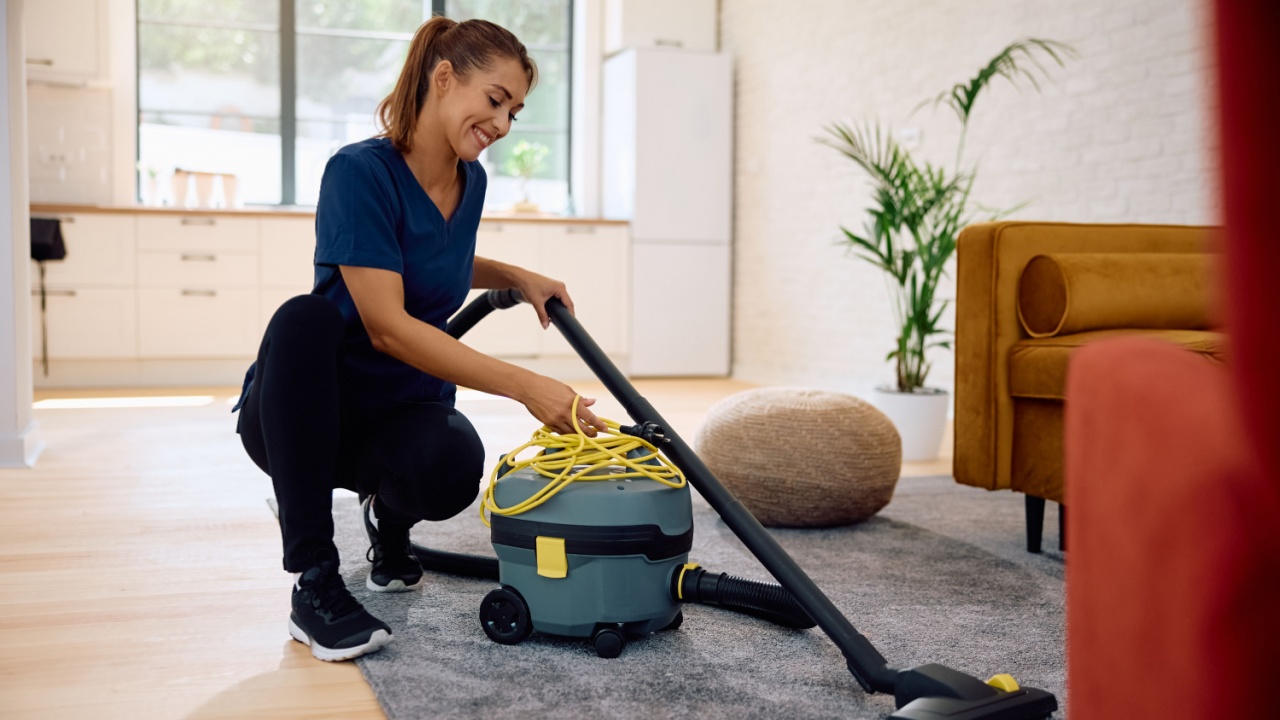
7 Things Around the House to Never Vacuum
Keeping a home clean often relies on quick tools that suck up dirt in seconds. You might grab your vacuum cleaner to tackle every mess you see on the floor. It is tempting to suck up every spill or dropped item to save effort (so much easier than a broom or mop!).
However, certain messes will completely ruin the internal mechanics of your favorite cleaning device. The motor and filters are sensitive parts that require specific care to function correctly. When inappropriate materials enter the hose, they create blockages or damage the motor beyond repair.
Why do these common household spills cause severe damage? Some items just don’t belong in the vacuum, no matter how expensive or heavy-duty it is. And using it in the wrong situation means you will be forking over money to fix it or buy a new one sooner than later.
Here are seven specific materials you should definitely keep away from your vacuum machine. Read on to learn safer cleaning methods for handling these tricky situations properly.
1. Wet Or Dry Coffee Grounds
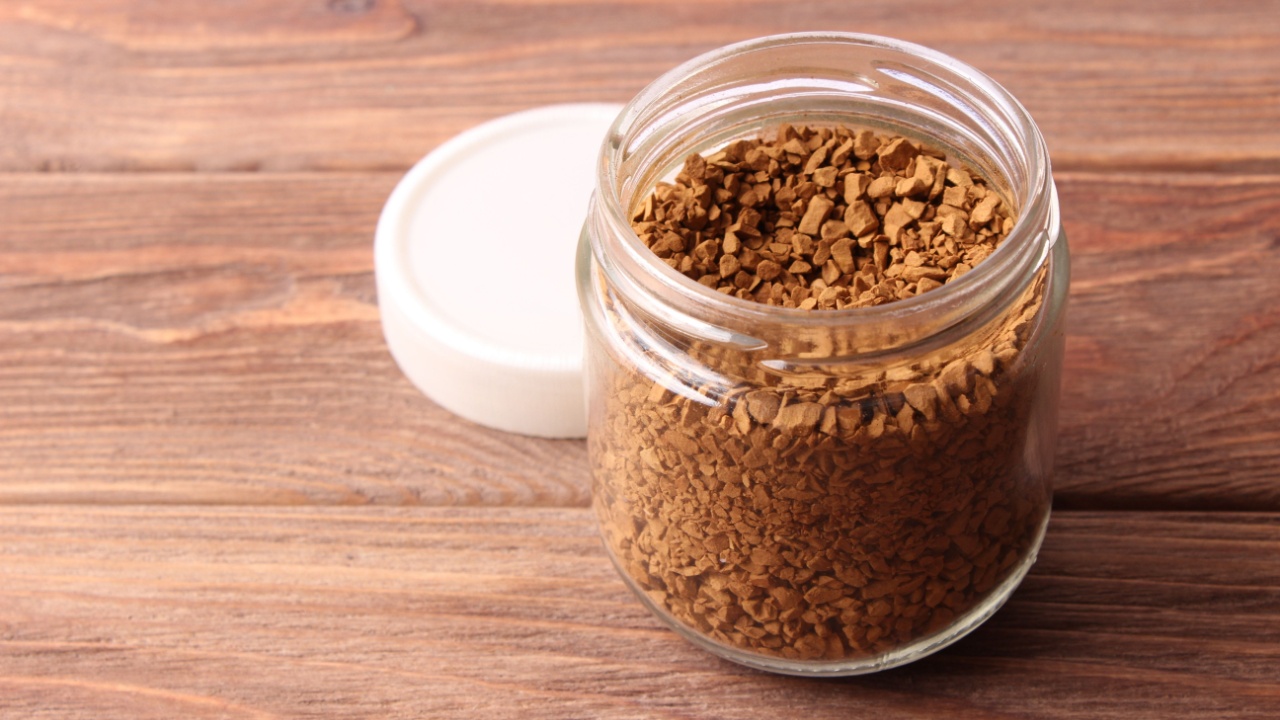
Wet or dry coffee grounds can cause significant damage to the internal components of your machine. Moisture in wet ground creates mold inside the dustbin and coats the internal tubing. Dry grounds are completely solid and tend to clog the fine filters designed to catch dust. As the filters become blocked, the motor works harder and eventually overheats from the strain.
Sweep these spills using a traditional broom and dustpan to protect your equipment. If the spill happens on a carpet, use a stiff brush to loosen the grounds before sweeping them into a pan. You can also use a slightly damp paper towel to dab up the remaining bits. This manual method protects your expensive appliance from unnecessary wear and tear.
2. Broken Glass and Delicate Fragments

Dropped cups or broken ornaments leave dangerous shards scattered across your floor. Sucking these sharp fragments up will slice through bags and scratch the hard plastic parts inside the hose. Large pieces easily wedge themselves into the brush roll, causing the entire system to jam up immediately. These jams can cause the motor to stall, leading to expensive repairs or a total replacement.
Carefully sweep the large fragments into a heavy-duty dustpan and dispose of them securely in a thick trash bag. Use a slice of plain bread or a damp paper towel to safely pick up the microscopic slivers left behind. Once you remove all the visible pieces, you can safely run your machine over the area to catch any remaining microscopic dust. Protecting your hands and your appliances requires patience during the initial cleanup phase.
3. Sticky Messes
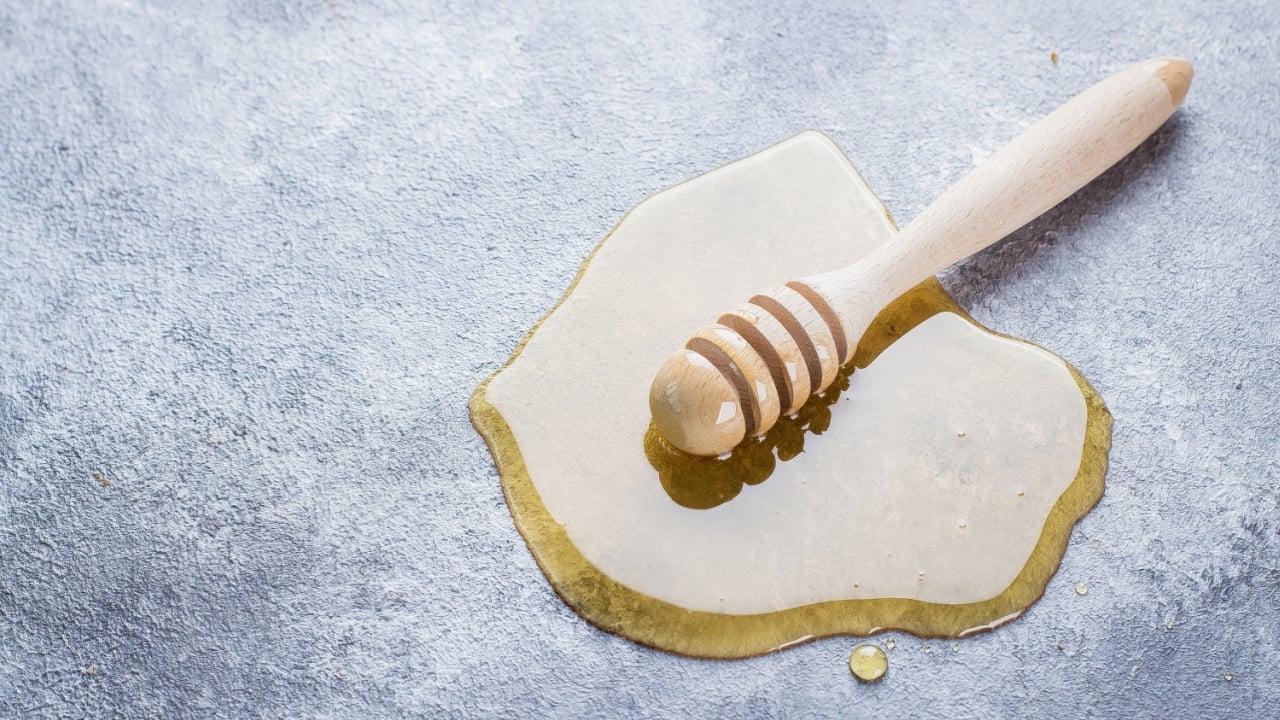
Spilled syrup, craft glue, and honey spell disaster for the moving parts inside your cleaning tools. These thick materials coat the rotating bristles and line the interior walls of the suction hose. Dirt and hair stick to this gooey residue, forming a dense clog that completely blocks airflow. Removing this hardened mess requires taking the entire unit apart and soaking the components in hot, soapy water.
Treat sticky spills with a specialized cleaner and a microfiber cloth immediately after they happen. Spray a safe degreaser or warm water on the mess to loosen the bond before wiping it away. Scrubbing by hand prevents the substance from spreading further across your floor or carpet fibers. Taking a few extra minutes to wipe up the mess saves you hours of tedious appliance maintenance.
4. Hot Ashes or Burning Embers

Cleaning up fireplace debris requires extreme caution because hidden embers hold heat for a surprisingly long time. Sucking up warm ashes creates a massive fire hazard inside the collection bin. The fast-moving air feeds oxygen to the hidden embers, potentially igniting the surrounding dust and hair trapped inside. The extreme heat will melt the internal plastic casing and destroy the sensitive electronic components.
Allow all fireplace debris to cool for at least four days before attempting to clean the hearth. Use a dedicated metal shovel and a metal bucket to safely scoop out the powdery gray remains. If you frequently need to clean fine ash, invest in a specialized ash-vac designed specifically to handle high temperatures safely. Safety must always come first when dealing with potentially flammable debris.
5. Small Household Items and Debris

Coins, metal screws, paper clips, and small plastic toys frequently hide under sofas and rugs. These heavy, solid items fly through the hose at high speeds and shatter the plastic housing. Sharp screws easily puncture collection bags, allowing dust to escape directly into the main motor compartment. Even smooth objects like coins lodge themselves firmly in the curved sections of the hose.
Scan the floor carefully and pick up any hard items by hand before turning on your machine. Keep a small basket nearby to quickly toss loose change and random toys into as you clean the room. Doing a quick visual sweep prevents terrifying rattling noises and sudden motor failure. Your equipment functions perfectly when the pathway remains clear of heavy obstructions.
6. Liquids and Wet Spills
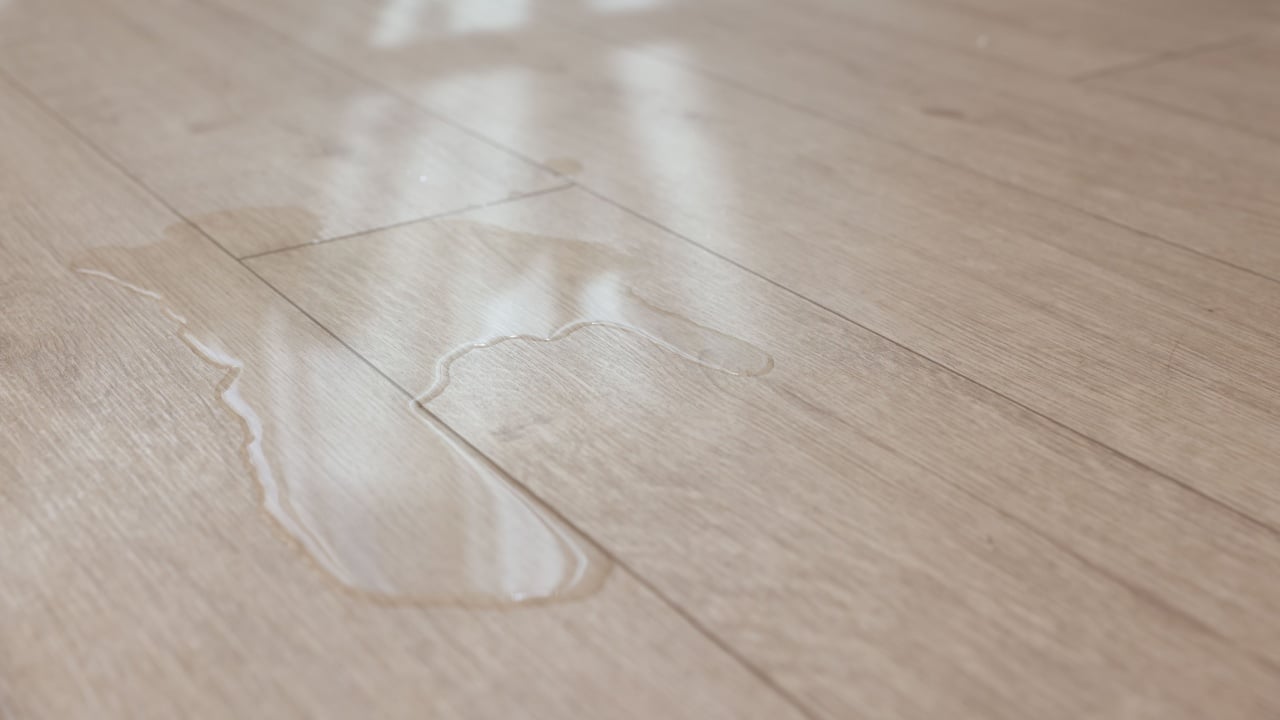
Standard models lack the waterproofing needed to safely handle liquid spills like milk, juice, or pet accidents. The moisture immediately mixes with the dust already inside the dirt chamber, creating a thick mud that clogs the filters. More importantly, liquid entering electrical components poses a severe shock hazard to the user. Water completely shorts out the circuitry, rendering the appliance totally useless in a matter of seconds.
Grab a stack of absorbent paper towels or a thick rag to immediately soak up wet spills. For heavy liquid messes, use a wet-dry shop model specifically designed to pull moisture without damaging the motor. Properly extracting moisture prevents mold growth on your floors and keeps your primary cleaning tools safe. Always separate your dry-cleaning tasks from your wet-spill responses.
7. Fine Powders
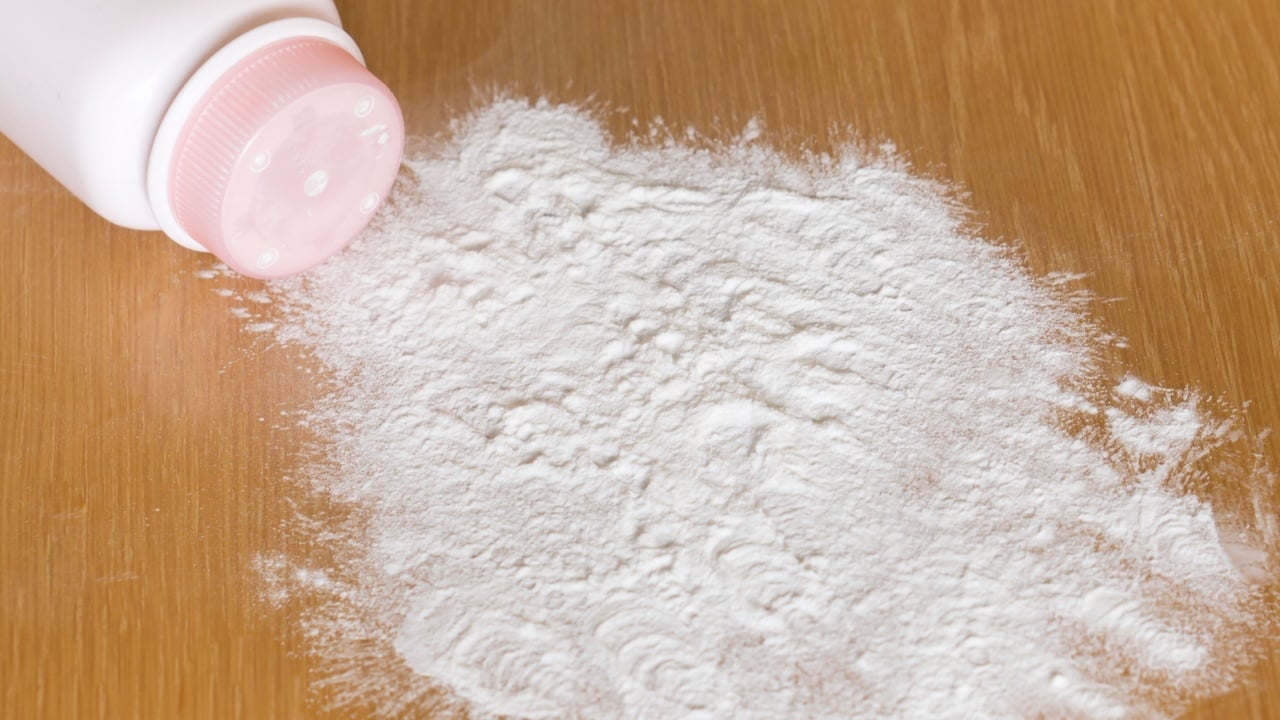
Fine powders such as flour and baking soda might seem like a simple cleanup job, but they can severely impact your vacuum’s performance. These tiny particles pass through most filtration systems and become trapped deep within the filters, quickly clogging them and blocking airflow. When the vacuum can’t “breathe,” the motor works overtime and is at risk of overheating or shutting down completely. The powder can also escape through the machine’s exhaust and settle back onto furniture and surfaces.
To tackle spills of fine powders, gently sweep the area with a broom and dustpan before using any vacuum. For carpets, use a slightly damp microfiber cloth to blot or lift the powder particles, as this reduces the risk of pushing them deeper. If you’ve spilled a significant amount, take time to thoroughly wipe down nearby surfaces to prevent residue from spreading.
Preserve Your Vacuum’s Performance
Maintaining a tidy home requires understanding the limitations of your favorite appliances. Avoiding these items protects your equipment from sudden failure and expensive repair bills. Proper maintenance significantly extends the lifespan of your machine.
Take a few extra moments to manually clean hazardous spills before turning on the power switch. A simple broom, dustpan, and a few towels handle the most dangerous messes safely and efficiently. Your appliances will function perfectly for years when you treat them with care.
Read More:
12 Kitchen Appliances That Are a Total Waste of Money
5 Appliances That Need Regular Cleaning to Avoid Moldy Growth