
7 Strategies to Stock a Week of Meals Without Going Broke
People are feeling the pinch these days when it comes to grocery shopping. A 2025 survey found 38% of shoppers thought their ability to access the food they need was getting worse. If you’re trying to figure out how to fuel your body for the week without surviving entirely on caffeine and hope, there is good news.
You don’t need a massive budget to eat well. With a bit of strategy and a few clever hacks, you can fill your fridge without emptying your wallet. Here are seven simple, stress-free ways to stock your kitchen for the entire week while keeping your bank account in the green.
1. Shop Your Own Kitchen Before Hitting the Store

Most households sit on a “goldmine” of forgotten food. Before heading out, spend five minutes auditing your pantry, fridge, and freezer. That half-box of pasta or stray can of chickpeas is the perfect head start for your weekly menu. Planning meals around what you already have means buying less from scratch.
Smart Tip: Snap a quick photo of your shelves before you leave. It’s a great digital reference to help you avoid buying duplicates while you’re in the aisles.
2. Anchor Meals with Versatile Pantry Staples

Save money by stocking up on versatile, low-cost essentials like rice, dried beans, lentils, oats, and pasta. These staples cost pennies per serving and serve as the base for hundreds of different recipes. Unlike expensive processed foods, a single bag of rice can be used for stir-frys, burrito bowls, or simple side dishes throughout the week.
Smart Tip: Buy dried beans instead of canned. A single bag costs less than two dollars and yields twice as much food as canned versions with just a little soaking time.
3. Scour the “Ugly” Produce and Clearance Sections

Don’t pay extra for perfect-looking produce. Many grocery stores have a discount rack for fruits and vegetables that are slightly bruised, nearing ripeness, or just weirdly shaped. You can often get these items for 50% off or more. A bruised apple tastes the same when it’s chopped into oatmeal or baked into a pie. The bakery and meat departments also mark down items nearing their sell-by dates.
Smart Tip: Ask department managers about their markdown schedule. Knowing when they discount meat or clear out yesterday’s bread can help you get the best deals.
4. Embrace the Bulk Bins for Specific Quantities

The bulk aisle is a hidden gem for saving money because you only buy exactly what you need. If a recipe calls for just two teaspoons of a spice or a half-cup of quinoa, don’t waste money on a full-priced jar that will just sit in your pantry and go stale.
Paying a few cents for a pinch of curry powder is way better than dropping five dollars on a whole bottle.
Smart Tip: Bring your own reusable jars or bags. Just remember to record the “tare weight” (the weight of the empty container) first, so you aren’t paying extra for the glass or plastic.
5. Stretch High-Cost Proteins with Plant-Based Fillers

Meat often consumes the largest portion of a weekly food budget. To stock a week of meals for less, view meat as a flavor enhancer rather than the main event. Mixing ground beef with lentils or mushrooms adds volume and fiber to dishes like tacos, shepherd’s pie, or bolognese sauce.
This technique, often called “cutting” the meat, can double the number of servings obtained from a single pound of animal protein.
Smart Tip: Try using eggs as a primary protein for dinner once or twice a week. Frittatas, shakshuka, or savory omelets offer high protein content at a fraction of the cost of steak or chicken breast.
6. Prioritize Frozen Fruits and Vegetables
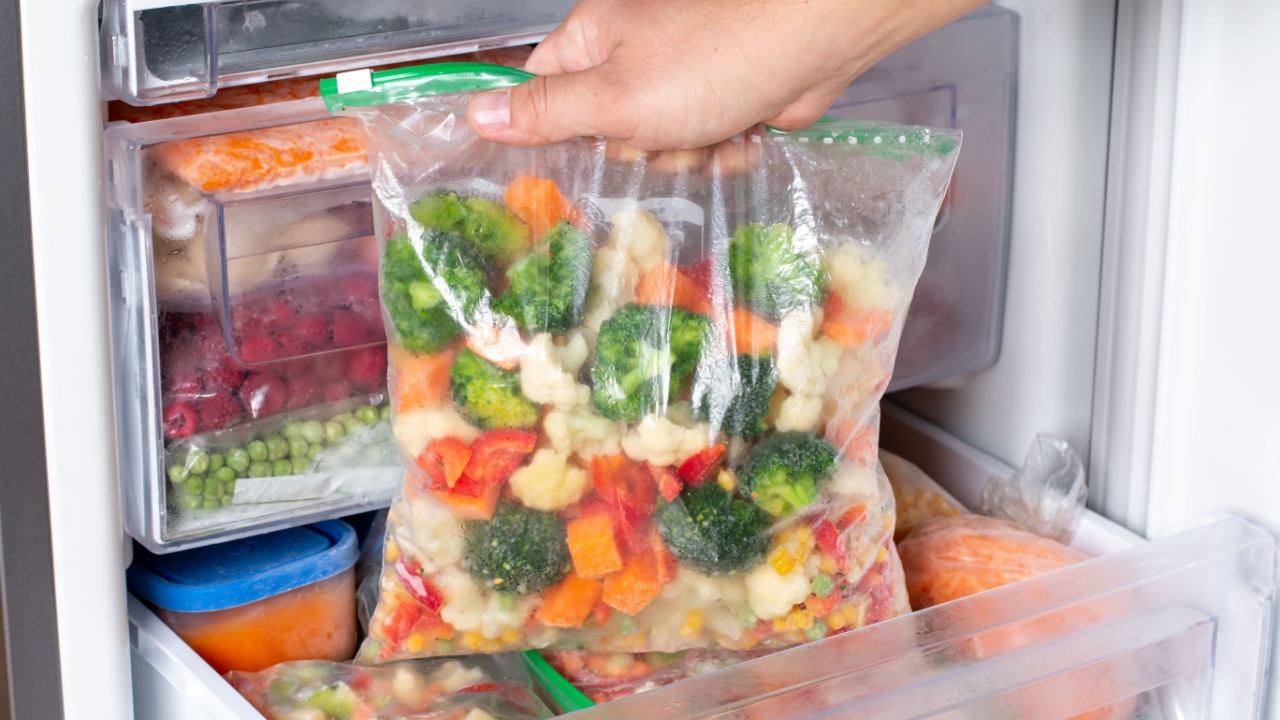
Fresh produce is fantastic, but it carries a risk: spoilage. Watching a container of spinach turn into slime is essentially throwing money in the trash. Frozen fruits and vegetables offer a nutrient-dense alternative with a much longer lifespan. Harvested and flash-frozen at peak ripeness, these items retain their vitamins and eliminate food waste.
Smart Tip: Look for “steam-in-bag” vegetable medleys for quick side dishes, but check the unit price. Sometimes, buying a standard bag and microwaving it in a reusable bowl saves even more per ounce.
7. Plan for “Cook Once, Eat Twice” Meals
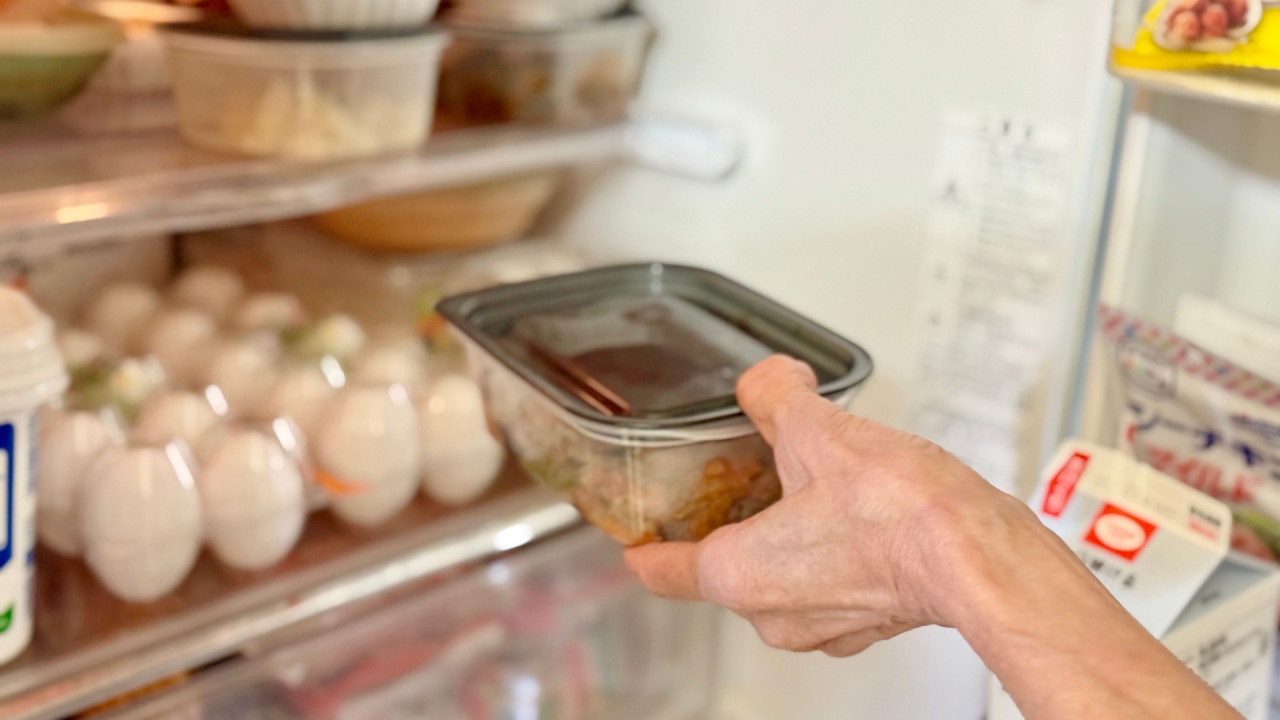
Cooking efficiently saves money. When planning your grocery list, think about ingredients you can use for multiple meals. For example, roasting a whole chicken is usually cheaper per pound than buying individual breasts.
This gives you a roast dinner on Sunday, sandwich meat for Monday, and a carcass for soup stock on Tuesday, all from one purchase.
Smart Tip: Buy quality glass storage containers. You’re more likely to eat leftovers if you can see them, preventing them from becoming mystery tubs in the back of the fridge.
Mastering the Weekly Shop

Stocking a kitchen on a budget is a skill that improves with practice. By shifting the focus to versatile staples, embracing imperfect produce, and stretching expensive ingredients, anyone can drastically reduce their grocery spending without feeling deprived. It starts with a single smart trip to the store.