7 Grocery Staples That Stores Actually Lose Money On
You walk into the supermarket for a carton of eggs and somehow walk out with a cart full of snacks, fancy cheese, and, oh, look, a new houseplant. It’s no coincidence. Grocery stores are pros at influencing what you buy, and one of their sneakiest tricks is the “loss leader.”
These are products priced so low they’re practically giving them away, but here’s the catch: they lure you in with the deal, knowing you’ll end up grabbing all the pricier stuff too. Want to shop smarter? Learn which items fall into this trap, and take back control of your cart.
1. Rotisserie Chickens
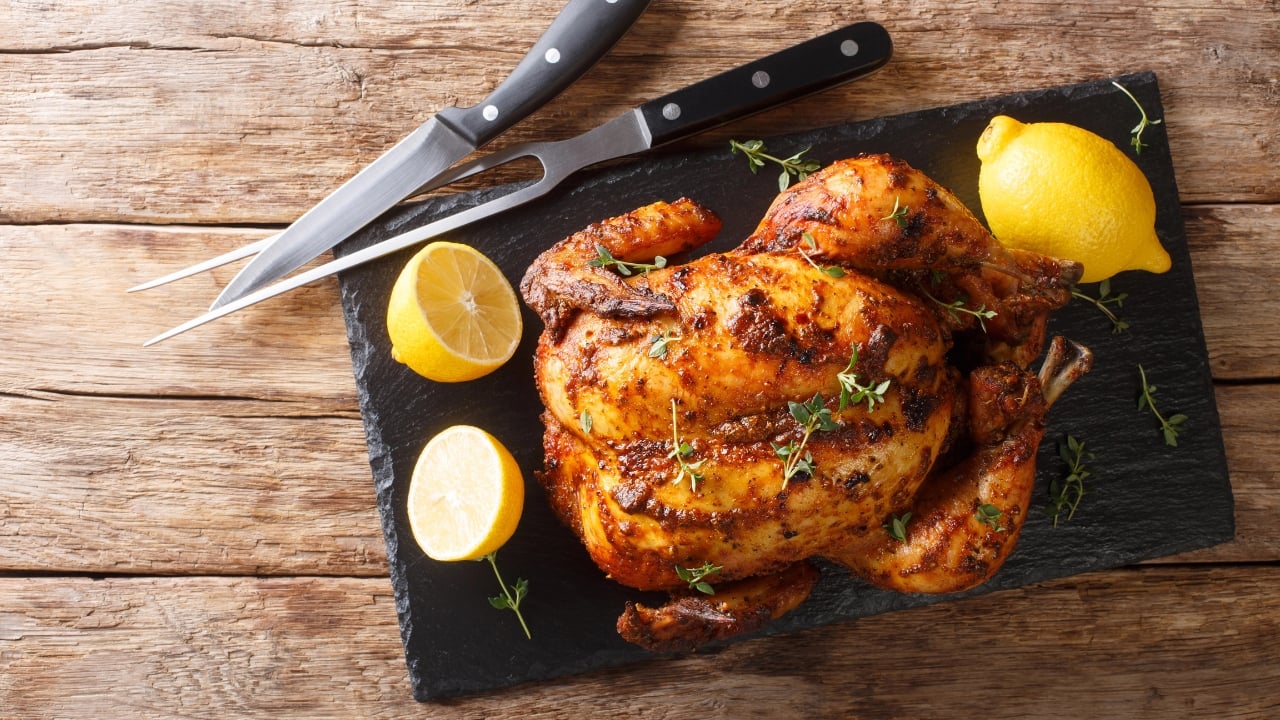
The rotisserie chicken might be the most famous loss leader of them all. Costco, for example, has famously kept its cooked birds at a steady $4.99 for over a decade, even with poultry and labor costs on the rise.
It’s no accident these golden, delicious-smelling birds are usually tucked away at the very back of the store. To get one, you have to walk past aisles of gadgets, clothes, and pricey snacks. That amazing smell? It’s a trap to make you hungry and more likely to impulse buy.
By the time you finally grab that chicken, your cart is probably already loaded with a salad kit, a bottle of wine, and a baguette. To make the most of this deal, use the chicken for a few different meals, like tacos one night and soup the next.
2. Bananas

It seems illogical that a tropical fruit, shipped thousands of miles in temperature-controlled containers, can cost just pennies at the checkout. But retailers price bananas low on purpose.
Shoppers often judge how affordable a store is based on the price of staples like bananas. If the bananas are cheap, you subconsciously assume the cereal and pasta are a good deal too. Stores are willing to lose a little money on each bunch to create that sense of value.
3. Disposable Diapers

Parents of young children are the holy grail for supermarkets. They require a high volume of goods and value convenience over almost anything else. Retailers know that if they can get a parent in the door with an unbeatable price on diapers, that parent will likely do their entire weekly shop there to avoid making a second trip.
Diapers are bulky, expensive to ship, and have low profit margins, but they act as an anchor. While the store might lose a dollar on the box of Pampers, they gain a loyal customer who fills a cart with baby food, wipes, and groceries for the rest of the family. Keeping an eye on unit prices during bulk sales can help maximize savings here.
4. Thanksgiving Turkeys
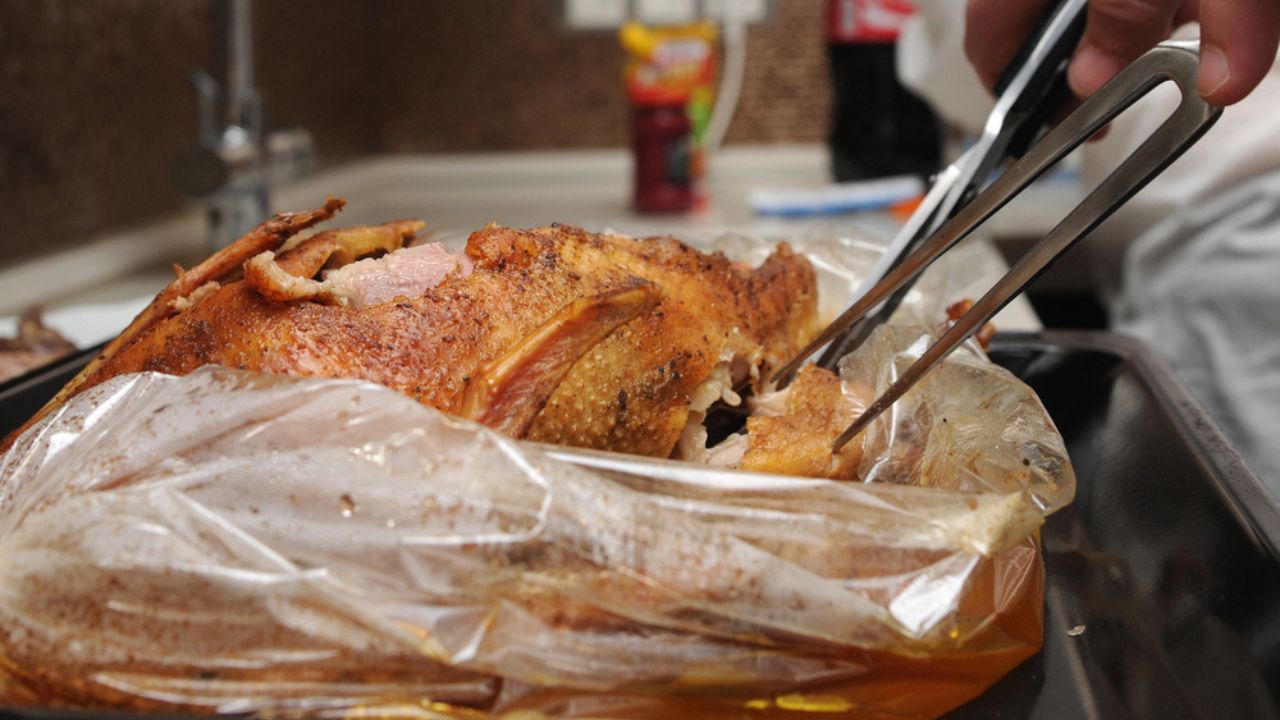
Around the holidays, frozen turkey prices can get ridiculously low, sometimes as little as 40 cents a pound. This is a classic seasonal loss leader designed to get you in the door for your big Thanksgiving shop.
Grocers know the turkey is just the centerpiece; the real profit is in everything else. The stuffing mix, canned pumpkin, cranberry sauce, roasting pans, and decorations are where they make their money back. Pro tip: Grab an extra turkey to stash in the freezer for later and enjoy those holiday savings year-round.
5. Milk and Eggs
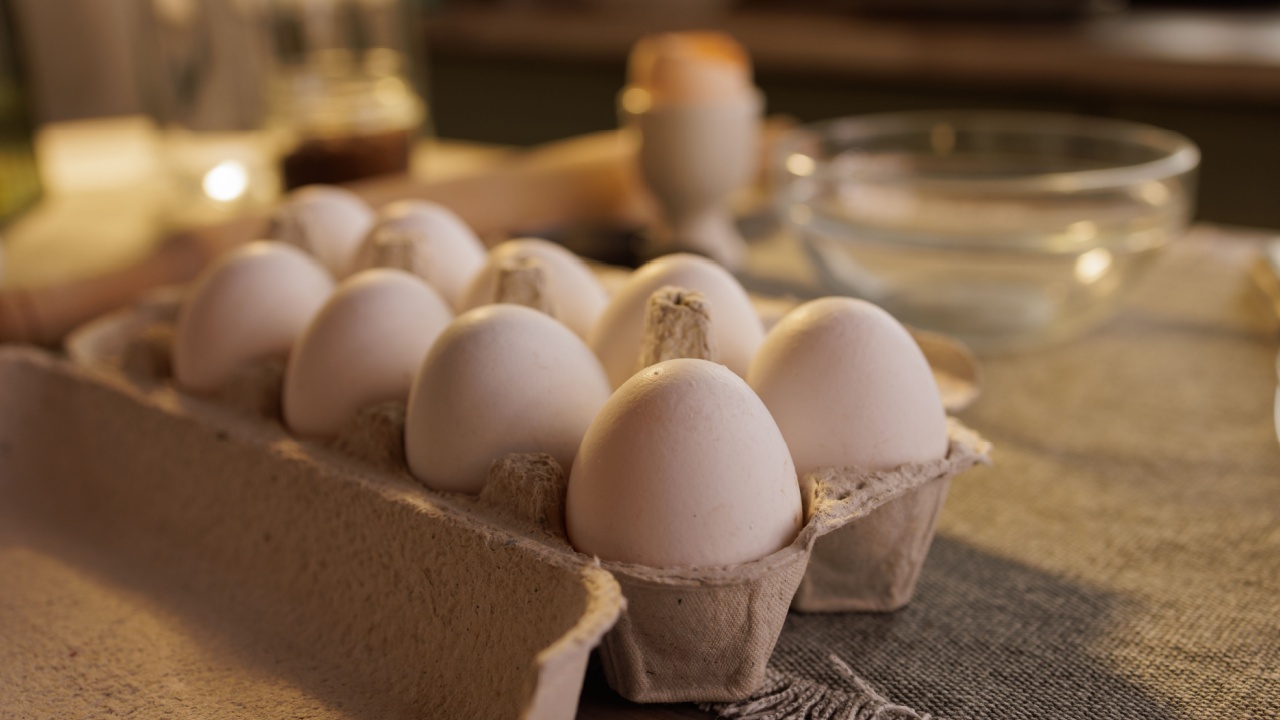
These dairy aisle staples are the reason a lot of people make a quick trip to the store. Since they’re basic items with prices customers pay close attention to, stores keep them super cheap to compete with nearby chains. Like rotisserie chickens, these perishables are usually tucked away in the back of the store.
This setup makes you walk the whole perimeter or cut through aisles, exposing you to displays and promos along the way. If you compare prices between warehouse clubs and regular grocery stores, you’ll notice these essentials are often priced just to break even.
6. Fresh Bakery Items
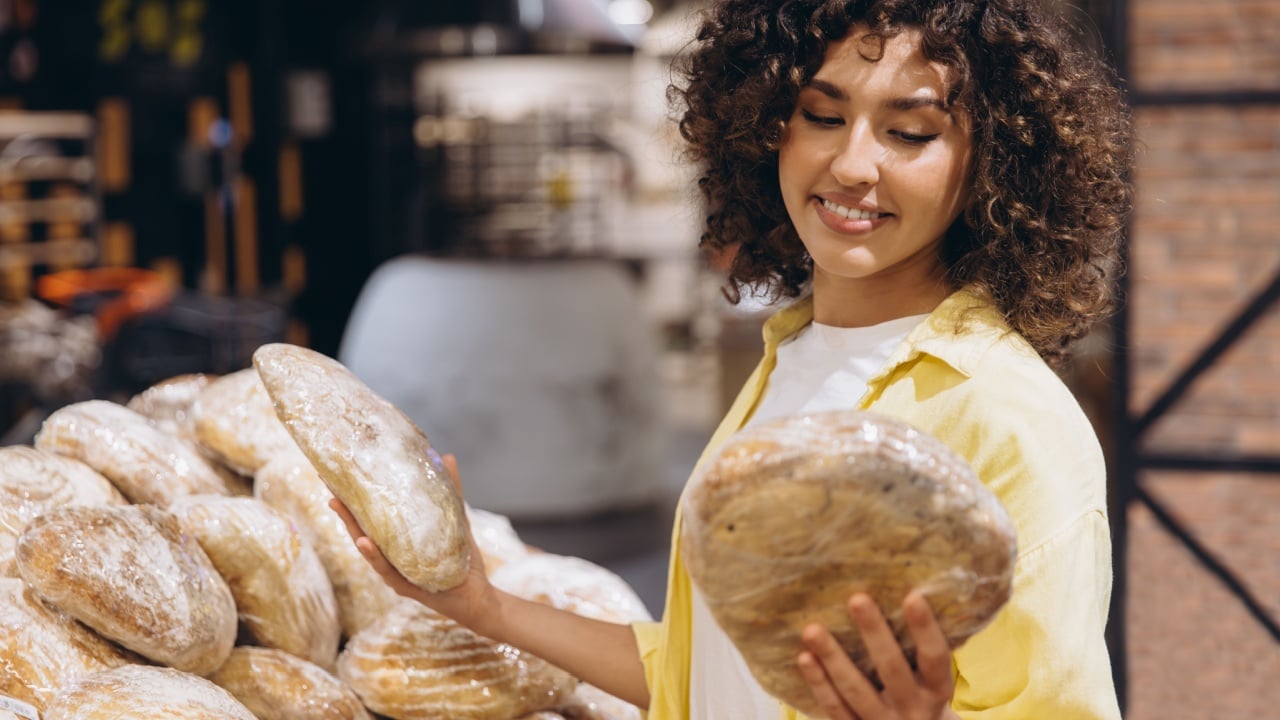
The bakery section is another area where sensory marketing meets pricing strategy. While specialized cakes might turn a profit, standard loaves of bread, donuts, and rolls are often sold at or below cost.
The smell of freshly baked bread implies that the entire store is fresh and high-quality. A bakery that actually bakes on-site has high labor and equipment costs, meaning that a $2 loaf of French bread is likely not a moneymaker. It exists to get you in the mood for food. Checking the “day-old” rack can yield even deeper discounts on these already low-priced goods.
7. Soda and Soft Drinks
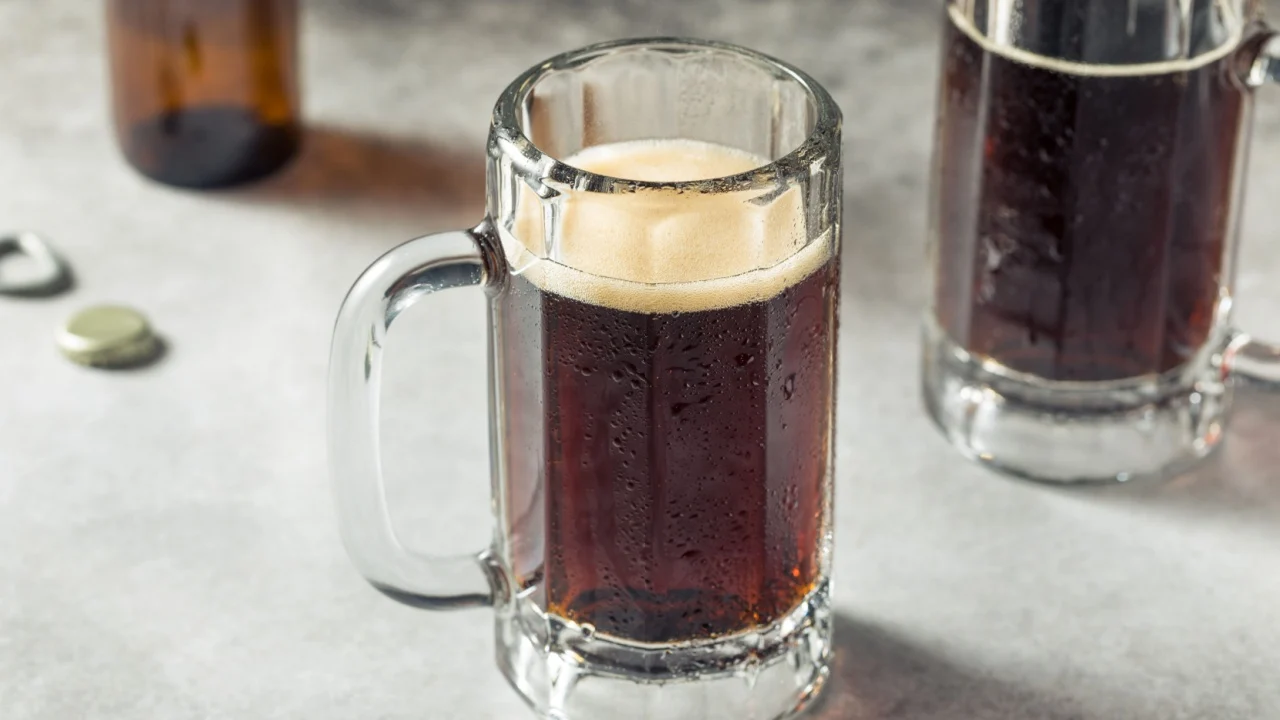
Carbonated beverages are frequently splashed across the front page of weekly circulars with “Buy 2, Get 1 Free” or similar bulk offers. These deals are eye-catching and drive significant foot traffic.
While the store might lose a few cents on each bottle or can, soda buyers are statistically likely to purchase salty snacks, frozen pizzas, and party supplies. The shelf life of soda is long, making it an excellent candidate for stocking up when these deep discounts hit the flyer.
Staying in Control on Your Next Shopping Trip
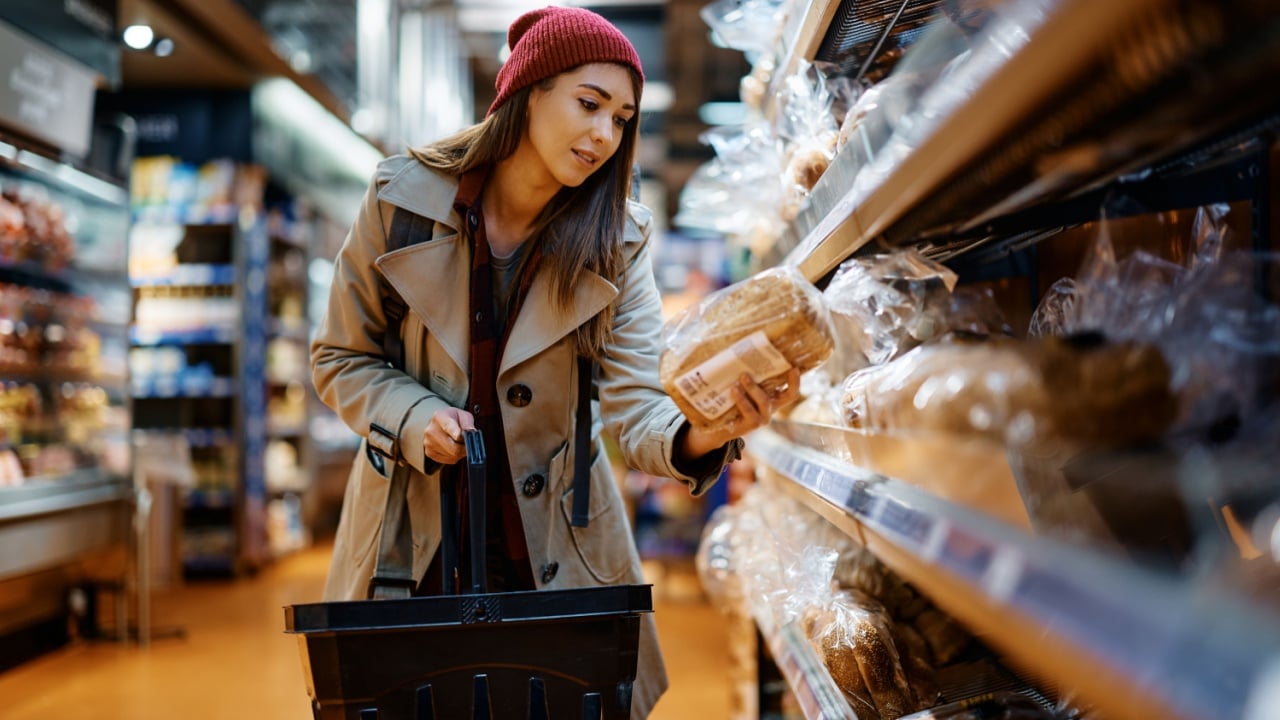
Recognizing these loss leaders changes the way you view the grocery circular. These items represent genuine savings, provided you stick to your list and avoid the psychological traps laid out in the aisles.
The best approach is to identify these deals, stock up on the staples you actually need, and remain vigilant against the high-margin impulse buys that stores use to balance their books.
Check your local store’s app for this week’s front-page deals and plan your menu around the items they are paying you to take off their hands.