

Sometimes, walking into a modern kitchen is like boarding a spaceship. Everything beeps, glows blue, and probably connects to WiFi for reasons nobody quite understands. While efficient, these sleek surfaces often lack a bit of soul. That might explain why so many folks are rescuing heavy, chrome-laden beasts from grandparents’ basements or scouting flea markets for pastel-colored metal.
There’s an undeniable charm to appliances built when “heavy” meant “quality” and “Pink Champagne” was a valid color option for a stove. These machines were made to last for years, not just until the warranty runs out.
Anyone curious about that retro toaster or weighing the pros and cons of a vintage range will find these six classics are worth a closer look.
1. The Pastel Refrigerator (Original 50s Models)
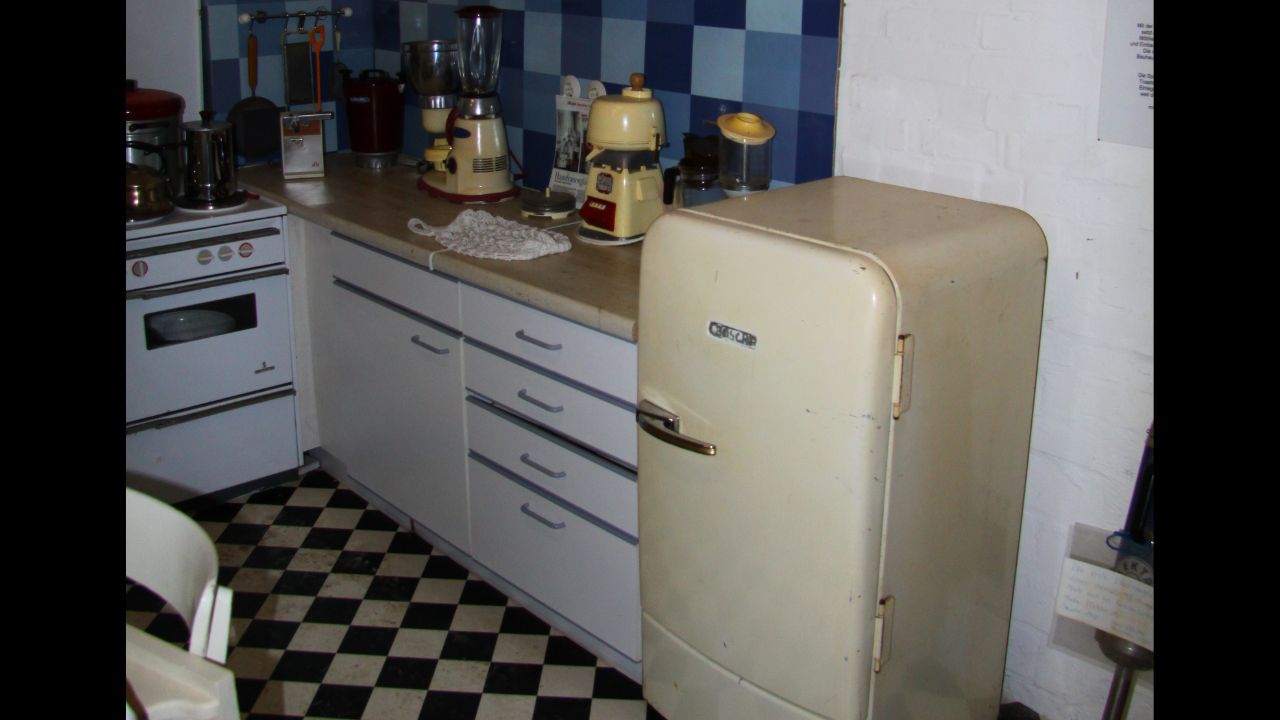
Image Credit: Morn – Own work – CC BY-SA 4.0/Wiki Commons.
Modern fridges are marvels of engineering, but they tend to look like stainless steel monoliths. The curvaceous, colorful fridge of the mid-20th century was built differently. Original 1950s General Electric models and retro-style appliances easily become the room’s focal point.
Authentic vintage fridges are built simply. They lack complex computer boards, which can cause issues in modern units after a few years. However, they aren’t frost-free, so you’ll need a hairdryer and an ice scraper now and then. Modern retro versions fix this issue but hold onto the retro look. Why go for one? Because reaching for milk from a mint green fridge just feels more fun than using a plain grey box.
2. The O’Keefe & Merritt Gas Range

Image Credit: Shutterstock.
Anyone who spends time at the stove probably recognizes this name. These stoves are the tanks of the culinary world. Built mostly in the 1940s and ’50s, O’Keefe & Merritt ranges feature heavy cast-iron grates, chrome tops that fold down to cover burners, and a specialized feature called the “Grillevator.”
This was a broiler that adjusted up and down with a lever, giving you impressive control over the heat distance. Their BTUs stack up well against modern commercial options. Gas flow stays steady, oven space is large, and the “vanity cover” gives added workspace when not in use. You’ll need to handle pilot light upkeep (or retrofit with an electronic ignition), and moving one is a project, thanks to the weight. For many, though, using one is worth all that.
3. The Sunbeam Mixmaster (Model 12 or earlier)
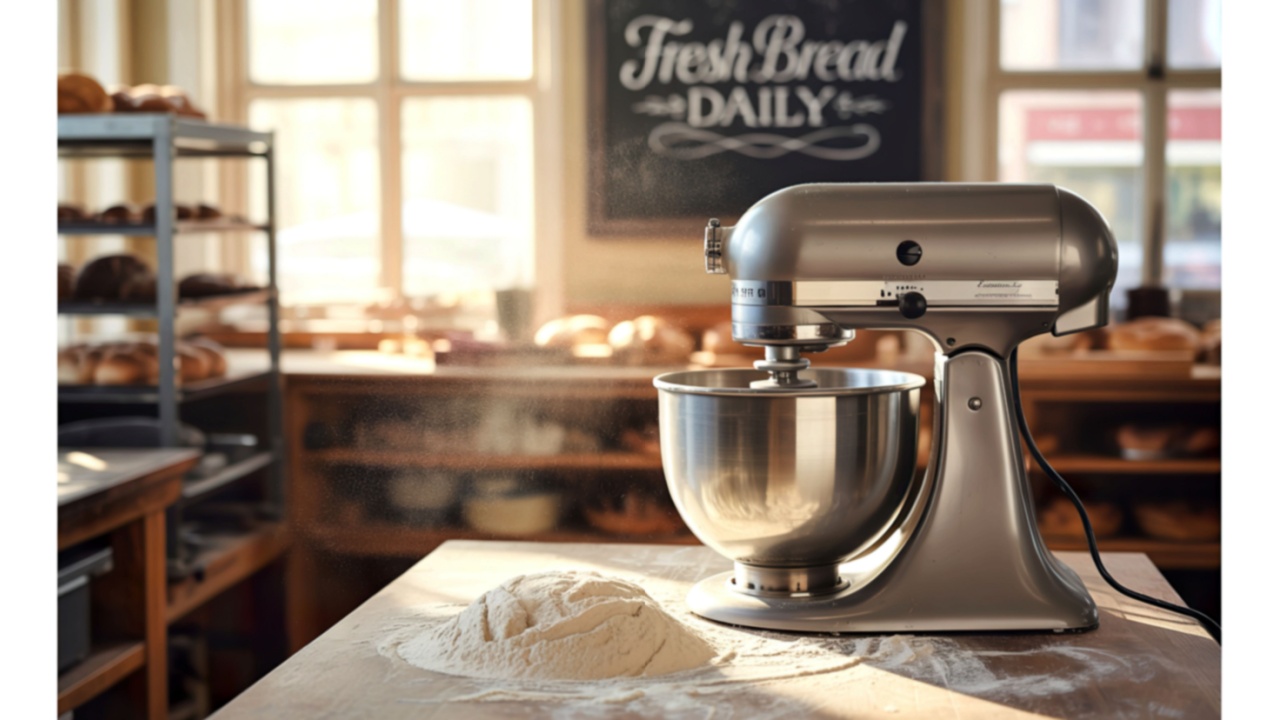
Image Credit: Shutterstock.
Before KitchenAid stand mixers took over wedding registries, the Sunbeam Mixmaster set the standard. The late 40s and 50s models are design icons. They look fast even when still, with aerodynamic motor housings and glass bowls that fit perfectly into the turntable base.
The beauty of the Mixmaster is in its dual-beater system and the way the bowl turns on its own while mixing. This helps blend ingredients together without constant bowl scraping. While these mixers might not handle super tough bread dough as well as today’s most powerful mixers, they’re great for cakes, frostings, and meringues. They’re also much easier to move around on the counter.
4. The Electrolux Assistent (Vintage Models)
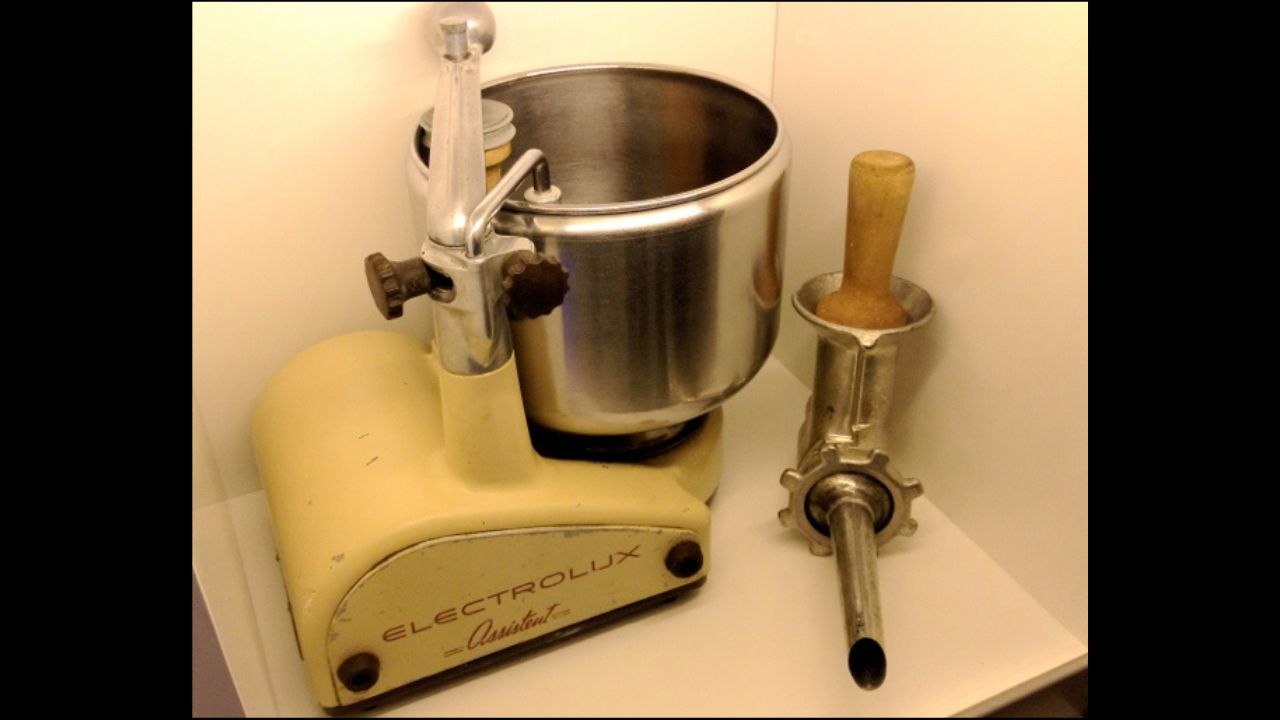
Image Credit: Mangan02 – Own work – CC BY-SA 4.0/Wiki Commons.
While Americans picked up Sunbeam models, the Swedes engineered the Electrolux Assistent. This machine uses a different process for mixing. Instead of spinning beaters, the whole bowl turns while a stationary roller and scraper work the dough. It looks unusual compared to most mixers, sometimes resembling industrial equipment more than a household appliance.
This design makes bread-making smooth and stress-free. With the motor at the bottom, power goes straight to the bowl, giving serious mixing strength. Vintage models from the 60s and 70s are known for reliability, often running as well now as in their early years. They manage large batches of dough without slipping or moving across the counter.
5. The Pyrex Percolator

Image Credit: Shutterstock.
Coffee fans fall into two camps: those looking for speed and those who enjoy the process. The glass stove-top percolator fits perfectly into the second camp. Watching coffee brew in a clear Pyrex pot is oddly soothing. The water gradually shifts from clear to amber to deep, rich brown as it bubbles up through the glass stem.
Unlike electric coffee makers that can hide mold in internal tubing, a glass percolator stays sanitary and is straightforward to clean. You see exactly what goes into your cup. Some say percolators overheat the coffee, making it bitter, but with careful heat control and timing, it delivers a strong, hot cup that drip machines don’t match. And no plastic touches your hot water.
6. The Waring Blendor (Chrome Beehive)

Image Credit: Shutterstock.
Yes, it is spelled “Blendor.” The classic chrome “beehive” base Waring blender stands out. It doesn’t come with a smoothie setting or a digital timer. You usually get a simple toggle switch: On and Off. Sometimes there’s a High and Low. That simplicity is its greatest strength.
The heavy glass pitcher and robust motor base were designed for bar use, so they crush ice well. It doesn’t turn kale into a perfectly smooth texture like some newer blenders, but for cocktails, milkshakes, and soups, it gets the job done. It uses only a small spot on the counter compared to some bulky modern blenders, and the chrome finish adds character next to a fruit bowl.
Making the Old New Again
Image Credit: Shutterstock.
When searching for one of these vintage electronics, skip the spotless, high-priced listings on major auction sites. Shop local. Check estate sales on the last day for better deals. Value appliances that are complete over those that are spotless; grime comes off, but finding a replacement knob for a 1952 range can be its own project.
Before plugging anything in, check the cords. Old rubber cracks, and exposed wire is a hazard. Replacing a power cord is an easy, affordable safety step. For a gas range, hire a professional to check the valves and regulator. Safety comes first, style second. When you bring these appliances into your home, you are adopting a machine that asks for a little relationship building.