
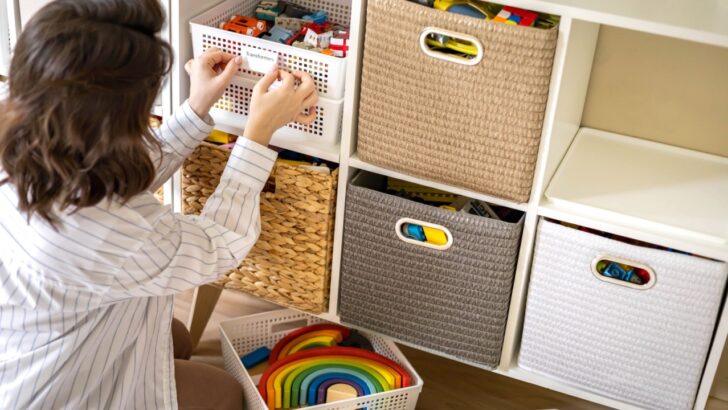
The festive glow has faded, leaving behind a mountain of new plastic, plush, and electronic wonders. Your living room, once a cozy family space, now resembles the stockroom of a toy store. If the sheer volume of new playthings has you feeling more frazzled than festive, you are not alone. Toy clutter is a common source of stress for parents, and managing it can feel like a monumental task.
This guide is here to help you navigate the great toy takeover. We will explore six distinct strategies for managing the post-holiday influx. These tips will help you create a calmer, more organized home where fun can still flourish.
1. Create a Family Gifting Policy

Image Credit: Shutterstock.
The best way to manage toy overload is to prevent it before it happens (maybe next year?). While this year’s gifts are already unwrapped, now is the perfect time to establish a family gifting policy for future birthdays and holidays. This sets clear expectations with relatives and friends who love to spoil your children.
Consider suggesting a “four-gift” rule for your own household: something they want, something they need, something to wear, and something to read. For the extended family, you can gently guide them toward non-toy gifts. Experiences like zoo memberships, music lessons, or a special outing create lasting memories without adding to the pile. Contributions to a savings account or a subscription box tailored to their interests are other great options.
2. Introduce “Toy Purgatory”
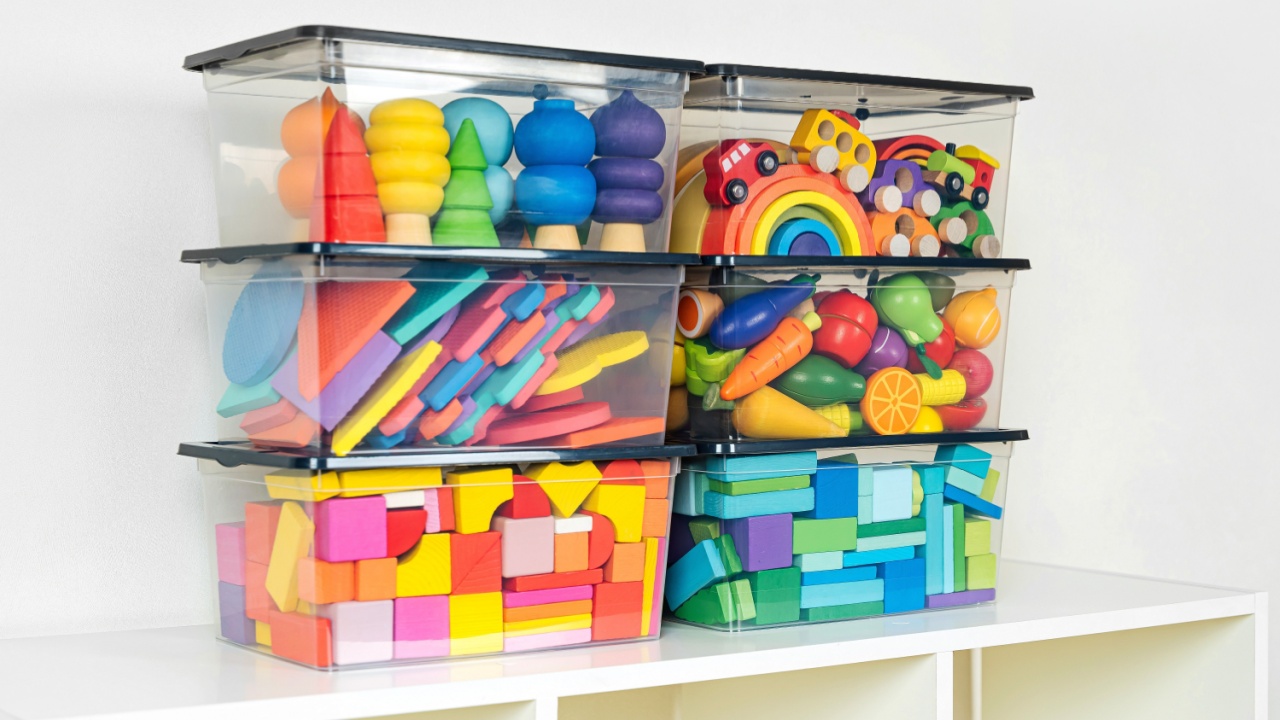
Image Credit: Shutterstock.
Deciding what to discard can be an emotional process for both parents and kids. A “Toy Purgatory” or “limbo” box can remove the pressure. This is a designated bin where you place toys that you suspect are no longer being used. Store the box out of sight for a set period, like one or two months.
If your child doesn’t ask for any of the items during that time, it’s a clear sign they haven’t been missed. You can then confidently donate or sell the contents without sparking a meltdown. If they do ask for a specific item, you can easily retrieve it, no harm done. It provides concrete evidence of what is truly valued versus what is being kept out of habit. For parents, it alleviates the guilt of getting rid of something a child might suddenly want.
3. Conduct a Play Audit

Image Credit: Shutterstock.
Before you can effectively declutter, you need to understand what is actually being played with. A play audit is a simple observation exercise. For one week, pay attention to which toys your children gravitate toward and which ones they ignore. You can keep a small notebook or a note on your phone to track this.
At the end of the week, you will have a clearer picture of their current interests. You might discover that the expensive STEM kit is collecting dust while a simple box of animal figurines gets hours of use. Use this data to inform your decluttering decisions. The toys that saw no action are prime candidates for donation or storage.
A play audit helps you see beyond what you think your child should play with and focuses on what they genuinely enjoy.
4. Redefine Your Storage Systems
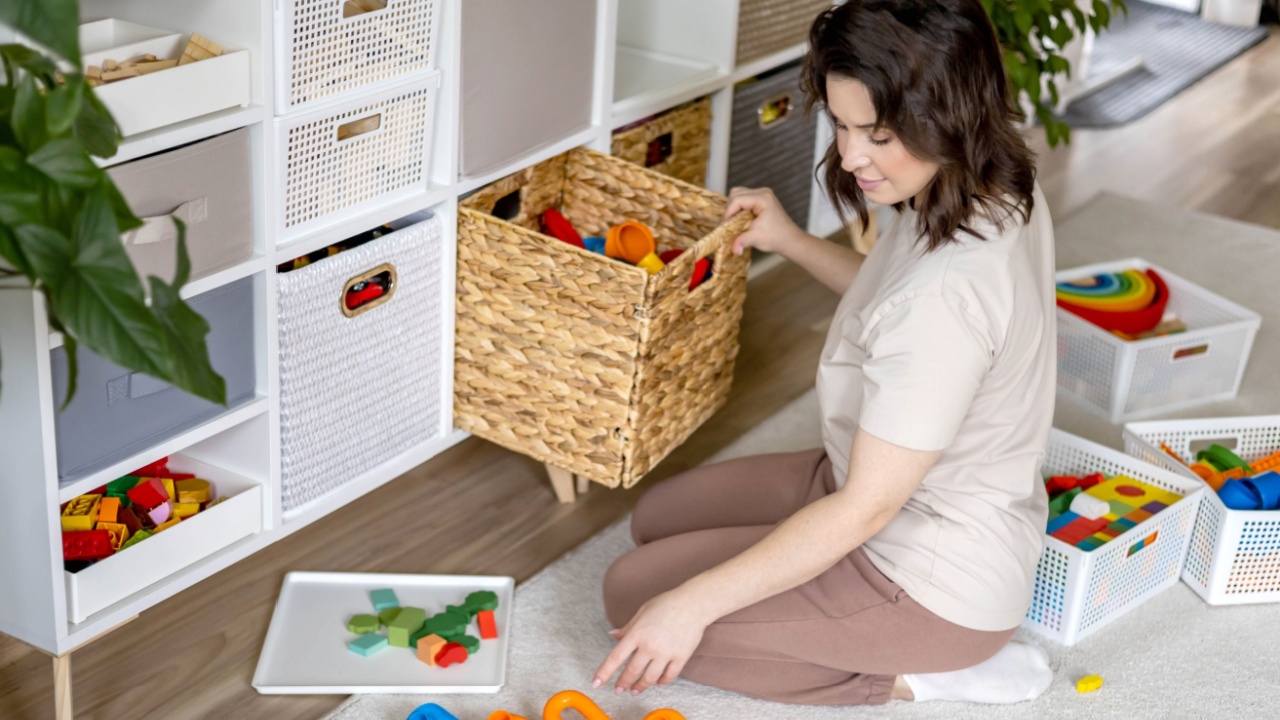
Image Credit: Shutterstock.
Effective organization goes beyond just having bins. How and where you store toys can dramatically impact how much they are used and how easy it is to clean up. Instead of one giant toy box, create smaller, themed kits. For example, put all the LEGOs in one bin, all the art supplies in another, and all the dress-up clothes in a third.
Store these kits on low, open shelves so children can see their options and access them independently. Labeling the bins with pictures is especially helpful for pre-readers. The key is to make putting things away just as easy as taking them out. If a system is too complicated, it won’t be maintained. It also empowers children to take responsibility for their belongings. When they know exactly where everything goes, they are more likely to participate in cleanup.
5. Implement a Strict Toy Rotation
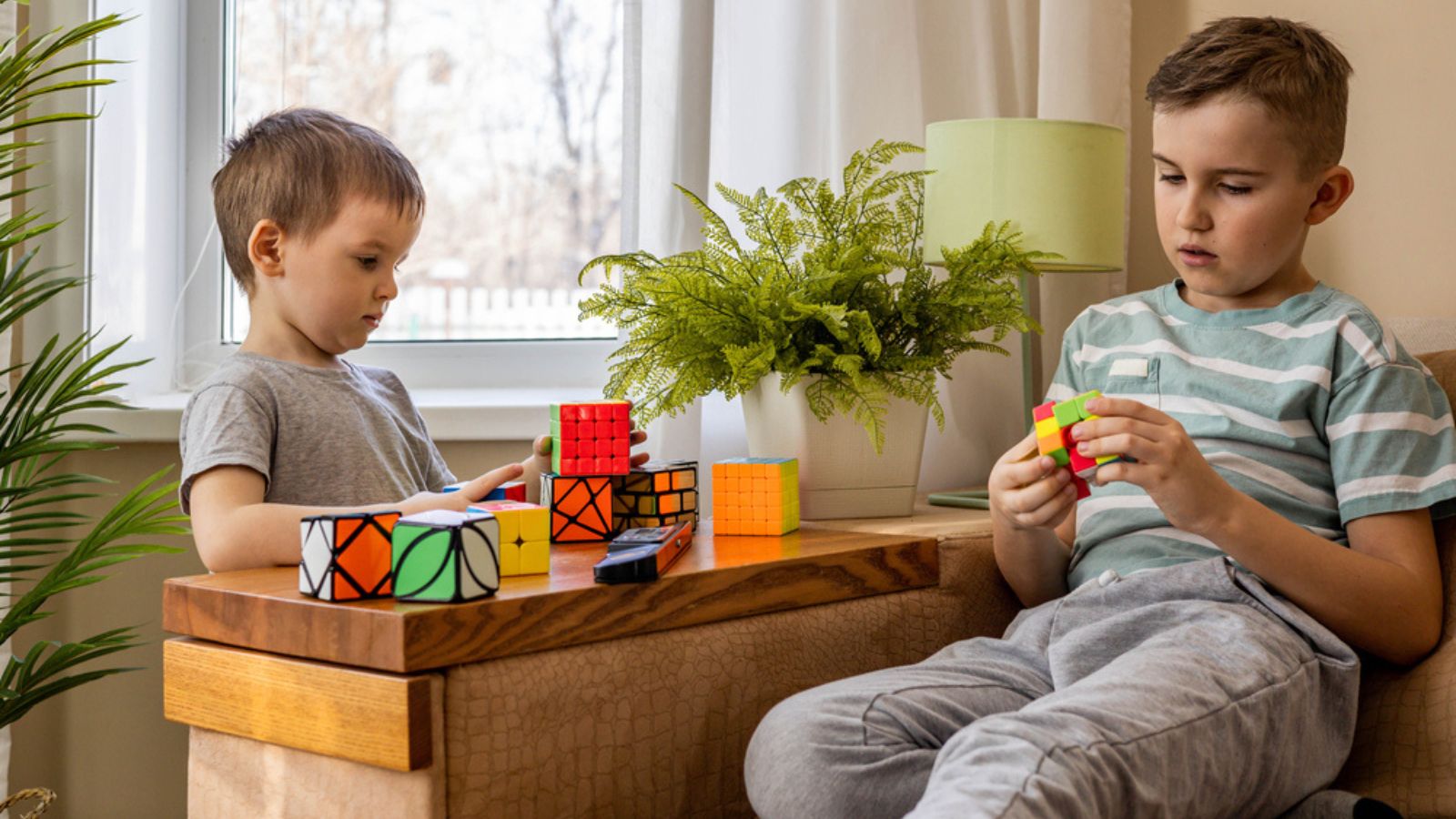
Children don’t need access to all their toys all the time. In fact, research suggests that having fewer toys available at once can lead to deeper, more creative play. A toy rotation system is a powerful tool for managing a large collection.
Divide the toys into several groups. Keep one group out and store the others in an attic, basement, or closet. Every few weeks or once a month, swap the current set of toys for one from storage. The reappearance of “old” toys often sparks renewed interest, making them feel brand new again.
6. Schedule Regular Decluttering Sessions
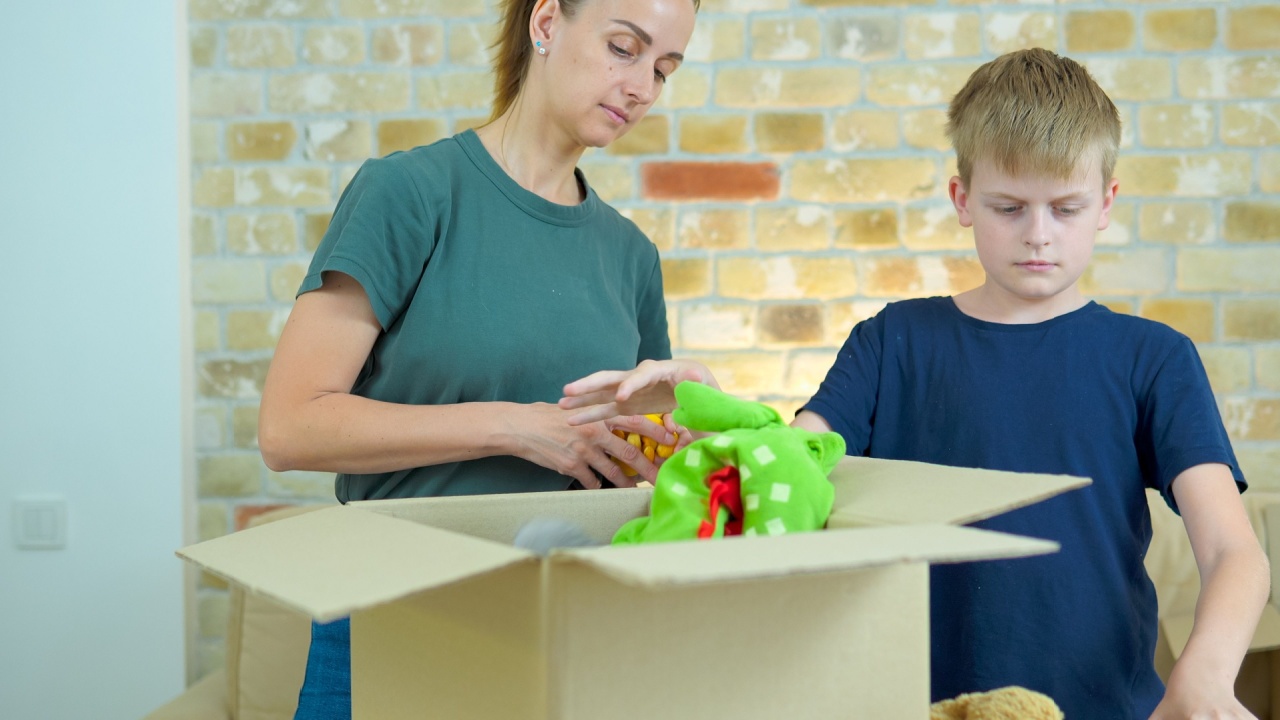
Image Credit: Shutterstock.
Managing toys is not a one-time event; it’s an ongoing process. To prevent clutter from creeping back in, schedule regular decluttering sessions throughout the year. A quick 15-minute toy tidy-up once a month can make a huge difference.
Involve your children in this process in an age-appropriate way. You can make it a game: “Let’s find five toys we can give to another child who would love them.” Frame it as an act of kindness rather than a chore. Doing this before birthdays and holidays is particularly effective, as it prepares space for incoming gifts.
Wrapping Up the Toy Tornado
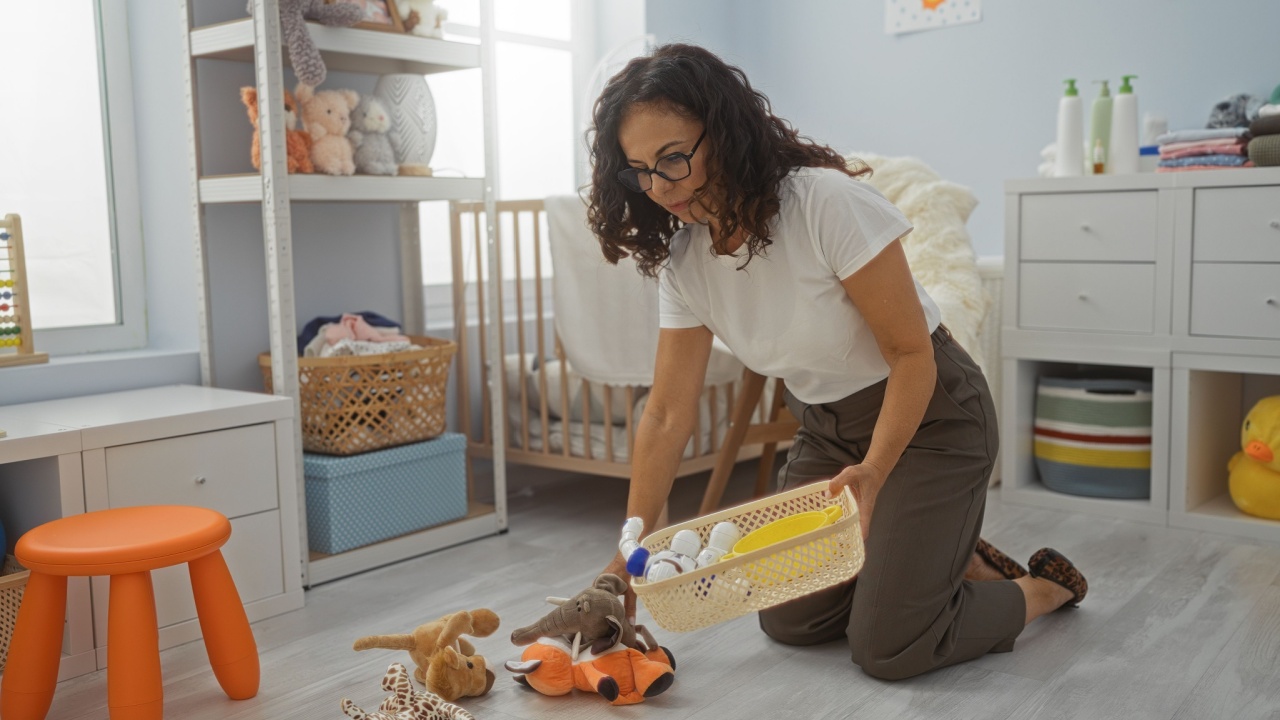
Image Credit: Shutterstock.
Taking charge of the post-gift pileup means your living room can finally stop auditioning for a toy catalog. Each time you clear out unused toys, toys that bring negative energy, or tweak your storage system, you’re making way for more memorable play (and fewer midnight Lego mishaps). Transforming toy chaos into calm brings more breathing room, clearer routines, and the sweet satisfaction of watching your kids rediscover the toys that genuinely matter.