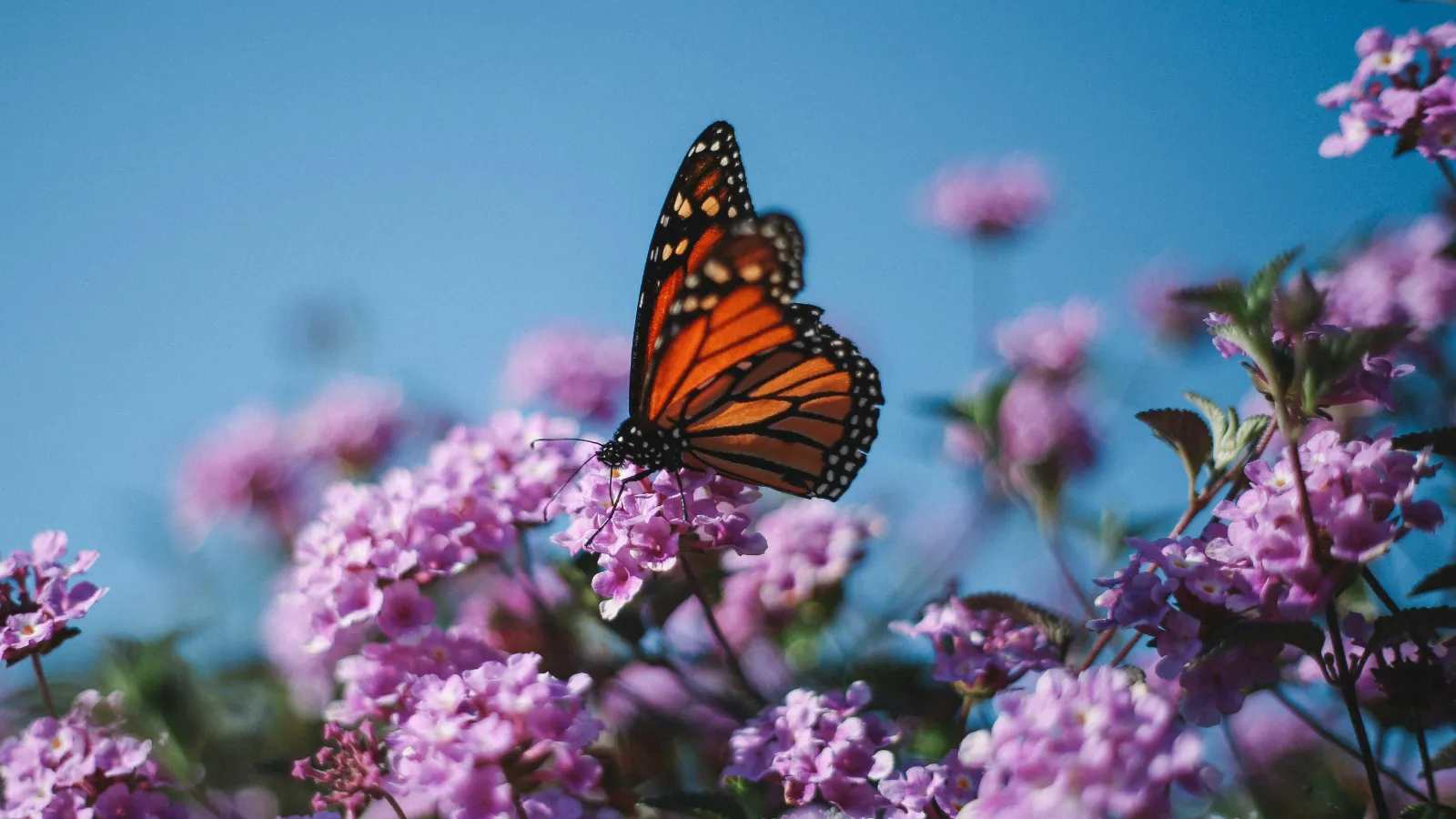
6 States Are Turning Roadsides Into Rest Stops for Migrating Monarch Butterflies
A decade ago, six states set out to make Interstate 35 a welcoming, supportive route for migrating monarch butterflies.
In 2016, the transportation departments of Minnesota, Iowa, Missouri, Kansas, Oklahoma and Texas joined the Federal Highway Administration in designating I-35 the “Monarch Highway.”
The Iowa Department of Transportation (DOT) says the states pledged to collaborate on roadside and land-management practices that support pollinators while also spreading education and public awareness about the pollinators.
Ten years later, individual states are still carrying pieces of that vision forward. The Oklahoma Department of Transportation, for example, still ties its monarch program directly to the 2016 commitment and says it now manages more than 15,000 acres statewide for monarch habitat.
So, the original idea is still taking root along the roadside, even if much of the work today is happening through individual state programs.
The Habitat Work Did Not Stop
Embedded media follows. Please allow a moment for it to load.
View this post on Instagram
Some of the original Monarch Highway states are still managing roadsides with butterflies in mind.
The Oklahoma Department of Transportation says more than 15,000 acres across the state have been allocated for the benefit of monarch butterflies. On those acres, the department cuts back on mowing, uses herbicides more selectively, cuts away brush to promote native habitats, and nurtures appropriate native vegetation on otherwise unused land.
In Iowa, more than 50,000 acres of federal, state, county, and city roadsides have been planted with native grasses, wildflowers, and other vegetation, according to the Iowa Department of Transportation.
The benefits of such green initiatives extend beyond providing pollinators with ideal habitats. The Iowa DOT says native roadside vegetation can help control weeds and erosion, reduce surface runoff, and provide habitat for wildlife.
New Butterfly Routes Are Growing Elsewhere
Other projects are applying a similar idea beyond I-35.
In Missouri, the Highway 13 Butterfly Trail is being developed along roughly 300 miles from Bethany to Branson. University of Missouri Extension says a team of organizations is working to establish pollinator plots along the route and connect communities through a shared commitment to pollinator habitat.
Roadside habitat can make a measurable difference for monarchs. The U.S. Fish and Wildlife Service says research suggests strategically improving monarch habitat along roads can provide an overall net benefit, in spite of the risk of butterflies being struck by passing vehicles. Those roadside respites can nurture milkweed and nectar plants in heavily developed and agricultural areas where habitat is otherwise limited.
Milkweed deserves a special shoutout. U.S. Fish and Wildlife Service notes that while adult monarch butterflies feed on nectar from many kinds of flowers, monarch caterpillars exclusively consume milkweed, making them vital to the butterfly’s life cycle.
From Oklahoma’s I-35 rights-of-way to Iowa roadsides and Missouri’s Highway 13 corridor, roads that transport humans provide a backdrop to a very different kind of traveler.