Want to Move More at Home? Consider These Design Hacks
It’s an uncomfortable truth: modern life is designed for sitting. From the breakfast table to the car, the office chair, and finally the couch, you probably spend most of your day sedentary. While you might think of exercise as something you do at the gym, your overall health is heavily influenced by how much you move throughout the day.
The good news is that you can design your environment to help you move more. Making small, strategic adjustments to your home can encourage physical activity without relying on willpower. Here are six ways to turn your living space into an environment that promotes natural, healthy movement.
1. Swap Your Traditional Setup for a Standing Desk
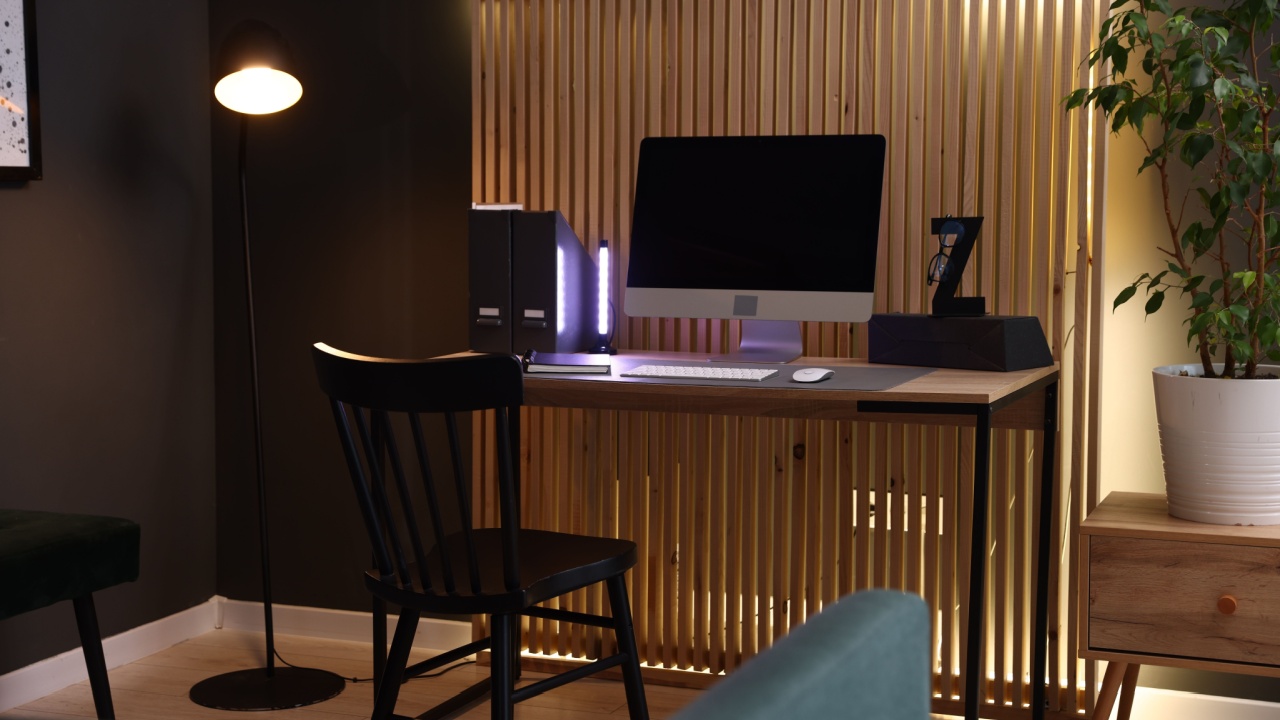
For remote workers, the home office is where movement goes to die. Transitioning to a standing desk, or an adjustable sit-stand converter, is one of the most impactful changes you can make. Research suggests that alternating between standing and sitting can lower blood sugar levels and reduce back pain.
You don’t need to stand all day to see benefits; the goal is flexibility. If a full desk replacement isn’t in the budget, try using a high kitchen counter for 30 minutes in the morning while checking emails. The key is to break the pattern of prolonged static posture.
2. Keep Equipment Visible and Accessible
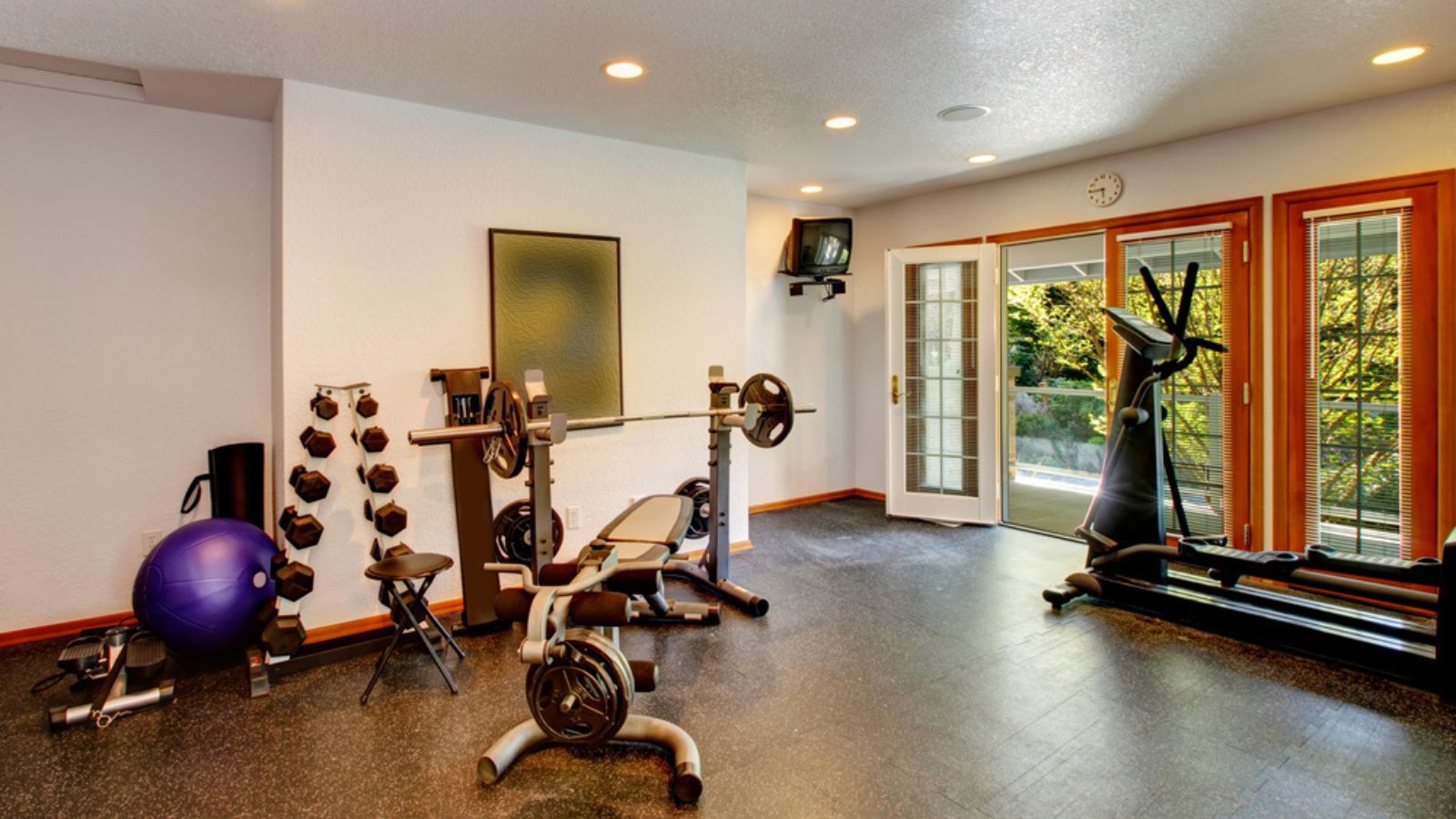
Out of sight truly is out of mind when it comes to exercise gear. If your yoga mat is rolled up in the back of a closet and your dumbbells are collecting dust under the bed, you create friction between you and the workout. To encourage spontaneity, integrate your equipment into your living space.
Keep a basket of resistance bands next to the TV remote, or leave your yoga mat unrolled in a corner of the bedroom. When the equipment is staring you in the face, you are far more likely to pick it up for a quick five-minute set during a commercial break or while waiting for dinner to cook.
3. Clear a Dedicated “Flow” Zone

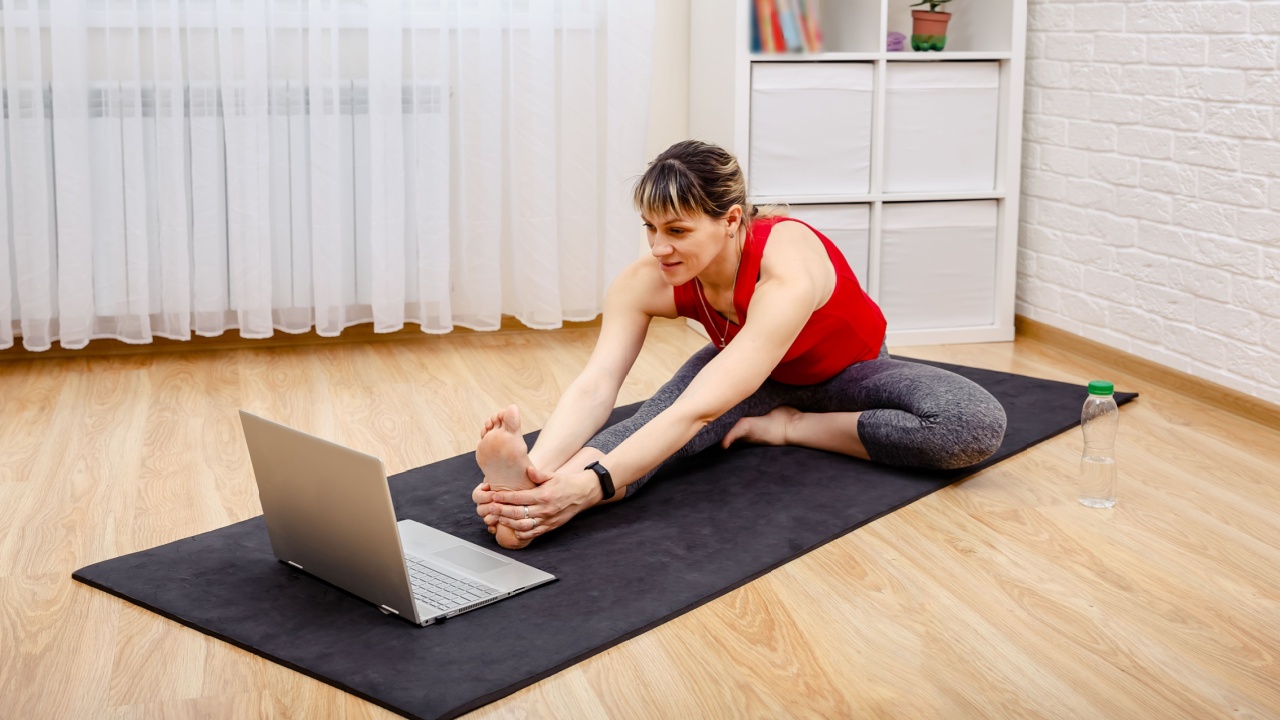
Furniture arrangement plays a huge role in how you navigate your home. If your coffee table is jammed against the sofa, you are physically blocked from moving. Try to create a small “flow zone”, an open space of about 6×6 feet, where the floor is clear.
Having this negative space invites you to stretch, do a few squats, or just lie on the floor to decompress your spine. You might need to push a rug aside or relocate an armchair, but prioritizing floor space signals to your brain that movement is welcome here.
4. Upgrade Your Seat With Active Cushions
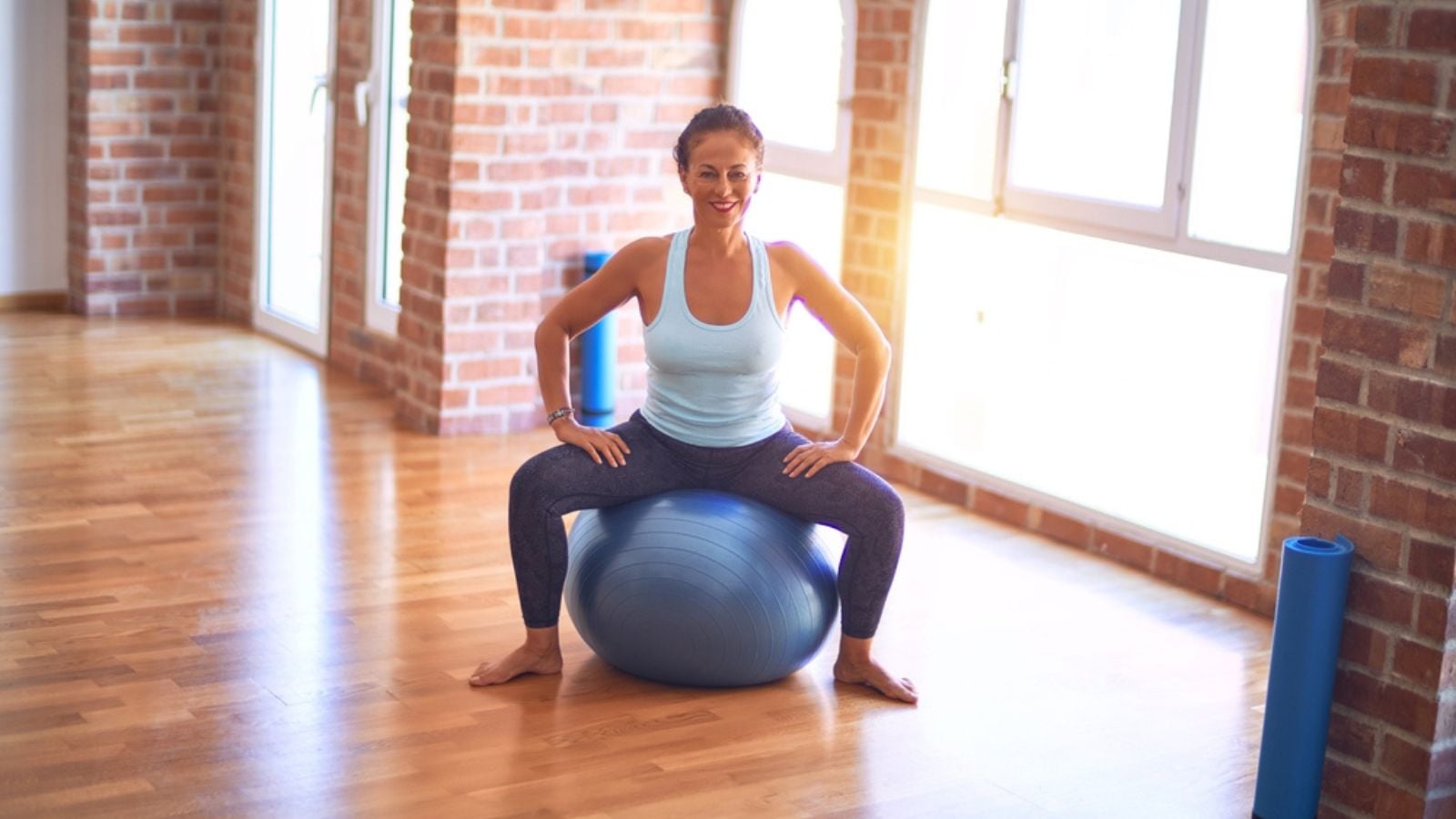
Sometimes, sitting is unavoidable. However, you can make that time more active by changing what you sit on. Swap your rigid dining chair for a stability ball or add a wobble cushion to your office chair.
These tools introduce “micro-movements” to your day. To stay balanced on an unstable surface, your body must constantly engage its core and stabilizer muscles. It turns passive sitting into a low-level physical activity that can help improve posture and alertness.
5. Establish a Pacing Path

Walking is arguably the best thing you can do for your health, and Stanford researchers have found that it boosts creative output. You don’t need a treadmill to harness this benefit; you just need a path.
Identify a loop in your house, perhaps from the kitchen through the living room and down the hall, that is free of tripping hazards. Make a rule that whenever you are on a phone call, you pace this path. By associating talking with walking, you can easily rack up thousands of extra steps per day without leaving your house.
6. Utilize High-traffic Trigger Points
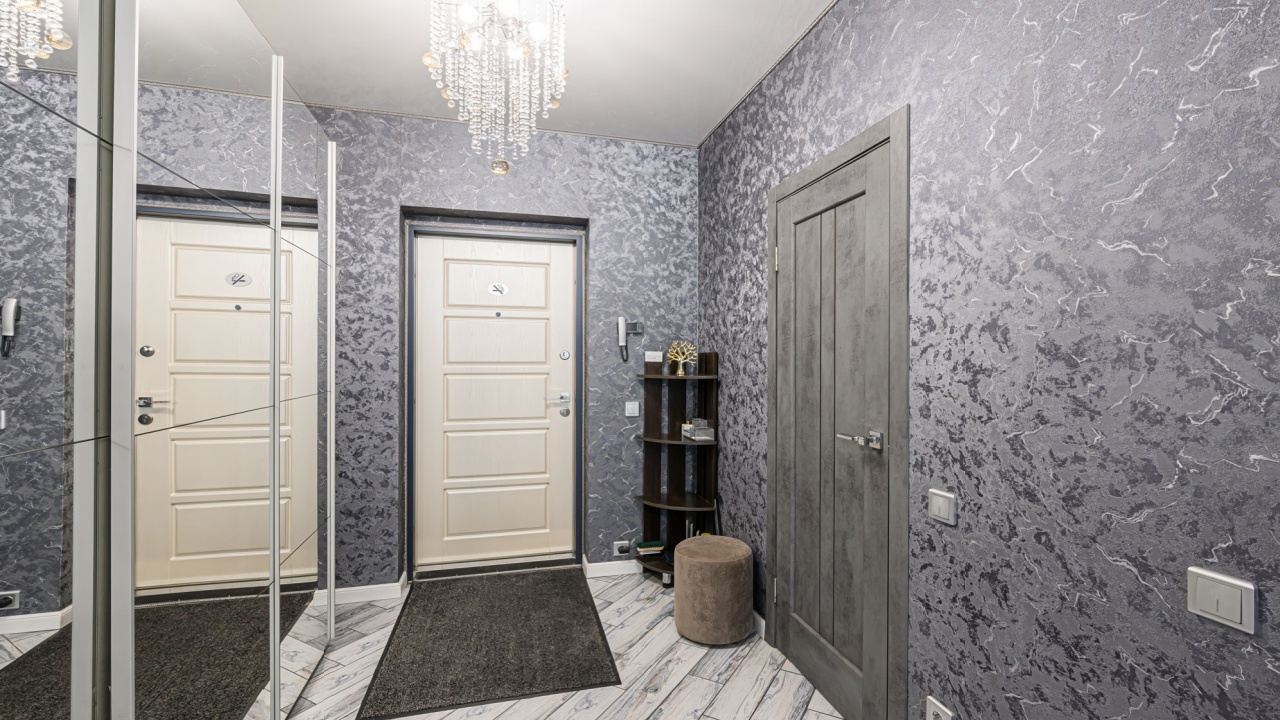
Use “habit stacking” by placing movement prompts in high-traffic areas. For example, install a pull-up bar in a frequently used doorway, or place a foam roller near the entryway.
The rule is simple: every time you walk through that door, you do one pull-up or a ten-second hang. Every time you walk past the foam roller, you do a quick calf stretch. These trigger points act as physical reminders, turning your home’s architecture into a gym that gently nudges you to move.
Start Small and Build Momentum
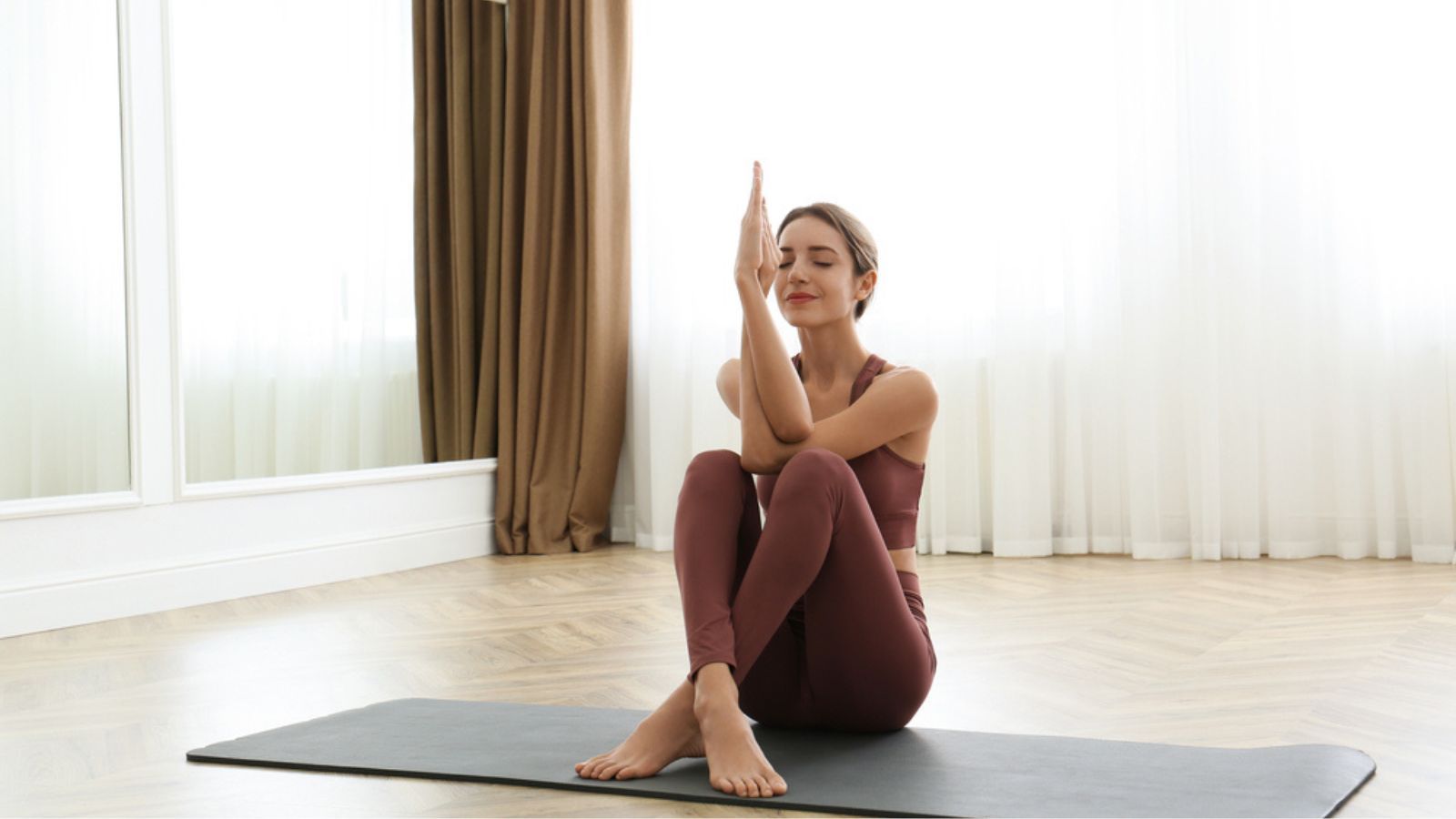
Creating a movement-friendly home doesn’t require a contractor or a massive budget. It starts with looking at your space through a new lens: does this room make it easier to sit, or easier to move?
Start by picking just one item from this list to implement this weekend. Whether it’s clearing a flow zone in your living room or ordering a wobble cushion for your desk, taking that single step will set the foundation for a healthier, more active lifestyle.
Read more:
Ditch the Gym This New Year: 7 Home Exercises for Functional Strength