6 Overused Living Room Decor Trends That Make a Space Feel Cheap
What makes a living room look full, stylish, and well cared for at first glance, yet still oddly flat? In many cases, the issue is not the budget. It is a group of decor choices that once felt current and now make the room look less polished.
Trend cycles move fast, and living rooms often hold onto old habits longer than other spaces. Large furniture, wall color, and decorative accents are usually bought to last, so outdated choices can linger long after their peak has passed.
A lower-end look often comes from repetition, weak contrast, and surfaces that seem mass-produced. (But we’re also not here to judge, if you love any of these design choices in your home, then disregard and enjoy!)
Here are six overused living room decor trends that can make a space feel cheap, and what gives each one that effect. Read on to see better ways to create a room that feels warmer, richer, and more put-together.
1. Too Much Gray

Gray had a long run in living rooms because it felt safe, modern, and easy to match. The problem starts when gray takes over the walls, sofa, rug, curtains, and accents all at once.
A room built from one cool tone can look washed out and flat, especially in homes with limited natural light or beige flooring that clashes with cooler shades.
The issue is rarely gray itself. It is the lack of contrast around it. Gray works better when it shares the room with warmer woods, cream upholstery, black accents, muted green, clay, navy, or soft brown.
Even a simple shift in undertone can help, since a warm greige or mushroom shade often looks far richer than a cold, blue-based gray.
2. Faux Fur Throws
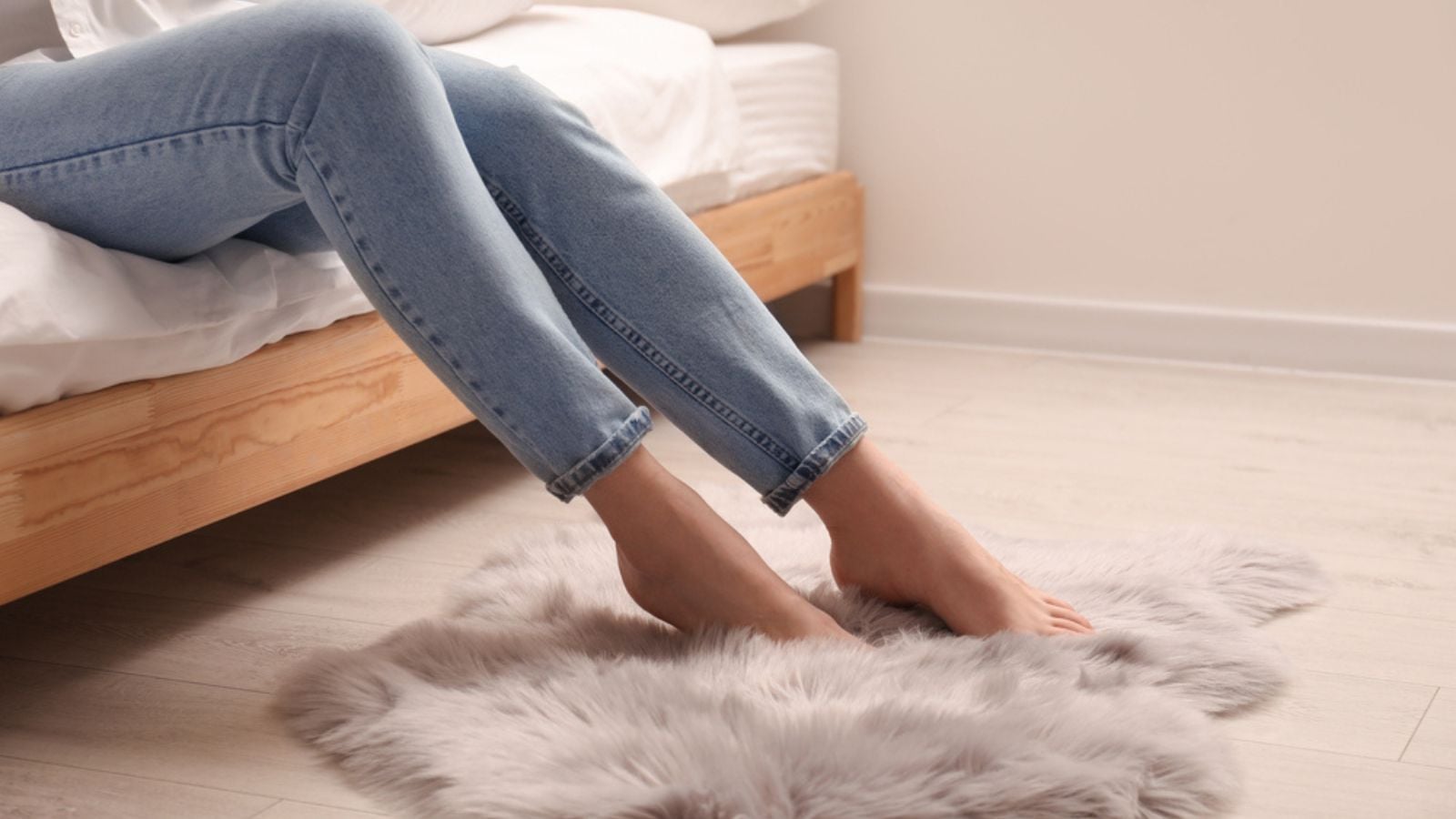
A faux fur throw can look soft and inviting in a styled photo, but many affordable versions wear down quickly. Fibers mat, sheen turns synthetic, and the blanket starts to look more decorative than useful.
Once draped over the back of a sofa or chair for too long, it can give the room a slightly staged look that reads more discount showroom than lived-in comfort.
Natural-looking texture usually holds up better. Chunky cotton knits, washed linen, brushed wool blends, or simple woven throws add softness without the plastic shine that faux fur often develops.
These fabrics also layer more easily with other materials in the room, which helps the space feel settled and intentional rather than crowded with trend-driven extras.
3. Matching Furniture Sets
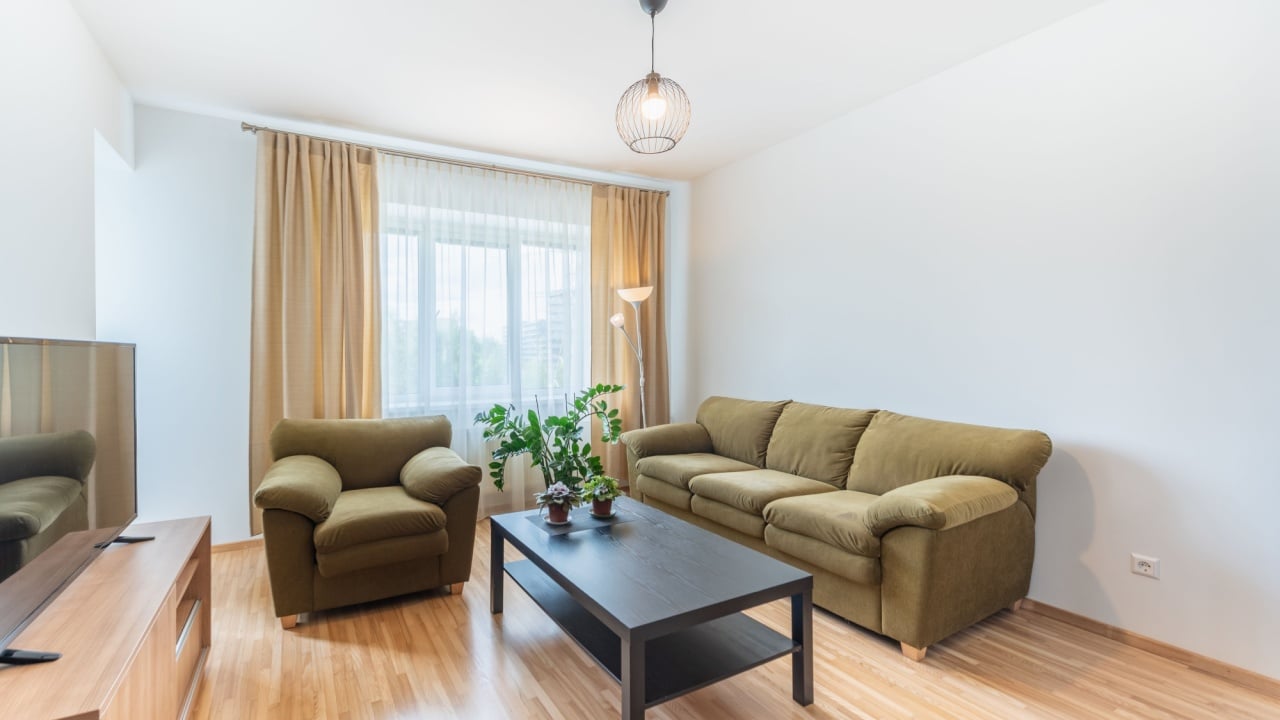
Buying a sofa, loveseat, and chair from the same set once seemed like the easiest route to a finished room. Matching furniture creates instant coordination, but it can also make the space look generic and dated.
When every wood tone, fabric, shape, and cushion style matches perfectly, the room loses the layered look that gives better-designed spaces their depth.
A more polished living room usually mixes pieces that relate without copying one another. A tailored sofa might pair well with vintage wood side tables, a different accent chair, and a coffee table in a different finish.
Shared lines, scale, or color can tie the room together, while small differences make it feel assembled with care instead of bought in one trip from a showroom floor.
4. Too Many Mirrored Accessories
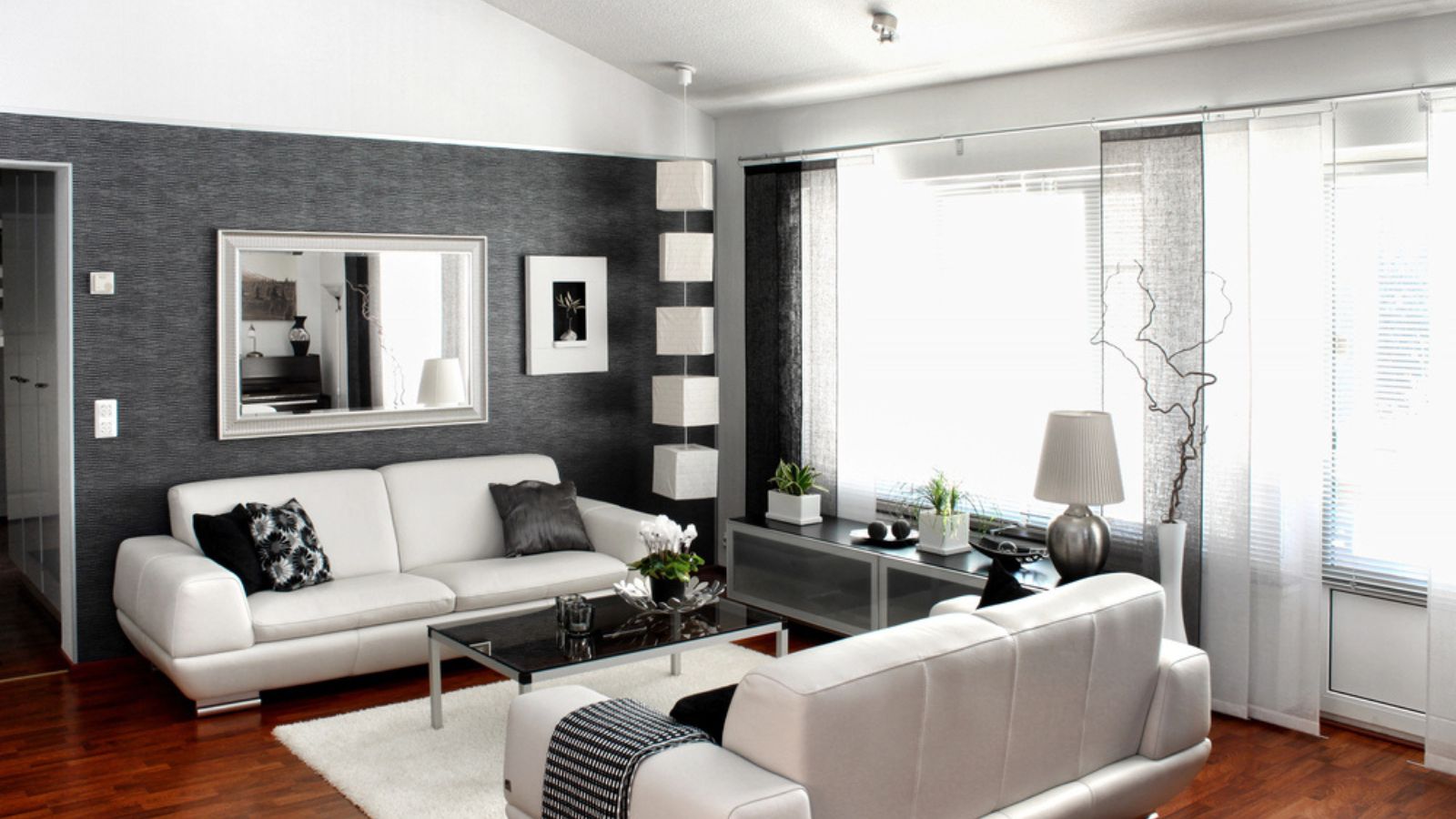
Mirrored trays, side tables, frames, lamps, and boxes were once used to make living rooms feel glamorous and bright. A few reflective touches can still do that job well, but too many can push the room in a flashy direction.
When every surface catches light and throws it back, the result often looks hard, busy, and less expensive than intended.
Reflection works best as an accent, not a theme. One mirror with a strong frame, a lamp with a subtle shine, or a single glass-topped table can lighten a room without overwhelming it.
Mixing reflective pieces with matte finishes such as wood, ceramic, linen, or aged metal creates balance, which gives the room more depth and a calmer visual rhythm.
5. No Material Diversity
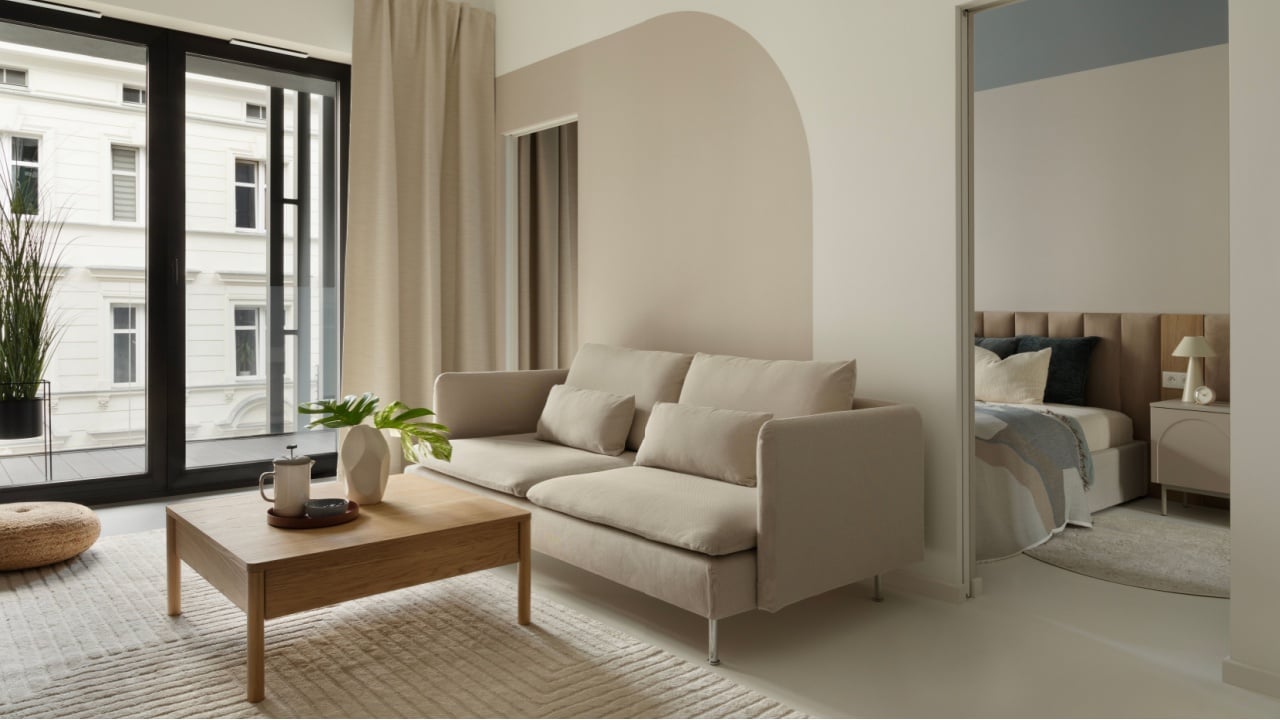
Living rooms look richer when several materials share the space. Rooms built from one dominant finish, such as all-black metal, all gray fabric, or wall-to-wall smooth surfaces, often seem flat even if the furniture is expensive.
Designers often rely on contrast between rough and smooth, matte and polished, soft and structured, because that variety helps the eye move through the room.
That mix can be created in simple ways. A linen chair beside a wood table, a ceramic lamp on a metal base, or a woven basket near a smooth leather ottoman can add depth without adding clutter.
The room starts to feel more complete when materials play off one another, and that shift often matters more than buying any new statement piece.
6. Overloading With Small Decor Items
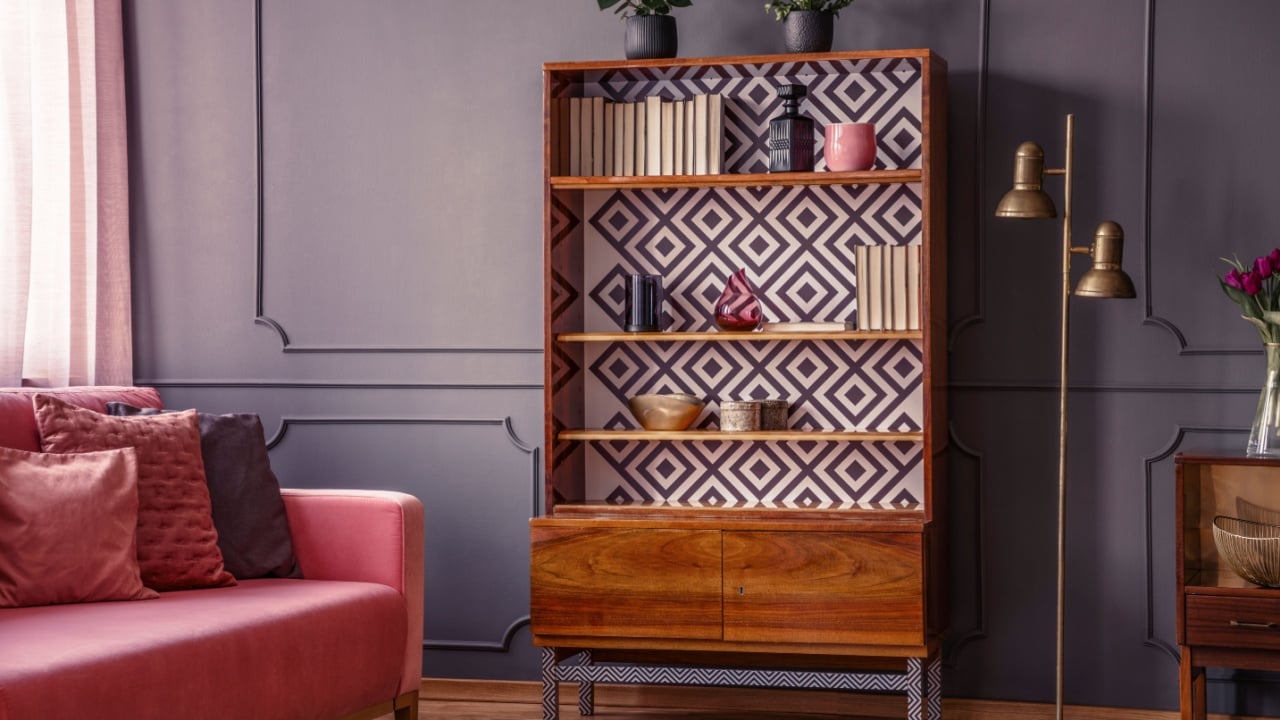
Small knick-knacks are easy to buy and scatter across shelves, tables, and mantels. That is part of the problem. A living room filled with tiny candles, figurines, signs, beads, boxes, and mini vases can start to look random and crowded, even when the colors match.
Instead of reading as curated, the room feels visually noisy and less refined. Stronger styling usually comes from fewer items with more presence.
A larger bowl, a stack of books, one sculptural object, or a plant with real height often has more impact than six tiny accents competing for attention. Leaving some surfaces open matters too, since negative space helps the room breathe and gives each object a reason to be there.
A Better Balance
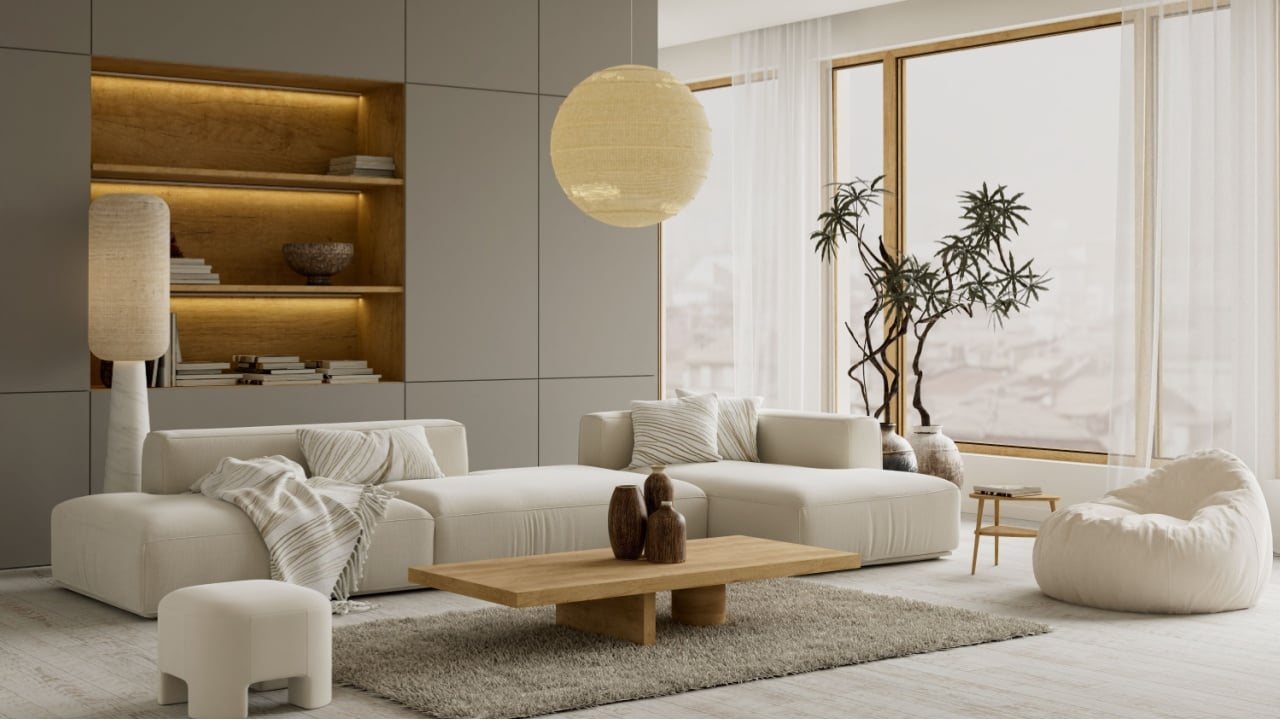
The living rooms that age well usually avoid extremes. They use contrast, texture, and restraint to create interest, instead of leaning too hard on one color, one finish, or one store-bought look. That balance gives the room a more natural sense of style.
Many of these overused trends are easy to fix without replacing everything. A new throw, fewer mirrored accents, mixed materials, or a break from full matching sets can shift the room in a stronger direction.
Small edits done with care often make a living room look far more current, warm, and thoughtfully pulled together.