6 Outdated Storage Kitchen Ideas Not Worth Considering
Is the kitchen really short on space, or is outdated storage secretly working against it? Kitchen design moves fast. What felt modern and essential a decade ago can now make a space feel cluttered or stuck in the past.
While specific storage solutions often promise easier organization, some older methods actually create more work and visual noise. Creating a kitchen that remains functional and stylish for years requires looking beyond temporary trends. It involves selecting storage options that hide clutter rather than creating it.
Here are six storage concepts to skip during your next renovation.
1. Lazy Susan in Corner Cabinets

Lazy Susans were designed to solve awkward corner spaces, but they often create new problems. Items slide around, stack unevenly, and disappear toward the back. Tall bottles tip over easily, while smaller jars get lost, making the space frustrating rather than functional.
Because everything rotates together, organization becomes difficult. Heavier cookware can also strain the mechanism over time, leading to broken shelves or stuck turntables. Pull-out corner drawers or sliding shelf systems allow full visibility and easy access without wasted space.
2. Overly Complicated Units
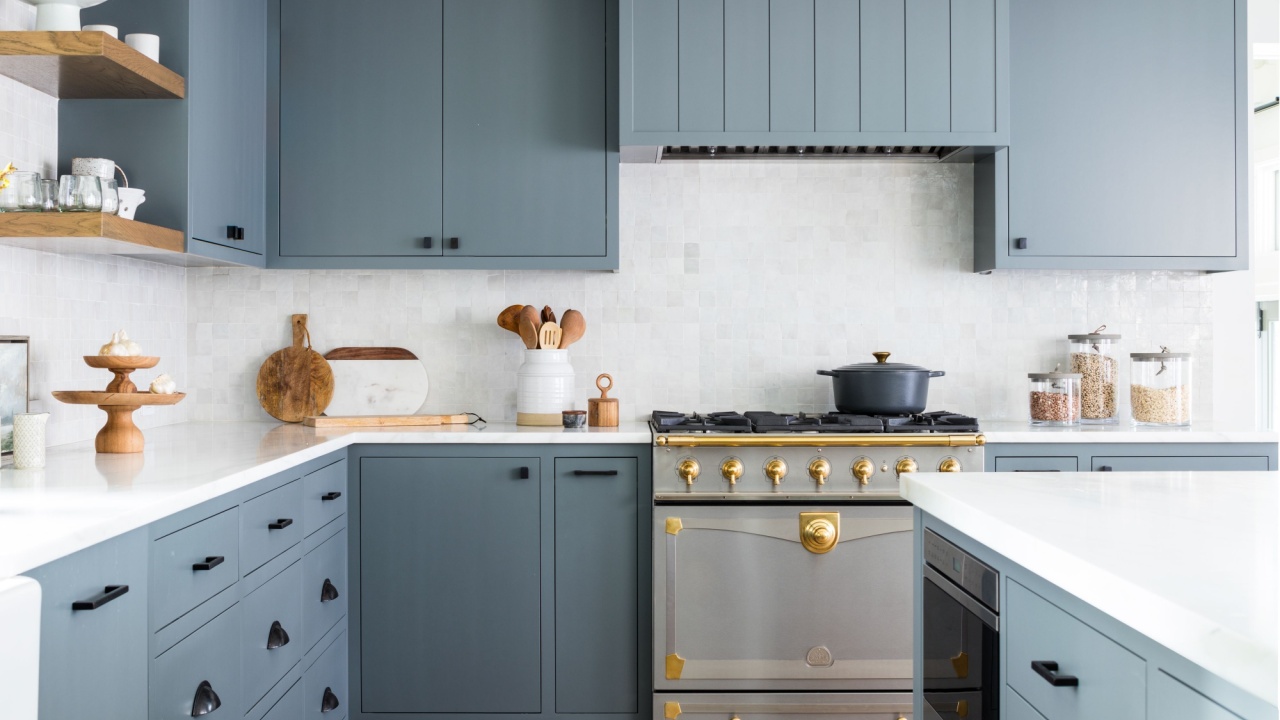
Some storage systems rely on complex doors, folding shelves, or hidden compartments. While they look impressive in showrooms, they often become hard to use in everyday life. Items stored deep inside are forgotten, leading to clutter and wasted space.
These systems can also break down faster due to moving parts, increasing maintenance costs. Corner drawers or LeMans pull-out shelves glide smoothly and keep items visible and reachable.
3. Upper Cabinets That Reach the Ceiling
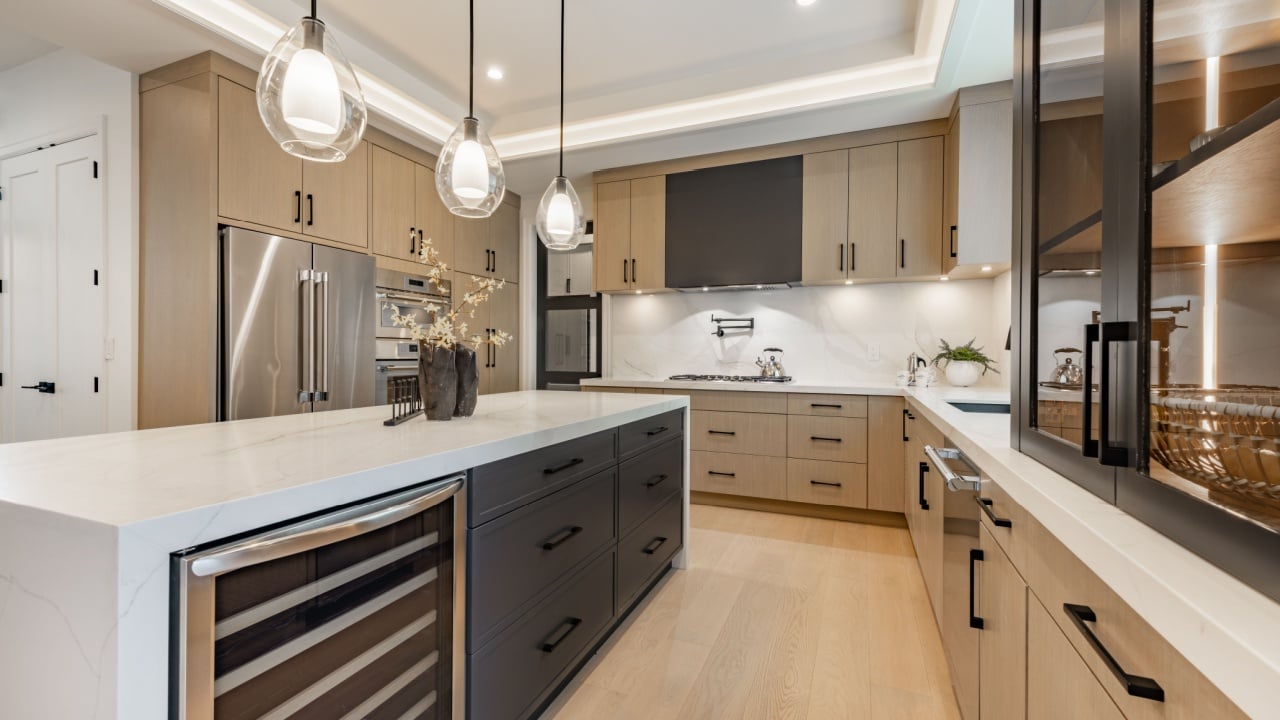
Floor-to-ceiling upper cabinets were once seen as luxury storage, but many homeowners rarely use the top shelves. These cabinets make kitchens feel closed-in and reduce natural light, especially in smaller spaces.
Items stored high up often include rarely used cookware, which leads to unsafe reaching or reliance on step stools. Slimline cabinets combined with open shelving create a lighter look and keep everyday items within easy reach.
4. Traditional Door-Mounted Spice Racks
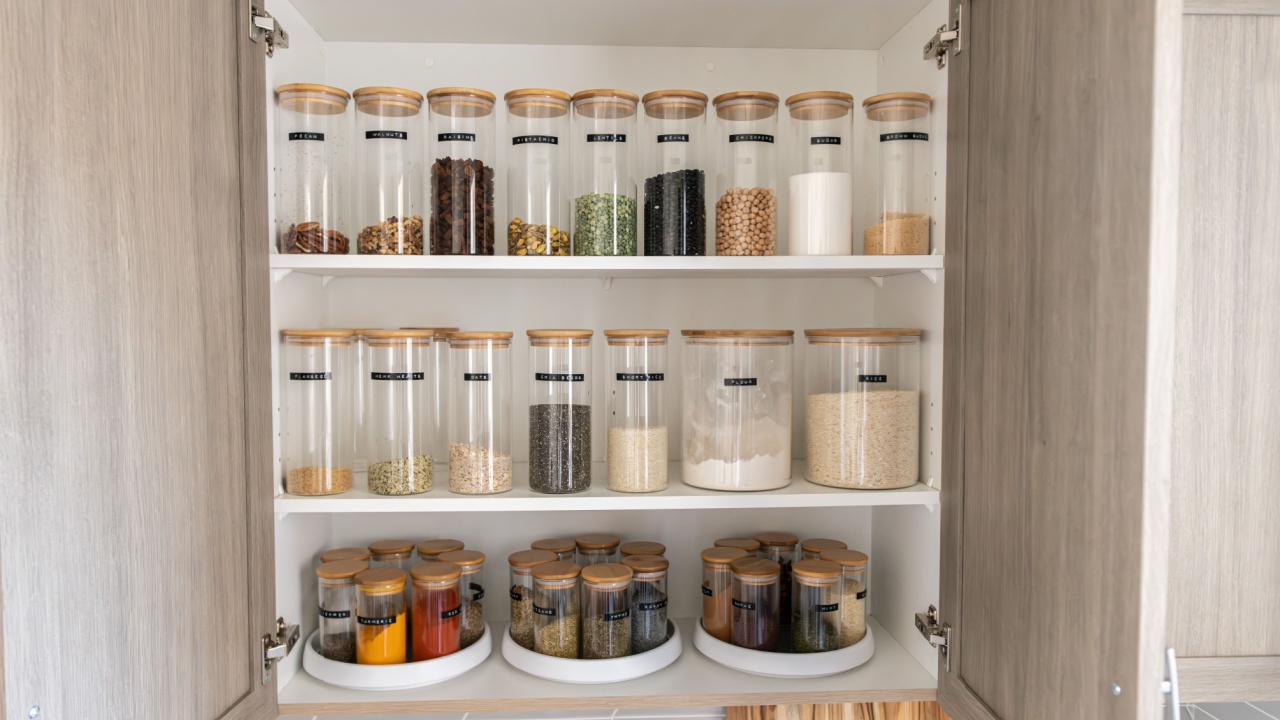
Door-mounted spice racks often rattle, tilt, and limit cabinet space. As spice collections grow, jars become overcrowded, making labels hard to read and spices easy to forget. This often leads to buying duplicate spices simply because existing ones are hidden or hard to spot during cooking.
Exposure to heat and light can also reduce spice freshness. Spices retain flavor longer when stored in cool, dark, and stable environments. Tiered spice drawers keep jars visible, organized, and protected from heat and light.
5. Ceiling Hanging Pot Racks
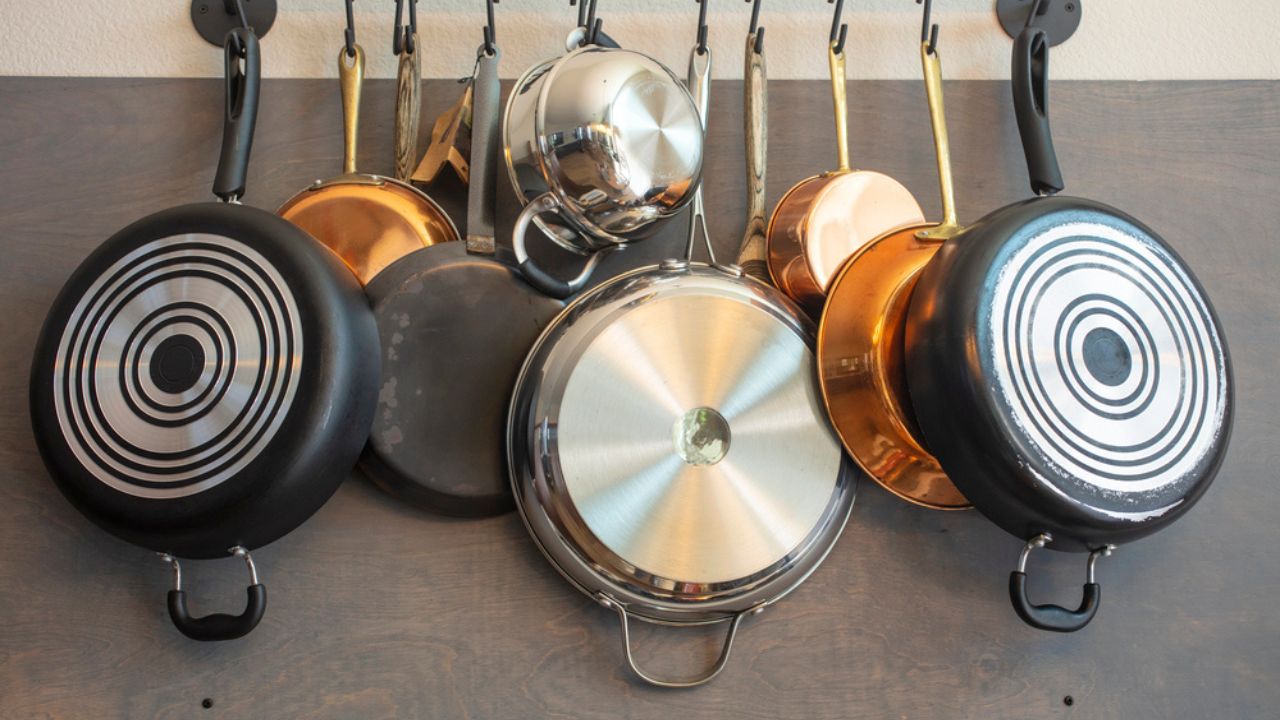
Hanging pot racks were once a symbol of professional kitchens, but in most homes, they add visual clutter. They collect dust and grease and make kitchens feel busier and smaller, especially in low-ceiling spaces.
Cleaning around hanging cookware also adds extra maintenance. Deep pull-out drawers with dividers store pots neatly while keeping counters and ceilings clear.
6. Storage-Heavy Kitchen Islands

Oversized kitchen islands packed with cabinets can block movement and make kitchens feel crowded. Too much hidden storage often leads to forgotten items and unnecessary duplicates. This reduces workflow efficiency and makes everyday tasks like cooking and cleaning feel more tiring than necessary.
Modern kitchen planning favors flexibility. Adaptable furniture improves long-term usability in homes as needs change. Modular islands with open shelving, movable sections, or mixed storage create balance and improve flow.
The Calm Kitchen Revolution

Smarter storage isn’t just about aesthetics; it’s about creating a home that supports wellbeing. By reducing clutter and emphasizing visibility, accessibility, and simplicity, modern kitchen design transforms everyday routines into smoother, less stressful experiences.
As households evolve, these thoughtful design choices ensure that kitchens remain adaptable, efficient, and welcoming spaces where function and peace of mind coexist.