6 Old School Kitchen Habits It’s Time to Revive
Some of the best kitchen wisdom seems to have vanished. Somewhere between the rise of meal delivery apps and the promise of 30-minute recipes, a few valuable, time-tested practices were left behind. These aren’t complicated techniques requiring a culinary degree. They are simple, effective habits our grandparents likely swore by.
This exploration revisits six classic kitchen customs that can improve your cooking, reduce waste, and save you a little money. It’s a return to fundamentals that make food taste better and the process more rewarding.
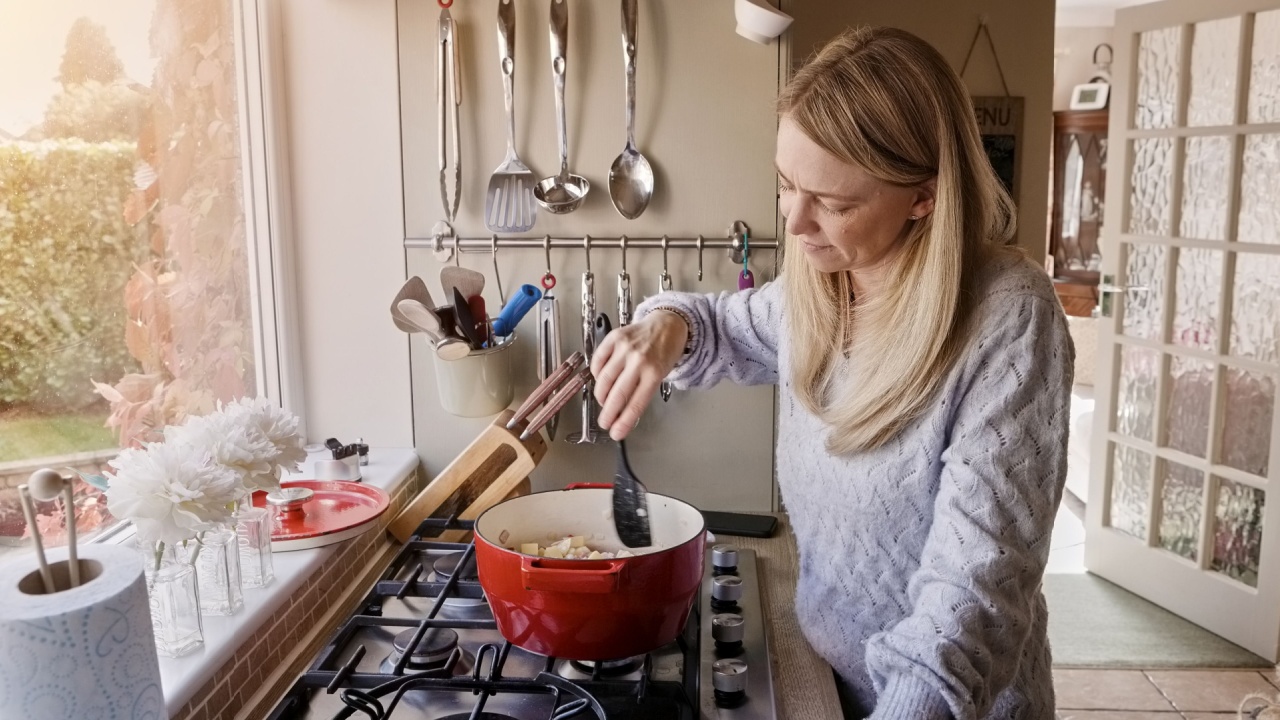
1. Make Homemade Soup Stock

Before bouillon cubes and powdered broths lined the pantry shelf, there was soup stock. This liquid gold was the foundation of countless recipes, made by simmering leftover vegetable scraps, herb stems, and bones for hours. The process was a slow, patient extraction of flavor, resulting in a rich, nutrient-dense liquid that formed the base for soups, stews, and sauces. It was the ultimate way to use ingredients that would otherwise be discarded.
Reviving this practice is simple. Keep a bag in your freezer for onion peels, carrot ends, celery tops, and leftover chicken carcasses. When the bag is full, simmer its contents in a large pot with water for a few hours, then strain them. The resulting stock offers a depth of flavor that store-bought versions cannot replicate (plus, packed with way more vitamins). You will minimize food waste and elevate your cooking with a superior-tasting ingredient.
2. Bake Bread at Home

The aroma of freshly baked bread is a powerful thing. For generations, baking bread was a weekly, if not daily, ritual in many households. It was a practical skill that turned basic ingredients like flour, water, yeast, and salt into a warm, satisfying staple. The process involved mixing, kneading, rising, and baking, a hands-on activity that was both a chore and a craft.
Kneading dough can be a surprisingly therapeutic activity, a chance to work with your hands and create something tangible. While artisan sourdoughs can seem intimidating, many simple recipes for focaccia, sandwich loaves, or no-knead bread are very approachable for beginners. The reward is a loaf with a perfect crust and soft interior, free from the preservatives found in many commercial breads.
3. Cook From Dried Beans

Canned beans are a modern convenience, but their dried counterparts were the pantry standard for centuries. Cooking with dried beans requires a little forethought, typically involving an overnight soak and a longer cooking time. This patient method was simply part of the meal preparation rhythm, turning a humble, inexpensive ingredient into the hearty star of soups, chilis, and side dishes.
The benefits of using dried beans are significant. They are far more economical than canned beans, and their flavor and texture are noticeably better. Cooking them yourself allows you to control the sodium content and seasoning from the start. A large pot of cooked beans can be used throughout the week in various meals, from salads to tacos, making it an efficient way to prepare a versatile and healthy protein source.
4. Use a Cast Iron Skillet
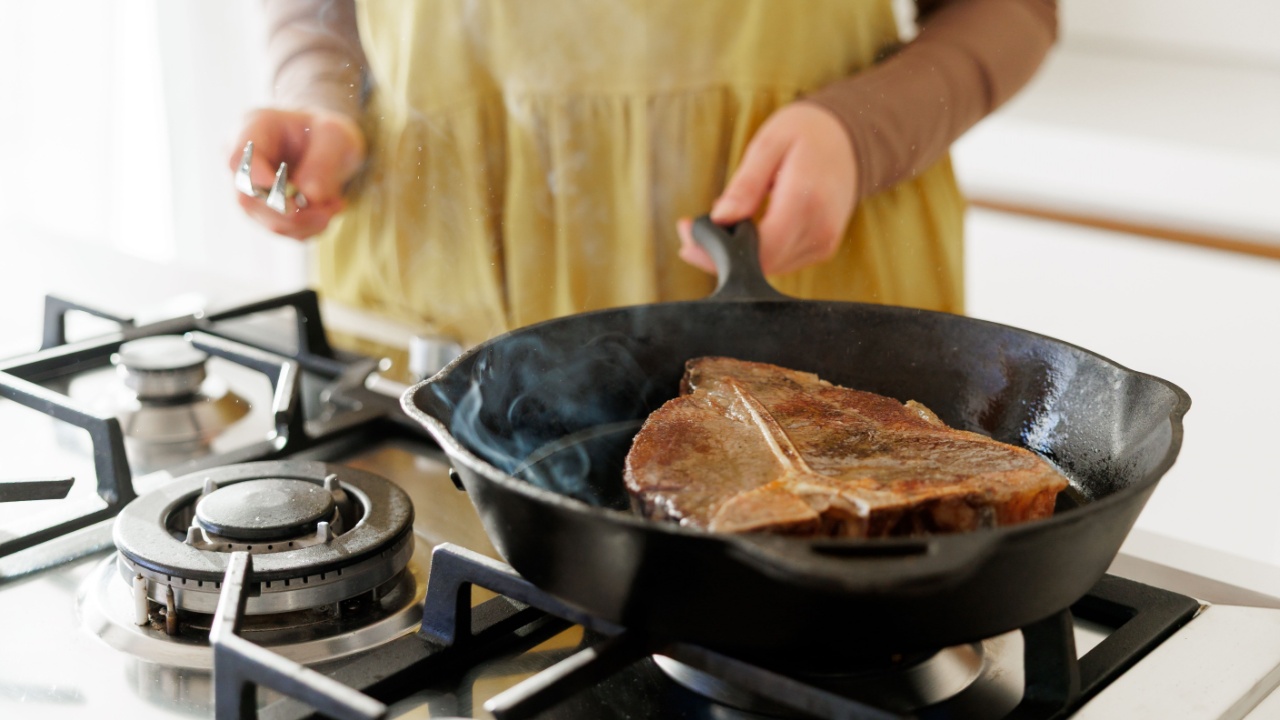
Long before non-stick coatings were invented, the cast-iron skillet was once the king of the kitchen. Heavy, durable, and passed down through generations, these pans were prized for their ability to retain and distribute heat evenly. They required a bit of care, including a process called seasoning, which created a natural, non-stick surface. This was the pan for searing meats, frying chicken, and baking cornbread to perfection.
Using a cast-iron skillet today connects you to a long culinary tradition. Once properly seasoned, it develops a superior cooking surface that gets better with age. It excels at creating a beautiful sear on steaks and burgers, and can go directly from the stovetop into the oven. Its heat retention makes it ideal for everything from frying eggs to baking a giant cookie. With proper care, a cast-iron pan is an indestructible tool that will last a lifetime.
5. Cook With Seasonal Produce
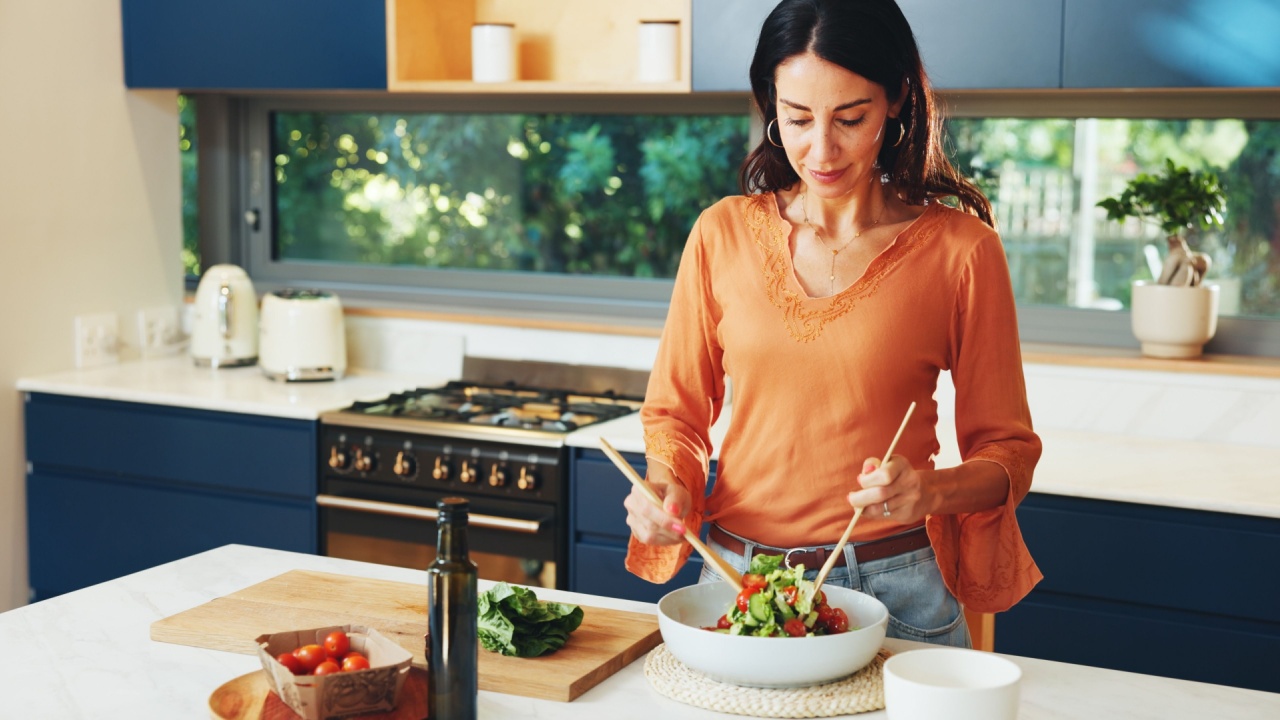
Before global shipping made strawberries available in December, diets were naturally aligned with the seasons. People ate what was locally available, and at its peak. Summer meant an abundance of tomatoes, corn, and berries, while fall brought squash, apples, and root vegetables. This way of eating was not a choice but a necessity, connecting people directly to the agricultural calendar and the rhythm of the land.
Produce that is in season is at its freshest, most flavorful, and most nutritious. It’s also typically more affordable and widely available at local farmers’ markets. Eating seasonally encourages creativity in the kitchen, pushing you to try new recipes based on what looks best that week. It’s a simple shift that results in better-tasting food and a greater appreciation for fresh ingredients.
6. Pickle and Preserve Vegetables
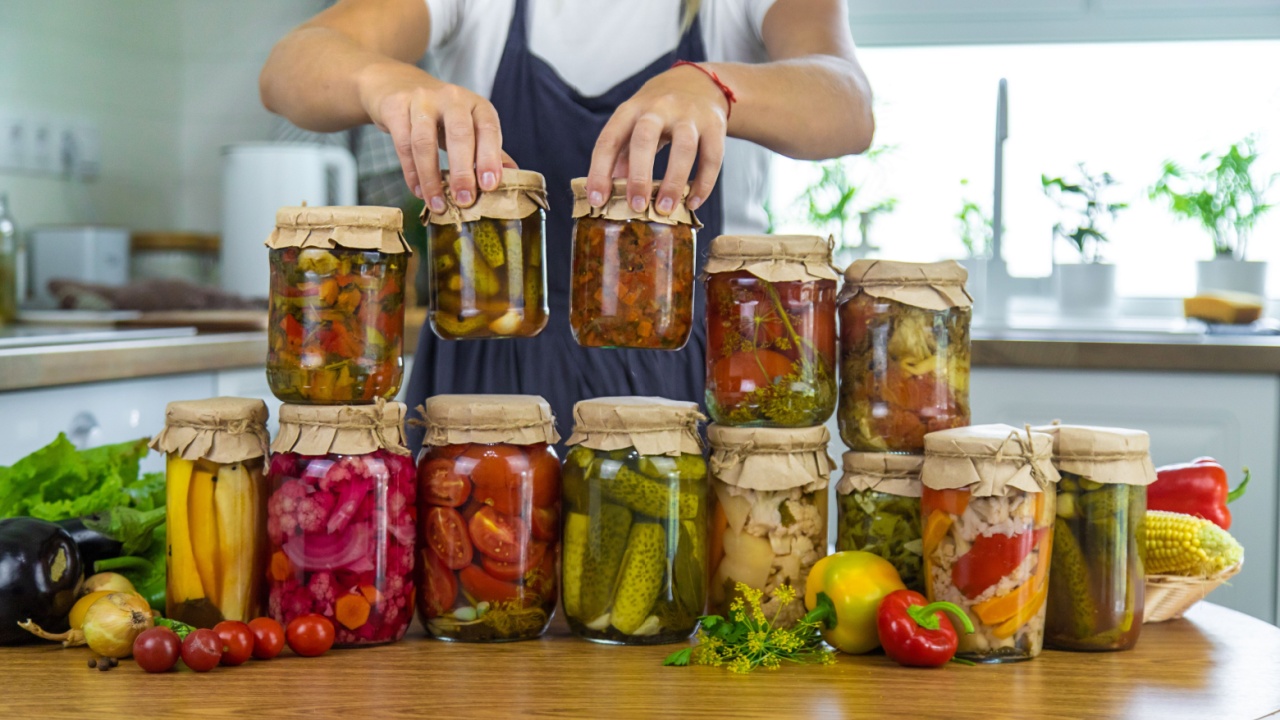
Pickling was an essential preservation method before refrigeration was common. It allowed people to enjoy the bounty of their summer gardens throughout the long winter months. Cucumbers, green beans, beets, and cabbage were submerged in a brine of vinegar, water, salt, and spices, transforming them into tangy, crunchy treats that could be stored for months. This process prevented spoilage and added a new dimension of flavor to meals.
Learning to pickle is a fun and rewarding skill. Quick pickling, or refrigerator pickling, is a great place to begin. It requires no special canning equipment and can be done in small batches. Sliced red onions, carrots, or radishes can be transformed in just a few hours with a simple brine. These pickles add a bright, acidic kick to sandwiches, salads, and grain bowls, instantly livening up a simple dish. It’s an easy way to reduce food waste and add some homemade flair to your pantry.
Reviving Kitchen Classics
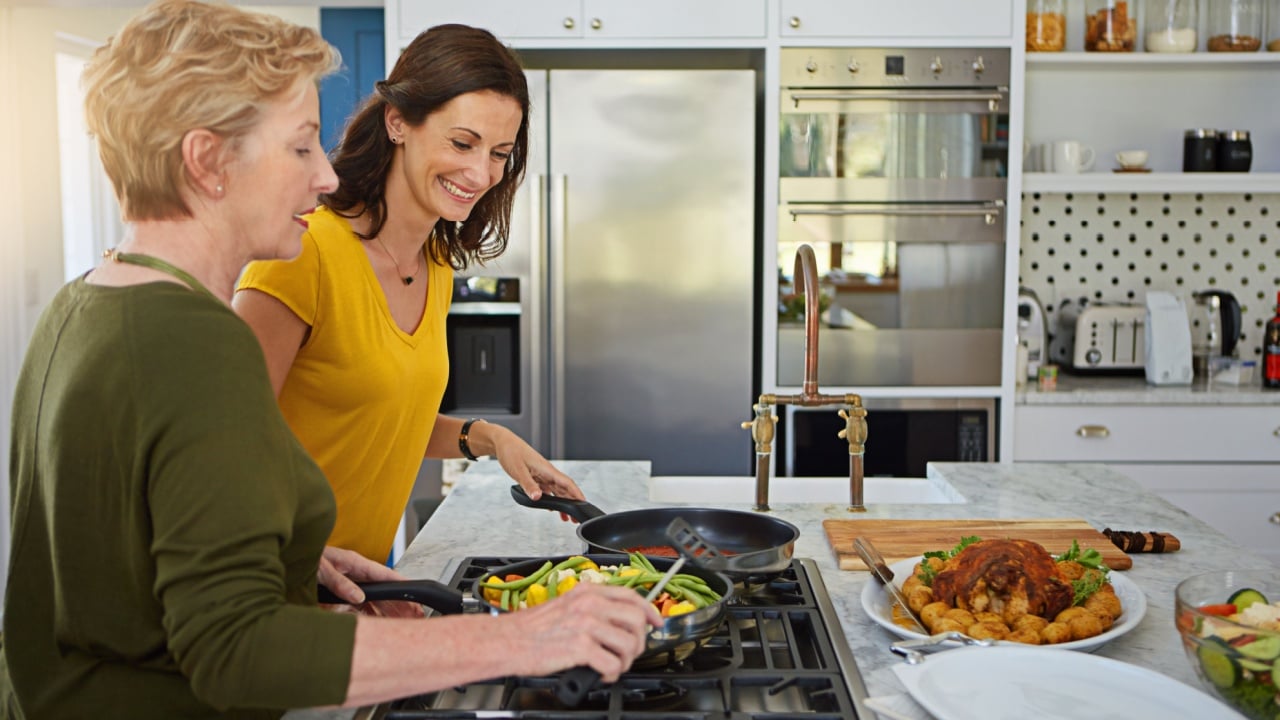
Old school kitchen habits bring flavor, fun, and a dash of resourcefulness back to the home cook’s playbook. Brew up a homemade stock with your leftover veggies, knead some dough and experiment with fresh bread, or take that cast-iron skillet for a spin. Maybe that bag of dried beans finally gets the spotlight. Each little change makes meals richer and routines a bit more interesting. As these habits sneak back onto your menu, you’ll pick up new skills and maybe a few stories to share around the table.