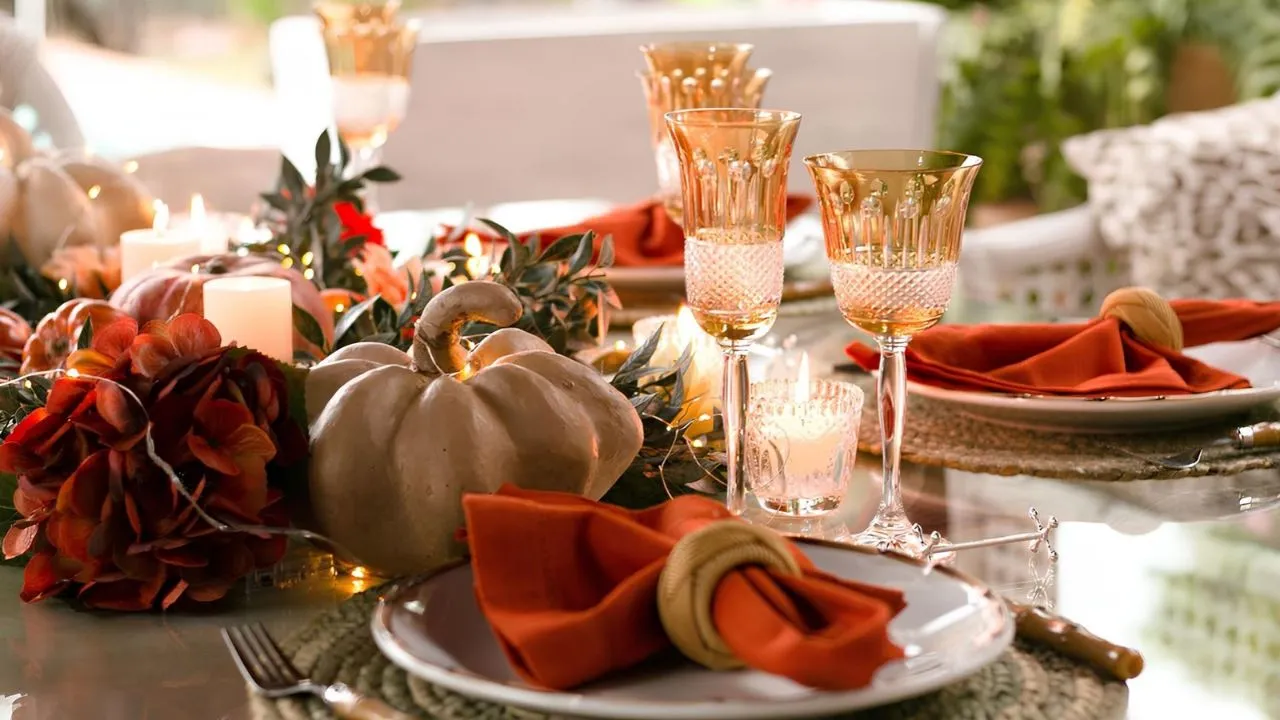
6 Mistakes to Avoid With a Thanksgiving Tablescape From the Garden
That cheerful orange and red vine you drape down the Thanksgiving table every November may be illegal to sell or even move in your state, and once the centerpiece lands on the compost pile, its seeds can germinate at rates as high as 95 percent.
Oriental bittersweet is the most famous offender, but it’s hardly the only way a Thanksgiving tablescape from the garden goes sideways. Holly berries within reach of a curious dog, a praying mantis egg case that hatches beside the gravy boat, or a ring of tea lights tucked into a nest of dry grass are all things to avoid this Thanksgiving. These aren’t beginner mistakes; if you’ve been setting the holiday table for 30 or 40 years, you’ve probably made at least one, because for decades nobody told us otherwise.
The stakes are bigger than a droopy centerpiece. A single holiday shopping guide from Garden & Gun this month features a $399 vintage basket for holding magnolia branches and a $675 set of leather serving trays, while the branches themselves are growing in your yard for free. And with Thanksgiving falling on November 26 this year, the best window to cut, clean, and condition your materials is this weekend, not next Thursday morning.
Your grandmother had the right idea when she filled a bowl with apples, walnuts, and whatever was still green in the yard. The trick is knowing what to leave outside. Here are the eight mistakes to avoid this November, starting with the one that could put you on the wrong side of state law.
1. Never Drape Oriental Bittersweet Down the Table

Its yellow husks and scarlet berries have decorated fall tables for generations, but the common Oriental species is an aggressive invasive vine that wraps around trees and can kill them. Peter Picone, a biologist with the Connecticut Department of Energy and Environmental Protection, put it plainly: “Selling or moving Oriental bittersweet is also prohibited by state law.” Massachusetts makes it illegal to import or sell the plant in any form, wreaths included, according to state guidance shared by Essex County Greenbelt, and New York prohibits its sale, transport, or trade, per the New York Botanical Garden. Here’s the surprising part: NYBG notes the seeds germinate at rates up to 95 percent, and wreaths tossed out with yard waste are one way the vine spreads. If you already have some, bag it for the trash; never compost it.
2. Stop Setting Toxic Berries Within Reach of Pets and Grandkids
The ASPCA lists bittersweet as toxic to dogs, cats, and horses, with signs ranging from vomiting and diarrhea to weakness and, rarely, seizures. Holly, the other classic red berry, is also on the ASPCA’s toxic plant list for dogs and cats. The risk isn’t limited to pets: the University of Washington’s Elisabeth C. Miller Library notes holly berries are poisonous to people as well and “can be fatal to small children if eaten in quantity.” If a toddler or a counter-surfing Lab will be at your table, keep berried stems in the center, sweep up any that drop, and keep ASPCA Poison Control’s number, (888) 426-4435, on the fridge; a consultation fee may apply.
3. Don’t Bring the Bugs to Dinner
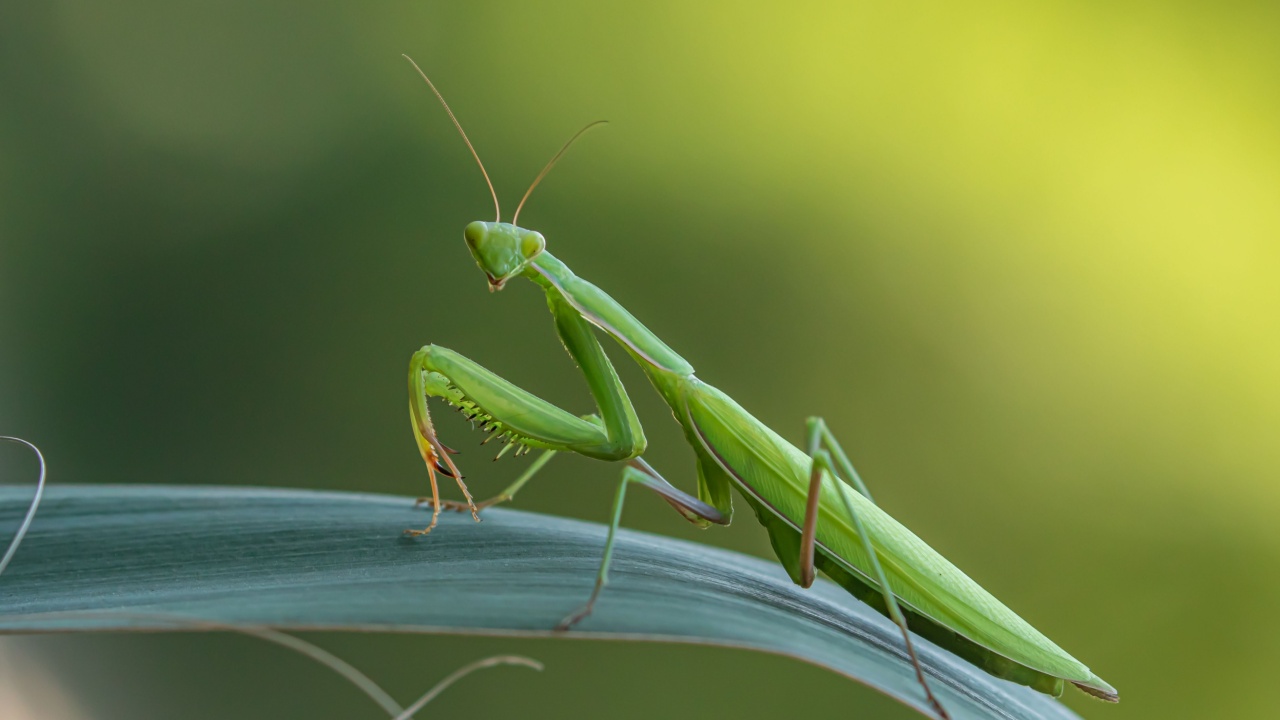
Branches that sat outside all fall shelter overwintering insects, and a warm dining room convinces them it’s spring. The Purdue Landscape Report says to look for praying mantis egg masses, which have a slightly foamy texture; clip that twig off and leave it in the garden, where the hatchlings can eat pests next spring. Purdue also warns against spraying decorations with insecticide, which can be dangerous to people and pets, and asks you to report egg masses that look like caked-on mud, a sign of the invasive spotted lanternfly. Michelle Slatalla of Gardenista rinses every foraged stem in the kitchen sink first, because “Bugs are not welcome at the dinner table.” For pinecones and acorns, decorators like The Ponds Farmhouse freeze them in a bag before they come to the table.
4. Never Nestle Candles in Dry Leaves and Grass
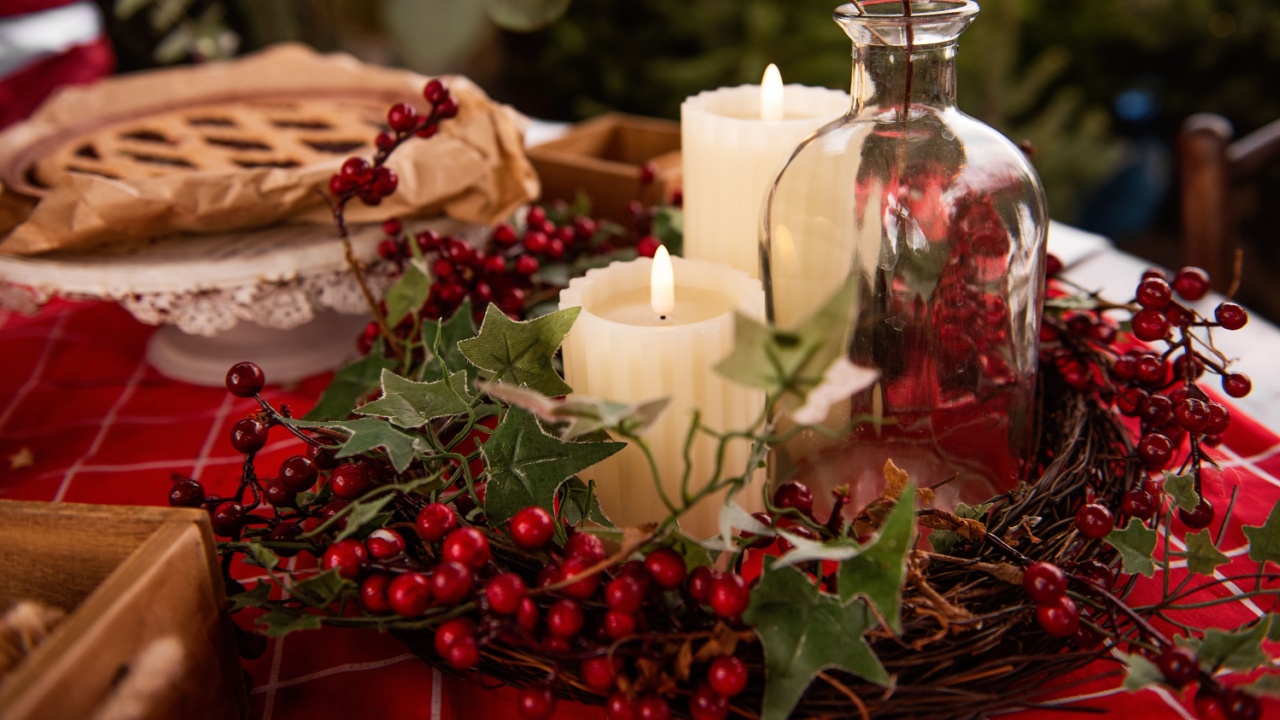
This is where a lot of popular advice goes wrong. One landscaping company’s Thanksgiving guide, from GROUNDS KEEPER, suggests clustering candles in pinecones and setting a lantern on a mound of leaves. It’s a pretty picture, but according to NFPA data shared by the Illinois State Fire Marshal, three of every five home candle fires start when things that can burn are too close to the flame, and December is the peak month. “Remember, a candle is an open flame,” the office warns. Keep real candles at least a foot from dried hydrangeas, grasses, and seed heads, or follow Gardening Know How and use battery-operated fairy lights or floating candles in water-filled jars.
5. Stop Paying for What’s Already Growing Outside
That $399 basket is lovely, but what makes a Thanksgiving tablescape from the garden memorable is what goes in it. Willburn rarely uses flowers at all. “Instead, I look for shapes, for colors, and for textures,” she writes. Her shortlist includes magnolia and juniper foliage, rosemary and thyme, rose hips, coneflower and sunflower seed heads, dried hydrangeas, and the brown fertile fronds of ostrich ferns, plus apples, pears, and Brussels sprouts from the kitchen. Backyard Boss suggests tying carrots with their green tops in small bunches or filling jars with red and golden beets. Total cost: $0, and most of it goes back into the kitchen or compost afterward.
6. Don’t Help Yourself to the Neighbor’s Shrubs
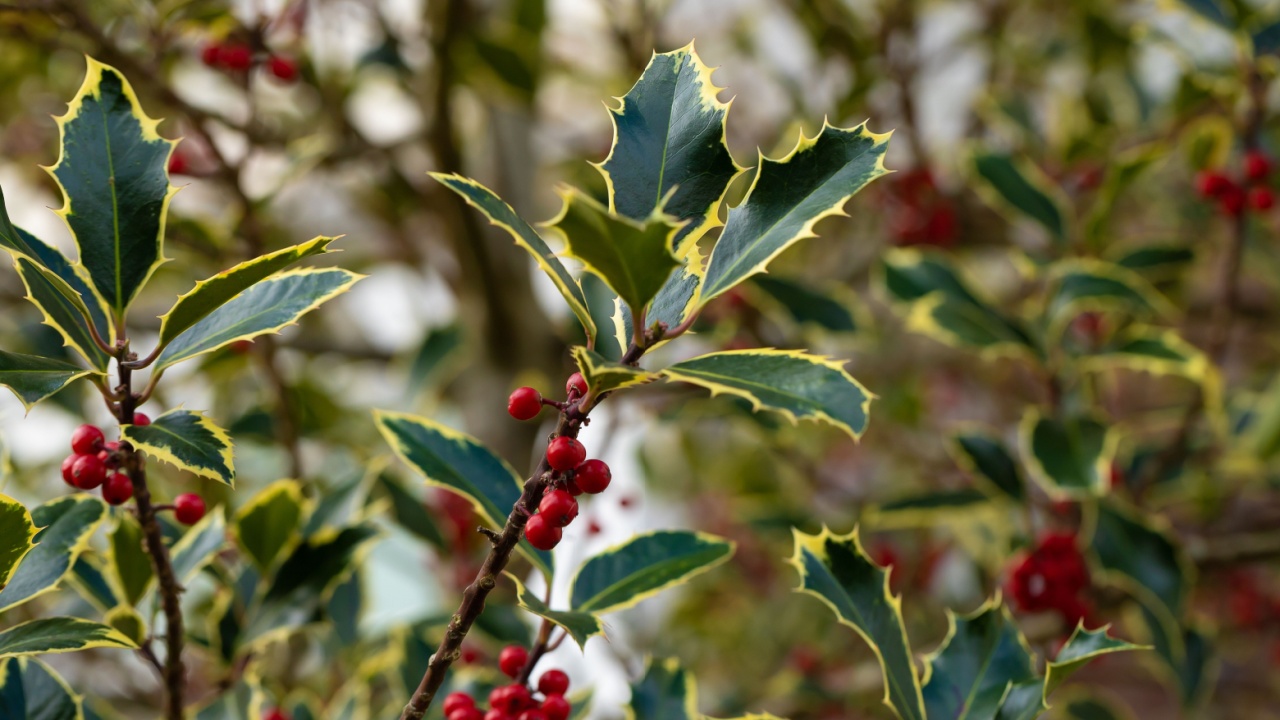
Nothing sours a holiday faster than a neighbor spotting their prized winterberry on your table. Vermont Public’s All Things Gardening encourages foraging from your own yard “(or the neighbors, with permission!),” and that parenthetical matters. Ask first, and offer a small arrangement in return; it costs nothing and buys a lot of goodwill.
A Weekend Plan for Your Thanksgiving Tablescape From the Garden
On Saturday, walk the yard with pruners and a bucket. Cut evergreens, berried stems, seed heads, and dried hydrangeas, snipping more than you think you need. Inspect and rinse everything, then stand stems in water somewhere cool until Wednesday. Willburn notes that fresh fall leaves last only about a day on the table, but they can be preserved with glycerin if you plan ahead.
On Wednesday, lay a runner or folded burlap down the center of the table, place your candles or lights first, and group your materials into small clusters rather than spacing them evenly. As GROUNDS KEEPER puts it, “It’s not about perfection.” Leave the bittersweet on the fence where it can’t follow you home.
The most beautiful Thanksgiving table is one you gathered for free, can talk across, and can safely toss on Friday.
Read More
The 7 Best Garden Items to Thrift This Fall
9 Smart Ways to Save Money in the Garden Before Fall Ends