
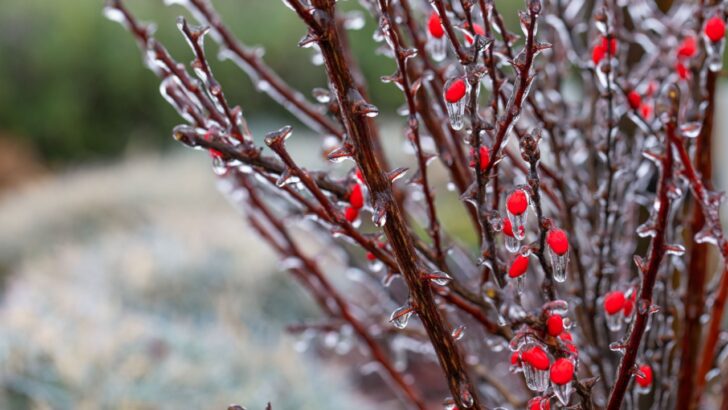
Winter gardening often brings to mind cozy afternoons spent flipping through seed catalogs, not wrestling with stubborn plants. But this quieter season offers a strategic advantage in the ongoing battle against garden bullies. When most of the landscape is dormant, invasive plants that refuse to follow the rules stand out, making them easier to spot and, more importantly, easier to remove.
The cold, hard ground might seem like a barrier, but it can actually be an ally. With foliage gone, you get a clear view of the complex root systems and sprawling vines that are otherwise hidden. Grabbing your tools for some winter work sets up your garden for a healthier, less competitive spring. It’s a bit like doing a deep clean of your house before the party guests arrive.
1. Oriental Bittersweet
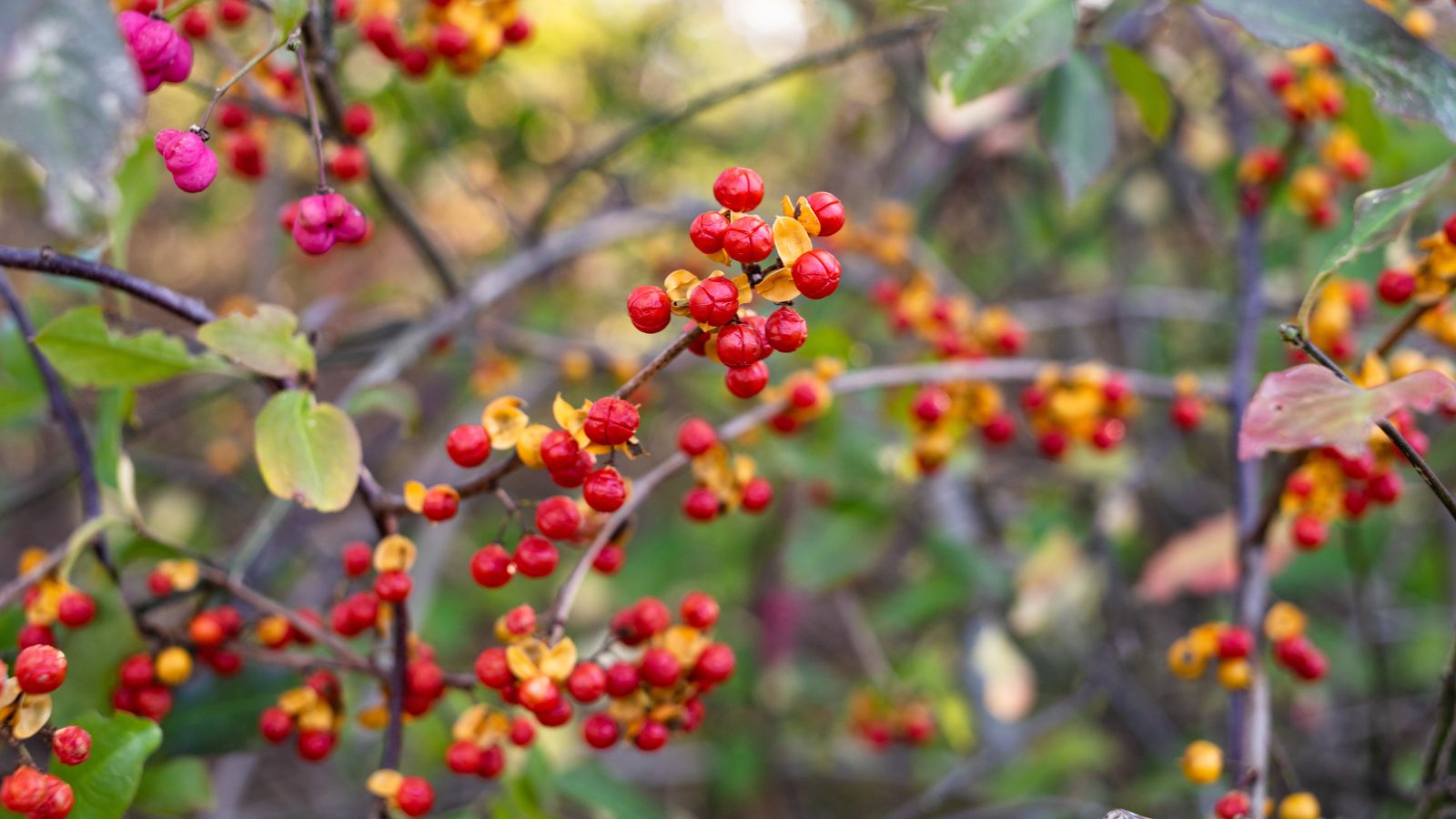
Image Credit: Deposit Photos.
This vine is the ultimate garden invader, wrapping itself around trees and shrubs with a suffocating embrace. Oriental Bittersweet is notorious for its ability to girdle and kill mature trees, and its bright red berries, while festive-looking, are spread far and wide by birds. The vine grows aggressively, creating dense mats that block sunlight from reaching the plants you actually want.
Winter is the perfect time to stage an intervention. Without its leaves, the distinctive, rope-like vines are completely exposed against the tree bark and bare ground. This visibility is a huge advantage. You can trace the vines back to their source without fighting through a wall of foliage. The colder temperatures also mean the plant is dormant, so you won’t be spreading seeds as you work.
2. English Ivy
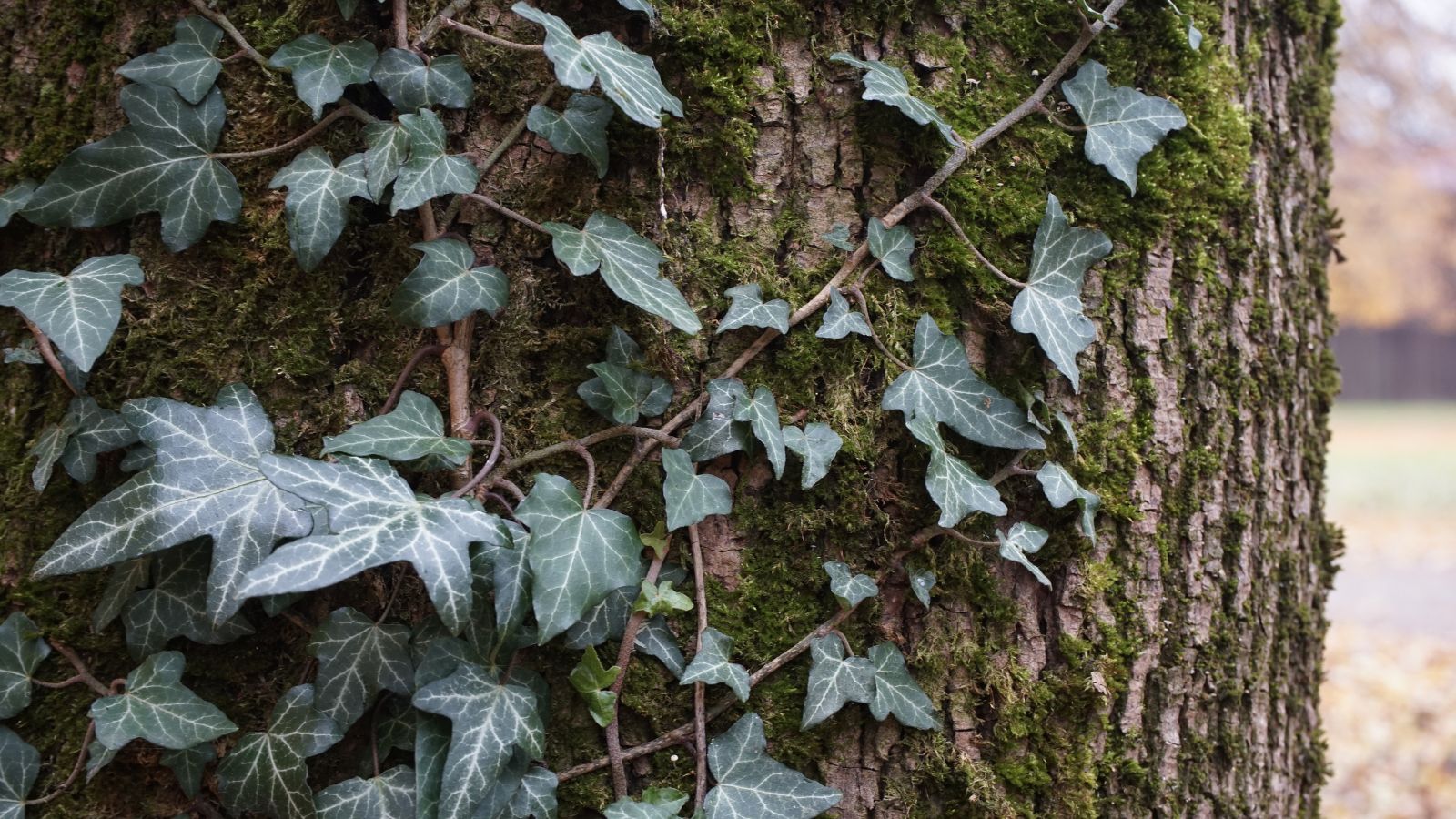
Image Credit: Deposit Photos.
English Ivy has a certain old-world charm, climbing up brick walls and creating a lush groundcover. That charm fades quickly when it starts smothering native plants, damaging masonry, and creating a “green desert” where nothing else can grow. This evergreen vine is a relentless spreader, both across the ground and up any vertical surface it can find.
Tackling English Ivy in winter is a smart move. Since it’s evergreen, it stands out plainly against the dormant landscape. The lack of other leafy growth gives you a clear shot at its root system. Additionally, the soil is often moist and loose from winter precipitation, which can make pulling up the shallow roots a more manageable task.
3. Japanese Barberry
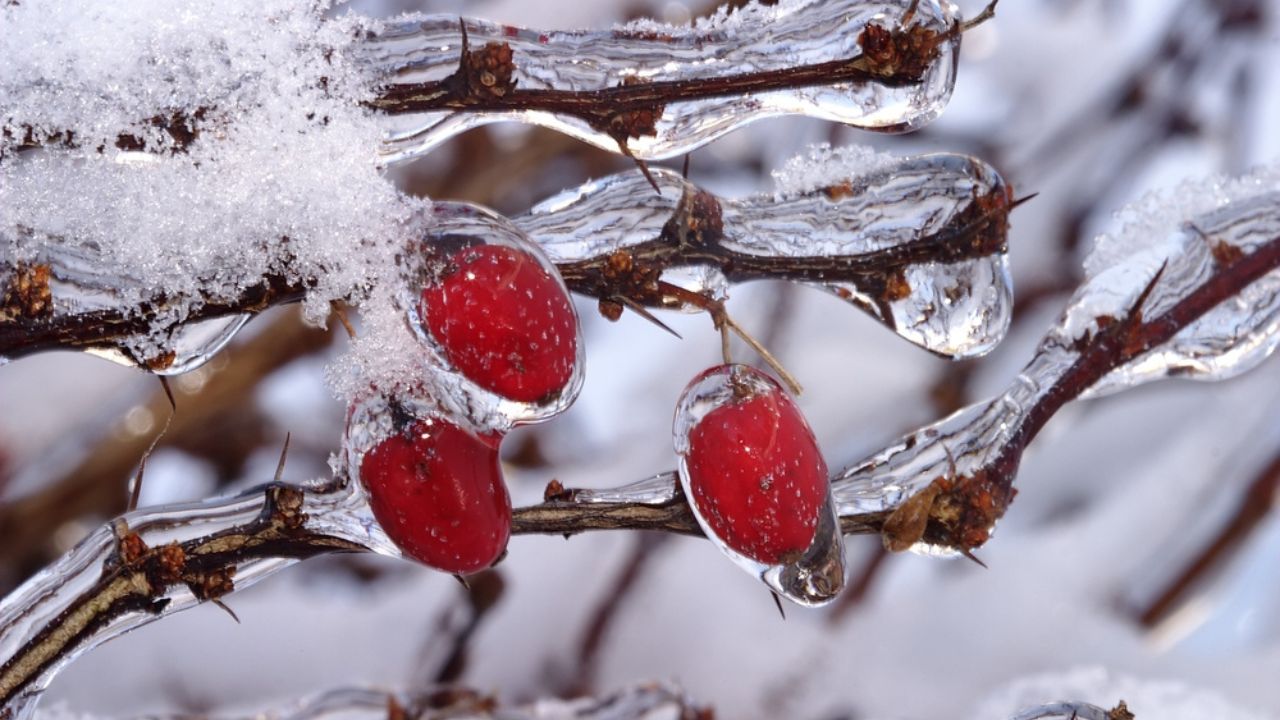
Image Credit: Deposit Photos.
This popular landscaping shrub was once celebrated for its hardiness and deer resistance. Unfortunately, those same traits make it an ecological menace. Japanese Barberry forms dense thickets that outcompete native flora. It also alters the soil chemistry and creates a humid microclimate on the forest floor, which is an ideal habitat for ticks.
Removing barberry is a thorny affair, quite literally. Winter makes the job less painful. With its leaves gone, you can see the plant’s structure and navigate its spiny branches with greater ease. The frozen or firm ground can also provide better leverage for pulling the entire plant, roots and all, from the soil. Be sure to wear protective gear to avoid getting pricked by its sharp thorns.
4. Japanese Honeysuckle
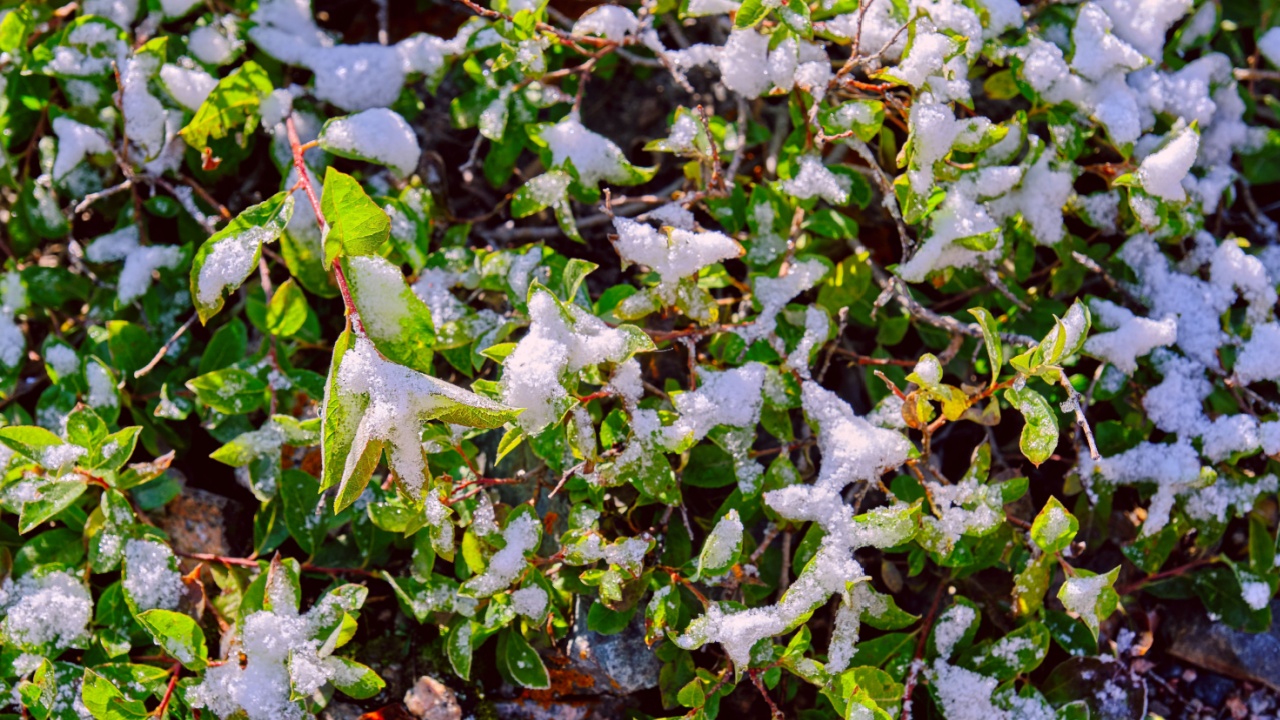
Image Credit: Shutterstock.
The sweet smell of Japanese Honeysuckle is a familiar scent, but it masks a sinister nature. This vigorous vine twines around and overpowers smaller trees and shrubs, while its ground-level runners form dense mats that choke out wildflowers and other low-growing plants. It grows so quickly that it can easily dominate an understory in just a few seasons.
Like other vines, winter exposes Japanese Honeysuckle’s structure. Its semi-evergreen nature means it may retain some leaves, making it simple to spot. The primary advantage of a winter removal is getting a clear view of the sprawling runners that root along the ground. You can follow these runners and remove them without battling the jungle of foliage present in summer.
5. Porcelain Berry
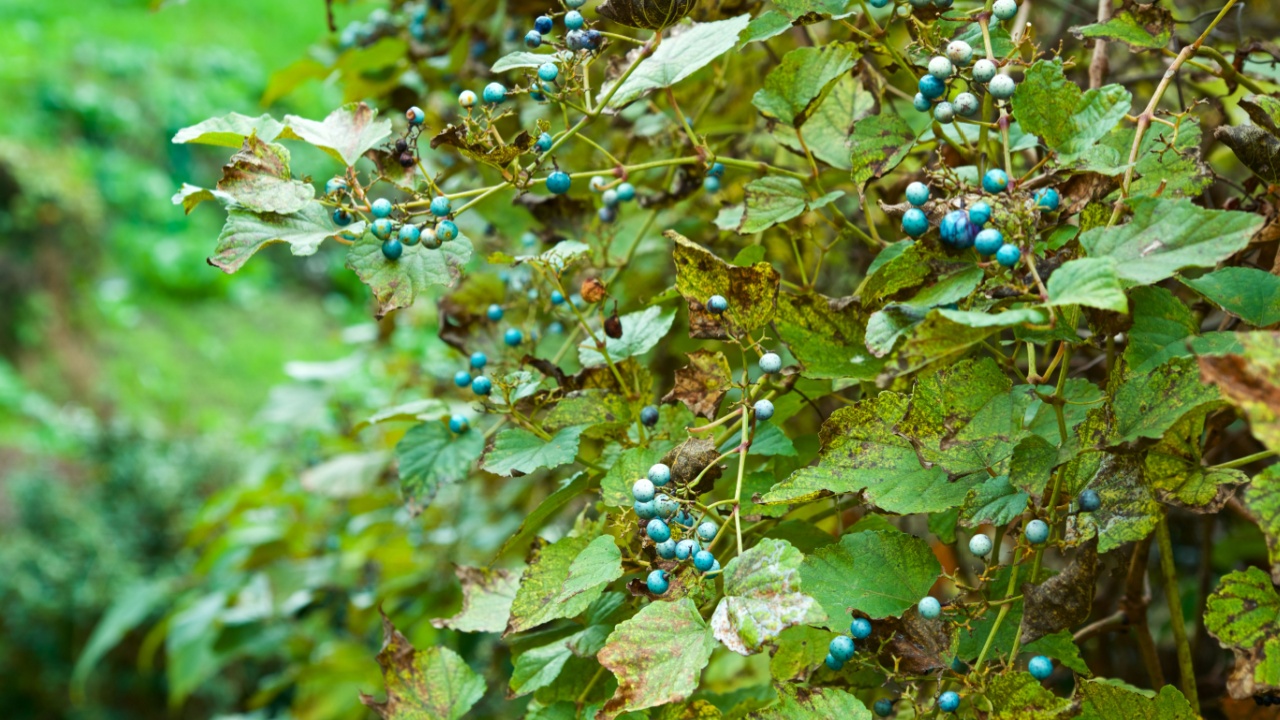
Image Credit: Shutterstock.
Porcelain Berry is a deceptive beauty. Its unique, multicolored berries look like tiny, decorative beads, ranging from pink to purple to turquoise. This ornamental quality is why it was introduced in the first place. However, it is a hyper-aggressive vine that grows with astonishing speed, blanketing trees, shrubs, and open ground in a thick, smothering layer.
Winter is an excellent time to get the upper hand. The vine’s leaves are gone, revealing its extensive network of stems. This makes it possible to see exactly where the vine is growing and how it is attached to other plants. You can methodically cut and remove the stems without causing as much damage to the desirable plants it has engulfed.
6. Multiflora Rose
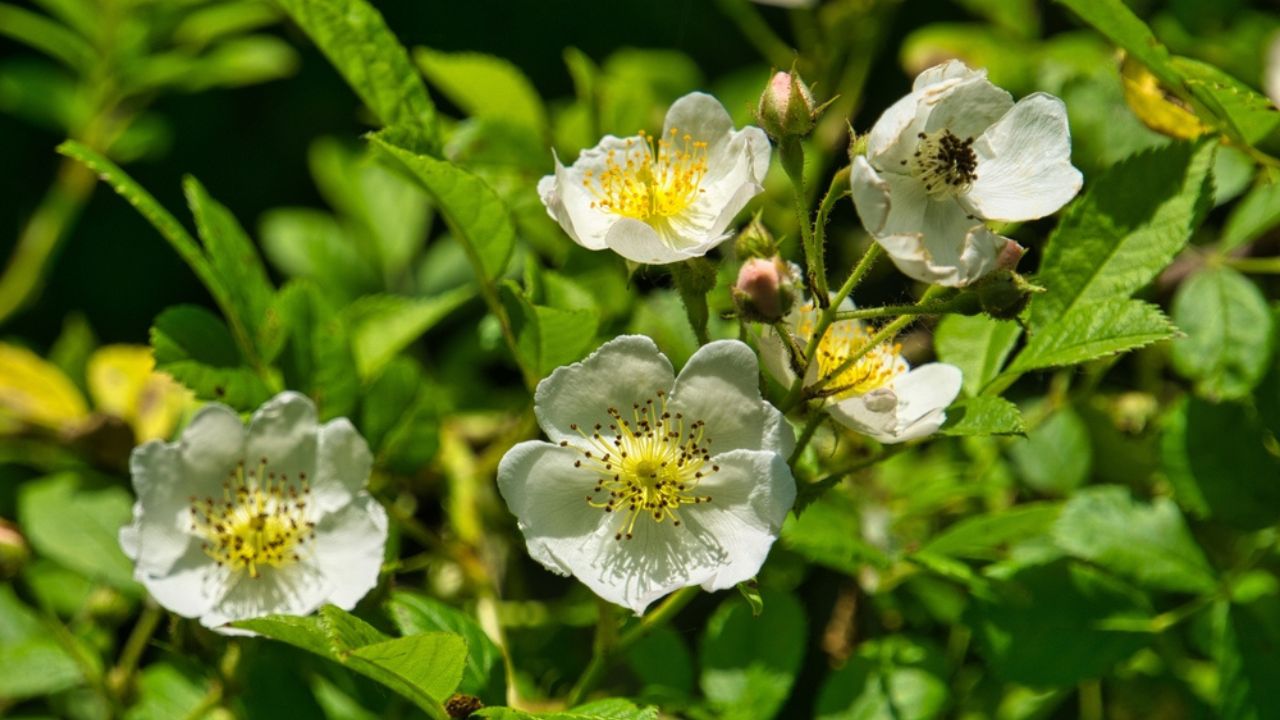
Image Credit: Shutterstock.
Introduced as a “living fence” and for erosion control, Multiflora Rose quickly wore out its welcome. This thorny, sprawling shrub forms impenetrable thickets that are painful to walk through and impossible for native plants to grow in. A single plant can produce up to a million seeds a year, which remain viable in the soil for decades.
Tackling Multiflora Rose in winter means you do not have to contend with its dense foliage. This allows you to see the base of the plant and its arching canes, making it easier and safer to approach. The ground conditions can also work in your favor for pulling up younger plants.
A Fresh Start for Spring

Image Credit: Shutterstock.
Removing invasive plants in winter does more than just clear out unwanted guests. It’s a proactive step that gives your garden a clean slate for the upcoming growing season. By taking out the competition now, you give your favorite perennials, shrubs, and native species the space, sunlight, and resources they need to thrive.
After clearing an area, lay down a thick layer of cardboard and wood chips. This sheet mulching technique will suppress any remaining seeds or root fragments from sprouting. When spring arrives, you will have a ready-to-plant bed that is healthier and far more manageable. This winter work is an investment, and your future self will be grateful for the beautiful, balanced garden that follows.