
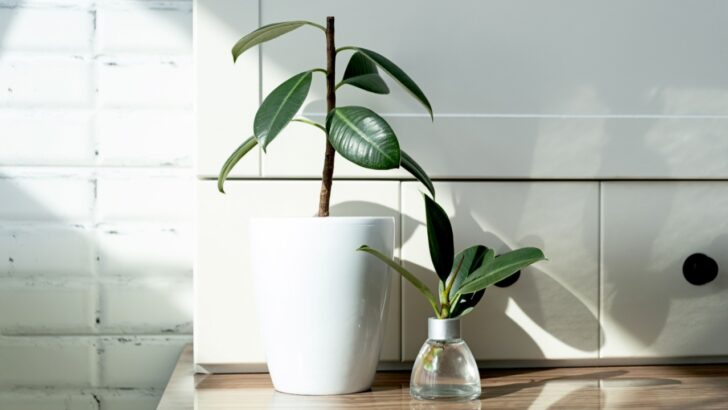
Empty corners often look as if they are waiting for something to happen. Putting a large plant in those gaps fixes the visual void without requiring a major furniture purchase or a construction crew. Massive foliage creates an immediate impact that transforms a room from sparse to intentional. Selecting a tall botanical roommate provides a focal point that stays in place and improves as it grows.
When selecting a green giant, consider how the mature size will interact with the ceiling height and furniture placement. A well-placed leafy resident serves as a natural focal point that draws eyes upward and makes a home feel complete.
Here are six plants you can experiment with for filling that empty space.
1. Bird of Paradise

Image Credit: Shutterstock.
Large paddle-shaped leaves define this species. It reaches for the ceiling and provides a tropical appearance without much effort. Indoor versions typically reach heights between 4 and 8 feet. The vertical growth habit occupies height instead of spreading out across the floor. It creates a bold architectural statement in any sunny spot.
Many owners select the bird of paradise because it remains sturdy. It thrives when given plenty of light. High light levels help it maintain those signature wide leaves. It might produce orange and blue flowers if conditions are perfect. This choice suits people who want a tall element that maintains a neat footprint on the floor.
2. Fiddle-Leaf Fig

Image Credit: Shutterstock.
The fiddle-leaf fig provides a heavy visual weight. It features large, leathery leaves shaped like violins. It stands as a staple in modern homes because it reaches 10 feet in height. Dark green foliage adds texture to a room. It balances out large pieces of furniture such as sofas or wardrobes.
Consistency is the secret to success with this species. Once it finds a spot with bright, indirect sun, it grows steadily. It provides a true tree-like structure inside a house. This pick works for someone wanting a mini canopy. It turns a boring wall into a lush backdrop with minimal effort once established.
3. Elephant Ear Varieties
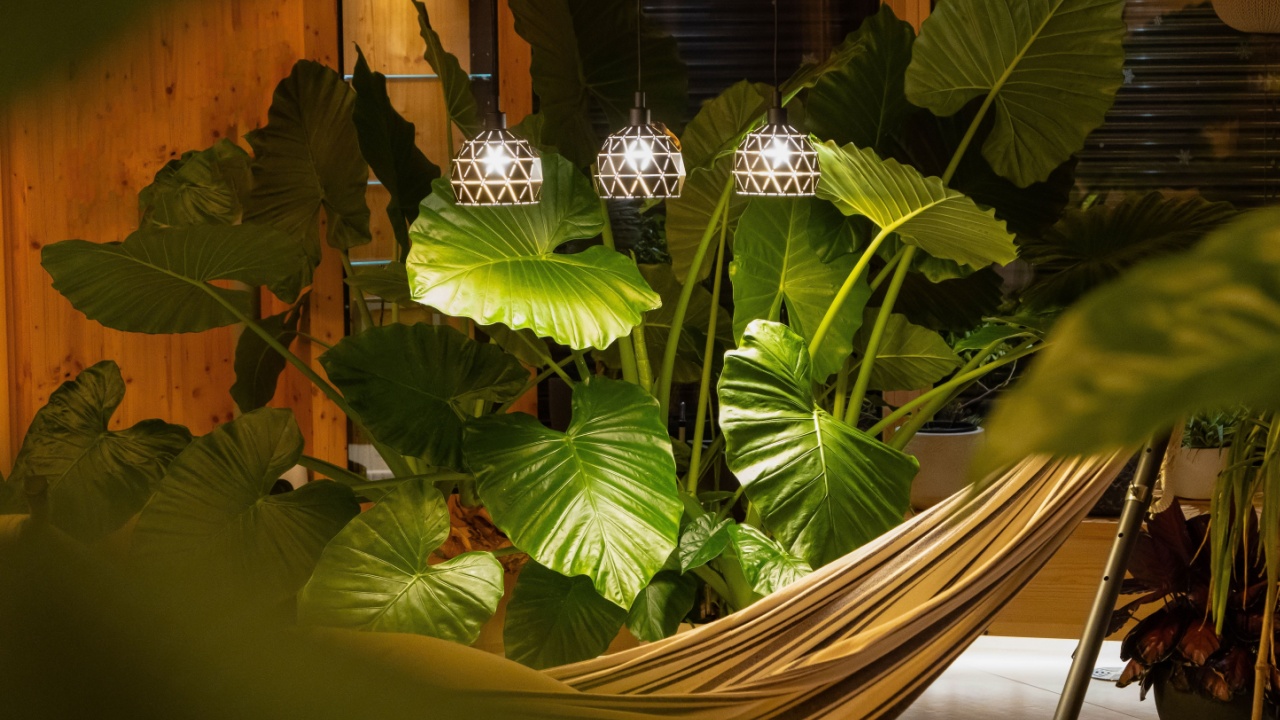
Image Credit: Shutterstock.
Heart-shaped leaves characterize this fast grower. Some varieties reach 10 feet and come in catchy colors like red and blue even. It is a massive option for indoor gardening. The surface area of the leaves catches light and adds a green glow to the environment. It provides a lush look that occupies significant space.
These fan out from a central base to fill wide gaps. They prefer humid environments and steady moisture. A well-lit bathroom or kitchen serves as a great home for them. It is a practical choice for covering large areas of wall space. It avoids the need for many smaller pots.
4. Lady Palm
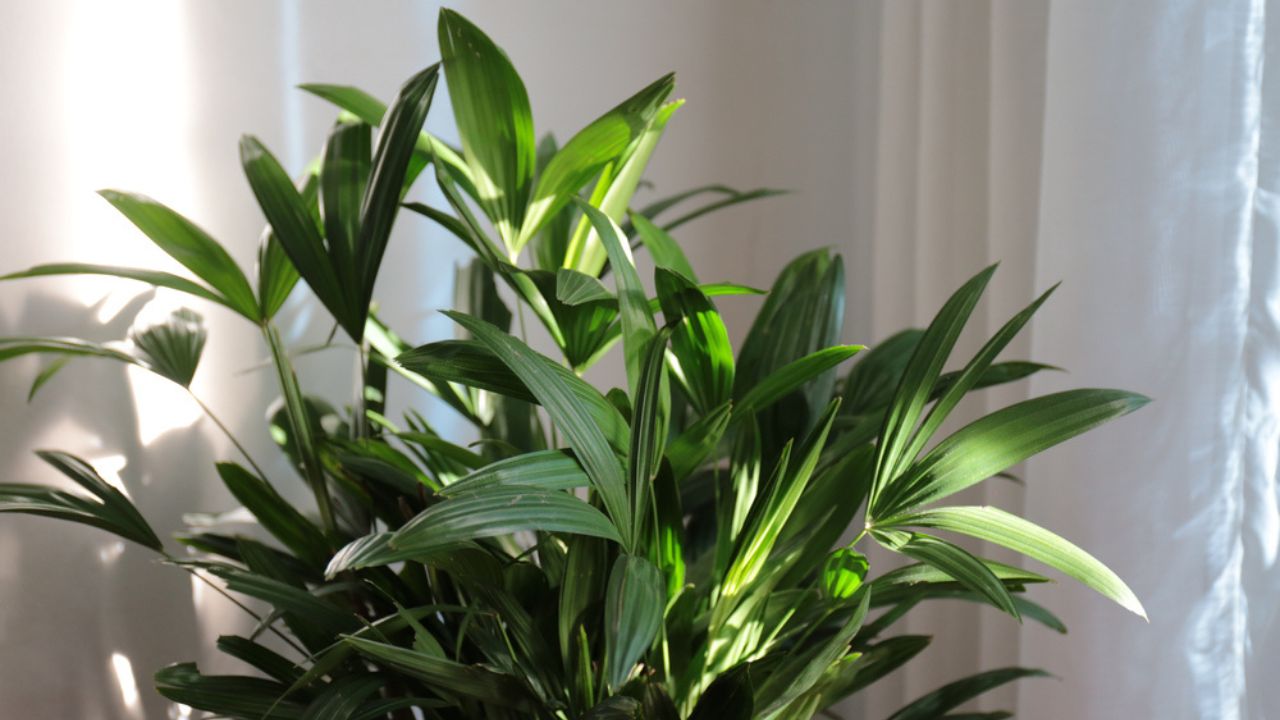
Image Credit: Shutterstock.
This palm offers fan-like fronds and multiple stems. It grows to roughly 6 feet tall. The density allows some light to filter through its leaves. It handles lower light better than most tropical species. It is a slow grower, so it maintains its size for long periods.
Filling narrow spaces or corners without direct sun is easy with this plant. It grows in a clumping fashion and stays upright. Homeowners with pets prefer it because it is non-toxic. It provides a refined look for formal living areas that need a touch of green.
5. Rubber Tree
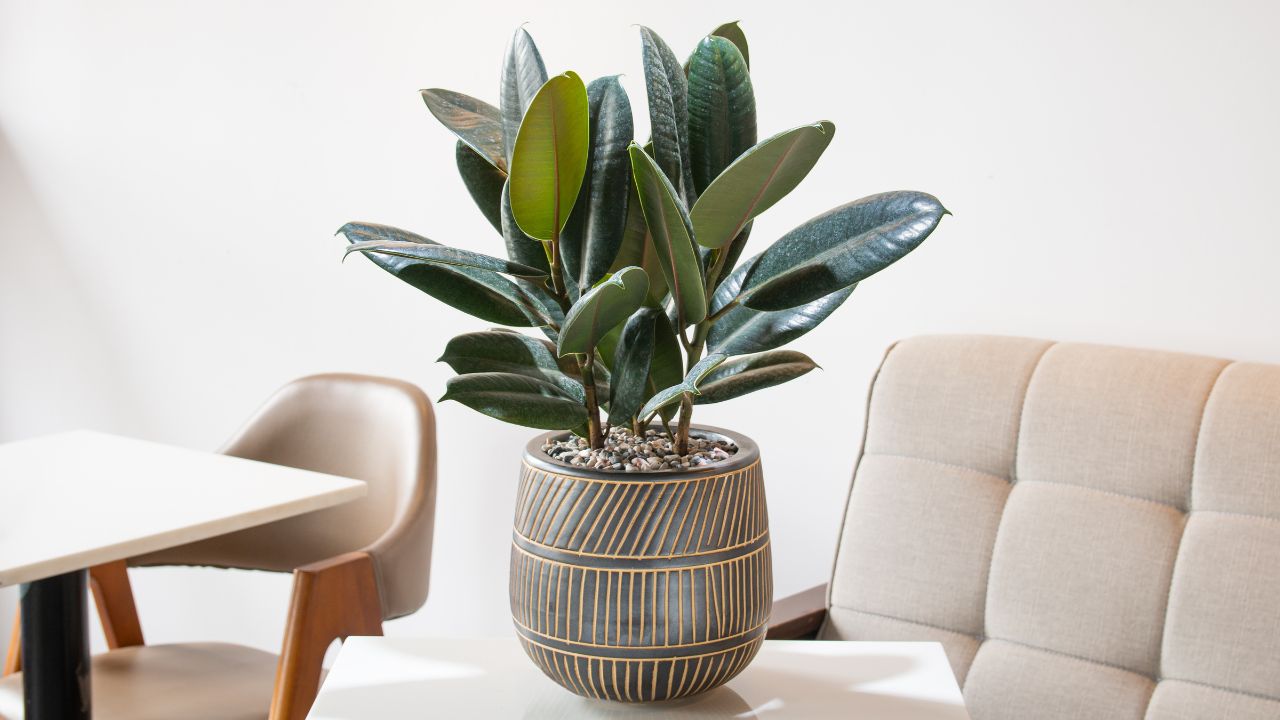
Image Credit: Shutterstock.
Thick, glossy leaves define the Rubber Tree. It grows into a massive indoor tree quite quickly. Colors include deep burgundy or variegated green and white. It reaches heights of 6 to 8 feet without a lot of trouble. The sturdy trunk gives it a strong presence that fills a room effectively.
Growth speed and affordability make this a smart pick. It is easier to manage than other large trees. It offers a similar height and impact as more expensive species. It tolerates different light levels well. It remains a reliable partner for those wanting a tall plant that stays put.
6. African Milk Tree
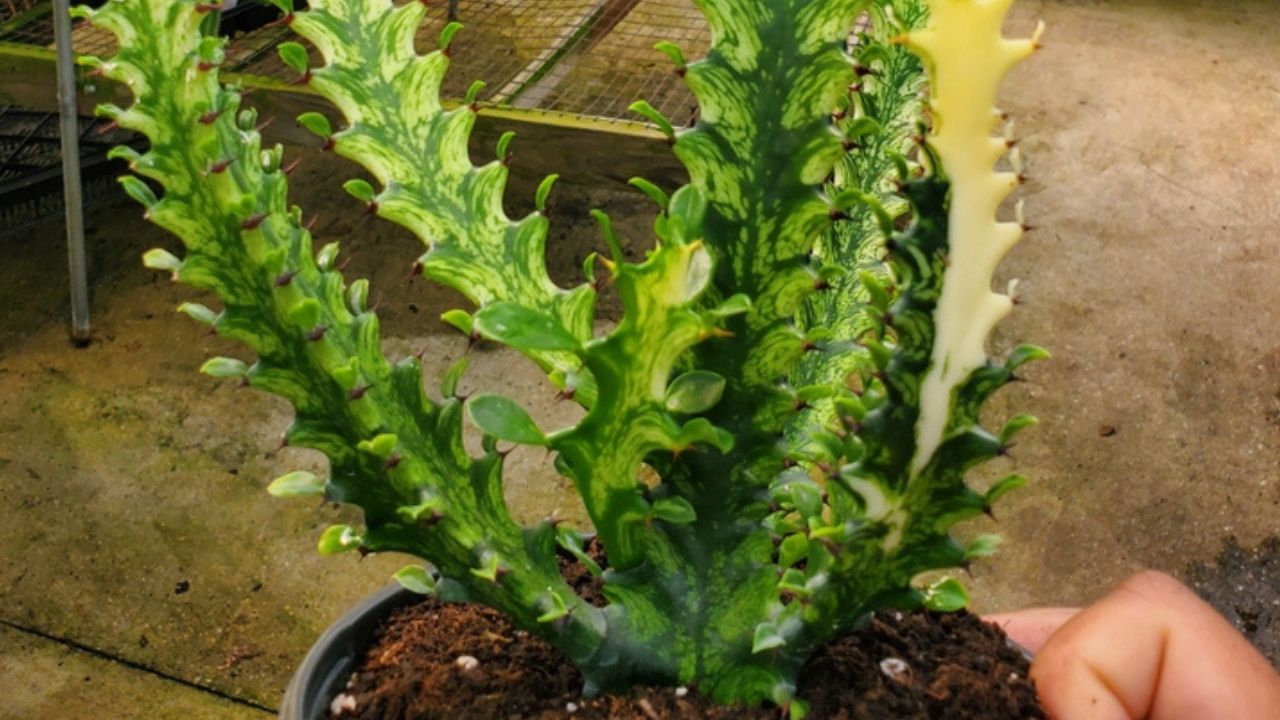
Image Credit: Deposit Photos.
This succulent grows in tall stems like a desert cactus. It reaches approximately 4.5 feet in height. It stays slim for tight gaps between furniture. The stems feature small green leaves and thorns. It adds a modern edge to a room.
The African milk tree suits people who have limited floor space. As a succulent, it requires less frequent watering. It serves travelers who might forget a regular schedule. As long as it gets enough light, it remains a consistent fixture for years.
Letting Empty Floors Flourish
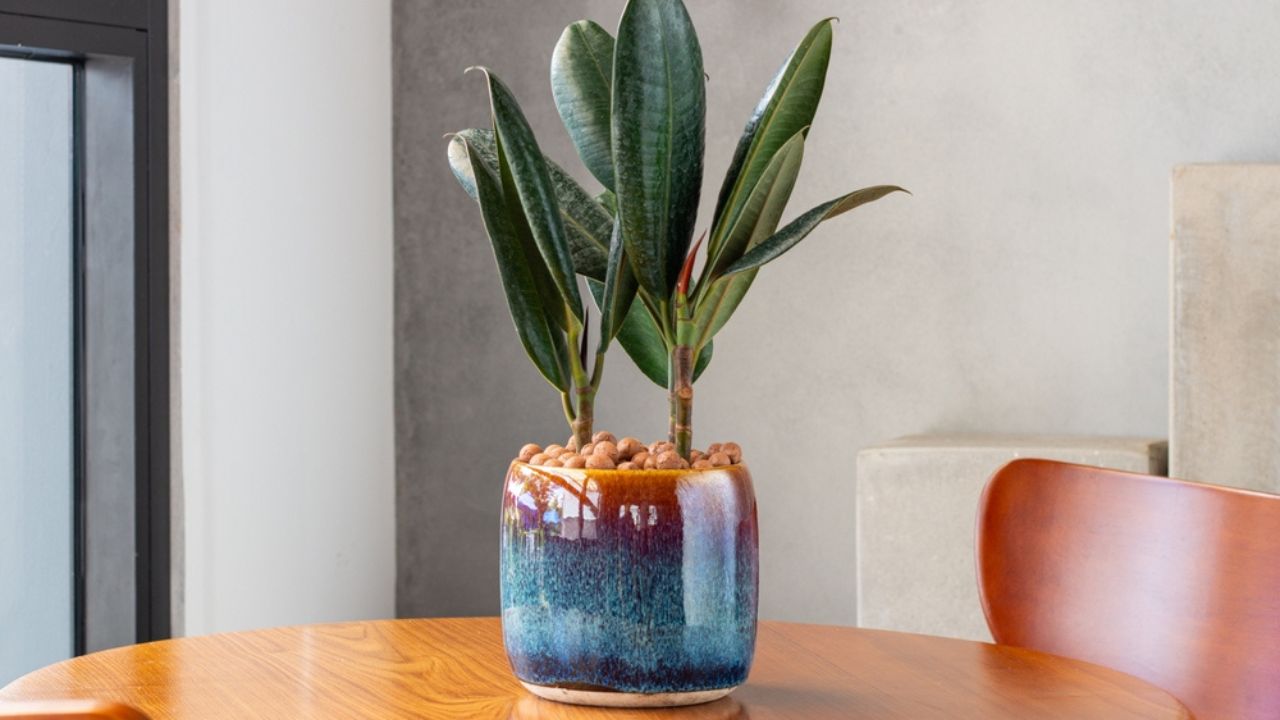
Image Credit: Shutterstock.
Large or tall pots weigh a lot and can be difficult to shift. Putting them on a rolling stand from the start allows for easy rotation. This prevents the plant from leaning toward the window as it seeks light. Large leaves collect dust, which can block sunlight and slow down growth. Wiping the foliage with a damp cloth every few weeks keeps the plant healthy and looking bright. Always check the soil depth with a finger before adding water. Large pots hold moisture at the bottom longer than the surface indicates.