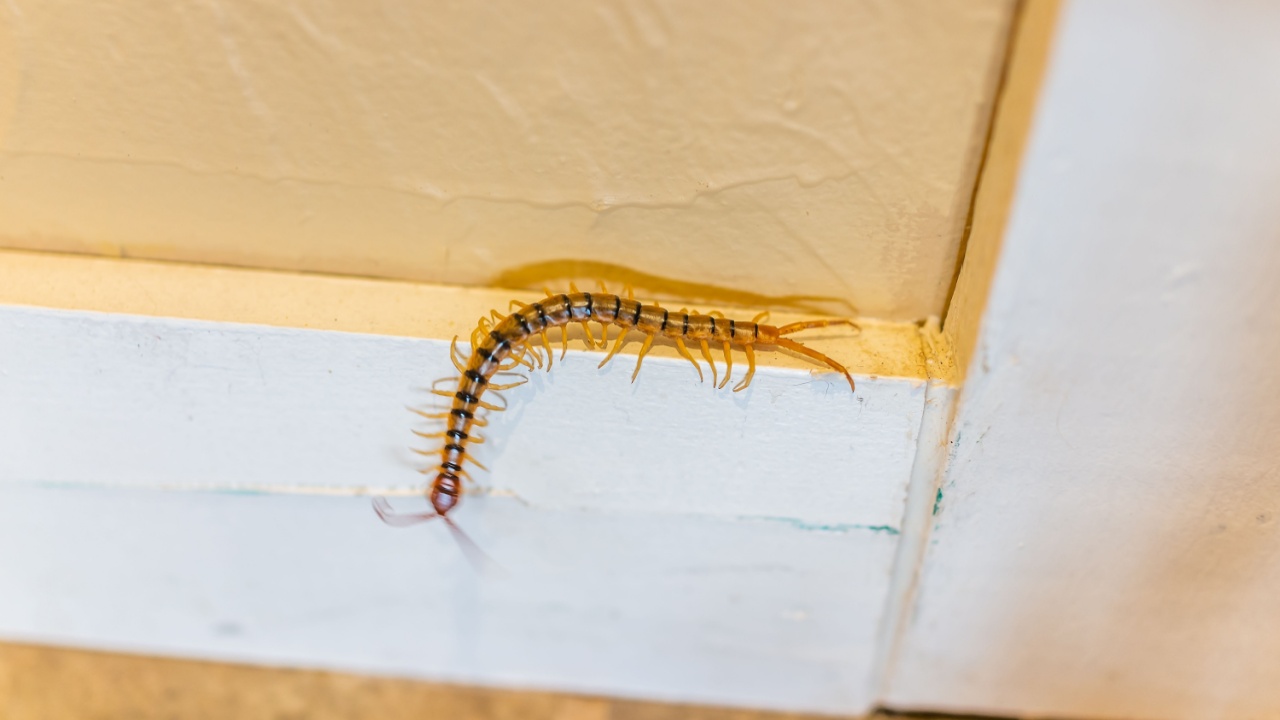
6 Effective Ways to Keep Creepy Crawly Centipedes Out of the House
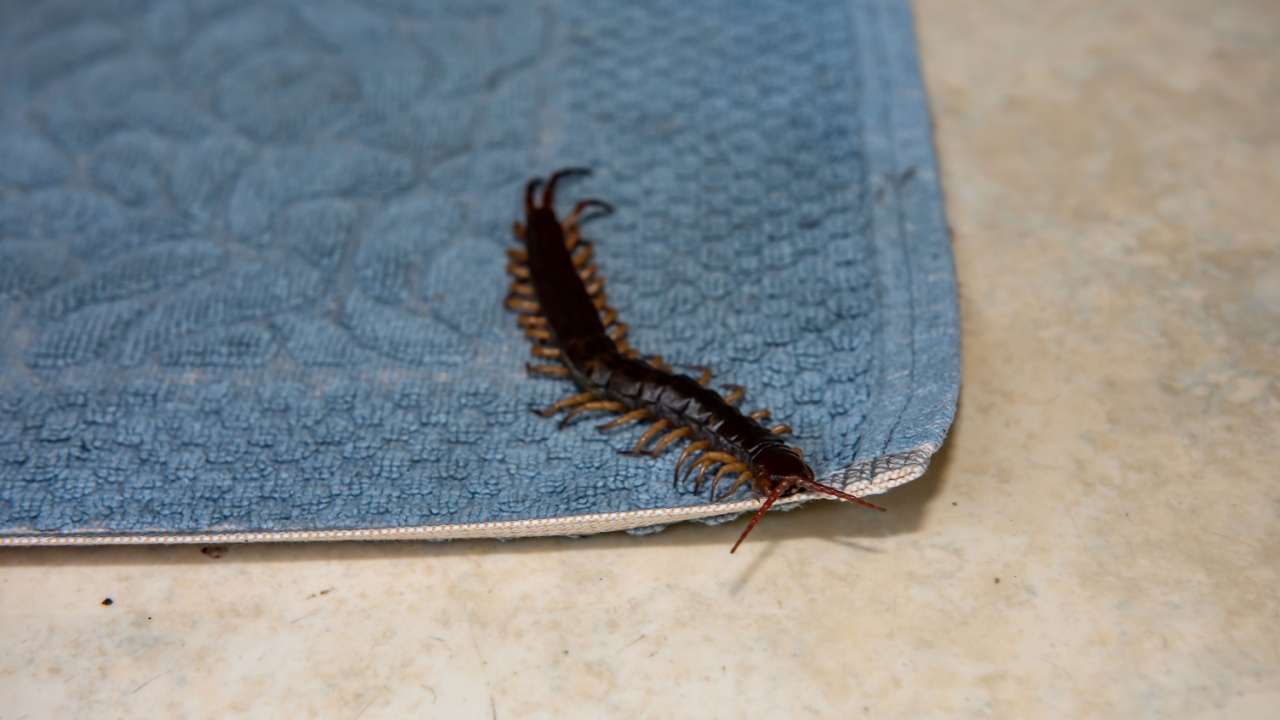
Seeing a multi-legged sprinter dart across your bathroom floor usually results in a very specific dance of surprise and confusion. While these arthropods are generally harmless and even helpful because they feast on other household pests, most people prefer not to share their living space with something that has that many knees.
Understanding why they enter your home is the first step toward showing them the exit. By making a few environmental tweaks, you can encourage these leggy visitors to stay outdoors where they belong.
1. Manage Moisture Levels Indoors
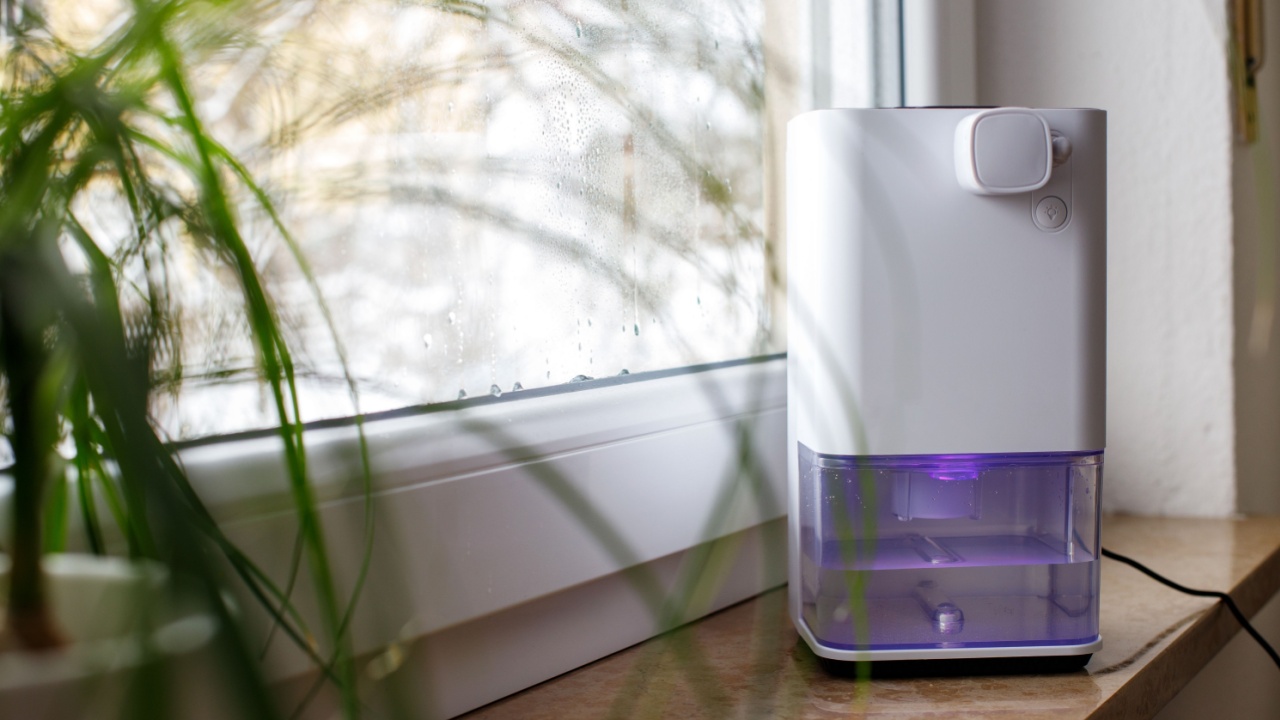
Unlike many insects, centipedes don’t have a waxy coating on their exoskeleton, so they dry out quickly. This is why they’re always on the hunt for damp, humid spots to hang out.
If your home has a humid basement or a steamy bathroom, it’s basically rolling out the welcome mat for them. Seeing them often could be a sign of a moisture problem or a leak you need to fix.
Practical Tip: Invest in a dehumidifier for basements or crawl spaces to keep relative humidity below 50 percent. Additionally, ensure bathroom fans run during and after showers to ventilate excess steam efficiently.
2. Create a Dry Barrier Around the Foundation
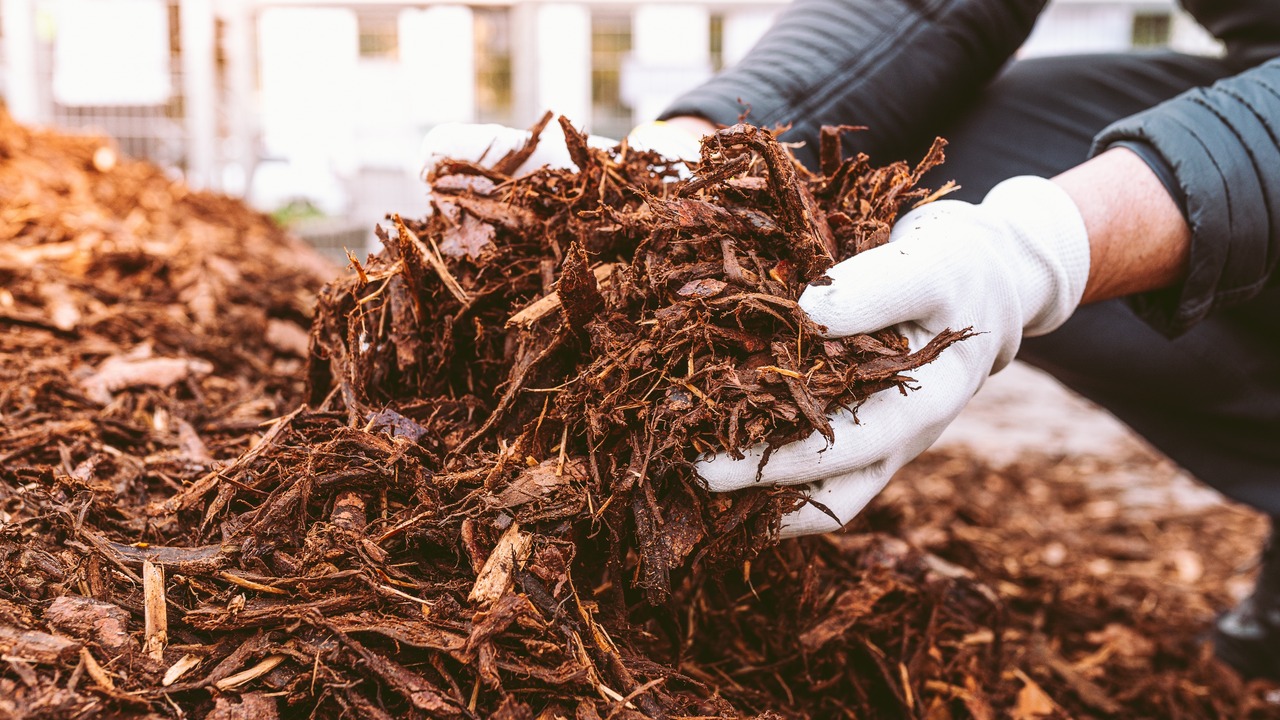
Landscaping choices right up against your exterior walls can act as a bridge for pests. Mulch is fantastic for plants because it retains water, but that same quality makes it a five-star resort for centipedes.
When wet mulch sits directly against your foundation, these creatures can easily transition from the garden to the indoors through tiny cracks in the concrete or siding.
Practical Tip: Keep mulch at least 6-12 inches away from your foundation. Fill this space with rocks or gravel to create a dry zone that centipedes won’t want to cross.
3. Seal Every Crack and Crevice
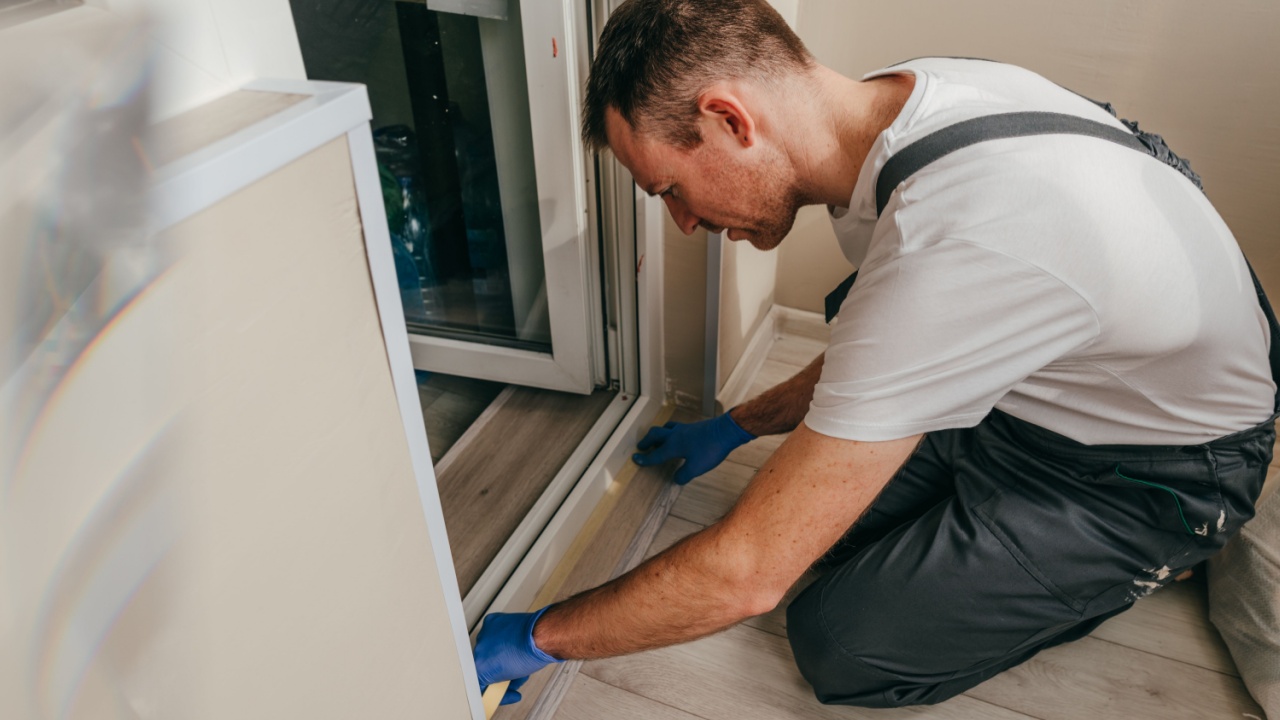
Despite their length, house centipedes have flattened bodies that allow them to squeeze through incredibly small openings. They often enter through gaps around door frames, windows, and where pipes enter the home.
A simple visual inspection of the home’s perimeter can reveal these potential highways. Sealing these gaps blocks their physical entry and improves your home’s energy efficiency.
Practical Tip: Use silicone caulk to seal cracks in the foundation and around windows. For larger gaps, stuff them with steel wool before caulking to stop pests like mice from chewing through.
4. Eliminate Their Food Source
House centipedes are voracious predators. They enter homes looking for shelter, but they stay because they find a buffet. Their diet consists of silverfish, cockroaches, spiders, and ants.
If you have a centipede population, you likely have populations of these other pests as well. By removing the prey, you force the predator to hunt elsewhere.
Practical Tip: Address other pest issues immediately using appropriate baits or traps. Keeping the kitchen free of crumbs and sealing dry goods in airtight containers will starve out the insects that centipedes rely on for dinner.
5. Use Diatomaceous Earth

For a chemical-free barrier, food-grade diatomaceous earth (DE) is a powerful tool. DE is a powder made from fossilized aquatic organisms. To humans and pets, it feels like soft powder, but at a microscopic level, it is incredibly sharp.
When centipedes crawl over it, the powder damages their exoskeleton and absorbs their essential body oils, causing them to dry out and perish.
Practical Tip: Lightly dust DE along baseboards, inside cracks, and near entry points like doors and windows. Reapply the powder if it gets wet or after you vacuum the area.
6. Declutter Storage Areas

Centipedes are reclusive and shun direct light. They prefer dark, undisturbed areas to rest during the day. Cardboard boxes stored on the floor of a basement or garage provide the perfect combination of darkness and shelter. Corrugated cardboard also absorbs moisture, which increases the appeal.
Removing these hiding spots makes the environment feel unsafe for them, encouraging them to move on.
Practical Tip: Swap out cardboard boxes for plastic storage bins with tight-fitting lids. Place bins on metal shelves to keep them off the floor and reduce hiding spots for pests.
Take Back Your Space
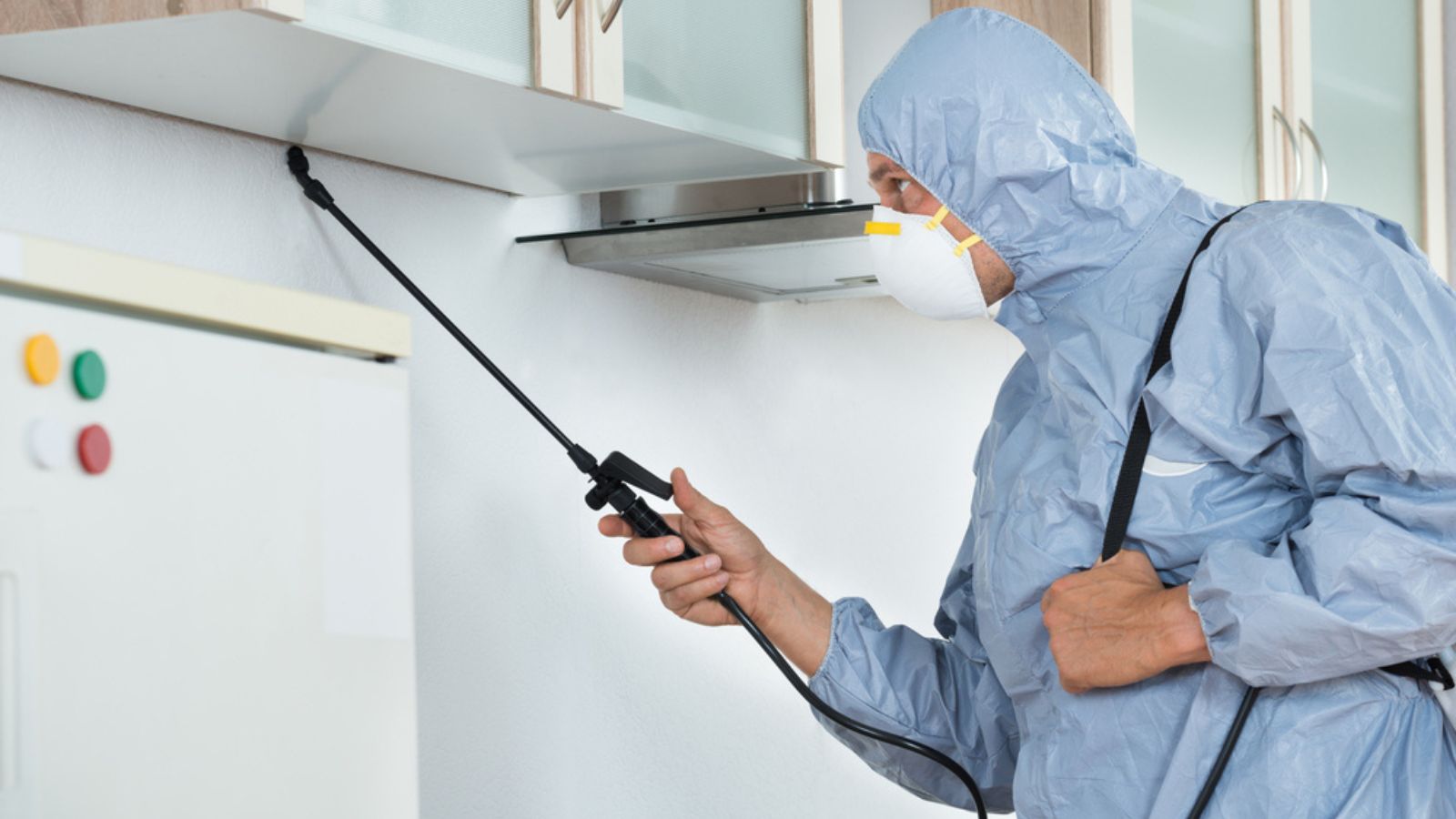
You don’t need harsh chemicals or pricey exterminators to keep pests out of your home. It’s all about making your space less inviting for them. Keep humidity in check, seal up cracks and gaps, and clear out clutter they like to hide in. If you’ve done all this and still see a lot of creepy crawlies, it might be time to call in a pro to check for a bigger pest problem that centipedes might be feeding on.