

The holiday table often gets dressed last, after the cooking, the cleaning, and the guest list. However, it is the one place everyone gathers and lingers. Luckily, it does not need florist foam or last-minute store runs.
A quick walk through the yard often turns up everything needed for a seasonal centerpiece that feels intentional and warm. Winter branches, berries, and greens bring structure and color that last far longer than tender blooms. These six arrangements rely on plants that many home gardeners already grow, with simple guidance for cutting, pairing, and keeping them fresh indoors.
1. Evergreen Branches With Pinecones
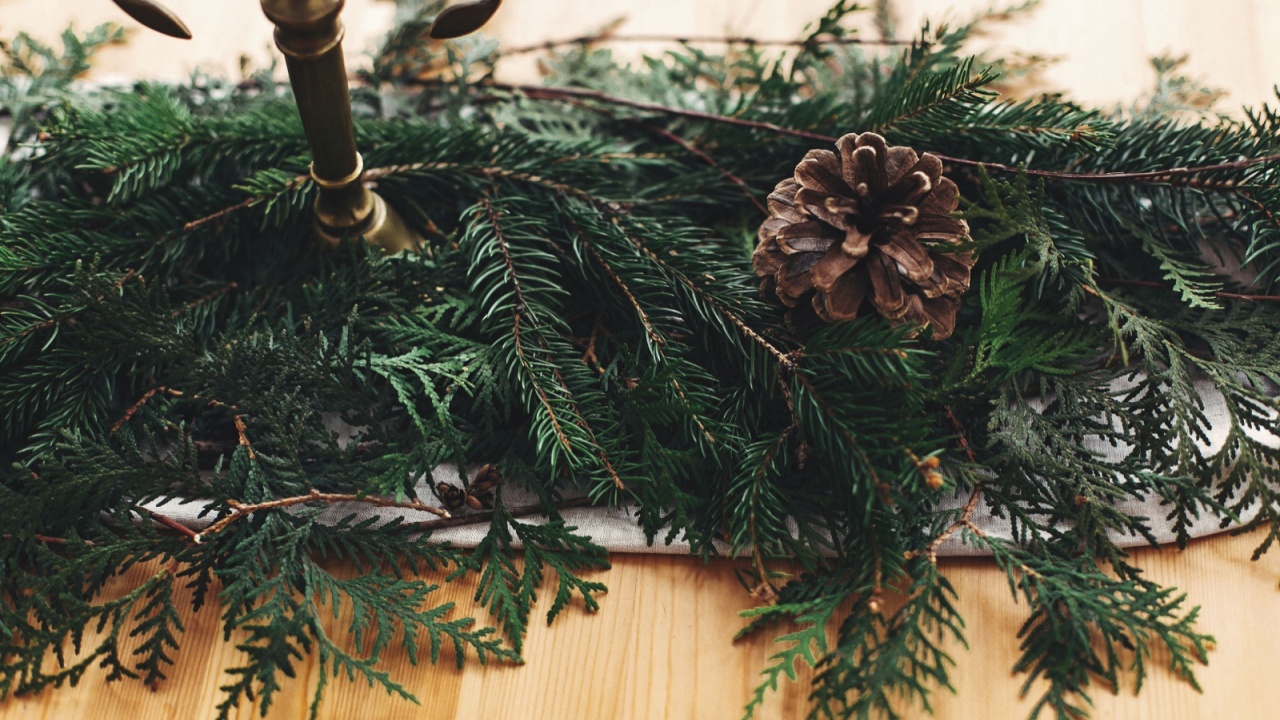
Image Credit: Shutterstock.
Evergreens form the backbone of winter arranging. Pine, cedar, spruce, and fir all hold color indoors and release a soft, familiar scent that suits a holiday table. Pinecones add weight and texture, making even a loose arrangement feel finished.
This option works well because evergreen needles stay firm in water and handle indoor heat better than most flowers. Pinecones can be wired to stems or tucked directly into the greens.
Quick tips
- Cut branches early in the day and recut stems before placing in water
- Strip needles from the lower few inches to keep the water clean
- Bake pinecones briefly on low heat if insects are a concern
- Pair with white candles or neutral runners for balance
2. Holly Branches With Red Berries
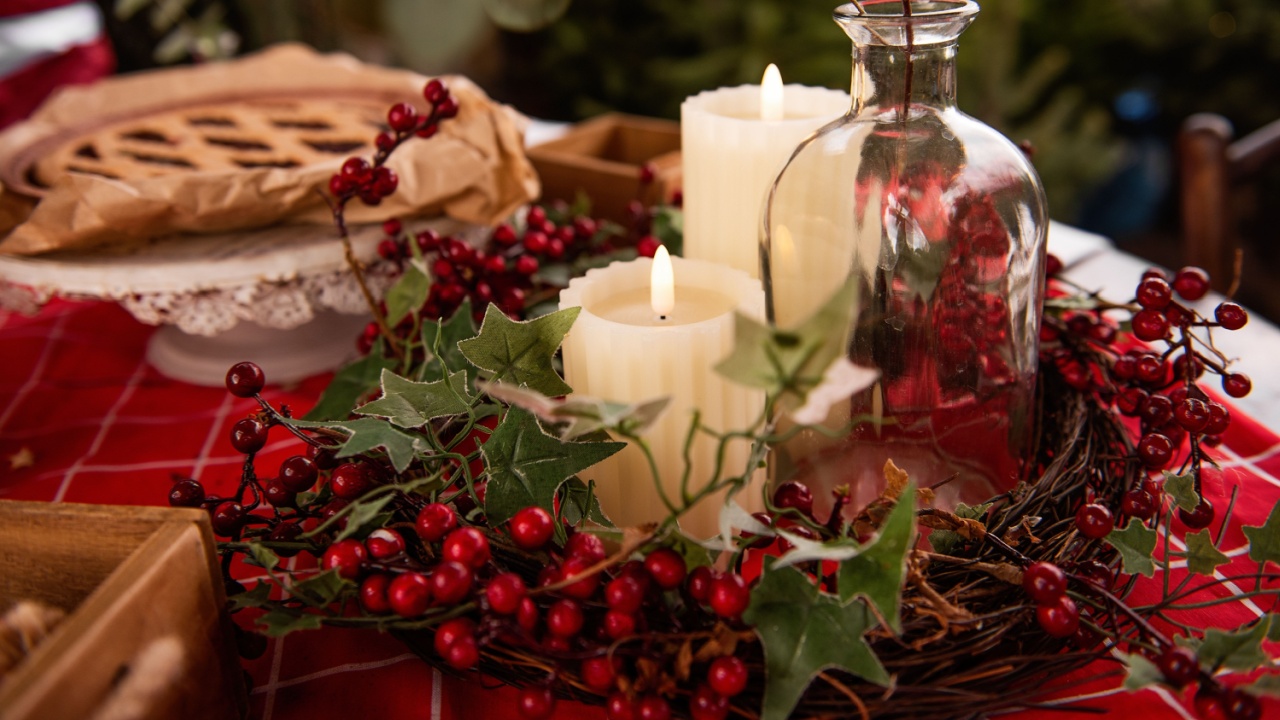
Image Credit: Shutterstock.
Holly brings instant holiday color with almost no effort. The glossy leaves and bright berries stand out against winter neutrals and work well in both low bowls and upright vases.
Female holly shrubs produce berries, but only if a male plant grows nearby. If berries are present, they last well indoors and rarely drop.
Quick tips
- Wear gloves when cutting to avoid scratched hands
- Use a sturdy vase since holly stems can be woody
- Keep away from pets, as berries are toxic if eaten
- Mix with plain evergreens to soften the sharp leaves
3. Rosemary, Bay, and Other Woody Herbs
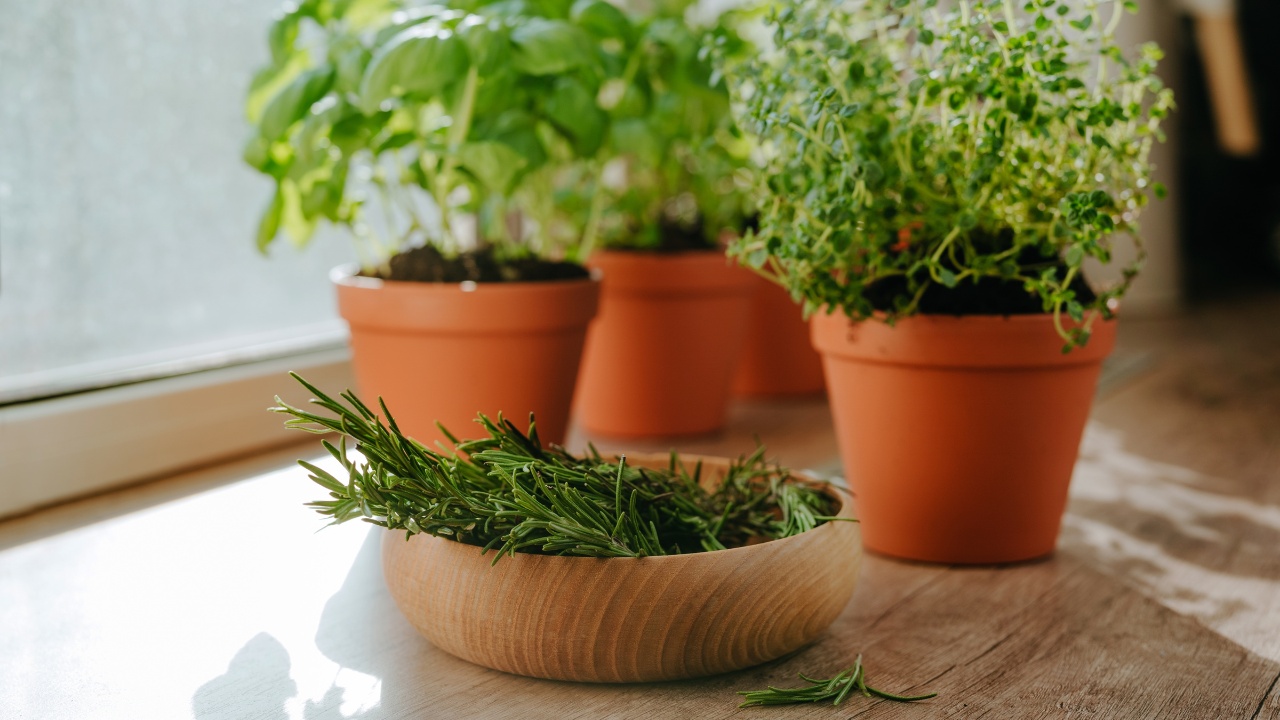
Image Credit: Shutterstock.
Herbs offer scent, structure, and a useful bonus for the kitchen. Rosemary, bay laurel, sage, and thyme all hold shape after cutting and suit a table where food takes center stage.
This arrangement works well in smaller spaces and informal settings. Herbs stay tidy, release a gentle fragrance, and do not shed.
Quick tips
- Recut stems and place in fresh water every few days
- Use narrow containers to keep stems upright
- Snip extra sprigs for cooking during the week
- Let herbs air-dry later for pantry storage
4. Winter Berries From the Garden

Image Credit: Shutterstock.
Beyond holly, many yards offer winter berries from plants like winterberry, nandina, pyracantha, or viburnum. These branches add strong color and visual weight without needing flowers.
Berry branches last longer when kept cool and away from direct heat. They suit long tables and entry displays equally well.
Quick tips
- Harvest after the berries fully color for the best impact
- Use floral tape inside shallow bowls to hold stems
- Avoid overcrowding so berries remain visible
- Replace water often to prevent cloudiness
5. Hellebores With Mixed Greens

Image Credit: Shutterstock.
Hellebores often bloom in late fall through winter and offer nodding flowers in soft whites, pinks, and greens. They feel refined without looking fragile.
They work best when floated or supported, since stems can be hollow and prone to bending. Paired with evergreen sprigs, they bring a lighter note to the table.
Quick tips
- Cut stems when flowers are mature and fully open
- Seal cut ends briefly in hot water to extend life
- Use shallow bowls or low compotes
- Keep arrangements out of direct sunlight
6. Citrus Branches and Dried Fruit Accents
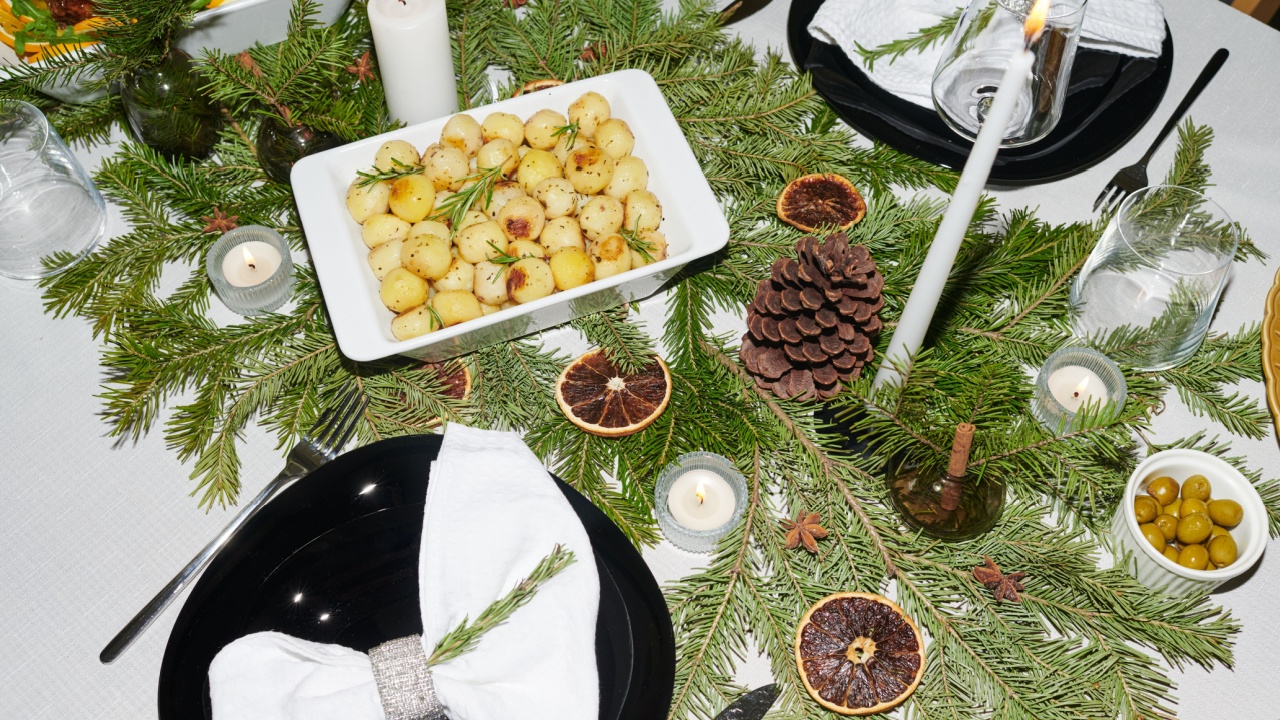
Image Credit: Shutterstock.
Citrus trees, or even pruned grocery-store fruit tied with twine, add color and a fresh note to winter arrangements. Branches with leaves bring brightness that offsets darker greens.
Dried orange or lemon slices can be threaded onto twine or wired onto branches for added detail.
Quick tips
- Use firm fruit to avoid drooping stems
- Dry citrus slices in the oven ahead of time
- Balance fruit weight evenly to prevent tipping
- Remove fruit after the holiday to compost
Bringing It All Together
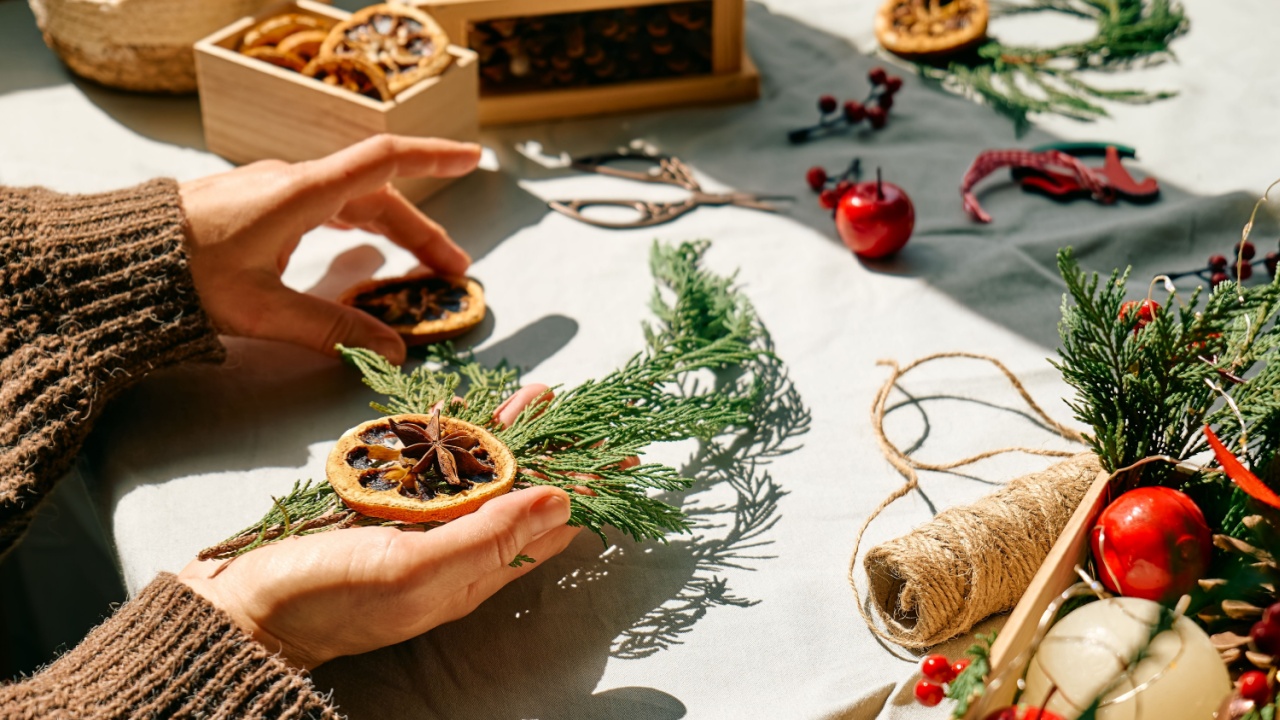
Image Credit: Shutterstock.
Holiday arrangements gathered from the yard feel personal because they reflect what grows close to home. Mixing evergreens with berries, herbs, or winter blooms creates contrast without fuss.
After the table is cleared, many of these cuttings can be composted, dried, or reused outdoors as mulch. A short walk through the garden before the next gathering reveals new combinations worth trying, keeping the tradition simple and grounded in the season.