5 Things Gardeners Should Replace Every Year for a Healthier, More Productive Garden
Gardeners are famously resourceful. We reuse yogurt containers as seed trays, save seeds in labeled envelopes, and stretch compost like it’s gold. However, even the thriftiest gardener benefits from knowing which items truly need replacing each year and which ones simply require refreshing.
Some supplies degrade quietly. Seeds lose viability, and potting soil can harbor pathogens. Mulch breaks down. These small declines compound over a season, and replacing a handful of essentials each year helps your garden start off the season strong.
1. Seeds With Short Lifespans
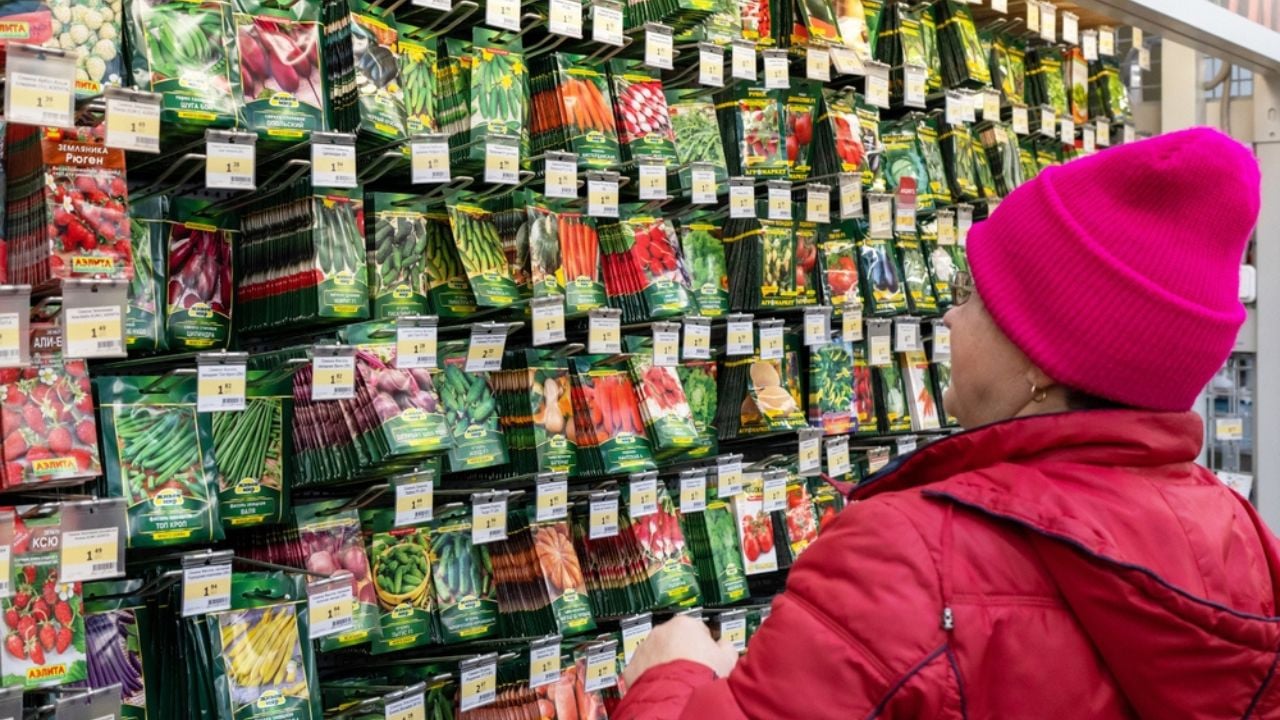
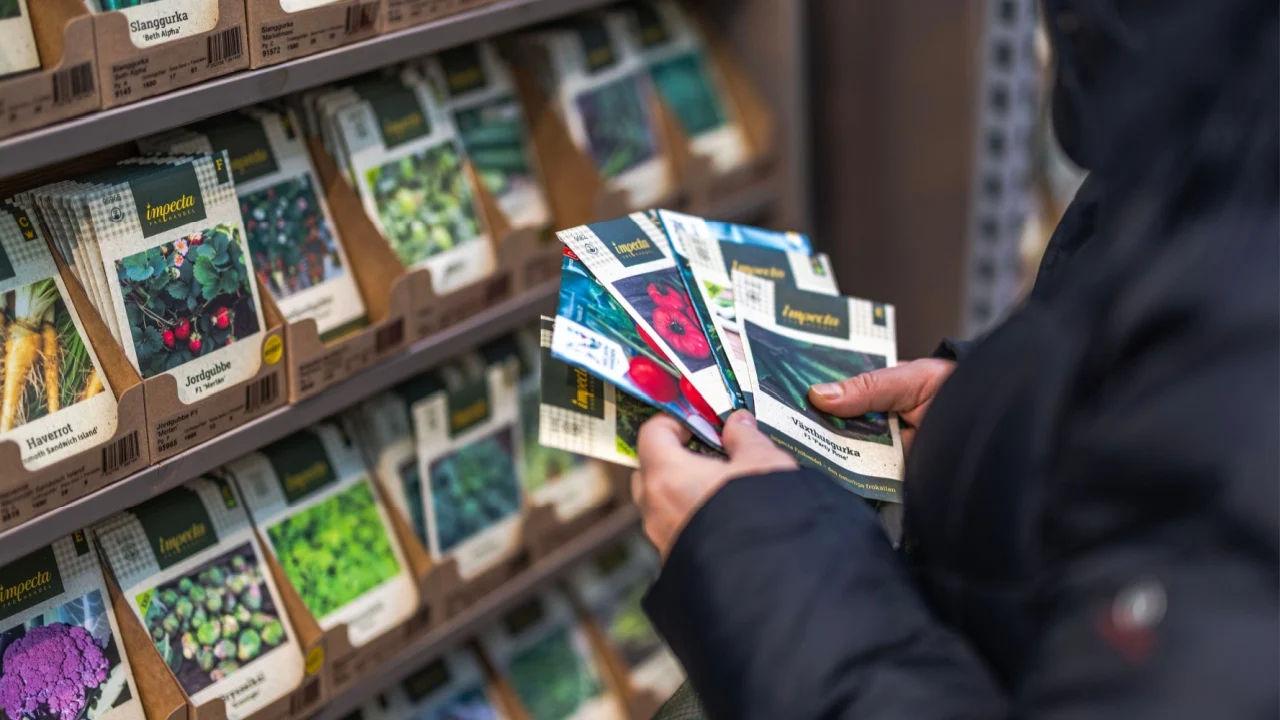
Most seeds last several years if stored properly, but not all.
Short-lived seeds, such as alliums, parsley, and lettuce, typically need to be replaced annually to maintain high germination rates, according to Lauren Landers of The Spruce.
Planting old seeds may mean poor germination, wasted bed space, and delayed harvests.
If you’re unsure, run a simple germination test before sowing. If only a few seeds sprout, it’s often worth investing in fresh seed packets so that you’re not sacrificing precious spring planting time.
2. Used Potting Soil & Seed-Starting Mix

Unused bags of potting soil can last for years. Used potting soil is another story.
Landers cautions: “Used soil can harbor invisible plant pests and pathogens which can infect the plants you grow in the new season”. That risk is especially high for seed-starting mix and container plants, where drainage and sterility matter the most.
The solution isn’t to throw it away. Instead, move last year’s potting mix into garden beds or the compost pile (assuming no disease was present) and start seedlings in a fresh, sterile mix each season.
For raised beds, a full soil replacement isn’t necessary. Instead, top beds with compost annually to restore structure and nutrients.
3. Mulch That’s Broken Down
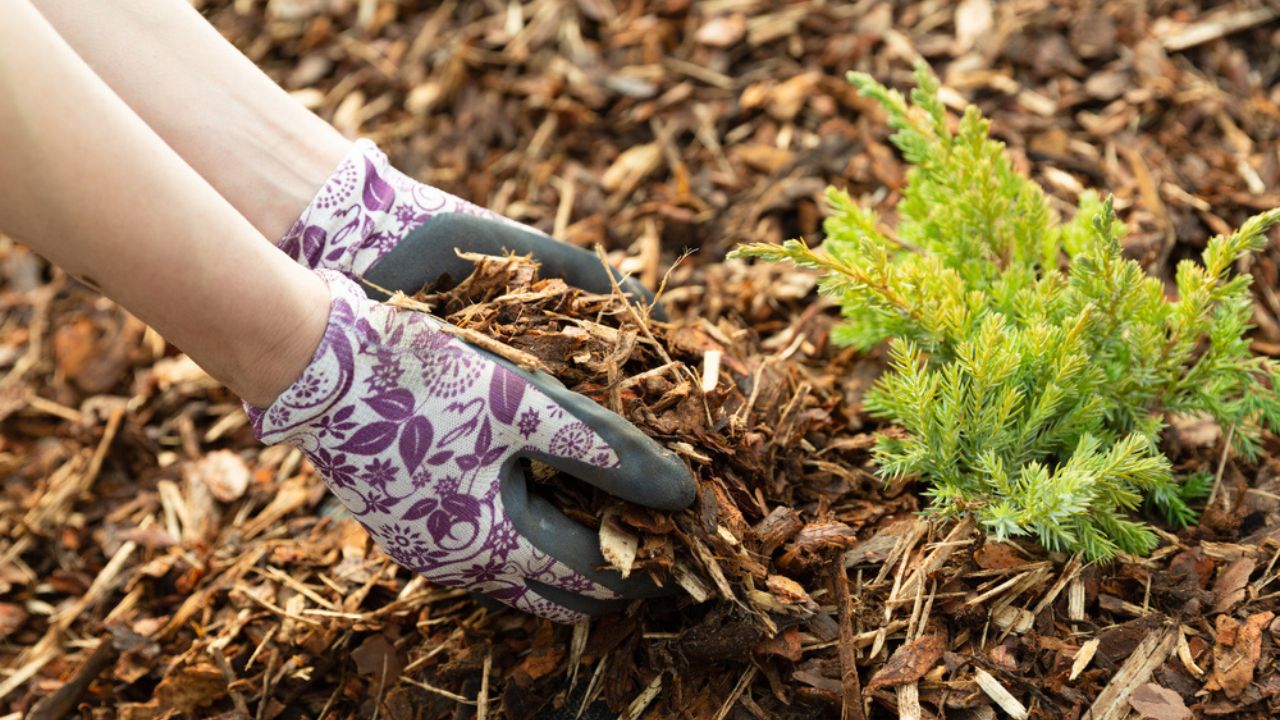
Natural mulch improves moisture retention and suppresses weeds, but it doesn’t last forever.
Natural mulches will break down into the soil within a year or two of application, which means that garden beds may need a light refresh each year.
Apply one to three inches of mulch, keeping it slightly away from stems to prevent rot. Avoid piling mulch on too thickly, which can cause water to shed rather than soak in.
4. Living Soil Products & Certain Fertilizers
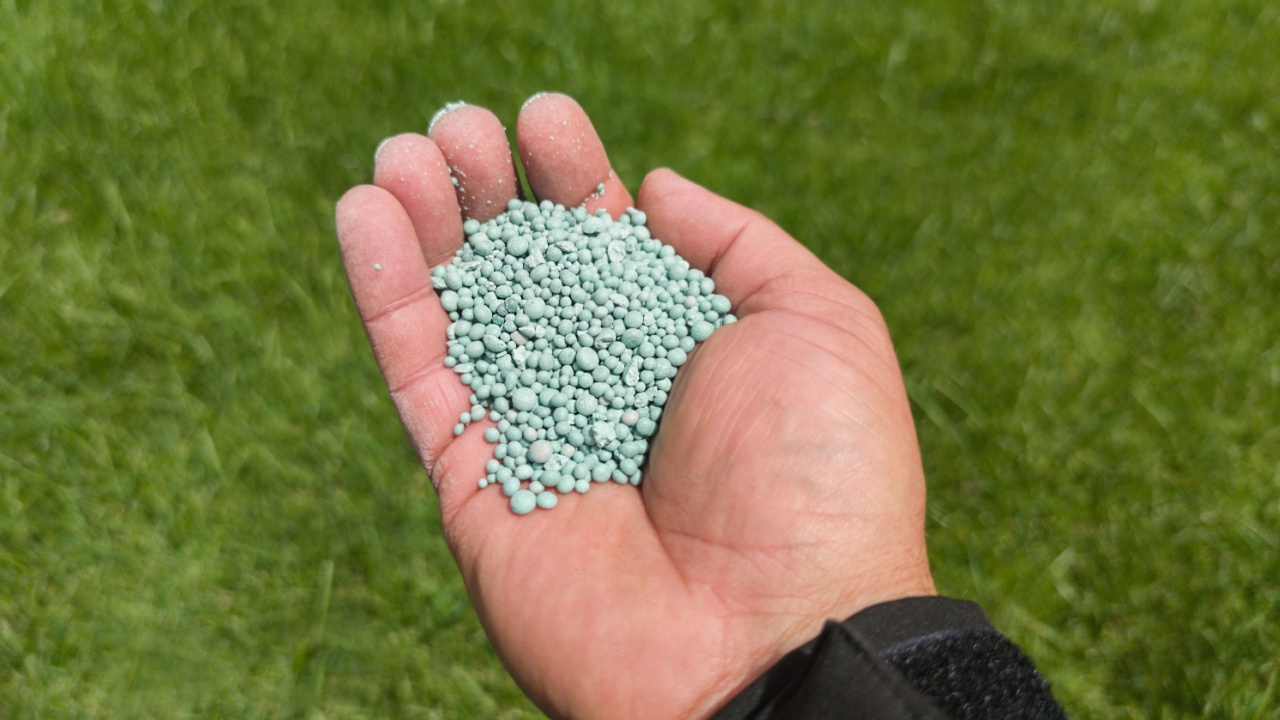
Microbial inoculants, compost starters, and effective microorganisms contain living organisms. Like probiotics, they have limited shelf lives and often lose potency after a year.
Some lawn fertilizers that contain herbicides are also designed for single-season use. Always check the packaging for expiration dates before applying. Using expired products may not harm your garden, but they won’t deliver the results you expect.
5. Safety & Performance Supplies
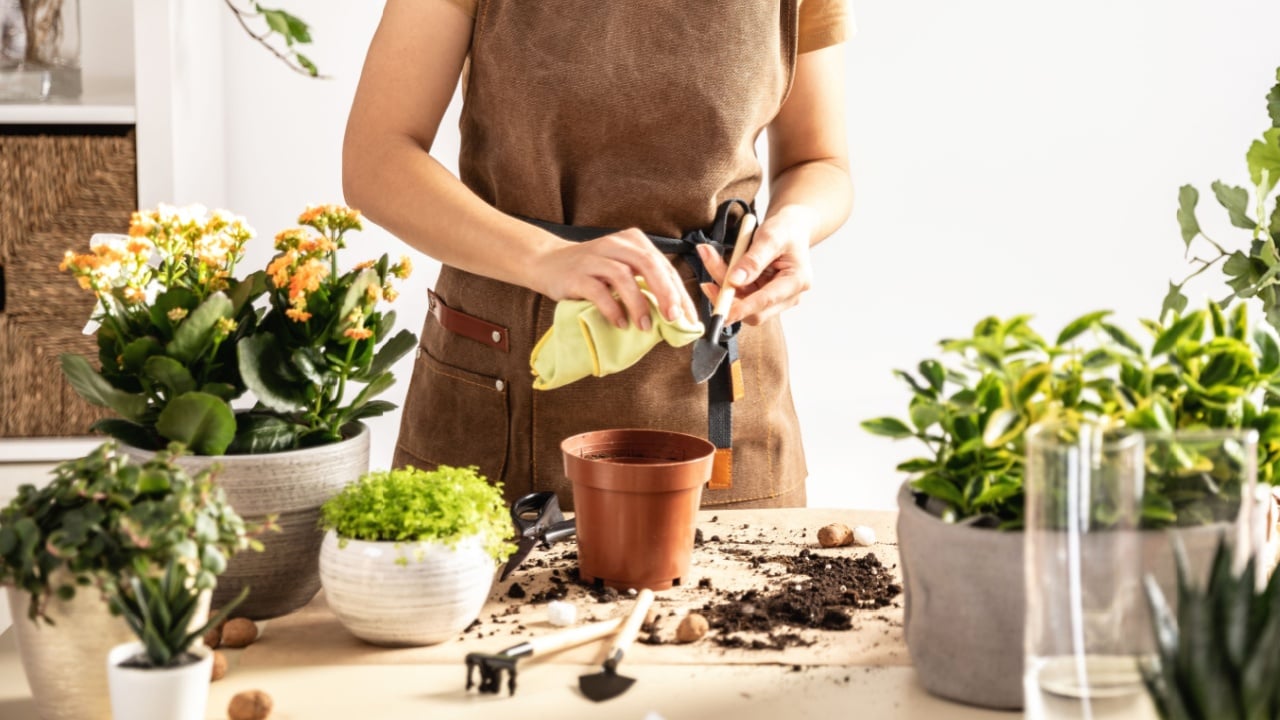
Your tools and protective gear matter. If pruners are crushing stems instead of slicing cleanly, it’s time to sharpen or replace them. Worn gloves that no longer protect against thorns and cuts should also be replaced for comfort and safety.
Don’t overlook personal care in the garden. Sunscreen must carry an expiration date, and if it doesn’t, it should be considered expired three years after purchase. Insect repellent also loses effectiveness over time. Replacing these items protects your health as much as your harvest.
What You Don’t Need to Replace
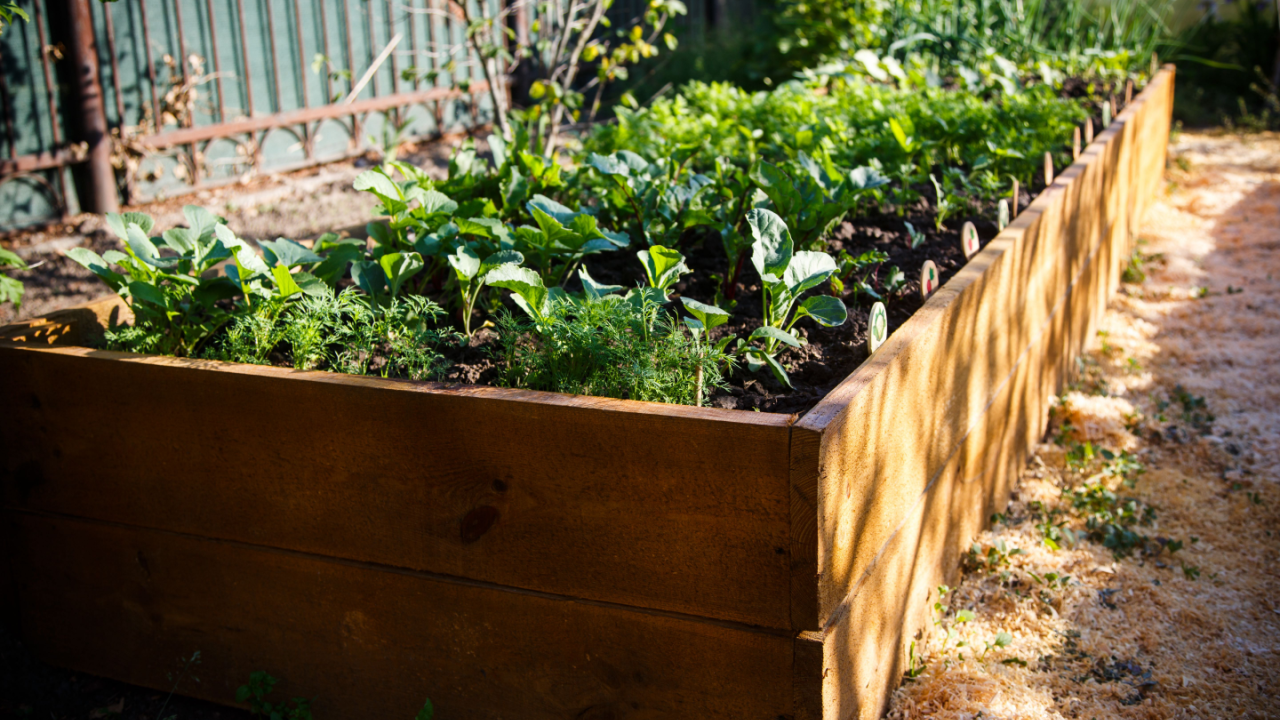
Not everything requires annual turnover. Granular fertilizers, if stored properly, can last for years. Garden tools can serve you for decades with proper maintenance, like cleaning and sharpening. Raised bed soil rarely needs full replacement; it simply needs compost added yearly.
When in doubt, ask: Is this item depleted, expired, or potentially harboring disease? If not, it likely needs refreshing, not replacing.
A Smarter Seasonal Reset
A productive garden doesn’t require a complete overhaul each spring. It requires thoughtful renewal.
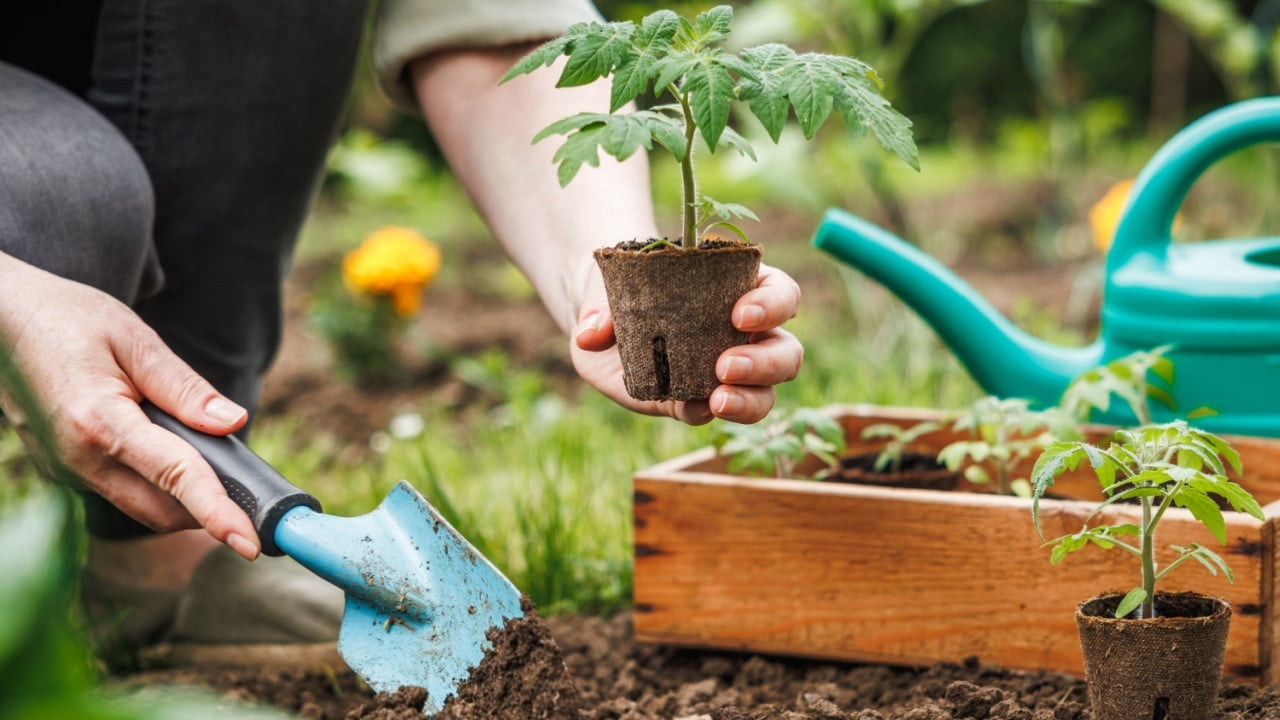
Replace short-lived seeds. Start seedlings in a fresh, sterile seed-starting mix. Top off mulch. Check expiration dates. Maintain tools. Add compost.
These small annual resets prevent bigger problems later. As a result, you’ll grow stronger plants, waste less, and step into each season with confidence.