
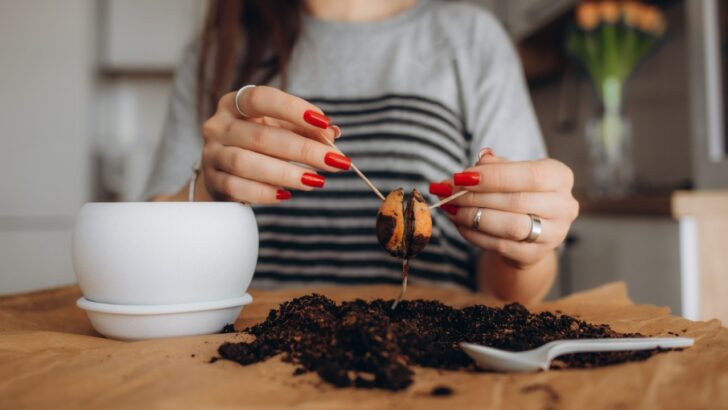
Cultivating a tropical giant inside a living room requires more than just placing a pit in a jar of water. While the novelty of sprouting a seed is a common starting point, sustaining a long-term, healthy tree involves specific environmental adjustments. Success relies on mimicking the humid, sun-drenched conditions of a tropical orchard while managing the limitations of a container.
It is possible to maintain a lush, green focal point that brings a bit of the tropics into a home. Here is how:
1. Select the Right Variety
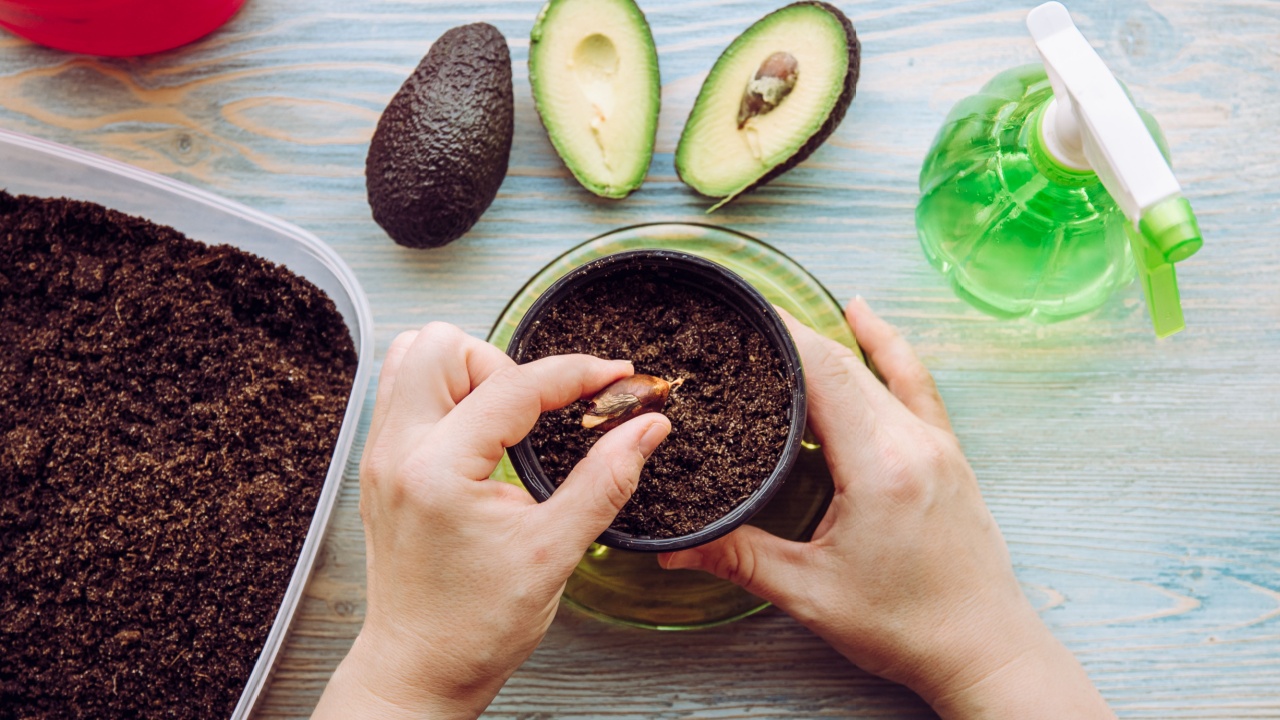
Image Credit: Shutterstock.
Choosing a dwarf variety like ‘Wurtz’ or ‘Littlecado’ is a practical move for indoor gardening. These specific types are bred to remain smaller, often reaching only ten feet compared to the sixty-foot heights of outdoor trees. If a tree is grown from a store-bought pit, it will naturally try to reach massive proportions. Using a container will help restrict root growth to keep the size manageable, but starting with a genetic dwarf provides a significant advantage in a confined space.
The container itself serves as the tree’s permanent home, so material choice matters. Unglazed terracotta is a preferred option because the material is porous, allowing moisture to evaporate through the sides. This prevents the soil from staying saturated, which is a common cause of failure for indoor trees. Begin with a pot that is two inches wider than the root ball and prepare to move the plant to a larger vessel every spring. This annual migration prevents the roots from becoming cramped and stunted.
2. Prioritize Solar Intake
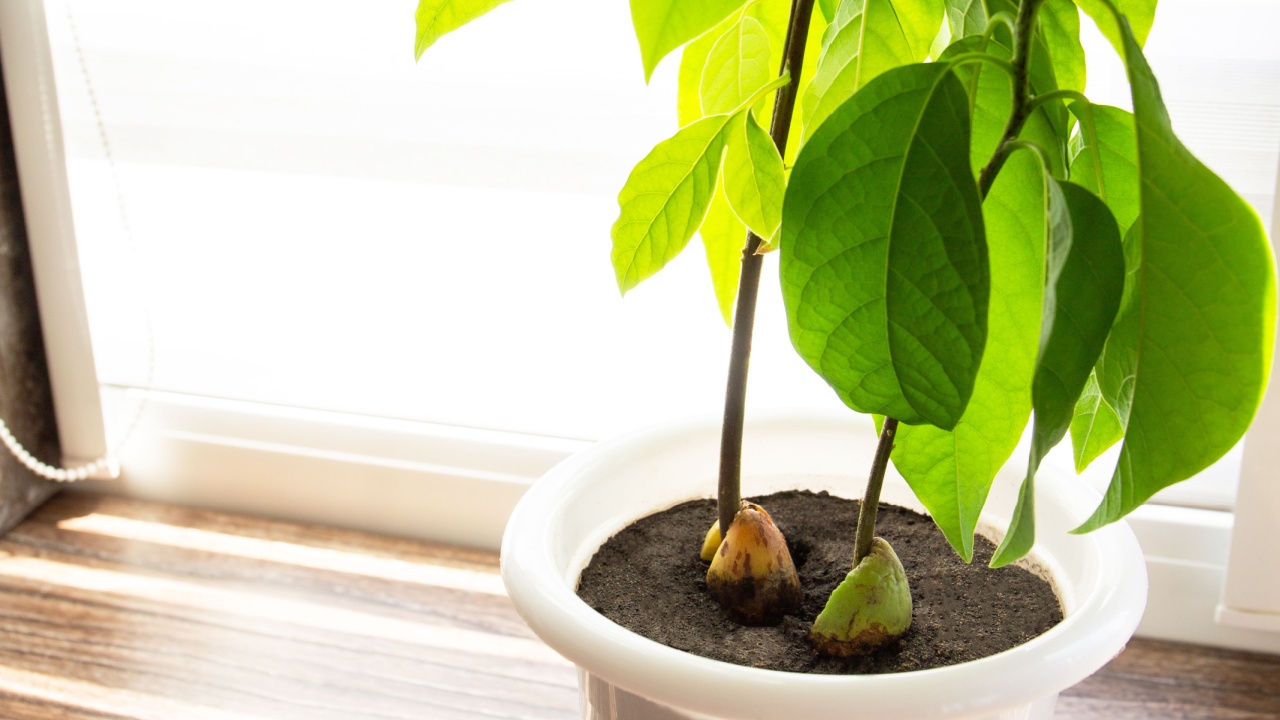
Image Credit: Shutterstock.
Avocado trees require a minimum of six to eight hours of direct sunlight every day to maintain their structural integrity. A south-facing window is usually the most reliable location for consistent light. Without this intensity, the stems tend to stretch and become weak, leading to a sparse appearance rather than a full, leafy canopy. If natural light is limited during shorter winter days, supplemental LED grow lights can bridge the gap to maintain steady growth.
For younger trees, there is a delicate balance regarding sun exposure. While they crave light, the bark on a juvenile stem is sensitive and can suffer from scorched patches if the heat is too intense before the leaves have formed a protective canopy. If the leaves show signs of yellowing or dropping, it often indicates the tree is struggling to process the light it receives or isn’t getting enough. Rotating the pot a quarter turn every week promotes even growth and prevents the tree from leaning toward the glass.
3. Implement Strategic Hydration
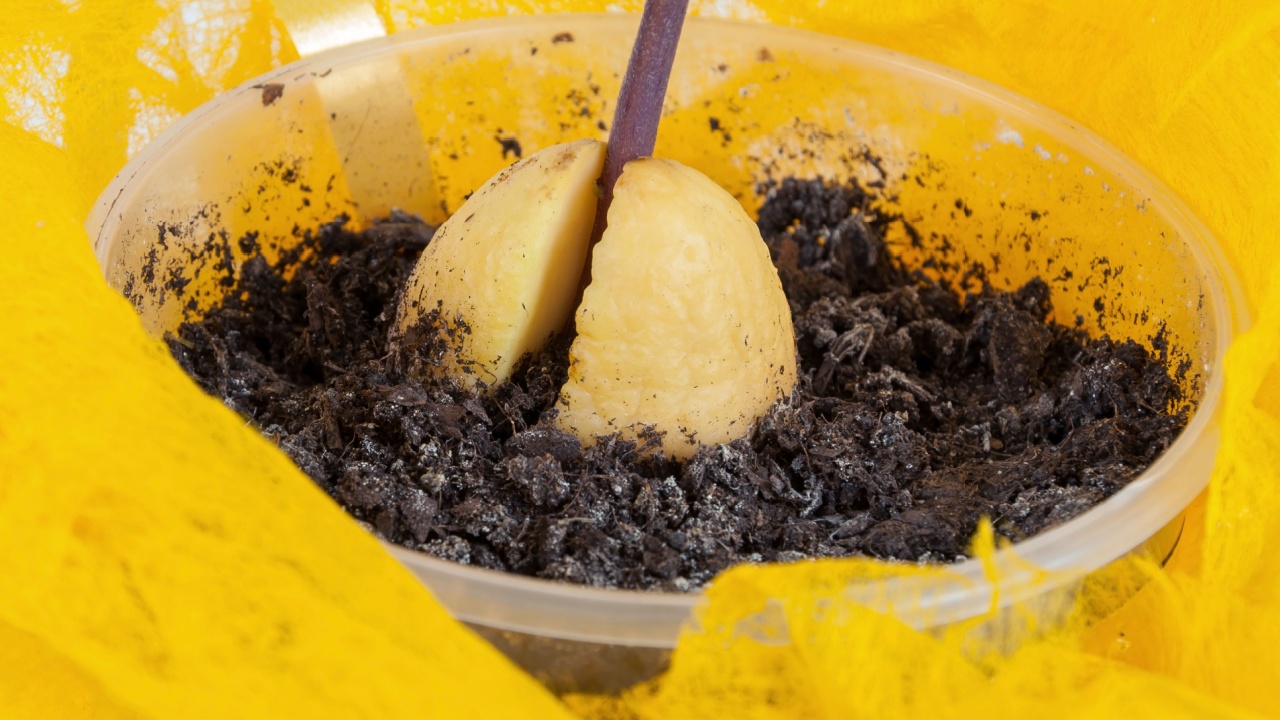
Image Credit: Shutterstock.
Maintaining soil moisture is a primary task, yet overwatering is a frequent mistake. The soil should remain consistently moist but never allowed to become a muddy mess. A reliable method is to check the top inch of soil; if it feels dry, it is time to water. Drench the soil until water exits the drainage holes at the bottom, then immediately empty the saucer. Leaving the pot sitting in standing water is a fast path to root rot, which is difficult to reverse once it begins.
Water quality also impacts the health of the foliage. Avocado trees are sensitive to mineral salts found in many tap water sources. If the tips of the leaves begin to turn brown, it may be a sign of salt accumulation in the soil. To fix this, periodically flush the pot by running plenty of water through the soil and allowing it to drain away completely. This process carries away the buildup and helps the roots breathe, which is vital for a plant that naturally thrives in well-aerated, sandy soils.
4. Optimize the Indoor Humidity
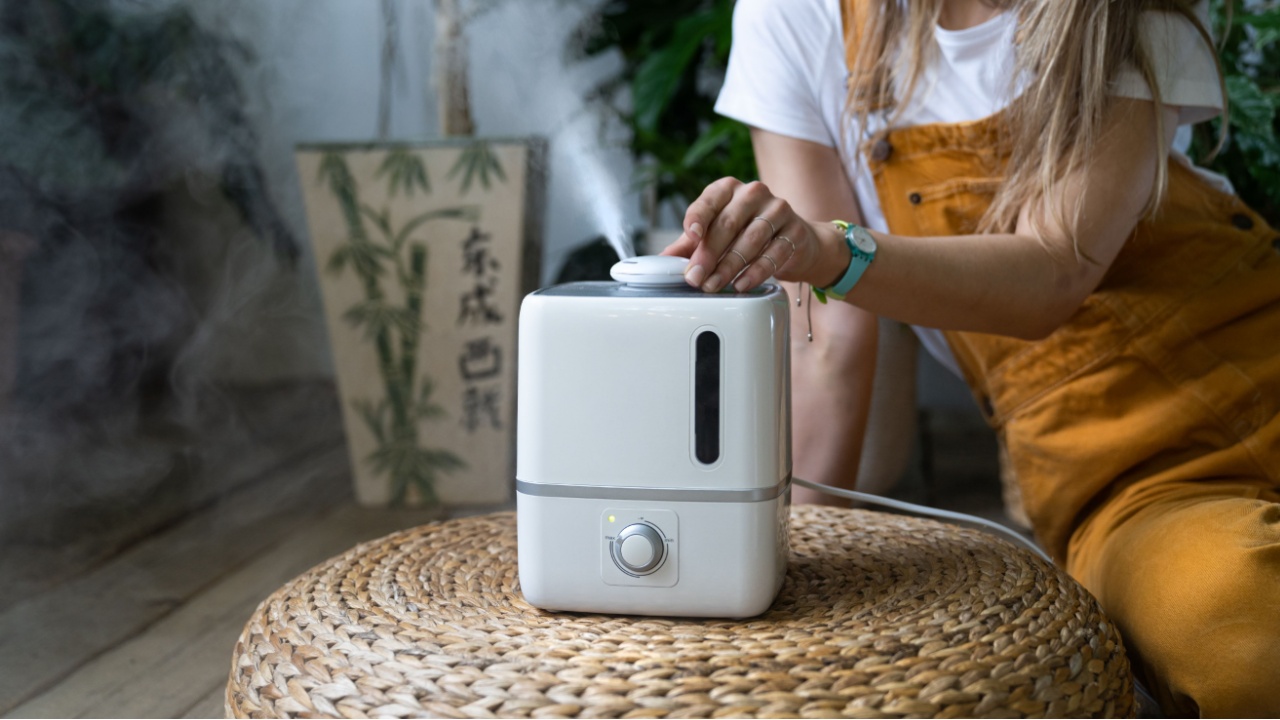
Image Credit: Shutterstock.
Most homes have low humidity, especially when heating systems run during cold months. Avocado trees prefer humidity levels above 50 percent to keep their large leaves from becoming dry and brittle. Placing a humidifier nearby or setting the pot on a tray filled with pebbles and water can create a localized pocket of moisture. This setup allows water to evaporate around the foliage without keeping the roots in a constant state of saturation.
Temperature stability is equally important for long-term health. These trees prefer a range between 60°F and 85°F. While they can survive a brief dip in temperature, they should never be exposed to frost or drafts from air conditioners. If the tree is moved outside for the summer to soak up extra sun, it must be brought back inside before evening temperatures fall below 50°F. Rapid shifts in the environment can cause the tree to drop its leaves as a stress response.
5. Guide Growth Through Pruning
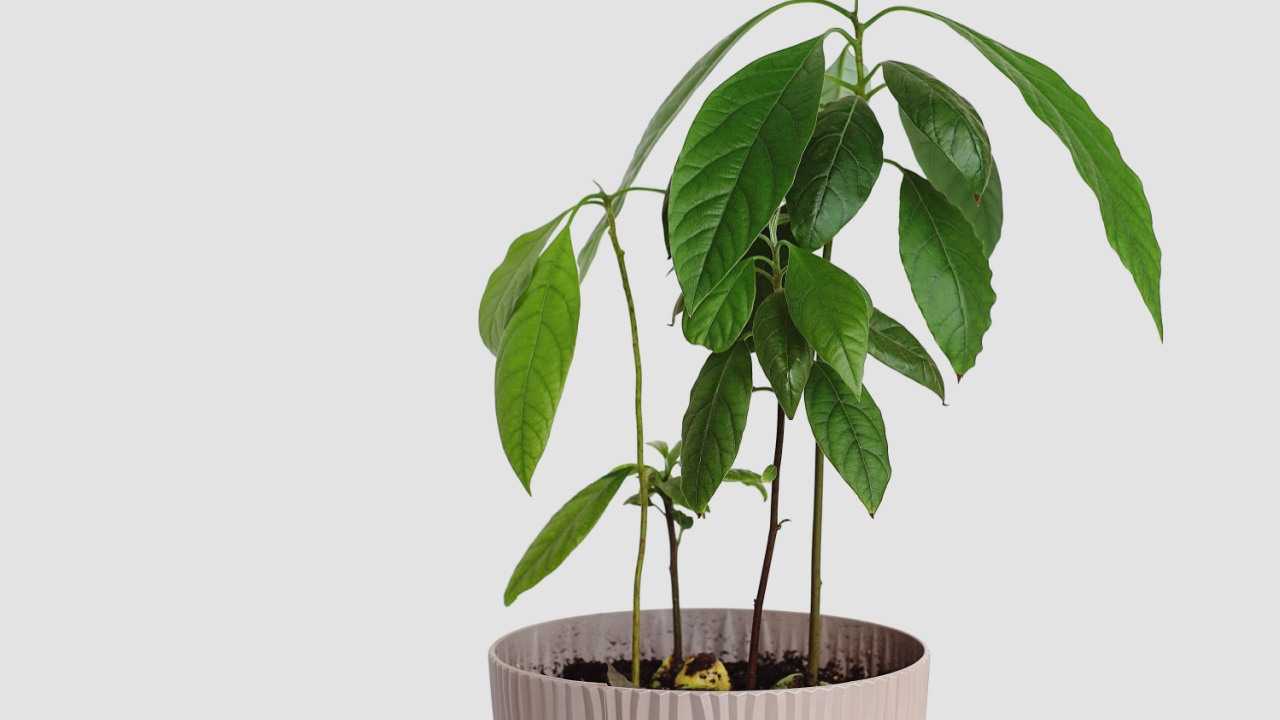
Image Credit: Shutterstock.
Pruning is a necessary tool for shaping a tree that naturally wants to grow straight up. When the plant reaches about twelve inches in height, cutting the main stem back to six inches encourages the development of lateral branches. This creates a bushier, more attractive plant that fits better in a room. Throughout the growing season, pinching off the very tips of new growth will continue to force the tree to fill out rather than just get taller.
Beyond the Foliage
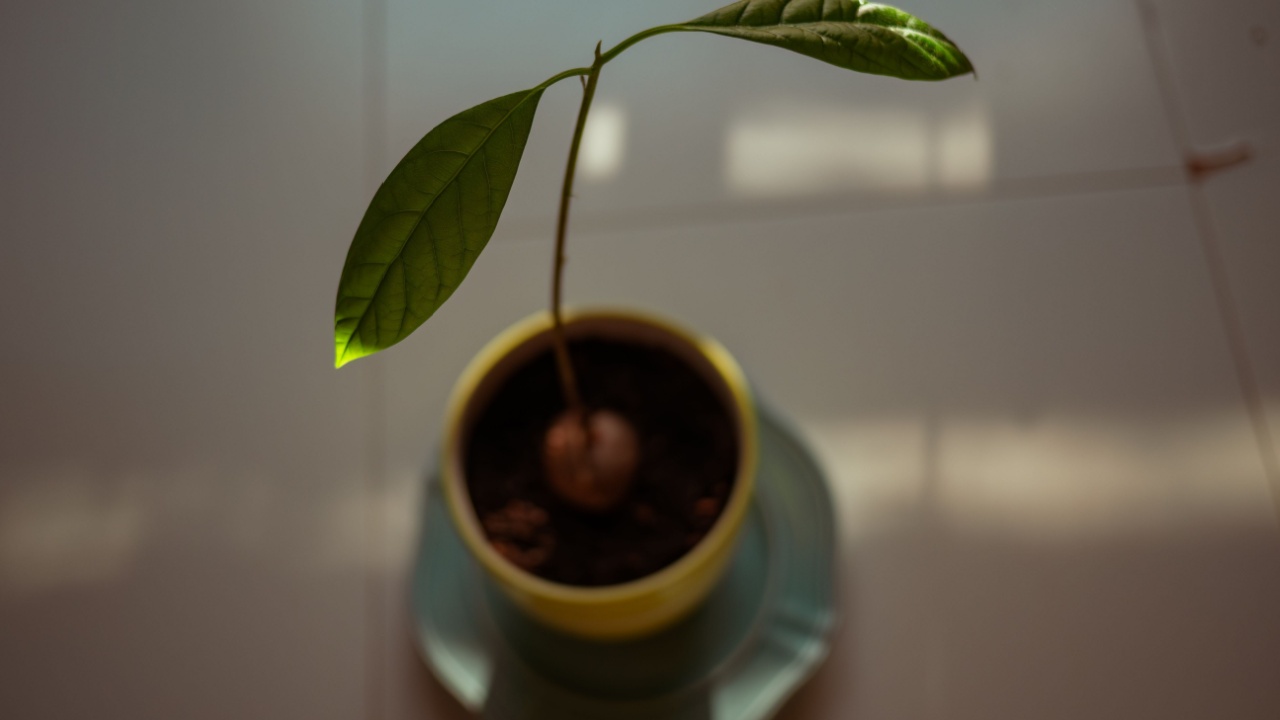
Image Credit: Shutterstock.
Cultivating an indoor avocado tree is a lesson in observation. Pay close attention to the leaves, as they act as a visual dashboard for the plant’s needs. If they curl, the tree might be thirsty; if they yellow, it might be receiving too much water. A unique tip for those hoping for fruit: since indoor spaces lack natural pollinators like bees, you can act as the wind. Giving the trunk a gentle shake or using a small brush to move pollen between flowers can increase the chances of a harvest. Even if fruit never appears, the lush, glossy foliage provides a vibrant architectural element that rewards the patient gardener.