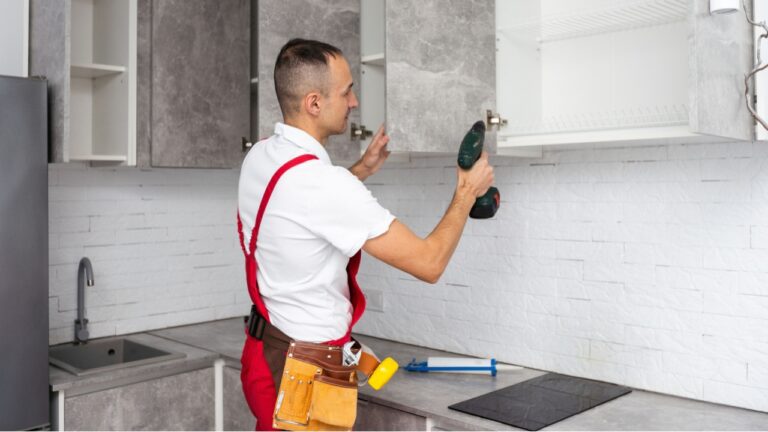
5 Small Annoyances It’s Finally Time to Fix at Home
Homes aren’t exactly subtle about their complaints. Out of nowhere, doors start squeaking, handles wobble just for fun, and faucets develop musical ambitions at midnight. At first, these tiny issues barely register, but before long, they add up and test your patience every day.
You’ll find practical fixes here for five troublemakers that often get ignored. With these simple steps, doors get quiet, handles stop rattling, drips disappear, and your home is a calmer, more comfortable place to be.
1. Soothe a Squeaky Door Hinge
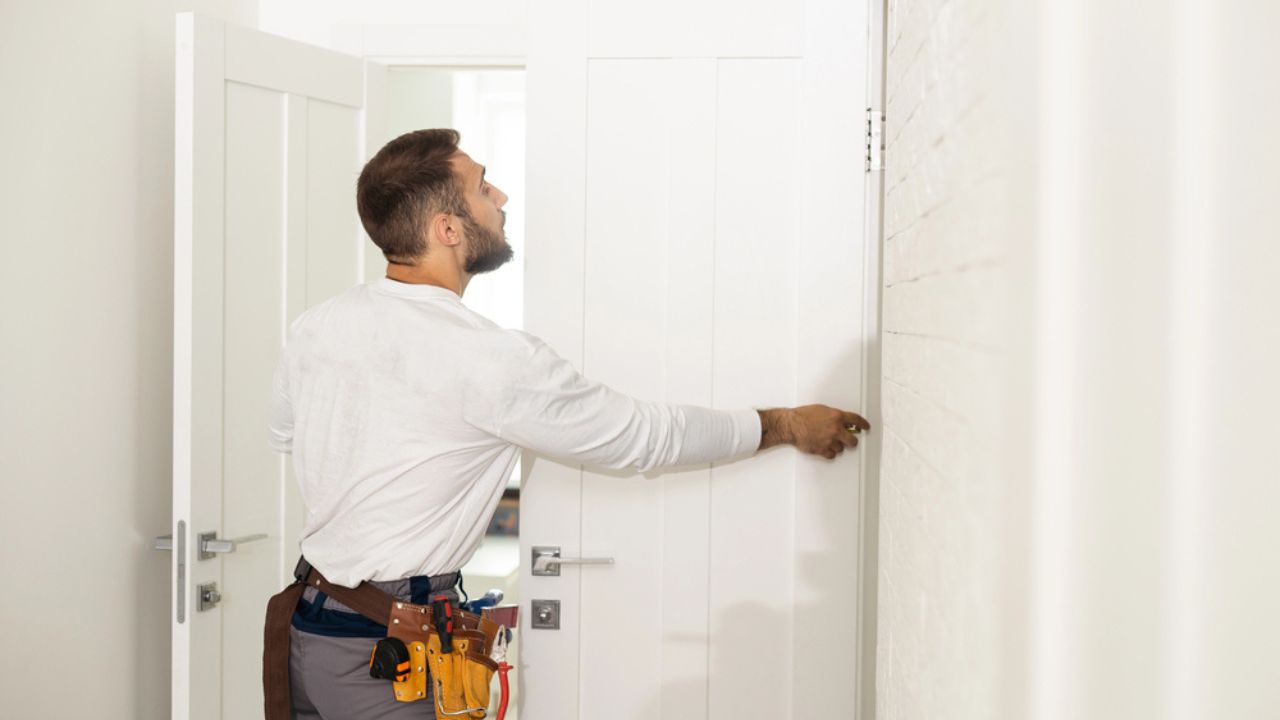
A squeaky door makes a grand entrance or a dramatic exit for all the wrong reasons. The high-pitched protest that erupts every time the door moves is usually just a cry for a little attention. The noise comes from the metal parts of the hinge rubbing together, creating friction. The lubricant that was originally in the hinge wears off or collects dirt, leading to that familiar screech. Silencing it is often a quick job that brings immediate auditory relief to your living space.
To fix this, you have several options for lubrication. Household penetrating oils like WD-40 are a popular choice and come with a thin straw for precise application. You can spray a small amount directly into the top of each hinge. A few drops of household oil or even a dab of petroleum jelly applied to the hinge pin will also work wonders. For a less messy alternative, you can try rubbing a paraffin wax candle on the hinge. Move the door back and forth a few times to distribute the lubricant evenly.
2. Secure a Rattling Door Handle

A loose door handle that jiggles and rattles with every use can be more than a minor irritation; it can feel like a small but constant betrayal. The constant clatter is one thing, but a wobbly handle can also signal a more significant security issue. Most of the time, the cause is simply a loose screw. Handles are used multiple times a day, and the repeated motion can cause the screws holding the assembly together to back out.
Grab a screwdriver that matches the screws on the handle plate. You might find them on the faceplate or sometimes hidden on the side of the handle itself. Tighten each screw until it is snug. Be careful not to overtighten, as this could strip the screw or damage the door. If the screws are tight but the handle still moves, you may need to check the spindle that connects the two handles.
3. Level an Uneven Door

An uneven door that scrapes the floor or sticks in its frame is a daily frustration. It makes a terrible sound and can damage your flooring. This issue often happens because of seasonal changes in humidity, which cause the wood of the door or frame to swell. In other cases, the house settling over time can knock things slightly out of alignment.
Start by identifying where the door is rubbing. Look for scuff marks on the door or the frame. If the door is sticking at the top, you might be able to tighten the screws on the top hinge. If it’s dragging on the floor, tightening the bottom hinge screws could lift it slightly. If tightening screws doesn’t solve it, you might need to sand down the part of the door that is rubbing. A small amount of sanding can make a big difference. For a door that has a large, uneven gap, you might need to adjust the position of the hinges for a more permanent solution.
4. Unclog a Slow Drain
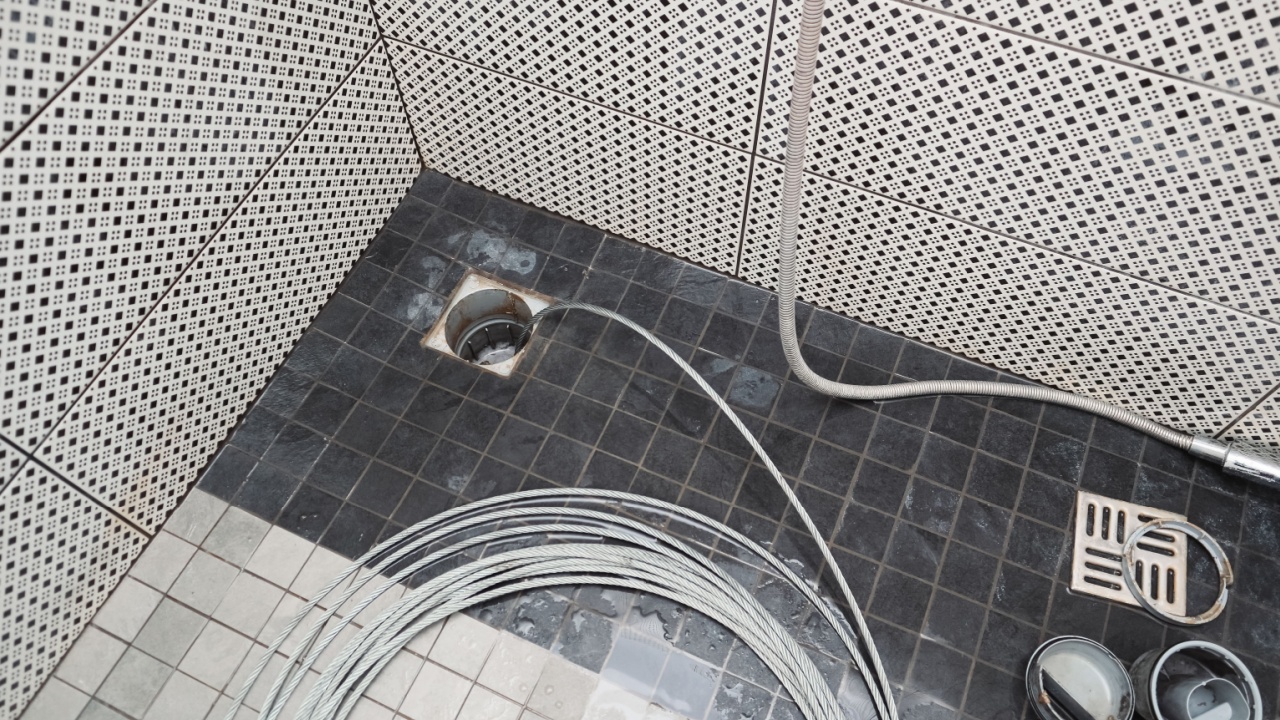
A slow-draining sink or shower is a common problem that only gets worse when ignored. The combination of hair, soap scum, and other debris builds up, creating a stubborn blockage. At first, you might notice the water just taking a little longer to disappear. Before you know it, you’re standing in a puddle during your shower. While chemical drain cleaners are an option, they can be harsh on your pipes and the environment.
For a simple fix, try pouring a kettle of hot water down the drain to melt away some of the greasy buildup. Another popular method is to use a combination of baking soda and vinegar. Pour about half a cup of baking soda down the drain, followed by half a cup of white vinegar. Let the mixture fizz and work for about an hour, then flush with hot water. For more stubborn clogs, a simple plastic drain snake can be incredibly effective at pulling out hair and gunk.
5. Stop a Dripping Faucet
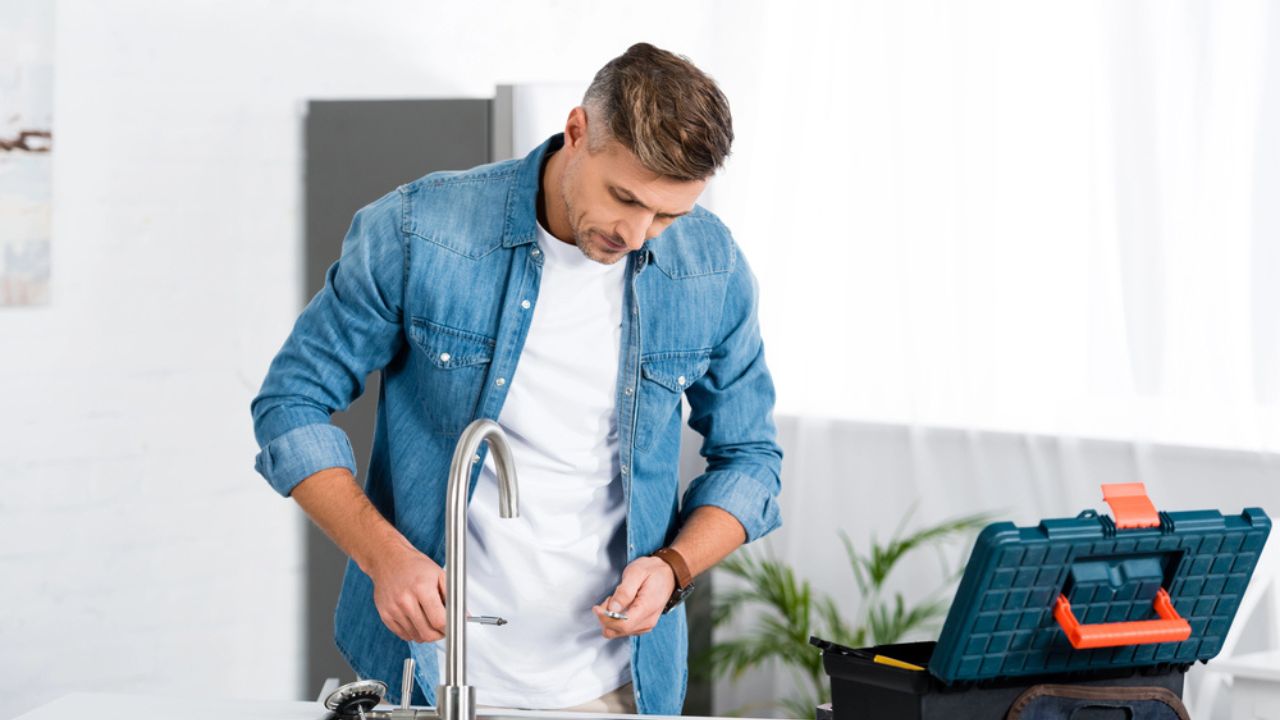
The sound of a dripping faucet is a classic nighttime nuisance. That steady plink, plink, plink can be enough to drive anyone to distraction, and it’s a wasteful problem. A single dripping faucet can waste gallons of water every day, adding up to a significant amount on your water bill over a year. The most common cause of a drip is a worn-out washer or O-ring inside the faucet handle. These small rubber parts create a seal to stop water flow, and when they become stiff, torn, or dislodged, water can sneak past.
Fixing a drip usually involves turning off the water supply to the sink, disassembling the faucet handle, and replacing the faulty washer. Before you start, be sure to turn off the water using the shutoff valve under the sink. You’ll need a few basic tools like a screwdriver and a wrench. It’s a good idea to have a replacement washer kit on hand; they are readily available at hardware stores and come in a variety of sizes. Replacing the small, worn part is a quick procedure that will stop the drip and save water.
Fixes That Stick
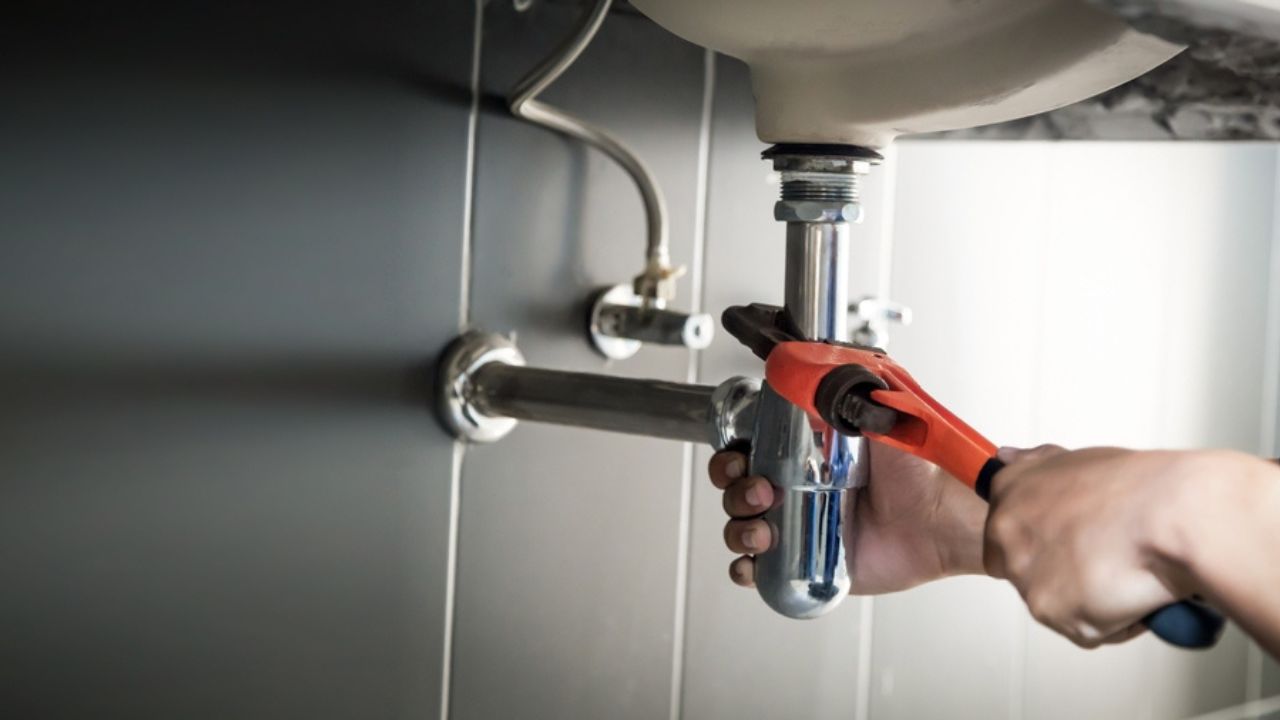
Taking care of these small home repairs can bring a surprising amount of satisfaction. Noises disappear, parts stop wobbling, and water stays where it belongs. You can group similar tasks together. For instance, if you’re already gathering tools to fix a door handle, check the hinges on that same door for squeaks. If you decide to tackle a slow drain in the bathroom, check the faucet for drips while you are there.