

The 1970s were a special decade. It gave us disco, bell-bottoms, and a design aesthetic that can be politely described as “bold.”
For those who lived through it, the home decor was a magnificent landscape of earth tones and textures that are now seared into our collective memory. It was an era of unapologetic style, where comfort often took a backseat to making a statement.
Here are five iconic items that seemed to be in every single home during that groovy decade.
1. Wood Paneling on Walls
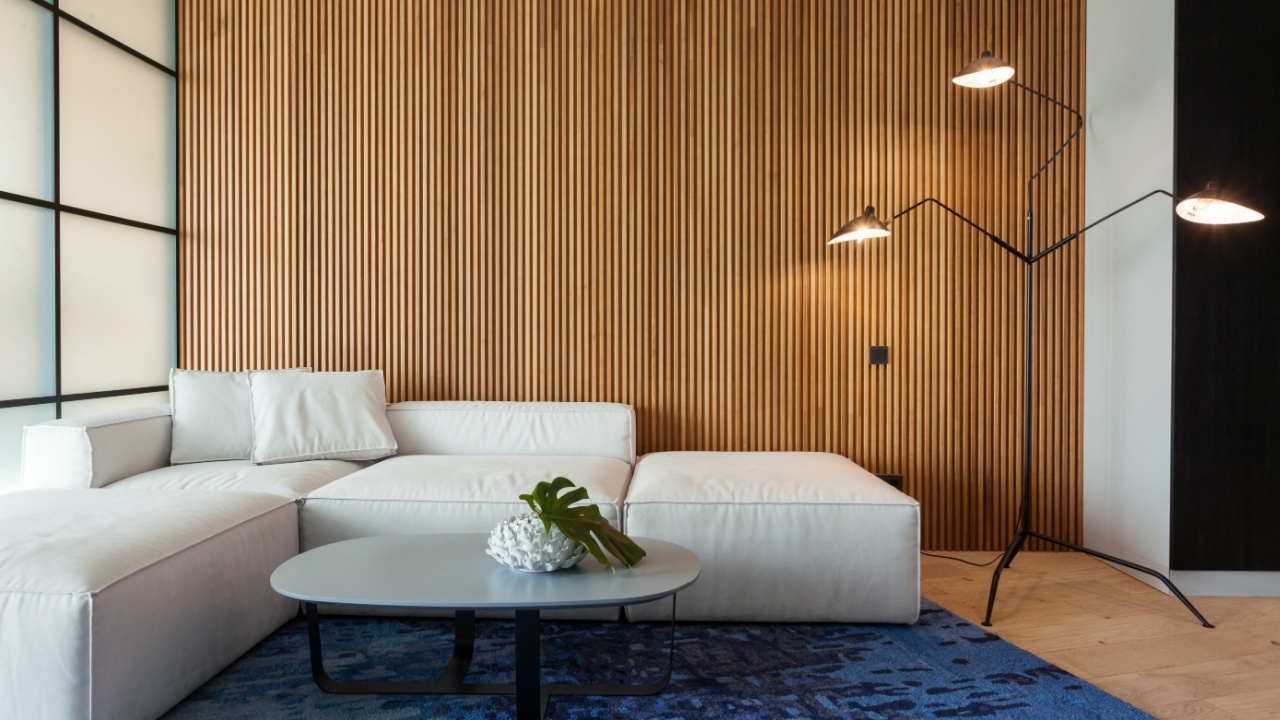
Image Credit: Shutterstock.
Walk into a 70s home, and you were likely greeted by a sea of wood paneling. It wasn’t just an accent wall; it was often every wall, in every room. This wasn’t the sophisticated, light-grained wood popular today. This was dark, often with deep grooves, and it had a unique ability to absorb every bit of light in a room, creating a den-like atmosphere day or night.
The popularity of wood paneling stemmed from its affordability and ease of installation. It was a quick way to cover up damaged plaster or simply add some “character” without needing a professional painter. This DIY-friendly material made it possible for many families to update their homes on a budget.
2. Avocado Green and Harvest Gold Everything
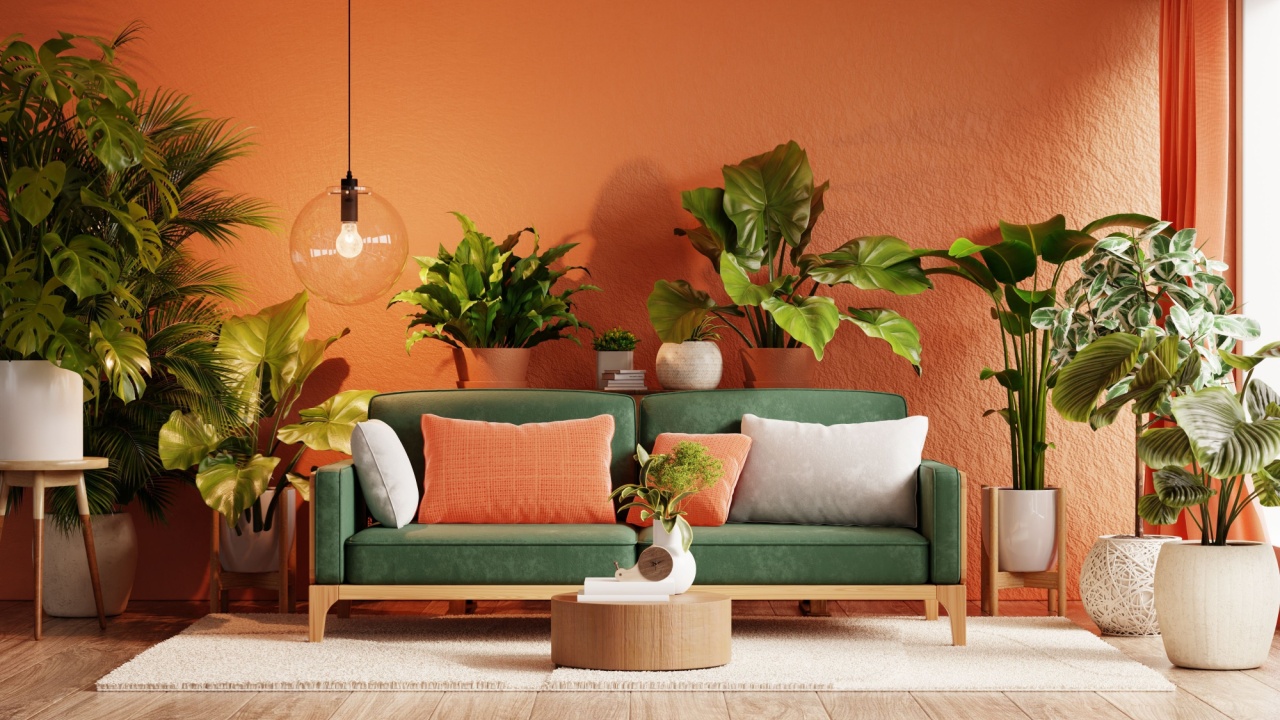
Image Credit: Shutterstock.
If the 70s had an official color palette, it would be the dynamic duo of Avocado Green and Harvest Gold. These two earth tones were absolutely everywhere. From refrigerators and ovens to lamps and linoleum floors, you could not escape their reach. Throw in a dash of burnt orange, and you had the complete trifecta of 70s interior design.
These colors were a departure from the pastels of the 50s and 60s, reflecting a move toward a more grounded, nature-inspired look. These colors felt earthy and substantial. They were meant to evoke a sense of connection to the natural world, even when applied to a plastic telephone or a shag carpet. Avocado green appliances were seen as a sophisticated upgrade from standard white, and harvest gold accents were thought to bring a warm, sunny glow into the home.
3. Shag Carpet From Wall to Wall
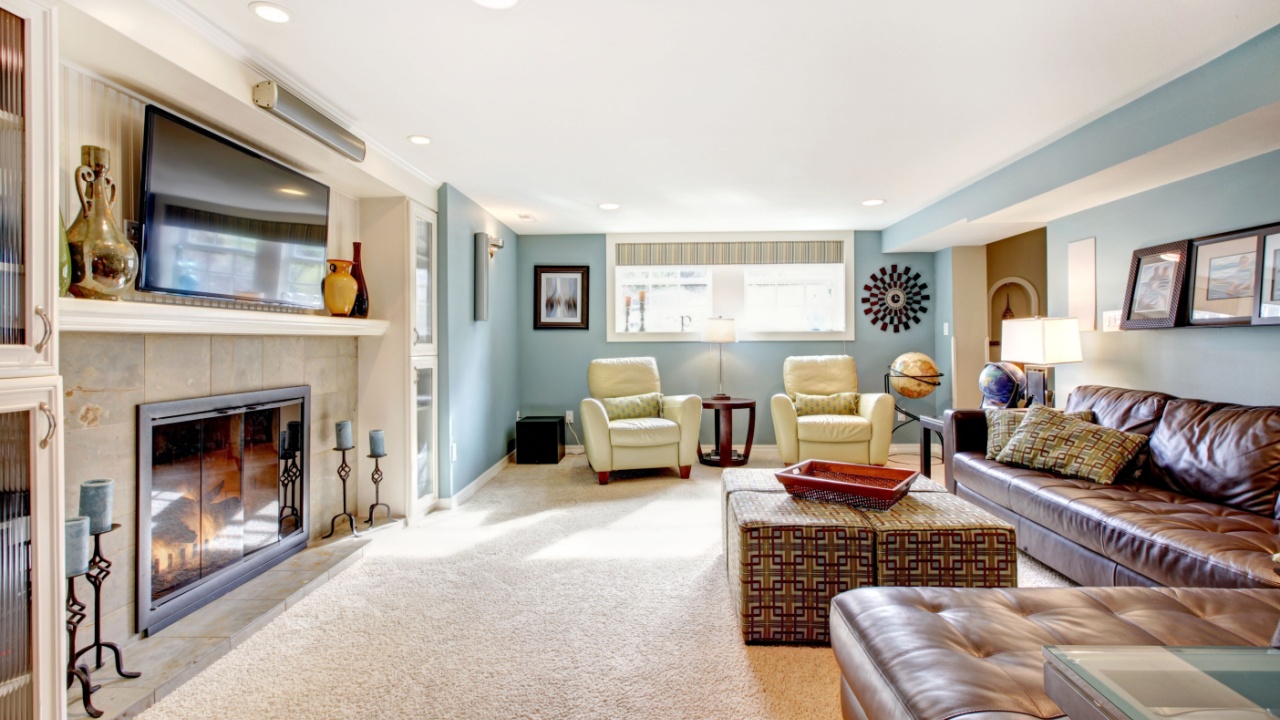
Image Credit: Shutterstock.
You knew you were deep in the 1970s because of the feeling of a deep shag carpet underfoot. And it was rarely confined to a simple area rug. The 70s way was to have it installed wall-to-wall, flowing from the living room, down the hallways, and sometimes even into the bathroom.
The long, plush fibers were the height of luxury, providing a soft landing for your feet and a built-in sound-dampening system. The only downside was the constant search for lost items swallowed by its deep pile and the epic struggle of trying to clean it with a 70s-era vacuum.
4. Macramé Wall Hangings
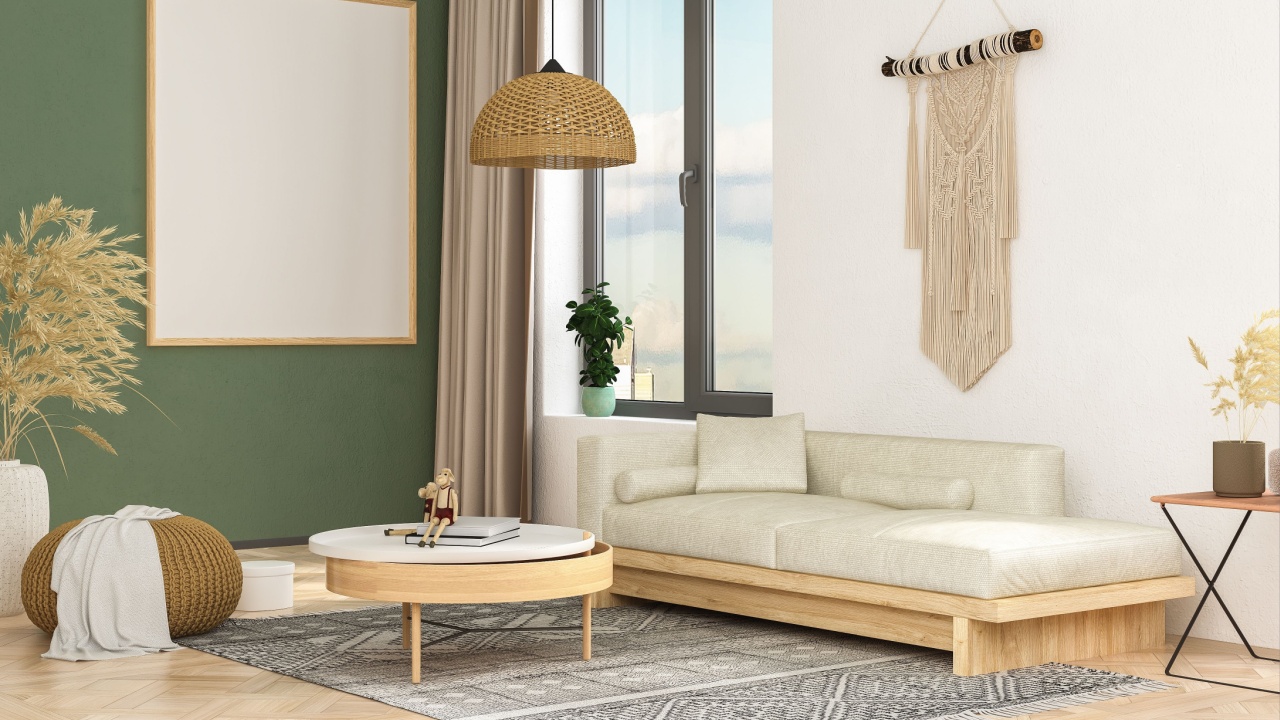
Image Credit: Shutterstock.
If there was a blank wall in a 70s home, there was a good chance a macramé plant hanger or wall hanging was destined for it. The art of decorative knot-tying saw a massive revival during the decade. These intricate, handmade pieces were a staple of bohemian decor, often featuring natural jute rope, wooden beads, and cascading tassels.
From simple pot holders to massive, owl-shaped wall sculptures that stared at you with wooden-bead eyes, macramé was the go-to craft. This trend was part of the larger back-to-nature and DIY movements of the era. People were embracing handmade goods and crafts as a reaction against mass-produced consumerism. Macramé was an accessible craft that anyone could learn, making it a popular hobby and a personal way to decorate one’s home.
5. Lava Lamps Glowing Softly
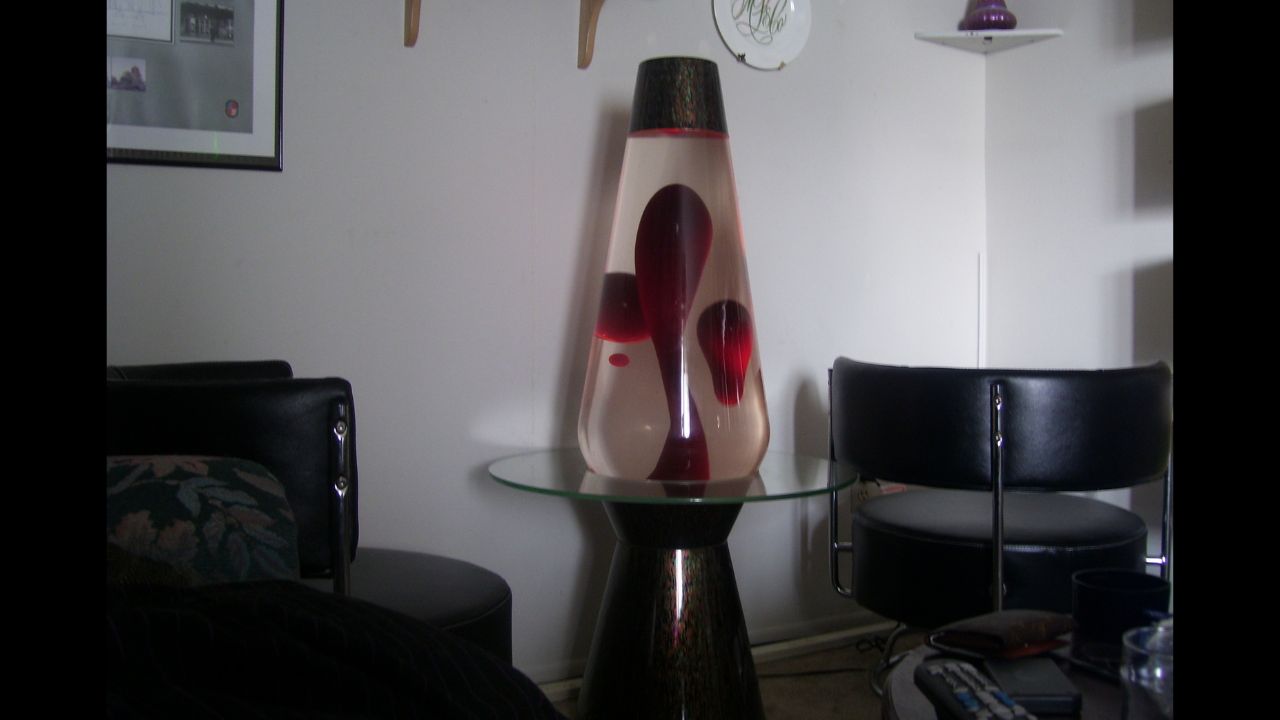
Image Credit: Jrimmer – Own work – Public Domain/Wiki Commons.
The lava lamp is perhaps the most mesmerizing piece of 70s decor. Watching the colorful wax slowly morph, split, and ooze its way up and down the glass vessel was a hypnotic experience. It was part lamp, part kinetic art, and a must-have for any teenager’s bedroom or groovy adult’s lounge. The gentle, colorful light it cast created an ambient, relaxed mood that was perfect for listening to records or just chilling out.
The lava lamp was a symbol of the counter-culture movement that carried over from the late 60s. Its psychedelic, ever-changing forms were seen as a visual representation of the era’s free-flowing and experimental mindset. It was more than just a light source; it was a conversation starter and a piece of interactive decor. Its otherworldly glow provided a distinct departure from traditional, functional lighting.
A Modern Take on the Groovy Past

Image Credit: Shutterstock.
Looking back at 70s home decor is a lesson in fearless design. While some trends are best left in the past, the core ideas of texture, color, and handmade personality are timeless. You do not need to install a wall-to-wall orange shag carpet to learn from this era.
Instead, you can take inspiration from the spirit of the 70s. Try introducing a bold color through a single piece of furniture. Add some natural texture with a macramé piece or a plush rug. Borrow the elements you love and integrate them into your own style.