

Mold doesn’t announce itself. It quietly grows in places that stay damp, and some everyday appliances are prime spots for it. Left unchecked, it can lead to unpleasant odors, damage surfaces, and even trigger allergies or respiratory issues.
From the moisture trapped in washers to the condensation lurking in vents, some machines are more prone to mold than others. Understanding where it hides and how to tackle it makes all the difference. Here’s a closer look at five appliances that require attention to stay clean, dry, and mold-free.
1. Washing Machines

Image Credit: Shutterstock.
Front-loading washing machines trap moisture in the rubber gasket, detergent drawer, and drum. Residual water from previous cycles creates a perfect environment for mold and mildew.
Clean the gasket with hot, soapy water and wipe out the detergent drawer regularly. Running an empty hot cycle with a cup of baking soda or bleach removes hidden buildup and keeps smells under control. Lingering odors can hint at mold behind the drum, a clogged filter, or drainage issues.
2. Refrigerators
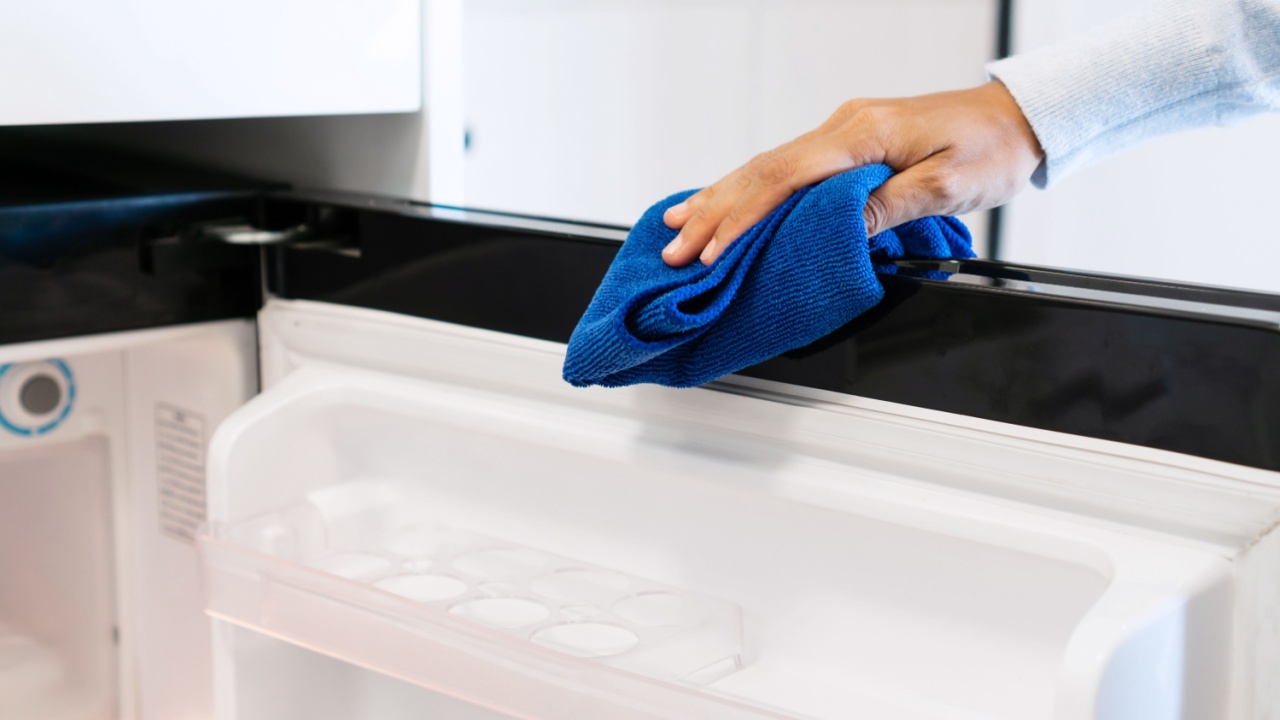
Image Credit: Shutterstock.
Refrigerators often hide mold in door seals, corners, and drip pans. Spills left unattended feed mold quickly. Wiping shelves and walls with a baking soda and warm water solution keeps surfaces clean and odor-free.
Remove and clean drip pans and water filters regularly. Keeping the interior dry prevents moisture from accumulating and stops mold before it starts.
3. Dishwashers

Image Credit: Shutterstock.
Dishwashers trap food particles, and standing water in the filter or under the door can encourage mold growth. Empty and clean filters after every few cycles.
Wipe the seals and edges of the door, and run a hot-water cycle with vinegar or a dishwasher-safe cleaner to remove buildup. Let the door air out after use to reduce residual moisture.
4. Water Heaters
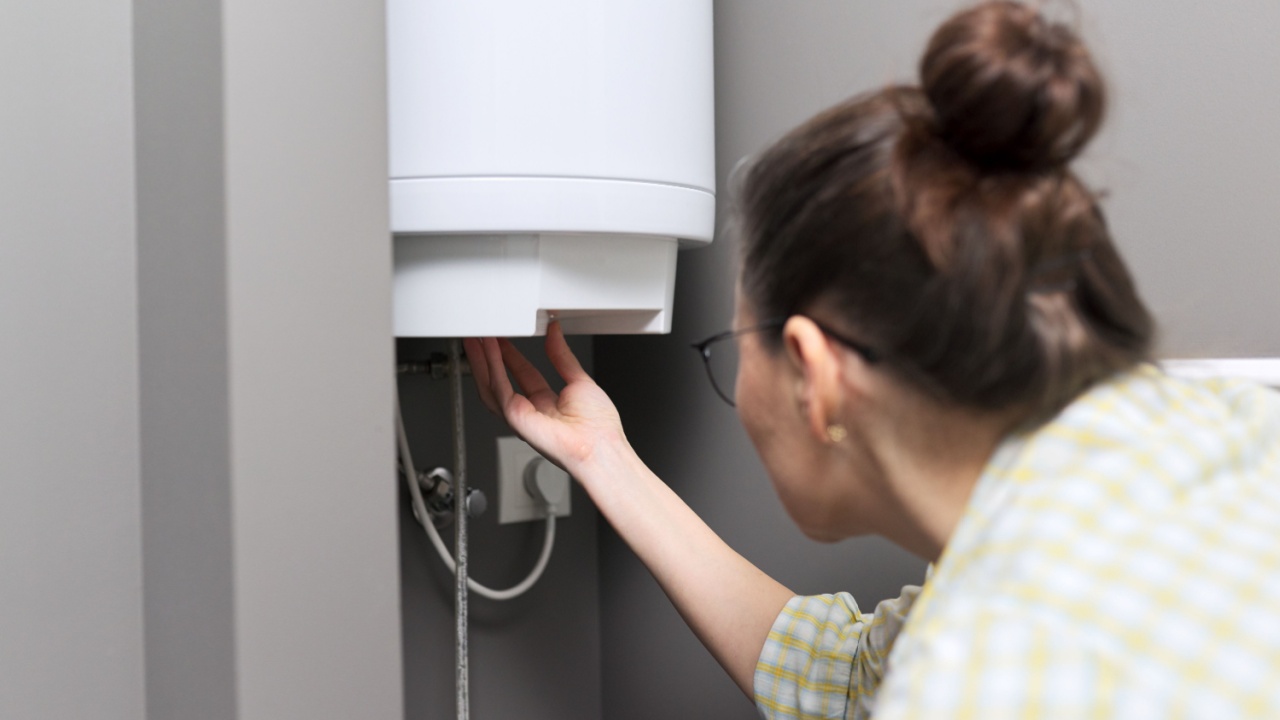
Image Credit: Shutterstock.
Slow leaks around the base or nearby floors create damp conditions that mold loves. Check for puddles, corrosion, or damp patches around the heater.
Address leaks immediately and clean any affected areas thoroughly. A dry, well-maintained water heater reduces mold risk and keeps surrounding spaces safe.
5. HVAC Systems

Image Credit: Shutterstock.
Condensation inside air ducts or around vents is an unnoticed source of mold. Musty odors or visible discoloration can indicate growth inside the system. Regularly check vents and consider professional duct cleaning if moisture accumulates. Clean, dry, and unobstructed ducts improve airflow and stop hidden mold from spreading through the home.
Keep Mold Out, Comfort In

Image Credit: Shutterstock.
Regular attention to these appliances keeps mold from gaining a foothold, protects surfaces, and maintains a fresher, healthier home. A simple cleaning routine and quick inspections prevent odors, damage, and costly repairs, making your appliances last longer and your living space safer.