
4 Things Super Organized People Always Do
Maybe you know someone whose home or workspace could be featured in an “organization hall of fame,” while the rest of us are still wondering where we left last week’s to-do list. It’s tempting to chalk their tidiness up to a rare superpower, but it really comes down to habits anyone can learn.
People who keep their lives running smoothly rely on a select handful of routines that consistently keep chaos at bay. This article breaks down four strategies that highly productive individuals use to stay organized.
1. Use the Getting Things Done Method

The Getting Things Done (GTD) method is a powerful system for clearing your mind and organizing your duties. Instead of trying to remember every single task, you write everything down in a trusted place outside your head. This could be a physical notebook, a digital app, or a simple whiteboard.
The core idea is to capture every open loop pulling at your attention, clarify exactly what needs to happen next, and organize those actions into categories. Once everything is out of your brain and onto a list, you review it regularly to decide what to execute. Your brain is terrible at holding onto reminders but fantastic at processing information. When you externalize your to-do list, you free up mental space for actual work and creativity.
2. Break Bad Patterns Immediately

Highly organized people are masters at spotting repetitive actions that waste time. If they notice they spend ten minutes every morning searching for their gardening gloves, they don’t just accept it as a fact of life. Instead, they recognize this as a friction point and solve it immediately, perhaps by installing a hook right by the back door.
They constantly audit their daily routines to identify bottlenecks or inefficiencies. When a recurring problem pops up, they fix the root cause rather than just dealing with the symptom over and over again. Addressing these small annoyances pays off massively in the long run. Those five or ten wasted minutes might not seem like much in isolation, but they compound quickly over weeks and months.
3. Organize Physical and Digital Spaces

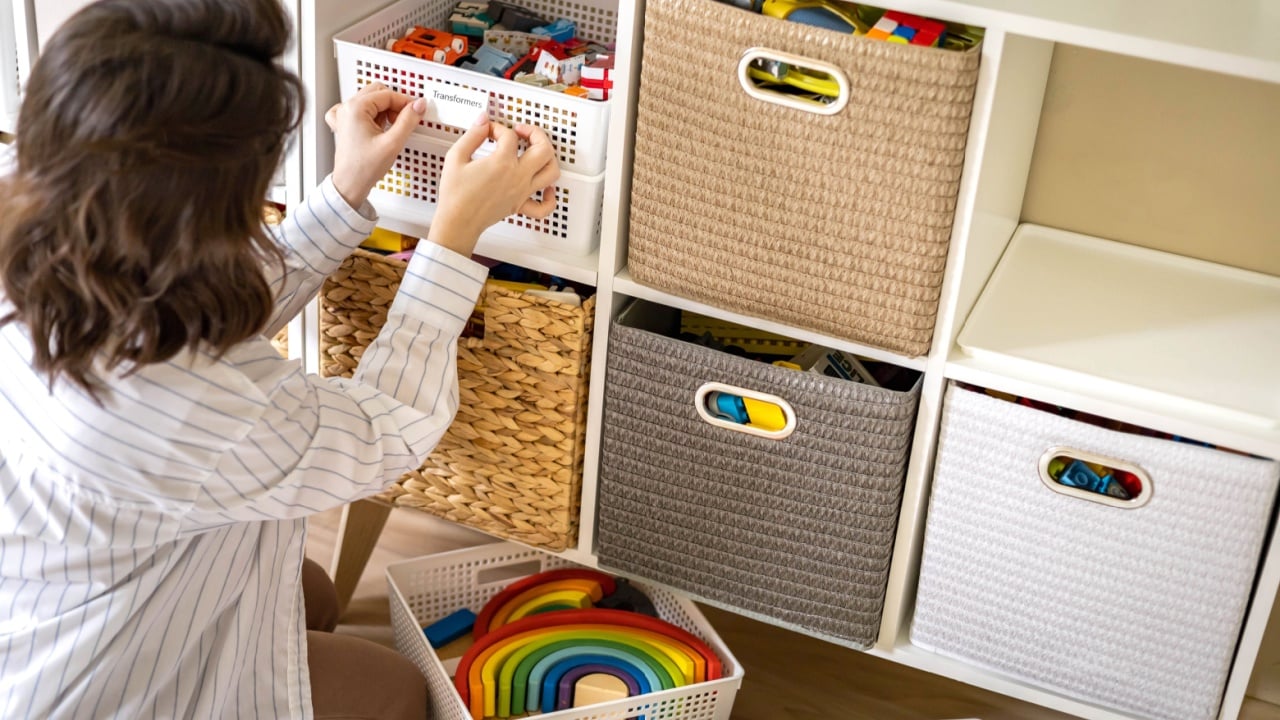
Clutter is the enemy of productivity, and successful organizers attack it ruthlessly. This means giving every single item a dedicated home. For example, this could mean labeling boxes for office supplies, designating a basket for keys near the door, or sorting household items into clear storage bins. Digitally, it means sorting emails into folders and keeping your desktop clean. They don’t just shove things in a drawer to deal with later; they process items immediately and put them where they belong.
If an item doesn’t have a home, they create one or get rid of the object entirely. This habit eliminates decision fatigue. When you know exactly where the shears belong, you don’t have to waste energy deciding where to put them down. It also speeds up retrieval time significantly. You never have to hunt for the trowel because it is always on the third shelf to the left.
4. Set Strict Time Limits

Timeboxing is the practice of allocating a fixed time period to a planned activity. Instead of working on a task until it’s done, you work on it until the timer goes off. For example, you might decide to spend exactly thirty minutes organizing your workspace or finishing a set of emails. Once that time is up, you stop and move on to the next scheduled item.
Super organized individuals schedule their days in blocks, treating their time like a limited budget that must be spent wisely. They prioritize their most important work for their most productive hours. This technique enforces focus and prevents perfectionism. Parkinson’s Law states that work expands to fill the time available for its completion. If you give yourself all day to clean the garage, it will take all day. If you give yourself two hours, you will hustle to get it done efficiently.
Your New Organized Life
Getting organized isn’t a mysterious talent; it is simply a series of smart choices repeated until they stick. Start by adopting just one of these habits this week. Maybe you grab a notebook and dump all your mental clutter onto paper, or perhaps you finally put up that hook for your keys. Pick a small win, execute it, and watch how much smoother your days become.