4 Reasons Two‑Tone Cabinets Are a Charming Kitchen Trend
The idea of painting kitchen cabinets two different colors might sound like a design choice that belongs in the past, alongside popcorn ceilings and avocado-green refrigerators.
It’s easy to picture a kitchen that looks disjointed or chaotic. But the two-tone cabinet look has surprising staying power. When executed correctly, it adds sophistication and personality to the heart of the home.
This approach involves more than just picking two colors you like; it’s a deliberate design strategy that can transform your kitchen’s feel and function. This article examines four compelling reasons this design concept remains a favorite among homeowners and designers.
1. They Make Small Kitchens Feel Larger
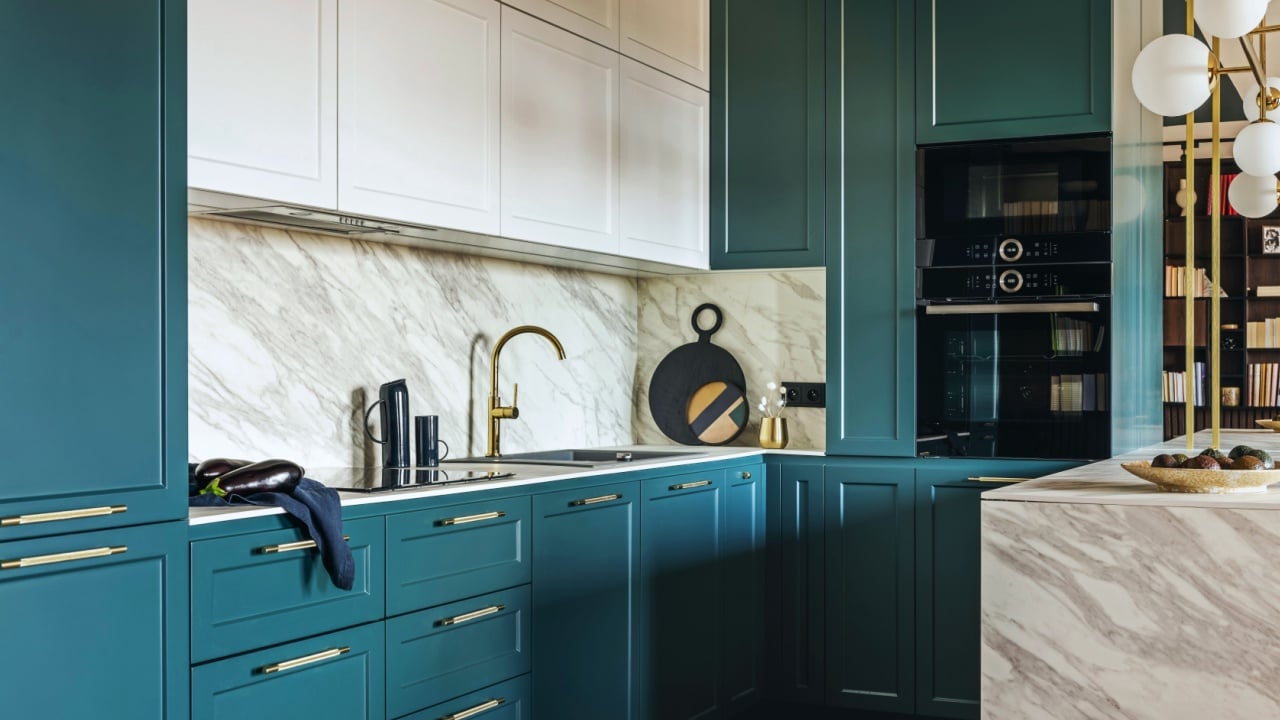
One of the most powerful effects of using two-tone cabinets is the ability to create an illusion of space. By painting the upper cabinets a lighter color like white, cream, or a soft pastel, and the lower cabinets a darker, grounding shade, you draw the eye upward. This technique gives the room a sense of height and openness, preventing the space from feeling cramped or top-heavy.
The lighter upper cabinets blend with the ceiling and walls, making the top half of the room feel airy and expansive. Meanwhile, the darker base cabinets anchor the space without overwhelming it. This strategic use of color creates depth and dimension, fooling the eye into perceiving a larger, more open area.
2. They Highlight Architectural Features
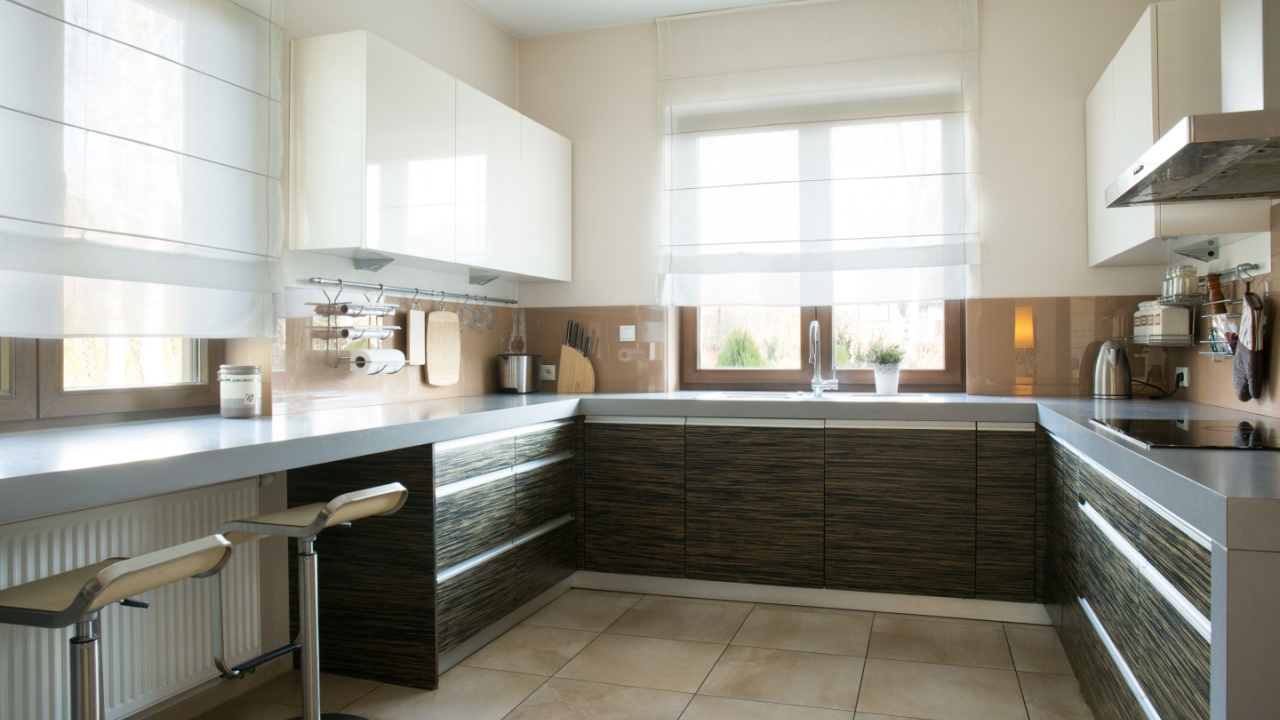
Every kitchen has its own unique layout, and two-tone cabinets can be used to accentuate its best architectural elements. If your kitchen has a beautiful island, a charming breakfast nook, or interesting structural beams, using a contrasting color can turn these features into stunning focal points. This approach works for more than just islands.
You can use color to define different zones within an open-concept kitchen or draw attention to a specific wall of cabinetry, such as the one housing the range or a built-in coffee bar. By thoughtfully applying different colors, you can guide the eye through the space and highlight the elements that make your kitchen special. This transforms standard cabinetry into a purposeful design statement that enhances the room’s character.
3. They Provide Flexibility for Future Updates
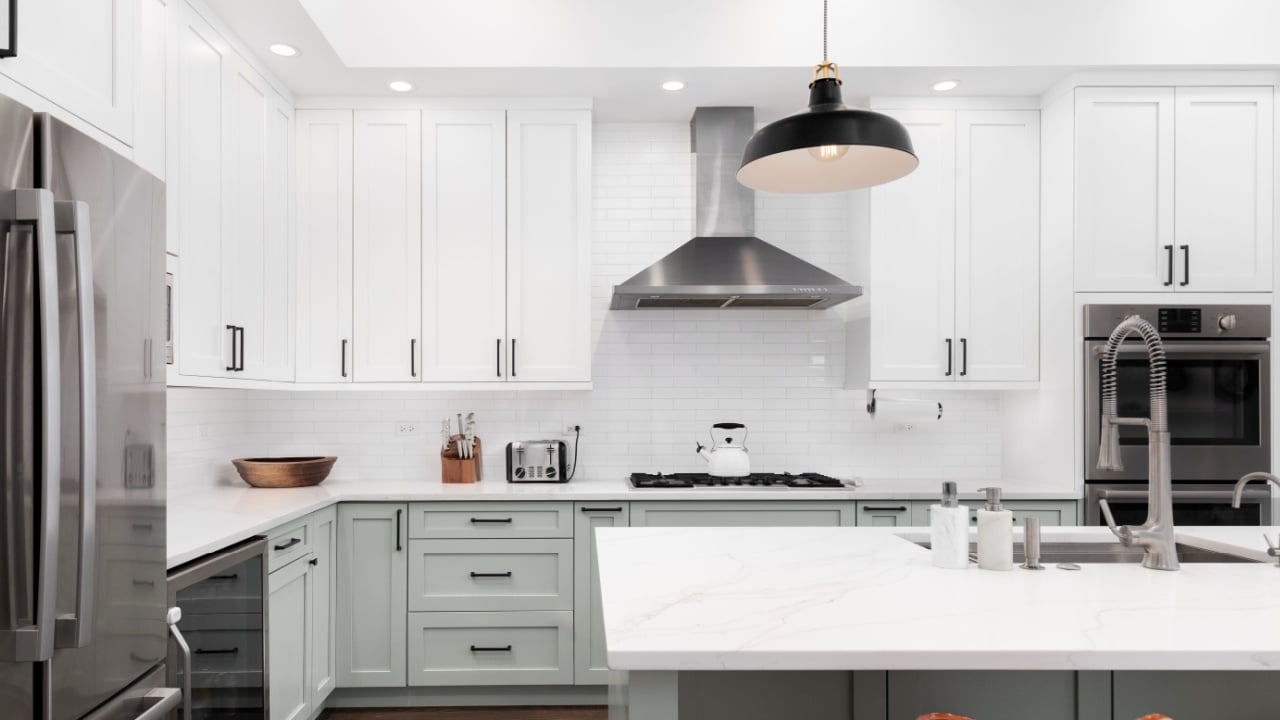
Committing to a single, bold color for all your kitchen cabinets can feel like a big decision. What if you get tired of it in a few years? Two-tone cabinets offer a more flexible solution. Since you are working with two distinct color sections, updating the look down the road becomes a much simpler task. You can repaint just the upper cabinets, the lowers, or the island without having to redo the entire kitchen.
This modular approach to color saves time and money when you are ready for a refresh. If your dark lower cabinets start to feel too heavy, you can lighten them up. If you decide you want to introduce a new accent color, the island is the perfect place to experiment. This adaptability makes the two-tone style a practical choice for anyone who enjoys periodically changing their home’s decor without committing to a full renovation each time.
4. They Add Visual Balance
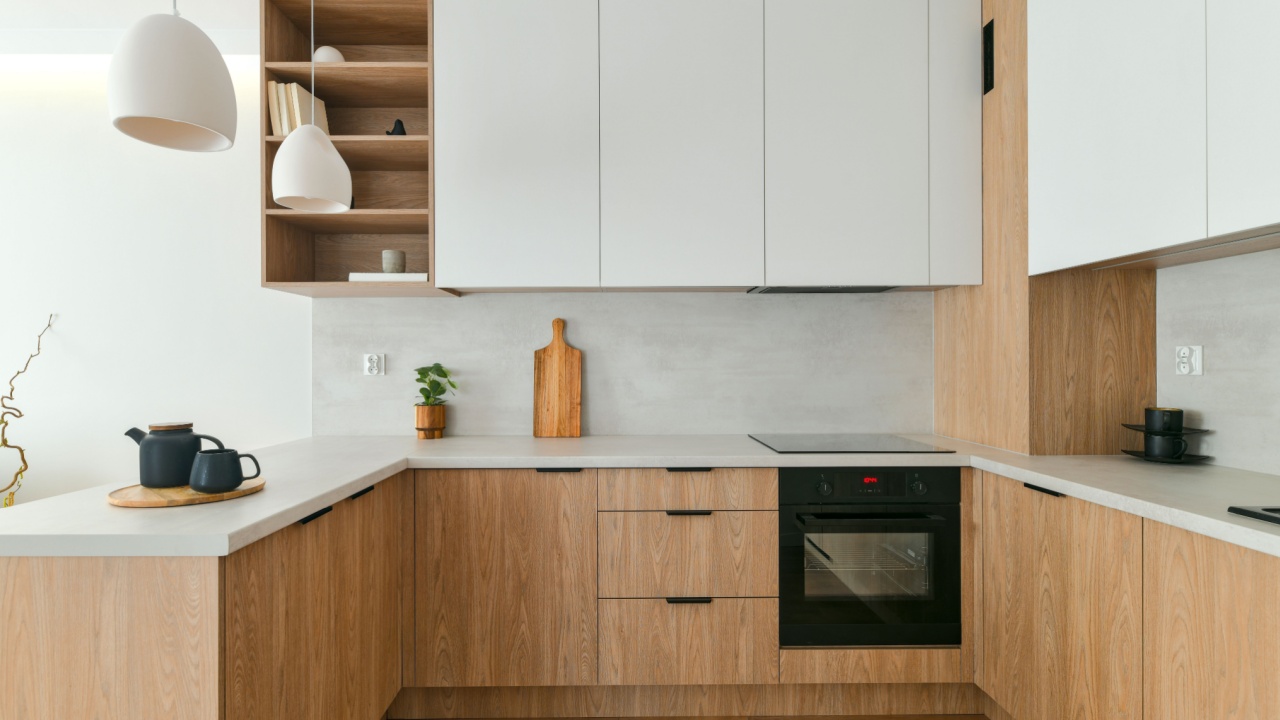
A kitchen with a single color of cabinetry can sometimes look monotonous. Two-tone cabinets break up the visual uniformity, introducing contrast and balance that make the entire space more interesting. The interplay between light and dark, or between a neutral and a color, creates a dynamic yet harmonious effect. This layering of colors adds a richness and depth that is difficult to achieve with a single shade.
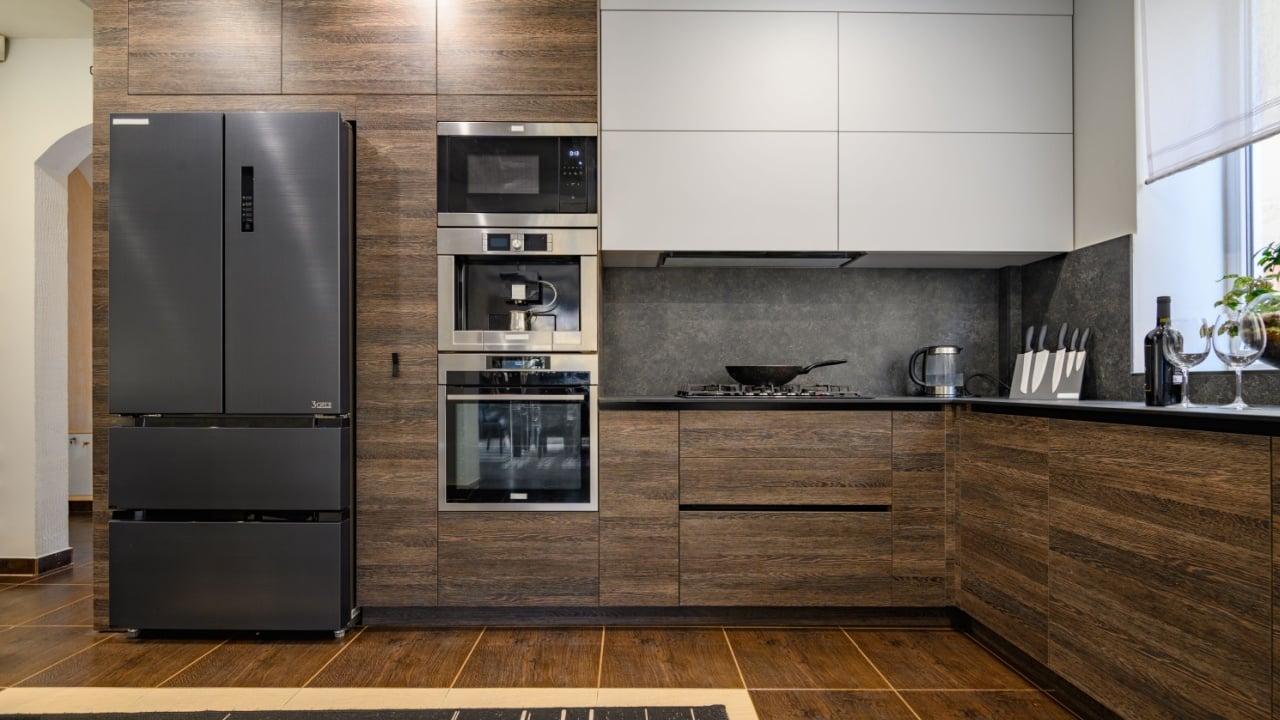
The balance can be created in several ways. The classic light-over-dark combination provides a grounded and open feel. Alternatively, placing darker cabinets on top can create a dramatic, modern statement, especially in a room with high ceilings. You can also mix materials, pairing painted cabinets with natural wood tones to introduce texture and warmth.
Getting Started with Two-Tone Cabinets
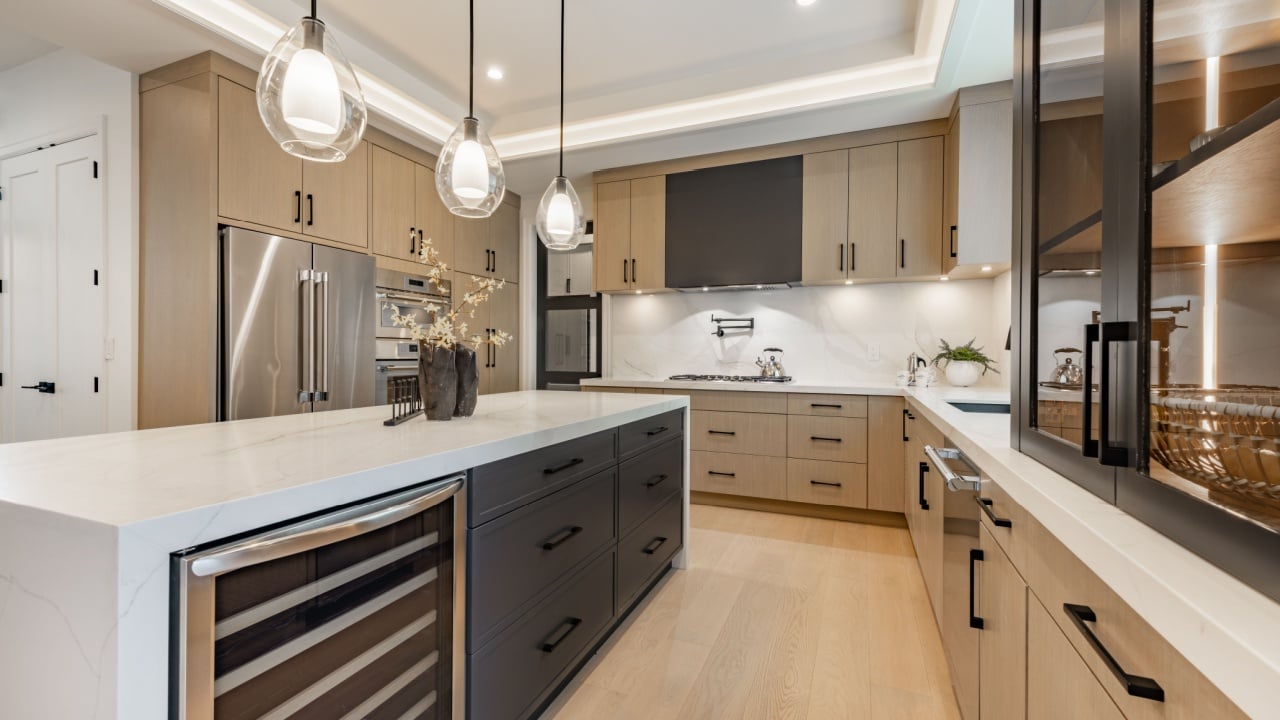
What’s the next move if you’re now considering this for your own kitchen? Look at your space. Notice what you want to highlight and what you want to recede. Maybe you just want to make your cabinets feel new.
Grab some paint swatches and hold them up in your kitchen’s light at different times of day. See how a dark blue feels on the bottom cabinets or how a soft gray pairs with your existing countertop. This small project can give you the confidence to move forward with the rest of the cabinets.